

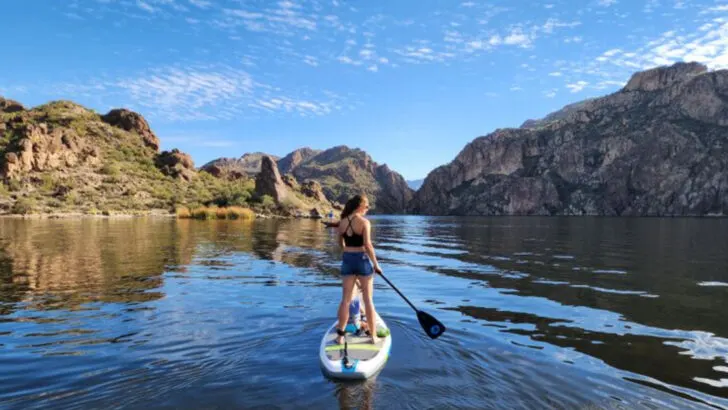
Tucked against the blue curve of Saguaro Lake, Butcher Jones Beach hides in plain sight along E Butcher Jones Beach Rd. You will hear wind in the mesquite before you see the small crescent of sand, and then the whole cove unfolds like a secret.
It is close enough to Phoenix for a day trip yet quiet enough to feel like a private escape. Keep reading and you will know exactly how to make the most of this rare desert beach.
Essential overview and how to get there
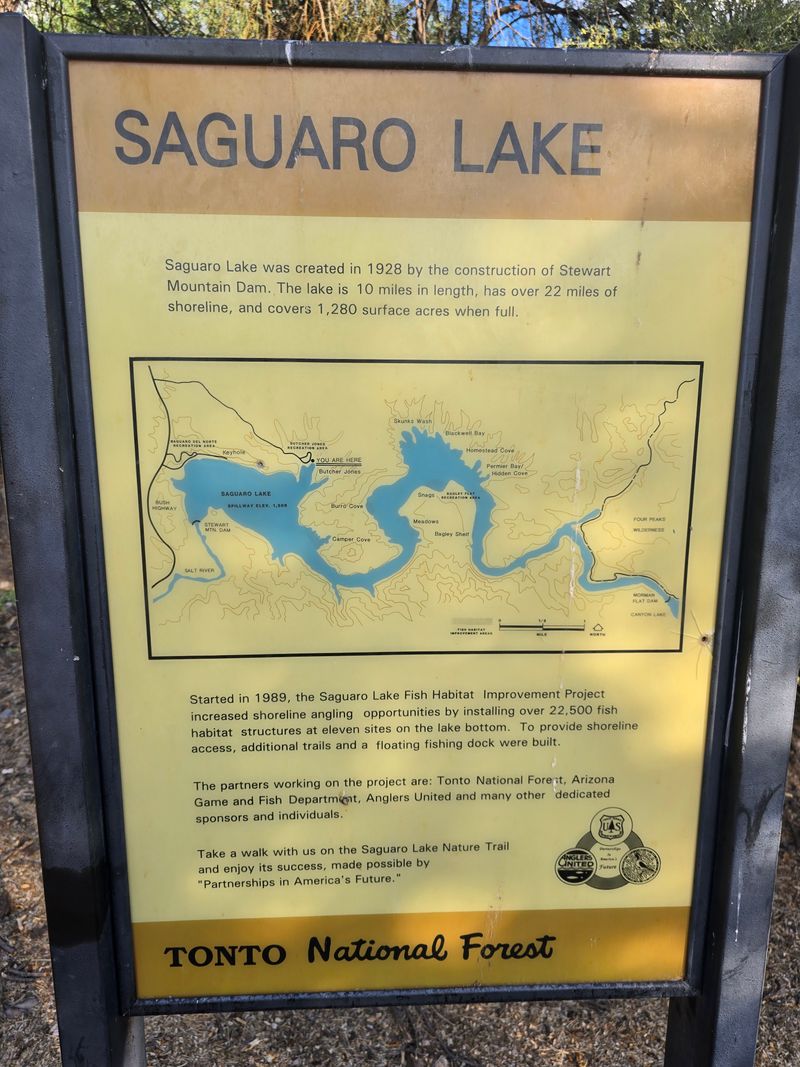
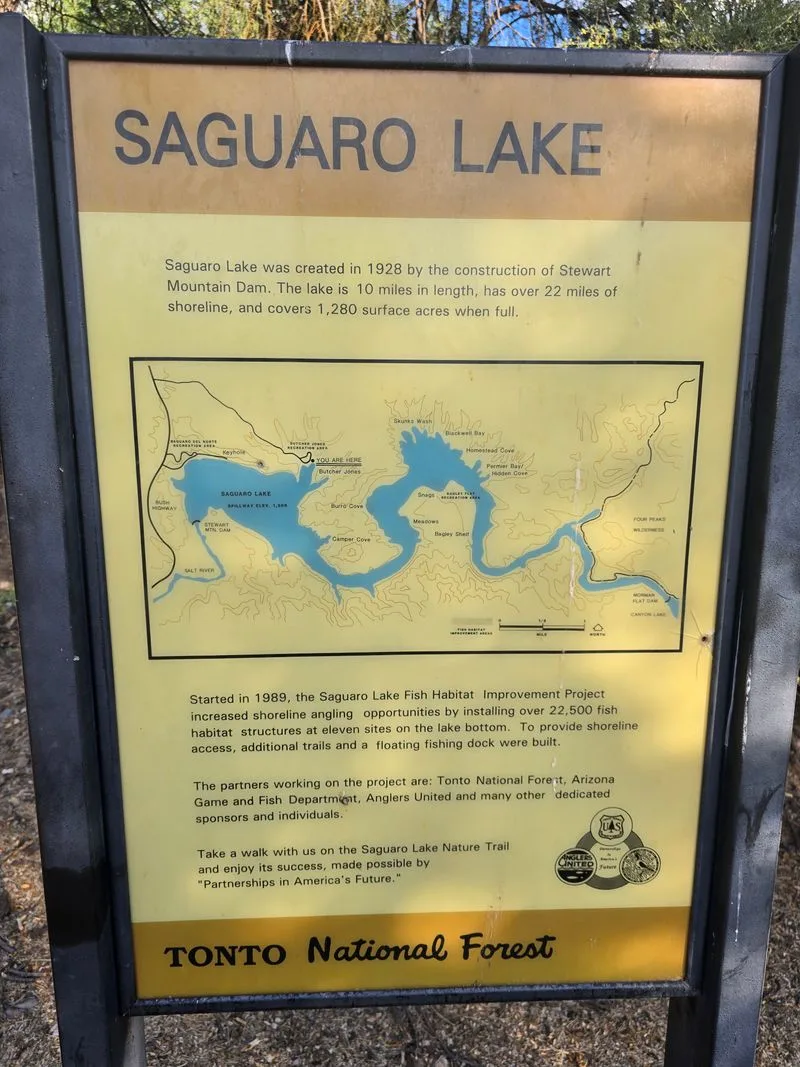
Butcher Jones Beach sits on the northeast shore of Saguaro Lake, reached via E Butcher Jones Beach Rd, Arizona 85264. The turnout is easy to miss, so slow down after passing the main Saguaro Lake marina. A short paved spur leads to a compact parking area with restrooms and picnic tables overlooking the cove.
This is a Forest Service site within Tonto National Forest, so an America the Beautiful or Tonto Pass is typically required. Check posted boards for current fees, seasonal rules, and fire restrictions. Cell service can be spotty; download maps before leaving the Beeline Highway corridor.
The beach itself is a shallow crescent of tan sand pinned between low volcanic hills. Water clarity varies with boat traffic, but mornings are usually glassy. You can wade in at the roped swim area or launch small inflatables at the edge.
Arrive early on weekends to snag shade near mesquite and tamarisk. Summer heat hits fast, so bring extra water and electrolytes. In winter, the air is crisp and the lake glows teal, perfect for quiet walks and photography.
Best time to visit and seasonal tips
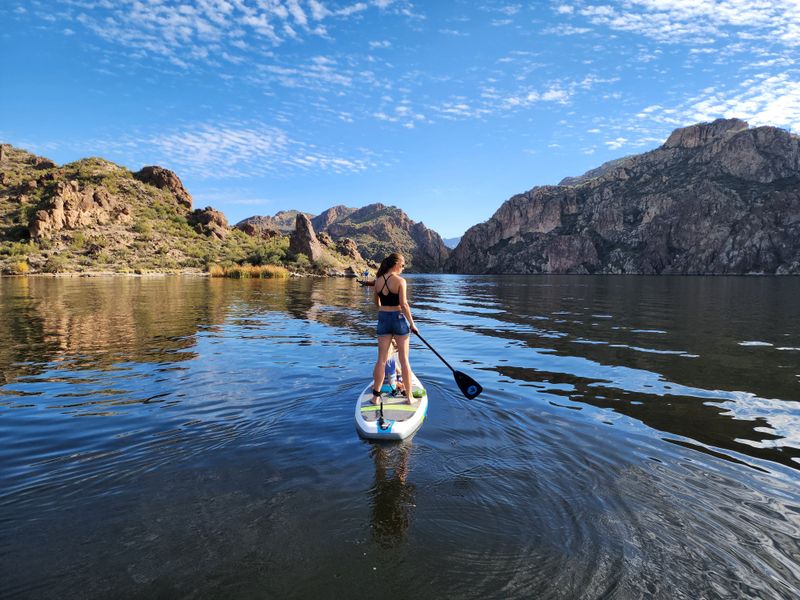
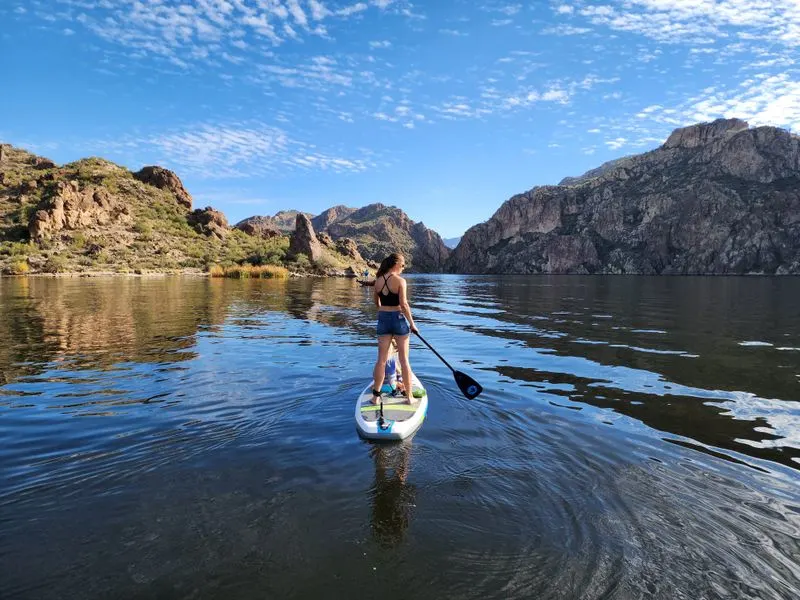
Early mornings are the sweet spot here, especially in summer when desert heat arrives by 9 a.m. Weekdays feel almost private, while weekends fill by mid morning with families and paddlers. Winter brings cool air, open space, and painterly light that makes the lake glow.
Spring can deliver pockets of wildflowers along the trail toward the point. You may hear cactus wrens and see bees working brittlebrush. Water temperatures remain chilly, so plan quick dips or bring a wetsuit if you plan to paddle long distances.
Summer is for sunrise swims and long, lazy shade breaks. Bring a sun shelter and set up behind the high tide line to avoid damp sand. Afternoon monsoon clouds can roll in fast, with gusty winds and lightning that demand quick exits.
Autumn feels like a reward: warm water, lighter crowds, and golden slopes dotted with saguaros. Sunset paddles are spectacular when the mountains mirror in the still cove. No matter the season, check the forecast and active fire restrictions before you go.
Parking, permits, and practical logistics
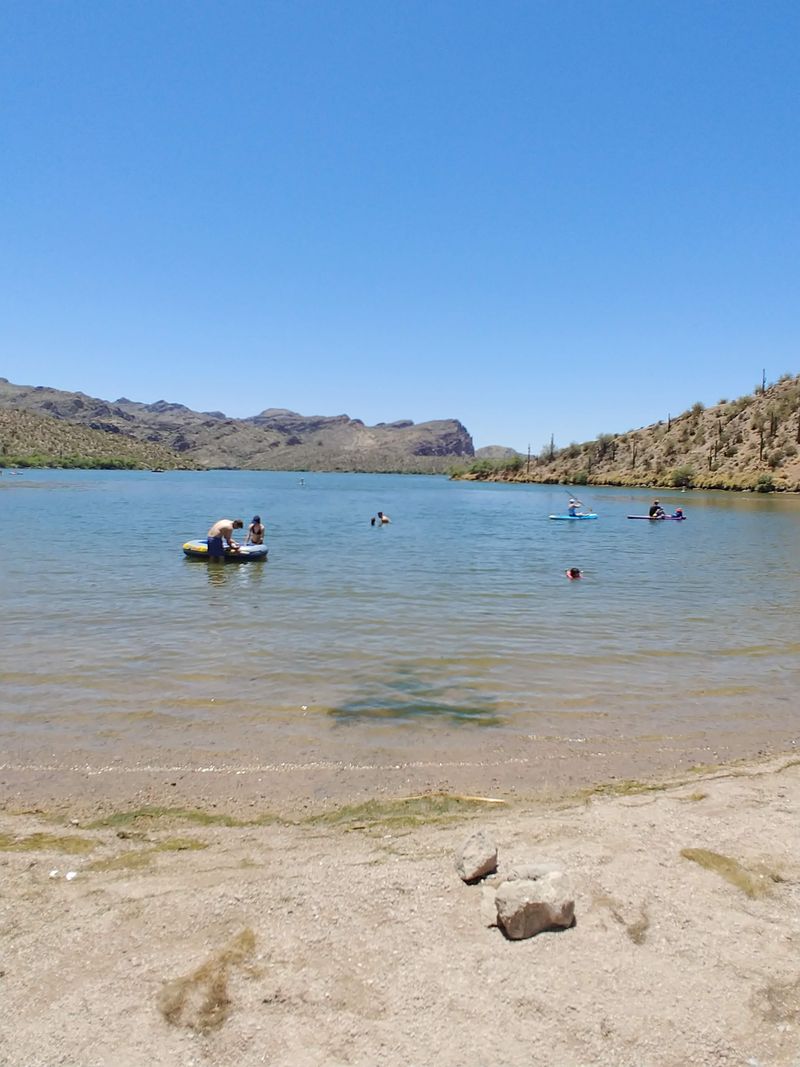
Parking is paved but limited, so arrive before 8 a.m. on busy days. Display a Tonto Pass or America the Beautiful pass where required, and verify current policy on the fee board. Rangers patrol regularly and citation envelopes are easy to spot on windshields.
Restrooms are vault-style and usually clean in the morning. Trash cans are available, but bring bags in case they are full on peak weekends. Glass is a bad idea on sand and near water, so stick to cans or reusable bottles.
There is no potable water on the beach, so pack at least one gallon per person in summer. Shade is limited to mesquite clusters, which fill quickly. A lightweight umbrella or pop up shelter makes midday tolerable without blocking viewlines.
Expect occasional closures during wildfires or hazardous weather. Dogs are generally allowed on leash, but watch for hot sand and sharp riprap. If the lot is full, do not invent parking along the road shoulders; rangers will ticket and towing is possible.
Swimming and water safety in the cove
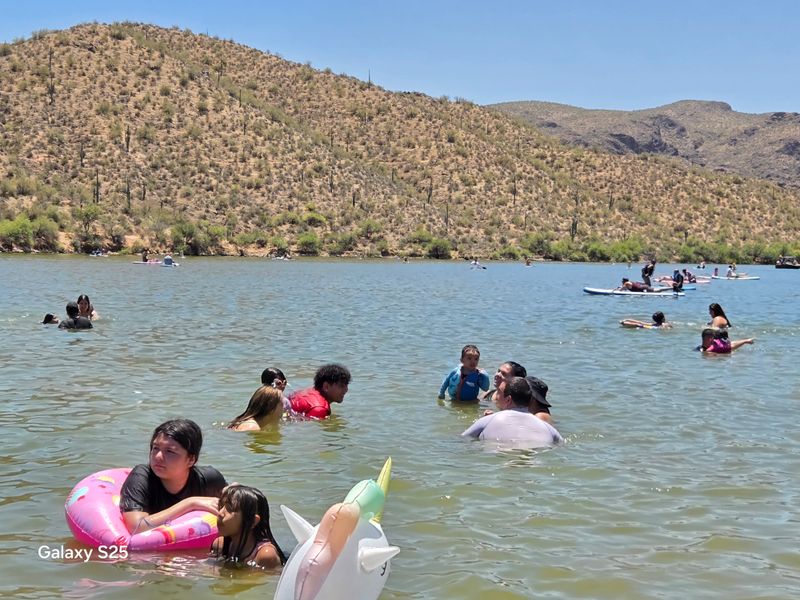
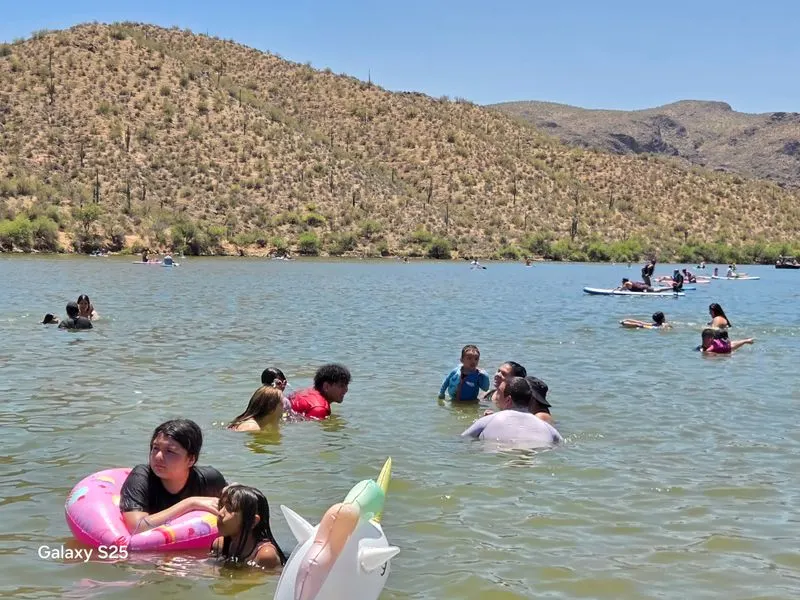
The designated swim area sits just off the sand, marked by a rope and buoys. Depth increases gradually, making it friendly for cautious wading and family play. Water shoes help with occasional gravel and submerged sticks near the edges.
Motorized boats travel outside the roped line, but wakes can still roll in. Keep an eye on kids and gear when the marina releases traffic. Summer afternoons often bring stronger winds that create chop and carry inflatable toys away.
Lake temperatures swing from brisk in winter to pleasantly warm by late summer. Consider a thin wetsuit for shoulder seasons, especially if you plan long swims toward the point. Always swim with a buddy and a visible tow float if leaving the cove.
Lightning is the non negotiable rule: exit the water at the first rumble. Likewise, avoid swimming when water looks turbid after storms, as debris can drift along the shoreline. Rinse with fresh water if you are sensitive to lake minerals or sunscreen residue.
Kayaking and paddleboarding routes

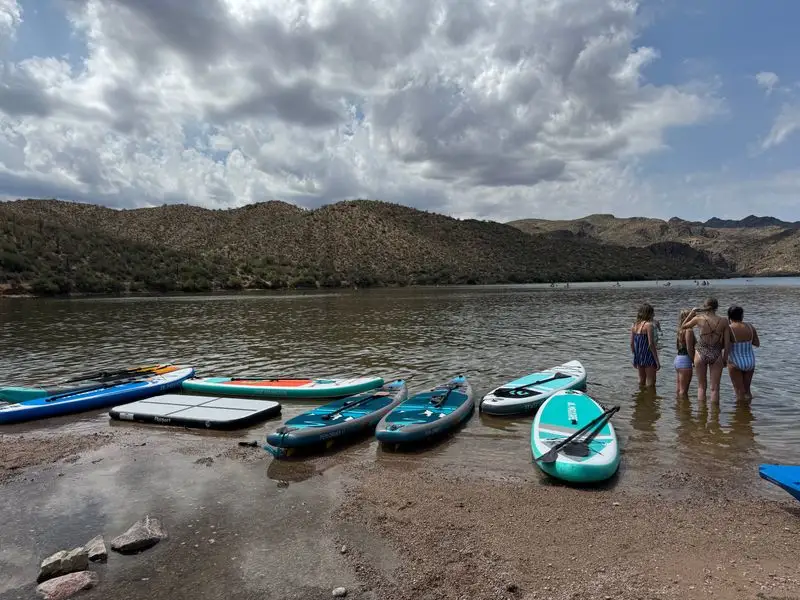
Launch directly from the sand when the swim area is quiet, or walk boards to the edge of the roped line. Early starts deliver glassy water and soft canyon echoes. Hug the shoreline toward the point for wildlife and morning shade.
Beginner loop: trace the cove perimeter, then cross the small mouth only if wind is calm. Intermediate route: follow the east bank north toward the narrows, watching for boat traffic. Advanced paddlers can link coves toward Bagley Flat, checking forecasts carefully.
Wear a PFD and use a coiled leash on SUPs to avoid snagging. A bright hat and deck light help visibility on low light outings. Bring a drybag with water, snacks, and a lightweight emergency blanket for desert surprises.
Afternoon thermals can build fetch across Saguaro Lake, making returns slower than expected. If whitecaps form, drop to your knees and ferry angle back along the lee. Always log your plan with a friend and set a hard turnaround time.
Hiking the Butcher Jones Trail and shoreline
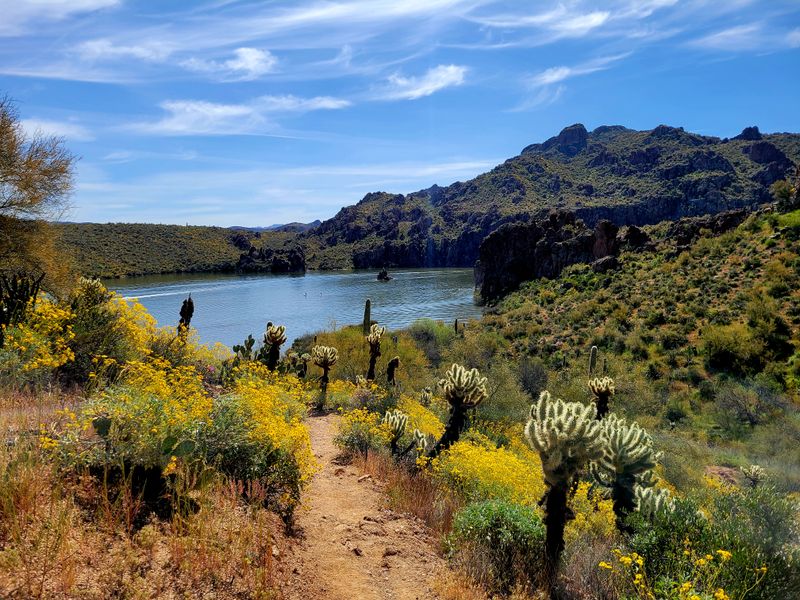
The Butcher Jones Trail begins near the beach and threads along rocky shoreline with constant lake views. It is a rolling singletrack with occasional narrow benches and short climbs. Good footwear is essential because loose pebbles collect on slabs.
Expect mesquite, palo verde, and towering saguaros framing the water. In spring, brittlebush and globemallow add color to the volcanic slopes. Rattlesnakes are possible on warm days, so watch your step and give space.
Carry more water than you think you will need, plus sun protection and a small first aid kit. There is minimal shade and reflective glare off the lake can be intense. Trekking poles help on the rubbly descents back to the beach.
Turnaround points are plentiful at small inlets perfect for a snack break. Sunrise hikers get solitude and golden horizons over Four Peaks. Always check the trailhead board for closures, and avoid muddy sections after heavy monsoon storms.
Wildlife viewing and respectful encounters
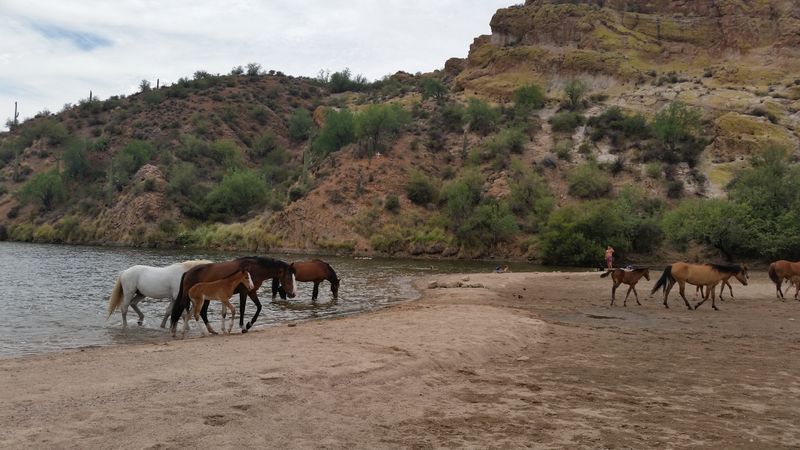
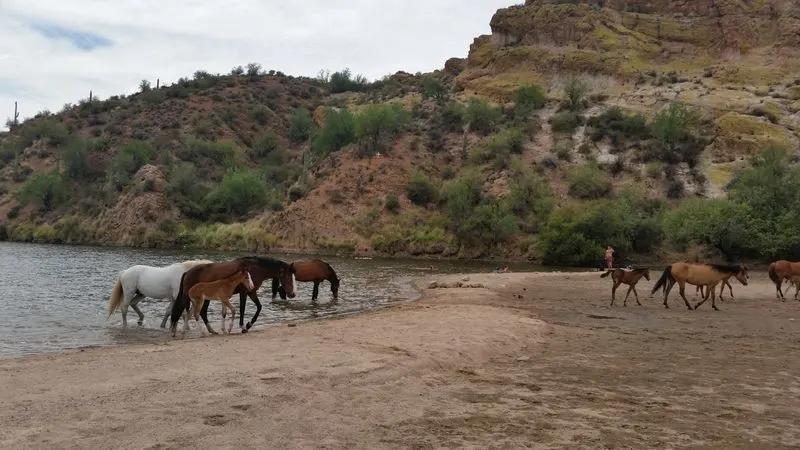
You will likely spot great blue herons stalking shallows and cormorants drying wings on snags. Grebes stitch V shaped wakes across the cove in the quiet hours. On the hills, look for desert bighorn silhouettes and the flick of lizards along rocks.
Early morning and late afternoon offer the best chances for wildlife sightings. Move slowly, speak softly, and keep a respectful buffer. Binoculars help you appreciate details without crowding animals or stepping onto fragile banks.
Never feed ducks or coots, even if they paddle close. Human food changes behavior and draws predators. Secure trash and crumbs inside sealed bags to keep ravens and ringtails from scavenging.
In warmer months, watch for non aggressive but present snakes near rocky pockets. Give them distance and let them move off on their own. If you bring a dog, keep the leash short and avoid letting pets chase birds or enter reed beds.
Picnicking, shade strategy, and low impact tips
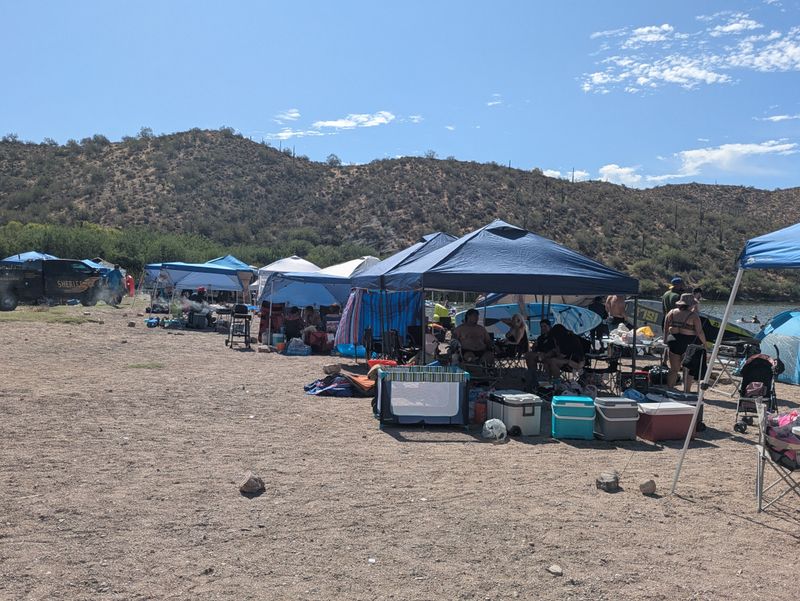
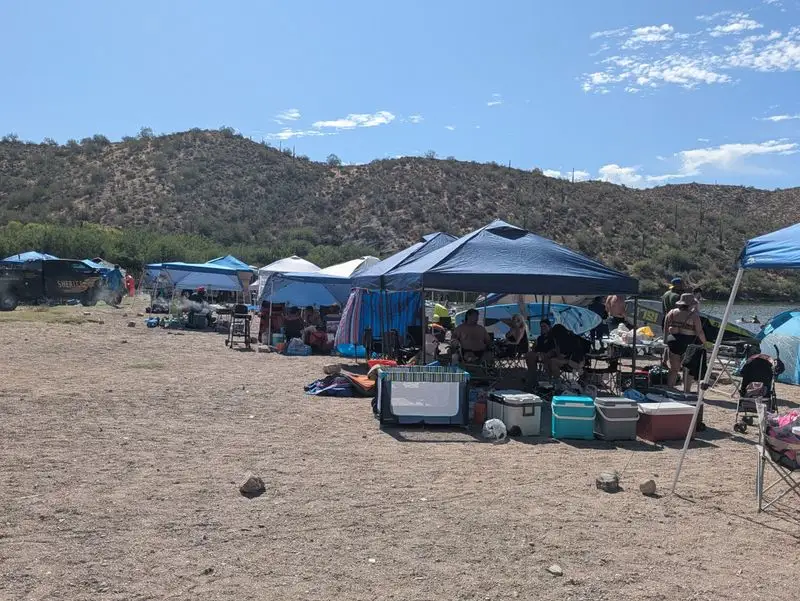
Picnic tables cluster near the parking area with views of the cove, and you can spread a blanket on higher sand. Midday shade is scarce, so bring a compact canopy and stake it securely. Keep walkways open and avoid blocking lake access with gear.
Coolers stay happiest in the mesquite shadows or under reflective covers. Freeze water bottles the night before and rotate them through. A microfiber towel and small mat keep sand out of sandwiches and electronics.
Practice leave no trace by packing out food scraps, fishing line, and bottle caps. Micro trash piles up fast around popular coves. Bring a spare bag to tidy your area and you will notice the beach looks better immediately.
Use portable grills only where allowed and extinguish coals completely. Wind can carry embers into dry brush above the shoreline. If you find a cleaner beach than you left, you did it right and future visitors will thank you.
Photography spots and golden hour angles
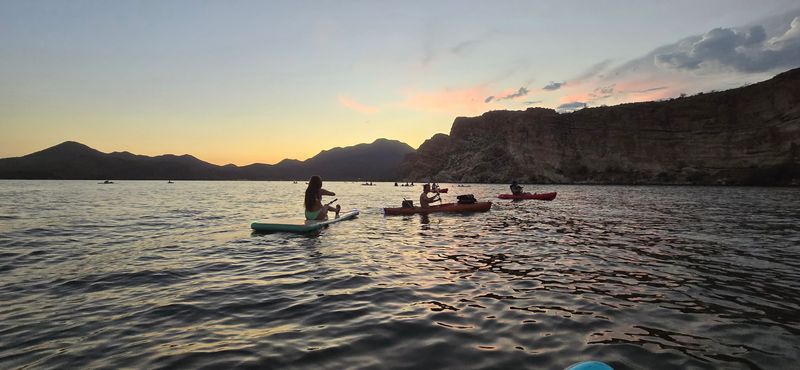
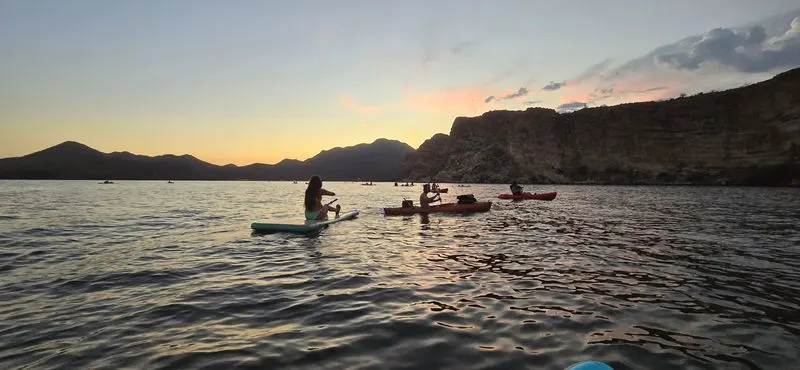
Photographers will love dawn when the lake mirrors orange ridgelines and the beach sits empty. Set up near the far right of the cove to catch a sweeping S curve shoreline. A polarizer cuts glare and deepens greens along mesquite.
For telephoto frames, aim across the cove for herons and distant paddlers. Use a fast shutter to freeze ripples when boats pass. If clouds build, turn toward Four Peaks and wait for layered light to touch the water.
Blue hour is underrated here, especially in winter when the air goes crystal clear. Tripods help for reflections and soft water exposures at the roped line. Keep sand out of tripod locks by extending legs before stepping onto the beach.
Respect other visitors by keeping tripods outside busy walkways and swim entries. Leave room for families and lifeguard checks if posted. When you pack up, brush off gear so grit does not grind into lens rings later.
Weather, hazards, and courteous etiquette
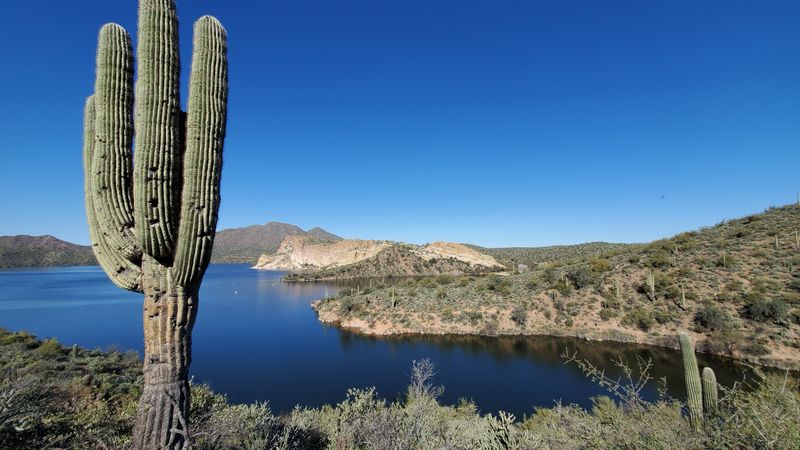
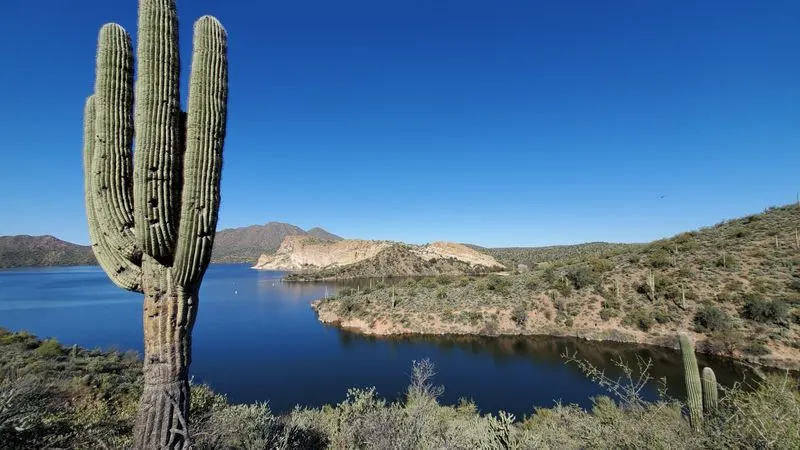
Desert weather flips quickly, so watch skies and set a personal cutoff for leaving. Monsoon storms bring lightning, downbursts, and fast rising chop that can push gear around. Secure canopies and keep inflatable toys tethered or deflated.
Rattlesnakes, bees, and spiky vegetation are common hazards off trail. Wear closed toed shoes when exploring beyond the sand. Avoid cliff jumping anywhere around the cove; hidden rocks and fluctuating levels create real risk.
Etiquette makes this small beach work for everyone. Keep music volumes modest and give paddlers room to launch and land. Smokers should step well downwind and pack out every butt in a tin.
At the end of your visit, do a slow sweep for wrappers, fishing line, and forgotten towels. Thank the space by leaving it cleaner than you found it. Your quiet, considerate presence will help this tucked away treasure stay peaceful for years.