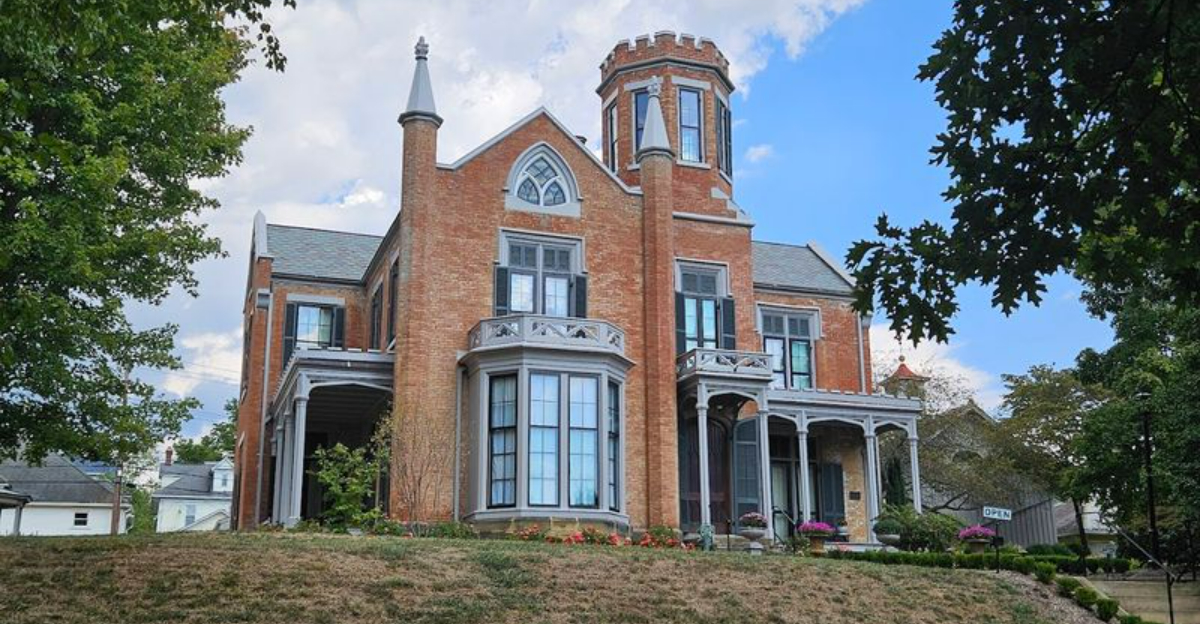
Some historic homes feel distant behind ropes and labels, but The Castle in Marietta pulls you straight into another century. Its Gothic Revival silhouette, quiet setting, and carefully preserved rooms make the past feel strangely close.
What stays with you here is not just the architecture, but the way everyday life from the 1800s still seems to linger in the halls. If you love places that feel intimate, atmospheric, and deeply rooted in local history, this house museum is hard to forget.
A Hilltop Setting Above the Streets of Marietta
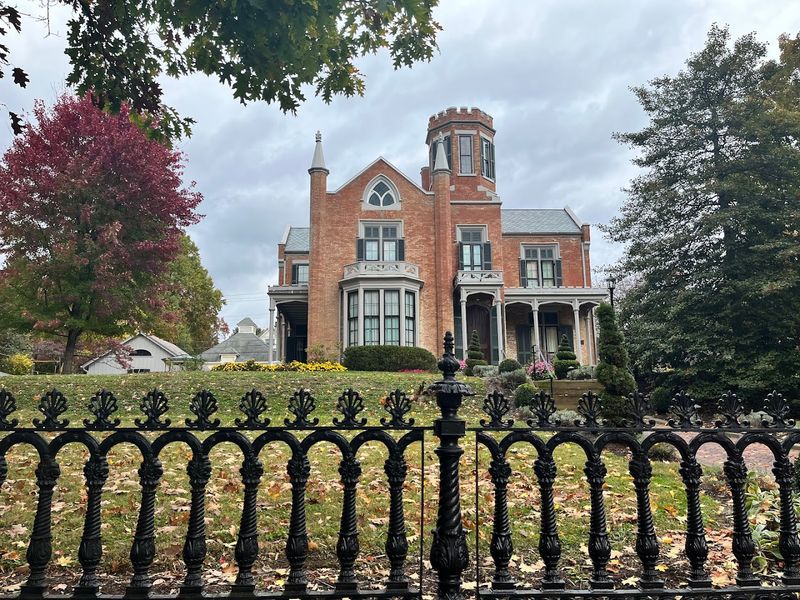
What I noticed first about The Castle Historic House Museum was how its setting changes your mood before you even reach the door. Sitting on Fourth Street above a neighborhood of older houses and leafy blocks, it feels slightly lifted away from downtown without ever feeling isolated.
That small bit of elevation gives the museum a calm, watchful presence, like it has been quietly observing Marietta for generations. As you approach, the noise of everyday errands seems to soften, and the house begins to feel less like an attraction and more like a world with its own pace.
You are still in town, but the atmosphere becomes gentler, more reflective, and a little more expectant. That transition matters, because by the time you stand in front of the museum, you already feel prepared to leave the present behind and step into a home shaped by mid nineteenth century life.
The First Glimpse Feels Almost Theatrical
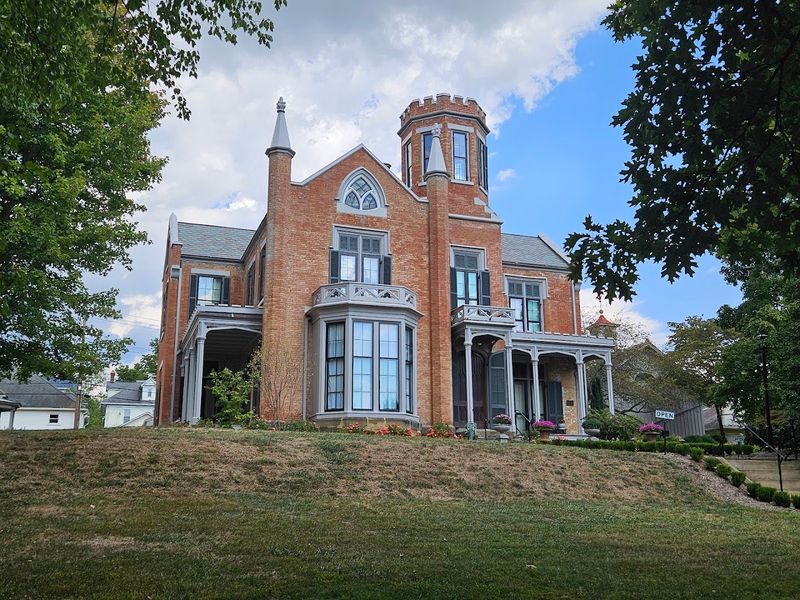
The first look at The Castle Historic House Museum has a kind of theatrical effect that photographs only partly capture. Its steep rooflines, pointed details, octagonal tower, and narrow windows create a silhouette that feels unusual for Ohio and instantly memorable from the street.
I like that it does not rely on size alone to impress you. Instead, the architecture works through shape, proportion, and ornament, drawing your eyes upward and outward until you start noticing trefoil forms, stone capped spires, and the crisp rhythm of Gothic Revival design.
Locals call it The Castle, and that nickname makes complete sense the moment you see it in person. Even before the tour begins, the building announces that this is not just another preserved house, but a place where style, ambition, and nineteenth century taste still hold the spotlight.
Brick, Trim, and Craftsmanship Reward a Slow Look
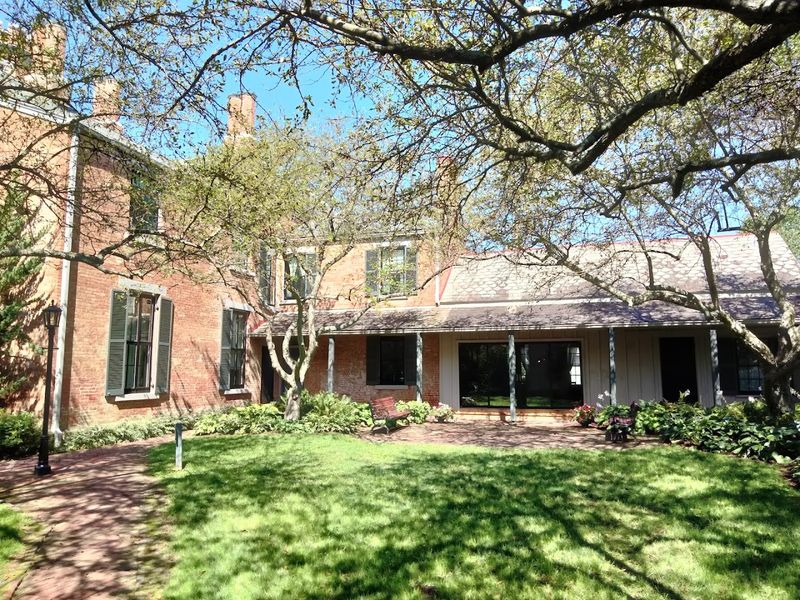
Up close, The Castle Historic House Museum becomes a lesson in patience and craftsmanship. The more slowly you look, the more you notice how brick, trim, stone accents, and carved wooden details work together to create a richly textured exterior.
Nothing feels careless or merely decorative for the sake of decoration. The house shows the kind of mid 1800s attention that treated durability and beauty as partners, with each surface revealing how much pride builders invested in a residence meant to communicate permanence and refinement.
I found myself staring at small transitions between materials, the edges of ornament, and the way shadow settles into the Gothic details. These are the sorts of features that remind you a historic house can still feel handmade, not in a rough sense, but in a deeply intentional way that modern buildings rarely match.
Crossing the Threshold Into a Home, Not a Set
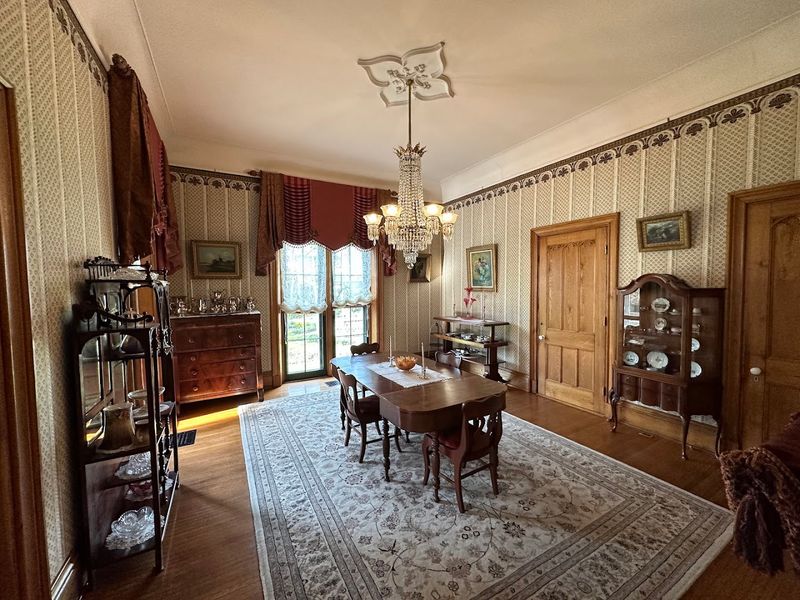
Walking into The Castle Historic House Museum does not feel like entering a frozen display built for quick viewing. The interior has a lived in rhythm, with hallways, parlors, doorways, and stair passages arranged in ways that still suggest the ordinary movement of household life.
That difference is what makes the museum so absorbing. Rather than pushing you through isolated exhibits, the house allows you to sense how rooms related to one another, how family members and guests might have crossed paths, and how daily routines were shaped by architecture.
I think that quality makes the past feel closer and less formal. You are not just being shown antiques inside a shell, but stepping into a residence where private and public spaces still feel legible, making the experience more intimate than many house museums that come across as overly staged.
Rooms That Explain Daily Life Without Needing Labels Everywhere
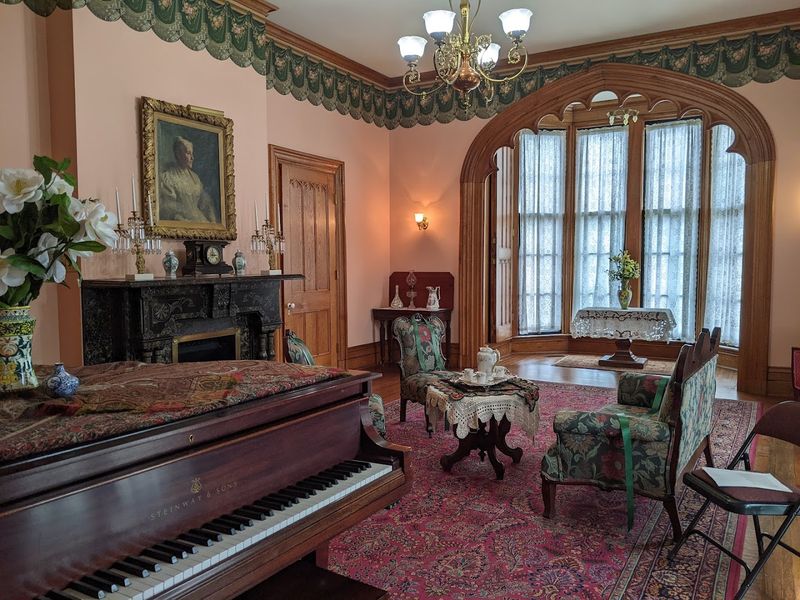
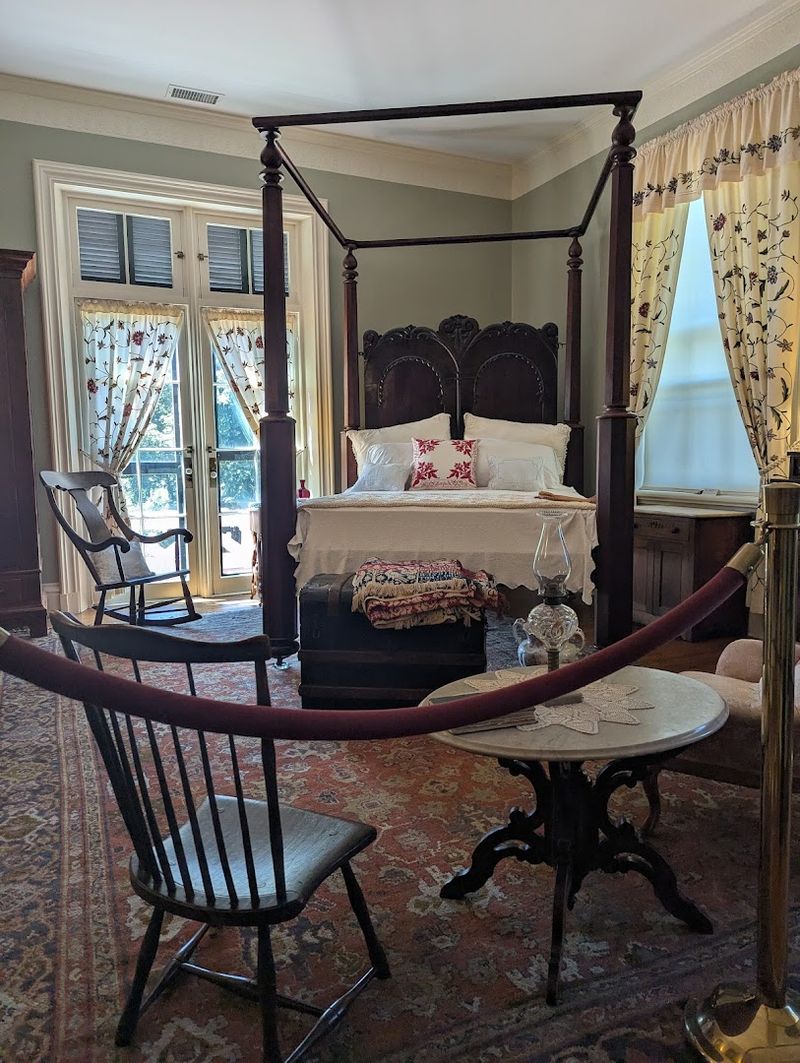
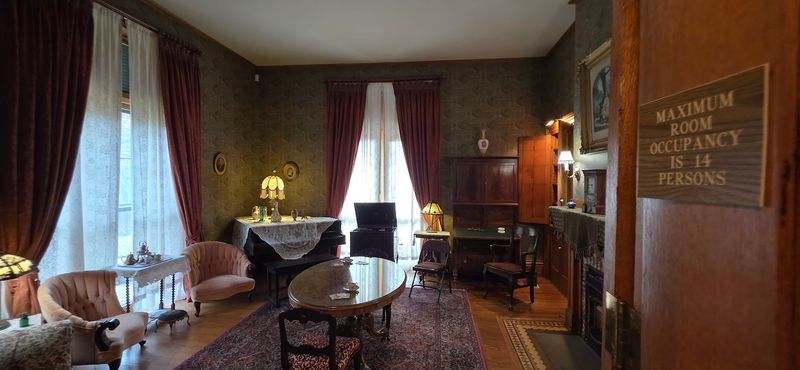
One of the smartest things The Castle Historic House Museum does is arrange its rooms so they read like living spaces instead of object catalogs. Furniture, textiles, and everyday household pieces are grouped in ways that suggest use, comfort, status, and habit all at once.
You can sense how a parlor presented a family to visitors, while simpler upstairs rooms hint at quieter routines and more private hours. That domestic logic gives even small objects more meaning, because they are not floating alone in cases but tied to the spaces where they belonged.
I enjoyed how this approach lets you interpret the house naturally as you move through it. Rather than overwhelming you with labels, the museum trusts the arrangement of the rooms to tell much of the story, and that makes the home feel believable, human, and connected to real nineteenth century lives.
The Davis Family Gives the House Its Human Voice
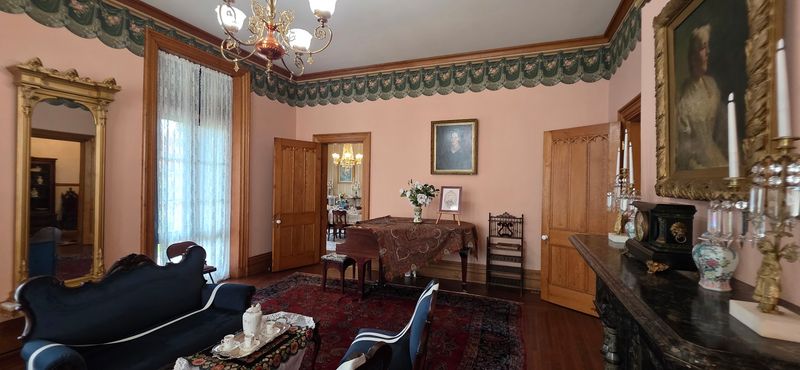
Architecture may get you through the door, but the Davis family is what gives The Castle Historic House Museum its emotional center. Learning about the people who lived here, including Senator Theodore Davis and later Jessie Davis Lindsay, turns the house from a beautiful structure into a personal story.
I liked how the museum connects family routines, social roles, and community ties to the rooms around you. Those details keep the experience grounded, reminding you that behind every polished surface were decisions, celebrations, obligations, and ordinary moments that shaped life inside the home.
That human focus is especially effective because it does not overpower the setting. Instead, it deepens it, helping you imagine conversations on the stairs, seasonal preparations, and the habits of a household whose last family member ensured the house would continue speaking to future visitors instead of disappearing into memory.
Seasonal Shifts Keep the House Feeling Alive
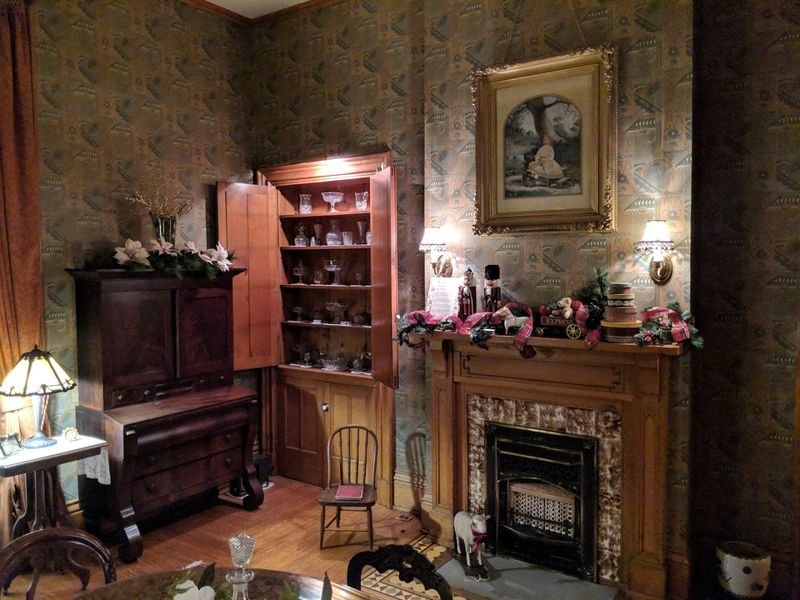
Another reason The Castle Historic House Museum stays memorable is that the interior changes with the calendar. Seasonal adjustments in decor and interpretation reflect the way nineteenth century homes adapted to weather, holidays, and social customs instead of remaining visually static year round.
That means a repeat visit can offer fresh details without changing the character of the house itself. During special times, especially the Victorian Christmas season, the rooms take on an added layer of warmth and ceremony that fits the architecture beautifully while still feeling rooted in history.
I appreciate that these changes make the museum feel active rather than embalmed. You are reminded that historic homes were never meant to exist as permanent snapshots, and the slight shifts in atmosphere help restore that sense of passage, making each visit feel connected not only to the 1800s but also to the present season outside.
Gardens, Paths, and the Softer Side of the Castle
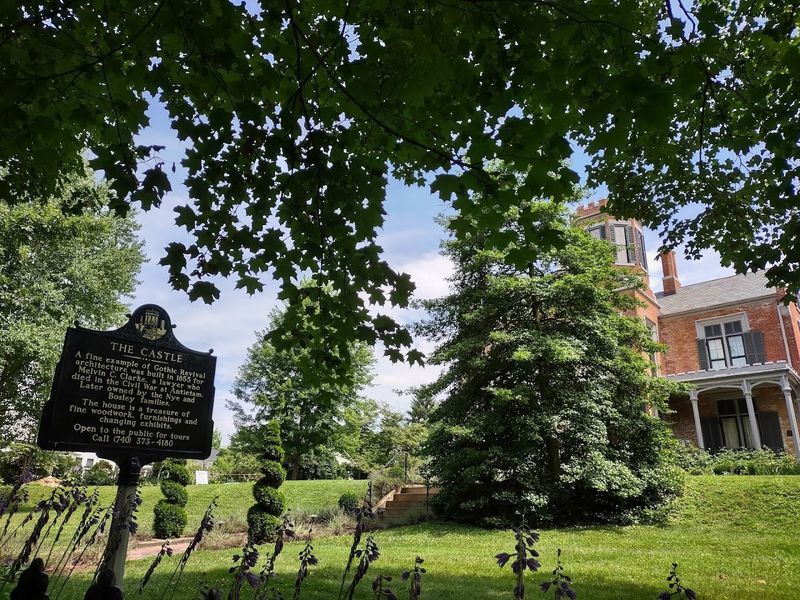
Outside, The Castle Historic House Museum gains a different kind of charm. The grounds soften the sharp Gothic lines of the building, with lawn, plantings, and walking areas creating room to pause and study the house from angles you miss when standing close.
I like how the setting gives the architecture breathing space. The property spans two city lots, and that extra room helps the museum feel composed rather than crowded, letting the house rise above its landscape while still remaining connected to the neighborhood around it.
There is also quiet historical depth beneath the beauty here, since archaeological work on the grounds uncovered evidence of early pottery production. That detail broadens the story of the site beyond one residence, giving you another reason to linger outside and recognize that even the earth around The Castle has its own layered memory.
Guided Tours That Make Small Details Matter
The guided tour is where The Castle Historic House Museum becomes more than a visually striking old house. Tours begin at the Carriage House Visitor Center and unfold at a pace that lets you absorb architecture, family history, and local context without feeling pushed from room to room.
What stands out most is how conversational the experience feels when the guide is good, and reviews suggest that is often the case here. Knowledgeable docents explain original woodwork, furnishings, restoration questions, and even the legends surrounding the property while still leaving space for your own observations.
I think that balance is what makes house museums memorable. Instead of drowning you in dates, the tour helps you notice meaningful details you might otherwise miss, and by the end, the house feels less like a preserved object and more like a carefully interpreted place with a voice, personality, and lasting connection to Marietta.
Leaving Feels Like Waking Up Slowly
The end of a visit to The Castle Historic House Museum is surprisingly gentle. Because the house experience is grounded in texture, scale, and story rather than spectacle, stepping back into the streets of Marietta feels gradual, almost like waking from a very calm and detailed dream.
What stays with you are not only the headline features, but the smaller impressions. A staircase worn by use, a room arranged with practical elegance, a guide’s anecdote, or the way the exterior looked against the neighborhood all continue echoing after you leave the grounds.
I think that lingering effect is the clearest sign the museum succeeds. It does not just tell you what life in the 1800s looked like, it briefly shifts your sense of pace and attention, so the modern town outside appears a little quieter, more layered, and more connected to the lives that once filled this remarkable house.