

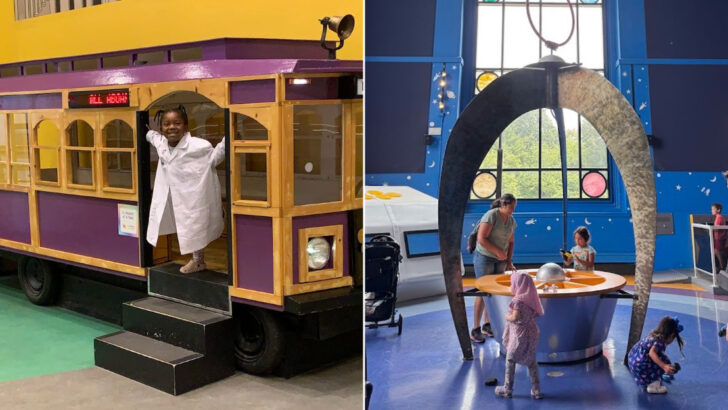
This is not a museum you walk through — it’s one you tumble into.
At Please Touch Museum, kids don’t whisper and shuffle past glass cases. They steer boats, run grocery stores, build towers, and chase their curiosity from one room to the next.
Every corner feels like a page ripped straight from a giant pop-up book.
One minute they’re splashing through a river adventure. The next, they’re stepping into a fairy tale world where castles aren’t roped off — they’re meant to be explored.
Grown-ups may arrive thinking they’re just supervising. Five minutes later, they’re grinning and joining the fun.
Color, motion, imagination — it all swirls together in a place built for sticky fingers and big ideas.
If you’ve ever wished you could climb inside your favorite childhood story, this is where that wish comes true.
The Historic Memorial Hall Building

Before you even walk through the doors, the Please Touch Museum gives you something spectacular to look at. The museum is housed inside Memorial Hall, a jaw-dropping Beaux-Arts masterpiece that was originally built in 1876 for the United States Centennial Exposition — America’s very first World’s Fair.
Standing beneath its massive glass dome feels like stepping into history.
The building itself is a National Historic Landmark, and its grand architecture creates a magical contrast with the colorful, playful exhibits inside. Soaring ceilings, ornate stonework, and wide-open spaces make the museum feel both majestic and welcoming at the same time.
Parents and grandparents often find themselves pausing just to admire the craftsmanship.
Families visiting from out of town frequently mention that the building alone is worth the trip. The combination of stunning 19th-century architecture and modern, child-friendly exhibits makes this museum unlike anything you will find elsewhere.
Whether you are a history lover or simply someone who appreciates beautiful spaces, Memorial Hall sets the perfect stage for a truly unforgettable family outing in Philadelphia.
The Alice in Wonderland Exhibit
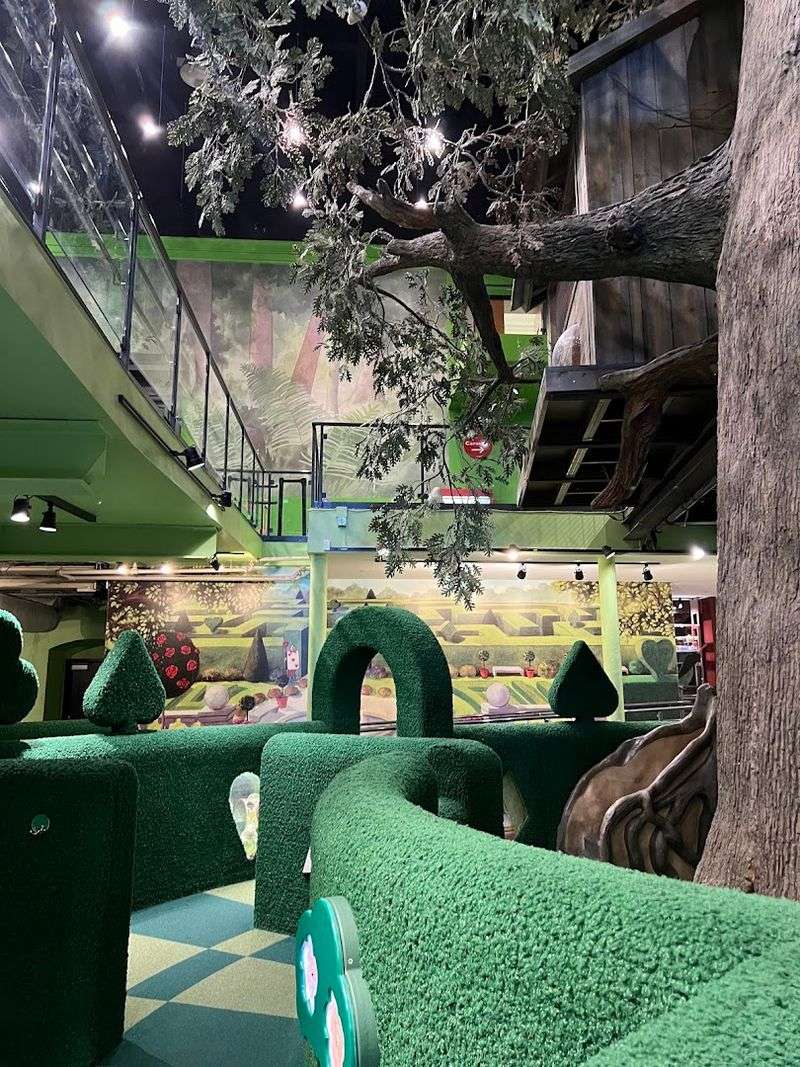
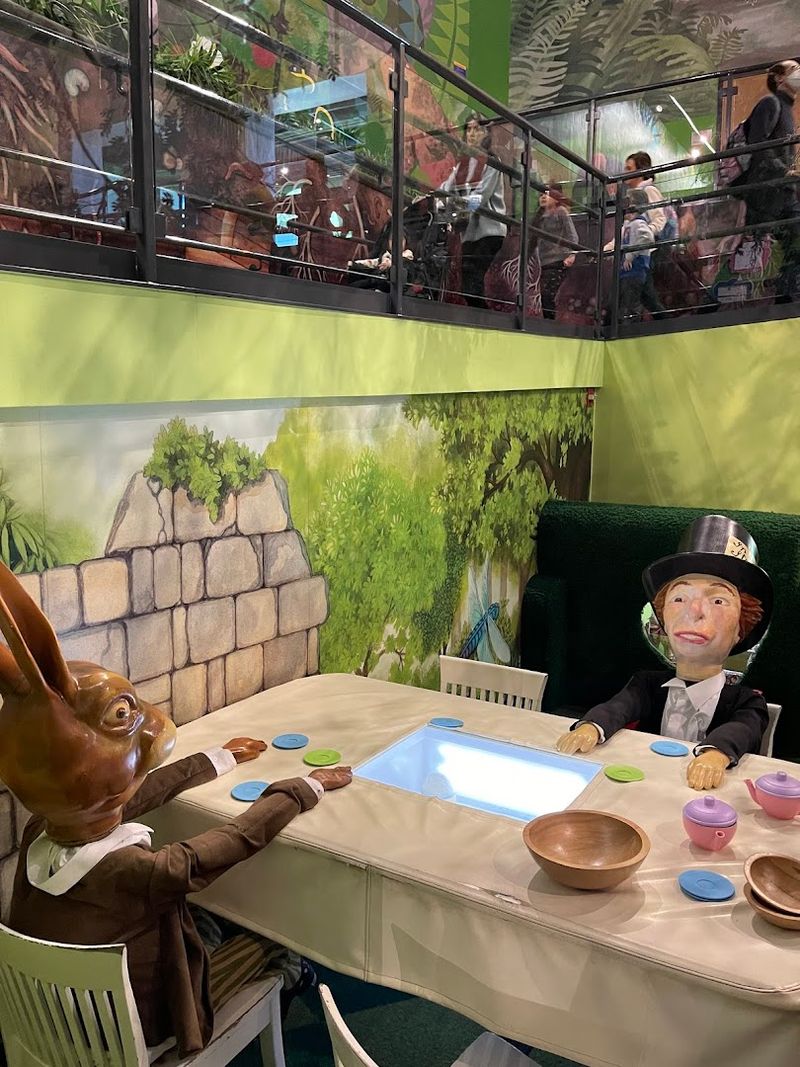
Curiouser and curiouser — that is exactly how kids feel when they stumble into the Alice in Wonderland section of the Please Touch Museum. This imaginative exhibit brings Lewis Carroll’s beloved story to life in a way that goes far beyond reading a book.
Children can wander through a hedge maze, sit at the Mad Hatter’s tea party table, and even dress up in themed costumes.
The attention to detail here is genuinely impressive. Giant mushrooms, oversized playing cards, and whimsical painted walls make every step feel like a new chapter unfolding around you.
Kids who have seen the movie or read the story light up with recognition, while younger visitors simply enjoy the magical, dreamlike atmosphere without needing any backstory at all.
Parents love this section because it quietly encourages storytelling and imaginative play without any screens involved. Watching a child grab a costume frock and confidently host a tea party for stuffed animals is the kind of memory that sticks around long after the visit ends.
Multiple reviewers have listed this exhibit as one of their top highlights, and it is easy to understand why once you see it firsthand.
River Adventures Water Play Zone
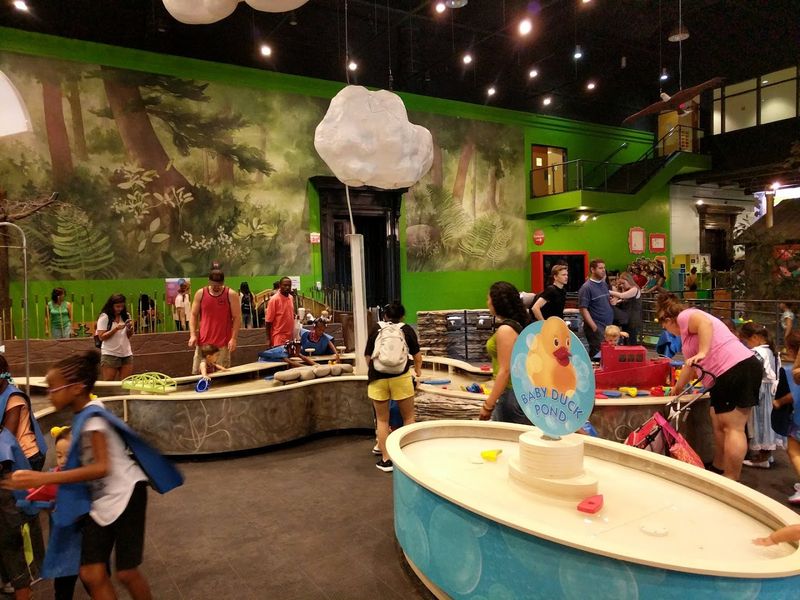
Few things make a child happier than water play, and the River Adventures zone delivers that joy in an organized, thoughtful way. Kids can slip on provided smocks and spend as long as they want experimenting with rubber ducks, toy boats, water pumps, and flowing channels.
The whole setup is designed to spark curiosity about how water moves and behaves.
One reviewer hilariously warned parents to pack an extra set of clothes because the splashing can get surprisingly enthusiastic. Baby stools are available for toddlers who cannot quite reach the water table on their own, which shows how carefully the museum thinks about every age group.
The rubber ducky wave zone, in particular, has become something of a fan favorite among repeat visitors.
Beyond the pure fun factor, this exhibit subtly teaches concepts like water flow, cause and effect, and basic physics — all without a single worksheet in sight. Smocks help keep kids reasonably dry, but honestly, the laughter and engagement make a little dampness completely worth it.
If your child loves anything involving splashing, squirting, or floating objects, plan to spend a solid chunk of your visit right here at the water zone.
The Giant Play Grocery Store
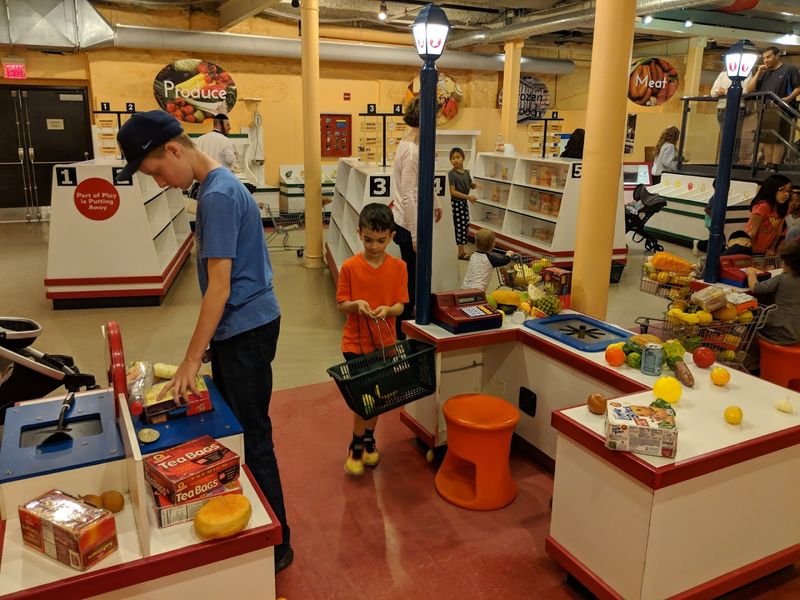
Grocery shopping has never looked this fun. The Please Touch Museum features a full-scale pretend supermarket where kids can grab a cart, load it with realistic-looking fake food, and even scan items at a checkout register.
It is one of those exhibits that sounds simple on paper but turns into an absolute highlight once children get their hands on it.
The level of realism is what makes it so captivating. Shelves are stocked with branded packaging, the checkout counter includes a working conveyor belt, and there is even a self-checkout station for the more independent little shoppers.
One memorable review described a nine-year-old putting on a cashier’s apron and running the register with impressive confidence, redirecting other kids to the self-checkout lane like a seasoned professional.
Role-play like this builds social skills, number awareness, and real-world understanding in ways that feel completely natural. Parents report that toddlers as young as 18 months love pushing carts around the space, even if they are not fully participating in the shopping experience yet.
Fair warning: the shelves do get cleared out quickly during busy periods, so arriving earlier in the day gives kids the best chance to fill their carts.
The Dentzel Carousel Ride
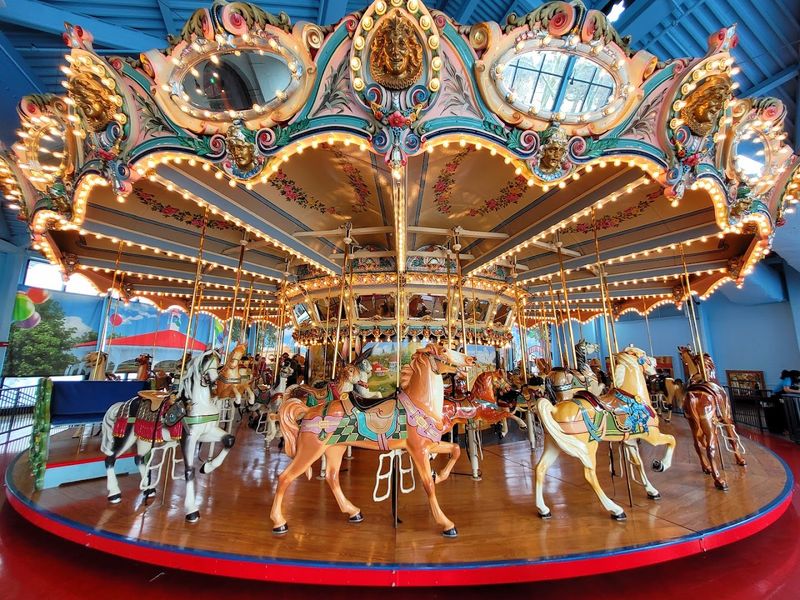
Spinning at the heart of the Please Touch Museum experience is one of its most beloved features — a gorgeously restored Dentzel carousel that has been delighting riders for generations. Hand-carved animals, vibrant painted details, and gentle music combine to create a ride that feels genuinely magical rather than just mechanical.
Families consistently rate it as one of the museum’s top highlights.
For an additional fee of around five dollars, visitors can purchase an all-day carousel pass, which means unlimited rides from morning until closing. If your child is the type who would ride the same thing fifty times and never get bored, that pass pays for itself within the first hour.
One reviewer noted that the carousel moves at a wonderfully calm pace without blaring obnoxious music, making it suitable even for younger or more sensitive children.
The carousel also carries a fascinating history. Dentzel carousels are considered collector’s pieces, known for their exceptional craftsmanship and artistic detail.
Riding one is not just fun — it is a connection to a tradition of American craftsmanship that goes back well over a century. Grandparents especially tend to get a little nostalgic standing beside this one, and that shared moment between generations is genuinely priceless.
City Capers Role-Play Area
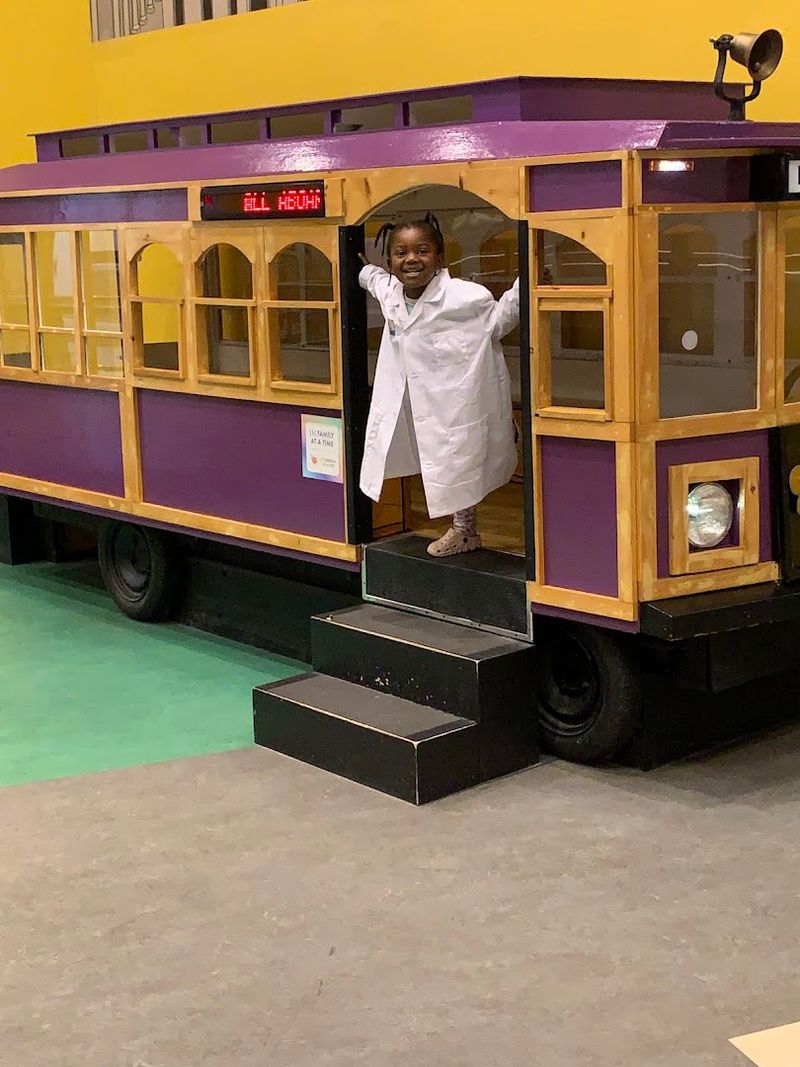
Imagine handing a five-year-old a stethoscope and watching them run a pretend hospital with complete seriousness. That is exactly the kind of moment City Capers makes possible.
This role-play section of the Please Touch Museum is designed to let kids step into grown-up shoes — literally and figuratively — by exploring miniature versions of real community spaces.
The area includes a pretend doctor’s office, a toy ATM machine that teaches basic money concepts, and various community-themed stations where children can try on different roles. Multiple reviewers have mentioned the ATM as a surprisingly engaging teaching tool, sparking conversations about banking and money management in the most playful way imaginable.
Kids who might otherwise tune out financial lessons are suddenly fascinated because they are the ones pressing the buttons.
What makes City Capers stand out is how naturally it builds empathy and social understanding. When a child pretends to be a doctor, a cashier, or a bank teller, they are quietly learning how their community works and how different people contribute to it.
Parents often find themselves drawn into the play too, becoming patients or customers in their child’s story. It is immersive, educational, and genuinely joyful all at once.
Sensory Friendly Sunday Mornings
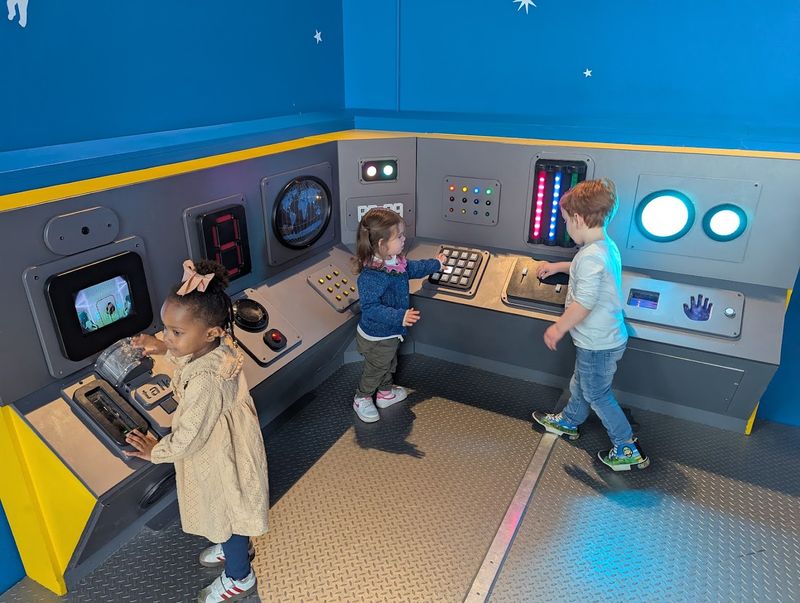
Not every child experiences the world the same way, and the Please Touch Museum genuinely understands that. Their Sensory Friendly Sunday morning sessions are designed specifically for families who benefit from a calmer, less overwhelming environment.
Reduced noise levels, thoughtful crowd management, and patient staff members create a space where every child can explore at their own pace.
One mother shared how much she appreciated the atmosphere during her visit, describing it as the perfect balance of play and learning without the sensory overload that can make typical museum trips stressful. The staff are trained to be kind and accommodating, and the overall vibe during these sessions is noticeably more relaxed than a standard busy weekend morning.
For families navigating sensory sensitivities or developmental differences, this kind of intentional planning is incredibly meaningful.
Even families without specific sensory needs sometimes prefer these quieter sessions simply because the calmer environment allows for more meaningful interaction with each exhibit. Booking ahead is recommended since these mornings tend to attract dedicated repeat visitors who plan their schedules around them.
If you have been hesitant about visiting a busy children’s museum with a child who needs extra support, Sensory Friendly Sunday might be exactly the entry point your family has been looking for.
The Rocket Room and Space Exploration Exhibit
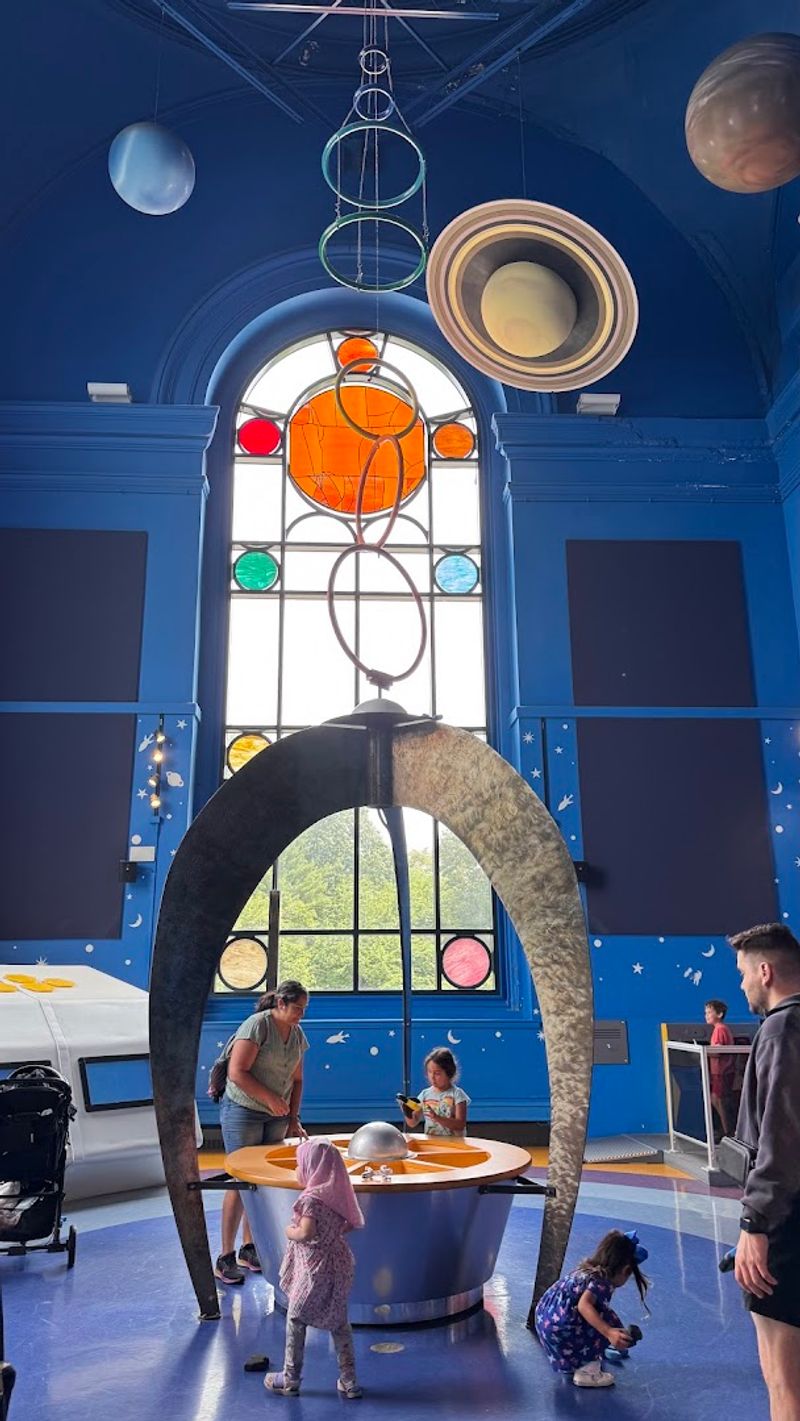
Blast off into imagination inside the Rocket Room, one of the Please Touch Museum’s most energizing exhibits. This space-themed section gives kids the chance to explore concepts like space travel, the solar system, and what it might actually feel like to be an astronaut.
Hands-on components make abstract ideas feel tangible and exciting rather than distant and textbook-dry.
Children can climb into model vehicles, interact with themed displays, and channel their inner astronaut through play-based exploration. The exhibit connects naturally to curiosity about the universe — a curiosity that most kids already have in abundance.
Pairing physical interaction with big scientific ideas is exactly the kind of learning that sticks, and the museum executes this beautifully without dumbing anything down.
Parents who visited with older children in the 6-to-9 age range report that the Rocket Room tends to hold attention longer than some of the more straightforward play areas. There is enough depth here to satisfy a child who wants to know why the sky is dark in space or how rockets actually leave Earth’s atmosphere.
Combined with the museum’s other STEM-friendly exhibits, the Rocket Room helps position the Please Touch Museum as a place where curiosity is not just welcomed — it is the whole point.
Arts, Crafts, and Storytelling Corner
Creativity gets its own dedicated space at the Please Touch Museum, and it is one of the most peaceful corners in the entire building. The arts and crafts room gives children a chance to slow down, sit at a table, and make something with their own hands — a welcome contrast to the high-energy running and splashing happening elsewhere in the museum.
Staff members are present to guide projects and keep things fun without being overly structured.
Storytime sessions happen regularly in this area, with museum staff reading picture books aloud to gathered groups of children. There is something quietly powerful about watching a room full of wide-eyed kids lean in together to hear a story.
It anchors the whole museum experience in literacy, reminding visitors that imagination starts with words just as much as it starts with play.
Families with children who lean toward artistic expression rather than physical play often say this section feels tailor-made for them. Younger siblings who might be too small for some of the more active exhibits can sit comfortably here and still have a genuinely enriching experience.
The crafts change periodically, so repeat visitors are unlikely to encounter the exact same project twice — a small but thoughtful detail that keeps things fresh.