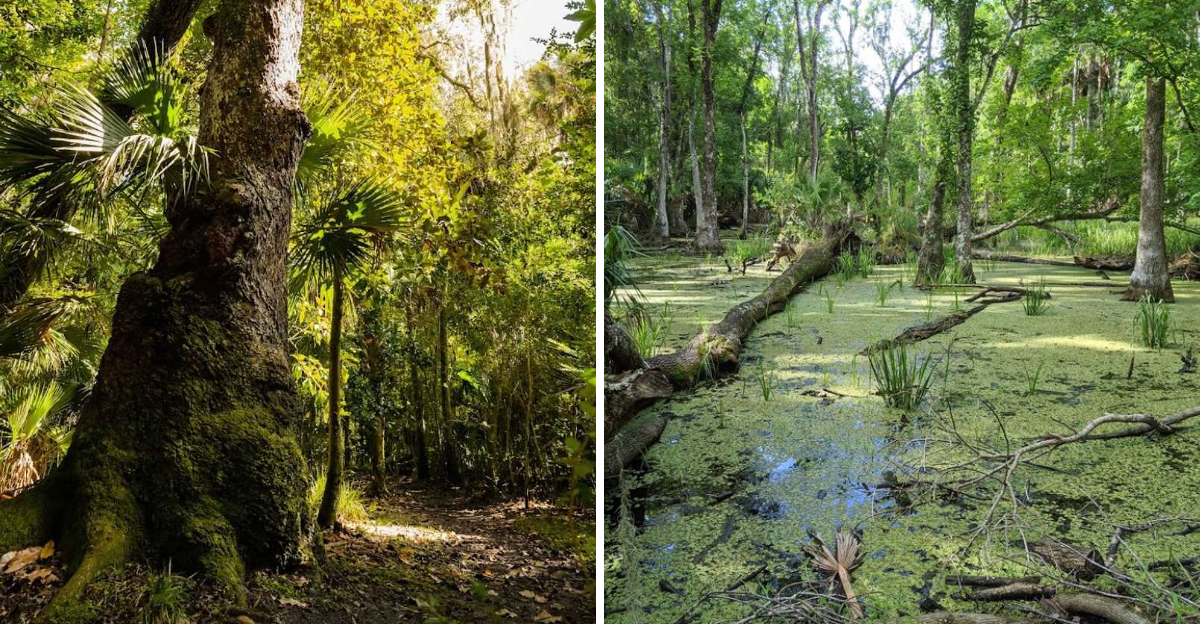
Hidden away in Ormond Beach, Bulow Creek State Park offers something rare in modern Florida—a place where nature still rules and ancient trees tower overhead like silent guardians.
Unlike crowded theme parks and busy beaches, this quiet sanctuary invites you to slow down and explore winding trails draped in Spanish moss, peaceful creek views, and wildlife that seems unbothered by human visitors.
Whether you’re looking for a challenging hike through old-growth forest or a shady spot to relax under centuries-old oaks, this park delivers natural beauty that feels like stepping back in time.
The Ancient Live Oak Forest at the Heart of the Park
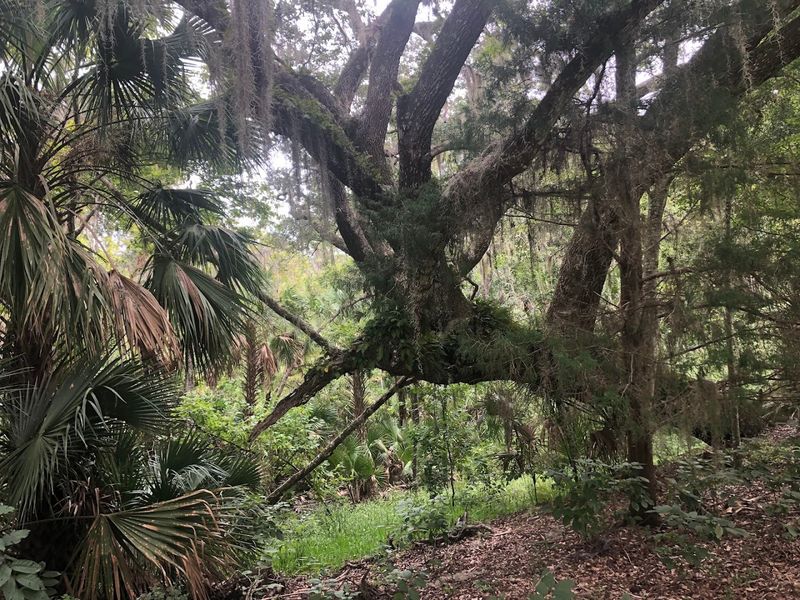
Walking beneath these towering giants feels like entering a natural cathedral. Bulow Creek’s live oak hammock contains some of the oldest trees in Florida, with gnarled trunks wider than cars and branches that twist outward like nature’s own sculptures.
Many oaks here have stood for hundreds of years, surviving hurricanes, droughts, and countless seasons. Their thick canopy creates deep shade year-round, keeping the forest floor cool even during hot summer months.
The ecosystem they support includes ferns, palmettos, and smaller hardwoods that thrive in the filtered light.
What makes this forest truly special is how undisturbed it feels. Few places in developed Florida still hold such dense, untouched old-growth woodland.
The silence here is broken only by bird calls and rustling leaves, creating a peaceful escape from modern life.
Kids often marvel at how many people it would take to hug these massive trunks. Families regularly return just to spend time among these living monuments to Florida’s wild past.
Spanish Moss–Covered Trails That Feel Otherworldly
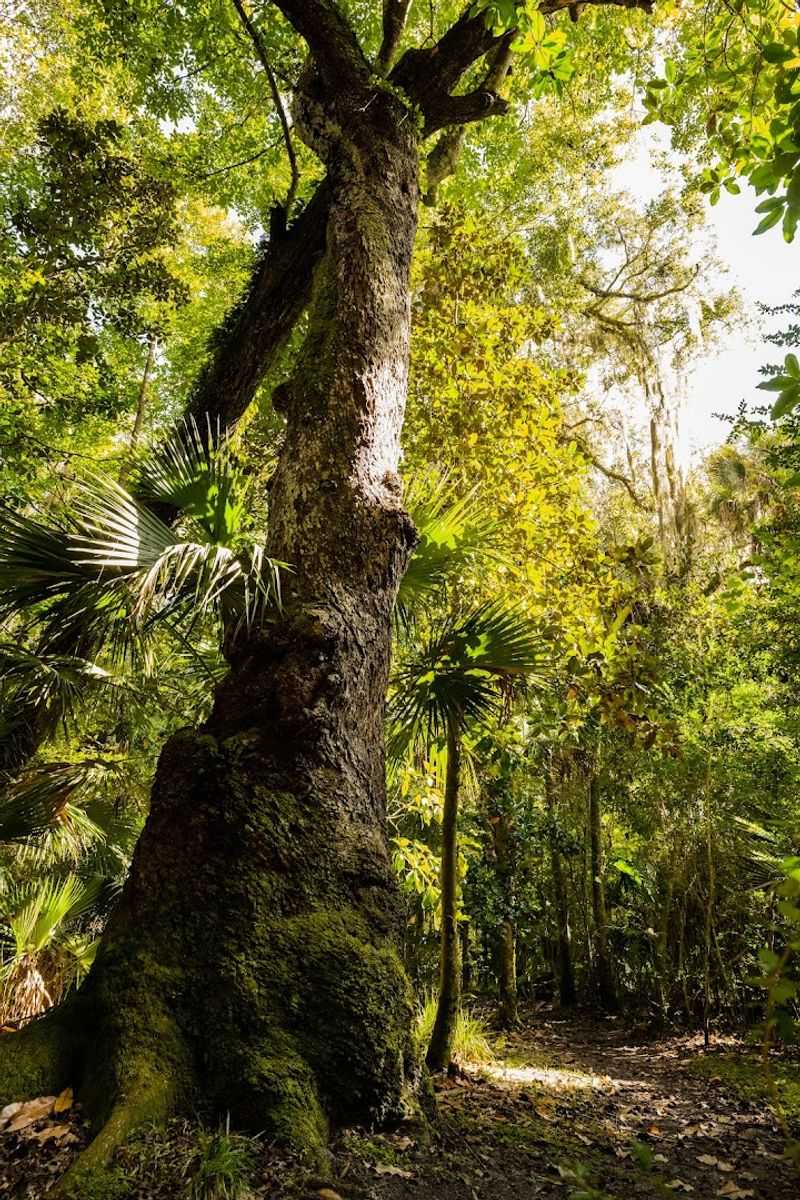
Gray-green strands hang everywhere you look, transforming ordinary woodland into something straight from a storybook. Spanish moss drapes the branches in thick curtains, some reaching nearly to the ground and swaying gently when breezes pass through.
The moss filters sunlight into soft, golden-green hues that change throughout the day. Early morning light creates particularly magical effects, with sun rays piercing through the canopy and illuminating individual strands.
This natural decoration isn’t actually moss at all—it’s an air plant that gets nutrients from rain and air.
Walking these trails feels like exploring a forgotten world. The heavy moss coverage dampens sound and creates an almost hushed atmosphere that encourages quiet observation.
Photographers love how the moss frames their shots and adds texture to every view.
Many visitors comment that the moss-covered paths feel like nowhere else in Florida. The effect is especially dramatic after rain, when water droplets cling to the strands and catch the light beautifully.
The Famous Fairchild Oak Overlook Area
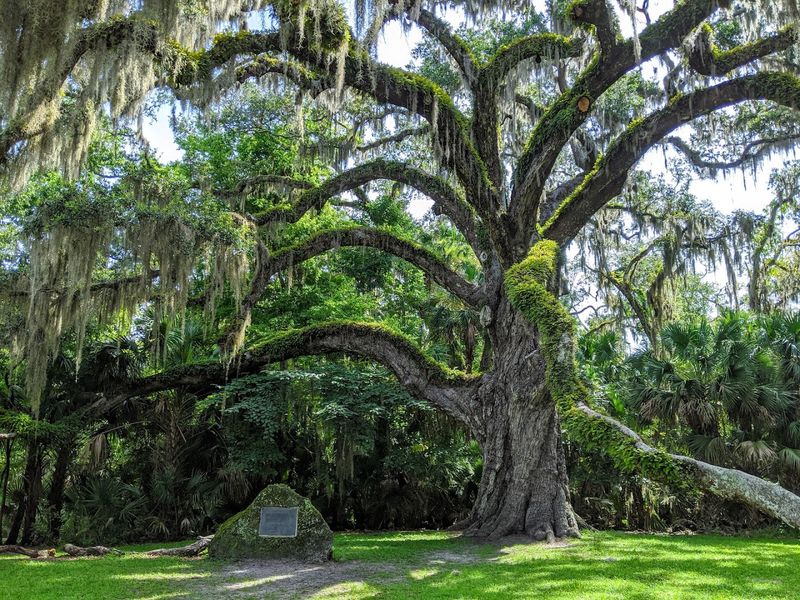
Standing before the Fairchild Oak is genuinely jaw-dropping. This legendary tree measures over 30 feet around its base and spreads its massive limbs across an area larger than most houses.
Named after naturalist David Fairchild, it’s considered one of the largest live oaks in the entire southeastern United States.
The tree’s age is estimated between 400 and 600 years old, meaning it was already ancient when European settlers first arrived in Florida. Its lowest branches are so thick and heavy that some rest on the ground before curving upward again.
Countless visitors pose for photos trying to capture its immense scale.
Located right at the main trailhead, the Fairchild Oak serves as the perfect introduction to the park’s natural treasures. Interpretive signs share facts about the tree’s history and the ecosystem it supports.
The shaded area around its base offers a cool gathering spot where families often pause before starting their hike.
Bulow Woods Trail Through Deep Hammock Forest
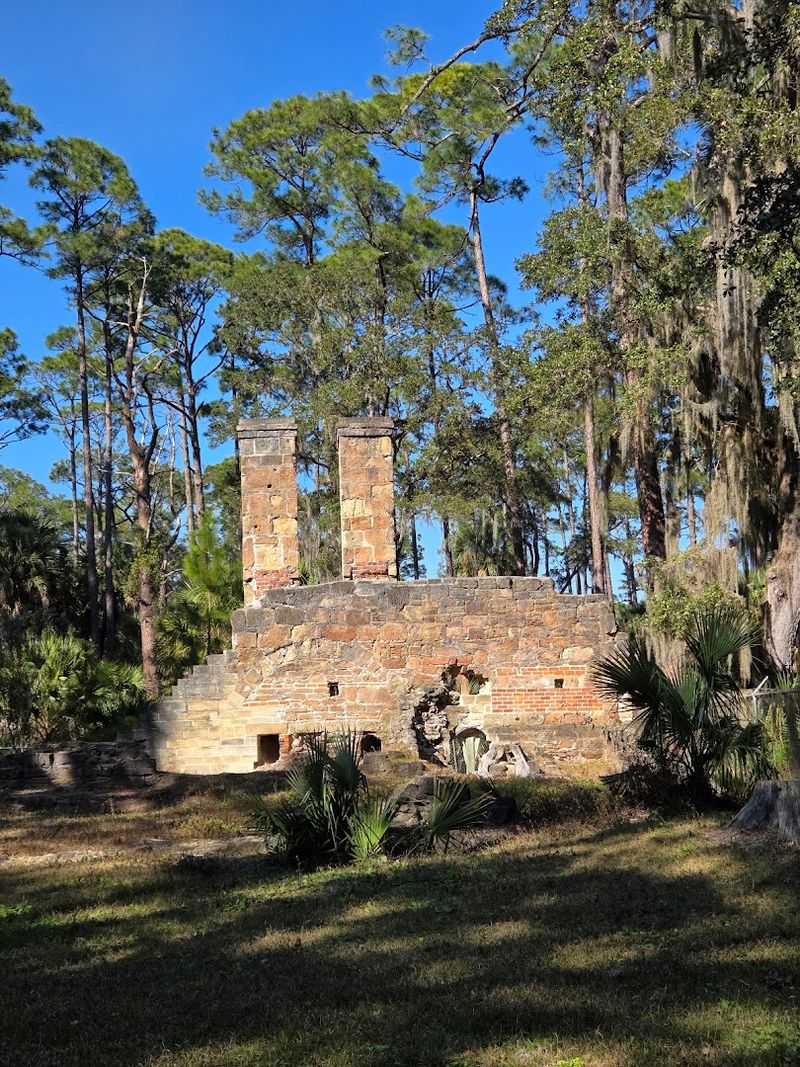
Adventure seekers will love this challenging backcountry route. The 6.8-mile Bulow Woods Trail takes you deep into the heart of the ancient forest, far from parking lots and civilization.
The path crosses shaded ridges, dips into low hammock areas, and winds between massive oak groves that feel untouched by time.
This isn’t a casual stroll—the distance and uneven terrain require decent fitness and proper preparation. Hikers should bring plenty of water, wear sturdy shoes, and allow at least three to four hours to complete the full loop.
The trail eventually connects toward Bulow Plantation Ruins Historic State Park, offering history enthusiasts an extended journey.
Along the way, you’ll experience the park’s most remote and wild sections. The dense canopy blocks most sunlight, creating a cool, green tunnel effect.
Wildlife sightings increase the farther you venture from the trailhead, with deer tracks and bird activity evident throughout.
Many hikers describe this trail as transformative.
Wahlin Trail and Its Hidden Spring Views
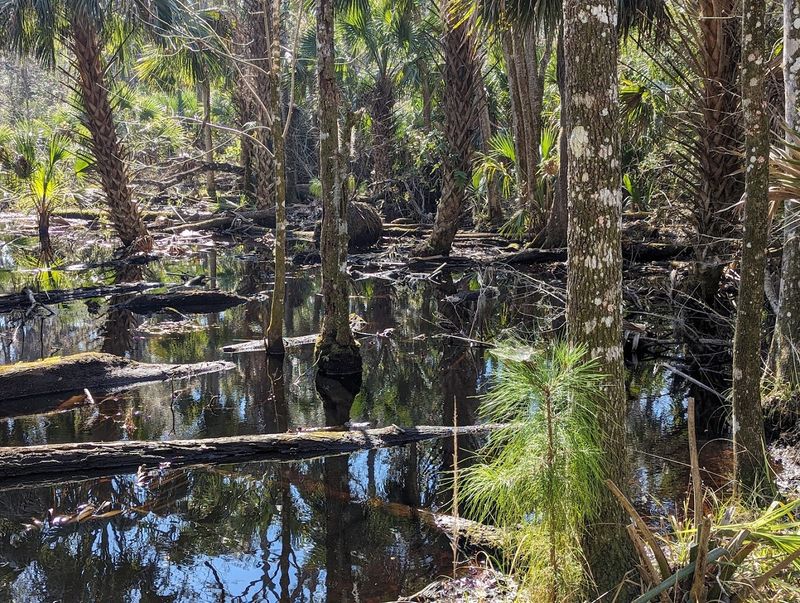
Sometimes the best discoveries come in small packages. The Wahlin Trail offers a shorter, gentler alternative to the park’s longer routes, but it packs plenty of interest into its brief loop.
This interpretive path reveals a small freshwater seep where water bubbles up from underground aquifers, creating a miniature ecosystem right at your feet.
Coquina rock bluffs line portions of the trail, their shell-embedded surfaces telling stories of ancient seas. These formations are relatively rare in this part of Florida, making them worth a close look.
The trail includes informative signs explaining the geology and ecology of these water-fed environments.
Families with younger children particularly enjoy the Wahlin Trail’s manageable length and educational opportunities. The path stays relatively level and takes only about 30 minutes to complete at a relaxed pace.
Yet it provides an intimate look at how freshwater systems support the surrounding forest.
The quieter nature of this trail makes it ideal for contemplative walks and nature photography.
Creekside Ecosystems Along Bulow Creek
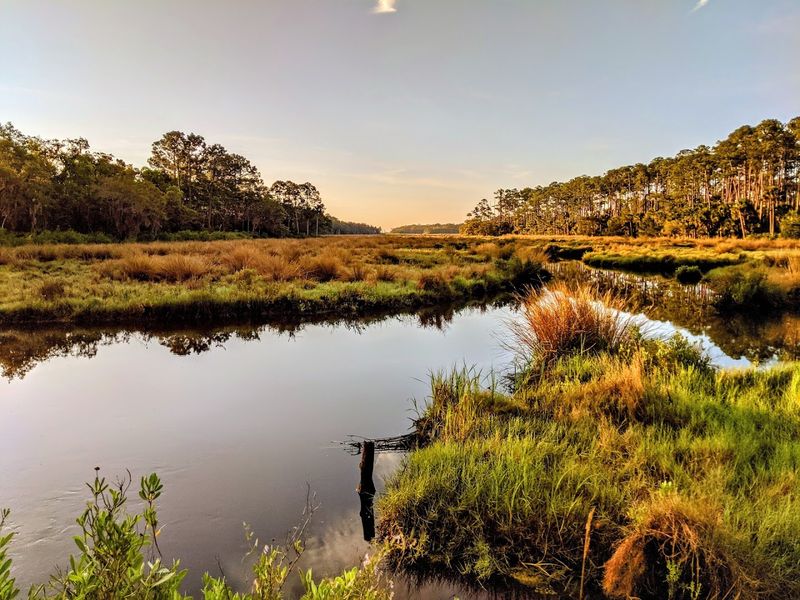
Water shapes everything here. Bulow Creek winds through the park as a mix of freshwater, brackish marsh, and tidal zones, creating distinct habitats that change with the water level.
The creek’s influence extends far beyond its banks, feeding the roots of massive trees and supporting thick undergrowth along the forest edges.
Low-lying areas near the creek transform into seasonal wetlands during rainy periods, attracting wading birds and amphibians. When water levels drop, exposed mudflats reveal countless tiny crab burrows and plant roots.
This constant flux between wet and dry creates incredibly productive ecosystems rich with life.
Observant visitors notice how vegetation changes as trails approach the water. Salt-tolerant plants appear closer to tidal sections, while ferns and moisture-loving species dominate freshwater zones.
The creek itself flows slowly, its dark tannin-stained water reflecting the overhanging trees.
Understanding these ecosystems helps visitors appreciate how interconnected everything in the park really is.
Wildlife Encounters in a Quiet Wilderness
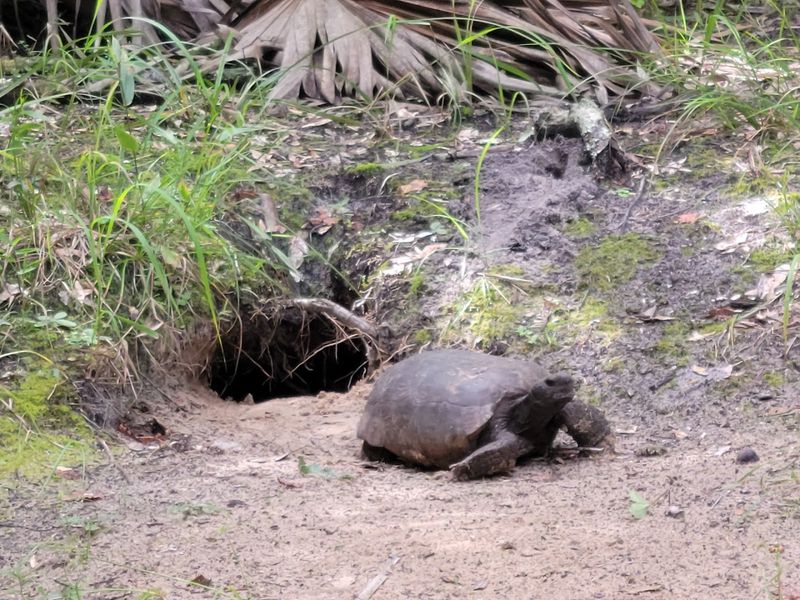
The animals here act like they own the place—because they do. Bulow Creek’s minimal development and relatively few visitors mean wildlife behaves naturally, often ignoring humans or watching curiously from a distance.
White-tailed deer are frequently spotted browsing along trail edges, especially during early morning and late afternoon hours.
Raccoons leave tracks in muddy sections, while armadillos rustle through leaf litter searching for insects. Lucky hikers sometimes glimpse bobcats slipping silently through the undergrowth, though these shy predators usually stay well hidden.
Barred owls call from the canopy, their distinctive “who cooks for you” hoots echoing through the forest.
The park’s wilderness character makes these encounters feel authentic rather than staged. Animals aren’t fed by people, so they maintain healthy wariness and natural behaviors.
Visitors should remember to observe from a respectful distance and never attempt to feed or approach wild creatures.
Bringing binoculars enhances wildlife watching considerably, especially for spotting birds high in the canopy.
Birdwatching Paradise in the Oak Canopy
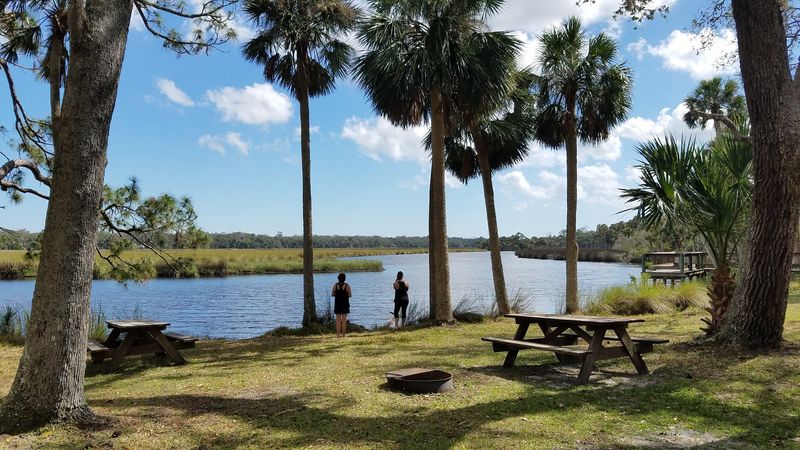
Bird enthusiasts consider Bulow Creek a must-visit destination. The park’s diverse habitats—from high canopy to creek edge—attract an impressive variety of species throughout the year.
Spring and fall migrations bring spectacular displays as warblers, vireos, and other songbirds pause to rest and refuel among the ancient oaks.
Pileated woodpeckers hammer on dead trees, their loud calls and distinctive crests making them easy to identify. Red-shouldered hawks circle overhead or perch on high branches watching for prey.
Near the creek, great blue herons stalk through shallow water while smaller wading birds probe the mud.
The dense canopy requires patience and good listening skills to locate birds by their calls. Many species stay high in the branches where leaves provide cover, making binoculars essential equipment.
Experienced birders recommend visiting during early morning when activity peaks and temperatures remain comfortable.
The park’s species list includes over 100 different birds, with new sightings added regularly by dedicated observers.
Peaceful Picnic Spots Under Massive Oaks
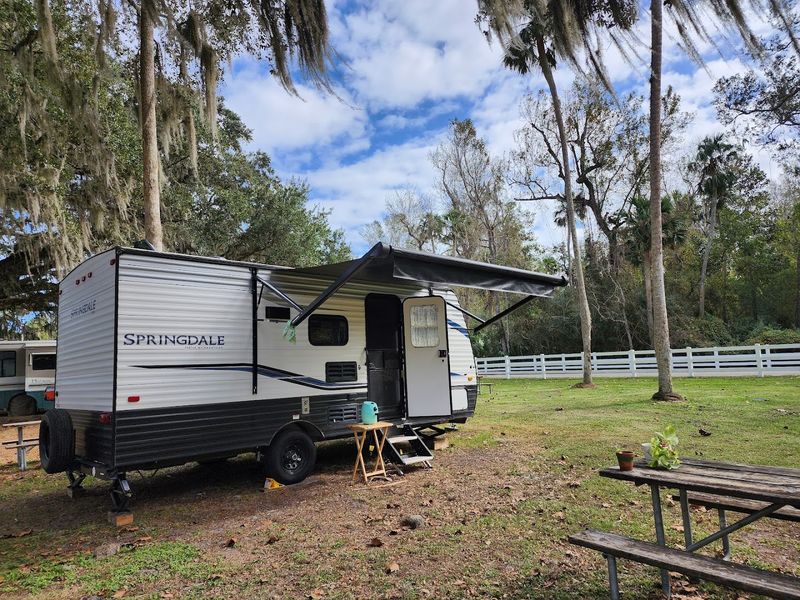
Few picnic locations anywhere can match the natural beauty found here. Shaded areas near the Fairchild Oak and along the main trail offer perfect spots to spread a blanket and enjoy lunch surrounded by centuries-old trees.
The temperature under these massive canopies stays noticeably cooler than nearby sunny areas, even during Florida’s hottest months.
Picnic tables sit strategically placed where visitors can appreciate the forest while they eat. The natural quiet—broken only by bird songs and rustling leaves—creates a genuinely peaceful dining experience.
Families often make picnicking here part of their park visit, arriving with coolers and spending hours relaxing in the shade.
Unlike crowded beach pavilions or park shelters, these spots feel private and secluded. The surrounding forest provides natural beauty that no human designer could replicate.
Many visitors comment that eating lunch under these ancient branches makes even simple sandwiches taste better.
Remember to pack out all trash to keep these special spots pristine for future visitors.
Visitor Info: Best Time to Visit & What to Expect
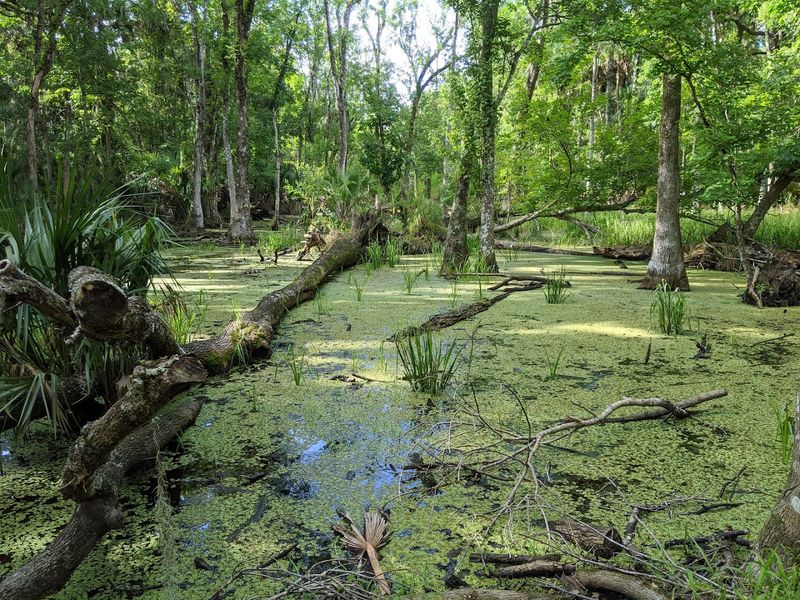
Planning your visit right makes all the difference. Bulow Creek State Park welcomes visitors daily from morning until sunset, and here’s the best part—entrance is completely free.
This makes it an excellent budget-friendly option for families wanting to experience Florida’s natural side without theme park prices.
Fall through spring offers the most comfortable hiking weather, with temperatures ranging from the 60s to 80s Fahrenheit. Summer visits are possible but require early morning starts to avoid midday heat and afternoon thunderstorms.
Bug spray becomes essential during warmer months when mosquitoes thrive in the humid forest environment.
The park has limited facilities—pit toilets at the trailhead but no running water or concessions. Visitors should bring everything they need, including plenty of drinking water, snacks, sunscreen, and insect repellent.
Cell phone service can be spotty, so downloading trail maps beforehand is smart planning.
Early mornings and late afternoons provide the best wildlife viewing opportunities and softer light for photography enthusiasts.