
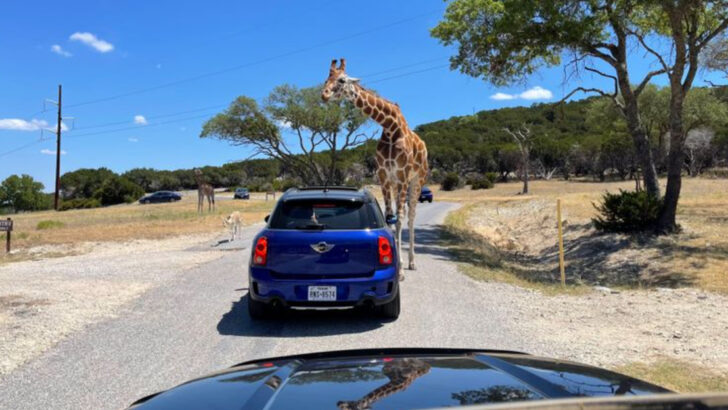
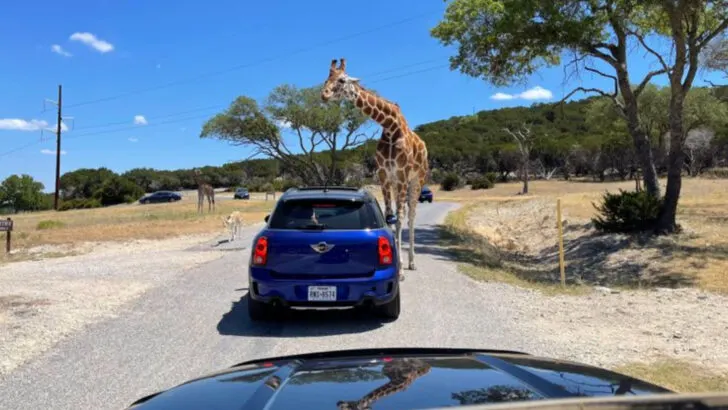
Texas isn’t just wide open spaces — it’s home to a safari you can drive through without leaving your car. At Fossil Rim Wildlife Center in Glen Rose, animals roam freely across rolling hills, and visitors get front-row seats from the comfort of their own vehicle.
Giraffes, zebras, and rhinos wander close enough to make every turn feel like a live documentary. The thrill isn’t just spotting the wildlife.
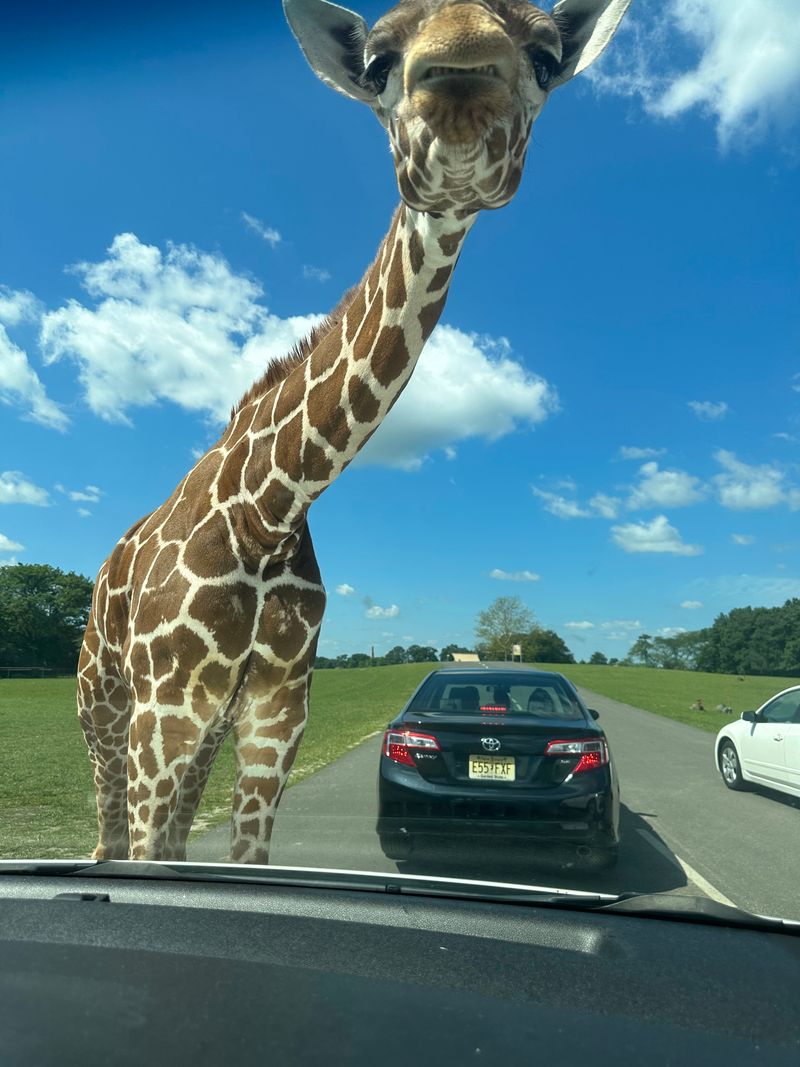
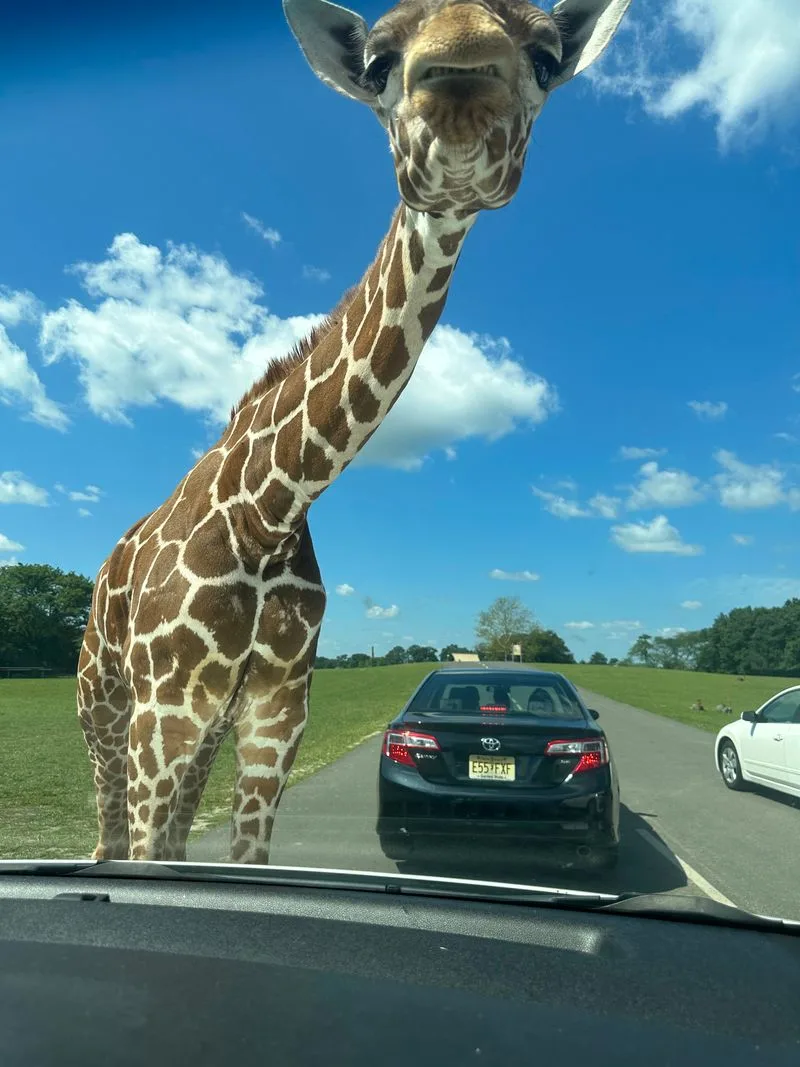
It’s the surprise of a curious giraffe leaning in, the playful dash of antelope across the road, the roar of a distant lion reminding you who really rules the hill country. Pack snacks, roll down your windows, and take it slow.
Every mile offers a new encounter, a new story, a new photo op. This isn’t a typical zoo visit — it’s an adventure where Texas scenery meets global wildlife, and every drive feels like a secret worth keeping.
How to Plan Your Perfect Drive-Thru Safari
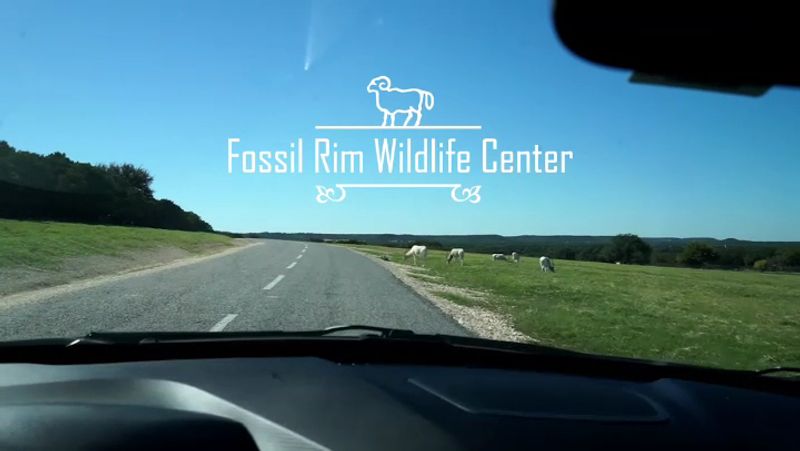
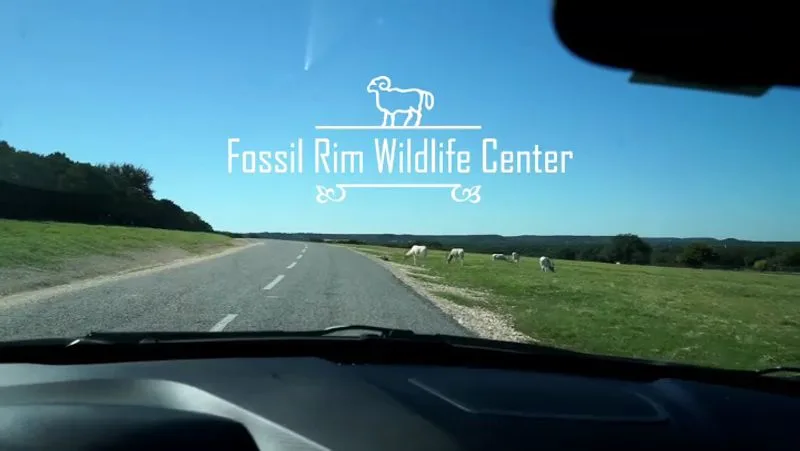
Start by booking early and arriving close to opening hours, when animals are most active and lines are shorter. Fossil Rim operates daily 8:30 AM to 3:30 PM, and the full route spans roughly 7 to 8 miles, often taking two to three unrushed hours.
Bring water, sunscreen, a hat, and patience for photo stops while you enjoy the gentle rhythm of the Hill Country. Pick up animal feed at the entrance and follow staff guidance about tossing feed to the ground, except for giraffes, which may be hand fed when permitted.
Keep windows partially down, stay in your vehicle, and never touch animals other than giraffes. Drive slowly, yield to wildlife, and let faster cars pass so everyone enjoys the experience.
Plan for a midway break at the Overlook area with restrooms, the Nature Store, and café. If visiting with kids, budget time for the short hiking trail and interpretive exhibits.
The terrain is rolling and scenic, making it easy to reset your pace. Weekdays are quieter, and cloudy days often keep animals active longer.
If you want storytelling and behind-the-scenes facts, consider a guided tour. Otherwise, a personal car grants flexibility, music, and snack breaks on your schedule.
Close Encounters: Giraffes, Zebras, and More
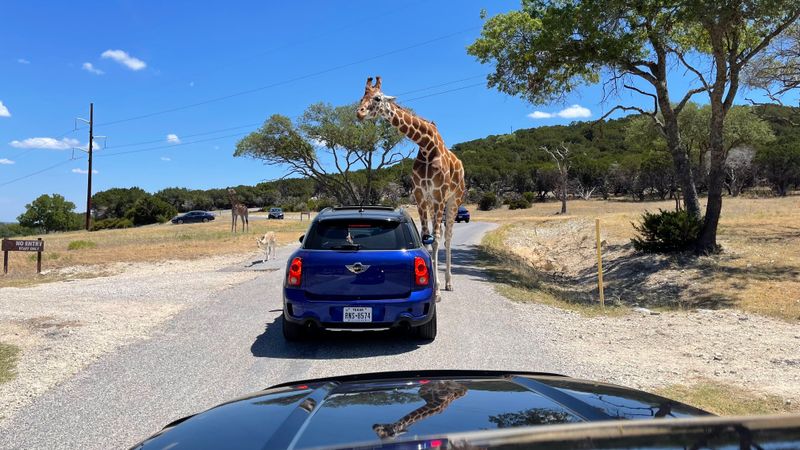
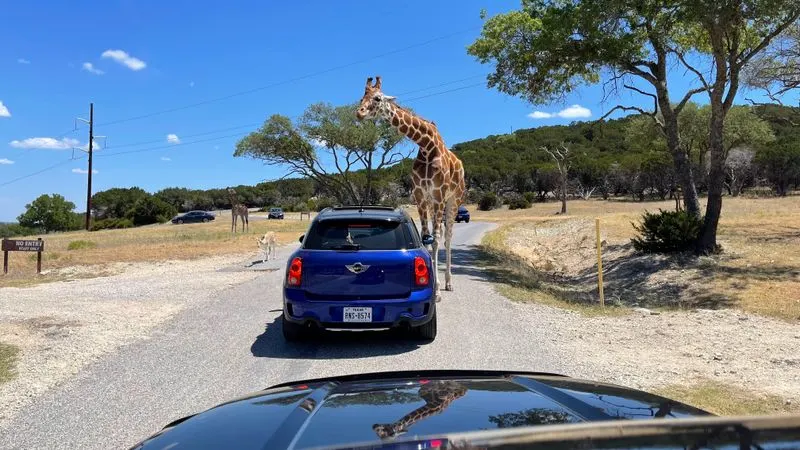
Giraffes are the headliners here, gliding across the ridge lines and sometimes leaning in with calm curiosity. When allowed, offer feed with an open palm and expect a gentle, whiskery nuzzle.
Keep your camera ready, but stay present, because that eye-to-eye moment is the heart of Fossil Rim. Depending on the day, you will also meet zebras, addax, aoudad, ostriches, emus, fallow deer, and blackbuck.
Each species has its own pace and comfort zone, so give space, drive slowly, and follow staff signage. Rhinos and cheetahs are view-only, no feeding allowed, underscoring the Center’s careful safety practices.
Animals are most social during cooler hours. On warmer afternoons, seek shaded pull-offs and let the herd come to you.
If an ostrich investigates your bag, hold it steady and close windows if needed to protect the feed. Expect spontaneity, not a scripted zoo loop.
Some days the zebras linger roadside, other days the antelope steal the show. Either way, the open landscape and light breeze make every encounter feel earned, intimate, and naturally unscripted.
The Overlook: Nature Store, Café, and Midway Break
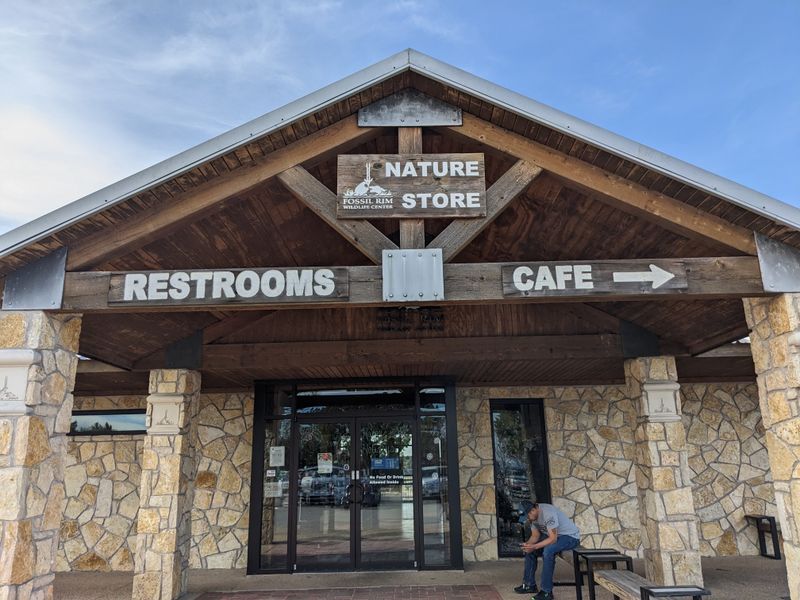
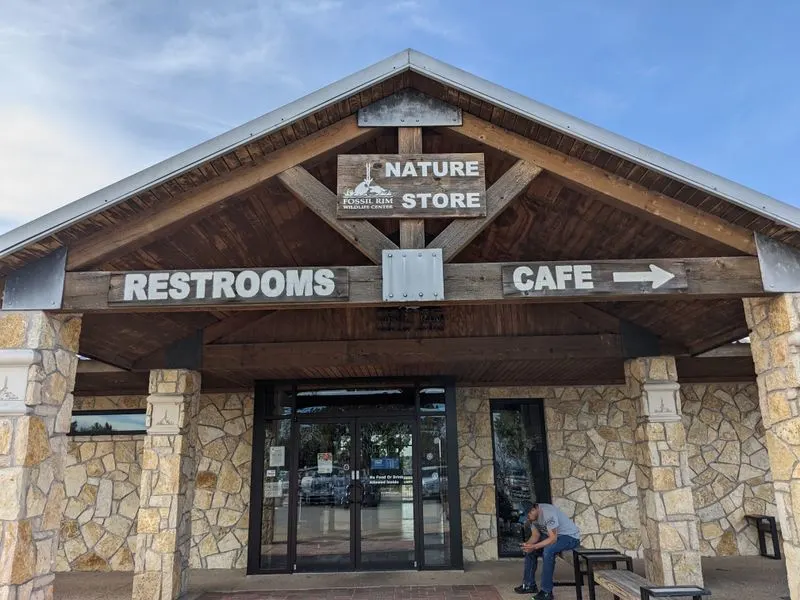
Halfway through the drive, the Overlook unfolds with sweeping Hill Country views and a welcome pause. Park, stretch, and check out the Nature Store stocked with field guides, plushes, sunhats, and cold drinks.
It is a smart spot to reassess your route timing and let kids reset before the second half. The café serves quick, family friendly fare at reasonable prices, with shaded seating and breezes that pair well with lemonade.
If you collect souvenirs, do not miss the smashed penny machine for a pocketable keepsake. Restrooms are clean, and staff at the counter happily answer timing and wildlife questions.
Look for interpretive panels that explain Fossil Rim’s conservation work. The signage helps connect the animals you just met to global challenges and solutions.
A few minutes with those exhibits reframes the drive as more than entertainment. Before rolling on, refill waters, organize feed, and prep your camera for back-half surprises.
Mornings often bring more animal movement after this stop, but late afternoons can glow with golden light. Either way, the Overlook is your reset button for comfort, learning, and better wildlife moments.
Guided Tours vs. Self-Drive: Which Fits You
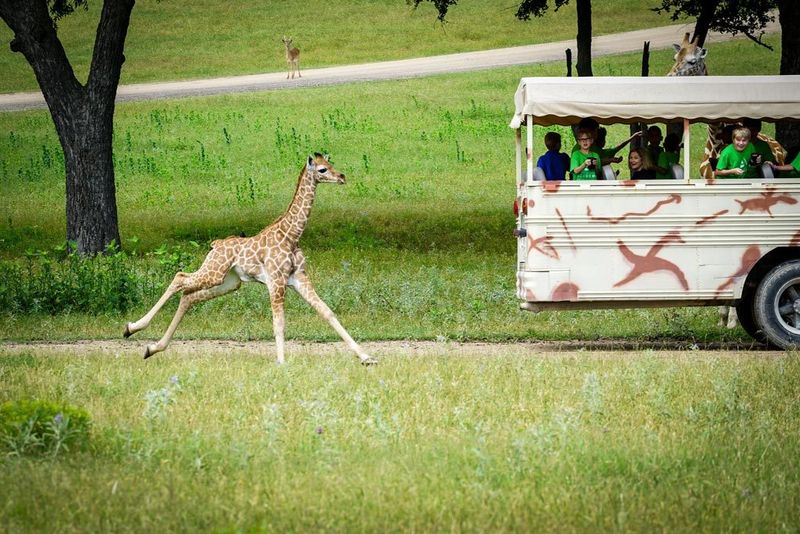
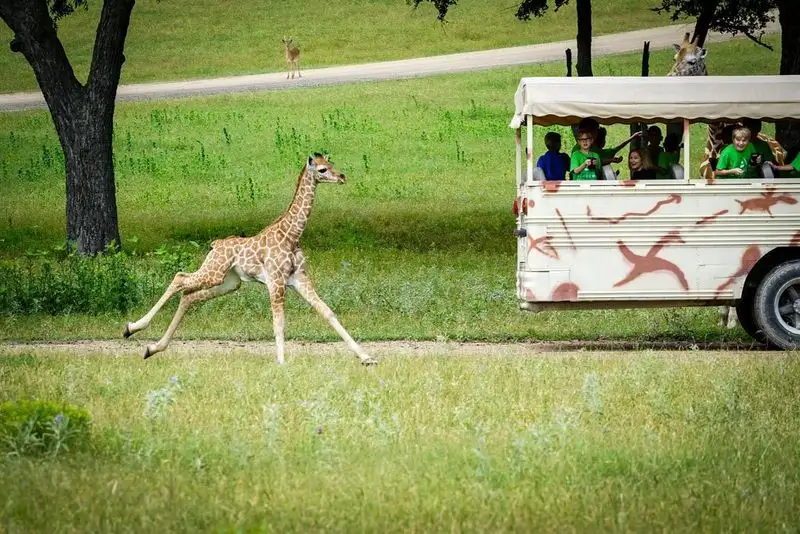
Self-drive is freedom at your fingertips. You choose the tempo, shuffle playlists, and linger for that perfect photo without group pressure.
It is ideal for families needing flexibility or travelers who love creating their own rhythm. Guided tours, by contrast, add expert interpretation and access to deeper context.
Knowledgeable staff share behavior cues, conservation stories, and field observations that you would likely miss alone. If you value education, narration, and stress-free navigation, a guided experience may be worth the premium.
Comfort matters too. Some visitors find tour buses less cushioned, while others appreciate the hands-free ease.
If you get car curious animals at your window, guides help manage windows, feed, and etiquette with calm confidence. Consider your priorities: learning depth, budget, mobility, and timing.
On crowded weekends, a tour can streamline the day and keep you moving. On quiet weekdays, self-drive often feels private, cinematic, and deliciously unhurried.
Conservation at the Core
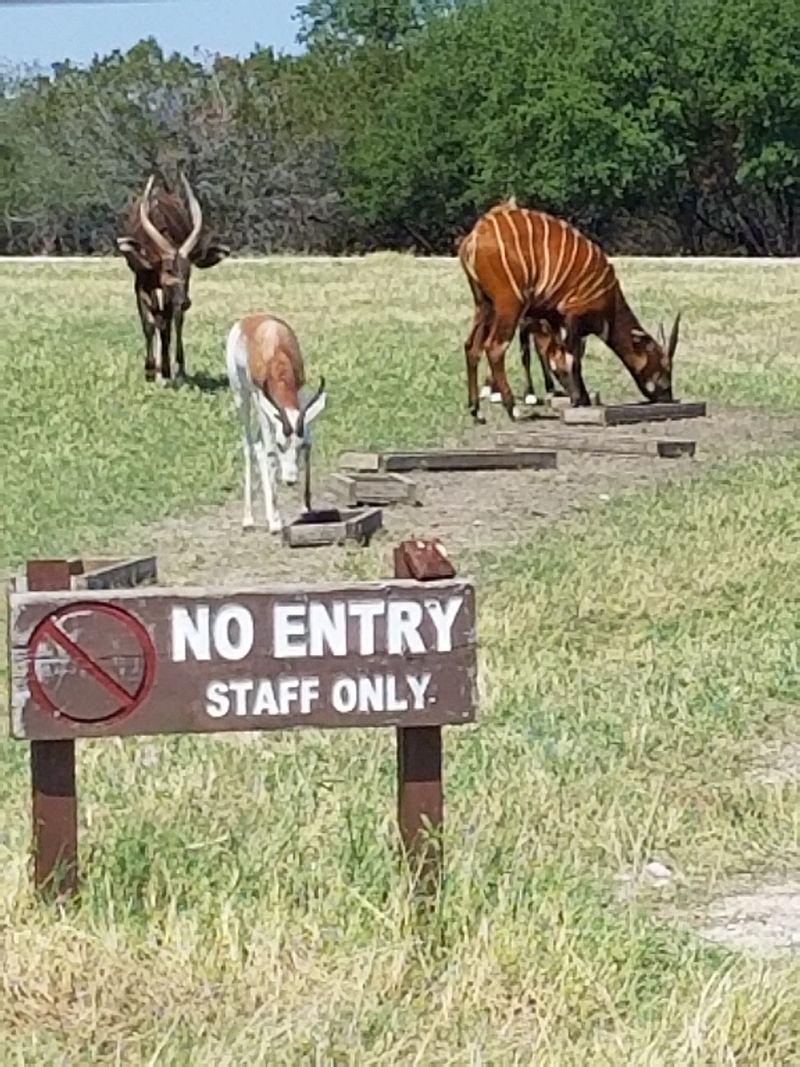
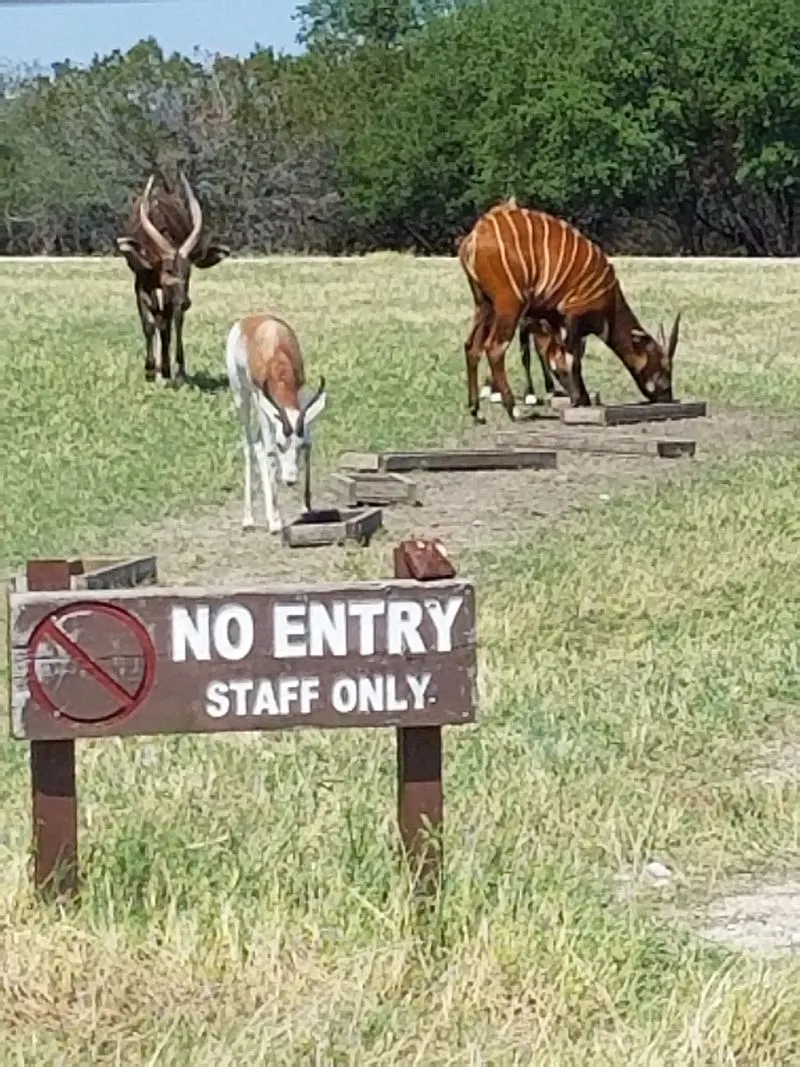
Fossil Rim is not a theme park. It is a 1,700 acre sanctuary focused on breeding, research, and education for threatened species.
The animals roam large pastures where natural behaviors can flourish, and your ticket directly supports that mission. Look for addax and scimitar horned oryx stories, both icons of desert antelope recovery.
You might also spot cheetahs from a distance, ambassadors for speed, fragility, and human wildlife coexistence. Rhinos underscore the stakes of anti-poaching and habitat protection.
Staff training, veterinary care, and partnerships with accredited programs drive results that ripple far beyond Glen Rose. The careful feeding rules are not fussy; they are how welfare stays front and center.
When you follow them, you become part of the conservation team. Ask questions at the Overlook or on a tour about breeding programs, reintroductions, and how donations are used.
Small actions add up, from membership to mindful driving and gentle voices near animals. You will leave with bigger eyes and a deeper respect for wild lives.
Family Friendly Tips and Safety Essentials
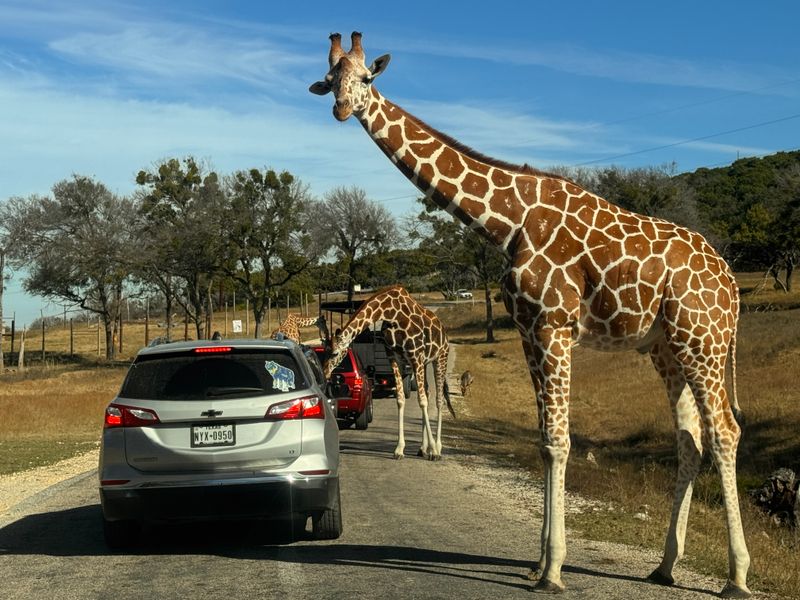
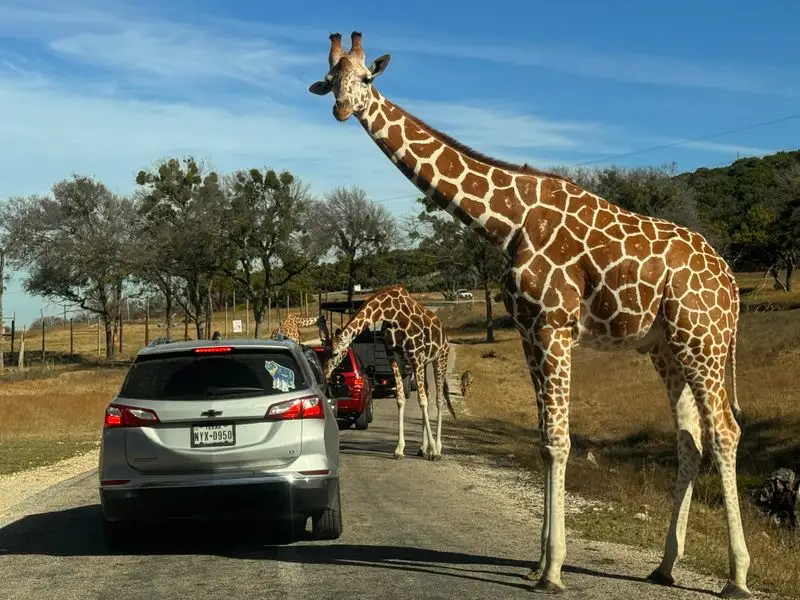
Safety keeps the magic intact. Buckle everyone, keep arms inside, and only feed giraffes by hand when permitted.
For all other animals, toss feed onto the road and keep a healthy distance as they approach. Bring wipes, reusable water bottles, and a small trash bag for tidy doors and dashboards.
Sunhats and sunglasses help with glare, and a lightweight blanket can shade car seats. If you have a sunroof, use it for photos rather than hands out windows.
Explain simple rules to kids: quiet voices, no sudden movements, and patience when hooves surround the car. Assign a backseat wildlife spotter to call out animals, then rotate roles so everyone gets turns.
Keep a printed map handy in case cell service dips. Arrive early, break at the Overlook, and avoid squeezing the whole route into a rushed hour.
On hot days, aim for morning or near closing when temps soften. With thoughtful prep, you will trade meltdowns for grins and make memories that stick.
When to Go, What It Costs, and How Long It Takes
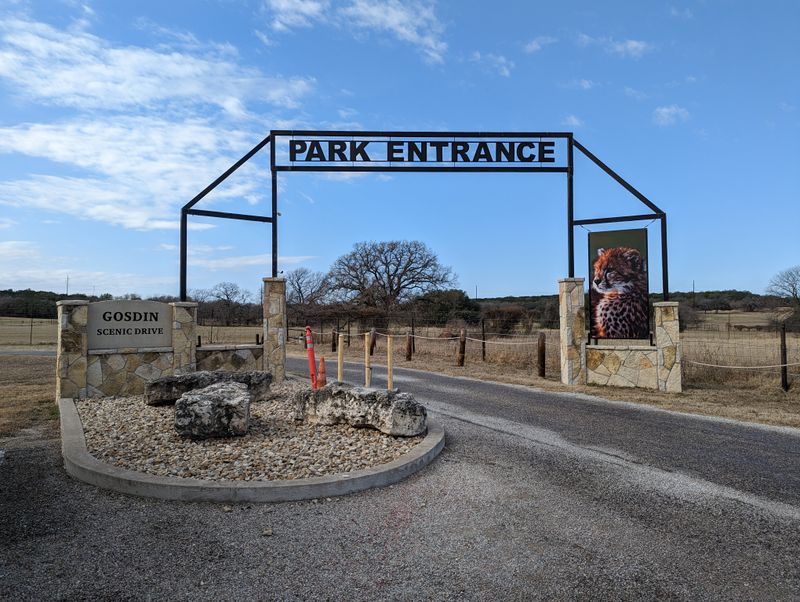
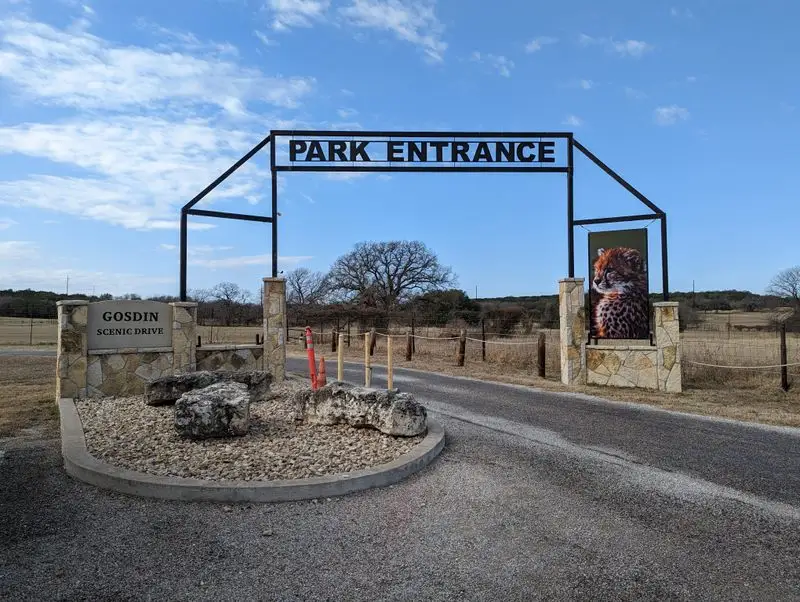
Operating hours run 8:30 AM to 3:30 PM daily, with last vehicle entries managed to protect animal routines. Visit on weekdays for lighter traffic and cooler mornings.
Spring and fall bring balanced temperatures, while winter sun can deliver crisp, clear views. Budget for admission plus a feed bag at the gate.
Prices vary by season and event, so check the official website or call +1 254-897-2960 for current details. Members receive perks that make repeat visits attractive if you are local or Hill Country frequent.
The route spans about 7 to 8 miles and generally takes two to three hours including the Overlook break. Expect extra time on holidays when photo stops stack up.
If you want a deeper dive, add a guided tour and plan half a day. Set your GPS to 2299 Co Rd 2008, Glen Rose, TX 76043, and download directions in case service flickers.
Bring snacks, water, and backup batteries for cameras and phones. Leave with time to spare so you can relax into the rhythm of the road.
Photography Tips: Light, Lenses, and Respectful Angles
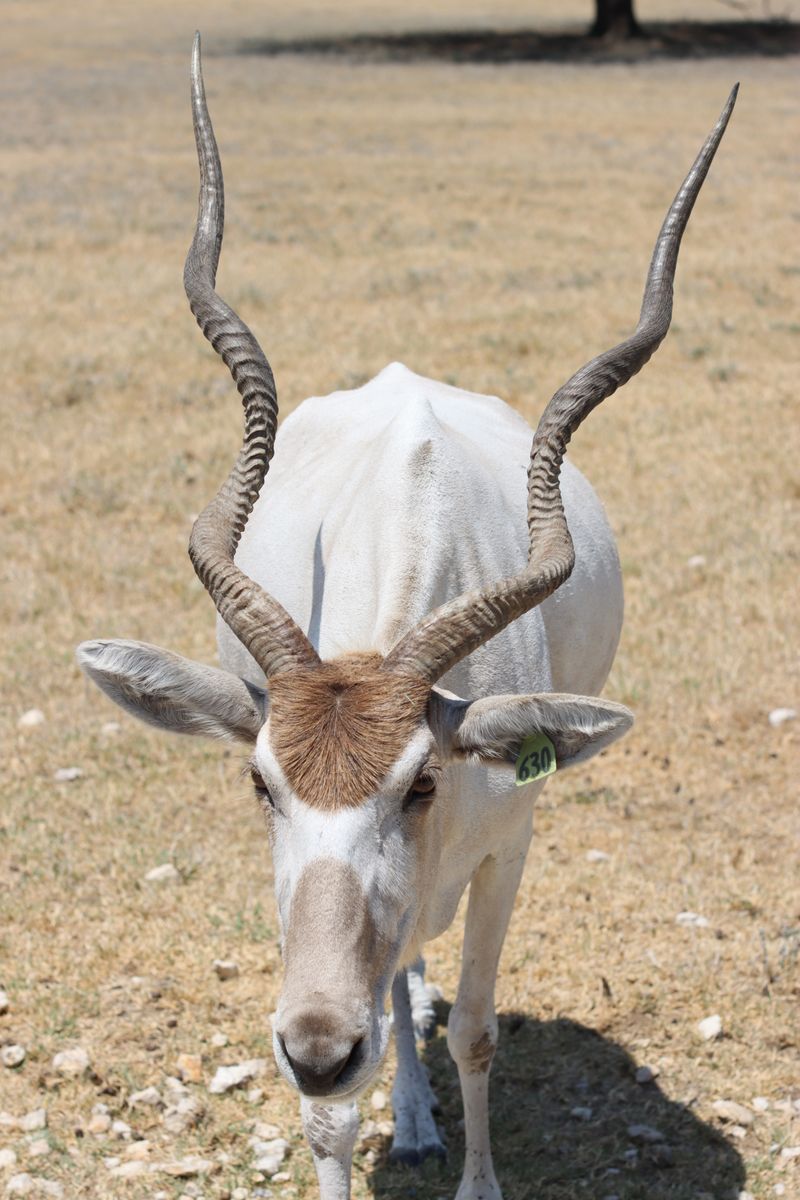
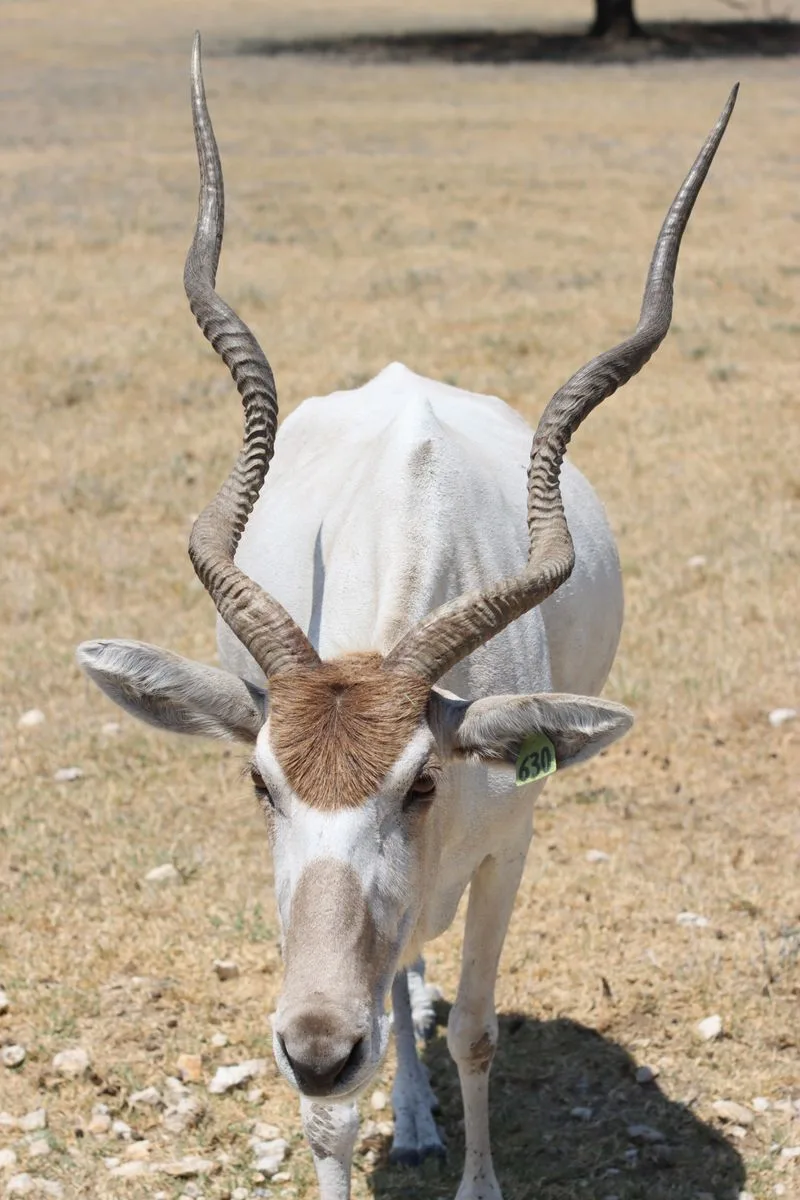
Golden light is your best friend here, especially within the first and last hour of drive time. Position the car so the sun is behind your shoulder, then wait for animals to step into clean backgrounds.
Keep shutter speeds high because animals move unpredictably, even when they seem calm. A telephoto zoom around 70-200mm covers almost everything, while a wider lens captures sweeping Hill Country layers.
Avoid flash and loud shutter bursts that might startle sensitive species. Stabilize with a bean bag on the window ledge instead of a tripod, which is cumbersome inside vehicles.
Work with angles that respect barriers and animal space. If an animal approaches, stay still and let the moment unfold rather than reaching out or leaning forward.
Framing through the windshield can create compelling leading lines without exiting the vehicle. Shoot in bursts, then drop the camera to observe behavior shifts.
Look for eye light, ear position, and herd spacing to anticipate expressions. Finally, edit lightly to preserve natural tones.
You will appreciate authentic color and texture later, especially when sharing with family who want to remember how the Hill Country truly felt.
What to Pack Beyond the Basics
Beyond sunscreen, water, and hats, a small soft-sided cooler keeps snacks and drinks cold without hogging space. Pack wet wipes, a few trash bags, and resealable pouches to keep the car tidy.
A compact first aid kit, bug spray, and lip balm help you stay comfortable through wind and sun shifts. Binoculars add a surprising amount of joy for spotting distant herds.
Bring a lightweight blanket for impromptu shade or a quick picnic at The Overlook. A portable battery pack and charging cable keep navigation and cameras alive during slower wildlife jams.
Consider a phone mount for hands-free map checks and quick photos. Reusable cups and utensils reduce waste, aligning with Fossil Rim’s conservation mission.
A small towel handles muddy shoes after brief exits at designated areas. Round out the kit with a field guide or downloaded species list to keep kids and adults engaged.
If weather is fickle, toss in a compressible rain shell. Finally, carry patience snacks, like trail mix, because the best sightings reward those who linger.
You will thank yourself when a shy antelope strolls into perfect view.
Where to Stay and Eat in Glen Rose
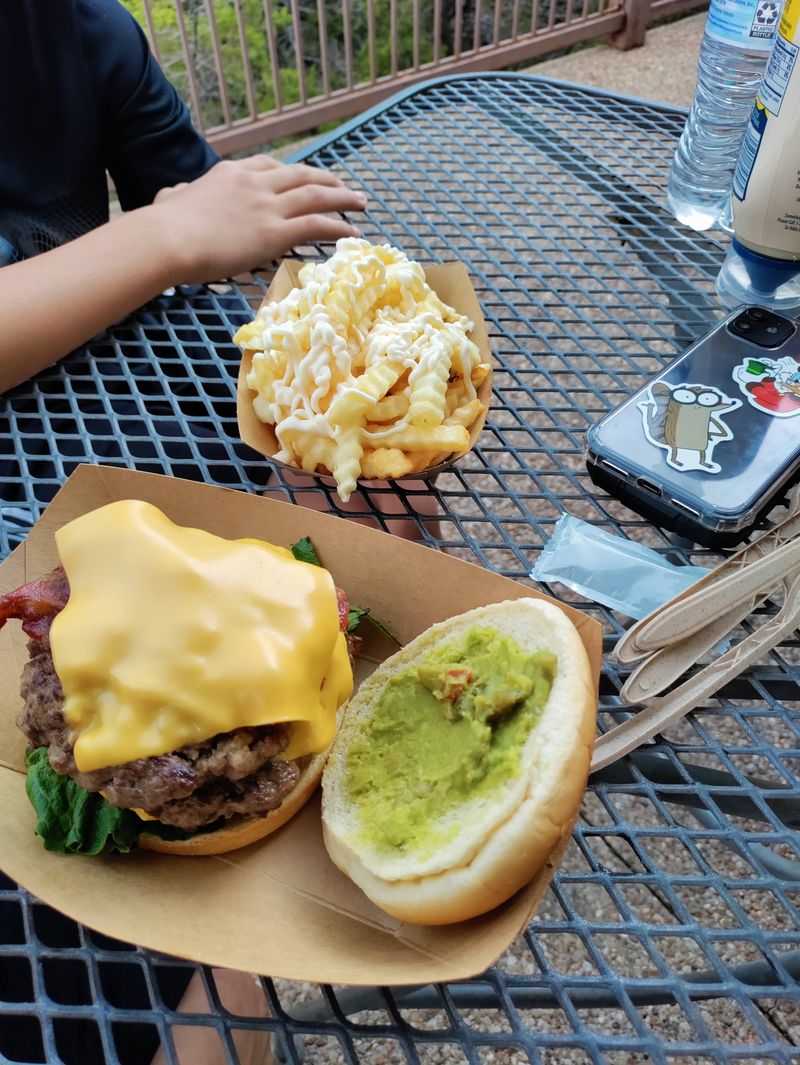
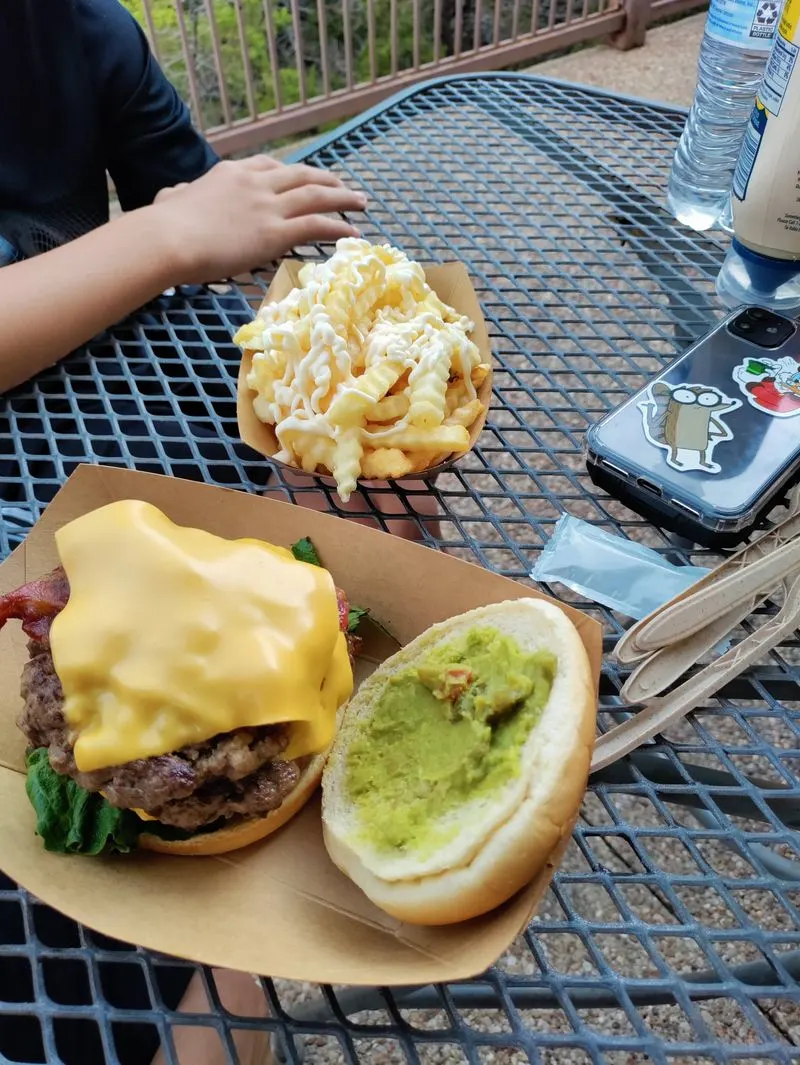
Turning your safari into a Glen Rose overnight makes the whole trip easier. Look for family friendly inns and cabin style stays within minutes of the entrance, so you can hit the morning window when wildlife is most active.
Many properties offer porches that face quiet, starry skies. For meals, plan simple breakfasts and grab lunch at The Overlook, then explore town for dinner.
You will find casual cafes, barbecue joints, and Tex-Mex spots that welcome dusty shoes and big appetites. Weekends can be busy, so call ahead or check hours before committing.
If you prefer picnic vibes, stock the cooler at a local market and dine at riverside parks after your drive. Keep things light and hydrating to handle the Texas heat.
Kids love ice cream rewards after a long day of spotting animals. Ask locals about seasonal events that pair nicely with your visit, from festivals to courthouse square happenings.
Early sleepers should choose quieter lodgings off the main road. With a good rest and hearty meal, you will be ready to roll windows down again at sunrise and catch those unhurried, golden hour sightings.