

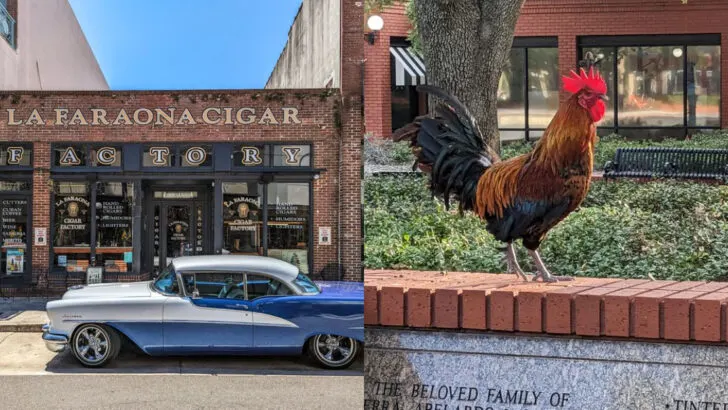
This neighborhood doesn’t just tell history — it struts, clucks, and echoes under your feet. Ybor City hits you first with sound and texture.
Brick streets. Laughter spilling from doorways.
Chickens crossing like they run the place, because here, they kind of do.
Walk slow and let the past crowd in. Cigar smoke once curled through these blocks.
Immigrants argued, danced, worked, and built lives one brick at a time. Iron balconies lean overhead.
Faded signs whisper stories if you bother to look up.
Then there are the birds. Roosters perched on curbs.
Hens wandering patios. Locals don’t chase them away — they nod and wait.
These feathered residents are part of the rhythm, turning every stroll into something wonderfully strange.
Ybor isn’t polished or quiet. It’s layered, loud in spirit, and proud of it.
Come curious. Leave a little enchanted.
Strolling the brick streets and roosters
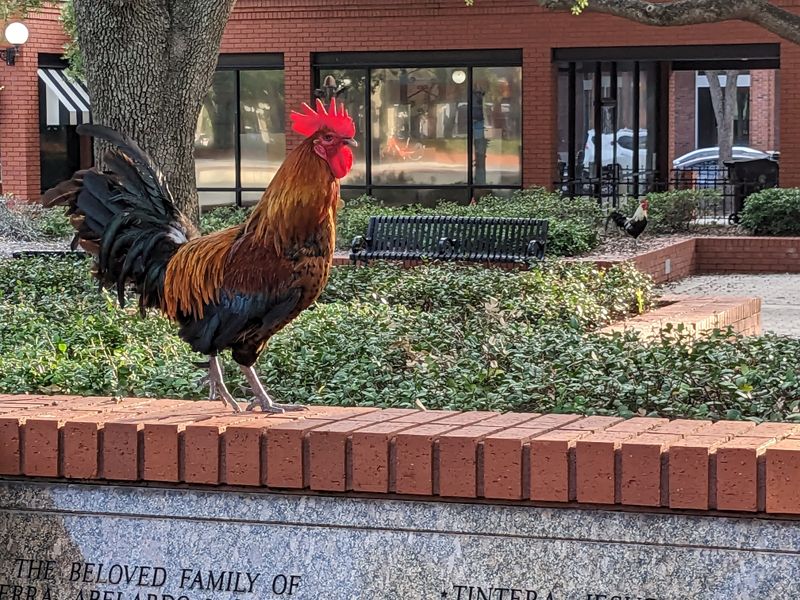
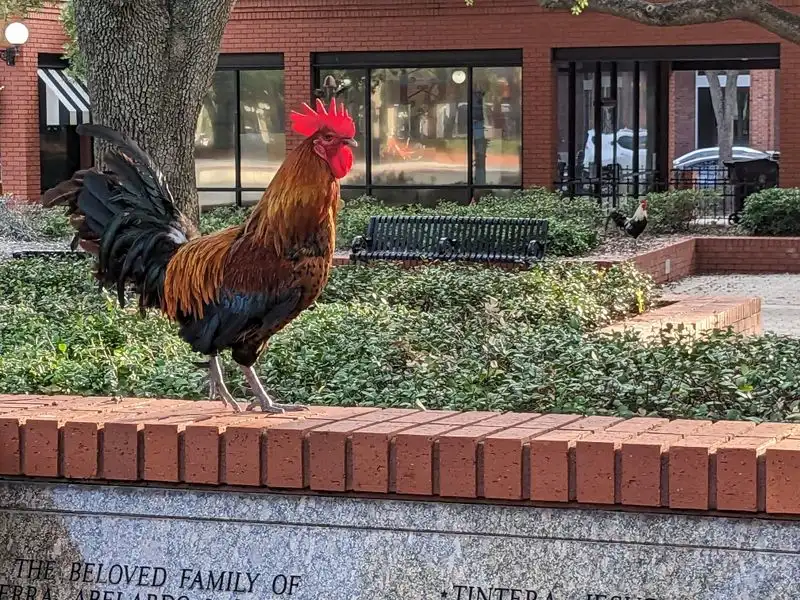
Start with a slow walk along the red brick streets where chickens and roosters wander like they own the block. You will hear clucks between salsa rhythms drifting from open doorways, a soundtrack that feels delightfully unscripted.
The uneven bricks tell their own tale, guiding you past pastel facades, iron balconies, and hand painted signs that hint at cigar era pride.
Look up to catch old ghost signs and cigar leaf motifs carved into cornices. You might pause when a rooster hops onto a curb, as if to greet you to the barrio.
Sidewalk vents breathe stories from basement clubs, while small plazas frame palm lined views that glow at golden hour.
Listen for trolley bells and chatter in Spanish and English, a blend that has seasoned Ybor for generations. The roosters are protected and beloved, so let them pass with dignity.
Their presence turns an ordinary walk into a living postcard.
Photographers will love morning light glancing off bricks and rooster feathers. Wear comfy shoes because those heritage pavers are charming but tricky.
Bring curiosity, and you will notice details that many hurry past.
Ybor City Museum State Park
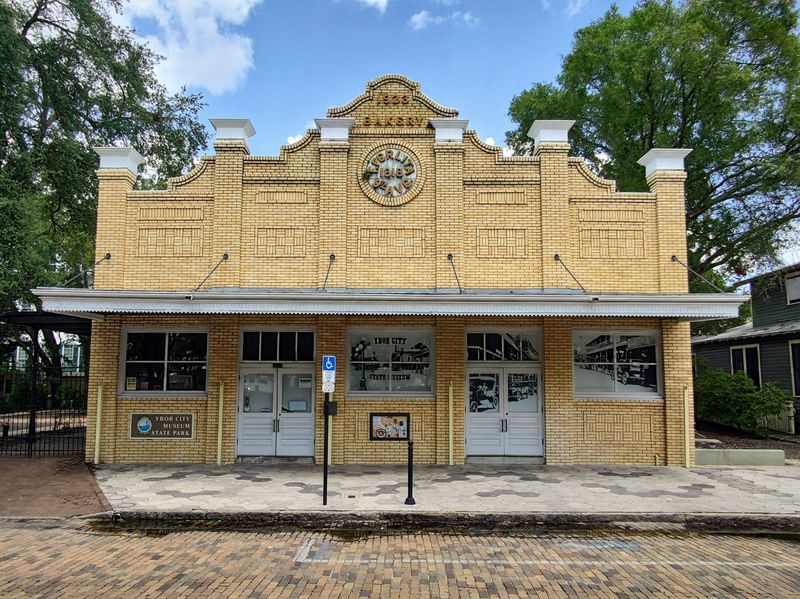
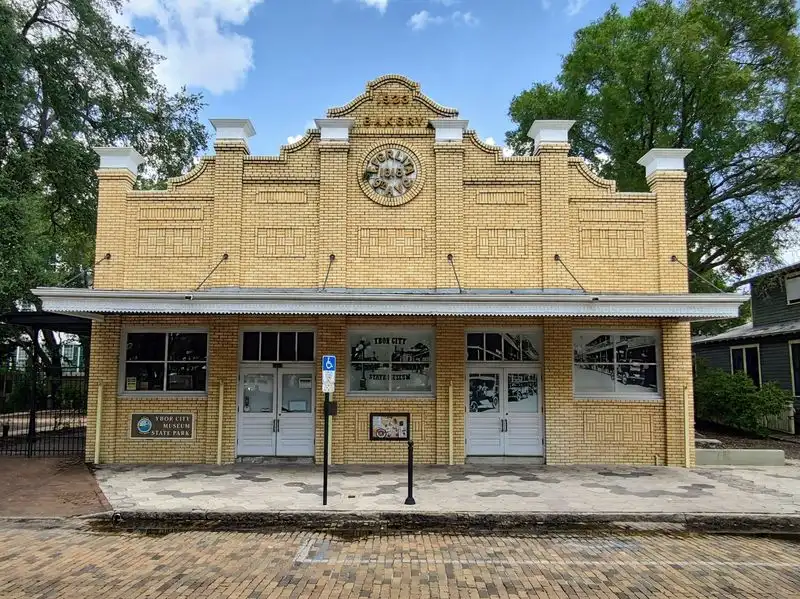
Make this your first deep dive into the district’s roots. Inside the former Ferlita Bakery, you will trace how Cuban, Spanish, and Italian immigrants built a cigar empire and a community.
Exhibits show union halls, mutual aid societies, and family kitchens that kept culture strong.
Step into the Mediterranean style courtyard and exhale under the shade. You will see the iconic bakery oven and artifacts that connect everyday life with industry.
The storytelling feels personal, helping you picture the neighborhood’s hustle at its 1900s peak.
Guided talks often highlight how workers rolled cigars by hand with astonishing speed. You will learn why Spanish lengua and Cuban cafecito still flavor the streets.
Photos and tools make the history tactile, so kids and grownups stay engaged.
Before leaving, pick up a map for the surrounding casitas and landmarks. The museum anchors your visit, turning later sights into meaningful chapters.
You will step back outside ready to notice details you might have missed.
Cigar rolling heritage and factory stories
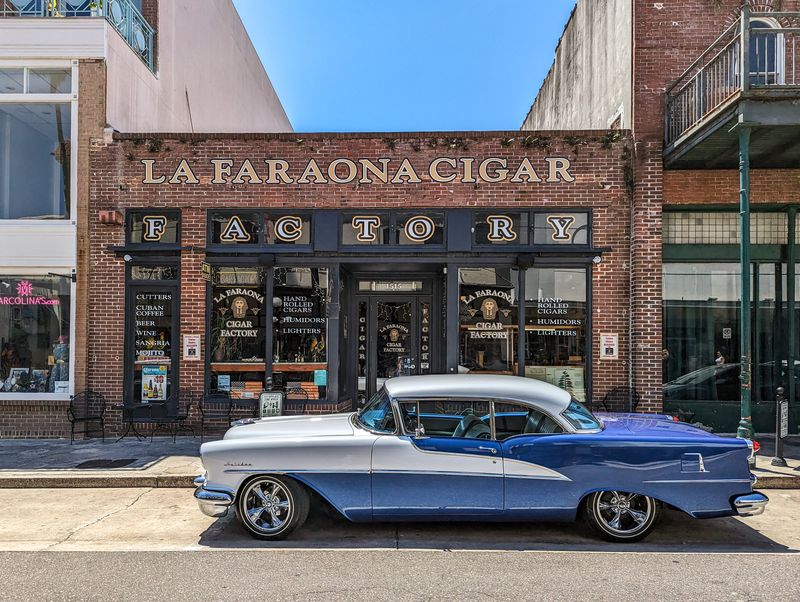
Even if you do not smoke, the craft of cigar rolling is mesmerizing to watch. Skilled torcedores shape leaves with rhythmic precision, echoing a craft that once fueled an international industry.
You will see cutters, molds, and presses lined up like instruments in a living workshop.
Ask about the lector tradition, when readers entertained workers with news and literature from raised pulpits. That blend of labor and learning shaped politics, art, and identity here.
The stories reveal how factories became community engines, not just job sites.
In some storefronts, fresh rolled cigars rest in cedar cabinets, perfuming the air with sweet tobacco. You will feel the lineage from Key West to Tampa woven into every leaf.
Respect the craftsperson’s space, and you might get a quick lesson on wrapper grades.
Photograph hands in motion, not just boxes and labels. Pair the visit with museum context so techniques and vocabulary click.
You will walk out admiring artisanship that still sparks pride on Seventh Avenue.
Seventh Avenue rhythm and nightlife
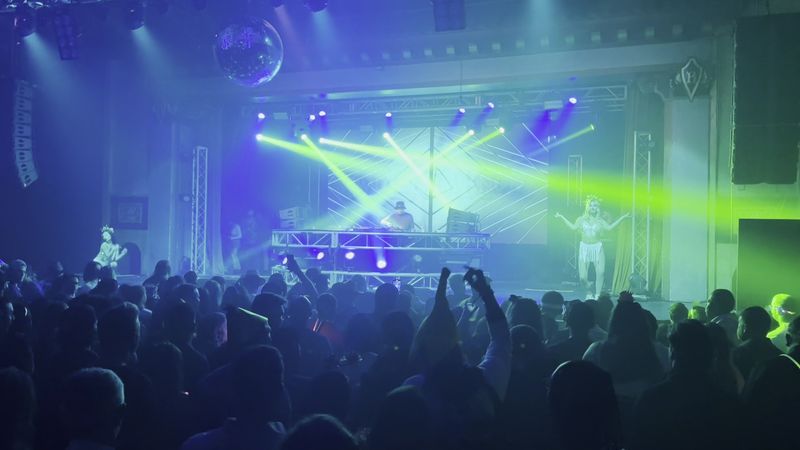
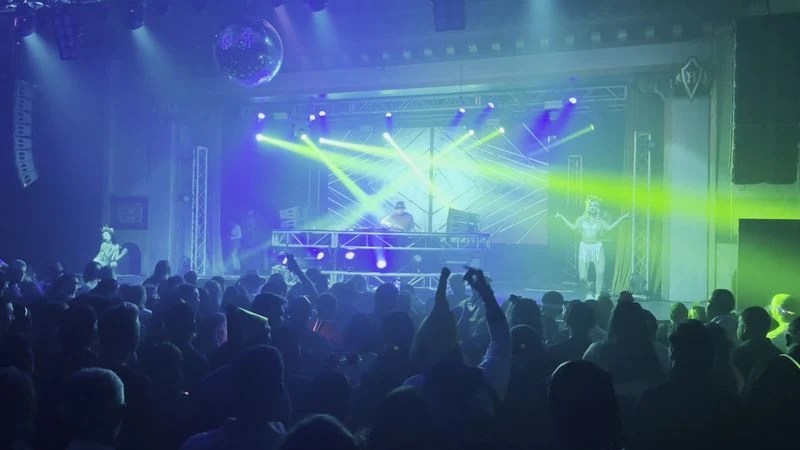
As the sun drops, Seventh Avenue shifts from leisurely café chatter to neon energy. You will hear live bands at the RITZ Ybor and beats spilling from open doors, a nightlife scene that spans salsa, rock, and electronic.
The historic facades glow while people flow between venues and late night eateries.
Start with an early dinner so you can linger without rushing. Street performers and patio conversations set a come as you are tone.
With each block, you move through eras layered like vinyl tracks.
Keep an ear out for local acts and themed nights that celebrate Latin roots. You will find craft cocktails, Cuban bites, and classic dives standing shoulder to shoulder.
The balance of history and party keeps the avenue compelling rather than generic.
Dress for comfort and bring patience for crowds on weekends. If you prefer quiet, walk earlier and watch the lights flicker on.
Either way, Seventh Avenue’s rhythm invites you to sway along.
Cuban sandwiches and coffee culture
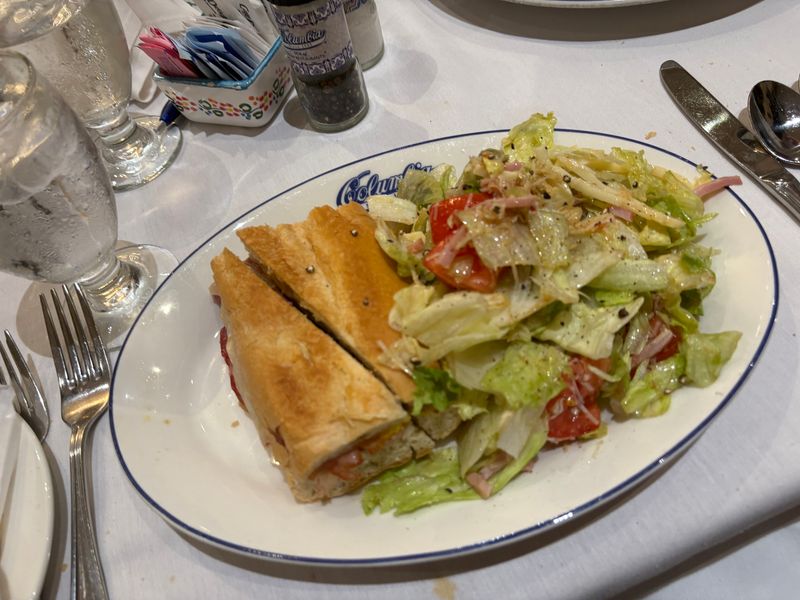
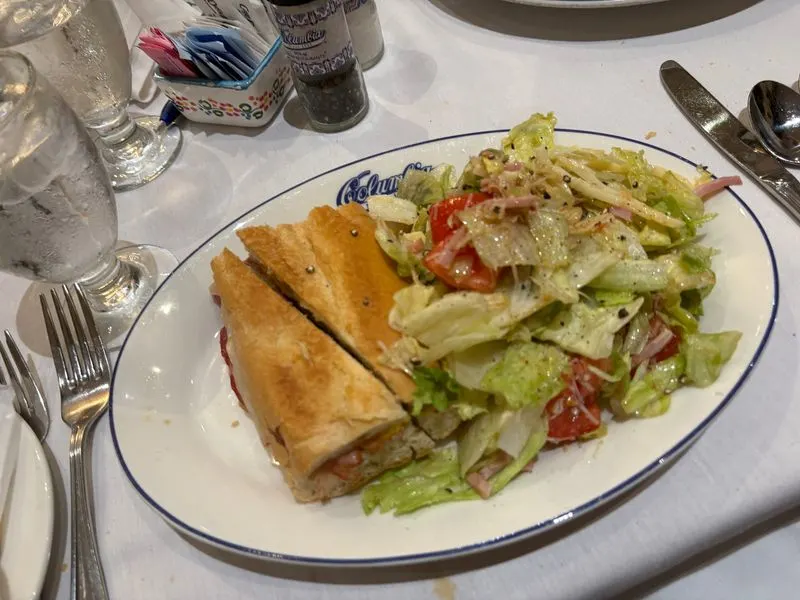
Follow the scent of pressed Cuban bread and espresso to a café counter where locals chat in two languages. Order a classic Cuban sandwich with roast pork, ham, Swiss, pickles, and mustard on crispy bread, then add a cortadito for good measure.
You will taste layers of migration and memory in every bite.
Ask the staff about bread baked with palmetto leaves for that signature crust. The details matter and you will feel them as the press hisses and the espresso sings.
Some spots still use family recipes passed down from early Ybor kitchens.
Balance your plate with black beans, yuca, or pastelitos if you want a fuller meal. You will notice how café culture here blends quick service with unrushed conversation.
The counter becomes a small stage where regulars greet neighbors and share news.
Sit street side to watch roosters peck near patio tables. Sip slowly and let the caffeine sharpen your sense of place.
When you leave, the aroma will trail you down the block.
Tampa Baseball Museum at the Al Lopez House
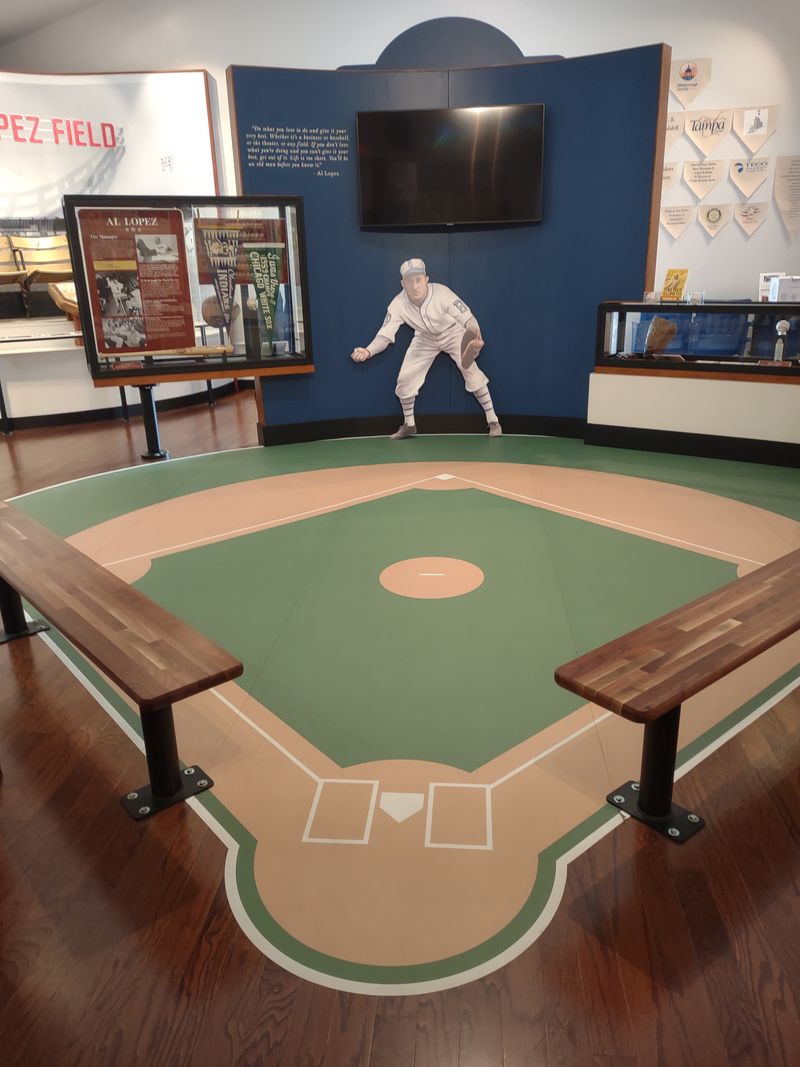
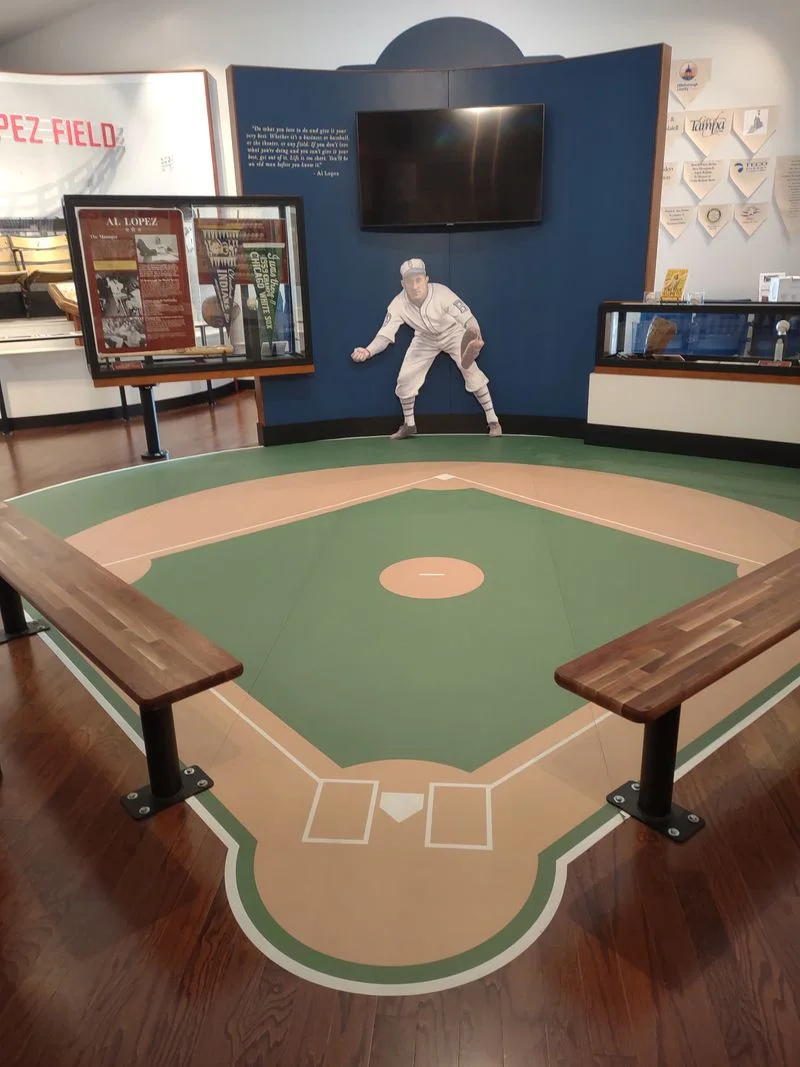
Step into a restored bungalow that tells Tampa’s baseball story through a local legend. You will see Al Lopez’s memorabilia alongside exhibits that connect neighborhood sandlots to major league diamonds.
It is intimate, hands on, and surprisingly moving for casual fans and diehards alike.
Displays highlight Latino players and community leagues that thrived around Ybor. You will learn how factories and families rallied around the game after long shifts.
Photographs, caps, and scorecards make the past feel close enough to cheer.
Docents are generous with stories that link ballparks to nearby streets and clubs. You will feel the pulse of Sundays spent in the stands and kids trading cards on porches.
The house anchors baseball within the neighborhood’s immigrant narrative.
Allow time to browse carefully and chat with staff. Pair the visit with a stroll to nearby murals that honor athletes.
You will leave seeing Ybor’s history through a different but equally spirited lens.
Mutual aid societies and social clubs
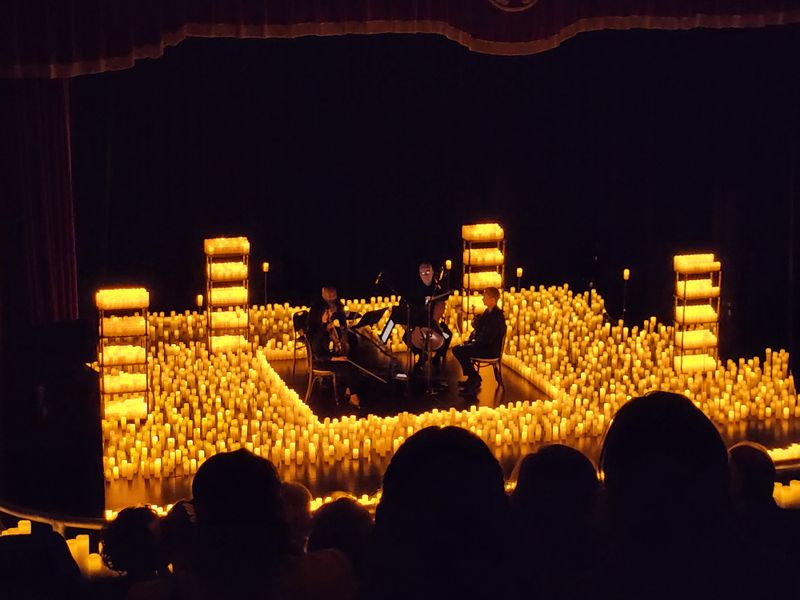
Look for elegant buildings that once housed mutual aid societies like Centro Español and Centro Asturiano. These clubs provided healthcare, theater, dances, and community safety nets when benefits were scarce.
You will sense dignity in their architecture, from grand staircases to ornate theaters.
Exhibits and plaques explain how membership dues funded doctors and cultural events. You will understand why solidarity was not just idealism but survival.
The clubs nurtured identity while bridging a new life in Tampa.
Today, some spaces host performances, weddings, and community gatherings. You will hear echoes of zarzuela and big band nights in the acoustics.
Even quiet hallways feel busy with memory and ritual.
Ask about tours to see restored details up close. Then step outside and view the skyline framed by columns and palms.
You will appreciate how these institutions still anchor Ybor’s social fabric.
TECO Line Streetcar connections
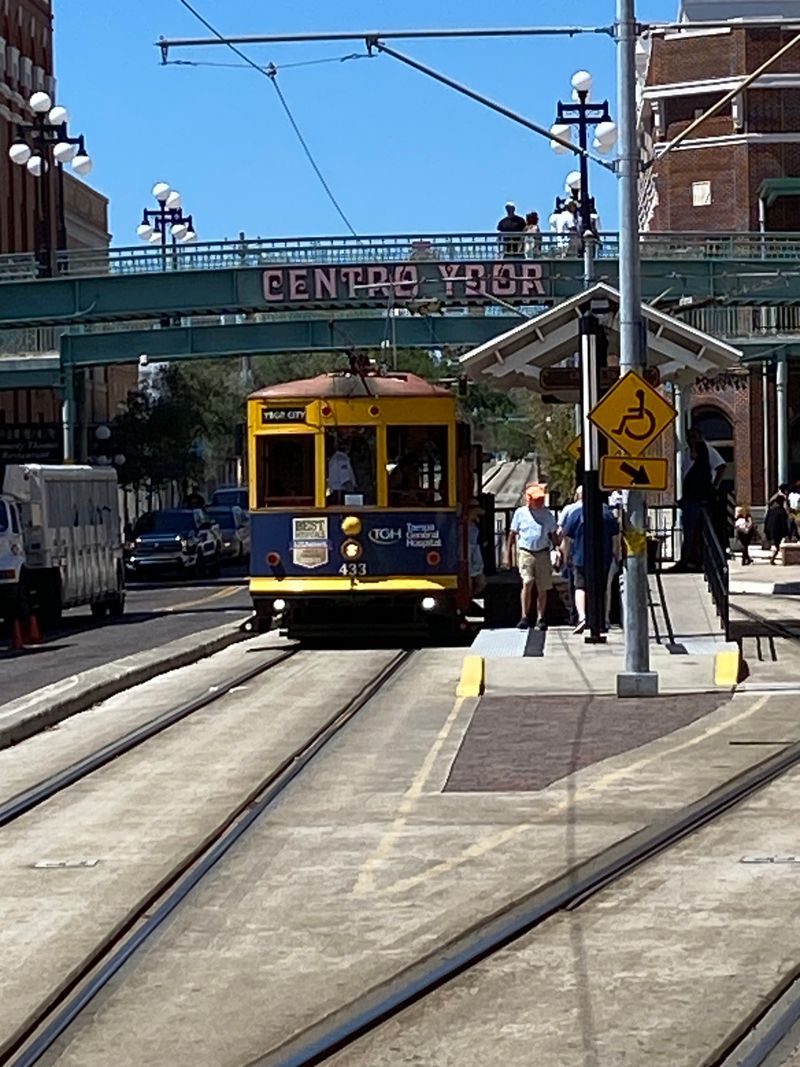
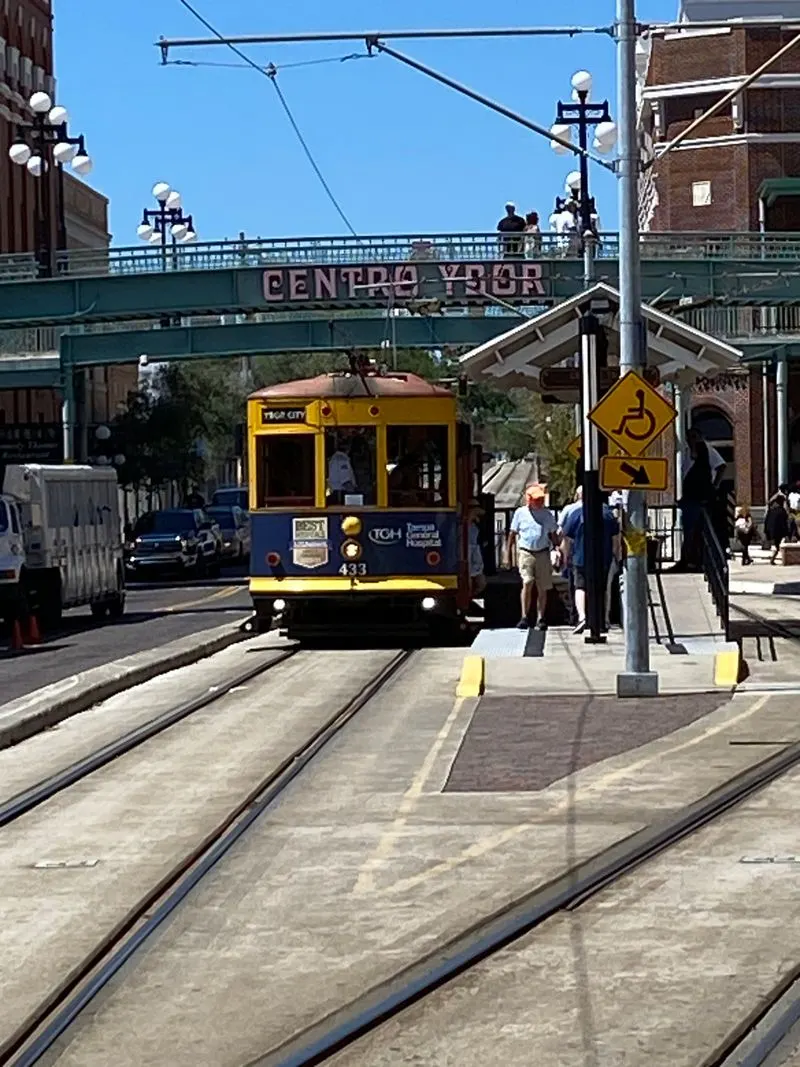
Hop aboard the vintage styled TECO Line Streetcar to link Ybor City with downtown and the Channel District. The ride is free and frequent, turning your visit into a breezy loop without parking stress.
You will glide past murals, cruise ships, and warehouses reborn as eateries.
Inside, polished wood benches and bell rings add a charming rhythm to your day. You will appreciate how the line nods to historic trolleys that once carried cigar workers.
Windows frame quick snapshots of Tampa’s evolving waterfront.
Use the streetcar to plan a progressive outing. Start with museum time, jump for lunch, then circle back for nightlife.
You will conserve energy and see more without retracing steps.
Check the schedule and stops so transfers stay smooth. Snap a photo at Centennial Park near the Ybor terminus.
You will step off ready to explore another pocket of the district.
Centennial Park and weekend markets
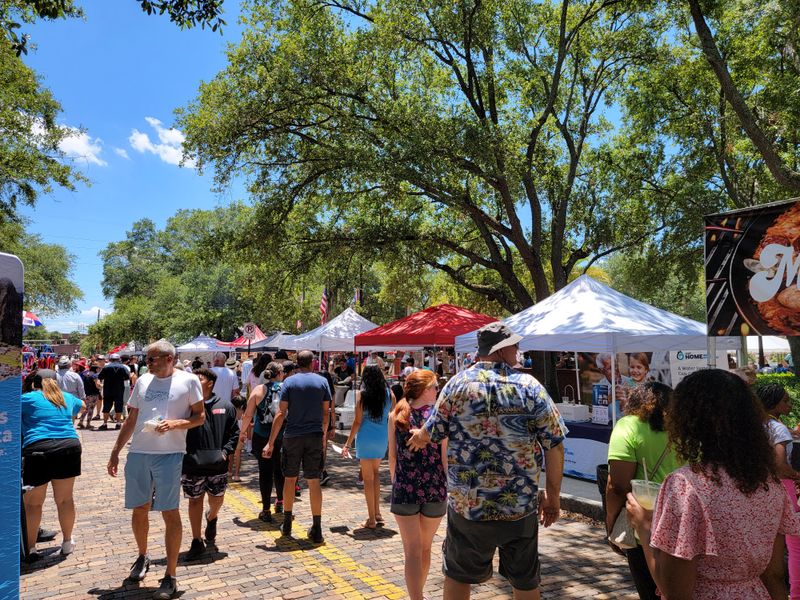
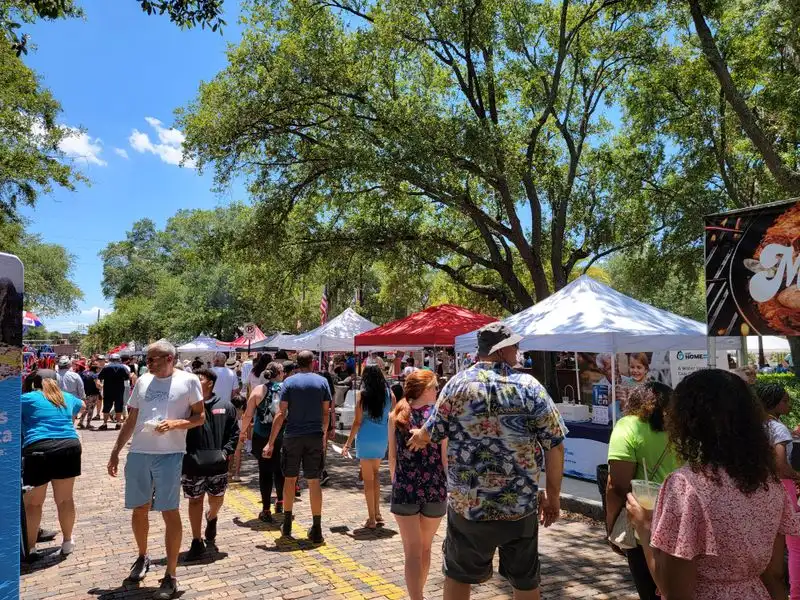
On weekends, Centennial Park turns into a lively market with local makers, produce, and street musicians. You will browse artisan soaps, guava pastries, vintage finds, and art prints that celebrate chickens and cigars.
The vibe is friendly and unhurried, perfect for people watching between coffee stops.
Shaded benches and palm trees make the square a natural meetup point. You will hear vendors swap tips while kids chase bubbles, a scene that feels like neighborhood theater.
The park also hosts festivals that spotlight Latin heritage and seasonal traditions.
Look for historical markers around the perimeter to layer context onto your shopping. You will connect modern makers with the district’s long line of craftspeople.
Nearby cafés and galleries make detours delightfully easy.
Arrive early for parking and cooler temperatures. Bring a tote for finds and small bills for buskers.
You will leave with something handmade and a deeper sense of place.
Practical tips and respectful exploring
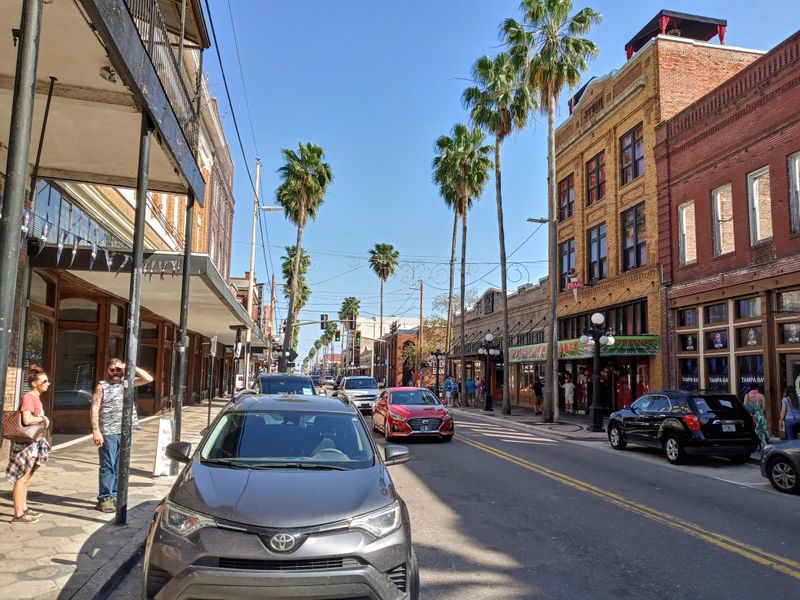
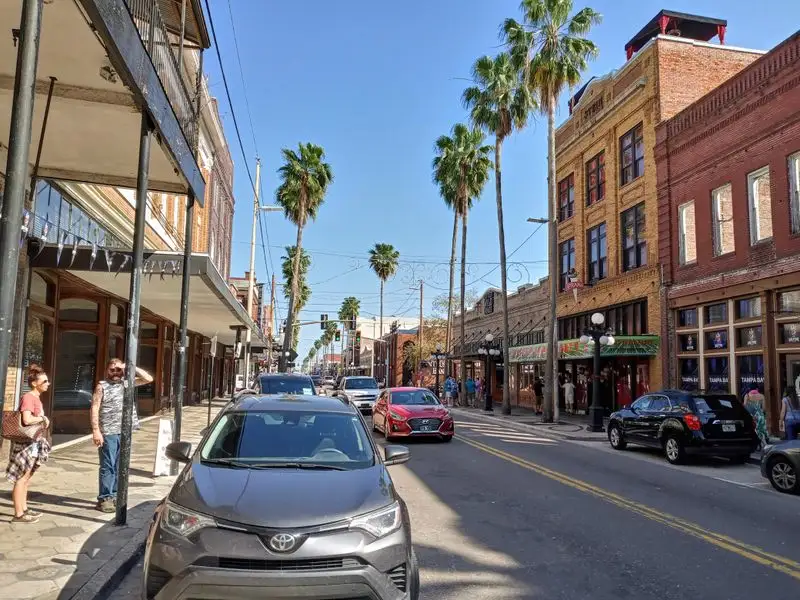
Wear breathable clothing and sturdy shoes because bricks and Florida sun can test your pace. You will want water, sunscreen, and a flexible schedule to wander and linger.
Mornings and late afternoons offer softer light and more forgiving heat.
Be mindful of residents and businesses while photographing or listening to music at night. You will keep doorways clear and treat roosters kindly as protected neighbors.
When in doubt, ask for permission and you will usually get a warm yes.
Plan breaks in museums, cafés, and shaded courtyards to reset your energy. You will notice more when you slow down and listen for layered languages and streetcar bells.
Small etiquette adds up to a smoother, more immersive visit.
Finally, park once and explore on foot or via streetcar to reduce traffic stress. You will support local spots by shopping small and tipping generously.
That respect keeps the historic district welcoming for everyone.