
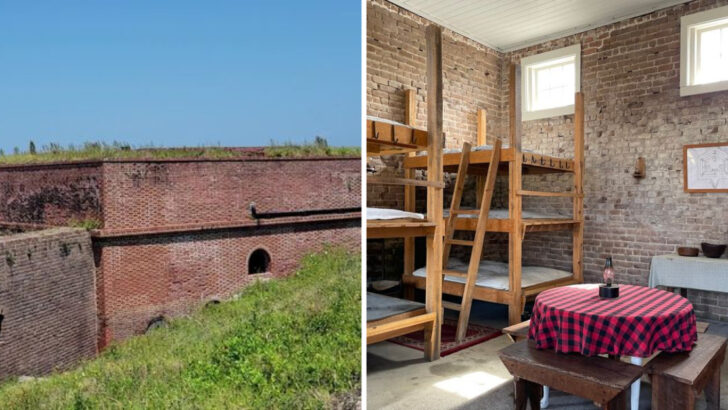
There is a hush at Fort Clinch State Park that makes every footstep feel important. You get the rare mix of Atlantic surf, brick ramparts, and stories that linger after sunset.
History buffs, beachcombers, and campers all find their corner here without jostling for space. If ghost tales and quiet coastal mornings sound like your kind of weekend, this place belongs on your map.
The Fort’s Eerie Legends
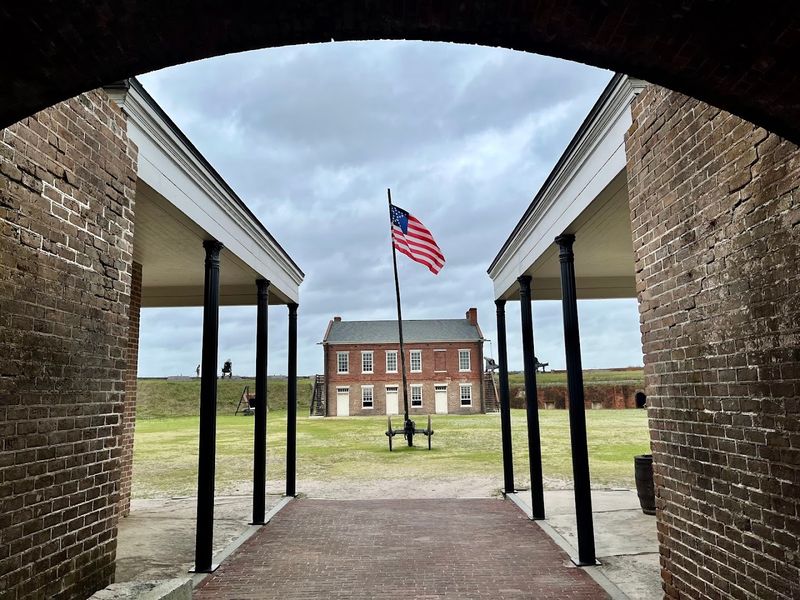
Stand in the sally port at dusk and the air seems to hold its breath. Stories speak of a sentry pacing unseen along the ramparts, boots scraping stone when the wind falls quiet.
You might not see anything, yet the brick walls echo with small sounds that make you pause.
Guides share respectful accounts, never theatrical, and that restraint makes them land harder. You hear about soldiers who never shipped out, and families who waited along the river.
Step into a casemate and the cool temperature change feels like someone just left the room.
If you are curious but cautious, bring a small flashlight and a calm mindset. Stick to marked areas, walk slowly, and let your eyes adjust.
The best moments arrive when you stop trying to chase a chill and simply listen to the fort breathe.
Civil War Footprints and Military Timeline
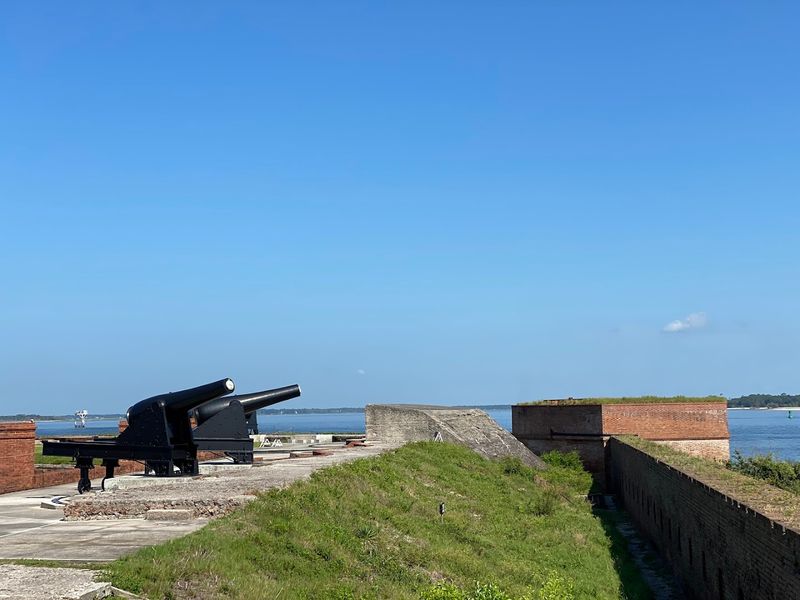
Every brick feels intentional, stacked for defense and discipline along the Amelia River. Construction began before the Civil War, paused, then resumed as needs and budgets changed.
You can track the shifting timeline through cannon placements, powder magazines, and the utilitarian geometry of barracks.
Rangers explain why the fort never saw direct battle yet remained strategically relevant. That contrast helps you grasp how deterrence and logistics mattered as much as gunfire.
Walk the parapet and imagine supply boats hugging currents while flag signals stitched messages across water.
To make the history stick, read the plaques in sequence, then revisit rooms with context fresh. Ask about Federal occupation, coastal blockades, and World War II uses.
By connecting dates to spaces, you build a mental map that turns silent brick into a living syllabus.
Brick Arches, Tunnels, and Ramparts
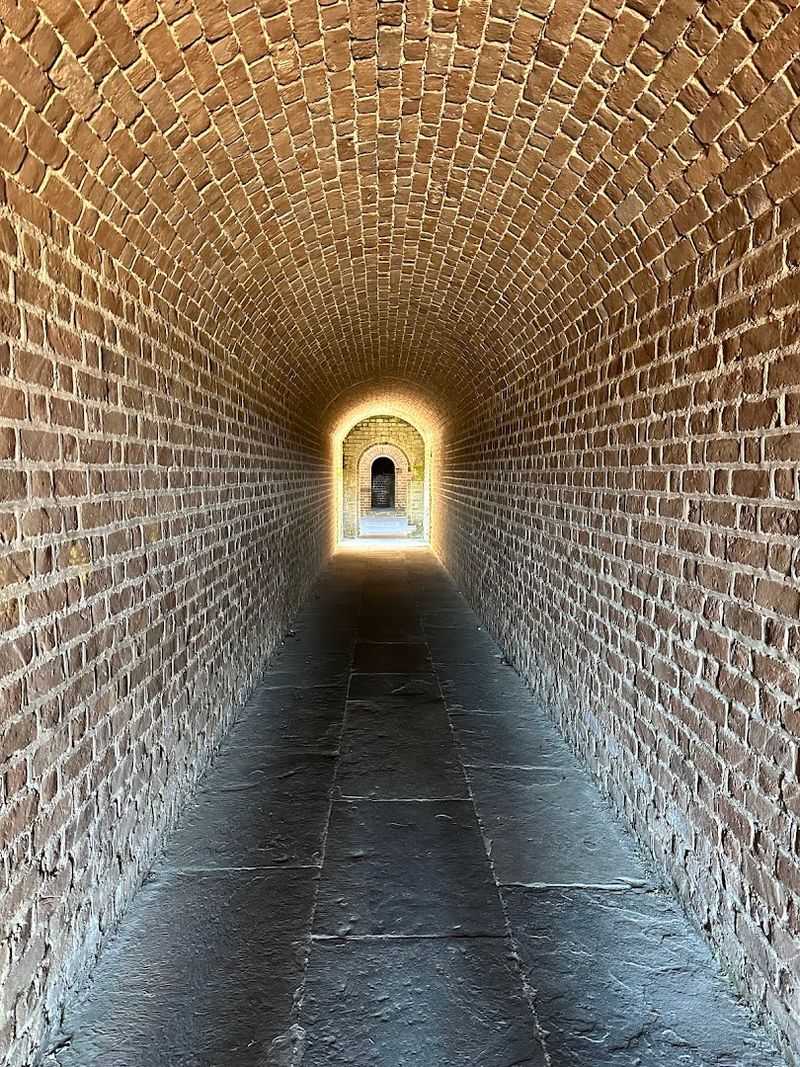
Step under the arches and the acoustics change like a switch. Your voice gains a soft echo, and footsteps tap a drumbeat along vaulted casemates.
Narrow embrasures frame strips of sea and sky that look like moving paintings.
Photographers love these lines, but the design is more than pretty geometry. Arches distribute weight, tunnels channel movement, and parapets create overlapping fields of fire.
Each curve solves a problem, and you feel the math under your hands when you trace the mortar.
For an easy route, start at the courtyard, loop the lower casemates, then climb the rampart stairs. Pause at each opening to note wind direction and the difference in temperature.
Little sensory details will anchor the scene later, long after you have left the fort.
Beachcombing and Shark Teeth Hunting

Sand here hides surprises if you are patient and low to the ground. Fossil shark teeth blend with shell fragments until the right angle of light reveals sharp little triangles.
Low tide and a slow zigzag pattern improve your odds.
Hold finds in a wet palm to see color and serrations pop. Black or dark brown pieces usually stand out best, though lighter ones appear after storms.
Keep an eye on oysters and watch your step, since edges can be unforgiving.
A small mesh bag, sunglasses, and water make the search pleasant. Work a 20-yard stretch carefully, then shift to fresh sand with each tide line.
If you come up empty, do not rush it, because a single wave can restock the beach in minutes.
Beachside Camping Loop Tips
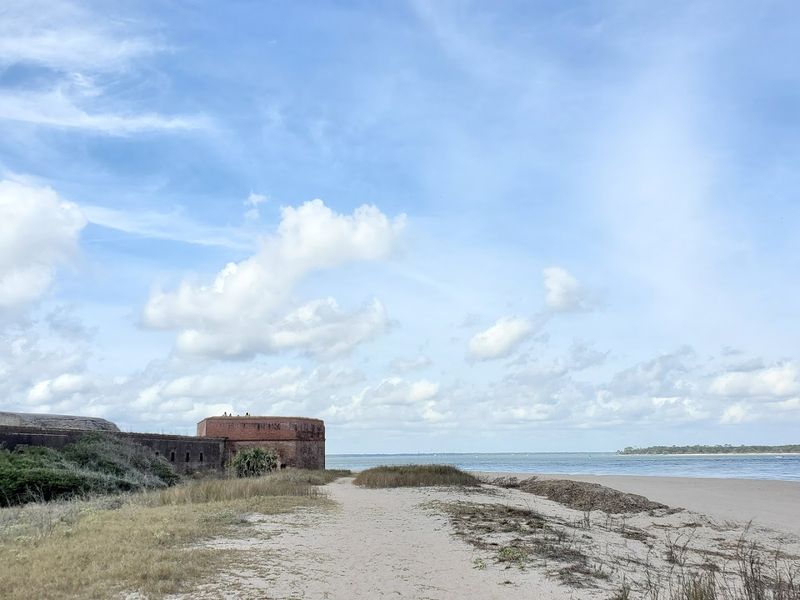
Camp by the Atlantic and you will hear the surf nudge you awake before sunrise. Sites mix sand and grass, with short boardwalks leading to treasure-strewn shoreline.
Expect water and electric hookups at 30 amps and plan power use accordingly.
Bring sturdy mats to keep sand where it belongs, plus extra guy lines for breezy nights. The bathhouse is spacious and tidy, so showers feel like a small luxury.
A red headlamp helps you navigate quietly without waking neighbors.
Morning routines work best when your coffee kit and beach bag are packed the night before. Stash a tiny trash bag in your pocket to pack out bits you pick up.
Walk to the water for sunrise, then circle back for breakfast while sites stay calm.
Scenic Trails, Salt Marsh, and Lighthouse Views
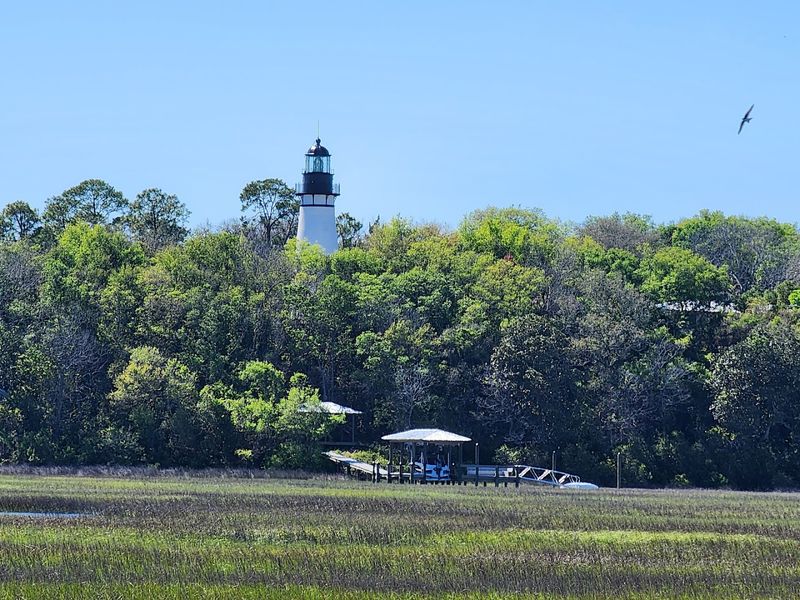
Trails thread through maritime forest, shift to salt marsh overlooks, then slip back into shade. You will find pullouts with plaques that unpack the landscape without spoiling the mood.
From one stop, the Amelia Island Lighthouse appears like a quiet neighbor across the water.
Bikes roll well on the park road and designated paths, while hikers savor sandy spurs. Respect signs that protect dunes and nesting areas, because those rules keep the place thriving.
A small bell on your handlebars helps you pass walkers kindly.
Plan a loop that stacks variety. Start at the marsh boardwalk for morning light, cruise the shaded road at midday, then stretch your legs near the beach before dinner.
You will finish pleasantly tired with a camera full of honest color.
Photography Playbook: Angles, Light, and Weather
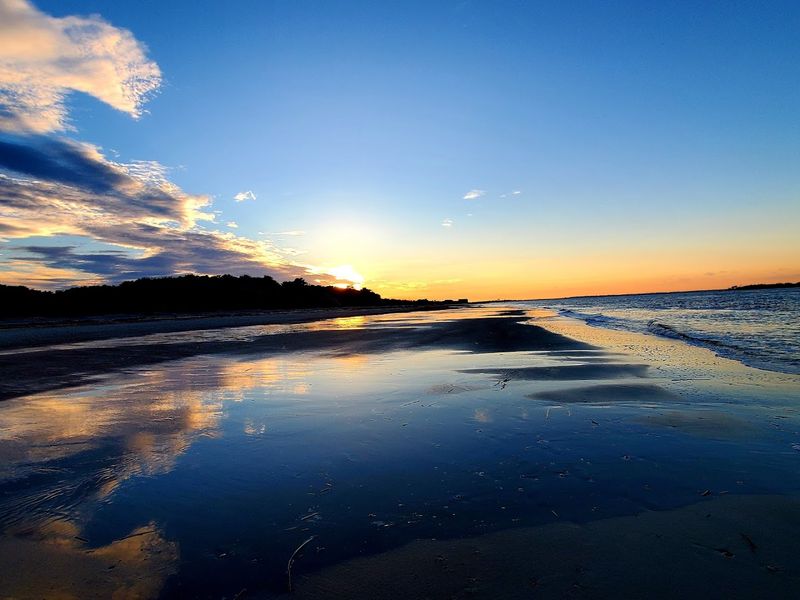
Good images here begin with patience more than gear. Brick absorbs light differently than sand, so test exposures as clouds pass.
Low angles through arches create leading lines that point straight to the horizon.
Golden hour warms red brick and softens faces for natural portraits. On windy days, use moving sea oats as foreground texture to anchor your frame.
Tripods help in tunnels, but a small brace against a wall works well if space feels tight.
Carry a microfiber cloth for salt spray and a spare card for long days. Shoot a wide establishing scene, then collect detail shots of textures and signage.
If a Navy sub glides by offshore, keep shutter priority high and track steadily for crisp frames.
Fishing and Waterfront Moments
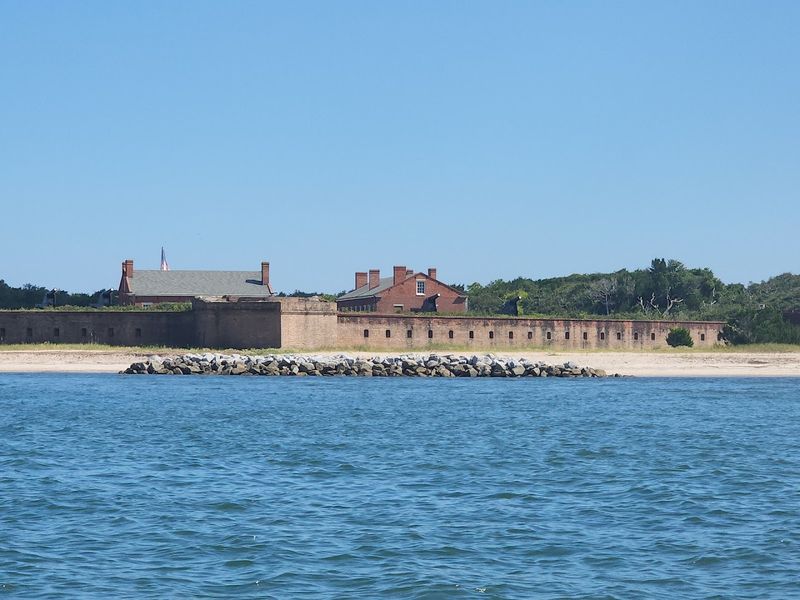
Lines arc cleanly here, and the rhythm is half the reward. The Amelia River delivers calm water for patient casts, while the beach adds rolling surf and changing structure.
Check local regulations and mind posted signs before setting up.
Travel light with a compact tackle kit, pliers, and a small cooler. Sunrise often brings surface action, but the last light can be just as kind.
If fishing is new to you, watch a regular and mirror their tempo without crowding.
Non-anglers can still soak up the waterfront ritual. Sit near the edge with a thermos, listen to birds negotiating roosts, and let conversation taper.
At Fort Clinch, stillness is part of the catch and everyone gets a share.
Smart Planning: Fees, Facilities, and Etiquette
Arrivals are simple at the gate, with a per-vehicle fee and a small add-on to enter the fort. The drive to campgrounds and main lots takes longer than you expect, so leave buffer time.
Parking is ample, and facilities are tidy and well maintained.
Bring water, sun protection, and a small trash bag to pack out whatever you pick up. Leashed pets are welcome in many areas, but follow posted rules and skip sensitive zones.
A quick glance at trail maps prevents wrong turns and keeps traffic flowing kindly.
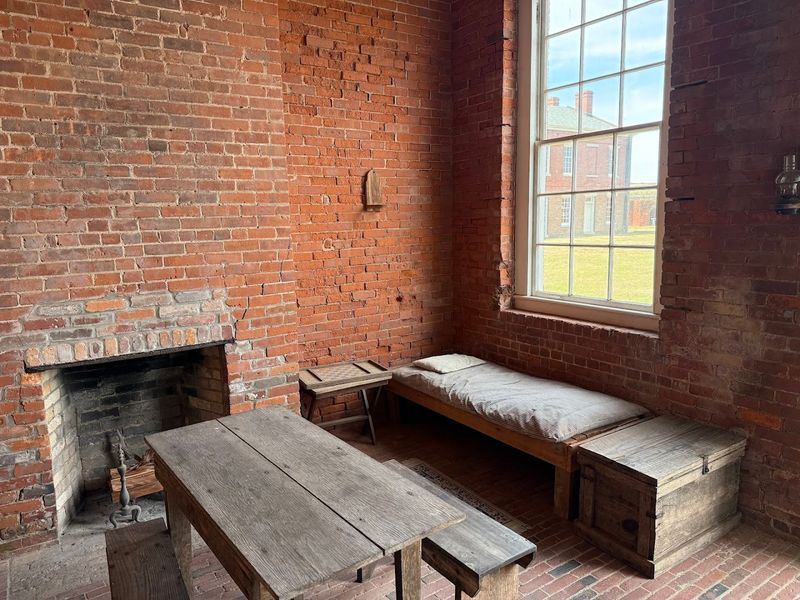
Inside the fort, move thoughtfully through rooms and give others space to linger. Ask staff for updates on programs, tides, and current wildlife sightings.
Your day runs smoother when curiosity and courtesy set the tone from the start.
A Calm-Day Itinerary for First-Timers
Start with sunrise on the beach, pockets ready for shells and shark teeth. Eat a quick breakfast at your car or campsite, then head straight to the fort while crowds are light.
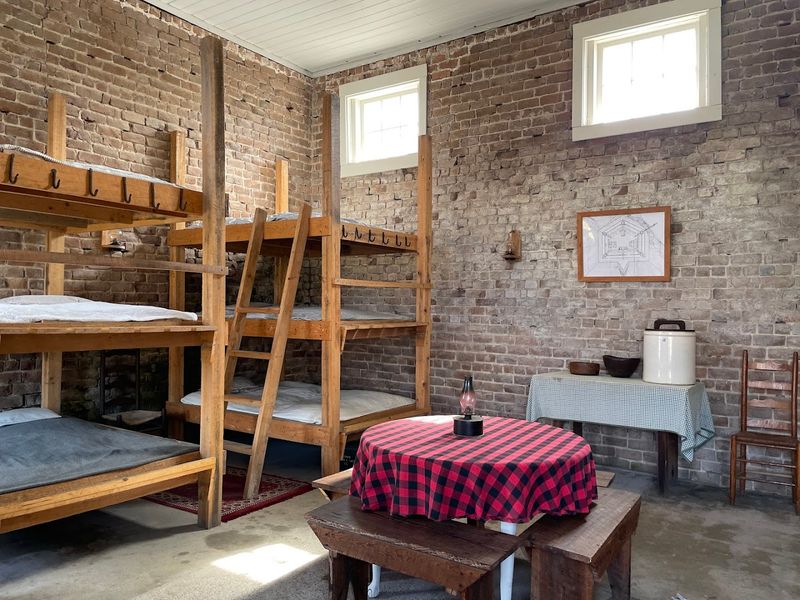
Read plaques in order, peek into casemates, and take the rampart loop.
By late morning, switch to shaded trails or a relaxed bike along the park road. Pause at the salt marsh pullout to scan for birds and lighthouse views.
After lunch, cruise back to the beach for a short nap or wade.
Close the day at the river with an early dinner and unhurried sunset. Pack a sweater, a thermos, and gratitude for a schedule that finally breathes.
You will leave grounded, already planning a return with friends who crave the same quiet.
Ranger Programs and Living History

Join a ranger talk and the fort shifts from brick to heartbeat. Uniformed interpreters unpack daily routines, from ration bread and bugle calls to the tink of tools in the blacksmith bay.
You will trace the casemates as stories frame the rooms, and the past feels close enough to fog your glasses.
On living history weekends, you might fold cartridges, shoulder a replica musket, or watch a stew simmer over coals. Ask questions, because details bloom when you linger, and guides love sharing the whys behind every drill.
Step back outside and the sea breeze returns, but your ear still hears cadence on the parade.