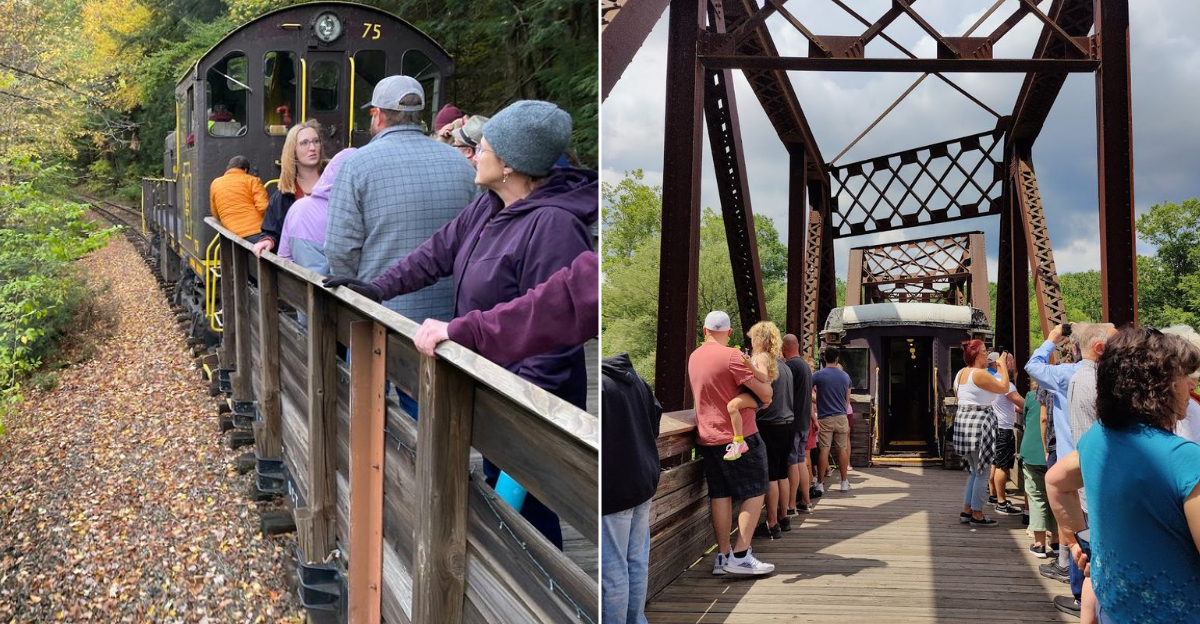
Tucked away in the rolling hills of northwestern Pennsylvania, the Oil Creek & Titusville Railroad offers one of the most unique train rides in the entire country. This scenic excursion carries passengers through Oil Creek State Park, the very valley where Edwin Drake struck oil in 1859 and launched an industry that changed the world forever.
Riding along the same creek where thousands of oil workers once scrambled to strike it rich, you get a front-row seat to history, wildlife, and breathtaking natural scenery. Whether you are a history buff, a nature lover, or simply looking for a memorable family outing, this train ride delivers something truly special.
The History Behind Oil Creek Valley
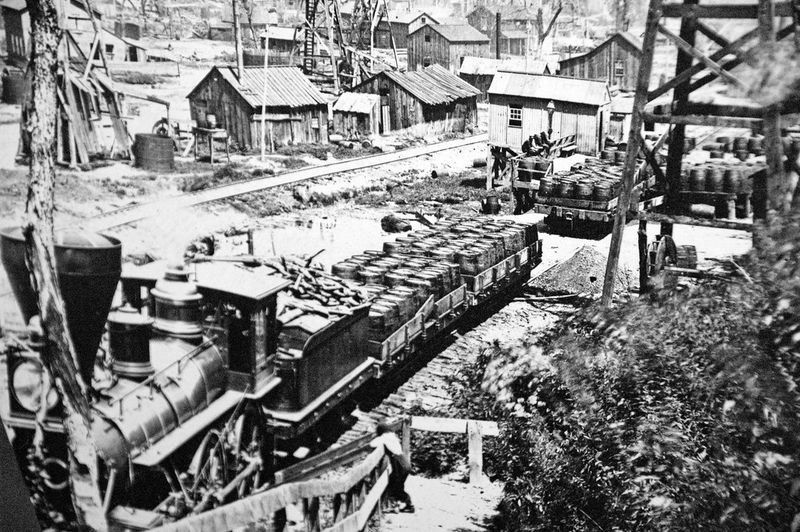
Long before gasoline powered cars or plastic wrapped everything we own, a quiet valley in Pennsylvania changed the course of human history. In 1859, Edwin Drake drilled the world’s first successful commercial oil well just outside Titusville, and Oil Creek Valley erupted into a frenzy of activity almost overnight.
Thousands of fortune-seekers flooded the region, erecting wooden derricks and drilling day and night in hopes of striking liquid gold.
The Oil Creek & Titusville Railroad traces its route through this exact landscape, and the history practically seeps from the ground beneath the tracks. Riding through Oil Creek State Park, passengers pass land that was once completely stripped bare of trees during the oil boom era.
Today, the forest has made a remarkable comeback, which makes the journey even more impressive when you understand what it used to look like.
The on-board narration brings all of this to life in a surprisingly engaging way. Guides share stories about boom towns, daring entrepreneurs, and the environmental chaos that followed the rush.
Knowing the ground beneath you once supported one of the most chaotic industrial explosions in American history gives every mile of the ride a deeper, richer meaning.
The Scenic Route Through Oil Creek State Park
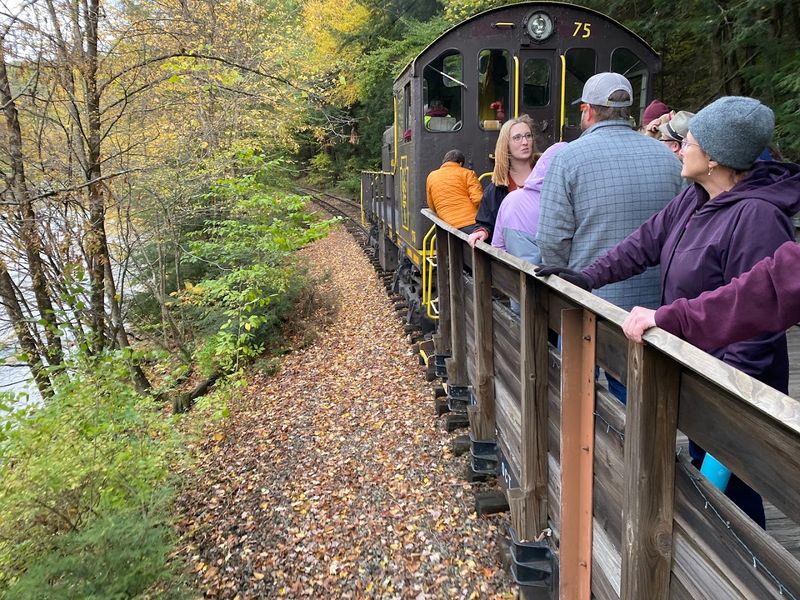
Some train rides are about speed. This one is proudly, beautifully slow.
The Oil Creek & Titusville Railroad winds through Oil Creek State Park at a relaxed pace that practically forces you to stop, look out the window, and breathe. Tall hardwood trees line both sides of the tracks, their branches arching overhead like a living tunnel of green.
Oil Creek itself runs alongside the tracks for much of the journey, its clear waters catching the light and reflecting the forest canopy above. On a calm morning, the surface of the creek looks almost like glass.
Passengers frequently spot great blue herons standing motionless in the shallows, red-tailed hawks circling overhead, and white-tailed deer pausing at the water’s edge.
The park itself spans nearly 7,000 acres and is considered one of Pennsylvania’s finest natural treasures. What makes the scenery even more remarkable is that none of it existed in its current form 150 years ago.
The entire forest grew back after the oil boom stripped the land clean, making this lush landscape a genuine environmental success story. Sitting back and watching it roll by from a comfortable train car is one of the most peaceful experiences you can find in the region.
The Vintage Train Cars and Classic Equipment
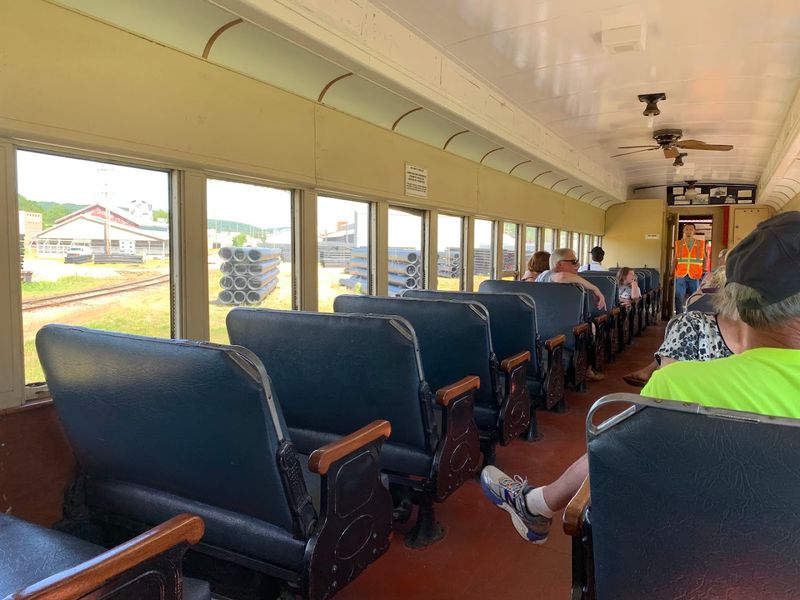
There is something undeniably charming about climbing aboard a train car that has actual decades of history behind it. The Oil Creek & Titusville Railroad operates a fleet of restored vintage passenger cars that feel like stepping into a different era the moment you settle into your seat.
The interiors are clean, well-maintained, and full of old-school character that modern commuter trains simply cannot replicate.
Coach seating features large windows that give you wide, unobstructed views of the passing landscape. The reversible seats are a fun touch, allowing passengers to flip the backrests and face the direction of travel on both legs of the journey.
First-class cars take the experience up a notch with more comfortable seating and air conditioning, which is a genuine luxury on warm summer days.
The open gondola car is a crowd favorite, especially with kids and photography enthusiasts who want nothing between them and the fresh air. Riders have also reported hearing the satisfying rock-and-roll motion of the tracks beneath the wheels, a rhythmic rumble that feels authentically old-fashioned.
For train enthusiasts or anyone who appreciates craftsmanship and restoration work, just examining the equipment up close before boarding is worth the trip on its own.
First-Class vs. Coach Seating Options
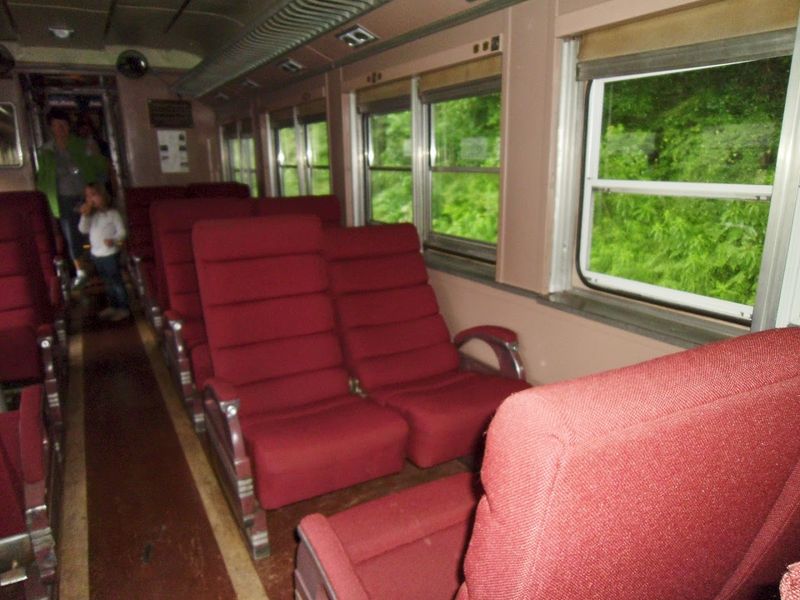
Choosing your seat on the Oil Creek & Titusville Railroad is actually a decision worth thinking about before you buy your ticket. Both seating options offer a genuinely enjoyable ride, but they deliver noticeably different experiences.
Understanding the difference helps you pick what fits your group best and makes the most of your day.
Coach seating is comfortable, affordable, and perfectly suited for families or casual visitors. The seats resemble bus-style benches with large windows, and they work great for groups who want to chat, snack, and enjoy the scenery without any fuss.
You can bring your own food and drinks, which reviewers have enthusiastically recommended, especially if you want hot beverages on a cool fall day.
First-class tickets bump things up considerably. The dedicated car is air-conditioned, the seats are noticeably more cushioned, and the overall atmosphere feels more relaxed and refined.
Reviewers consistently recommend spending the extra money for first class, particularly on hot days when the difference in comfort becomes very apparent. One thing to keep in mind: if you book first class, arriving early ensures you get settled before departure.
Either way, the views through the windows are equally stunning from any car on the train.
Special Events and Themed Train Rides
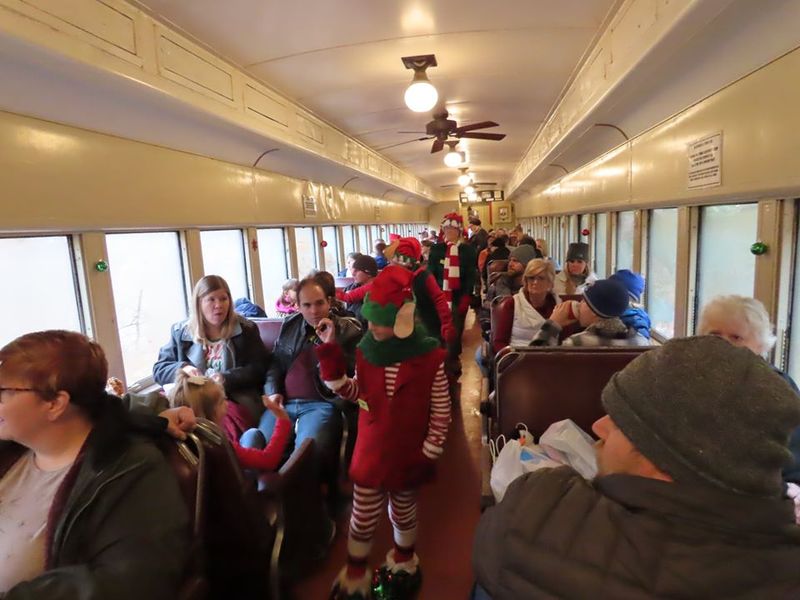
Beyond the standard scenic excursion, the Oil Creek & Titusville Railroad has built a reputation for hosting themed events that turn a simple train ride into a full-blown adventure. The lineup throughout the year includes something for nearly every interest and age group, making it easy to find a reason to come back more than once.
Wine tasting trains have become a particular fan favorite among adult visitors. Local wineries partner with the railroad to offer tastings while passengers enjoy the passing scenery, creating a laid-back, social atmosphere that feels like a party on rails.
The Murder Mystery Train Ride draws enthusiastic crowds every season, with actors performing throughout the cars as passengers try to solve a crime before the train returns to the station.
Holiday-themed rides round out the calendar in the most festive way possible. The Santa Train is a beloved tradition for families with young children, though some reviewers noted the ticket price felt steep for the shorter experience.
Regardless of which event you choose, the combination of a historic setting, live entertainment, and the gentle sway of a vintage train creates a memory that sticks with you long after you step off the platform. Booking tickets in advance is strongly recommended for all special events.
Wildlife Spotting Along the Creek
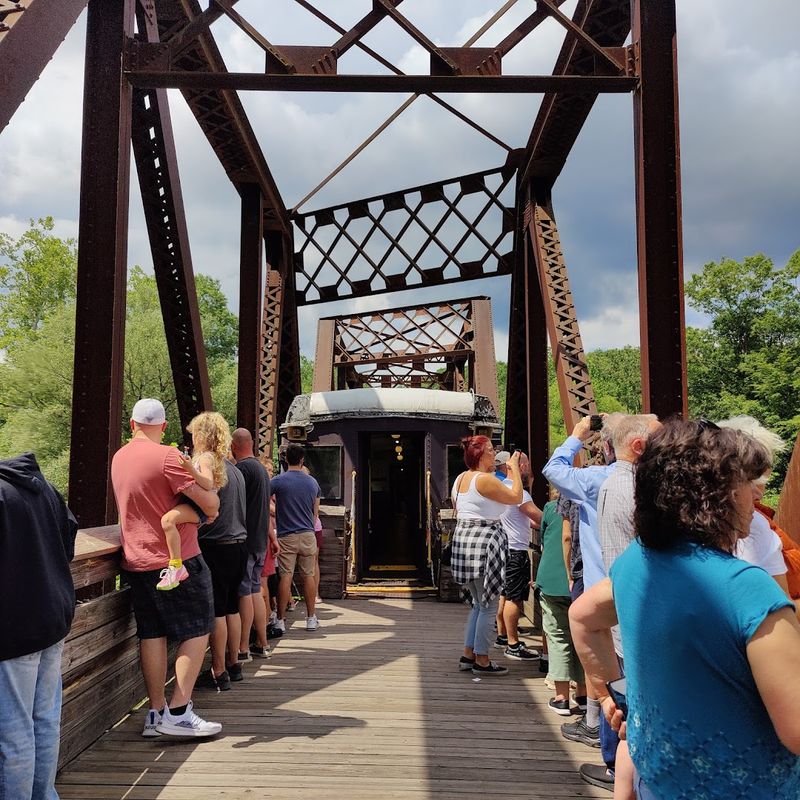
Pack your binoculars, because the wildlife along this route is genuinely impressive. Passengers on the Oil Creek & Titusville Railroad frequently report spotting great blue herons, various species of ducks, red-tailed hawks, and white-tailed deer during the journey.
The slow pace of the train is actually perfect for wildlife observation, giving you time to notice and appreciate animals that a faster ride would blur right past.
Oil Creek itself acts as a natural wildlife corridor, drawing birds and mammals to its banks throughout the seasons. Spring and fall tend to offer the most active wildlife sightings, as migratory birds pass through and deer become more visible near the water.
Even on quieter summer days, the creek and surrounding forest rarely disappoint eagle-eyed passengers scanning the treeline.
One family review mentioned spotting multiple blue herons, hawks, and deer all in a single trip, much to the delight of their three young boys. That kind of spontaneous nature encounter is something you simply cannot plan or manufacture, and it adds a layer of excitement to the ride that even kids who are not typically into history find genuinely thrilling.
Sitting on the side of the car facing the creek gives you the best chance of catching wildlife action up close.
The Volunteer-Run Operation That Makes It All Work
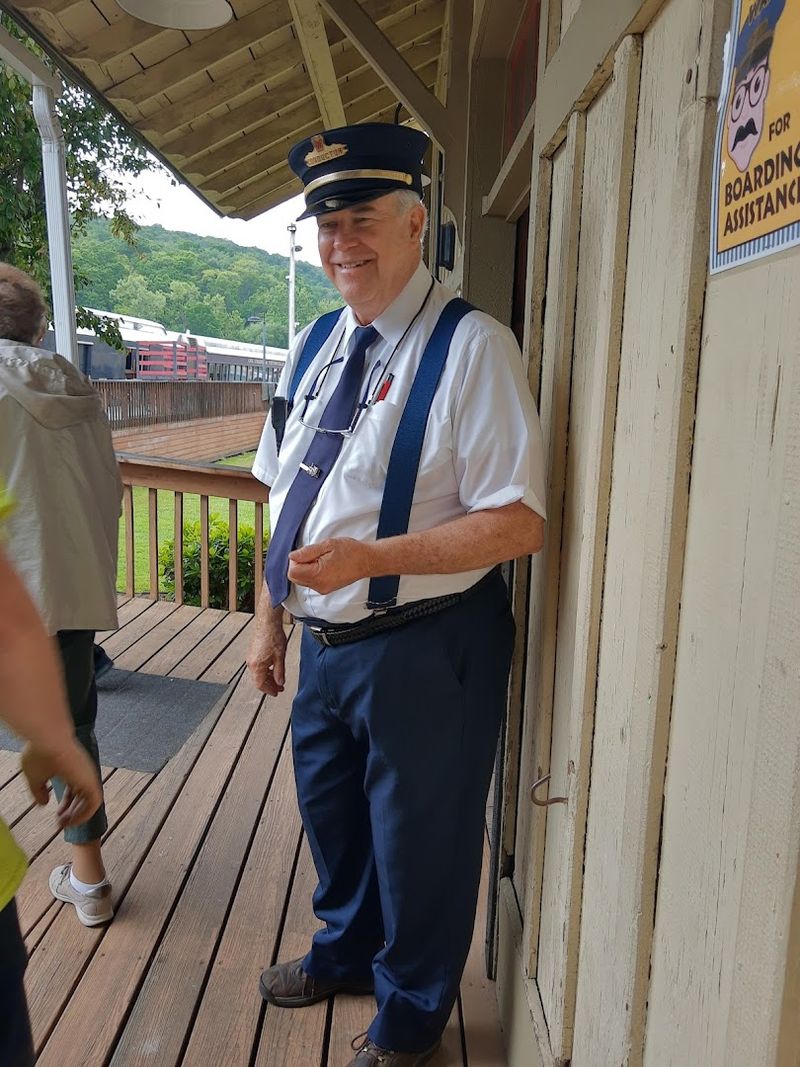
Here is something that surprises almost every first-time visitor: the Oil Creek & Titusville Railroad is largely run by volunteers. That fact becomes even more impressive the moment you arrive and realize how smoothly, professionally, and warmly the entire operation runs.
From the ticket counter to the on-board narrators to the crew maintaining the vintage locomotives, dedicated volunteers power the experience from start to finish.
Reviewers consistently praise the staff for being friendly, funny, knowledgeable, and genuinely enthusiastic about sharing the history of the region. One visitor wrote that she could not believe such a well-organized experience was mostly volunteer-driven.
Another noted that even when a mechanical issue delayed the trip, the crew handled it with patience and good humor that kept the mood light and positive throughout.
This kind of community-driven passion is rare and worth celebrating. The volunteers are not just working a job; they are preserving a piece of American industrial history and sharing it with anyone willing to climb aboard.
Their dedication shows in every detail, from the clean, well-maintained cars to the thoughtful narration delivered along the route. Supporting this railroad means supporting the people who give their time to keep this remarkable piece of Pennsylvania heritage alive and running.
Food, Snacks, and What to Bring Onboard
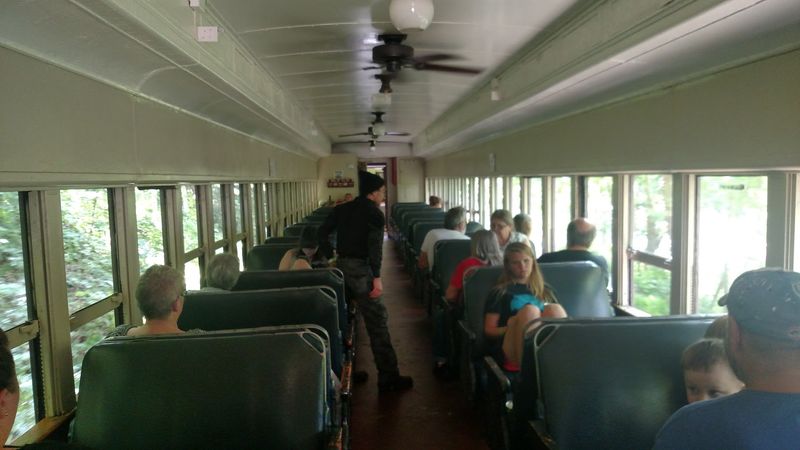
One of the most practical things to know before boarding the Oil Creek & Titusville Railroad is that you are absolutely welcome to bring your own food and drinks. The railroad even encourages it, noting this policy in their FAQ section online.
Reviewers who discovered this tip on their first visit were enthusiastic about sharing it with future passengers, especially those planning to ride on cooler days when a thermos of hot coffee or cocoa makes a huge difference.
For those who prefer not to pack a bag, the train does offer snacks and cold beverages for purchase onboard at prices that multiple reviewers described as surprisingly reasonable. Ice cream is available at the halfway stop, which has become a beloved little tradition for families traveling with kids.
The snack cart also keeps hungry passengers content during the roughly three-hour round trip.
A few practical suggestions from seasoned riders: bring a light jacket even in summer since the shaded creek valley can feel cooler than expected, pack sandwiches if you want a proper meal, and consider bringing a water bottle for warm weather rides. The combination of thoughtful packing and the train’s own onboard offerings means nobody needs to go hungry or thirsty on this memorable journey through Pennsylvania history.
Drake Well Museum and Park Connection
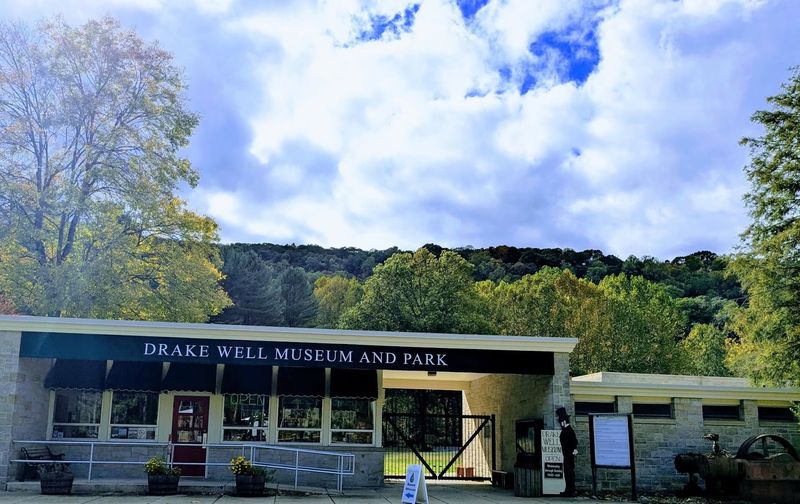
The Oil Creek & Titusville Railroad does not just pass through history, it literally rolls past one of the most significant historic sites in American industrial heritage. The train route travels alongside Drake Well Museum and Park, where Edwin Drake completed the world’s first commercially successful oil well in August of 1859.
Catching a glimpse of the replica derrick from the train window is one of those quietly thrilling moments that sneaks up on you mid-ride.
Drake Well Museum is operated by the Pennsylvania Historical and Museum Commission and offers a deeply informative look at how the oil industry was born and how it transformed both the local landscape and the global economy. Many visitors pair a train ride with a stop at the museum on the same day, creating a full historical immersion experience that covers the story from multiple engaging angles.
The connection between the railroad and Drake Well Park is not just geographical; it is deeply thematic. Both exist to help people understand what happened here and why it mattered.
Riding the train first and then walking through the museum gives you a powerful sense of scale, letting you see the landscape before learning the details. Together, the two experiences form one of the most complete history lessons you can find anywhere in Pennsylvania.
Planning Your Visit: Practical Tips for First-Timers
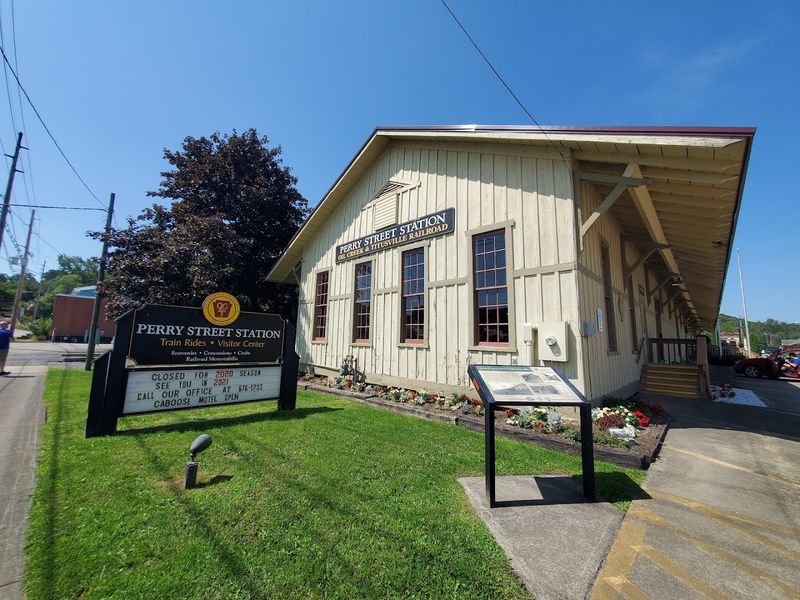
Getting the most out of your trip to the Oil Creek & Titusville Railroad starts with a little planning before you ever leave home. The station is located at 409 South Perry Street in Titusville, Pennsylvania, and the office operates Monday through Friday from 9 AM to 4 PM.
The website at octrr.org is your best resource for current schedules, ticket prices, and upcoming special events.
Buying tickets in advance is strongly recommended, especially for themed rides and popular weekend excursions. Several reviewers learned the hard way that popular events sell out quickly, and showing up without a reservation can mean missing the train entirely.
Arriving early also pays off, giving you time to explore the station, check out the small museum inside, and find your preferred seat before the cars fill up.
A few final tips from experienced riders: wear comfortable, layered clothing since temperatures along the creek can surprise you in either direction. Parking is available near the station and is generally easy to find.
The ride itself runs approximately three hours round trip, so plan your day accordingly and build in time for a meal in Titusville before or after. With a little preparation, this historic train ride delivers one of the most rewarding day trips in all of northwestern Pennsylvania.