
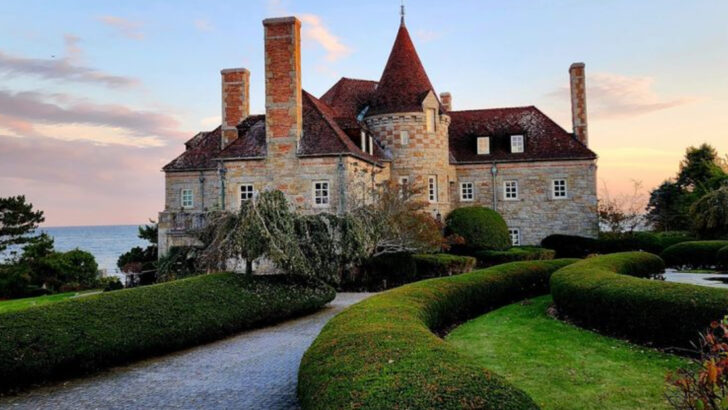
Tucked along the rocky shores of Massachusetts Bay, Marblehead is one of those rare towns that seems frozen in the best possible way.
Its narrow, winding streets, centuries-old homes, and harbor views feel more like a living museum than a modern New England suburb.
Founded in the early 1600s, this small coastal gem played a surprisingly big role in shaping American history.
Whether you love sailing, colonial architecture, or simply soaking up old-world charm, Marblehead delivers something genuinely unforgettable.
Origins and Early Settlement

Long before Marblehead had a name, the Naumkeag people called this rocky peninsula home. Their presence shaped the land and waterways that English settlers from nearby Salem would eventually claim in 1629, making Marblehead one of the earliest European settlements in Massachusetts.
What makes this origin story so fascinating is how much of it you can still see today. The town’s irregular street layout, for example, was never formally planned — it grew organically along old footpaths and fishing routes.
You won’t find a tidy grid here; instead, roads twist and curve in ways that feel almost accidental.
Early settlers were mostly fishermen and tradespeople who built modest homes close to the water. Their practical, hardworking lifestyle left a lasting imprint on the town’s identity.
Marblehead never became an industrial hub, which is part of why so much of its original character survived. Visiting today feels less like touring a preserved site and more like accidentally stepping through a door that history forgot to close.
A Maritime Powerhouse in Colonial America
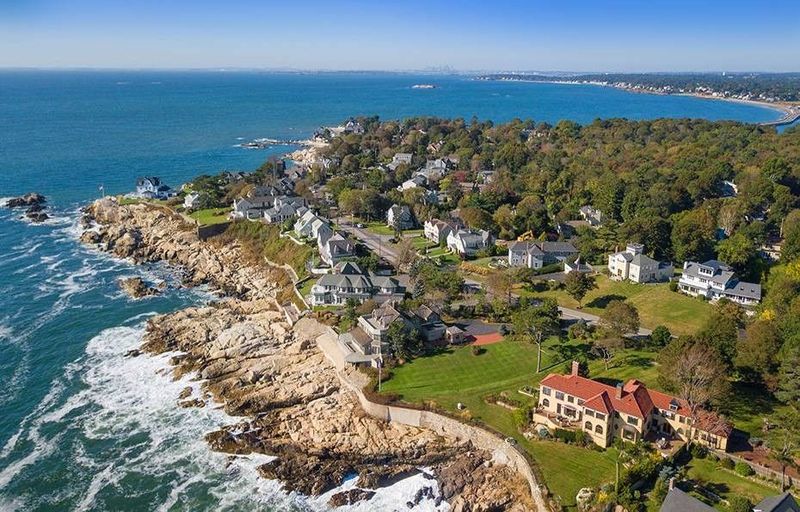
At its colonial peak, Marblehead was among the most prosperous and influential seaports in all of New England. The deep, sheltered harbor made it ideal for fishing fleets and merchant ships alike, drawing ambitious sailors and traders from across the Atlantic world.
By the mid-1700s, the town was generating enormous wealth through the cod fishing industry. Salted fish from Marblehead reached markets in Europe and the Caribbean, turning this small peninsula into a surprisingly powerful economic force.
Local merchants built grand homes that still line the streets today, silent testaments to that golden era of maritime commerce.
Shipbuilding also thrived here, with skilled craftsmen constructing vessels that sailed far beyond New England waters. The harbor buzzed with activity — ropes being coiled, sails being mended, and cargo being loaded onto waiting ships.
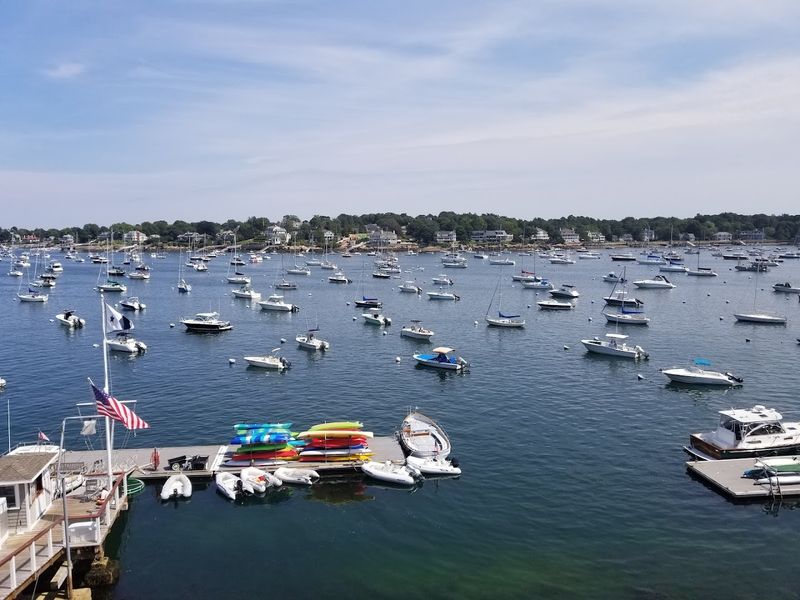
That seafaring energy shaped everything from local politics to daily social life. Even now, when you watch boats drift across the harbor on a quiet afternoon, it is easy to imagine the roar and hustle of those earlier centuries when Marblehead truly ruled the waves.
Birthplace of the American Navy
Few towns can claim to have launched an entire branch of the military, but Marblehead comes remarkably close. In September 1775, local fishermen and sailors helped outfit the schooner Hannah under orders from General George Washington.
That modest vessel became what historians widely consider the first commissioned ship of the Continental Navy.
The Hannah’s story is more than just a footnote. It represents the extraordinary courage of ordinary Marblehead men who were willing to risk their lives at sea during one of history’s most uncertain moments.
Many of these sailors had spent their whole lives on fishing boats — they simply swapped their nets for cannons when their country needed them.
Marblehead’s military contribution to the Revolution did not stop there. The town’s regiment famously rowed Washington’s troops across the Delaware River on Christmas night in 1776, a moment that turned the tide of the war.
Standing at Fort Sewall today, overlooking the same harbor those men once departed from, carries a weight that no textbook can fully capture. This is living history, salt-sprayed and proud.
Colonial Architecture and Historic Streetscapes
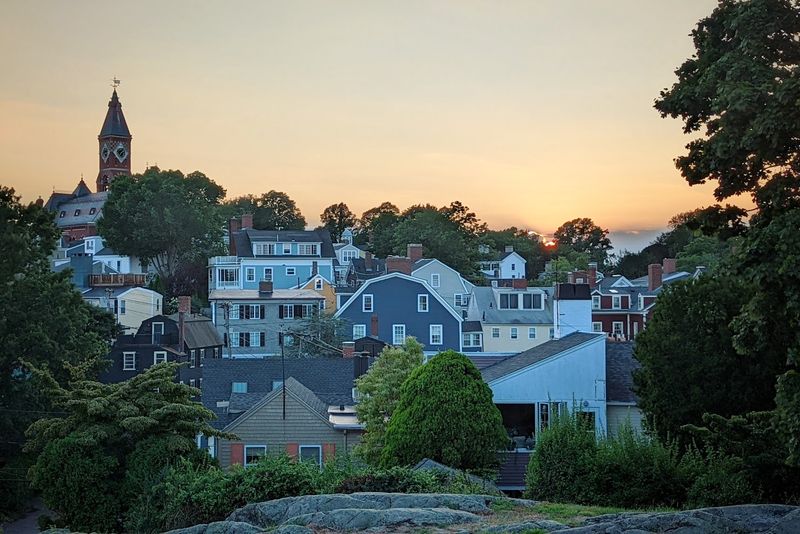
Strolling through Marblehead’s Old Town feels less like sightseeing and more like wandering into a painting. Hundreds of homes dating from the 1600s through the 1800s line streets so narrow that two cars can barely pass each other — because these roads were never designed for cars at all.
The architecture here spans a wonderful range of colonial styles. You will spot saltbox houses with their long sloping rooflines, Georgian mansions with symmetrical facades, and Federal-style homes with elegant fanlights above the doors.
Most are still privately owned and actively lived in, which gives the neighborhood a warmth that strictly preserved museum districts often lack.
What truly sets Marblehead apart is the sheer density of historic structures. Walk two blocks in almost any direction from the town center and you are surrounded by buildings that predate the American Revolution.
Paint colors tend toward muted greens, grays, and blues that complement the rocky coastal landscape. It is the kind of place where you find yourself stopping every few steps to look up, tilt your head, and wonder who first hung those shutters or built that stone wall so very long ago.
Iconic Landmarks: Mansions and Forts
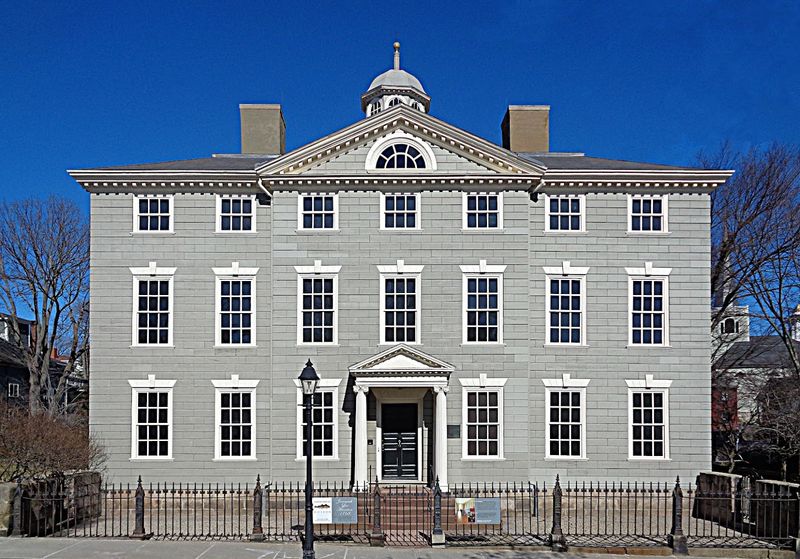
Some buildings earn their landmark status quietly, and the Jeremiah Lee Mansion is one of them. Built in 1768 for a wealthy merchant, this grand Georgian home is considered one of the finest pre-Revolutionary residences in America.
Its hand-painted wallpaper, carved woodwork, and soaring ceilings feel almost startlingly luxurious for a town that prides itself on simplicity.
Fort Sewall, perched dramatically on a rocky headland at the harbor’s edge, tells a different story. Originally built in the 1600s and reinforced multiple times over the centuries, the fort served as a real defensive position during several conflicts.
Today it is a beloved public park where locals gather to watch sunsets and sailing races.
Old North Church, built in 1824, and St. Michael’s Church, dating to 1714, add spiritual weight to the town’s architectural landscape. Each landmark in Marblehead feels like a chapter in a long and layered story.
Unlike many tourist destinations where historic sites feel staged or overly curated, these places are woven into the fabric of everyday life here. Residents walk past them on the way to the grocery store, which somehow makes them feel even more remarkable.
Old Burial Hill and Early Gravestones
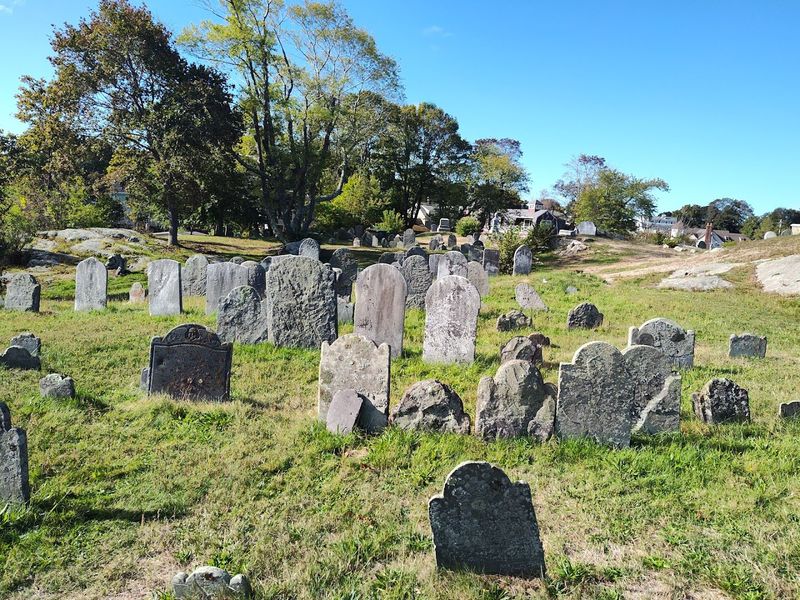
Perched on a windswept hill overlooking the harbor, Old Burial Hill is one of those places that stops you in your tracks. Gravestones here date back to the 1600s, their carved slate faces worn smooth by centuries of salt air and New England winters.
Walking among them feels solemn, quiet, and oddly moving.
More than 600 Revolutionary War soldiers are buried here, alongside fishermen, merchants, and ordinary families who built this town from the ground up. The epitaphs carved into the stones range from formal and religious to surprisingly personal, offering tiny windows into lives lived long ago.
Historians and genealogists travel from across the country to research family lines that trace back to these very graves.
Old Burial Hill also served as a military lookout during the Revolution, and the views from its crest remain spectacular. On a clear day you can see the harbor, the islands beyond, and the curve of the Massachusetts coastline stretching north and south.
It is a place that manages to be both historically significant and genuinely beautiful, which is a combination rarer than it might seem. Bring a jacket — the wind up there never really stops.
Yachting Heritage and Sailing Culture
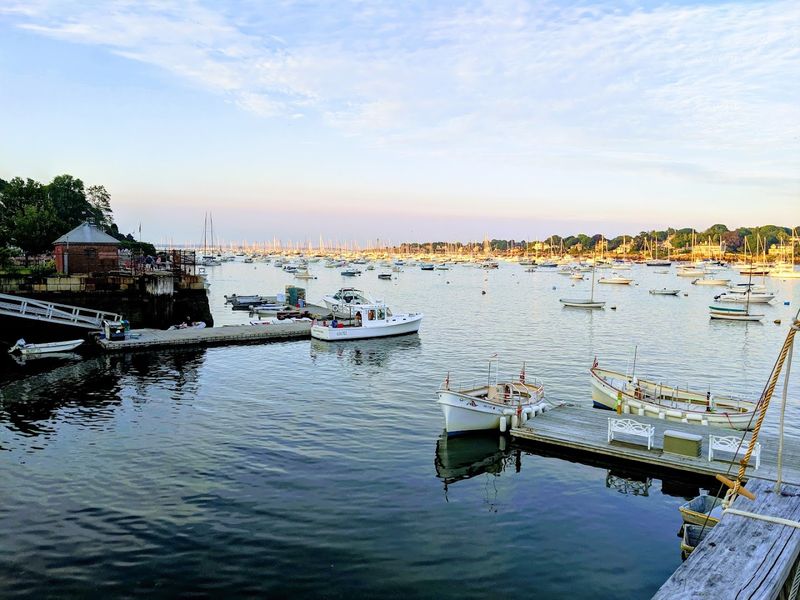
By the late 1800s, Marblehead had traded its fishing nets for racing sails, and the transformation was spectacular. The town’s protected harbor and reliable coastal winds made it a natural home for yacht clubs, and the Eastern Yacht Club — founded in 1870 — became one of the most prestigious sailing organizations in the country.
Marblehead Race Week, held every summer, draws hundreds of sailboats and thousands of spectators to the harbor. Watching the fleet tack and jibe across the water in a blur of white sails and colorful spinnakers is genuinely thrilling, even if you know nothing about sailing.
The town practically vibrates with energy during race week, with restaurants full, docks crowded, and the air smelling gloriously of salt and sunscreen.
The nickname “Yachting Capital of the World” was not handed out lightly. Marblehead earned it through decades of competitive sailing, skilled seamanship, and a community culture that treats the water as an extension of the living room.
Kids here learn to sail almost as soon as they can walk. That deep, multigenerational connection to the sea gives the town a vitality that is hard to define but impossible to miss once you feel it.
Museums and Artifacts of the Past
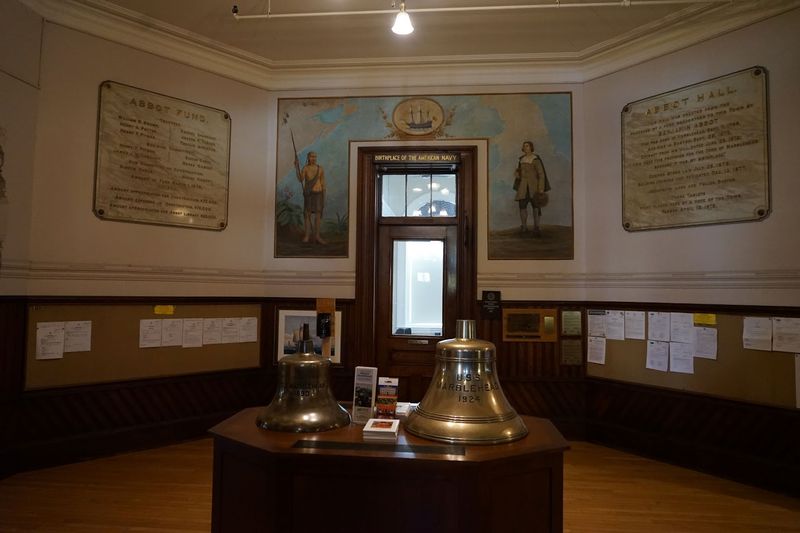
Abbot Hall might be the most quietly famous building in Marblehead. Built in 1876, this Victorian red-brick town hall is home to Archibald Willard’s iconic painting “The Spirit of ’76,” a stirring image of Revolutionary-era musicians that has become one of the most recognized patriotic artworks in American history.
Seeing the original up close, large and vivid on the wall, is unexpectedly powerful.
The Marblehead Museum, housed in the historic Hooper-Hathaway House, holds an equally impressive collection of local treasures. Among its most significant holdings is the original deed to Marblehead, signed with the Naumkeag tribe in 1684.
There are also ship models, navigational instruments, Revolutionary War memorabilia, and rotating exhibits on local art and culture.
What makes these institutions special is not just the age of the objects but the stories attached to them. Each artifact connects to a real person, a real decision, or a real moment that shaped this small town and, sometimes, the larger nation.
Museum staff here tend to be local history enthusiasts who genuinely love sharing what they know. Ask a question and you might find yourself happily lost in conversation for the better part of an afternoon.
Cultural Traditions and Local Flavor

Every town has its quirks, and Marblehead wears its traditions proudly. Perhaps the most delightful example is the Joe Frogger cookie — a thick, chewy molasses and rum treat that dates back to the 18th century.
Legend holds that a local man named Joe Brown, known as “Old Black Joe,” sold these cookies from his home near a frog pond, and sailors loved them because they stayed fresh during long voyages at sea.
Today, local bakeries still make Joe Froggers, and finding a fresh batch feels like tasting a small piece of living culinary history. They are spiced with ginger, allspice, and cloves, with a deep molasses flavor that feels perfectly suited to a cold New England afternoon.
Biting into one is oddly emotional if you stop to think about how many generations have done the same.
Beyond cookies, Marblehead maintains a strong sense of local identity through its annual events, waterfront gatherings, and tight-knit community spirit. Harvest festivals, harbor illuminations, and Fourth of July celebrations all carry a distinctly homegrown character rather than a corporate, tourist-driven feel.
This is a town that knows who it is and genuinely enjoys being that way, which is refreshing in an era when so many small towns are losing their unique personalities.
Scenic Harbor Views and Time-Capsule Ambience
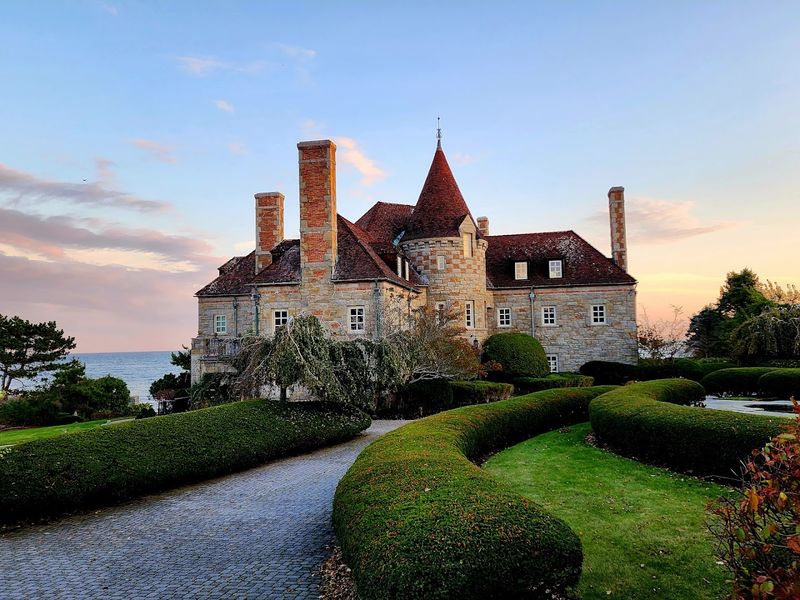
Just 17 miles north of Boston, Marblehead exists in a kind of pleasant defiance of the modern world. The harbor at sunrise, when mist still clings to the water and fishing boats rock gently on their moorings, looks almost identical to how it must have appeared two centuries ago.
No towering condos crowd the waterfront. No chain restaurants dominate the main street.
The rocky coastline here has a rugged, elemental beauty that feels earned rather than landscaped. Huge granite boulders tumble down to the water’s edge at places like Chandler Hovey Park, where views stretch all the way to the outer harbor islands.
Locals jog past, dogs in tow, barely glancing at scenery that would make visitors stop and stare for twenty minutes straight.
That contrast — between how ordinary it all feels to residents and how extraordinary it appears to newcomers — is part of what makes Marblehead so special. The town has not tried to market itself into something it is not.
Its charm is unhurried, unforced, and entirely genuine. Whether you visit on a blazing August afternoon or a gray November morning, Marblehead always feels like a place that time treated kindly, and that kindness shows in every stone wall, every weathered shutter, and every salt-tinged breeze.