

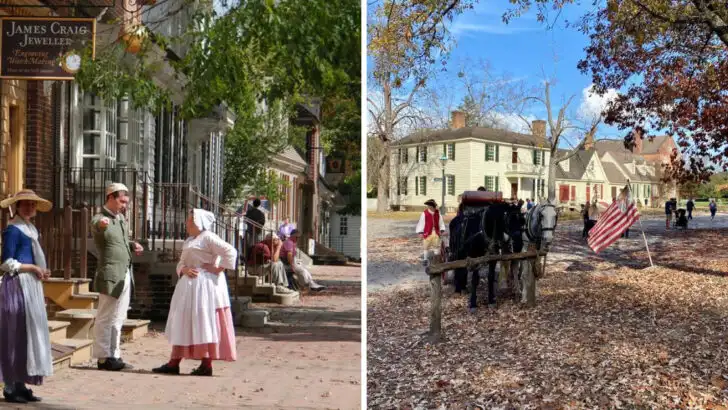
Step onto Williamsburg’s streets and you will feel the present soften underfoot.
Cobblestones, clapboard facades, and the steady rhythm of hoofbeats set a slower pace that whispers of another century.
Costumed interpreters meet your curiosity with stories that feel startlingly alive.
If you have ever wished to time travel, this is as close as it gets.
Stepping Back in Time in Williamsburg
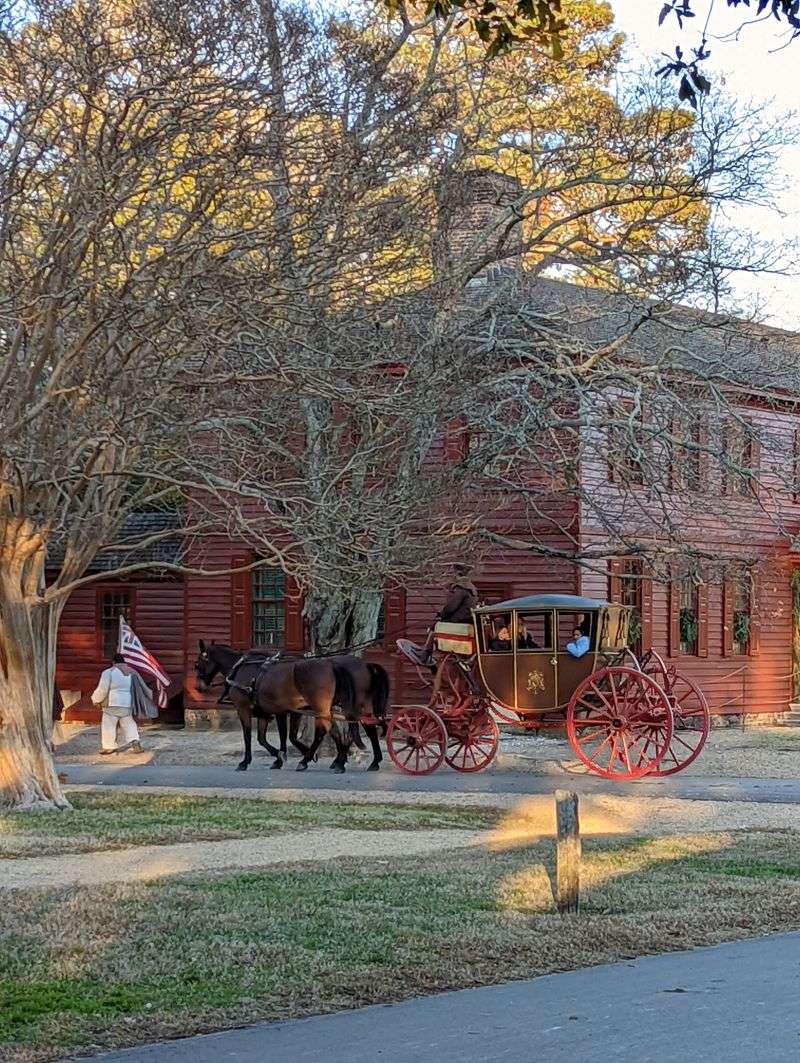
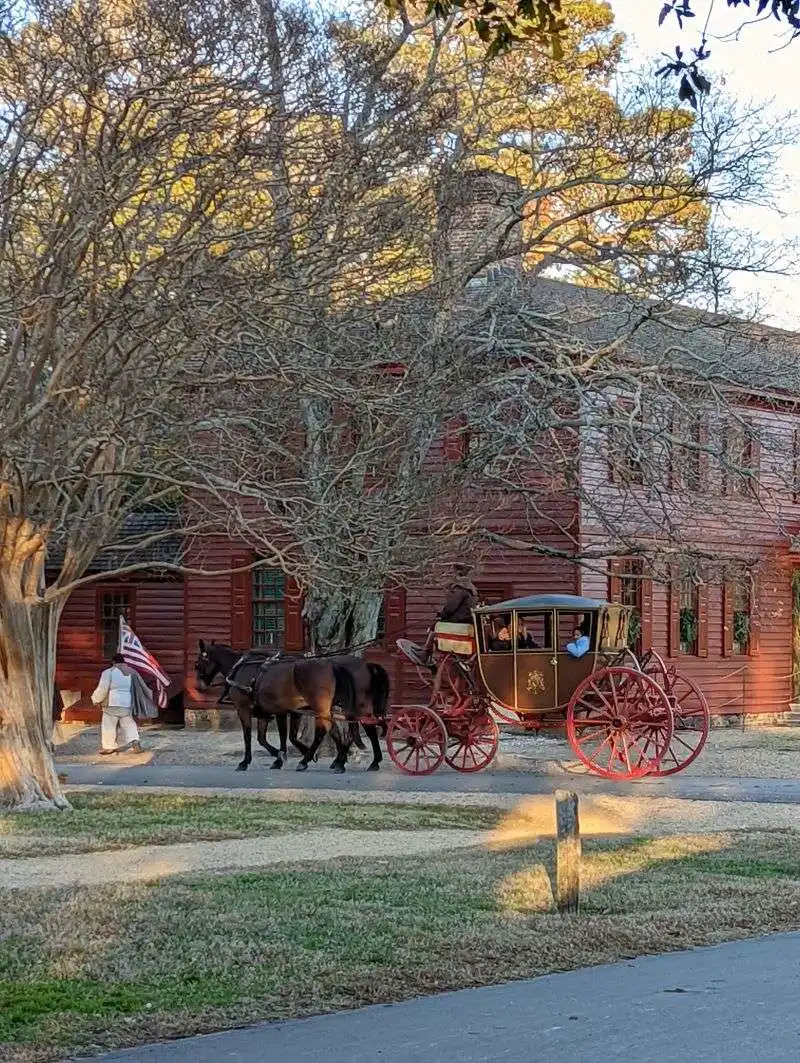
You walk into Williamsburg and the air changes, scented with woodsmoke and fresh earth, the kind of fragrance that seems to stretch time. Hoofbeats echo along the street as a carriage turns the corner, and the creak of its wheels feels like a heartbeat from another century. The houses are low and patient, their brick and clapboard faces holding stories you can almost overhear.
There is a hush between conversations, filled by birds, wind, and the tapping of a cooper at work. You look up and see a flag stirring above a stately building, and for a second the modern world slips out of view. A costumed interpreter nods as you pass and asks if you have come far, as if you have just disembarked from a long colonial road.
It feels natural to slow down, to read signs lettered by hand, to notice iron hinges and hand blown glass rippling in the windows. Every corner offers a new texture, from worn thresholds to whitewashed fences shaped by careful hands. You realize this town is not pretending it is old, it simply still is.
Lanterns glow before dusk, and the cobblestones keep their own rhythm beneath your shoes. Even the shadows seem historic, cast by eaves and chimneys that have watched centuries rise and drift away. If you listen closely, the town tells you how to move, how to look, and how to let time fold gently around you.
Where History Was Shaped: Williamsburg’s Colonial Origins
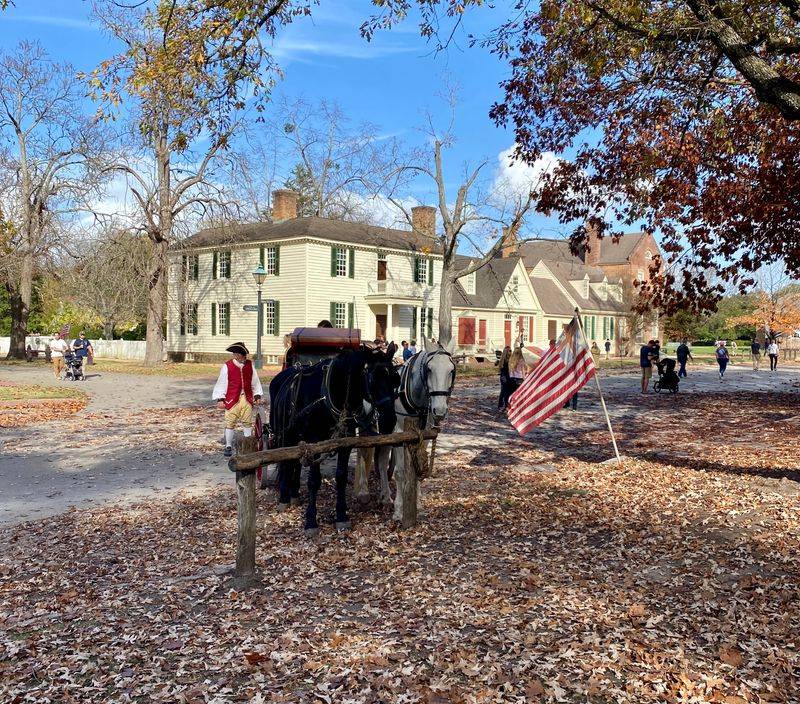
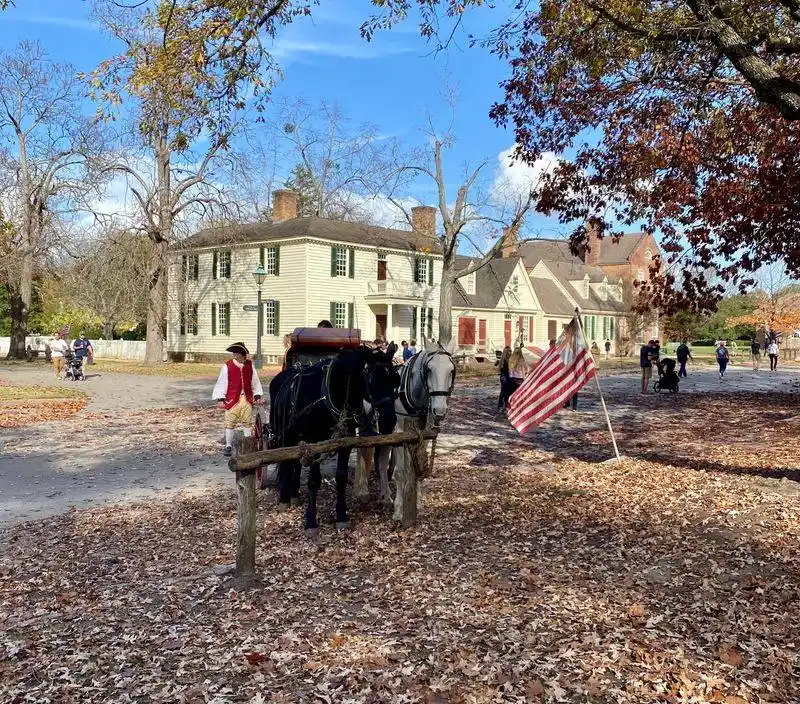
Williamsburg began as Middle Plantation in the 1600s, a fortified settlement built on a ridge between the York and James Rivers. The site offered defensive advantages and a healthier climate than nearby Jamestown. As the colony matured, so did the settlement, acquiring churches, courts, and ambitions.
In 1699, the capital of the Virginia Colony moved from Jamestown to this growing community, and Williamsburg was named for King William III. A planned grid of streets sprang up, anchored by institutions that guided daily life and public debate. The newly christened capital became a stage where Virginia shaped policy and identity.
Here, colonial officials, merchants, planters, and students shared a compact town that encouraged conversation and contest. Laws were drafted, taxes argued, and news spread by hand and voice, carried through taverns and across courthouse greens. You can still trace those routes on foot, following the same lines and angles that directed 18th century lives.
With prosperity came craft, faith, and learning, each adding layers to the town’s architecture and memory. The rhythm of seasons tied fields to markets and politics to harvests, making history a matter of daily practice. Walk the streets today and you are walking inside the framework that once held Virginia’s colonial power.
Colonial Williamsburg: A Living History Museum
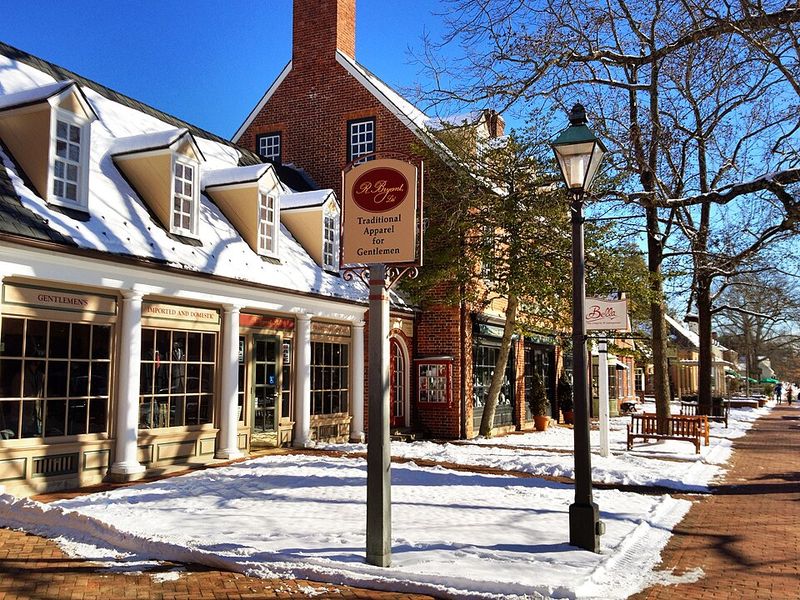
Colonial Williamsburg stretches across hundreds of acres, a living museum where streets are stages and houses are actors. Restored buildings line the avenues with careful accuracy, each one researched down to hinges, pigments, and floorboards. You step through doorways and time obliges by slipping backward.
Tradespeople work in real workshops, not behind ropes but beside their tools, shaping wood, iron, leather, and glass. Their conversations pull you into the rhythm of practice, where skill is built in strokes and heat. When a hammer strikes, you feel the resonance of purpose and patience.
Reenactments unfold without fanfare, more like daily life than spectacle. A militia drill thumps into formation, a court session weighs arguments, a printer inks a fresh broadside for news that once felt urgent. You are invited to watch, ask, and occasionally lend a hand.
What makes it irresistible is the authenticity of method and material, the sense that knowledge is living rather than displayed. Buildings are not only preserved, they are used, warmed by work and conversation. By the time evening softens the edges of the streets, you realize you have been moving through a museum that breathes.
Streets Without Skyscrapers: Preserved Architecture and Town Design
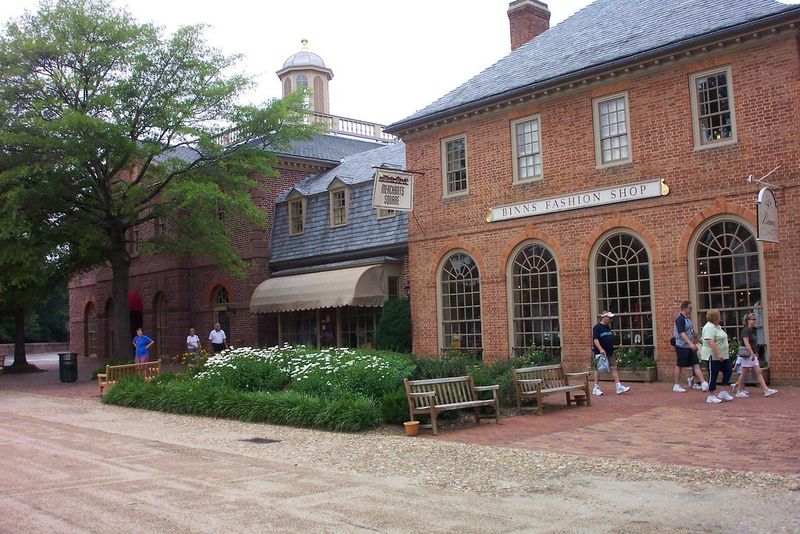
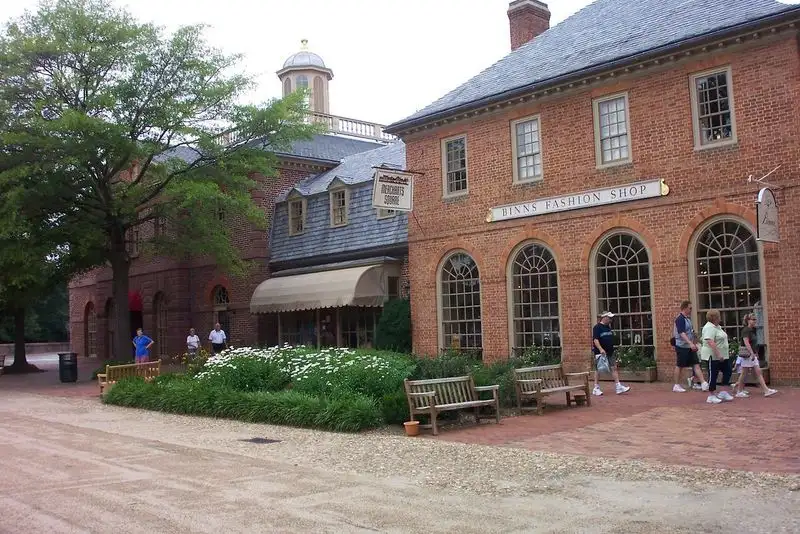
Williamsburg’s skyline never pierces the clouds because it was designed to meet the human eye, not the horizon. The town plan favors proportion and procession, with long sightlines that guide you from greens to courtyards to dignified facades. Buildings feel like neighbors, not overlords.
Strict preservation rules keep modern intrusions out of the main historic area. Utility lines are buried, signage is subdued, and materials match the craft of earlier centuries. You are free to notice window muntins, hand forged latches, and brick bonds without a billboard crowding your view.
Georgian symmetry sets a calm tempo, balancing doors and panes in quiet conversation. Rooflines step politely, chimneys rise with measured confidence, and gardens frame thresholds with herbs and boxwood. The result is a streetscape that steadies your pulse while you walk.
Because the town design is coherent, you can read it like a sentence written in brick and wood. Public buildings anchor civic life, while modest houses inflect the margins with daily detail. In Williamsburg, architecture does not shout novelty, it whispers continuity and invites you to listen.
Life as It Once Was: Costumed Interpreters and Daily Reenactments
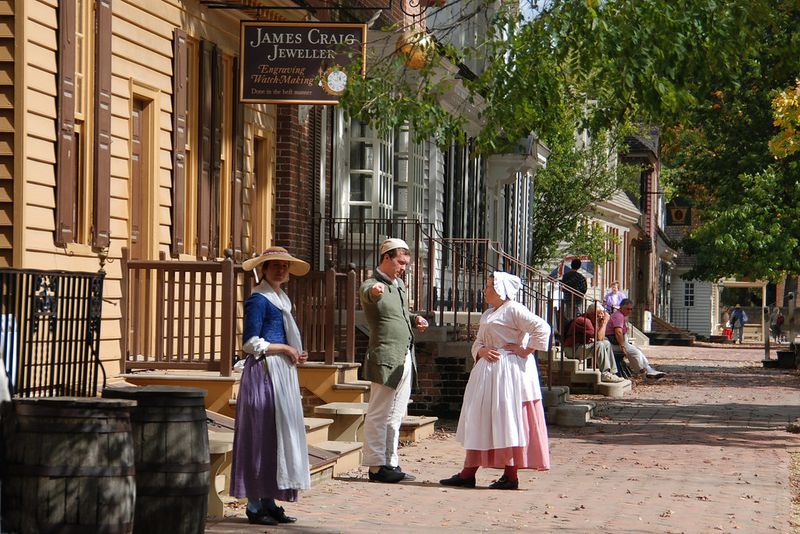
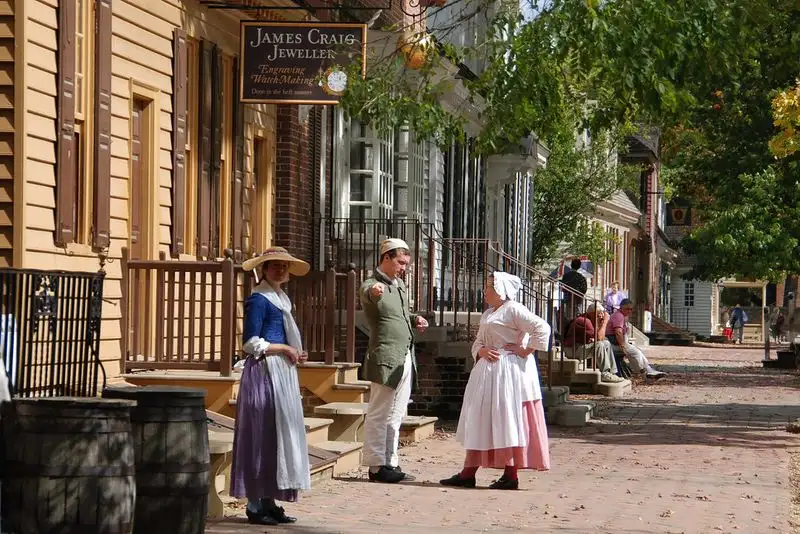
Costumed interpreters do more than wear clothing from another era, they carry habits, humor, and knowledge that make the past conversational. When you ask a question, the answer arrives with context, craftsmanship, and sometimes a sly colonial joke. It feels like meeting neighbors who happen to live in a different century.
Daily reenactments fold into the town’s rhythm rather than breaking it. A blacksmith pauses to discuss steel, a wigmaker measures a crown, a cook stirs a pot while the scent of nutmeg and smoke rises. You are not just watching, you are participating with your senses.
Some interpreters embody specific historical figures, and their voices sharpen the stakes of politics and personal choice. Others represent people whose names were not recorded, restoring agency to lives that shaped the town quietly. Those conversations carry weight and warmth in equal measure.
Because the performances are rooted in research, they bend toward accuracy and nuance. You leave with questions and with a clearer sense of how ordinary days become history over time. In Williamsburg, the past does not feel distant, it feels attentive to your curiosity.
Taverns, Trades, and Traditions
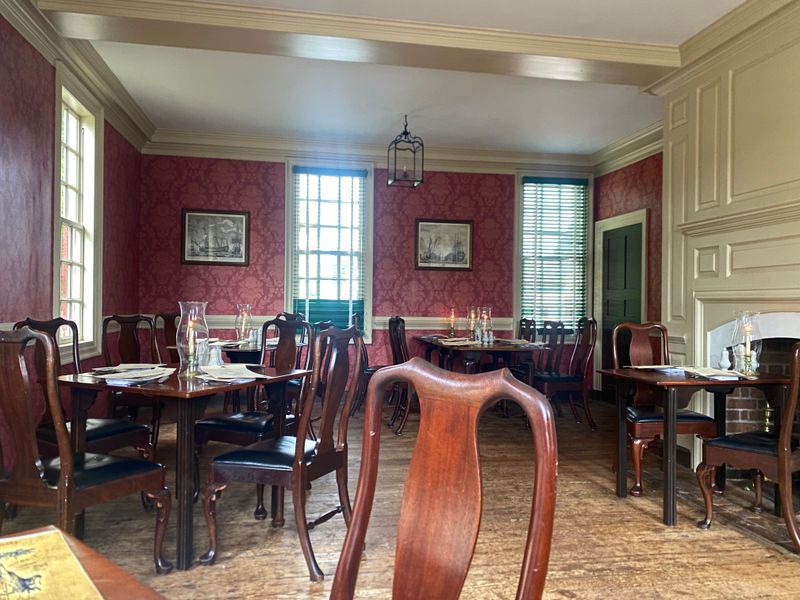
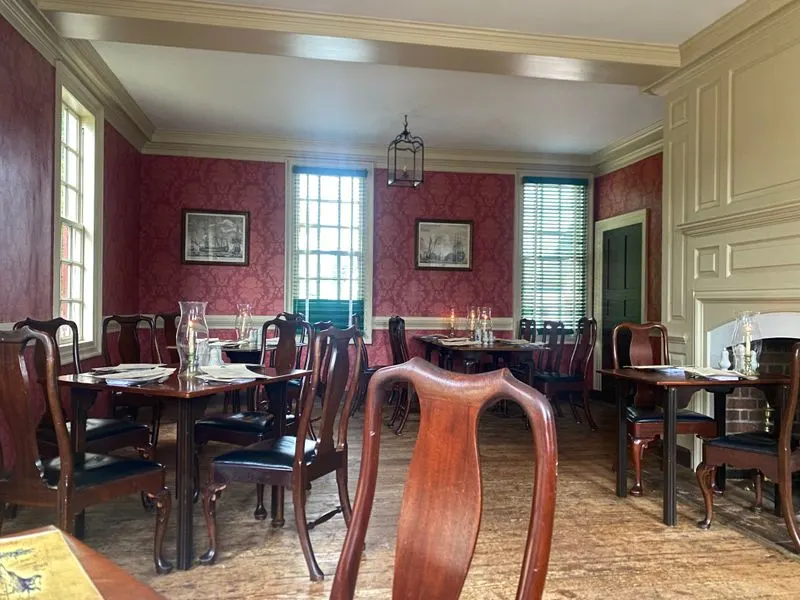
Step inside a colonial tavern and you find low ceilings, sturdy tables, and the comfort of recipes refined by centuries. The menu leans on stews, pies, and breads, seasoned with spice routes that once connected oceans. Candlelight throws friendly shadows across pewter and wood.
Beyond the hearth, the trades deepen the flavor of the town. Blacksmiths hammer scrolls and hinges, printers set type and pull broadsides, and coopers shape staves until a barrel sings. You can smell the coal fire and the ink, tangible proof of work that endures.
These traditions were never hobbies for museum shelves, they were the infrastructure of daily life. A wigmaker adjusts a queue as easily as a tailor finishes a seam, both answering needs that traveled with fashion and function. Watching them, you begin to understand the economy of hands.
When you sit down to eat, the dishes tell the same story in another language. Receipts from the 18th century guide flavors toward comfort and surprise, reminding you that taste has a history too. In Williamsburg, taverns and trades feed body and imagination in one generous plate.
The Role of the American Revolution in Williamsburg
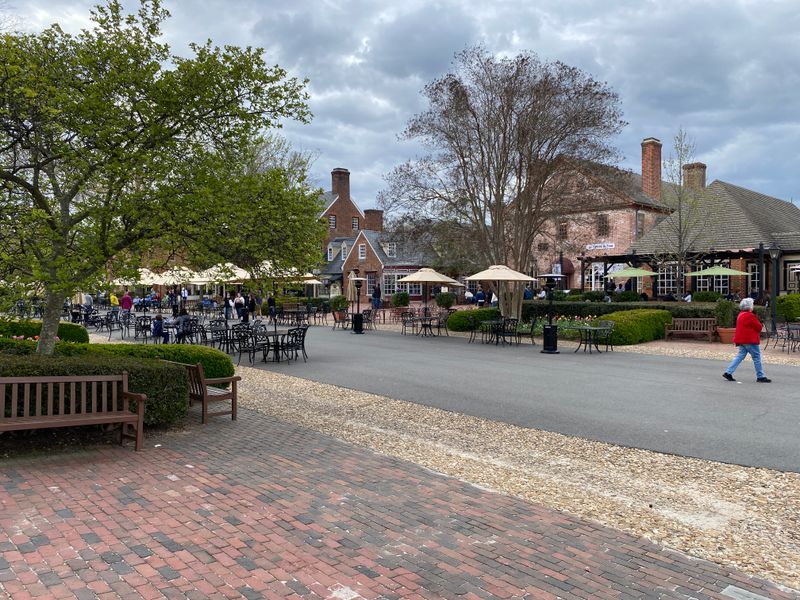
Williamsburg was a crucible during the Revolutionary era, where ideas collided with obligations and loyalty faced its mirror. Here you can stand where petitions were drafted and imagine the urgency in every ink stroke. The town’s public spaces became arenas for argument and decision.
Figures like Patrick Henry and Thomas Jefferson moved through these streets, carrying words that would reshape a continent. Their presence lingers in the buildings where debates sharpened and in the yards where militia mustered. You feel the gravity of choices that once felt impossibly risky.
Reenactments do not flatten the story into easy heroics. Instead, they show frictions among neighbors, the costs of supply, and the uncertainty of outcomes. You see the revolution as a series of local moments stitched into a broader fabric.
By tracing those threads, Williamsburg helps you recognize the revolution as lived experience rather than distant myth. The past becomes close enough to touch, complex enough to respect, and brave enough to inspire. Walk away and the echoes still follow your steps.
William & Mary: A College Older Than the Nation
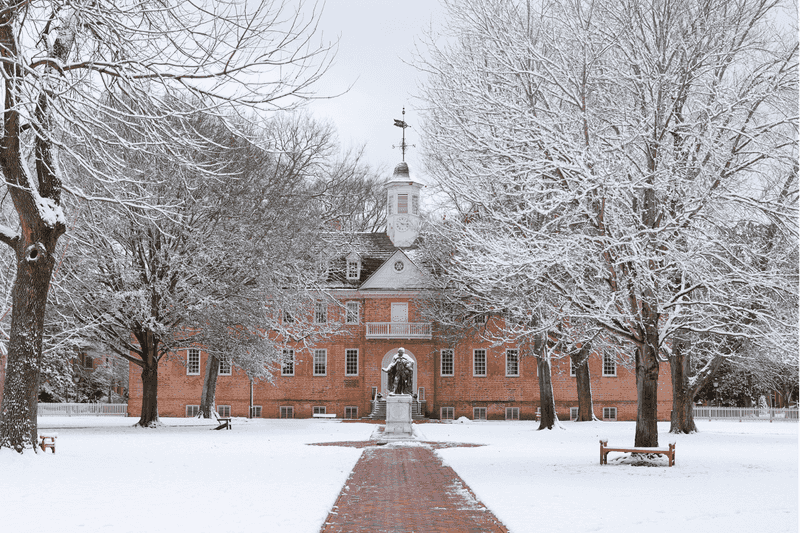
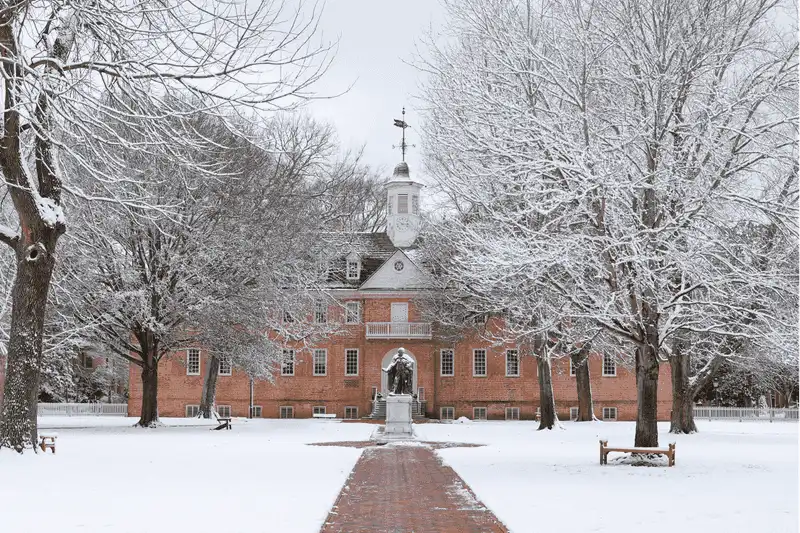
The College of William & Mary has anchored Williamsburg since 1693, older than the nation it helped educate. Its brick buildings feel dignified without grandstanding, a scholarly presence that blends with the town’s cadence. You cross the quad and the centuries seem to study alongside you.
The Wren Building stands like a memory in brick, hosting ceremonies and quiet footsteps in equal measure. Students move between classes with laptops and linen shadows, an easy coexistence of present and past. The college grounds keep a steady conversation with the historic district next door.
Many influential figures passed through these halls, shaping law, diplomacy, and civic life. Their legacies are not monuments so much as expectations of curiosity and responsibility. You sense it in the libraries and under the trees, where ideas feel welcome to linger.
By day, the campus hums with research and routine. By night, it settles into the same hush that wraps the old streets, a continuity that reassures. In Williamsburg, learning is not an exhibit, it is a living thread stitched into the town’s fabric.
A Town That Chose Preservation Over Progress
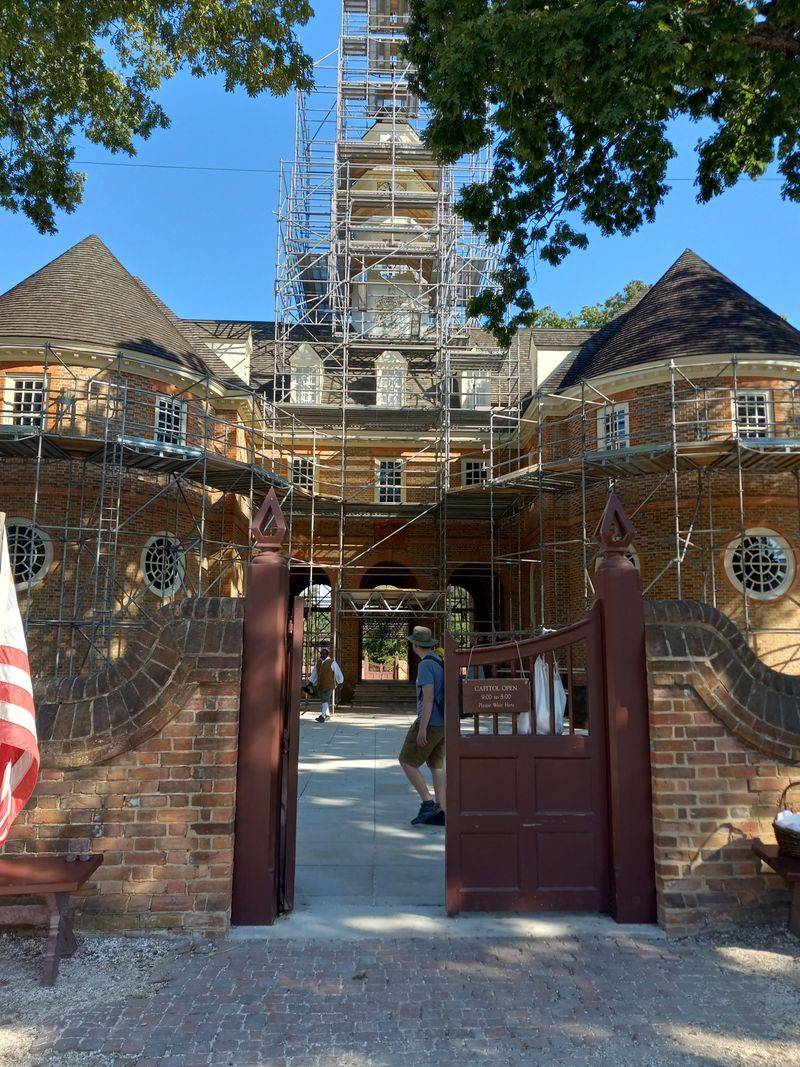
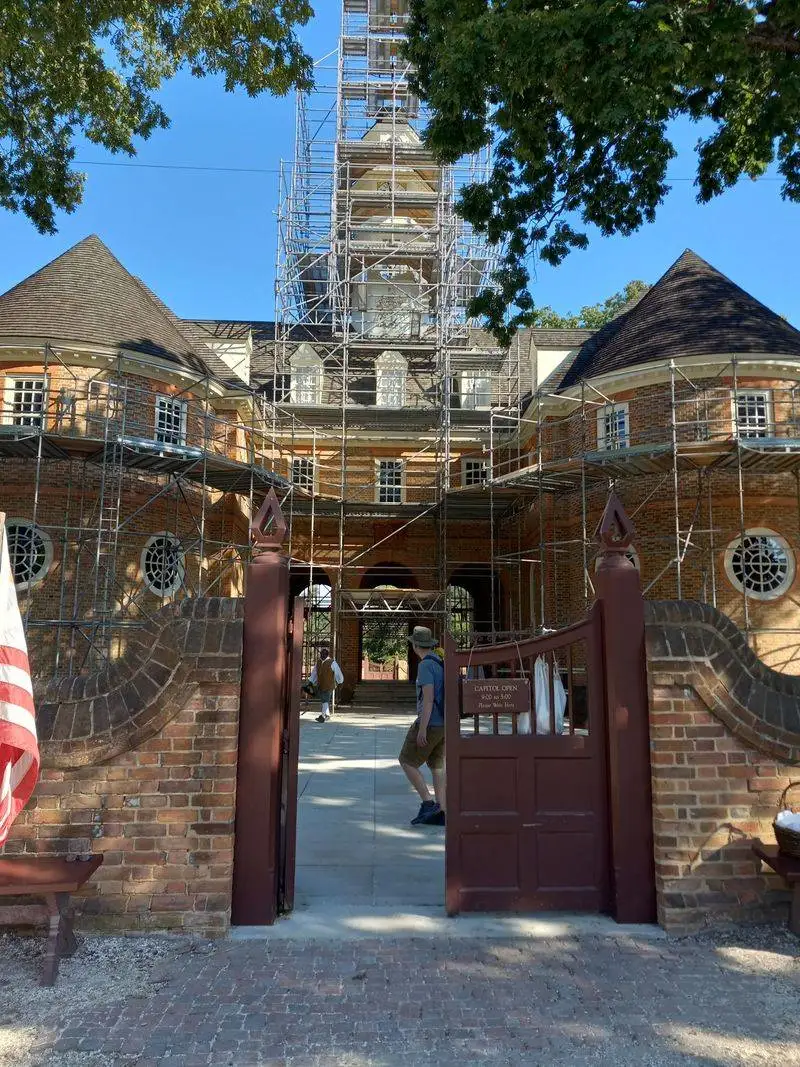
In the early 20th century, Williamsburg faced a crossroads and chose preservation with uncommon resolve. Philanthropist John D. Rockefeller Jr. partnered with local visionaries to restore buildings and streets with meticulous care. They valued accuracy over speed, research over shortcuts.
Architects combed records, archaeologists sifted foundations, and craftspeople revived techniques that had nearly vanished. Decisions favored the long view: hide utilities, match materials, and keep scale humane. You feel the benefit every time your eye travels uninterrupted along a historic street.
This choice meant saying no to easy development that would have filled the skyline with expedience. Instead, the town invested in memory as infrastructure, building an economy on authenticity. Visitors arrive for the beauty and stay for the integrity they can sense but not always name.
The result is a place where preservation is not static display but active stewardship. You see it in paint matched to old formulas and in bricks laid by practiced hands. Williamsburg proves that progress can look like patience, and that patience can look like home.
Visiting Williamsburg Today: Experiencing the Past in the Present
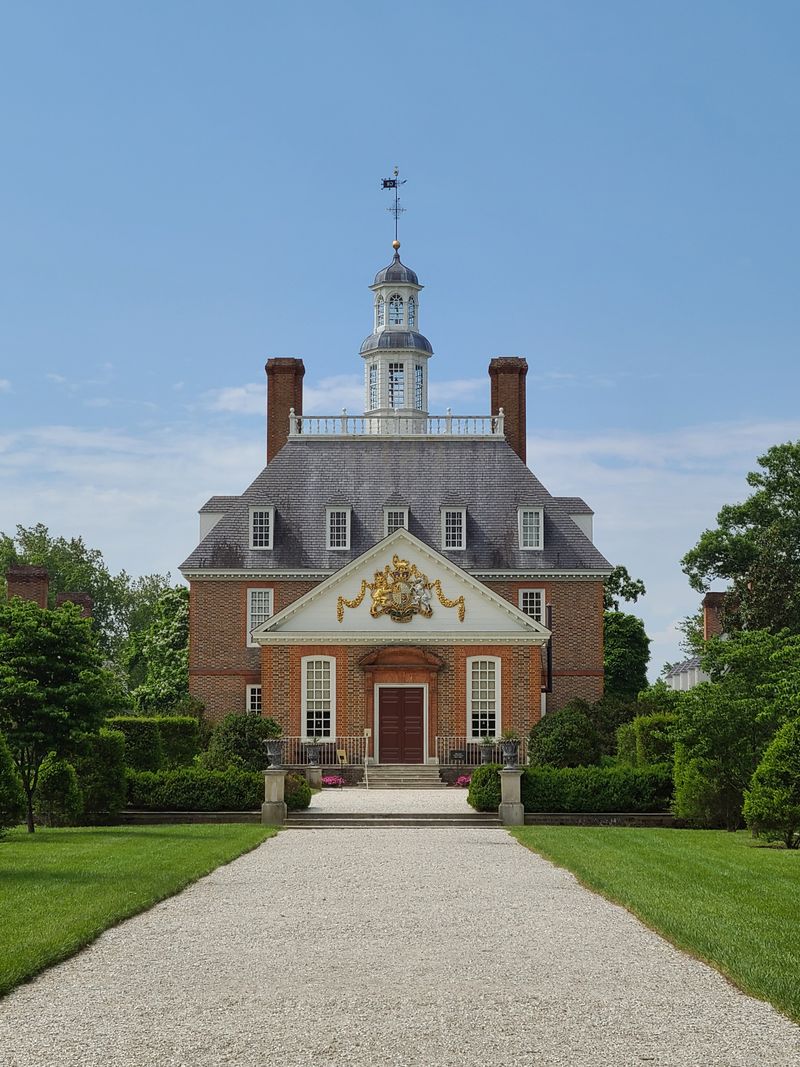
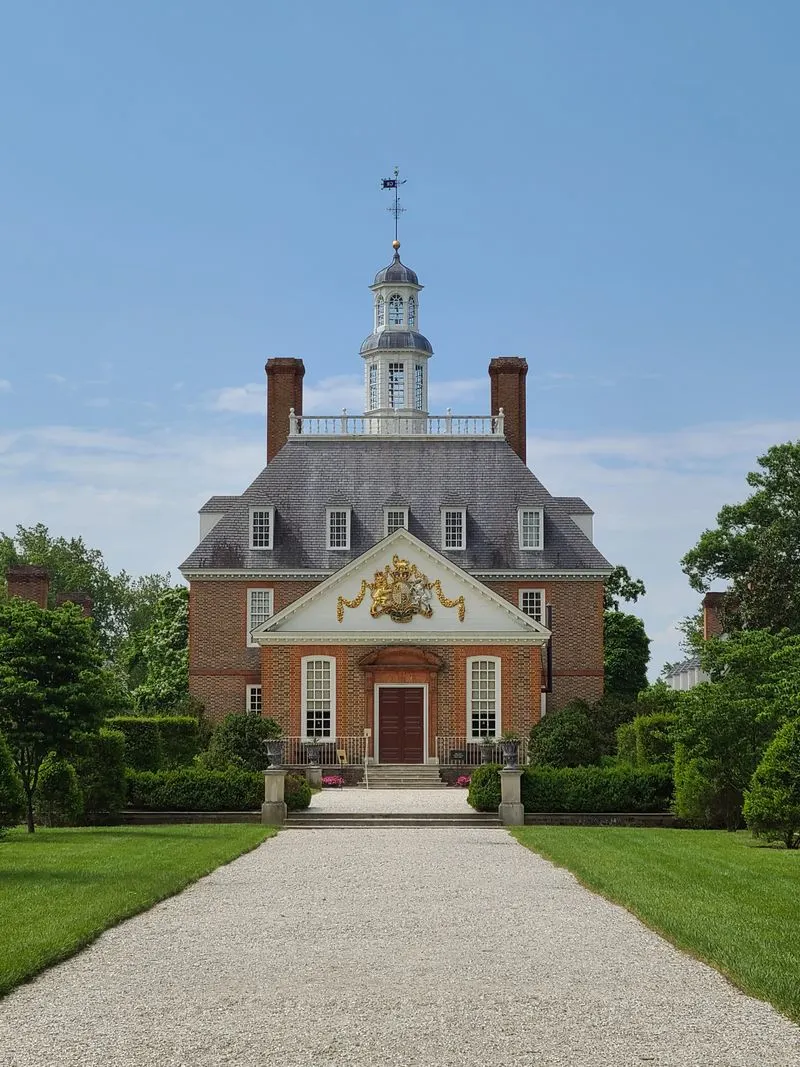
When you visit today, the best plan is to walk slowly and let the town set your schedule. Guided tours help you find the threads that tie buildings to people, while carriage rides offer a higher vantage to admire details. Comfortable shoes and a curious mood are all you need.
Evenings are especially magical, when candlelit programs cast warm light over brick and clapboard. Music drifts from a doorway, and the stars feel more visible without neon or towering glass. You notice modern conveniences are present but quiet, tucked out of sight.
Food options mix historic inspiration with contemporary comfort, giving you a taste of the past without sacrificing ease. Shops focus on goods tied to craft and story rather than novelty. It all adds up to a day that feels full but unhurried.
Whether you are here for family learning or reflective wandering, the town accommodates both. The pace encourages conversation, observation, and the small joys of discovery. Williamsburg lets you experience history as hospitality, generous and genuine.
Why Williamsburg Still Feels Untouched by the Modern World

Williamsburg’s secret is not absence of time but the presence of intention. Buildings, streets, and traditions are maintained with steady discipline, so modern life fits around them rather than through them. You feel protected from hurry without being denied comfort.
Architecture remains human scaled, making you a participant instead of a spectator. Materials age gracefully, and the town accepts patina as proof of care, not neglect. Even the quiet seems curated, tuned to the cadence of footsteps and wheel ruts.
Community values carry as much weight as brick and timber. Locals, scholars, and visitors agree on what deserves safeguarding and how to do it well. That consensus keeps shortcuts from eroding the whole.
Because preservation is embedded in policy and practice, the effect is seamless, not staged. You walk through what feels like an intact world rather than an isolated set. In Williamsburg, the past and present shake hands and keep their promises.
Conclusion: A Rare Glimpse Into America’s Beginnings
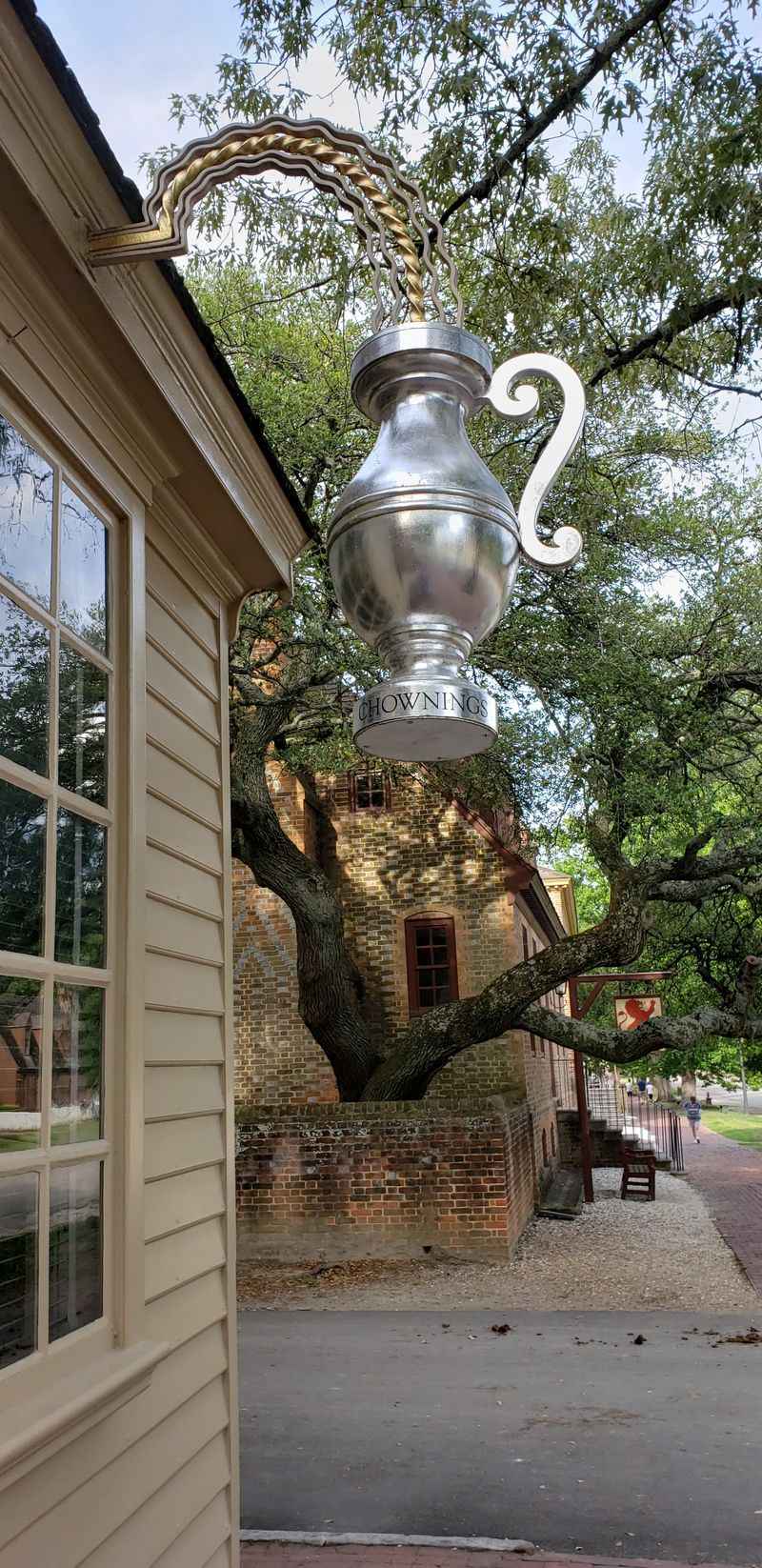
By the time you leave, Williamsburg has already slowed your breathing and sharpened your attention. The look of brick in late sun, the scent of smoke, the way a doorway frames a story, all of it settles in. You realize you were not just touring, you were remembering.
What lingers is the gentle authority of a place that knows who it is. Preservation here is not decorative, it is defining, a daily practice that keeps history useful. You carry that steadiness with you, like a rhythm underfoot.
In a century crowded with speed, Williamsburg offers the gift of proportion and care. It proves that progress can make room for memory without apology. When you think back, you will hear hoofbeats and laughter, and you will know exactly where you stood.
If you ever need to feel time widen again, the road to Williamsburg is waiting. The town has kept a light for you, quietly and faithfully. Step in, and let the beginning of America greet you like an old friend.