
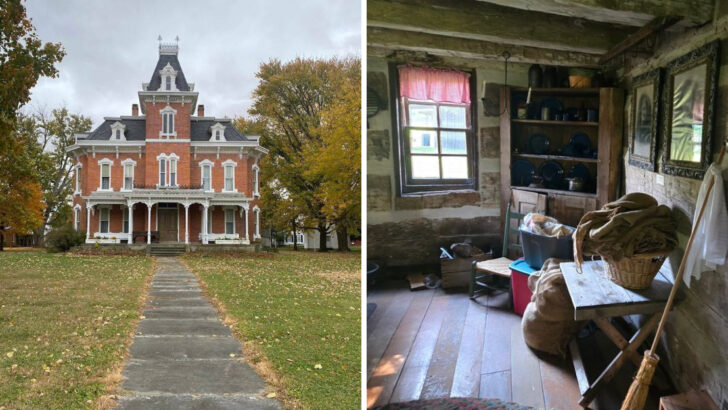
Tucked away in Bellevue, Ohio, Historic Lyme Village is one of the state’s best-kept secrets for history lovers of all ages.
Walking through its grounds feels less like a museum visit and more like time travel back to the 1800s.
From a stunning Victorian mansion to a hidden Underground Railroad connection, this village packs more history into a single afternoon than most people expect.
Whether you are a curious kid or a history-loving adult, this place has something that will genuinely surprise you.
A Living Time Capsule of 19th-Century Ohio
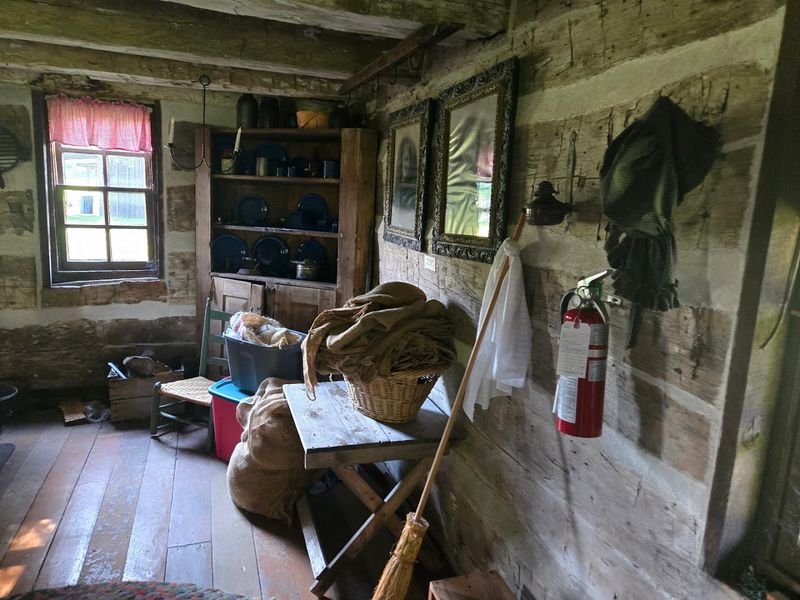
Imagine walking down a dirt path lined with buildings that have stood since before your great-great-grandparents were born. That is exactly the feeling Historic Lyme Village delivers the moment you step through its gates.
Located in the Firelands region of northern Ohio, this open-air museum recreates rural life from the early 1800s through the early 1900s.
The Firelands region has a fascinating backstory of its own. It was originally set aside as compensation for Connecticut residents whose homes were burned during the Revolutionary War.
That deep-rooted history gives every building and artifact on the grounds an extra layer of meaning.
What makes this village stand out from typical museums is how it shows a full century of change rather than just one frozen moment in time. You can trace how farming communities evolved, how technology slowly arrived, and how everyday life shifted across generations.
Visitors often say the experience feels genuinely immersive rather than staged. Plan to spend at least two to three hours here to soak it all in without rushing.
The John Wright Victorian Mansion Steals the Show
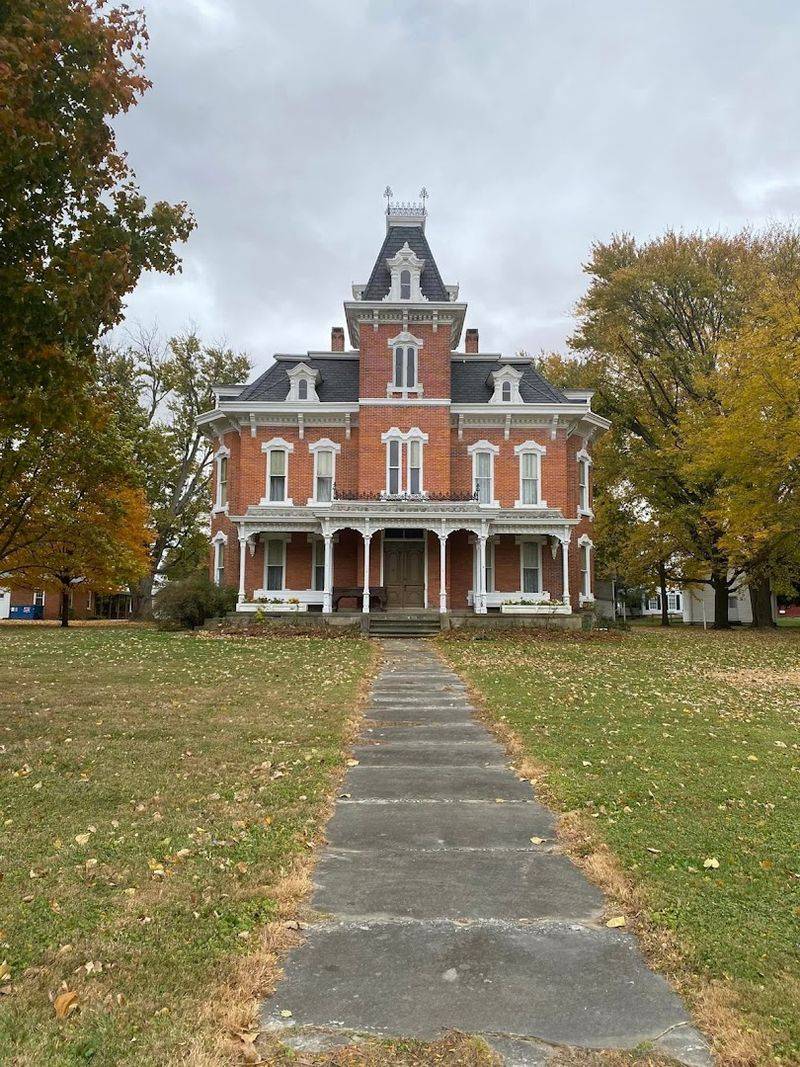
There is a moment when you first spot the John Wright Mansion across the village grounds and your jaw just drops. Built in 1881, this stunning three-story brick home is designed in the Second Empire style, featuring a dramatic mansard roof and intricate decorative trim that speaks directly to the ambitions of a prosperous Victorian-era family.
The Second Empire style was hugely fashionable in the 1870s and 1880s, inspired by the grand architecture of Paris under Napoleon III. Seeing it standing proudly in rural Ohio is both unexpected and absolutely captivating.
Every detail, from the tall narrow windows to the carved wooden accents, was chosen to project wealth, elegance, and sophistication.
Guided tours of the mansion are frequently available and highly recommended. Inside, you will find period-accurate furnishings, original wallpaper patterns, and decorative objects that paint a vivid picture of upper-class Victorian domestic life.
Docents share stories about the Wright family that bring the rooms to life in ways that a simple exhibit label never could. If you only have time for one highlight at the village, make it this mansion tour without hesitation.
A Rare Victorian Estate in a Rural Setting
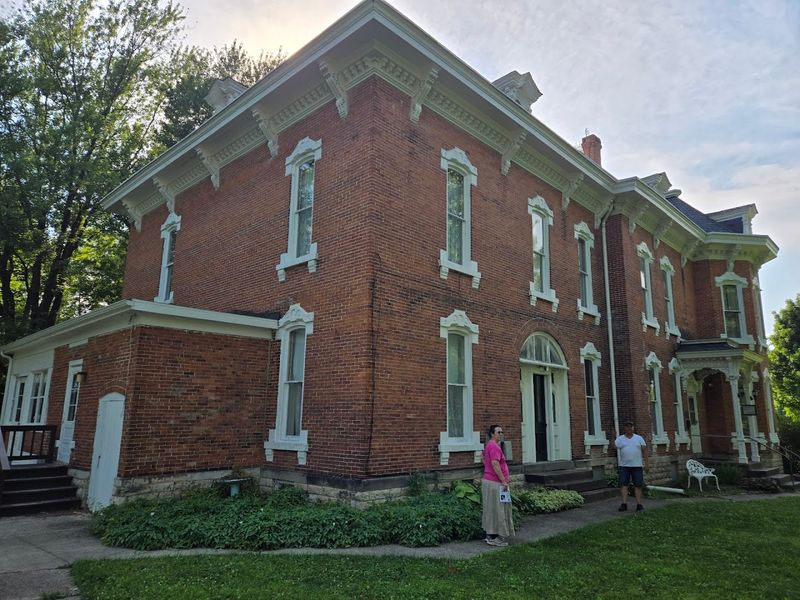
Most people picture grand Victorian mansions in the middle of bustling cities, surrounded by brownstones and gas-lit streets. Finding one planted firmly on a rural Ohio farmstead is genuinely surprising, and that contrast is a big part of what makes the John Wright property so historically significant.
It challenges assumptions about where wealth and architectural ambition showed up in 19th-century America.
John Wright was a successful businessman whose prosperity allowed him to commission a home that rivaled anything found in Cleveland or Columbus at the time. Building such an elaborate structure outside a city required both considerable resources and a bold statement of personal ambition.
Neighbors in the surrounding farming community would have viewed this mansion as an almost theatrical display of success.
Architecturally, the home remains remarkably intact compared to many Victorian estates that have been altered or demolished over the decades. Preservation efforts by the village organization have kept the exterior and many interior elements close to their original condition.
For architecture students, history buffs, or anyone who simply appreciates beautiful old buildings, this farmstead mansion offers a one-of-a-kind experience you genuinely cannot replicate anywhere else in the region.
More Than 15 Historic Buildings to Explore
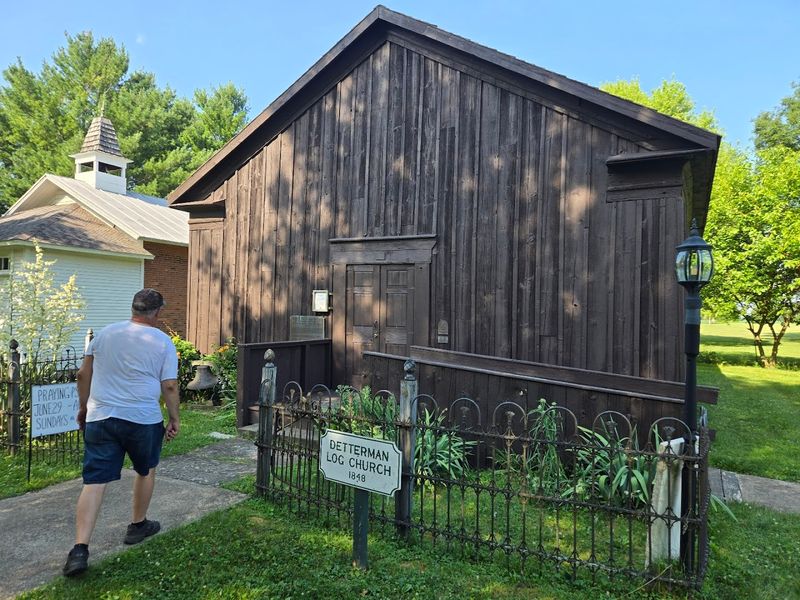
One building is interesting. Fifteen or more buildings arranged to resemble an actual functioning town?
That is a completely different experience altogether. Historic Lyme Village has assembled a remarkable collection of preserved and relocated structures that together create the feel of a real 19th-century Ohio community rather than just a scattered exhibit.
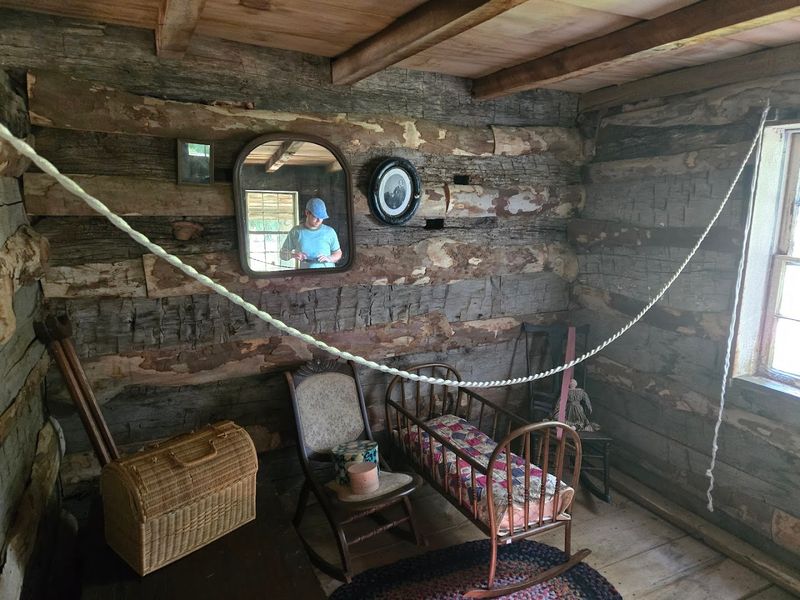
Among the structures you can explore are log cabins from the earliest settlement period, agricultural barns filled with antique farm equipment, and civic buildings that once served the daily needs of a small rural town. Each one has been carefully restored and filled with artifacts that match its original purpose and time period.
Walking from building to building feels like flipping through a living history book.
The variety keeps things fresh no matter how long you wander. Kids tend to love the hands-on feel of spaces like the blacksmith shop, while adults often linger inside the more formal domestic buildings imagining daily life in earlier centuries.
Comfortable walking shoes are a smart choice since the grounds cover a solid stretch of land. Picking up a site map at the entrance helps you prioritize which buildings to visit first based on your personal interests.
Step Inside an Old-School General Store and Post Office
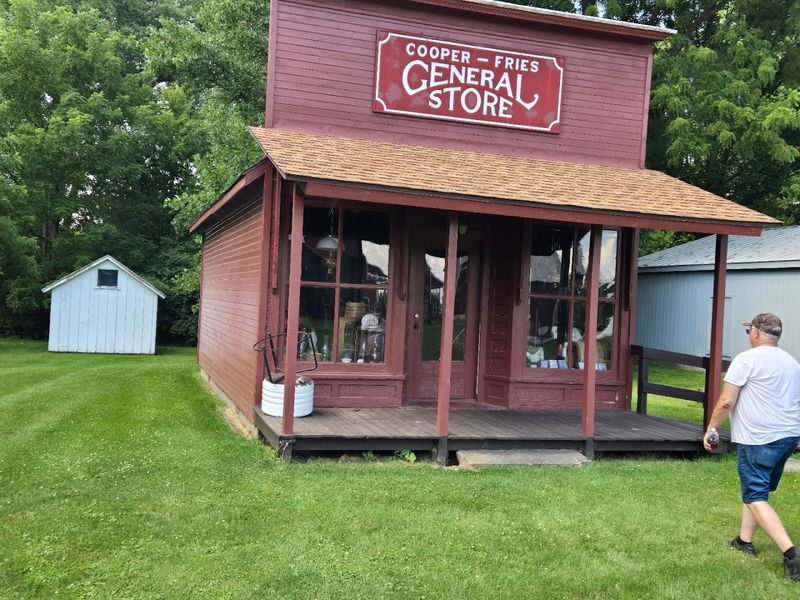
Before Amazon, before supermarkets, before even reliable mail delivery, the general store and post office were the beating heart of any small American town. At Historic Lyme Village, you can actually step inside an 1820s-era post office and a traditional general store, getting a firsthand sense of how early Ohio residents handled communication, trade, and the basic necessities of daily life.
The general store would have stocked everything from flour and fabric to tools and medicine, often extending credit to farming families between harvests. The postmaster doubled as a community information hub, since letters were the only way people stayed connected to family members living even short distances away.
These two buildings together tell the story of how a small community functioned before modern infrastructure existed.
Wandering through these spaces, you start to appreciate just how much effort and planning went into tasks we now do in seconds. Ordering something took weeks.
Sending a letter required careful timing around mail routes. Visitors often comment that spending time in these buildings gives them a new respect for the resourcefulness and patience of early American settlers.
It is a humbling and genuinely eye-opening part of the village experience.
A One-Room Schoolhouse and Log Church Bring History to Life
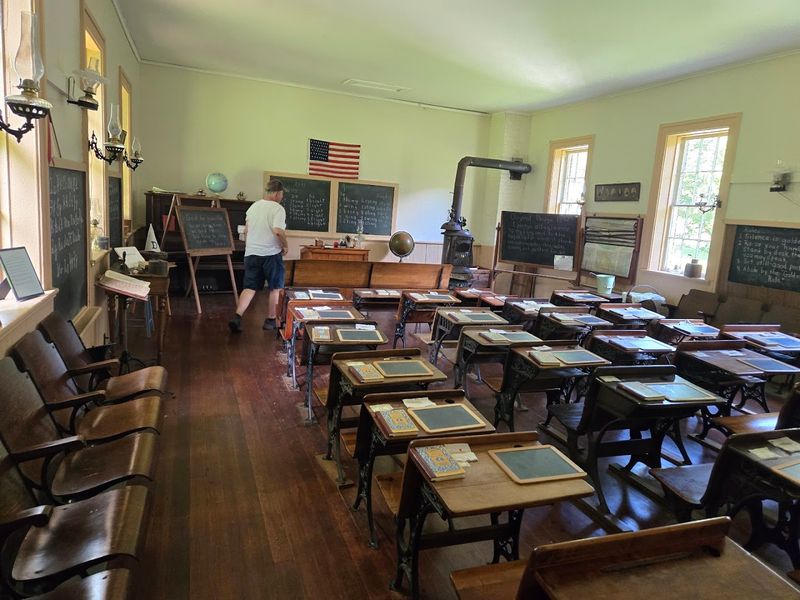
Picture thirty kids of different ages crammed into a single room, sharing one teacher, one chalkboard, and a potbelly stove that never quite heated the back rows. That was the reality of education in early Ohio, and the one-room schoolhouse at Historic Lyme Village captures it with remarkable authenticity.
Stepping inside immediately sparks curiosity about what learning looked like before grade levels, standardized tests, or cafeterias existed.
Nearby, the Detterman Log Church offers an equally compelling window into community life. Religion was central to the social fabric of 19th-century rural settlements, and the church served as a gathering place for everything from worship to town meetings to community celebrations.
The log construction itself tells a story about the building materials and skills that were available to early settlers.
Together, these two buildings show how early Ohioans prioritized both education and faith even when resources were extremely limited. Teachers in one-room schools were often barely older than their oldest students and were expected to teach every subject to every age group simultaneously.
Visiting both buildings back-to-back creates a surprisingly moving picture of how determined early communities were to build something lasting from very little.
A Hidden Underground Railroad Connection
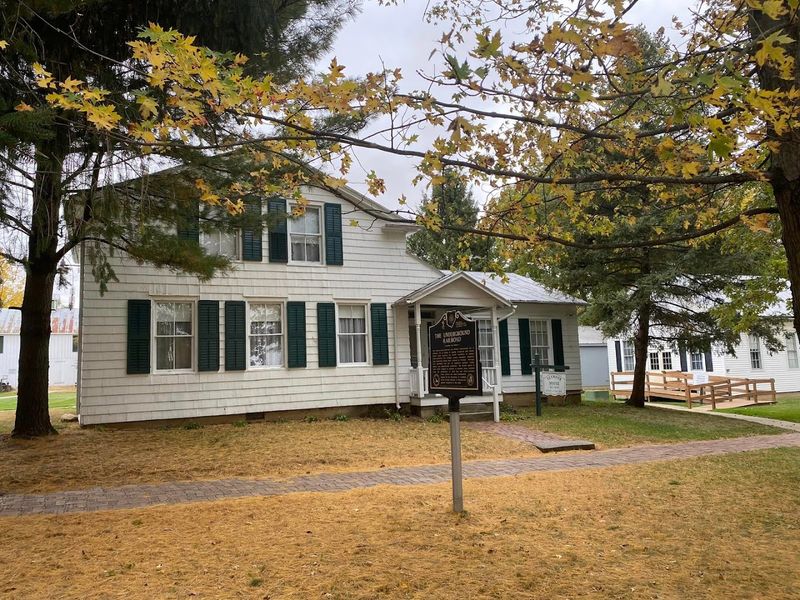
Not every historic site carries the weight of moral courage, but Historic Lyme Village does. The 1836 John Seymour House, located on the village grounds, once served as a documented stop on the Underground Railroad — the secret network of safe houses and routes that helped enslaved people escape to freedom in the years before the Civil War.
Ohio played a crucial role in the Underground Railroad because of its long border with Kentucky, a slave state, along the Ohio River. The Firelands region, where Lyme Village is located, was home to many abolitionists who risked serious legal consequences to shelter freedom seekers moving north toward Canada.
The Seymour House is a tangible, standing reminder of that bravery.
Standing inside or beside that modest house and knowing its history hits differently than reading about it in a textbook. It transforms an old building into a monument to human dignity and resistance.
For younger visitors especially, this connection makes history feel urgent and real rather than distant and abstract. Ask your guide about the Seymour House specifically — the stories associated with it are among the most powerful shared anywhere on the village grounds.
The National Postmark Museum Adds a Unique Twist
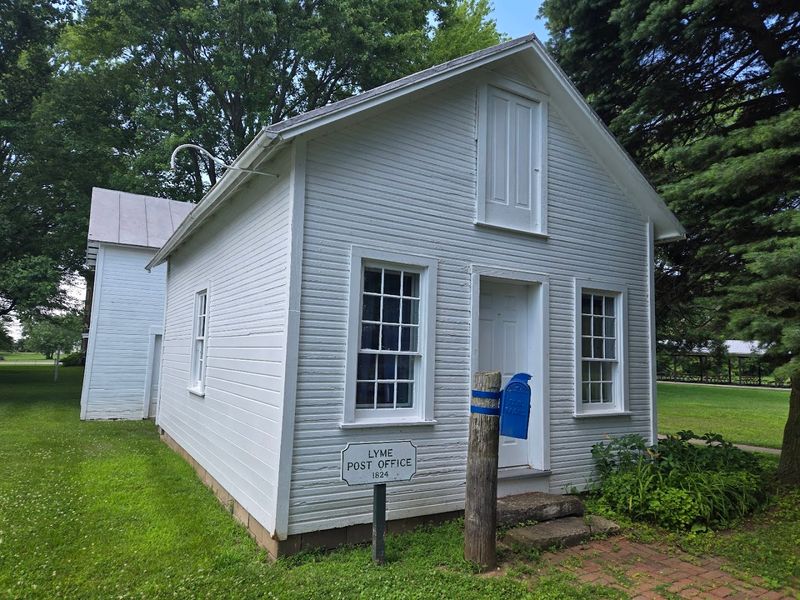
Nobody expects to find one of the world’s most impressive collections of postal history sitting inside a small Ohio village, which is exactly what makes the National Postmark Museum such a delightful surprise. Housed within Historic Lyme Village, this quirky and fascinating museum holds one of the largest collections of postmarks and postal history artifacts anywhere on the planet.
Postmarks might sound like a dry topic, but the collection tells a surprisingly rich story about American communication, geography, and design. Each postmark represents a specific place and moment in time, and rare or unusual postmarks are prized by collectors the way rare coins or stamps are.
Some of the items in the collection date back to the earliest days of the American postal system, making them genuinely irreplaceable historical documents.
The museum draws dedicated philatelists and postal history enthusiasts from across the country, but casual visitors tend to find it just as engaging once they start browsing. The sheer variety of designs, eras, and origins on display is visually striking even if you know nothing about postal collecting.
It is the kind of unexpected gem that reminds you why exploring small regional museums so often beats the predictable big-city options.
Seasonal Events Make the Village Feel Alive
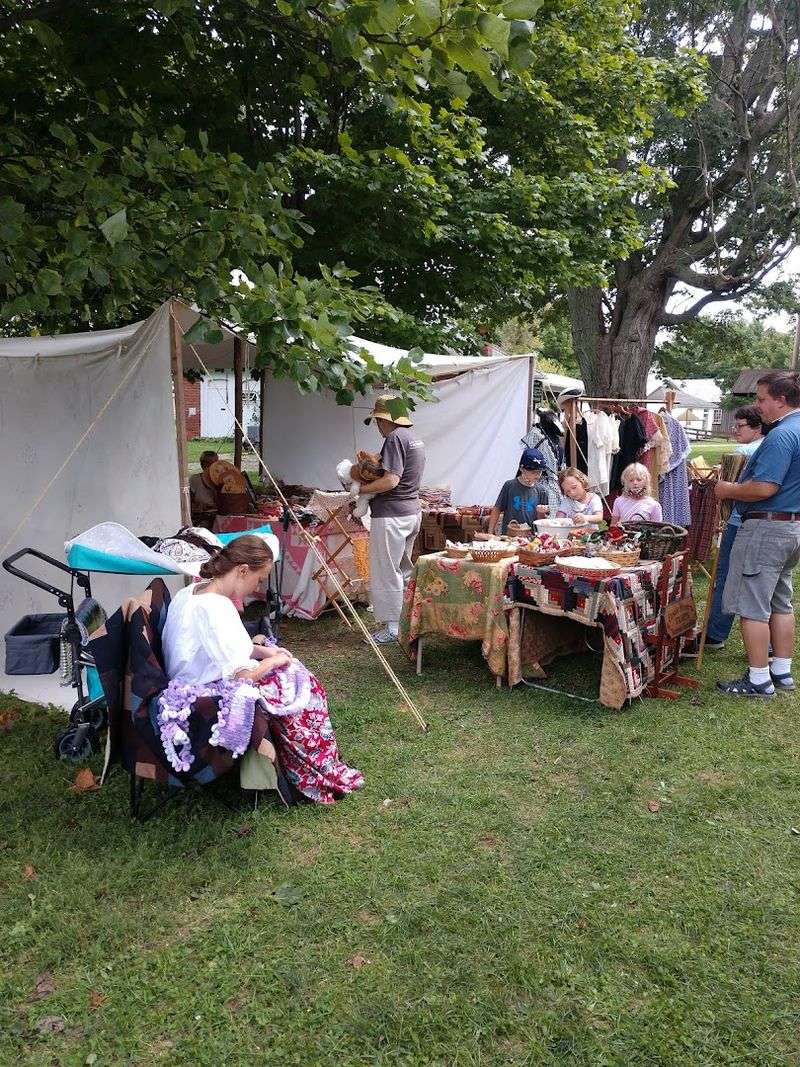
A quiet historic village is wonderful. A historic village buzzing with costumed reenactors, live demonstrations, and the smell of wood smoke and fresh-baked goods?
That is an entirely different level of experience. Historic Lyme Village hosts a calendar of seasonal events throughout the year that transform the grounds from a peaceful open-air museum into a genuinely lively historical celebration.
Pioneer Days is one of the most popular recurring events, drawing reenactors who demonstrate everything from blacksmithing and butter churning to candle dipping and open-fire cooking. Holiday-themed events later in the year add a warm, festive layer that makes the village feel magical in a completely different way than summer visits do.
Period crafts, live music, and storytelling sessions round out many of these special days.
Timing your visit around one of these events is absolutely worth the extra planning effort. The energy is completely different from a standard self-guided tour, and the interactive demonstrations help concepts click in ways that static exhibits simply cannot match.
Check the village website or social media pages well in advance since popular event days can get crowded and some activities are limited in capacity. Arriving early on event days almost always pays off.
Visitor Info and Tips for the Best Experience
Planning ahead makes a real difference when visiting Historic Lyme Village. The site is located at 5001 OH-4, Bellevue, OH 44811, making it an easy day trip from cities like Cleveland, Toledo, or Columbus.
The village operates on a seasonal schedule, opening most reliably during the summer months, so checking current hours on the official website before you go is strongly recommended to avoid disappointment.
Guided tours of the John Wright Victorian Mansion are frequently available and worth prioritizing since the interior details are best appreciated with a knowledgeable docent walking you through the rooms. Wear comfortable walking shoes because the grounds cover a substantial area of uneven terrain.
Bringing water and sunscreen for summer visits is a practical move that most first-timers wish they had done.
Budget at least two to three hours for a thorough visit, and more if you plan to attend a special event. Admission is generally very affordable compared to larger history museums, making it an excellent value for families.
Photography enthusiasts will find the mansion exterior and the log structures particularly rewarding to photograph in morning or late afternoon light. Following the village on social media is the easiest way to stay updated on event dates, guided tour availability, and any seasonal schedule changes.