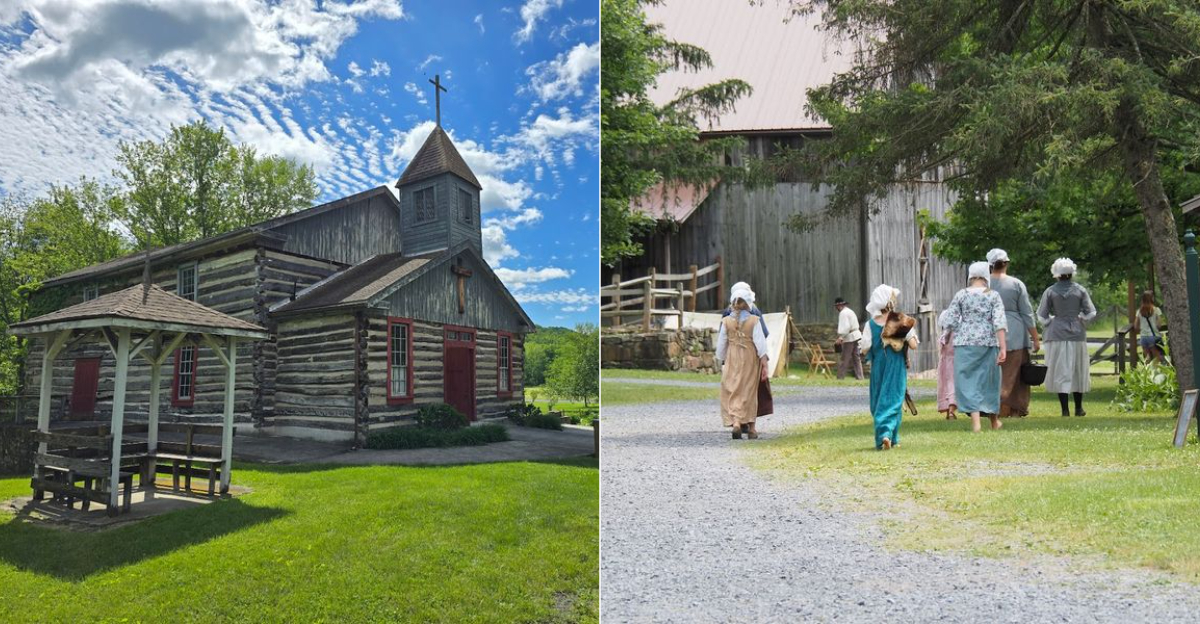
Walking through Old Bedford Village in Pennsylvania is like opening a door to the past. Located in Bedford, this living history museum brings the 1800s back to life through authentic buildings, skilled craftspeople, and costumed interpreters who share stories from centuries ago.
Families can explore at their own pace, watching blacksmiths hammer iron, candlemakers dip wicks, and broom makers twist straw into useful household items. Whether you visit during a special event or a quiet weekday, this remarkable village offers a genuine glimpse into how our ancestors lived, worked, and survived.
Authentic Historic Buildings Relocated to One Site
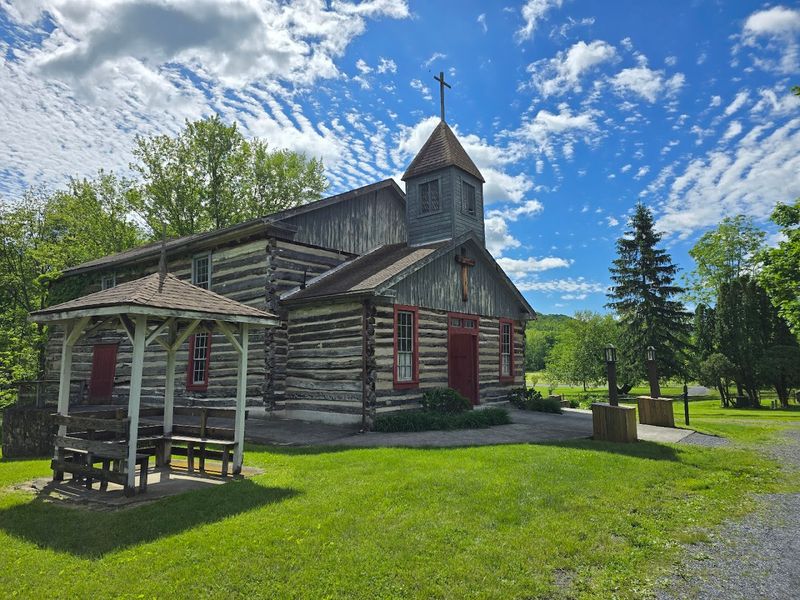
More than 40 original structures from the 18th and 19th centuries stand together at Old Bedford Village, saved from destruction and carefully moved to this special location. Each building tells its own story, from tiny log cabins where entire families once lived to larger homes that housed wealthier settlers.
Walking between these structures gives you a real sense of how different people lived based on their circumstances.
The village organizers spent years collecting these buildings from across the region before they could be torn down or left to collapse. They transported each one piece by piece, then rebuilt them exactly as they originally stood.
This massive effort preserved important pieces of Pennsylvania history that might otherwise have been lost forever.
Every structure features information explaining when it was built, who lived there, and what makes it historically significant. QR codes outside each building let you hear detailed stories about the people and events connected to these places.
You can actually walk inside most buildings, touch the thick wooden beams, and imagine cooking over an open fireplace or sleeping in a small loft bedroom during a harsh winter.
Living History Craftspeople at Work
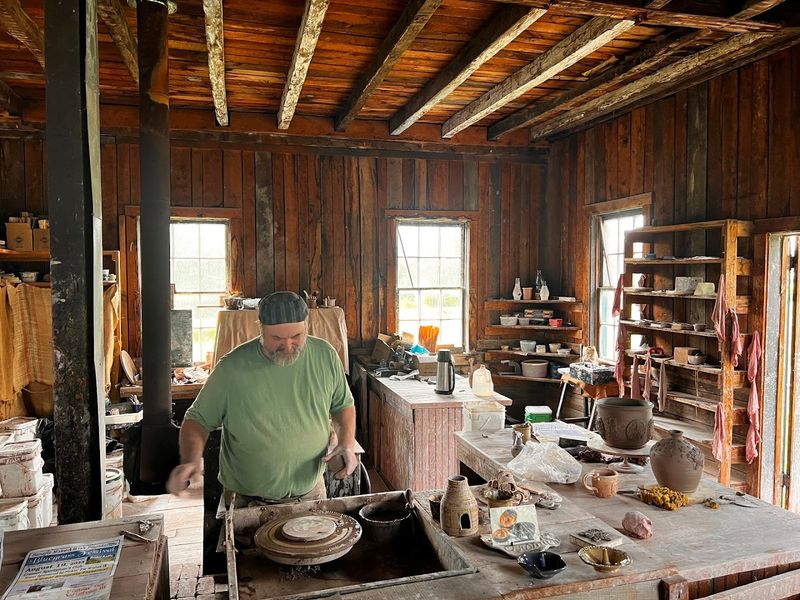
Skilled artisans demonstrate trades that kept 1800s communities running, and watching them work feels almost magical. The pottery maker shapes clay on a spinning wheel exactly as colonial potters did centuries ago.
Her hands move with practiced ease, transforming lumps of wet clay into bowls, cups, and jugs that families would have used daily.
These craftspeople volunteer their time because they genuinely love sharing their knowledge with visitors. They welcome questions and happily explain every step of their process, from selecting materials to finishing techniques.
Many have spent years mastering these traditional skills, and their enthusiasm makes history come alive in ways textbooks never could.
Different craftspeople appear on different days, so each visit might offer new demonstrations. You might catch the broom maker twisting corn husks and straw into sturdy household brooms, or watch someone hand-dip candles the old-fashioned way.
Kids particularly enjoy these demonstrations because they can see, smell, and sometimes even touch the materials being used. Several visitors mentioned spending hours just watching these talented individuals practice their historical crafts with remarkable skill and patience.
Costumed Interpreters Who Bring History Alive
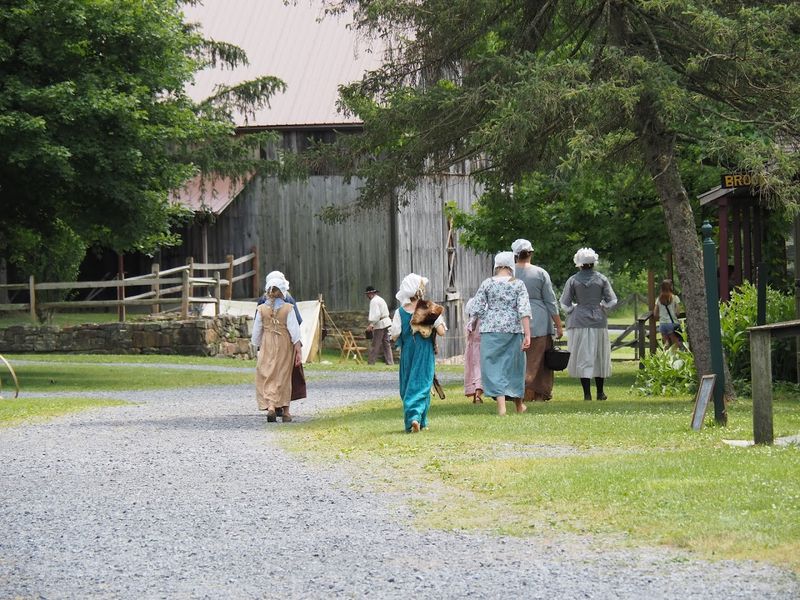
People dressed in authentic 1800s clothing wander the village grounds, ready to share fascinating stories about life in early America. These aren’t actors reading scripts but passionate volunteers who deeply understand the historical period they represent.
They might portray a specific person from Bedford County history or simply someone from that era who can explain daily life, challenges, and triumphs.
One visitor fondly remembered an interpreter who captivated her young daughter with tales about different types of brooms and their specific uses. Another family spent considerable time learning about spinning wool from a woman demonstrating at an old spinning wheel.
These interactions transform a simple museum visit into memorable conversations that stick with people for years.
The interpreters adjust their presentations based on who they’re talking with, making the experience personal and engaging. Young children get simpler explanations with hands-on elements, while adults receive more detailed historical context and fascinating trivia.
Weekend visits typically feature more costumed volunteers than weekday trips, though the village remains educational and enjoyable regardless. Their genuine passion for preserving and sharing history makes every conversation feel special rather than rehearsed.
The Working Blacksmith Shop
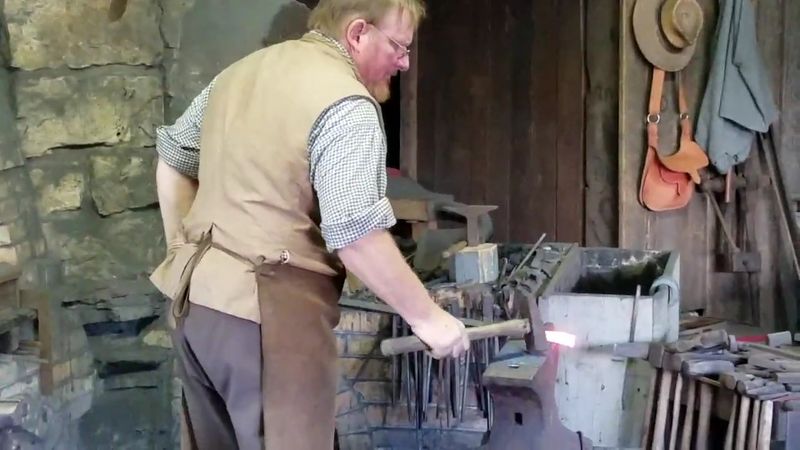
Sparks fly and metal rings against the anvil as the village blacksmith demonstrates one of history’s most essential trades. The intense heat from the forge warms your face even from several feet away, giving just a hint of how physically demanding this work was.
Watching someone shape glowing red metal with practiced hammer strikes shows the incredible skill these craftspeople possessed.
Blacksmiths were absolutely vital in 1800s communities, creating and repairing everything from horseshoes to door hinges, cooking tools to wagon parts. Without these skilled metalworkers, settlements couldn’t function properly.
The blacksmith at Old Bedford Village explains how different techniques produced different results and why certain tools were shaped specific ways.
Children find this demonstration particularly mesmerizing, drawn by the dramatic fire, loud clanging sounds, and transformation of dull metal into shiny, useful objects. The blacksmith welcomes questions and often shows visitors various finished pieces, explaining what each item was used for.
Many guests mentioned this as a highlight of their visit, noting they’d never realized how complex and skilled this trade actually was. The combination of fire, metal, and expert craftsmanship creates an unforgettable sensory experience.
Old-Fashioned Christmas Celebration
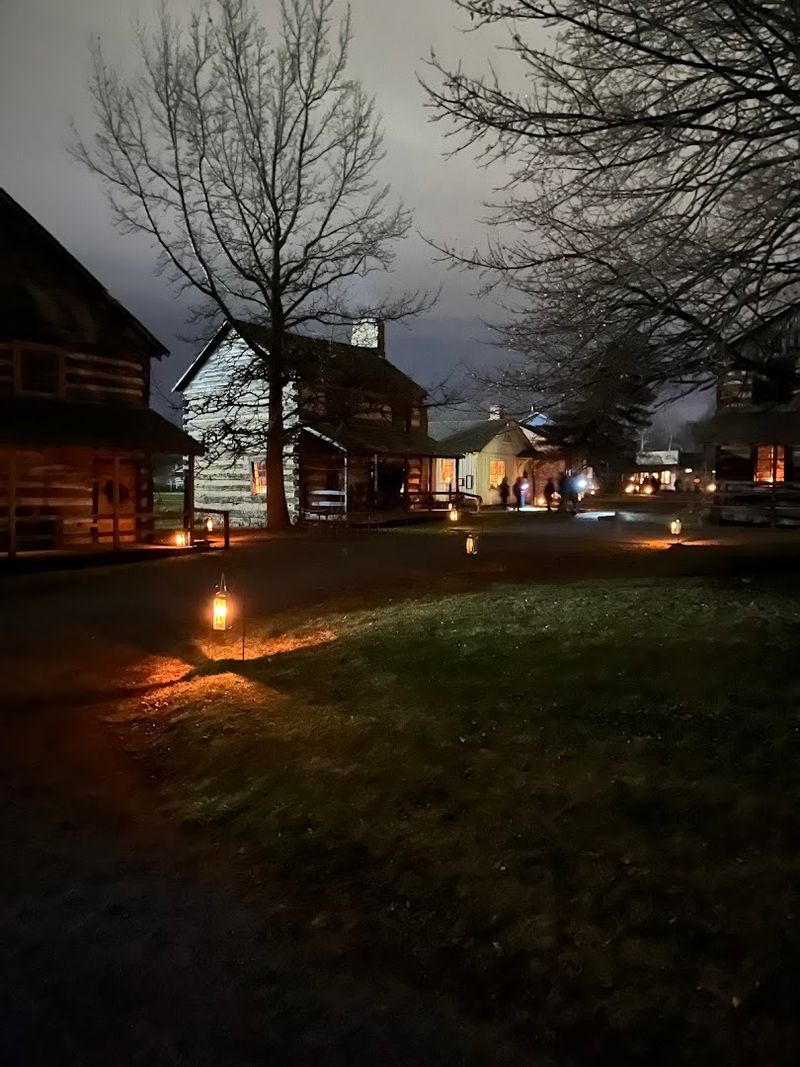
When winter arrives, Old Bedford Village transforms into a magical holiday wonderland straight from a Charles Dickens story. Candles flicker in windows of historic buildings, traditional decorations adorn each structure, and sometimes gentle snow falls as visitors stroll the torch-lit paths.
The atmosphere feels genuinely enchanting, transporting guests to Christmas celebrations from two centuries ago.
Warm fires crackle in hearths throughout the village, welcoming cold visitors into cozy cabins decorated with natural greenery, dried fruits, and handmade ornaments. The church hosts beautiful handbell concerts that fill the crisp air with seasonal melodies.
Everything from the decorations to the refreshments reflects authentic 1800s holiday traditions, showing how families celebrated with simpler but meaningful customs.
Many visitors return year after year for this special event, creating their own family traditions around experiencing history’s holidays. One couple mentioned attending four years straight, each time discovering new historical details about colonial Christmas celebrations.
The combination of authentic settings, period decorations, and occasional snowfall creates memories that last long after the season ends. Families particularly appreciate how the event teaches children about historical holiday traditions while creating magical moments they’ll treasure forever.
Murder Mystery Evening Events
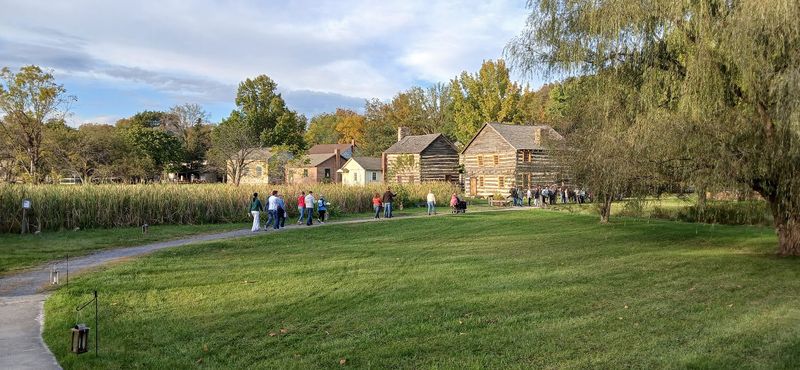
October brings spine-tingling excitement to the village when murder mystery evenings unfold across the historic grounds. Guests become part of an interactive theatrical experience, moving between different buildings while piecing together clues from costumed actors portraying suspicious characters.
The authentic 1800s setting adds genuine atmosphere that modern venues simply cannot match.
These popular events sell out quickly because they offer something truly unique. Participants aren’t just watching a show but actively investigating, questioning characters, and forming theories about whodunit.
The village’s genuine historical buildings, shadowy paths, and period-appropriate setting create natural drama and suspense without needing artificial props or modern effects.
Visitors should prepare for considerable walking between buildings as the mystery unfolds across the entire village. Comfortable shoes are essential since you’ll cover significant ground throughout the evening.
Multiple reviews mentioned these events as absolute highlights, with families and couples both enjoying the combination of history, theater, and interactive entertainment. The volunteers who portray various characters commit fully to their roles, staying in character and providing convincing performances.
Whether you solve the mystery or not, the experience of investigating a crime in an authentic 1800s setting creates unforgettable memories.
Interactive Activities for Young Visitors
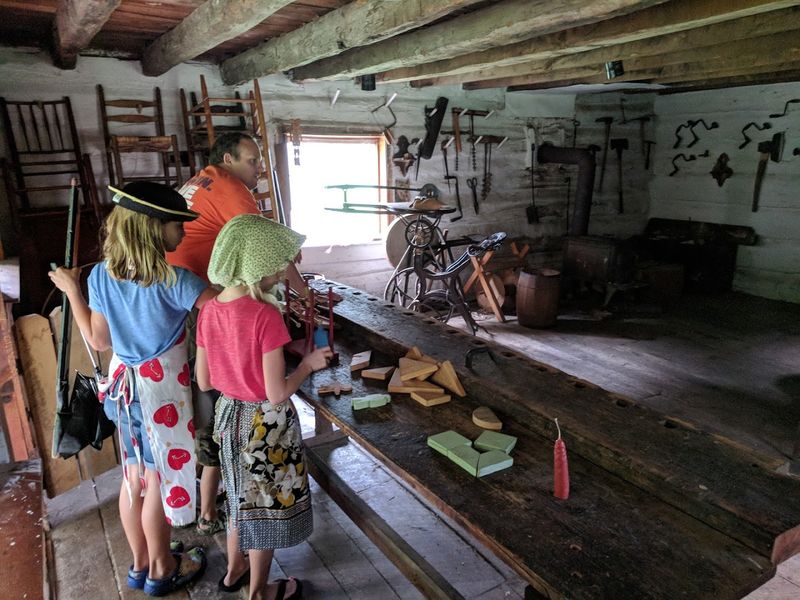
Young visitors absolutely love Old Bedford Village because history stops being something from boring textbooks and becomes real, touchable, and exciting. Kids can try their hands at various period activities, from attempting simple craft projects to exploring every nook and cranny of historic buildings.
These hands-on experiences make history stick in ways that lectures never could.
Children particularly enjoy watching craftspeople work and asking endless questions that patient volunteers happily answer. One mother specifically praised the broom maker for captivating her daughter with fascinating details about different broom types and their specific household purposes.
Another family mentioned their kids being mesmerized by the pottery wheel and blacksmith’s forge demonstrations.
The self-paced nature of the village works perfectly for families since parents can linger where kids show interest and move quickly past things that don’t capture their attention. Many buildings contain items children can examine closely, helping them understand how people lived without electricity, running water, or modern conveniences.
Homeschool families particularly value Old Bedford Village for bringing history lessons to life. Several parents noted their children learned more during one village visit than from weeks of reading about colonial life.
The combination of freedom to explore, interesting demonstrations, and genuinely engaging volunteers makes this an educational adventure kids actually enjoy.
Original Pioneer Cabins and Homesteads
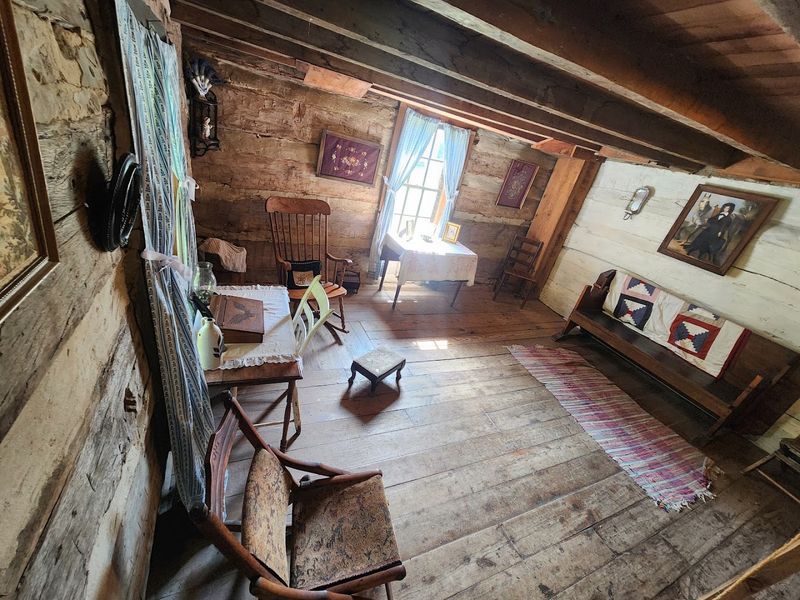
Standing inside an actual pioneer cabin makes you wonder how entire families survived harsh Pennsylvania winters in such tiny spaces. These small log structures, some barely larger than modern bedrooms, housed parents, children, and sometimes grandparents all under one roof.
The low ceilings, single-room layouts, and crude furnishings show just how differently people lived compared to today.
Each cabin tells a story about economic status and survival strategies. Some feature slightly better construction and furnishings, indicating families with more resources.
Others show the absolute bare minimum needed for survival—rough-hewn logs, simple wooden platforms for beds, and a fireplace for both heating and cooking. Walking through these spaces helps visitors truly appreciate modern comforts we take for granted.
Kids especially benefit from experiencing these cramped quarters firsthand. Parents can point out the absence of separate bedrooms, bathrooms, or kitchens as we know them today.
One visitor mentioned how powerful it was watching her children grasp the reality that entire families squeezed into spaces smaller than their current bedrooms. The experience creates genuine appreciation for both the hardiness of early settlers and the incredible improvements in living standards over two centuries.
These simple structures teach humility and respect for our ancestors’ resilience.
Indigenous Peoples’ Heritage Collection
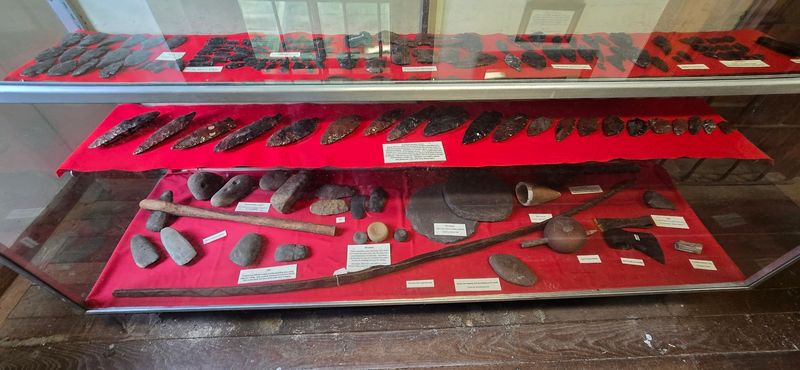
Before European settlers built their cabins and villages, Indigenous peoples lived on this land for thousands of years. Old Bedford Village honors this important history through a dedicated collection of artifacts from tribes native to the Pennsylvania region.
This exhibit adds crucial context often missing from historical sites focused solely on colonial settlement stories.
The collection includes tools, weapons, pottery, and other items that show the sophisticated cultures and survival skills of the area’s original inhabitants. These artifacts aren’t just objects behind glass but connections to real people who thrived in this region long before the 1800s buildings now standing in the village.
Educational materials explain tribal histories, traditional lifestyles, and the dramatic changes that occurred when European settlers arrived.
Visitors particularly appreciate that Old Bedford Village includes this perspective rather than ignoring the land’s pre-colonial history. Understanding Indigenous peoples’ relationship with this land and how their lives changed provides more complete and honest historical context.
Families can use this exhibit to discuss complex historical topics with their children, including both the achievements of Native cultures and the difficult realities of colonization. The collection reminds everyone that history involves multiple perspectives and that honoring all voices creates richer, more meaningful understanding of the past.
Self-Guided Tours at Your Own Pace
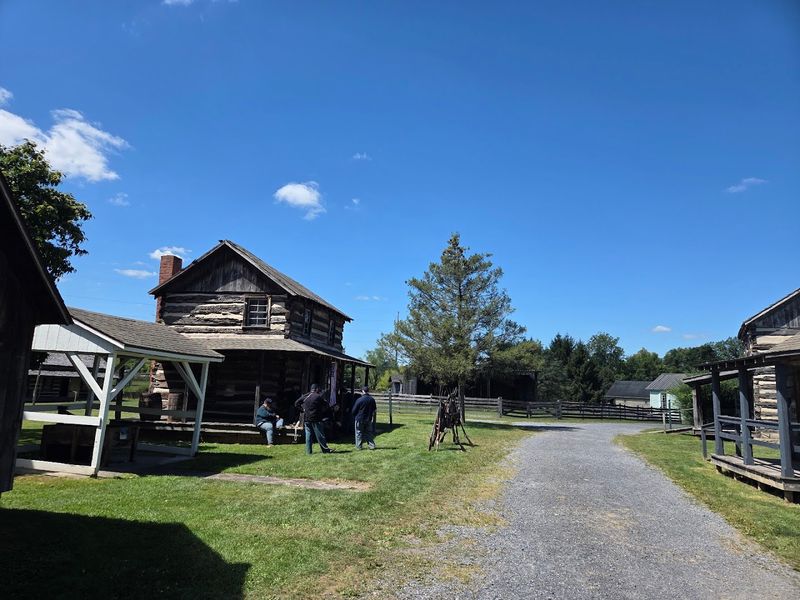
Unlike rushed group tours with strict schedules, Old Bedford Village lets you explore however you prefer. Families can spend twenty minutes or four hours depending on their interests, energy levels, and attention spans.
This flexibility makes the experience enjoyable rather than exhausting, especially for parents with young children who need frequent breaks.
QR codes outside each building provide detailed audio information, so you never miss important historical context even if costumed interpreters aren’t currently available. These recorded narratives explain each structure’s history, original location, and significance to Pennsylvania’s development.
You can scan every code for complete information or skip them entirely if you prefer simply absorbing the atmosphere.
Most visitors recommend allowing at least two hours to properly experience everything without feeling rushed. However, the self-paced format means you control the timeline.
Spend extra time watching craftspeople work if demonstrations fascinate you, or move quickly through buildings that hold less personal interest. Picnic tables allow families to bring lunch and take relaxing breaks between exploring different areas.
Several guests mentioned the stress-free nature of self-guided touring, noting how pleasant it felt wandering without worrying about keeping up with groups or missing scheduled activities. This approach lets each visitor create their own unique experience.