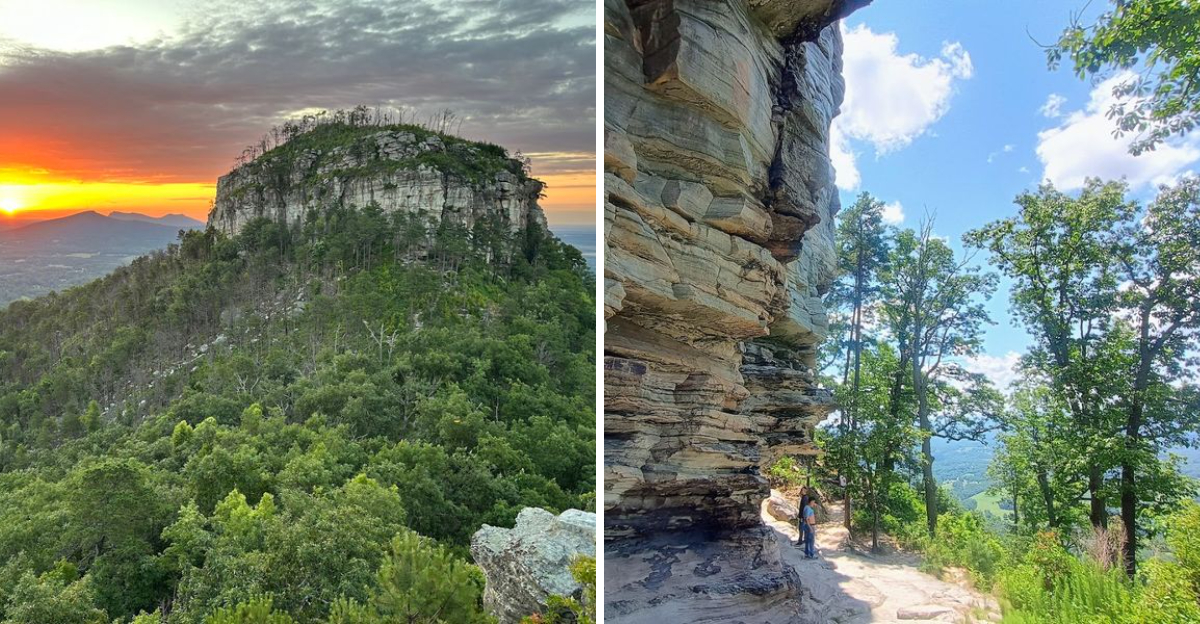
Pilot Mountain doesn’t just rise out of the ground—it bursts from it like a giant stone beacon frozen in time.
For centuries, this rugged North Carolina giant has pulled in travelers with its strange shape, towering cliffs, and views that seem to stretch forever. One look at that famous “knob,” and it’s easy to see why it’s one of the state’s most unforgettable sights.
Standing high above the rolling Piedmont, Pilot Mountain feels wild, raw, and a little untamed. Trails wind through forests, circle steep rock walls, and lead to overlooks that can stop you in your tracks.
Every turn feels bigger, steeper, and more breathtaking than the last.
Whether you’re chasing a tough climb, a peaceful walk, or that perfect mountaintop photo, this place has a way of making the world feel huge. Pilot Mountain isn’t just a park—it’s the kind of place you remember long after your boots hit the ground.
Why Pilot Mountain Is One Of North Carolina’s Most Recognizable Peaks
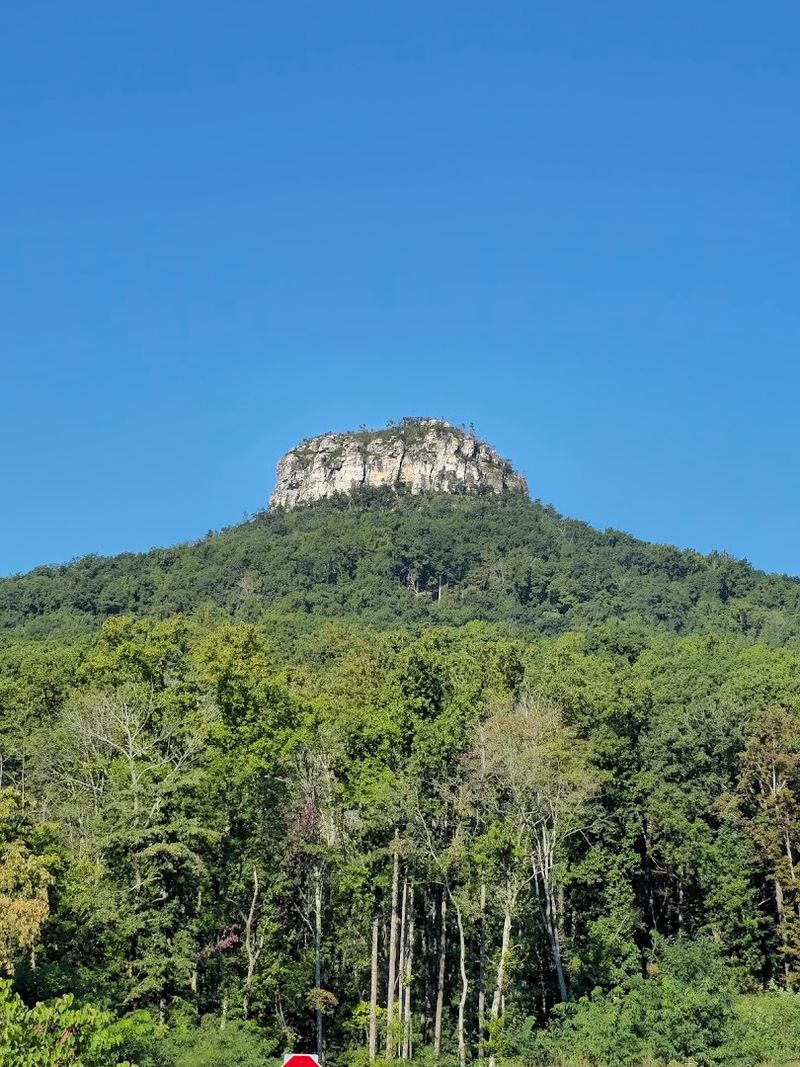
There’s no mistaking Pilot Mountain when you spot it from the highway. The Big Pinnacle’s rounded dome juts skyward like nature’s own monument, visible for miles across the surrounding farmland and forests.
What makes this peak so special is its isolated position on the landscape. While most mountains cluster together in ranges, Pilot Mountain stands proudly alone, creating a silhouette that has served as a navigational landmark for hundreds of years.
Early settlers, Native Americans, and even modern pilots have used its unmistakable shape to find their way.
The knob itself rises about 200 feet above the surrounding ridge, crowned with dramatic quartzite cliffs. This geological quirk happened because the harder rock resisted erosion better than softer surrounding materials.
Over millions of years, everything else wore away, leaving this impressive tower standing tall.
Local communities have embraced the mountain as a symbol of regional pride. You’ll find its image on everything from business logos to town signs, cementing its status as North Carolina’s most beloved standalone peak.
The History Behind This Ancient Mountain
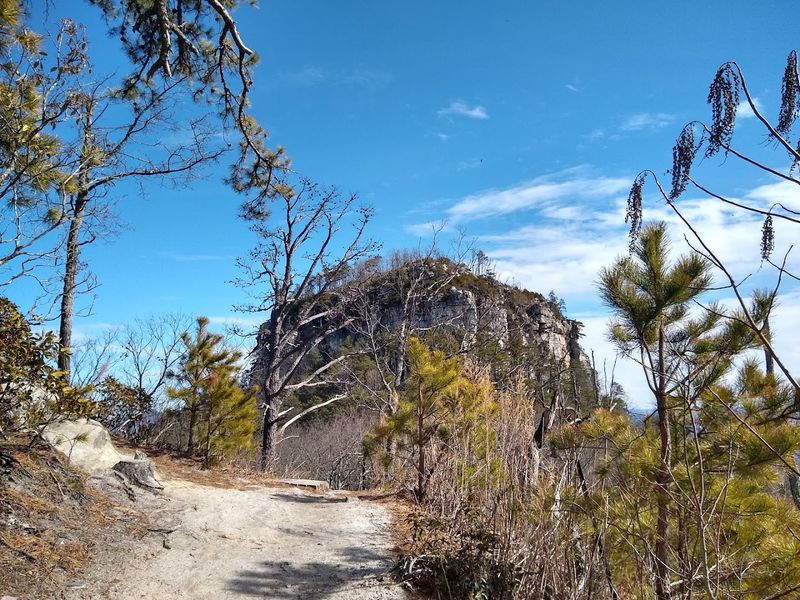
Geologists estimate that Pilot Mountain formed roughly 1.8 billion years ago during an era when massive tectonic forces shaped the eastern United States. The Sauratown Mountains, of which Pilot Mountain is the most famous remnant, once rivaled the Rockies in height before eons of weathering brought them down to their current humble elevations.
Native American tribes, particularly the Saura people, considered this mountain sacred long before European settlers arrived. They called it “Jomeokee,” meaning “great guide” or “pilot,” recognizing its importance as a landmark.
Archaeological evidence suggests the area served as a meeting place and spiritual site for generations.
When European explorers arrived in the 1700s, they quickly adopted the mountain’s role as a navigation aid. The name “Pilot Mountain” stuck because travelers could orient themselves by spotting its distinctive peak from great distances.
Early maps prominently featured it as a crucial reference point for anyone journeying through the Carolina Piedmont.
The state established the park in 1968, preserving this geological treasure for future generations to enjoy.
The Summit Views That Make The Climb Worth It
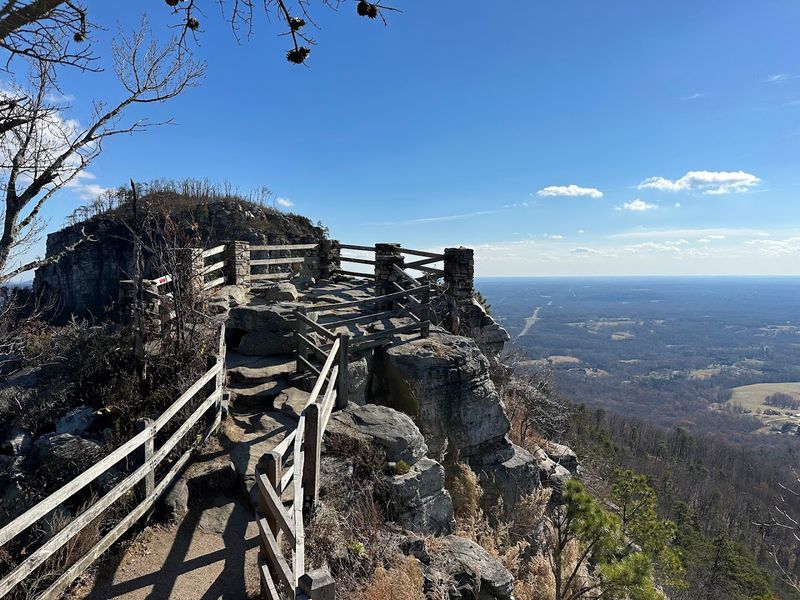
Standing at the summit overlooks, you’ll understand why hikers rave about Pilot Mountain’s vistas. On crystal-clear days, your eyes can trace the landscape for 50 miles or more, stretching from the rolling Piedmont all the way to the hazy Blue Ridge peaks on the western horizon.
The Little Pinnacle Overlook sits directly across from Big Pinnacle, offering unobstructed views of the famous dome. From this vantage point, you can truly appreciate the massive quartzite cliffs and understand why rock climbing is prohibited—the fragile ecosystem and crumbling rock make it dangerous.
Ravens often circle the cliffs below, their calls echoing off the ancient stone walls.
Different seasons paint the view with changing colors. Spring brings fresh green canopies, summer offers lush forests, autumn explodes with fiery foliage, and winter reveals the landscape’s bare bones.
Each visit provides a completely different visual experience.
Bring binoculars if you have them. Wildlife spotting from these heights can reveal soaring hawks, distant deer herds, and the patchwork of farms and forests that define North Carolina’s beautiful Piedmont region.
The Pilot Knob Trail Loop Around The Iconic Peak
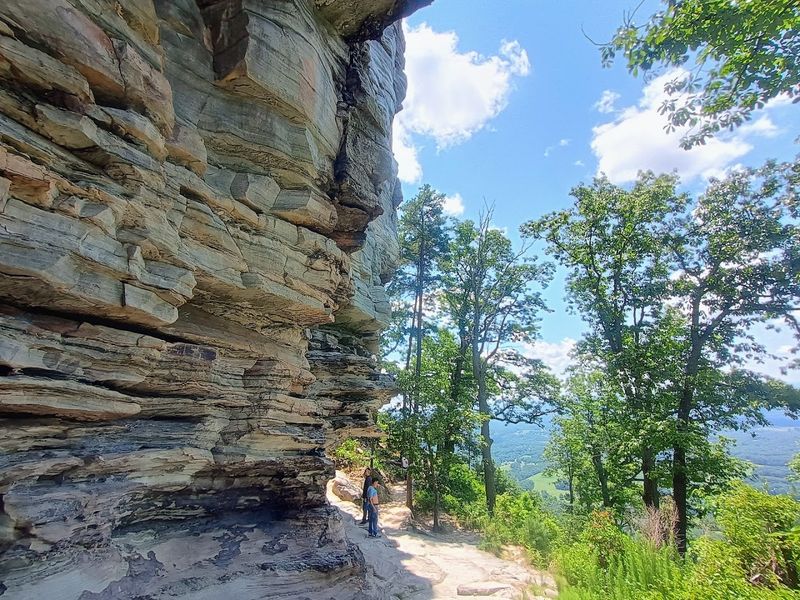
This 0.8-mile loop delivers big rewards without demanding extreme effort. The trail circles the base of Big Pinnacle, keeping you close enough to touch the ancient rock walls while maintaining a relatively moderate grade that most families can handle.
What makes this trail special is the intimate perspective it provides. You’ll walk directly beneath towering cliffs, through tunnels of mountain laurel, and past unique rock formations that tell the mountain’s geological story.
Interpretive signs along the way explain what you’re seeing, turning your hike into an educational adventure.
The path features rare plants that thrive in this specific rocky environment. Look for trailing arbutus in spring, mountain laurel blooms in late spring, and various lichens clinging to exposed stone surfaces.
These species have adapted to survive in the thin soil and exposed conditions that make Big Pinnacle’s summit so harsh.
Allow about 45 minutes to complete the loop at a leisurely pace. The trail includes some uneven footing and exposed roots, so sturdy hiking shoes are recommended.
Several spots offer perfect photo opportunities with the cliff faces as dramatic backdrops.
Grindstone Trail: The Park’s Toughest and Most Scenic Challenge
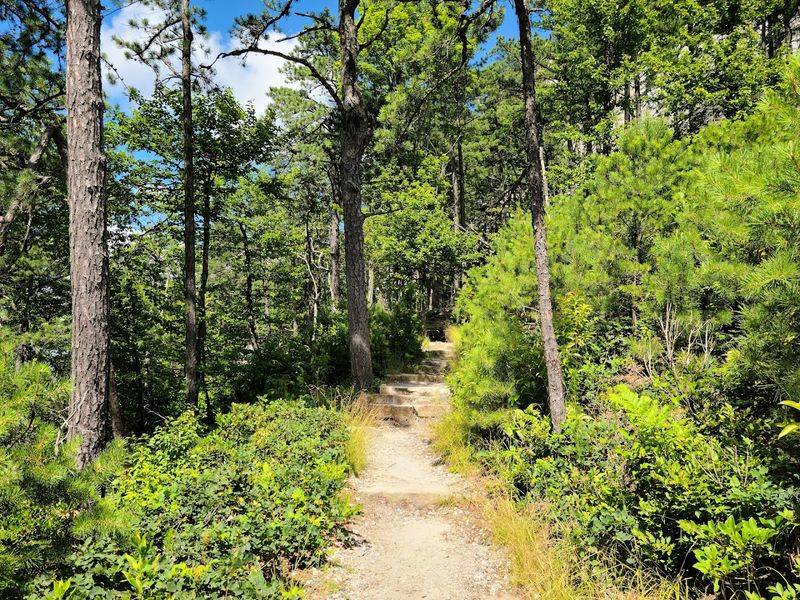
Serious hikers looking for a workout should tackle Grindstone Trail, the park’s most demanding route. This strenuous path climbs steadily through diverse forest ecosystems, gaining significant elevation as it winds toward the summit area from the lower parking lots.
The trail’s name comes from the historic Grindstone Creek valley it traverses. Early settlers used stones from this area to make grinding wheels for sharpening tools, and remnants of that history still hide in the woods.
As you climb, notice how the forest changes—lower elevations feature oak and hickory, while higher sections support different species adapted to the rocky, exposed conditions.
Expect a real cardiovascular challenge on the steeper sections. The trail includes switchbacks, rocky scrambles, and some sections that feel more like climbing than hiking.
Your effort pays off with solitude and immersion in the mountain environment that shorter trails can’t match.
Plan for 2-3 hours round trip depending on your fitness level and how many breaks you take. Bring plenty of water—there are no sources along the trail.
The sense of accomplishment when you reach the top makes every drop of sweat worthwhile.
Little Pinnacle Overlook Is The Best Easy Reward
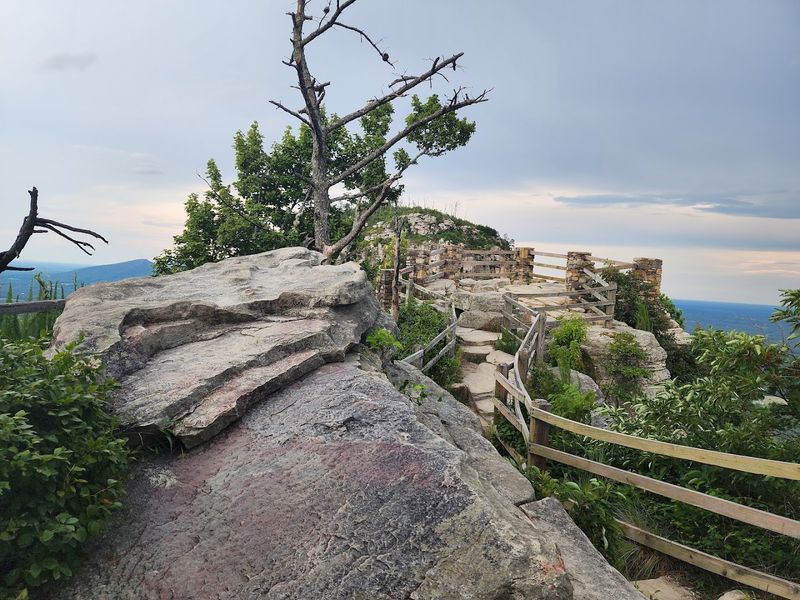
Sometimes the best views come with minimal effort. Little Pinnacle Overlook proves this truth by delivering spectacular panoramas after just a short, easy walk from the main parking area.
The overlook sits on a rocky outcrop directly facing Big Pinnacle’s distinctive dome. This positioning creates the park’s most photographed perspective, where the iconic peak fills your frame with dramatic cliff faces and the rounded summit.
On clear mornings, you might see fog pooling in the valleys below while the mountain tops float like islands above a white sea.
Accessibility makes this spot perfect for everyone in your group. Kids, seniors, and visitors with mobility concerns can all enjoy world-class scenery without tackling difficult terrain.
A well-maintained path with gentle grades leads from the parking lot to viewing platforms equipped with benches and interpretive displays.
The overlook gets crowded on beautiful weekend afternoons, so consider visiting during weekday mornings for a more peaceful experience. Sunset paints the rock faces with golden light, creating magical photography conditions.
Many visitors claim they can see thousands of square miles from this single vantage point on the clearest days.
Wildlife, Cliffs, and Unique Ecosystems Along The Trails
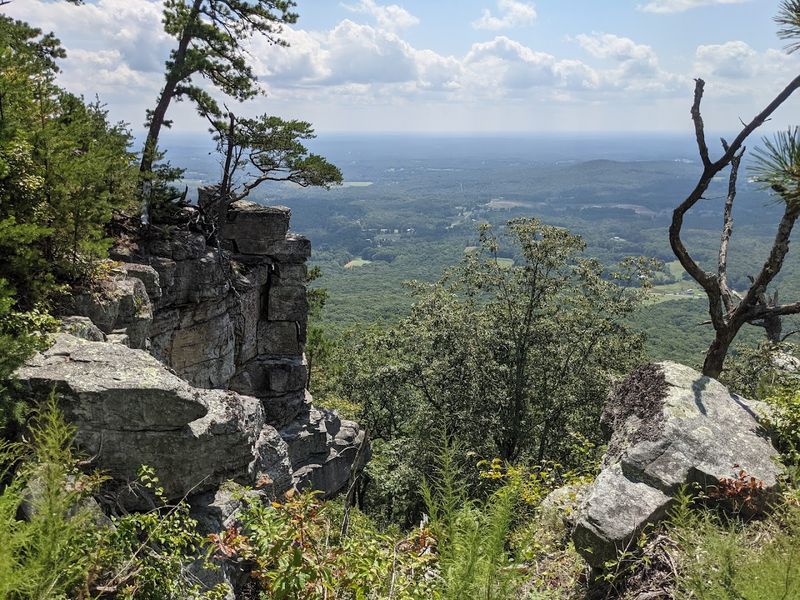
Pilot Mountain’s unusual geology creates specialized habitats that support species you won’t find in the surrounding lowlands. The exposed quartzite cliffs provide nesting sites for common ravens, whose croaking calls echo dramatically across the peaks.
These intelligent birds have made the mountain their home, and watching them soar and play on wind currents is a highlight for bird enthusiasts.
The thin, rocky soil on Big Pinnacle supports a community of rare and endangered plants. Several species of saxifrage cling to cliff faces, while unusual ferns hide in moist crevices.
Mountain laurel thrives in the acidic soil, creating stunning displays when it blooms in late spring. These plants have evolved specific adaptations to survive the harsh conditions of exposed mountaintop life.
Wildflower enthusiasts should visit in spring when trailing arbutus, fire pink, and various native orchids emerge. The contrast between the delicate blooms and harsh rock environment creates memorable scenes.
Keep your eyes open for other wildlife too—white-tailed deer browse the lower forests, and hawks circle overhead hunting for prey.
Remember to stay on marked trails to protect these fragile ecosystems from damage caused by foot traffic.
Why It’s A Favorite For Sunrise, Sunset, and Photography
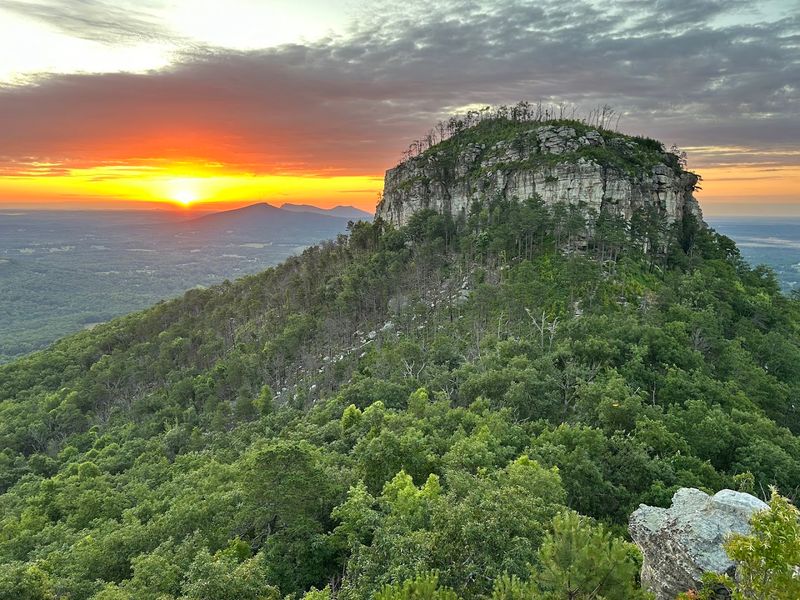
Photographers from across the region make pilgrimages to Pilot Mountain for its exceptional light conditions. The mountain’s isolated position and exposed overlooks create unobstructed views of both sunrise and sunset, with nothing to block those magical golden hours when everything glows.
Dawn brings its own special atmosphere as morning mist often fills the valleys below the summit. This creates a phenomenon called a “sea of clouds” where mountain peaks appear to float above a white ocean of fog.
The effect only lasts until the sun burns off the moisture, making early arrival essential for capturing this fleeting beauty.
Sunset transforms Big Pinnacle into a dramatic silhouette against colorful skies. The quartzite cliffs catch the day’s last light, glowing warm orange and pink while shadows deepen in the valleys.
As darkness falls, stars emerge with minimal light pollution to wash them out—astrophotographers appreciate the relatively dark skies this high above the Piedmont.
The changing seasons offer different photographic opportunities. Autumn foliage surrounds the peak with brilliant colors, winter snow occasionally dusts the summit, and spring wildflowers add foreground interest to landscape compositions.
Every visit presents fresh possibilities for creative image-making.
Nearby Adventures To Pair With Your Visit
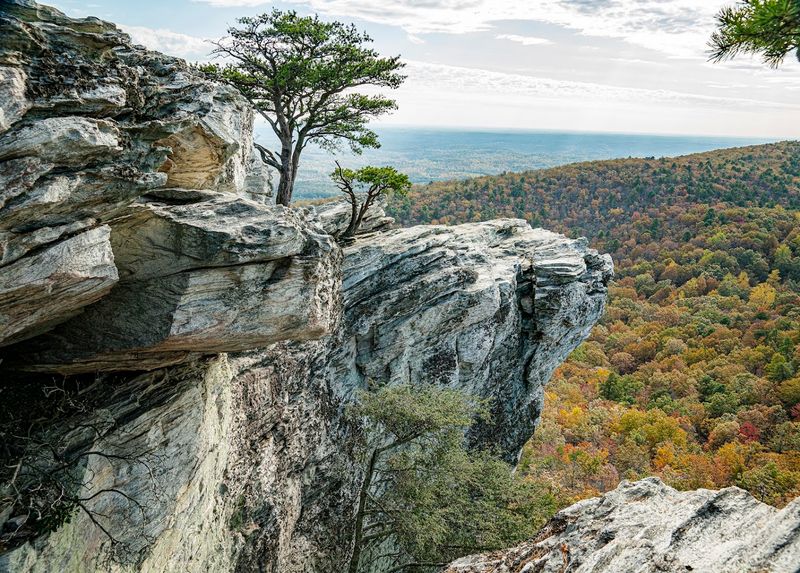
Pilot Mountain sits in the heart of North Carolina’s outdoor recreation paradise, making it easy to build a full day or weekend of adventures. Just 30 minutes south, Hanging Rock State Park offers additional hiking trails, a lake for swimming, and challenging rock faces that draw climbers from across the state.
The Yadkin River section of Pilot Mountain State Park lies a few miles away in the valley. This separate area features river access, canoe launches, and trails that explore completely different ecosystems along the waterway.
Paddling the Yadkin provides a refreshing contrast to mountain hiking, especially on hot summer days.
Wine enthusiasts will appreciate the nearby Yadkin Valley wine region, North Carolina’s largest wine-producing area. Dozens of wineries dot the countryside around the mountain, offering tastings and tours.
Many feature outdoor patios with views that complement your hiking experience perfectly.
Mount Airy, the hometown of actor Andy Griffith and inspiration for the fictional Mayberry, sits nearby. The charming downtown offers restaurants, shops, and Andy Griffith nostalgia for visitors wanting a cultural component to their outdoor adventure.
Scenic drives along winding country roads connect all these destinations beautifully.
What To Know Before You Go
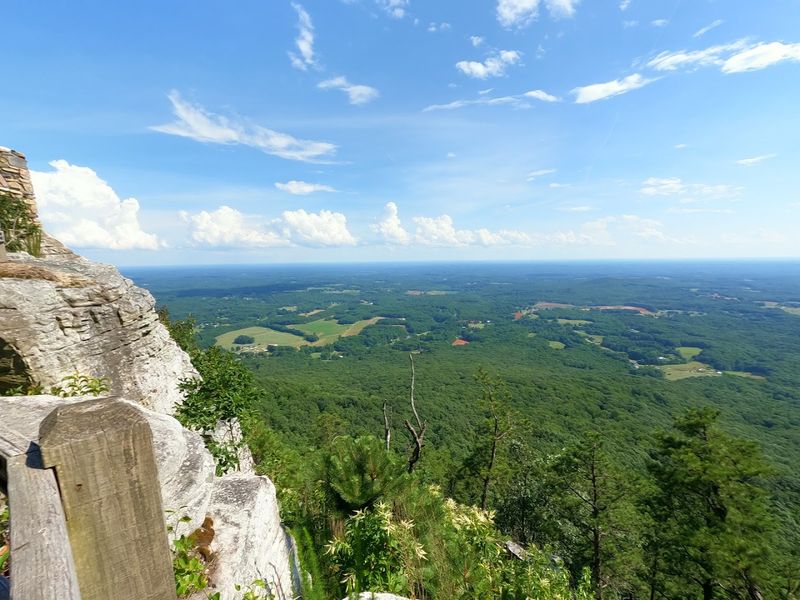
Located at 1721 Pilot Knob Park Road in Pinnacle, NC 27043, the park opens daily from 8 AM until sunset. Parking fills quickly on beautiful weekend mornings, so arrive early or consider weekday visits for a less crowded experience.
The main parking area near Little Pinnacle Overlook has limited spaces that disappear fast during peak season.
Wear sturdy hiking shoes regardless of which trail you choose. Even the short paths include rocky sections, exposed roots, and uneven surfaces that can twist ankles if you’re wearing inappropriate footwear.
Bring more water than you think you’ll need—the exposed summit areas offer no shade on hot days, and dehydration happens faster than you might expect.
Trail markers are generally good, but download a park map or take a photo of the trailhead signs before setting out. Cell service can be spotty on the mountain.
Some trails feature steep grades with exposed drop-offs, so watch children closely and stay back from cliff edges.
Leashed pets are welcome on trails, making this a great destination for dog owners. Weather can change rapidly at elevation, so pack a light jacket even on warm days.
The park charges no entrance fee, though donations are appreciated.