
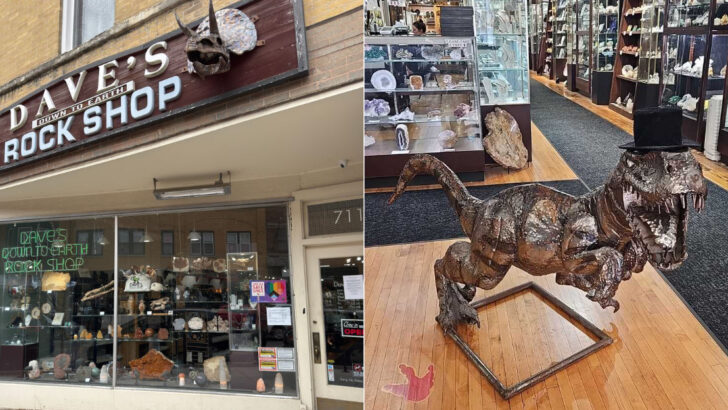
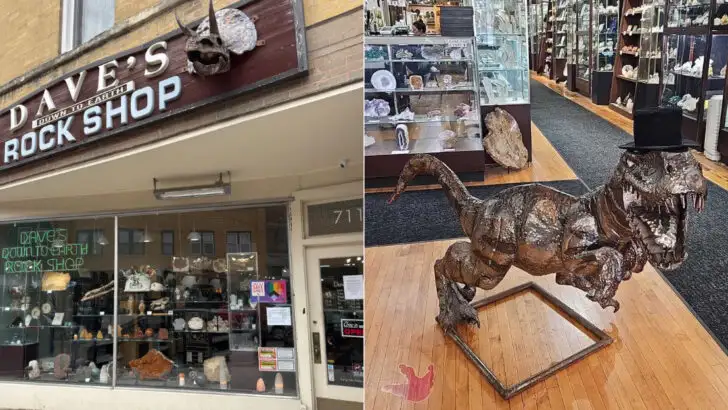
Step inside a rock shop… and meet dinosaurs.
Yes, you read that right. Nestled in Evanston, Dave’s Down to Earth Rock Shop is not just a haven for sparkling minerals and jaw-dropping gemstones—it hides a secret underground that will make any dinosaur fan’s heart race.
Follow the staircase down, and suddenly you’re in a world where fossils whisper ancient stories. Bones, casts, and prehistoric surprises line the walls, blending with minerals in a way you never imagined.
It’s like the Ice Age collided with a crystal wonderland.
This isn’t your average museum visit. It’s intimate, quirky, and packed with treasures you won’t find anywhere else.
Whether you’re a geology geek, a dinosaur devotee, or just love stumbling into the unexpected, Dave’s subterranean collection is ready to blow your mind—and maybe spark a little prehistoric adventure of your own.
What To Know Before You Go
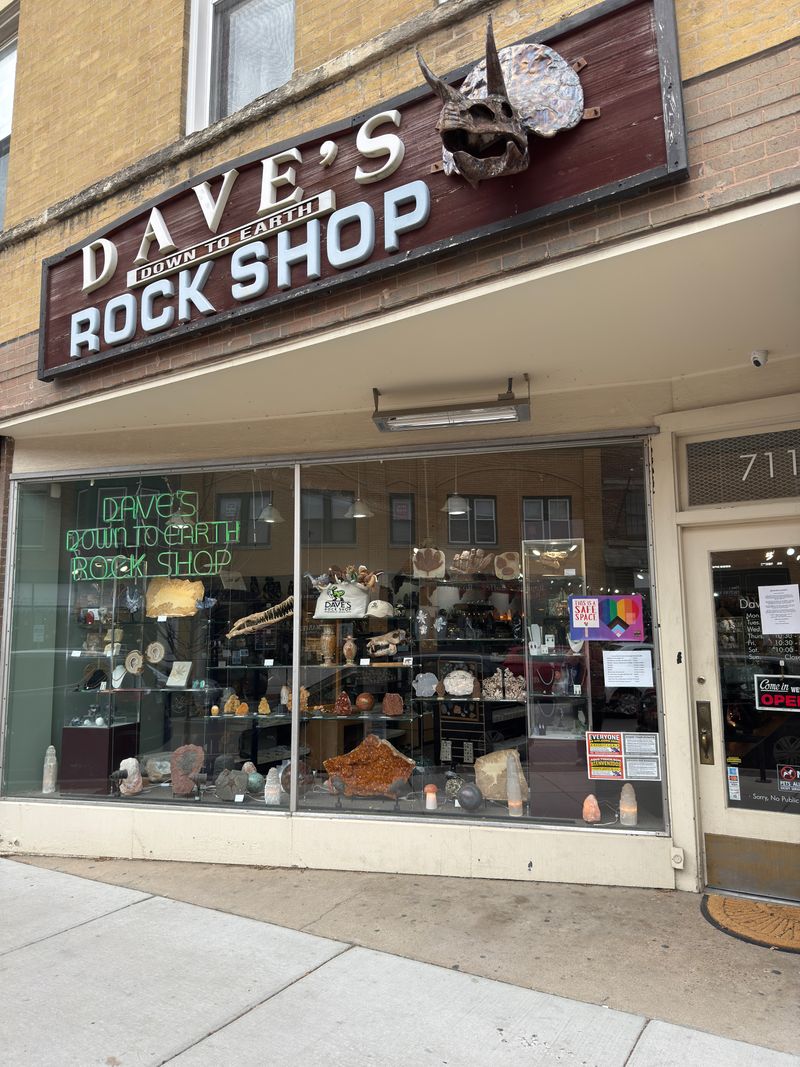
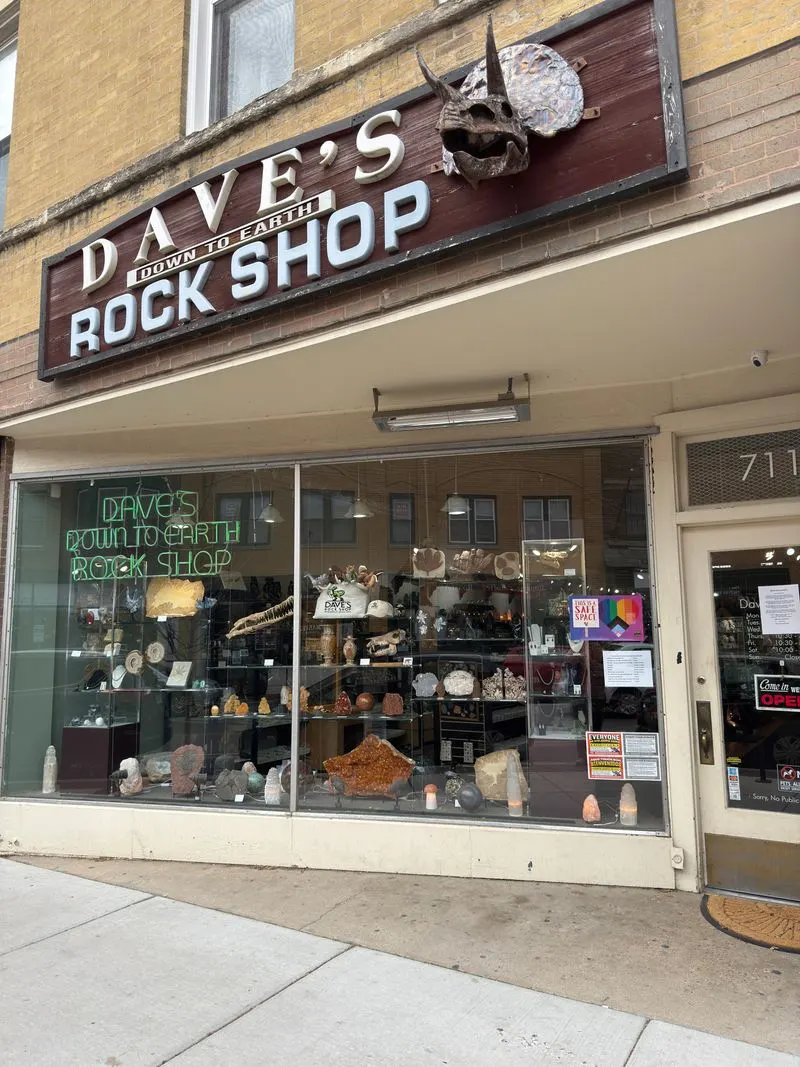
Plan your visit around the shop’s hours so you do not miss the basement museum. Dave’s opens at 10:30 AM most weekdays, stays open later on Thursday, and is closed on Wednesday and Sunday.
Parking on Main Street is straightforward, and the Metra and Purple Line stops are a short walk away.
You will enter a bright storefront filled with minerals, fossils, beads, and jewelry, then follow signs to the free museum downstairs. Expect a self-guided experience that rewards curiosity and time.
The staff is welcoming and happy to answer questions on provenance and care.
Budget wisely because you will find everything from affordable tumbled stones to rare specimens. Prices reflect quality and ethical sourcing, and there are often smaller or similar options if a dream piece is out of range.
Ask if there is a comparable specimen in back.
Bring kids who love dinosaurs and hands-on learning. Set a small budget to make choosing fun and focused.
Photos are generally fine, but be respectful of displays and other visitors, and check with staff if you are unsure.
The Free Basement Fossil Museum
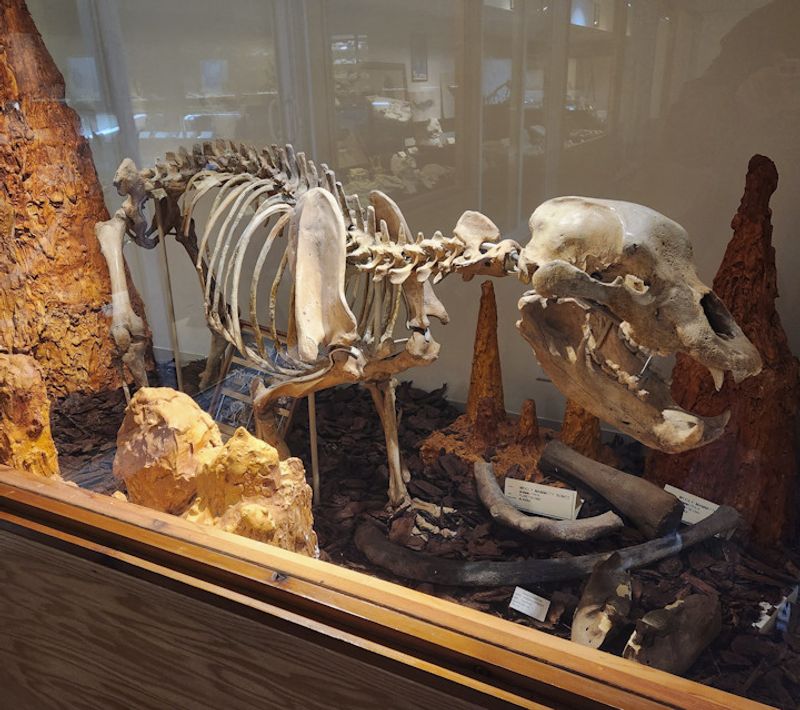
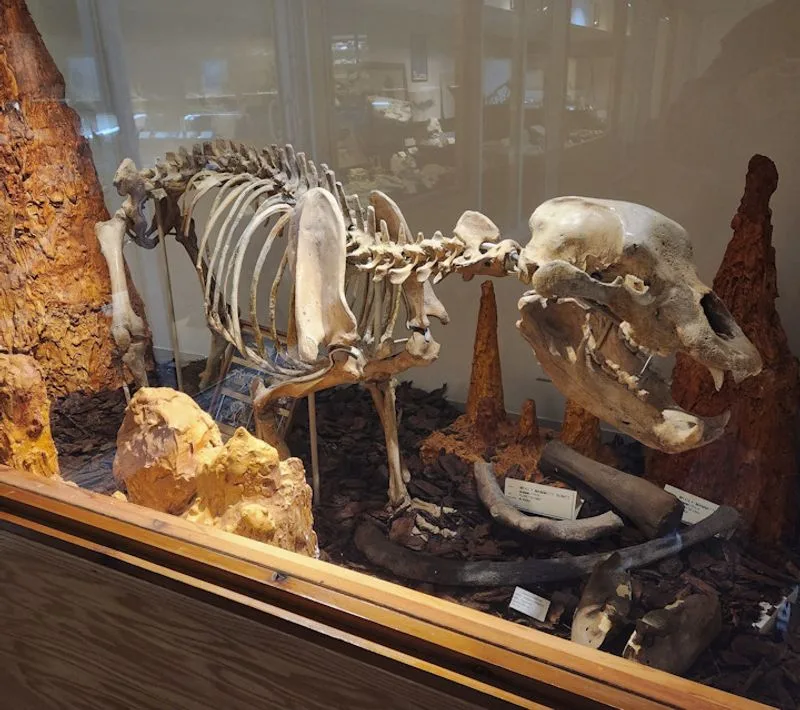
Head downstairs and the vibe shifts from retail to discovery. Fossils line the cases and walls, creating a compact timeline you can actually stand inside.
It is intimate, well labeled, and surprisingly broad for a neighborhood shop.
You will see ancient sea life, Ice Age mammals, and yes, a few dinosaurs. The collection emphasizes context and authenticity over spectacle, which makes the learning feel real.
Kids connect the dots fast and adults linger longer than expected.
Because it is free, you can wander at your own pace and return upstairs if someone needs a break. The staff maintains the space with care, updating exhibits and keeping labels clear.
It feels personal, like a passion project shared with the community.
Expect to leave with stories as much as souvenirs. Try asking the team about their favorite specimen and how it was sourced.
You will likely get an enthusiastic mini lecture that brings the deep past right to the present.
Unexpected Dinosaurs Underground
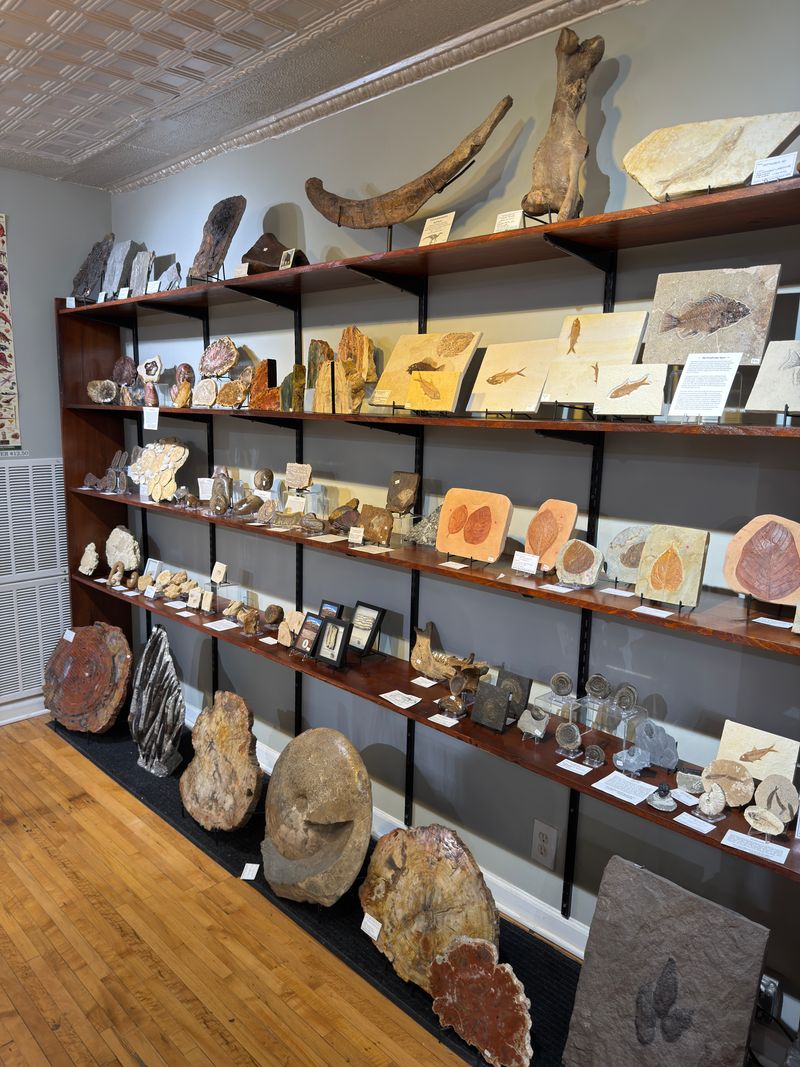
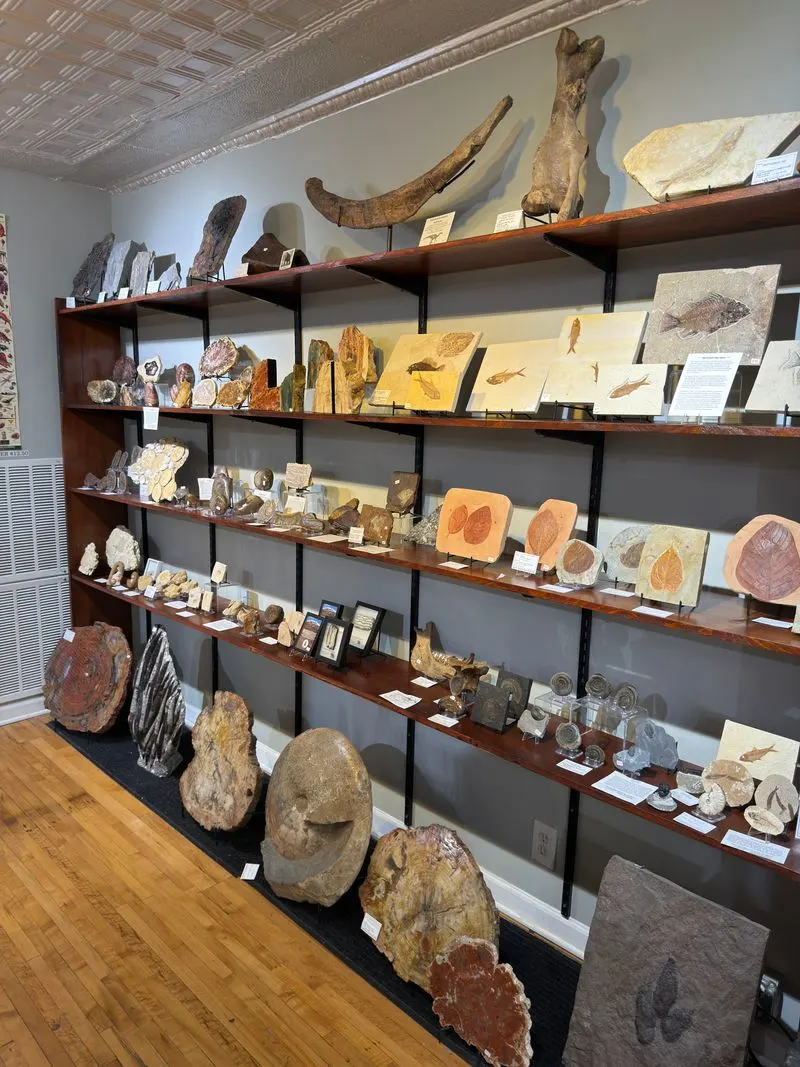
The surprise is how much dinosaur material sits below a neighborhood rock shop. You will not find a T. rex towering overhead, but you will encounter real pieces that connect to the Mesozoic world.
The thrill comes from proximity and credibility rather than size.
Expect select bones, teeth, and trackway impressions, clearly labeled and contextualized. The museum balances access with preservation, so displays feel trustworthy and approachable.
It is perfect for kids who want to see dinosaur evidence without museum crowds.
If you have questions about locality or age, ask the staff. They are used to geology nerds and curious families alike.
Answers are plainspoken and often include sourcing ethics that will make you appreciate the collection even more.
Take a moment to compare dinosaur fossils with other time periods on display. You will see how life evolved and ecosystems shifted across millions of years.
That arc is the real magic here, and it turns a quick stop into a memorable afternoon.
Minerals, Gems, And Ethical Sourcing
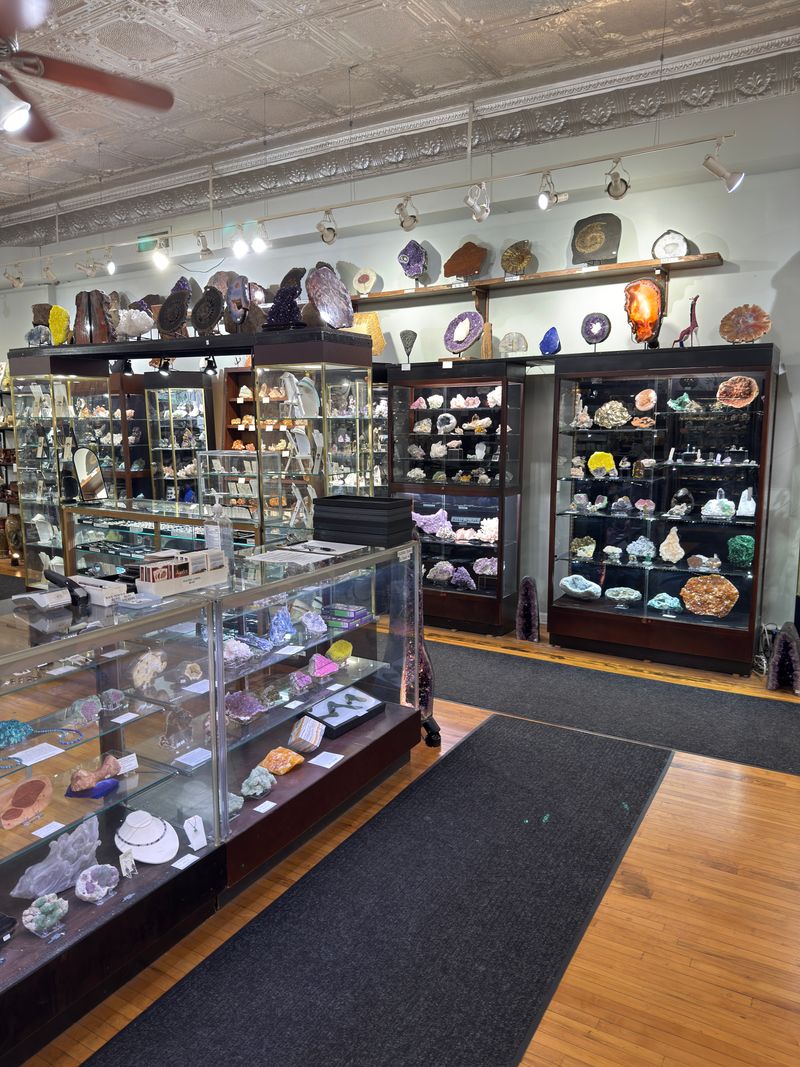
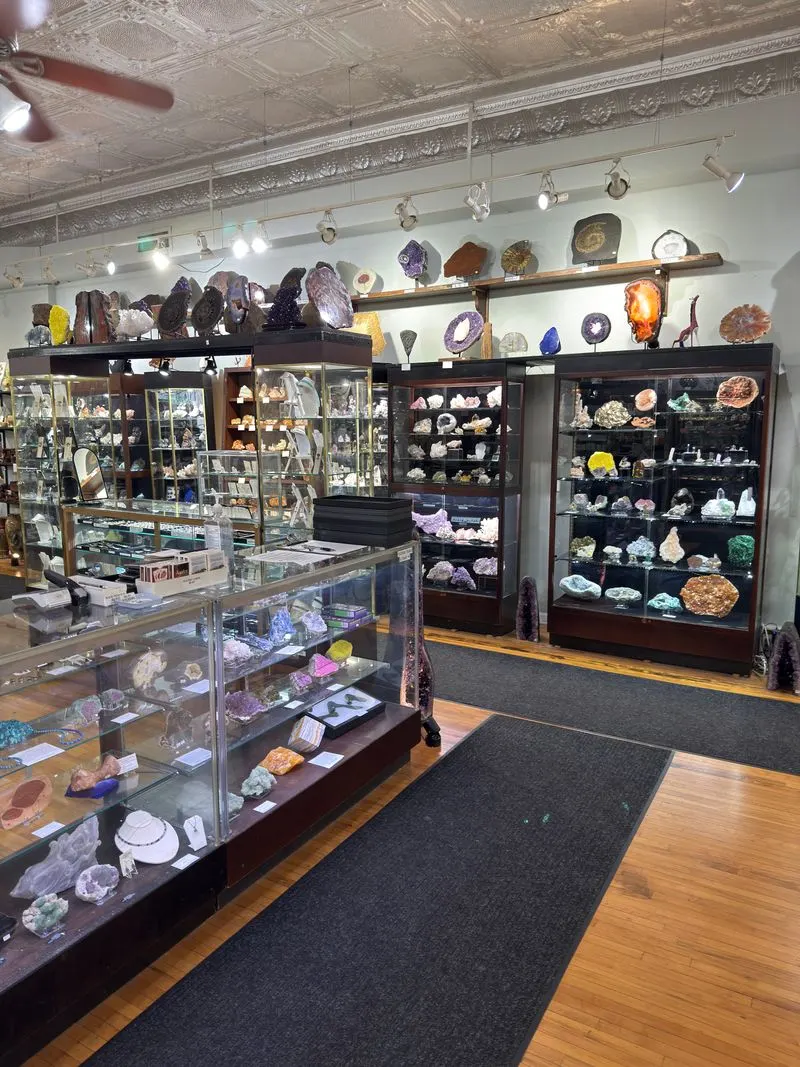
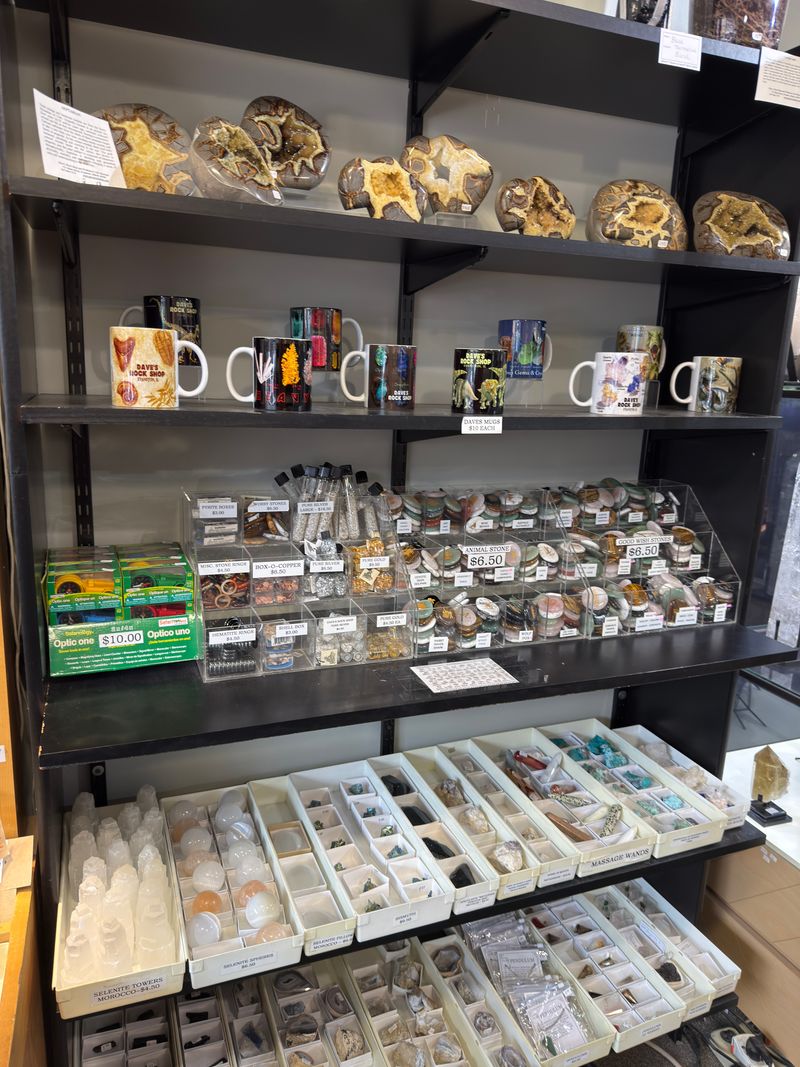
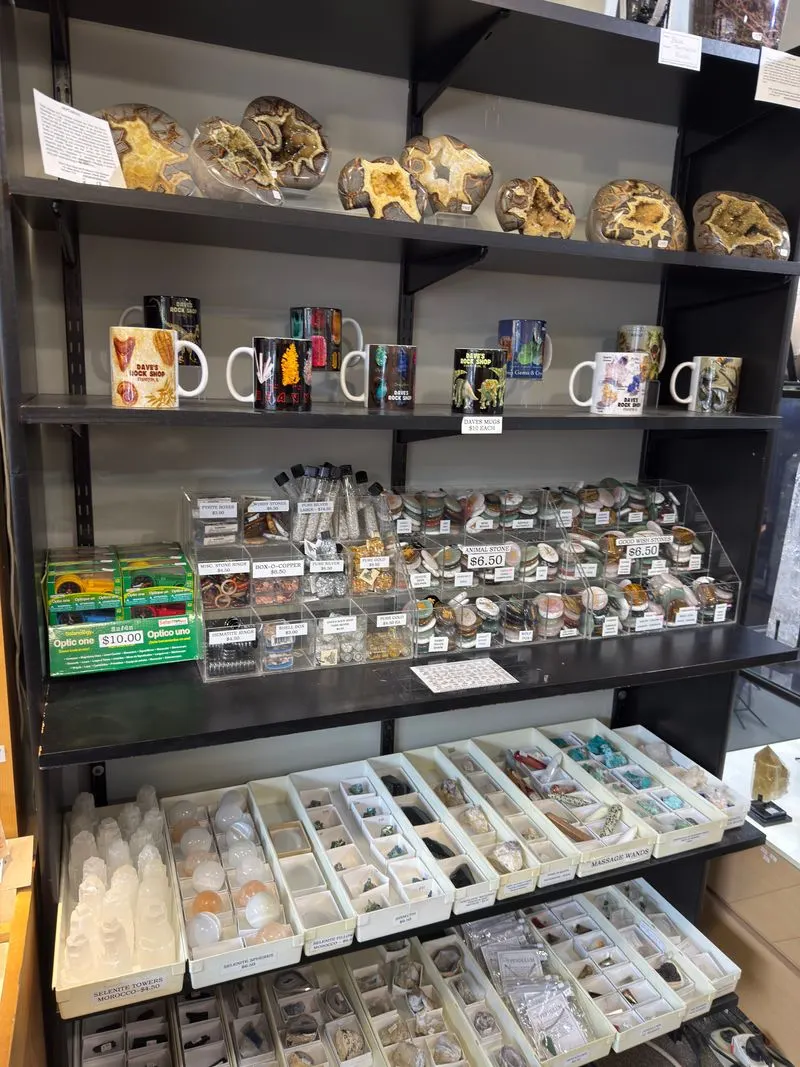
Upstairs, the mineral cases sparkle with amethyst, carnelian, rose quartz, meteorites, and polished cabochons. The selection aims at beginners, hobbyists, and serious collectors.
You can find display pieces, tumbled stones, and materials for jewelry or craft projects.
Shoppers often ask about provenance, and staff are ready with details. Many pieces are ethically sourced and fairly priced for the quality.
If a specimen stretches your budget, ask about a smaller option with similar characteristics.
Look for clear labeling, good luster, and natural color before buying. Bring a small flashlight to check translucency and inclusions.
Take photos to compare pieces and do not rush a decision if it is a big purchase.
Storing and cleaning minerals correctly will keep them beautiful. The team can advise on display stands, humidity concerns, and gentle cleaning tools.
Leave with care tips so your new treasure looks just as good at home.
Beads, Jewelry, And Custom Finds
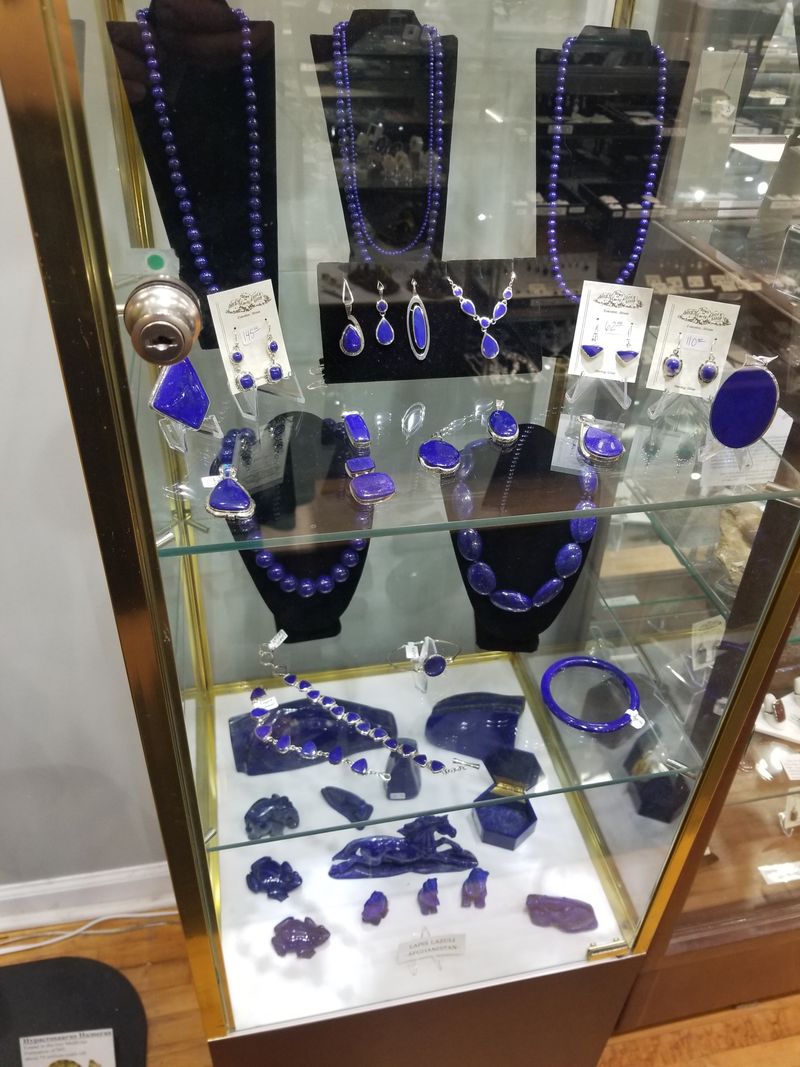
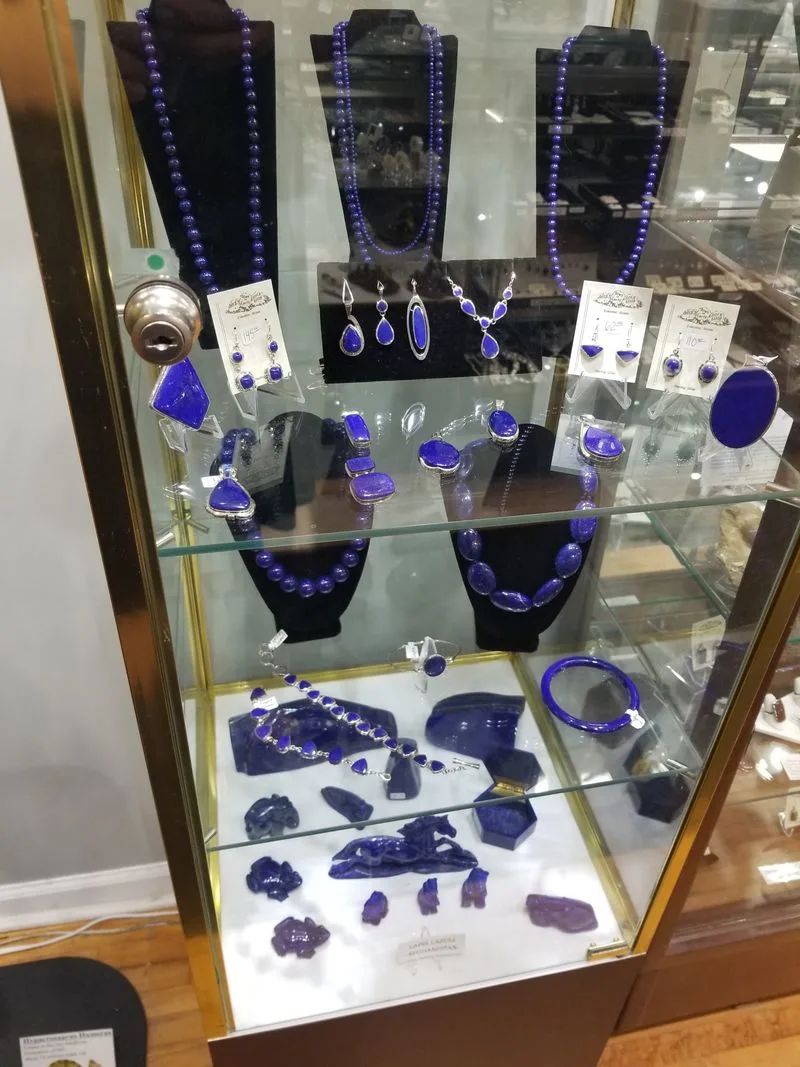
If you make jewelry, this place is a playground. Rows of beads, findings, and cabochons are organized so you can build projects on the spot.
The team is generous with practical advice on wire gauges, settings, and durability.
Sterling silver is the dominant metal, with occasional gold pieces depending on sourcing and demand. If you need a replacement stone or a matched pair, ask the staff to check the back stock.
They are attentive and can often suggest a better fit.
For gifts, you will find rings, pendants, and bracelets at a range of prices. Ask how to size rings or choose chains that complement a pendant’s weight.
Packaging is simple and gift ready, which saves time.
Designers will appreciate unusual cuts and natural inclusions that add character. Take notes on color matching under different lights before you commit.
You will leave with components and skills to take a project from idea to finished piece.
Kid Friendly Tips For Your Visit
Set expectations with a simple plan: shop first, museum second, then a small souvenir. Give kids a budget and a theme like fossils, crystals, or meteorites to guide choices.
This turns browsing into a scavenger hunt.
Encourage questions at the cases and downstairs exhibits. The staff are patient and love teaching budding paleontologists.
Ask about favorite beginner fossils or books that pair with the visit.
Bring a small notebook so kids can sketch a fossil and write the name and age. Compare dinosaur items to Ice Age specimens to show time scale.
If attention drifts, take a quick upstairs break and return refreshed.
Safety matters in tight spaces. Walk, do not run, and keep little hands off delicate displays unless invited.
Celebrate a final pick so they leave proud of their choices and eager to learn more.
Practical Details: Hours, Access, Contact
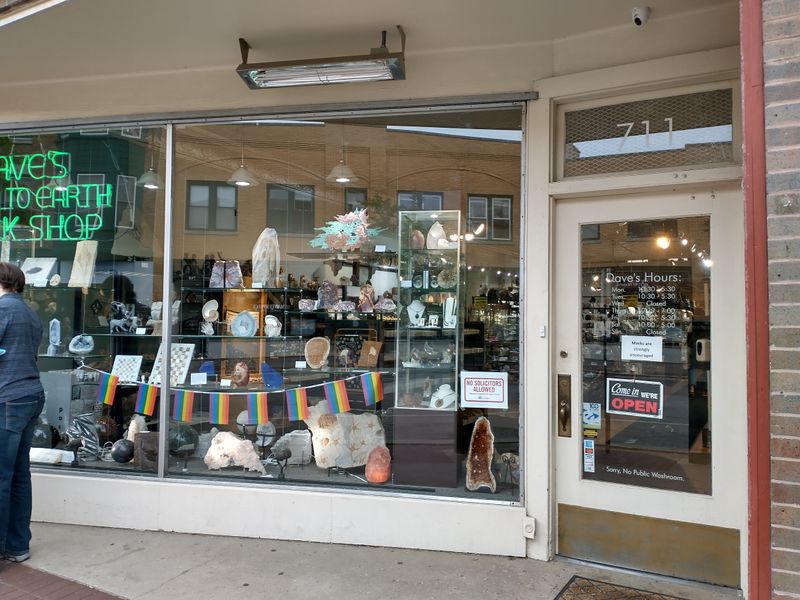
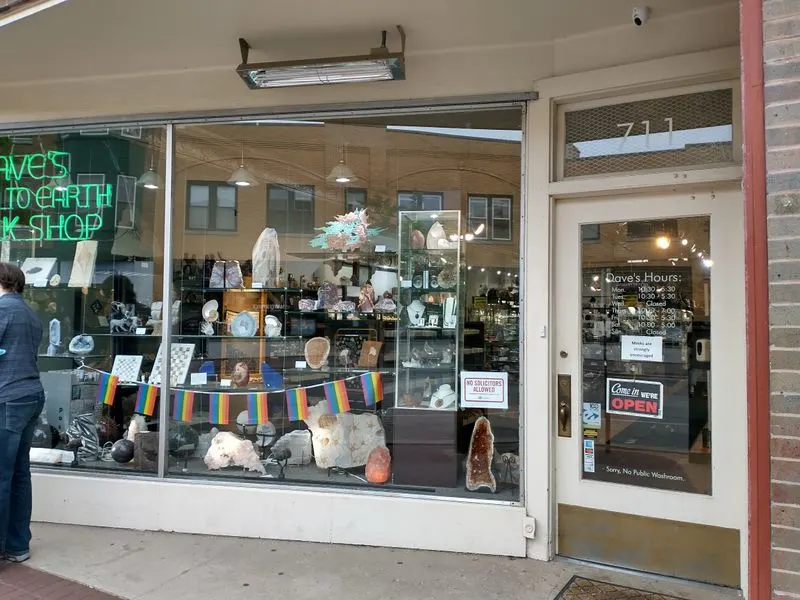
Find Dave’s at 711 Main St, Evanston, IL 60202. Typical hours are 10:30 AM to 5:30 PM Tuesday, Friday, and Monday; 10:30 AM to 7 PM Thursday; 10 AM to 5 PM Saturday; closed Wednesday and Sunday.
Call +1 847-866-7374 to confirm hours before you go.
The website, davesrockshop.com, lists current information, shipping options, and policies. The shop is a short walk from the Metra and CTA Purple Line Main Street stops.
Street parking is usually available, even on weekends.
Inside, aisles are cozy but navigable, and signage clearly marks the museum stairs. If accessibility is a concern, call ahead and the team will advise.
They want everyone to have a safe, engaging visit.
Consider Thursday evening for a less rushed browse. If you need a specific specimen or bead count, ask about holding or alternatives.
You will appreciate how responsive and accurate the staff are with details and shipping.
Why Locals Keep Coming Back
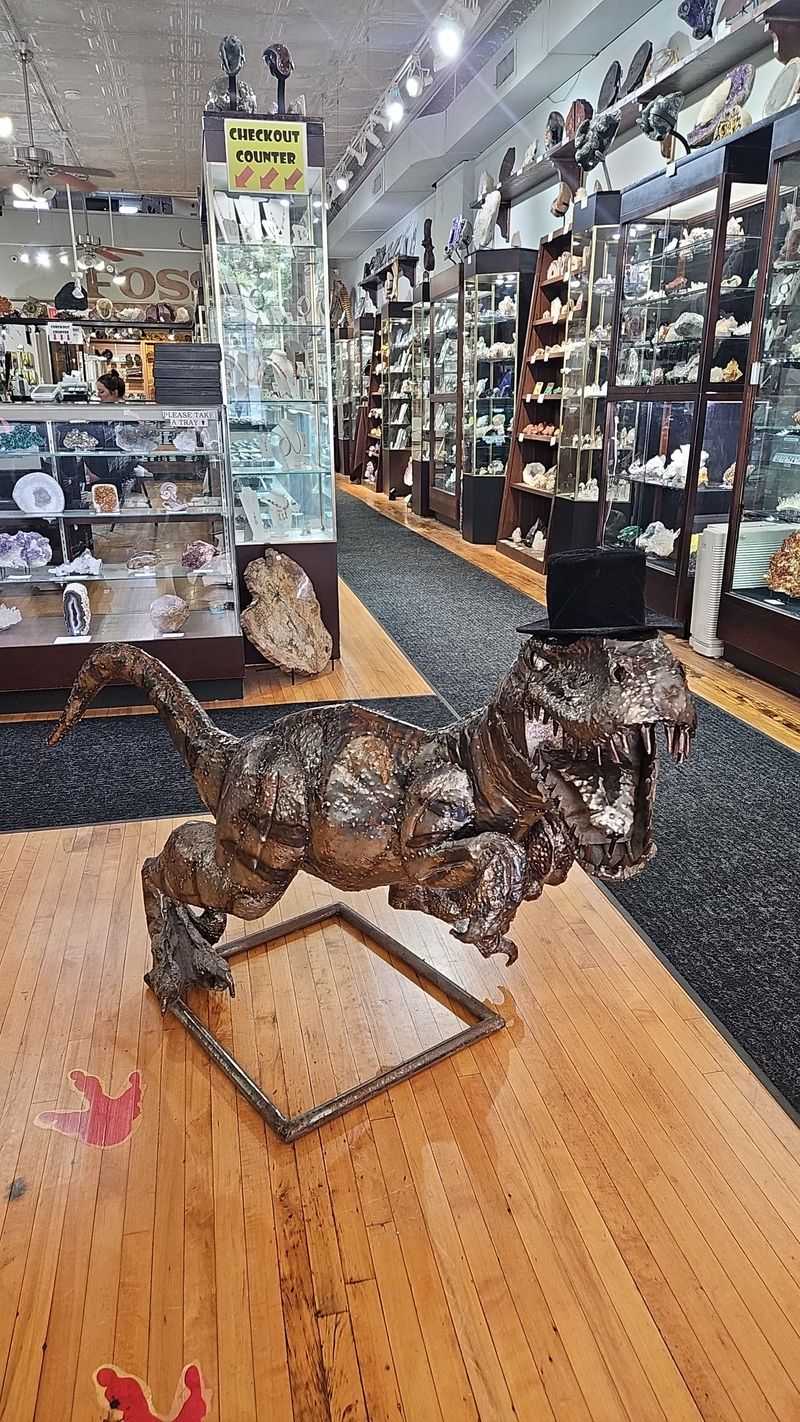
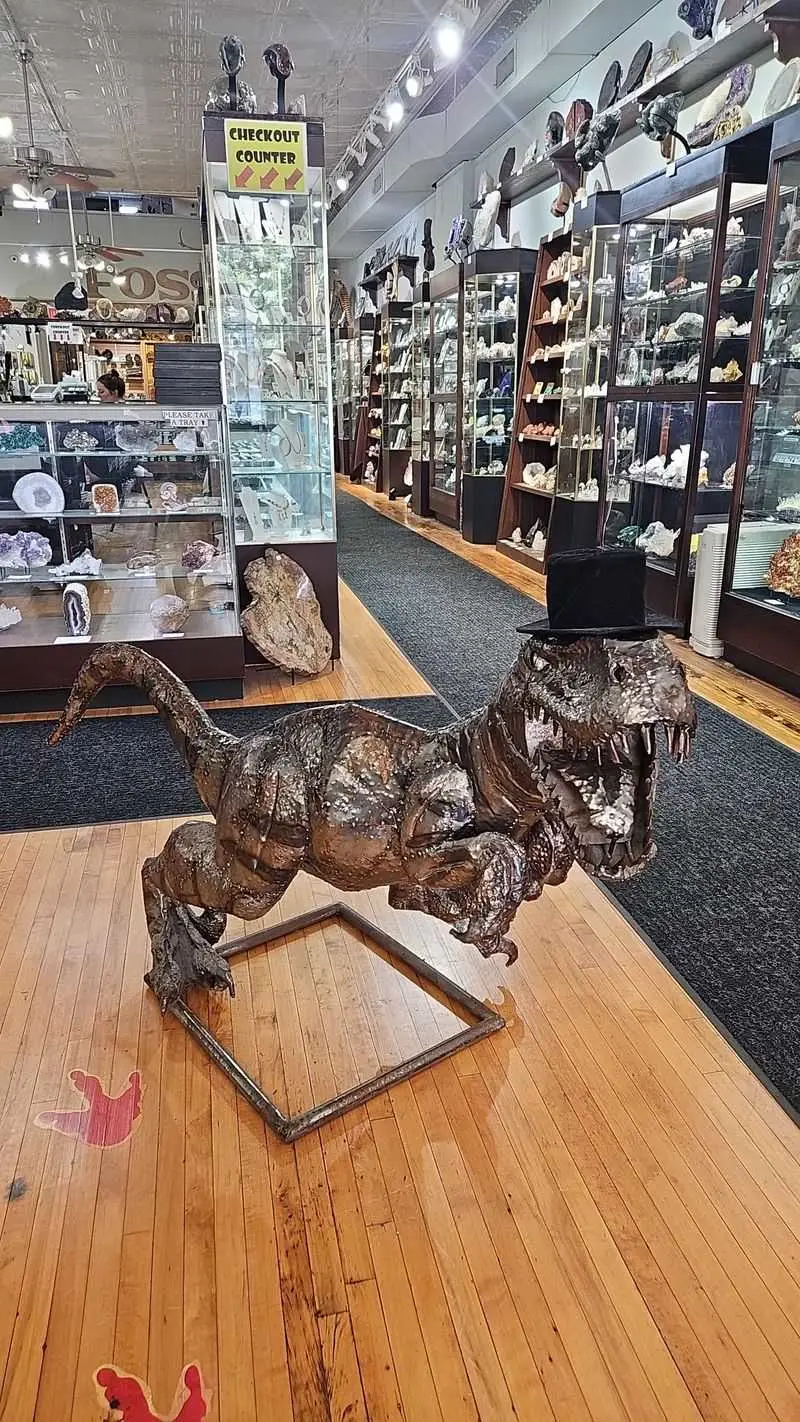
Reviews read like love letters to a neighborhood institution. People mention visiting as kids, then returning with their own families, and still finding something new.
The consistent themes are friendly staff, great selection, and the free museum.
Collectors appreciate the ethical sourcing, knowledgeable guidance, and accuracy of listings for shipped orders. Hobbyists value the balance of affordable finds and special splurges.
Kids light up at dinosaurs and leave feeling like junior scientists.
The shop has evolved since its founding in 1970 yet kept its heart. Ownership transitioned within the family, preserving expertise and community ties.
That continuity shows in careful curation and respectful service.
If you want a place that treats curiosity as a superpower, this is it. You will leave with a mineral, a fossil, or a story you did not expect.
And you will probably plan your next visit before you reach the sidewalk.
A Brief History Of Dave’s And Its Evanston Roots
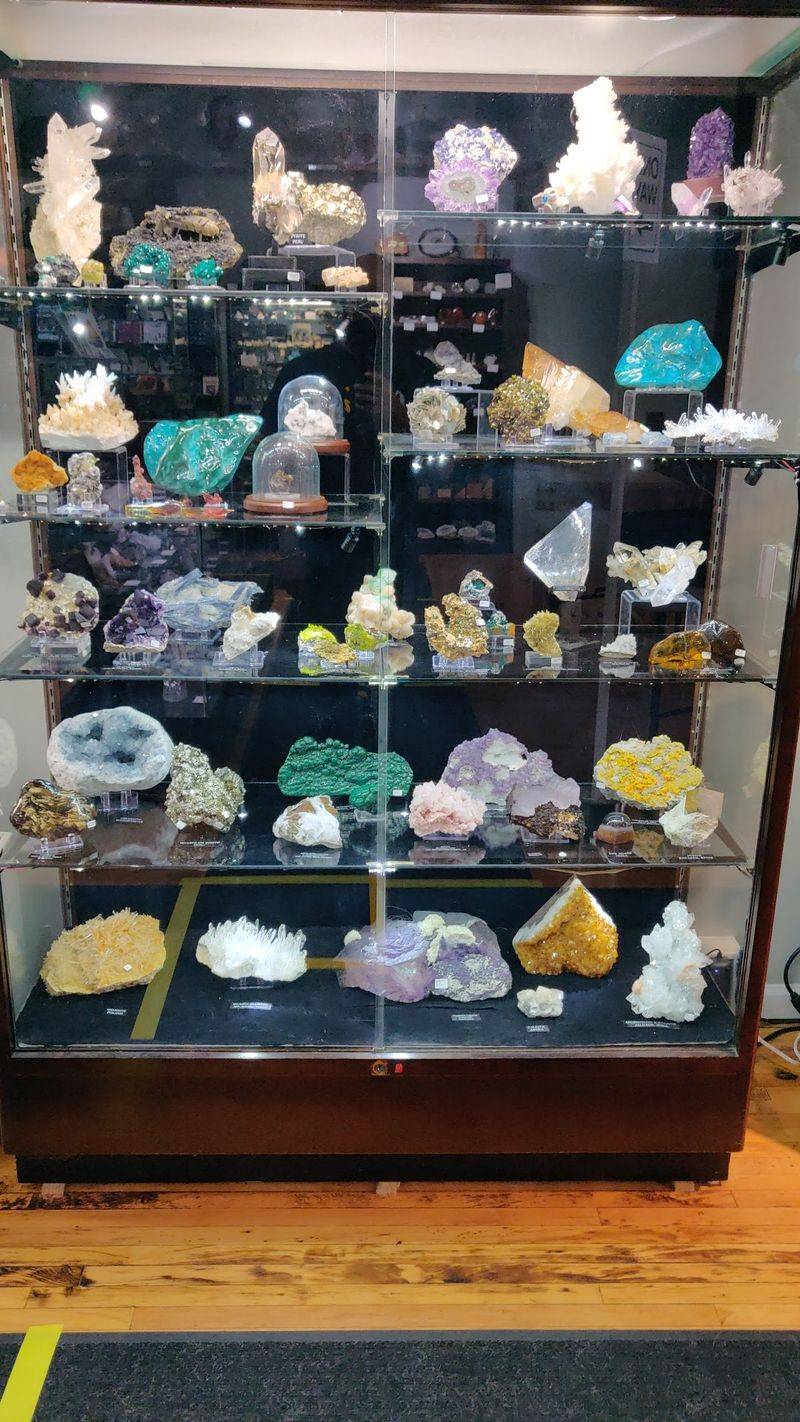
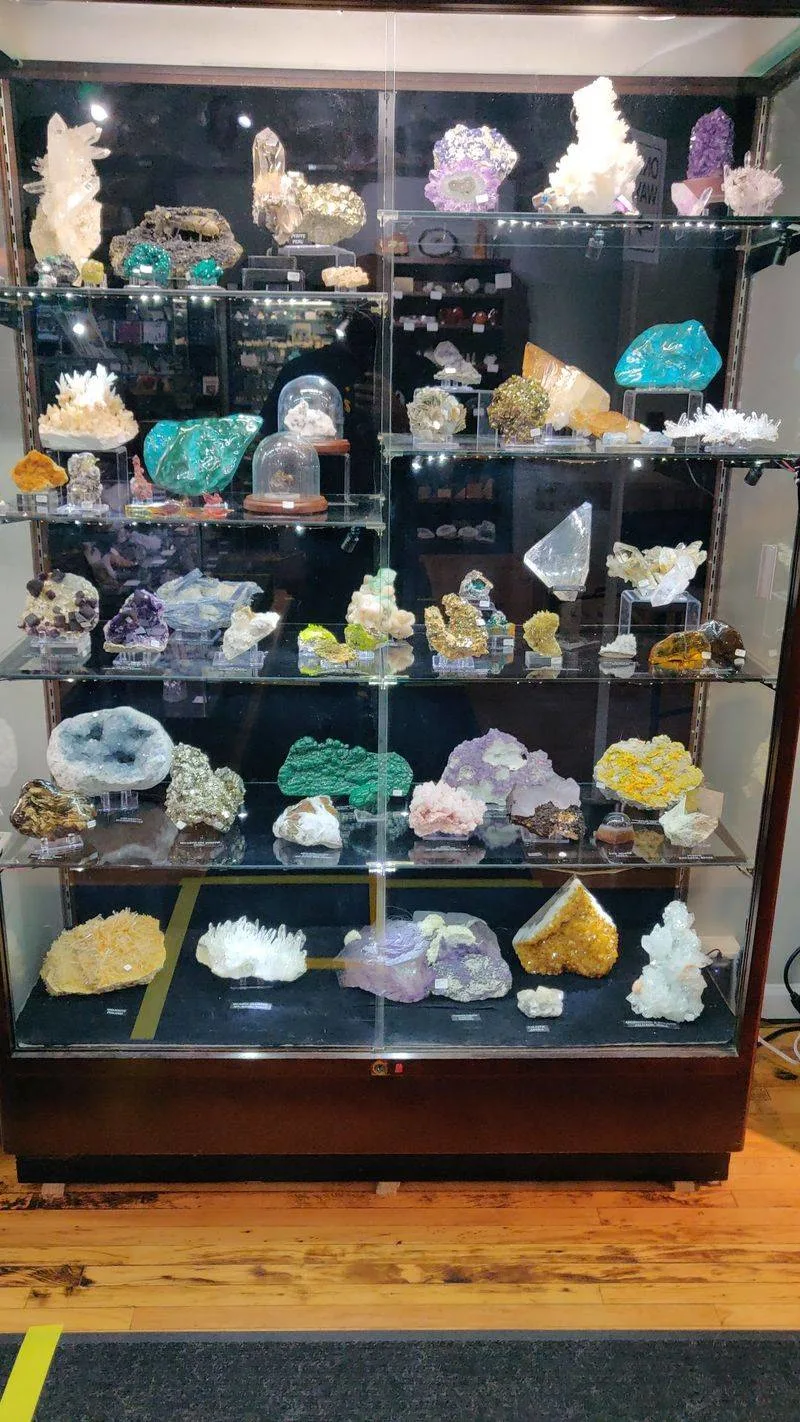
Longtime locals will tell you this small shop has roots as sturdy as Lake Michigan limestone. It started as a family venture, a passion for geology turned gathering spot for curiosity seekers.
You feel that legacy immediately, from hand written labels to stories shared over the counter.
What makes it special is how Evanston itself shaped the shelves. University energy meets neighborhood warmth, so both researchers and kids wander in with equal wonder.
You sense decades of careful collecting, guided by relationships with dig sites, estate collections, and traveling dealers.
That continuity matters. It keeps prices fair, knowledge generous, and conversations friendly.
You are not rushed here, and questions open doors.
Hands On Geology: Touch Trays, Field Loupes, And Learning By Feel
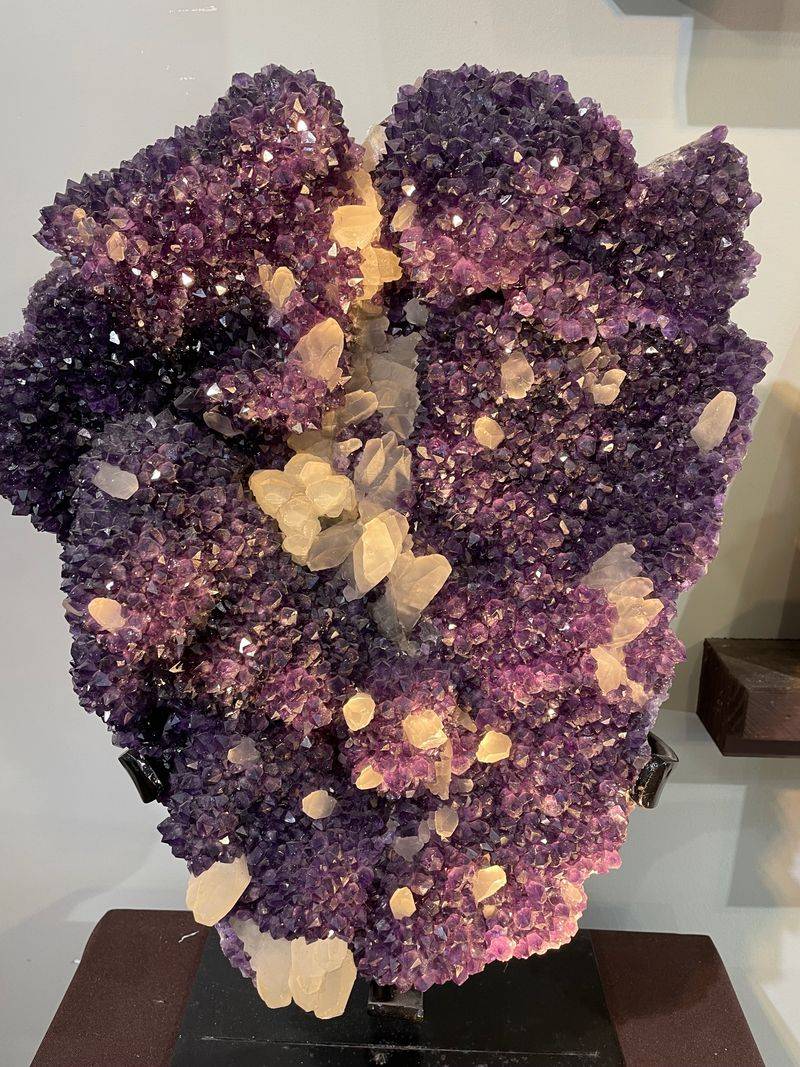
Before you even glance downstairs, the best surprises might be at fingertip level. Touch trays invite you to compare textures, weights, and fracture patterns.
A staffer may hand you a loupe, and suddenly quartz, pyrite, and petrified wood become tiny landscapes.
These moments make geology stick. You are not just looking, you are testing hardness, spotting cleavage, and learning by feel.
It is empowering, especially if science felt intimidating in school.
Ask to see how UV light reveals hidden fluorescence. Try guessing minerals before reading labels, then check your hunches.
You will leave noticing rocks on every sidewalk.