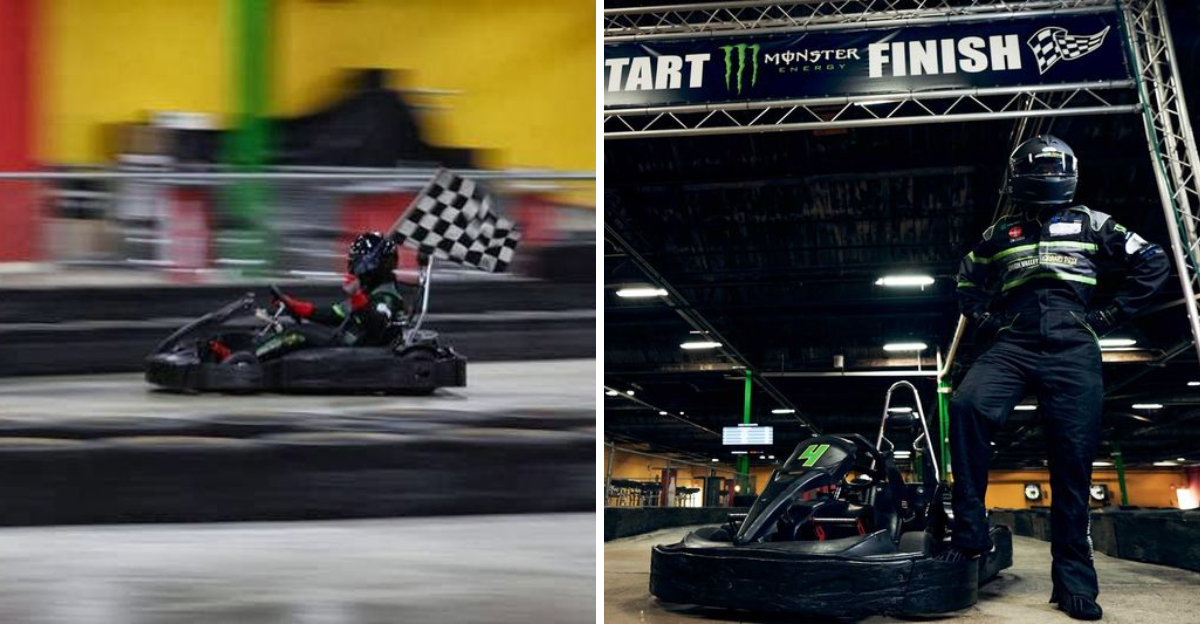
If you’ve ever dreamed of feeling like a real race car driver, Lehigh Valley Grand Prix in Allentown, Pennsylvania, might be exactly what you’re looking for.
This isn’t your average mini-golf-style karting track — it’s a high-speed, technically demanding indoor racing circuit that takes the sport seriously.
Whether you’re a first-timer or a seasoned racer, there’s something here that will push your skills and get your heart pumping.
Here’s a closer look at everything that makes this place one of the most exciting karting destinations in the state.
One of Pennsylvania’s Fastest Indoor Go-Kart Tracks
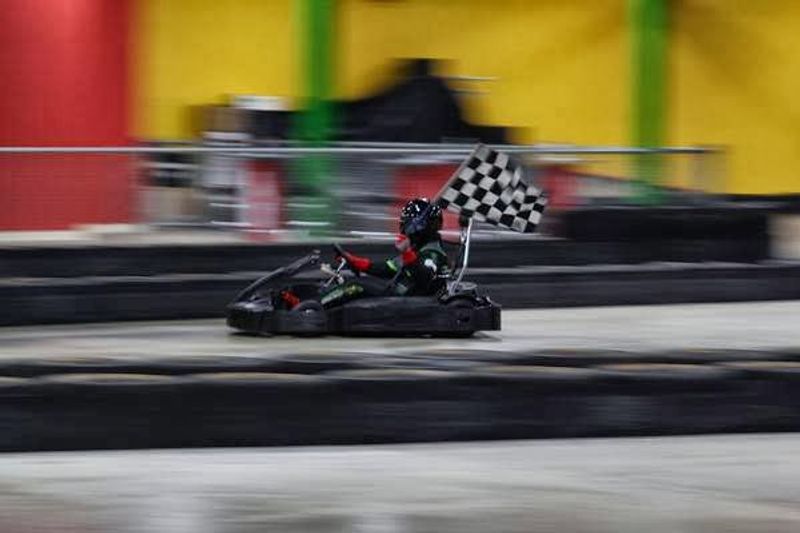
Forget the slow, bumper-car-style karts you might remember from childhood — Lehigh Valley Grand Prix operates on a completely different level. The gas-powered karts here can hit speeds of around 45 mph, placing this venue among the fastest indoor karting experiences in all of Pennsylvania.
That kind of speed changes everything. At 45 mph indoors, the track feels tighter, the corners arrive faster, and every decision you make behind the wheel actually matters.
It’s the kind of experience that gives you a genuine taste of motorsport without needing a professional racing license.
The facility was designed with speed enthusiasts in mind, not casual thrill-seekers looking for a slow lap around a simple loop. Drivers who have visited other karting venues often say LVGP feels closer to real competitive racing than anything else they’ve tried.
If raw, exhilarating speed is what you’re after, this track delivers it in a way that few indoor venues can honestly match.
A True Quarter-Mile Road Course Layout
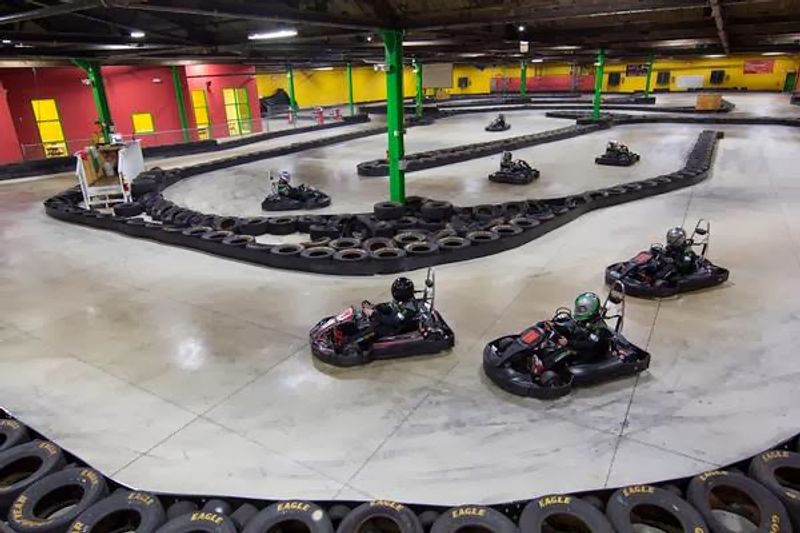
Most people picture a simple oval or a basic figure-eight when they think of a go-kart track. LVGP throws that image out completely.
The course here is a genuine quarter-mile road circuit — the same type of layout used in professional motorsport — built entirely indoors.
Road courses are designed to test a driver’s ability to adapt. Unlike ovals where you repeat the same two turns endlessly, a road course throws varied corner types, different braking zones, and changing rhythm sections at you every single lap.
Learning the layout itself becomes part of the challenge.
What makes this especially rewarding is that your lap times actually improve as you get more comfortable with the track. First-timers often find themselves naturally speeding up by the second or third session just from reading the course better.
The quarter-mile distance keeps races feeling intense and action-packed from start to finish, without any long straightaway lulls. It’s a smartly designed circuit that manages to feel both accessible for beginners and genuinely demanding for experienced drivers.
Technical 11-Turn Design That Tests Real Skill
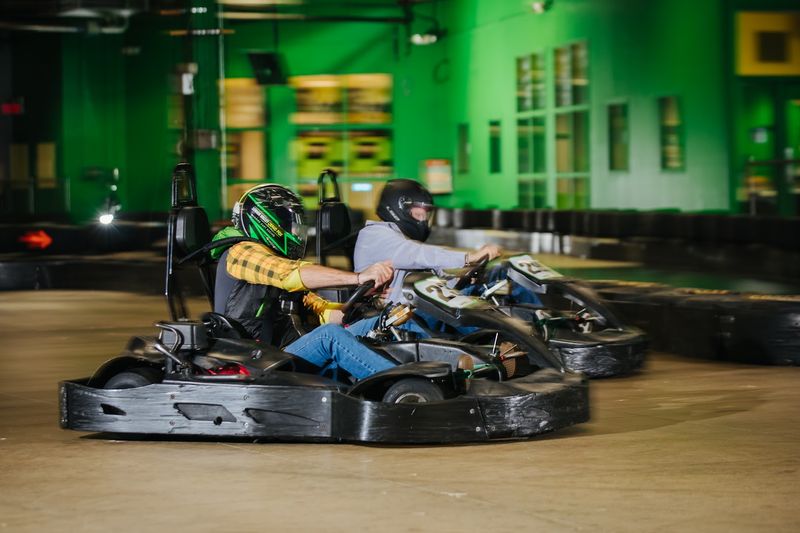
Eleven turns sounds like a lot — and it is. The LVGP circuit packs a serious amount of technical variety into its quarter-mile layout, blending tight hairpin-style corners with faster, flowing bends that demand completely different driving techniques.
Tight corners require precise trail braking, patience, and smooth acceleration on exit. Get greedy with the throttle too early and you’ll push wide, losing precious tenths of a second.
The flowing sections reward drivers who can carry smooth momentum and resist the urge to brake unnecessarily. Balancing both types of corners in the same lap is what separates quick drivers from truly fast ones.
Even experienced drivers say it takes several sessions before they feel fully comfortable with the layout. That learning curve is actually part of the appeal — each race run becomes a puzzle to solve.
Did you nail that late apex on turn six? Did you brake too early for the chicane?
The 11-turn design gives you plenty of questions to answer and plenty of reasons to come back and try again. Real skill, not just bravery, determines who reaches the top of the timing board here.
High-Adhesion Concrete Racing Surface
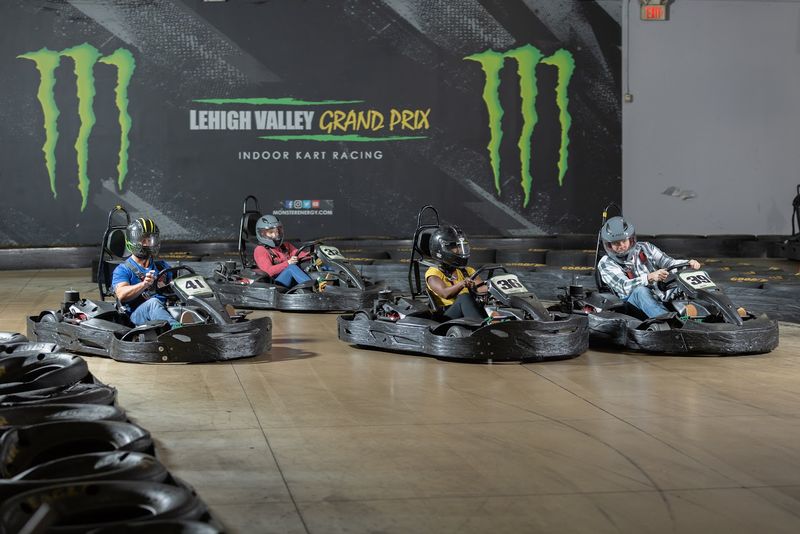
The surface you race on matters more than most people realize. At Lehigh Valley Grand Prix, the track is paved with a smooth indoor concrete surface that provides strong mechanical grip — meaning the karts stick to the track surprisingly well through corners.
High-adhesion concrete rewards smooth, deliberate driving. Because the grip levels are higher than on typical asphalt or painted surfaces, you can carry more speed through corners than you might expect.
But here’s the catch: that same grip punishes aggressive or sloppy driving harshly. Jerky steering inputs, late braking, or abrupt throttle application can unsettle the kart quickly, costing you both time and control.
Experienced kart racers often describe concrete tracks as a great teacher. The surface provides honest feedback — if your technique is clean, you go fast.
If it’s rough, the kart tells you immediately. For drivers coming from outdoor tracks, the indoor concrete environment also removes weather variables from the equation, meaning conditions stay consistent every single visit.
Whether it’s your first time or your fiftieth, the surface performs the same way, making improvement entirely dependent on your own driving ability.
Professional NASCAR-Inspired Safety Barriers
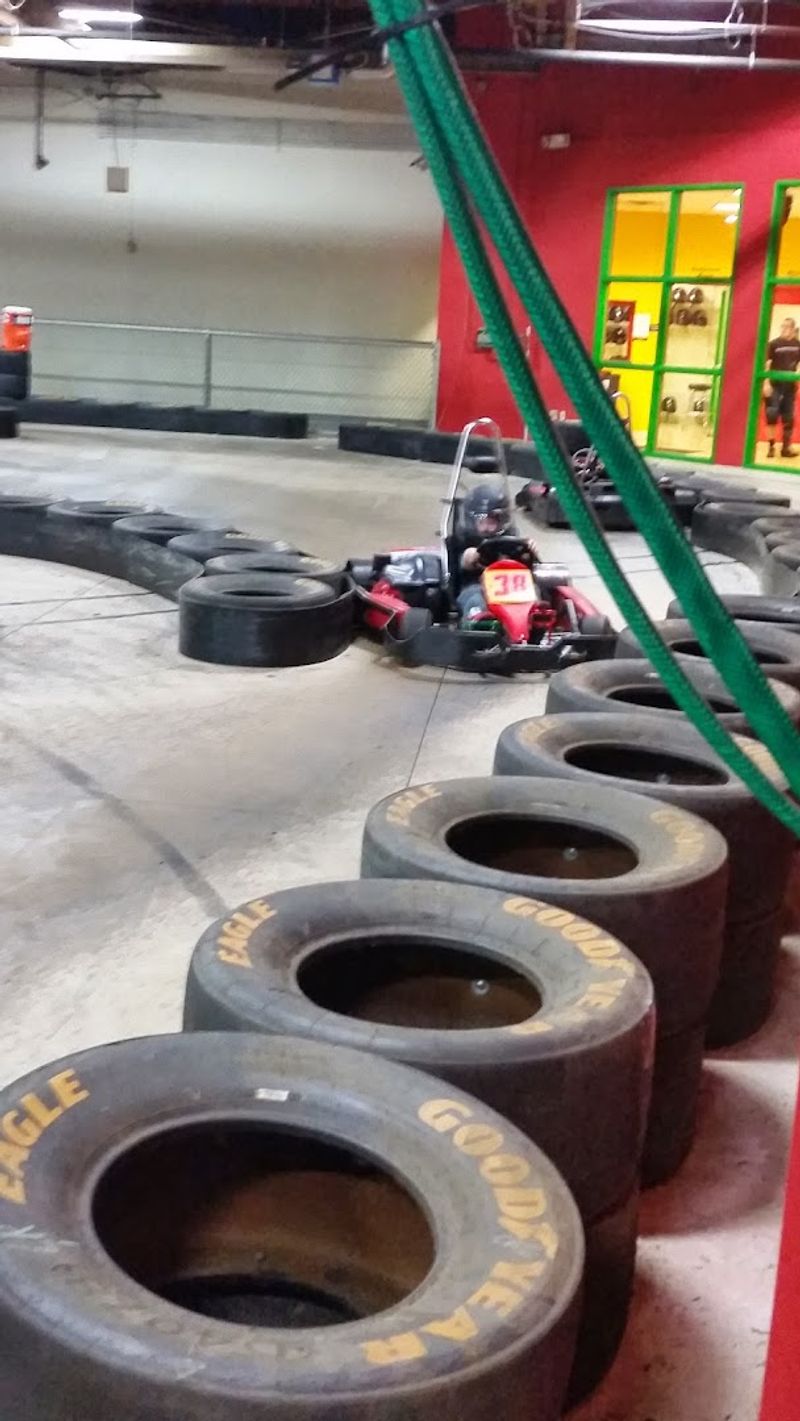
Safety is a serious business at LVGP, and the barrier system around the track reflects that commitment in a genuinely impressive way. The entire circuit is lined with a wall constructed from over 1,300 recycled NASCAR tires — the same type of impact-absorbing barrier concept used at professional oval racing events across the country.
Tire barriers work by compressing and flexing on impact rather than staying rigid. When a kart makes contact with the wall, the tires absorb and spread the energy of the collision, dramatically reducing the force transferred to the driver.
It’s a much smarter safety solution than solid concrete or metal barriers, which would send that energy straight back at you.
There’s also something undeniably cool about racing against a wall built from actual NASCAR hardware. It adds a layer of authentic motorsport atmosphere that elevates the whole experience beyond what you’d typically find at a recreational karting venue.
The barriers aren’t just functional — they’re a visual reminder that LVGP takes racing seriously at every level. Knowing the safety infrastructure is this thoughtfully designed lets you push harder and focus more fully on your driving without unnecessary worry.
Real-Time Lap Timing and Competitive Scoring
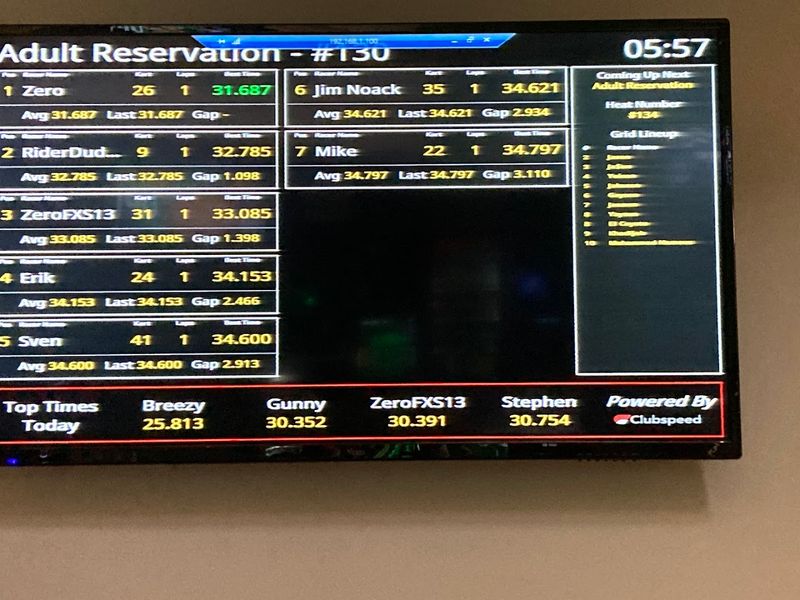
One of the most addictive parts of racing at LVGP is the real-time timing system. Every kart carries an electronic transponder that records your lap times down to the thousandth of a second — the same level of precision used in professional motorsport timing.
Those times are instantly displayed on large screens positioned around the facility, so you can see exactly where you stand against every other driver on track. Watching your name climb the standings board after a clean lap is genuinely satisfying, and seeing someone else edge you out by two hundredths of a second gives you immediate motivation to find more speed on the next run.
The timing data also serves as a powerful coaching tool. After your session, you can review your lap times and pinpoint exactly where your performance was inconsistent.
Were your mid-session laps slower because of traffic? Did your best lap come after you settled into the track’s rhythm?
That kind of detailed feedback transforms a fun activity into a real learning experience. Racers who pay attention to their data almost always improve faster than those who simply drive by feel.
The timing system makes LVGP feel like a proper competitive venue, not just a recreational attraction.
Gas-Powered Karts for a More Authentic Feel
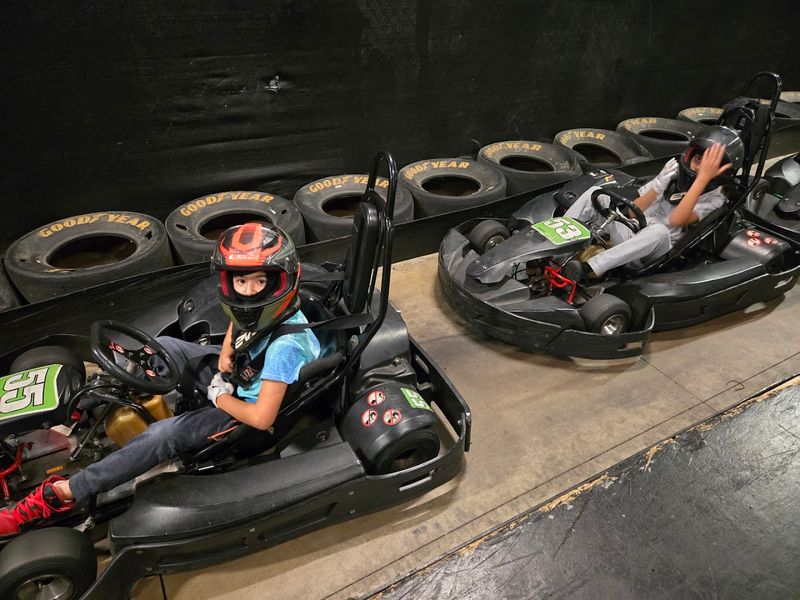
Electric karts have their place, but there’s a reason serious karting enthusiasts prefer gas-powered machines — and LVGP makes sure you understand that difference the moment you fire up your kart. The engine note alone changes the mood entirely.
Gas-powered karts deliver stronger, more linear acceleration that builds as you press the throttle deeper. The power curve feels more natural and responsive compared to the instant but sometimes flat delivery of electric motors.
You also get genuine engine braking when you lift off the throttle, which experienced drivers use as a subtle tool for managing their entry speed into corners.
Beyond performance, the sensory experience of gas-powered karting is simply richer. The sound of engines echoing around an enclosed track creates an atmosphere that genuinely resembles a real racing paddock.
The smell, the vibration through the seat, the way the kart surges under hard acceleration — all of it combines to create something that feels meaningfully different from recreational electric karting. For anyone who’s ever watched motorsport on television and wondered what it actually feels like to race, LVGP’s gas-powered fleet provides the closest accessible answer most people will ever get without joining a professional series.
Structured Racing Sessions for Safety and Fair Play
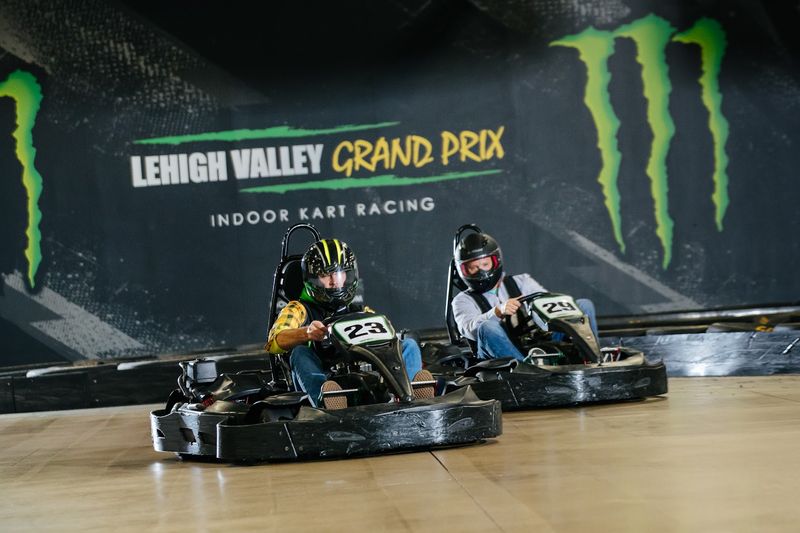
Walking into LVGP isn’t like grabbing a kart and doing whatever you want. Every visit follows a structured process designed to keep racing safe, organized, and fair for everyone on track — from total beginners to experienced regulars.
Before your first session, you’ll sit through a mandatory safety briefing covering flag signals, track rules, and behavior expectations. The no-bumping rule is strictly enforced, and drivers who make contact intentionally can be black-flagged and removed from the session.
Height minimums are also in place to ensure all drivers can safely handle the karts. Helmets and appropriate gear are required without exception.
Race sessions themselves are carefully managed by track marshals who monitor the circuit continuously. Flags communicate everything from hazards to penalties, just like in real motorsport.
Knowing that every session is properly supervised makes a huge difference — you can race hard without worrying about reckless behavior from other drivers ruining your experience. The structured format also means sessions run efficiently, keeping wait times reasonable and race time maximized.
For families or groups with mixed experience levels, this organized approach ensures everyone has a positive, controlled experience that balances competitive intensity with genuine safety awareness throughout every run.
Group Racing, Events, and Full Entertainment Complex
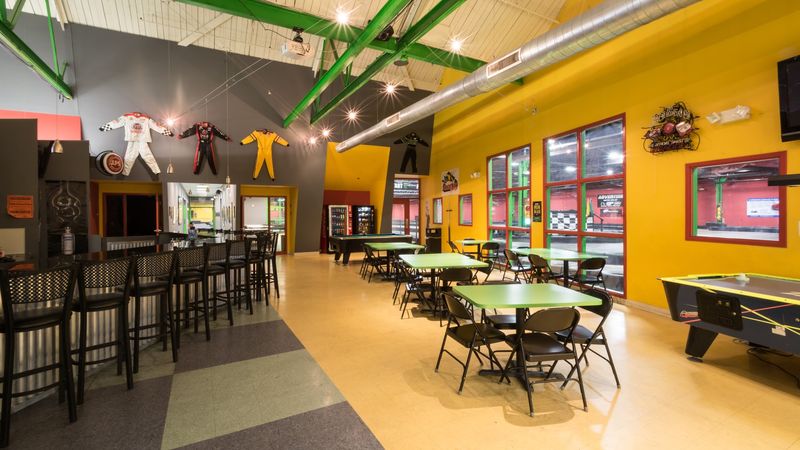
LVGP has clearly thought beyond just the track itself. The venue has evolved into a full entertainment destination that works equally well for solo racers, families, corporate groups, and everyone in between.
Group packages are available for birthday parties, corporate team-building events, and organized racing leagues. Having a competitive activity that everyone participates in together creates a shared experience that typical event venues simply can’t replicate.
Nothing breaks the ice at a corporate outing faster than watching your manager get overtaken on the final corner by an intern.
Away from the track, the facility includes axe throwing lanes and a full motorsports bar, giving guests plenty to do between race sessions or while waiting for their group to finish. The bar area is designed with racing culture in mind, making it a natural gathering spot where the energy of the event carries over naturally.
Whether your goal is a thrilling birthday celebration, a team event with real competitive stakes, or simply a night out with friends that goes beyond dinner and a movie, LVGP delivers a layered experience with multiple activities under one roof. It’s the kind of place you can spend several hours at without running out of things to enjoy.
Visitor Info and Tips for the Best Experience
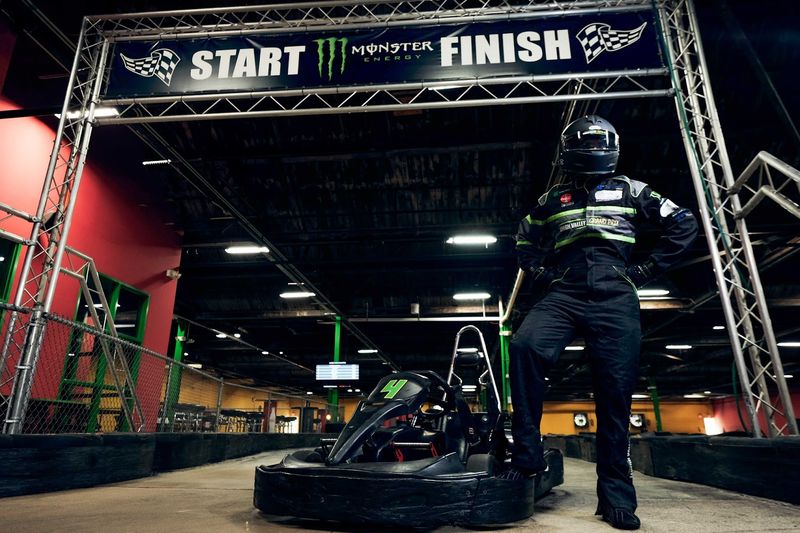
Planning your visit to LVGP a little in advance goes a long way toward making the experience as smooth and enjoyable as possible. The facility is located at 635 S 10th St Suite 200, Allentown, PA 18103, and can be reached by phone at +1 610-432-7223 for reservations or questions.
The venue typically opens in the afternoons and runs into late evening on weekdays, with earlier opening times on weekends when demand is highest. Weekends and Friday evenings get busy quickly, so booking your session ahead of time is strongly recommended.
Walk-ins are welcome when space allows, but showing up without a reservation on a busy night risks a long wait or missing your preferred session window.
A few practical tips worth knowing before you go: closed-toe shoes are required — no sandals or flip-flops allowed on the track. Plan for multiple 8 to 10 minute race sessions if you want to improve your times and really feel the track.
Arrive a bit early to complete your waiver paperwork and get through the safety briefing without rushing. Most importantly, come mentally ready for a physically engaging, high-speed experience that demands genuine concentration and focus from the moment the green flag drops.