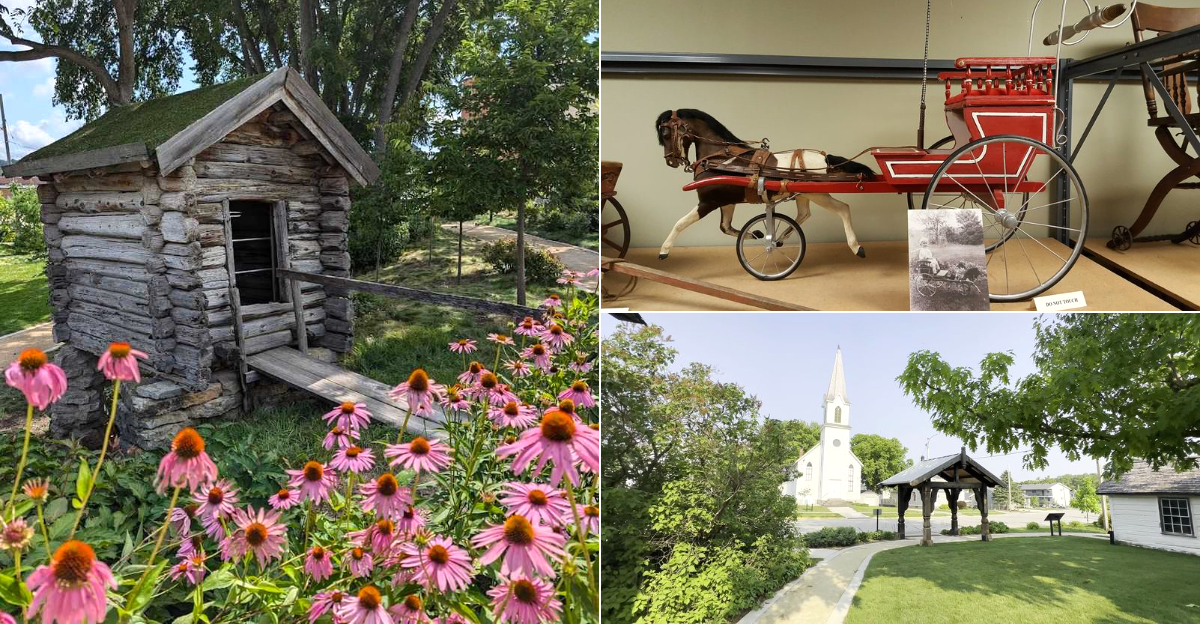
Nestled in the rolling hills of northeastern Iowa, Decorah is a town that carries the quiet soul of Scandinavia in every corner of its charming streets.
At the heart of this welcoming community stands Vesterheim Norwegian-American Museum, the most comprehensive museum in the United States dedicated to a single immigrant group.
With more than 24,000 artifacts spanning folk art, textiles, furniture, and historic tools, Vesterheim paints a vivid and moving picture of the Norwegian-American experience across generations.
The museum’s campus includes over a dozen historic buildings, inviting visitors to step into 19th-century immigrant life in a way that feels genuinely immersive and deeply personal.
Whether you’re tracing your own Scandinavian roots or simply seeking a one-of-a-kind cultural experience in the heartland, Vesterheim is a place that lingers in the memory long after the drive home.
A First Impression That Feels Transportive
Before you even start reading labels, the mood shifts around you.There is a quiet sense of craft, memory, and old-world beauty that feels more intimate than a typical museum visit.
Instead of overwhelming you, the experience invites you to slow down and notice details.
That is what makes Vesterheim The National Norwegian-American Museum and Folk Art School so striking in Decorah, Iowa.It is not just a repository of objects, but a place that frames Norwegian-American life as something lived, handmade, and deeply personal.
The museum has earned glowing praise from visitors for being engaging, welcoming, and full of treasures across multiple levels.
You can expect galleries filled with furniture, textiles, woodwork, boats, and decorative arts that immediately establish a strong sense of place.Even people who say they are not usually museum fans often describe being surprised by how immersive and well organized it feels.
That first impression matters, because it sets up the rest of the visit as less of a checklist and more of a journey.
From the start, you feel invited into a story rather than simply asked to observe one.
The Immigrant Story At The Heart Of The Museum
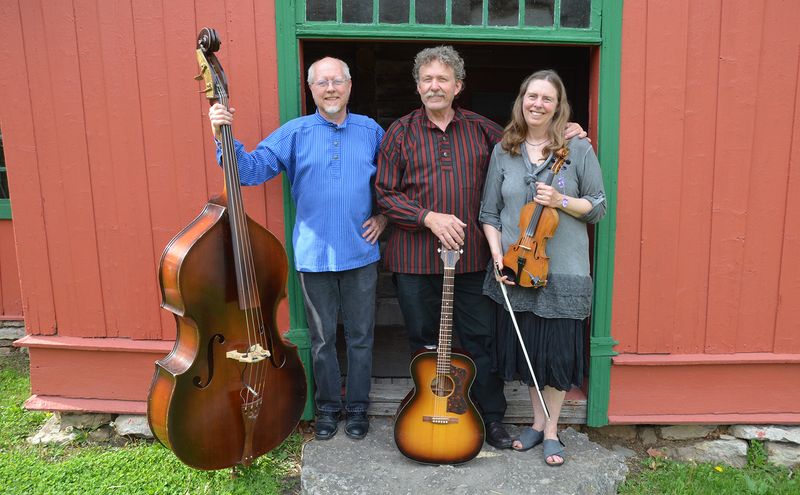
Every meaningful heritage museum needs a strong emotional center, and here it comes through the immigrant story.You are not just looking at old belongings behind glass.
You are tracing decisions, risks, skills, and hopes carried across an ocean.
At Vesterheim, the story of Norwegian settlers in America is told through artifacts that connect everyday life to bigger historical forces in Decorah, Iowa.Displays explore how immigrants traveled, what they brought, how they worked, and how they preserved identity while adapting to a new country.
That focus on lived experience is one reason so many visitors describe the museum as accessible and fascinating.
Instead of presenting history as distant, the galleries reveal how culture survives through practical things like tools, clothing, furnishings, and family traditions.Reviews frequently mention how clearly the museum explains the Norwegian-American experience, especially for visitors who arrive curious but not deeply informed.
The result is a visit that feels both educational and unexpectedly personal.
You begin to understand immigration not as an abstract chapter, but as a series of human choices shaped by courage, faith, and resilience.
That perspective gives the entire museum its emotional weight.
Folk Art And Craftsmanship You Can Study For Hours
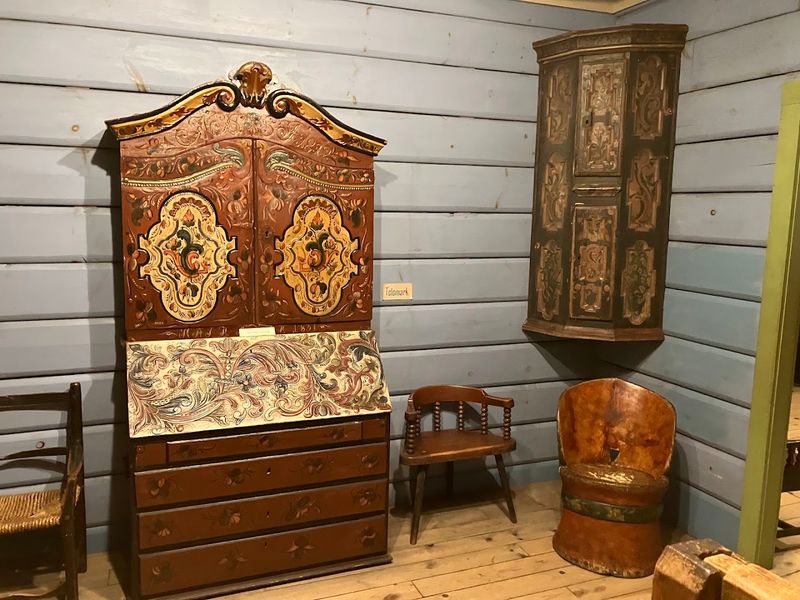
Some museum collections impress you with scale, but this one wins you over with artistry.Every carved surface, woven pattern, and painted flourish seems to hold onto a tradition that refused to disappear.
You can feel the pride in things made carefully by hand.
Inside Vesterheim, decorative arts are not treated as side notes, but as essential evidence of cultural identity in Decorah, Iowa.Visitors regularly rave about the rosemaling, furniture, fiber arts, silver pieces, and woodworking, describing the displays as both beautiful and revealing.
These objects show how Norwegian design moved from homeland memory into American homes and communities.
What makes the presentation especially effective is that the craftsmanship never feels isolated from daily life.A chest, a woven textile, or a painted household object becomes a way to understand taste, labor, celebration, and continuity across generations.
Several reviews specifically mention being blown away by the quality and variety of the artwork throughout the museum.
If you appreciate material culture, this is the section of the visit that can easily stretch longer than planned.There is always one more carved detail, pattern, or unexpected flourish waiting to pull your attention back.
That richness is part of the museum’s lasting appeal.
Historic Buildings And Spaces That Deepen The Story
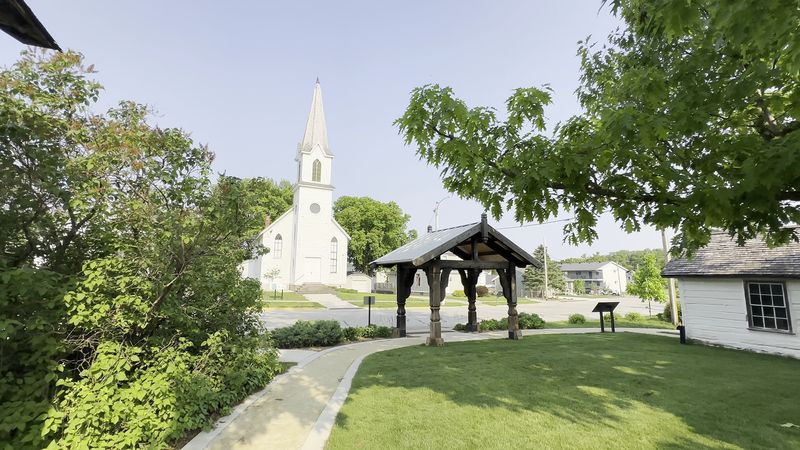
History becomes easier to grasp when it rises around you in full scale.Rather than asking you to imagine old domestic spaces, this museum gives you structures and rooms that make the past feel tangible.
That physical immersion changes the pace of the visit in the best way.
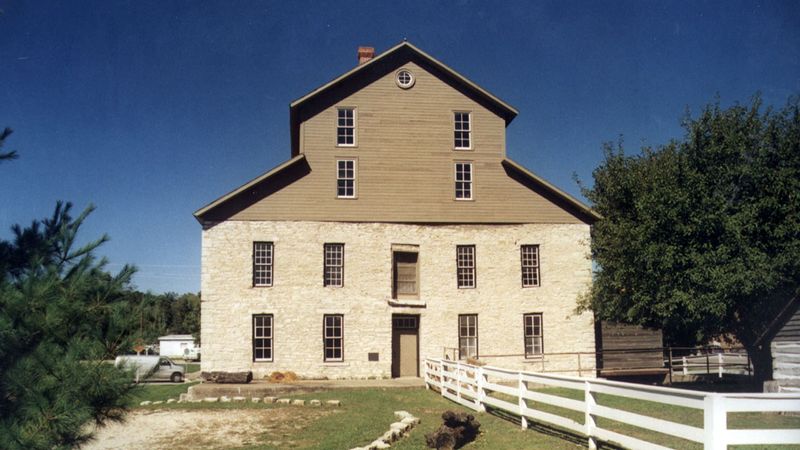
Beyond the gallery experience, Vesterheim includes historic buildings and outdoor heritage spaces that expand the story in Decorah, Iowa.Reviews mention log structures, reconstructed interiors, and pleasant walking areas where you can continue learning even after standard exhibit hours.
The outdoor setting also offers a quieter, reflective counterpoint to the denser indoor displays.
These spaces help connect artifacts to the environments where they were once used.Instead of seeing a tool, chair, or textile in isolation, you can better picture the households and routines that gave such objects meaning.
That connection between object and setting is one of the museum’s smartest strengths.
Visitors often describe the grounds as beautiful, informative, and worth strolling at an unhurried pace.If the galleries teach the facts, the historic buildings help you absorb the feeling of settlement, adaptation, and community.
Together, they make the museum feel more like a lived landscape than a single attraction.
Signature Objects That Stay In Your Memory
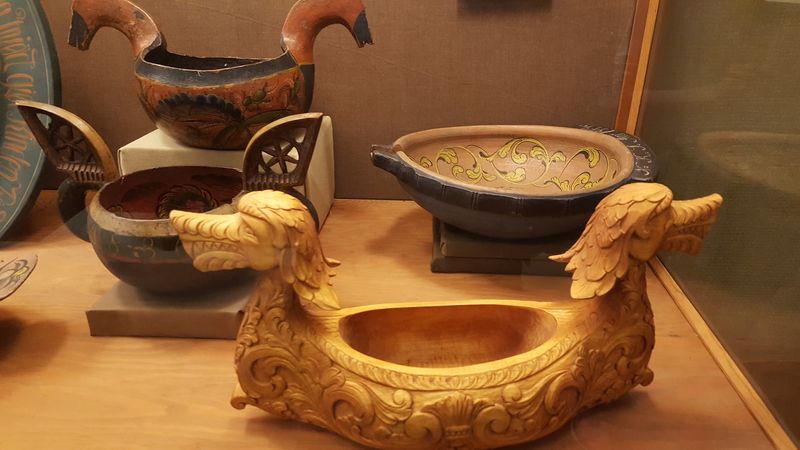
Every great museum has a few unforgettable pieces that anchor the whole experience.Here, those standout objects are not memorable because they are flashy.
They are memorable because they make courage, distance, and daily life feel real.
Visitors to Vesterheim frequently single out the immigrant boat, historic house interior, and large-scale furnishings as highlights in Decorah, Iowa.The boat especially captures attention, because it transforms migration from an idea into something physical, risky, and astonishingly human.
When you stand near it, the Atlantic crossing suddenly feels far more intimate than any timeline can convey.
Other signature pieces work in quieter ways.A furnished room, an intricately carved cabinet, or an everyday object preserved with care can reveal how people carried beauty into practical life.
Reviews also mention surprising favorites, from fiber displays to unusual household items, which suggests the collection rewards close observation.
What stays with you is not only the rarity of these objects, but the way they are interpreted.They are presented as evidence of lives built through skill, endurance, and cultural memory.
That makes the museum’s most iconic artifacts feel less like trophies and more like witnesses to an ongoing story.
Why The Museum Works For More Than History Lovers
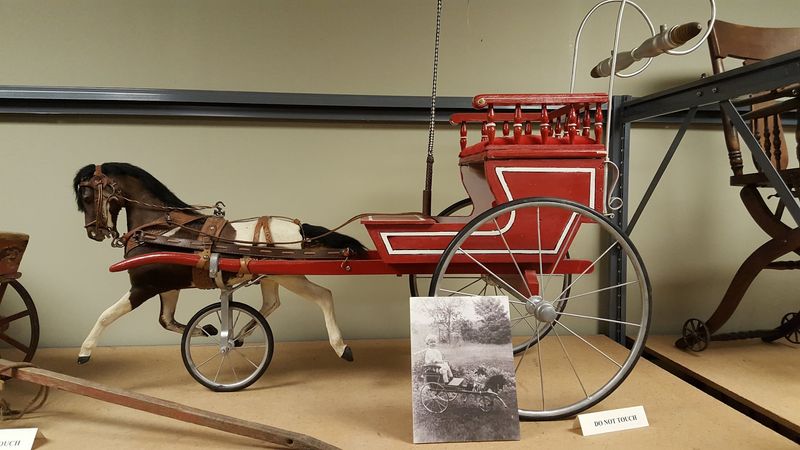
One of the most convincing signs of a special museum is how often it wins over reluctant visitors.People who expect a dry history stop often leave talking about how absorbing, friendly, and surprisingly fun it felt.
That broad appeal is a major part of the experience.
At Vesterheim, the presentation balances scholarship with accessibility, which helps explain its strong reputation in Decorah, Iowa.Reviews come from dedicated heritage travelers, casual tourists, families with children, and even self-described non-museum people who ended up impressed.
Many praise the clear organization, the variety of media, and the way the exhibits make complex history easy to follow.
The museum also benefits from a welcoming atmosphere that shows up repeatedly in visitor comments.Guests mention kind staff, helpful conversations, and a sense that curiosity is genuinely encouraged rather than passively tolerated.
That tone matters, especially in a museum centered on ancestry and identity.
You do not need Norwegian roots to connect with what is here.If you care about migration, craftsmanship, family stories, or regional culture, the museum gives you plenty of entry points.
That openness is why it feels less like a niche institution and more like a destination with wide emotional reach.
The Folk Art School And Living Tradition Angle
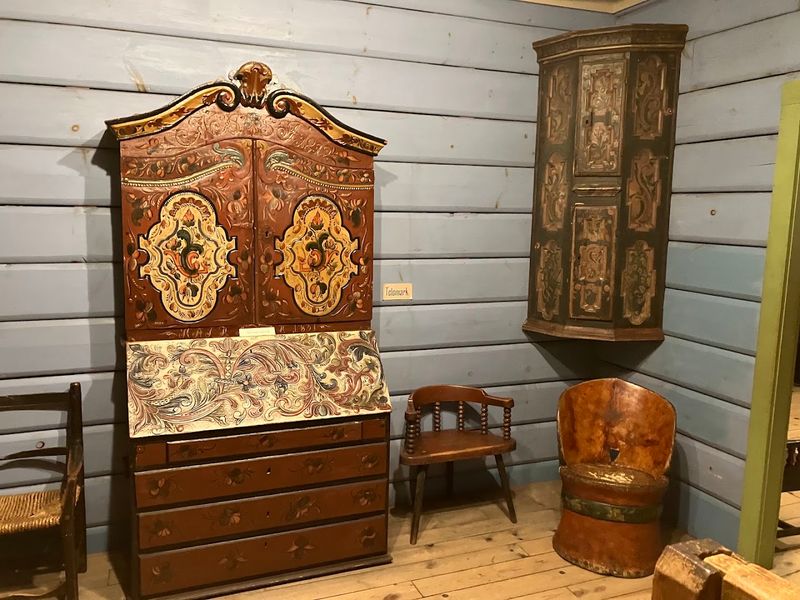
Some cultural institutions preserve the past, while others keep tradition actively in motion.This place does both, which is a big reason it feels so alive.
You are not only learning what Norwegian-American culture was, but seeing how it continues.
Vesterheim’s identity includes its respected Folk Art School, adding an important layer to the museum experience in Decorah, Iowa.Classes and programs in traditional arts help connect gallery objects to living practice, showing that techniques like painting, carving, and textile work are not frozen in history.
That educational mission appears throughout the museum’s wider atmosphere of making, teaching, and sharing.
Several visitors mention programs, demonstrations, or classes as memorable parts of their connection to the site.This matters because it shifts the museum from passive display toward active cultural stewardship.
The collection becomes more meaningful when you understand that related skills are still being taught by knowledgeable practitioners.
Even if you do not take a workshop yourself, knowing that the institution supports living craft changes how you read the exhibits.A painted object becomes part of a continuing artistic language rather than a finished historical chapter.
That blend of preservation and participation makes the museum feel grounded, relevant, and unusually dynamic.
How To Plan A Visit And Make The Most Of It
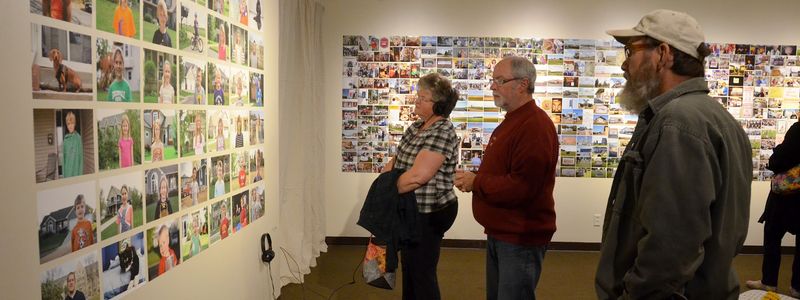
Some destinations deserve more than a quick walk-through, and this is one of them.The collection has enough depth that rushing would flatten what makes it special.
A little planning helps you experience it as the layered cultural trip it really is.
Vesterheim is open daily from 9 AM to 5 PM, giving you a reliable window to visit in Decorah, Iowa.Its high rating, strong visitor feedback, and central role in local heritage make it worth building time around rather than squeezing in at the last minute.
If you can, allow enough time for both indoor exhibits and the outdoor heritage areas.
It is also smart to check the museum’s website for current exhibitions, programs, and Folk Art School offerings before you go.Reviews suggest that special displays, interactive elements, and occasional demonstrations can add extra depth to a visit.
The museum shop is another commonly praised stop, especially if you appreciate unique handcrafted items.
Most of all, arrive ready to linger.This is the kind of place where one gallery leads naturally into another, and where a single artifact can send you into a longer reflection on migration, beauty, and belonging.
That is what makes it feel less like a stop in Iowa and more like a meaningful journey.
Why It Feels Like Norway Without Leaving The Midwest
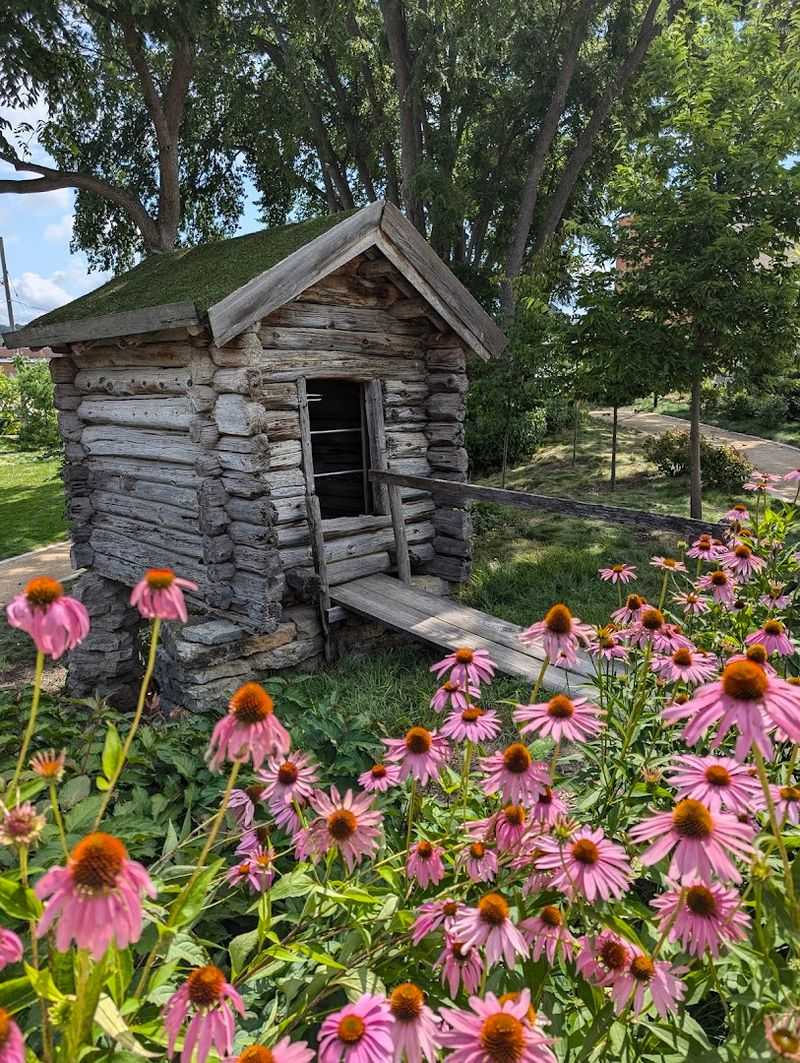
What gives a place the power to feel transportive is not just architecture or artifacts.It is the way atmosphere, storytelling, and craftsmanship come together until your surroundings seem to shift.
That is exactly the effect this museum achieves.
Vesterheim creates a distinctly Norwegian sense of place while remaining deeply rooted in Decorah, Iowa.The folk art, immigrant narratives, preserved buildings, and handmade objects all work together to suggest a cultural landscape larger than the town around it.
Instead of offering a superficial Scandinavian theme, the museum builds authenticity through historical depth and material detail.
You feel that difference in the emotional texture of the visit.There is beauty here, but also endurance, adaptation, and the quiet dignity of people who carried traditions into a new life.
That combination is why so many visitors describe the museum as unique, moving, and unexpectedly absorbing.
If you are looking for a Midwestern destination that feels like genuine travel rather than roadside novelty, this is a compelling choice.It delivers a strong sense of Norway through American history, not imitation.
By the time you leave, the trip feels less like checking off a museum and more like crossing into another cultural world for an afternoon.