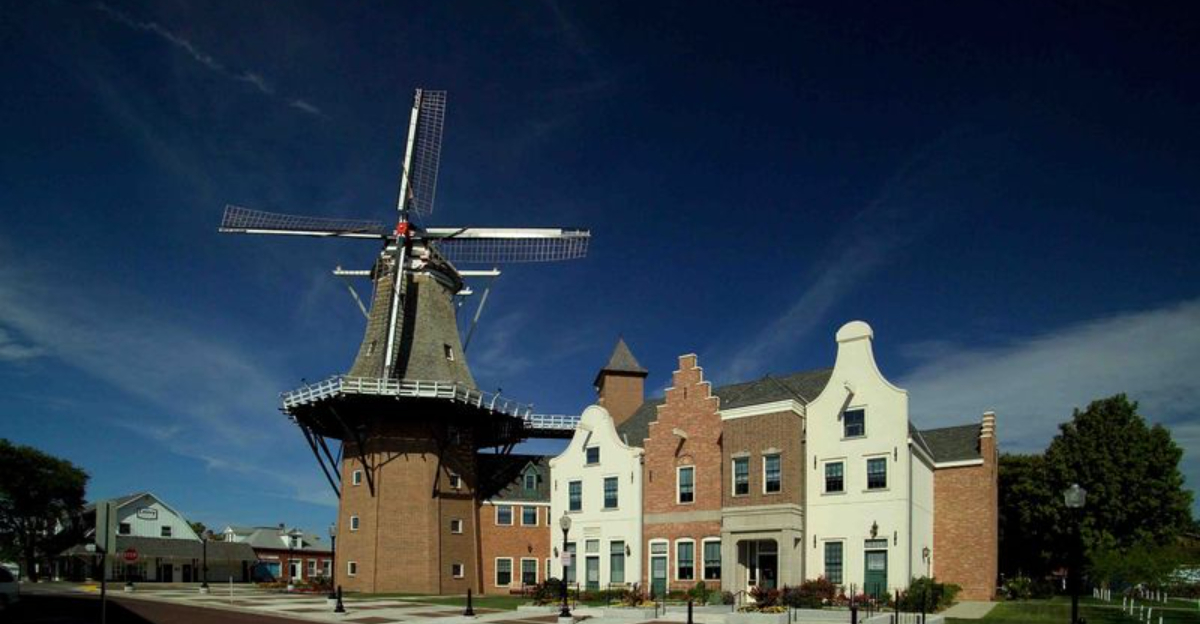
The first time you spot the Vermeer Windmill rising over Pella Historical Village, it feels less like Iowa and more like a postcard that suddenly learned how to turn its sails.
This remarkable museum complex packs Dutch heritage, hands-on history, and one seriously towering working windmill into one walkable stop that keeps surprising visitors.
You can climb, wander, learn, and linger through buildings, exhibits, and stories that connect immigration, craft, and community in a way that never feels dusty or dull.
If you are planning a road trip, a weekend detour, or simply want a place that delivers real character with every step, keep reading because Pella Historical Village & Vermeer Windmill absolutely earns a spot on your Iowa list, and it might just become the highlight you talk about long after the drive home ends.
The Windmill That Steals The Skyline
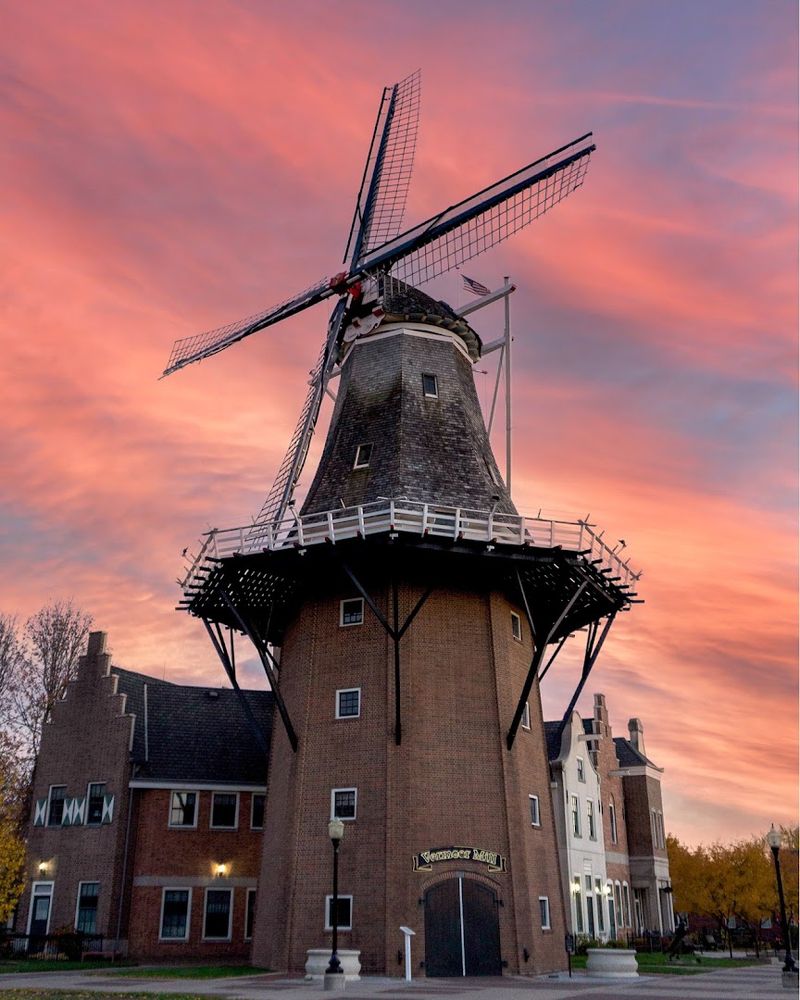
One glance upward and the Vermeer Windmill instantly takes control of the whole experience.
It is famous for being one of North America’s tallest working windmills, and that fact lands differently when you are standing right beneath the sweeping sails.
Instead of feeling like a static prop, the structure feels alive, purposeful, and proudly rooted in Dutch engineering.
Inside, the windmill tour adds the kind of detail that makes the machinery memorable rather than mysterious.
You can learn how grain is milled, why the design matters, and how traditional millers managed wind, power, and timing with remarkable skill.
Visitors regularly mention how seeing the mill in action changes the visit from interesting to unforgettable.
What I love most is the way the windmill gives the museum its dramatic heartbeat.
It is beautiful from a distance, but even better when you climb higher and understand what makes it work.
If you only know Pella Historical Village & Vermeer Windmill by photos, the real thing feels bigger, louder, and far more impressive in person.
A Village That Feels Like Time Travel
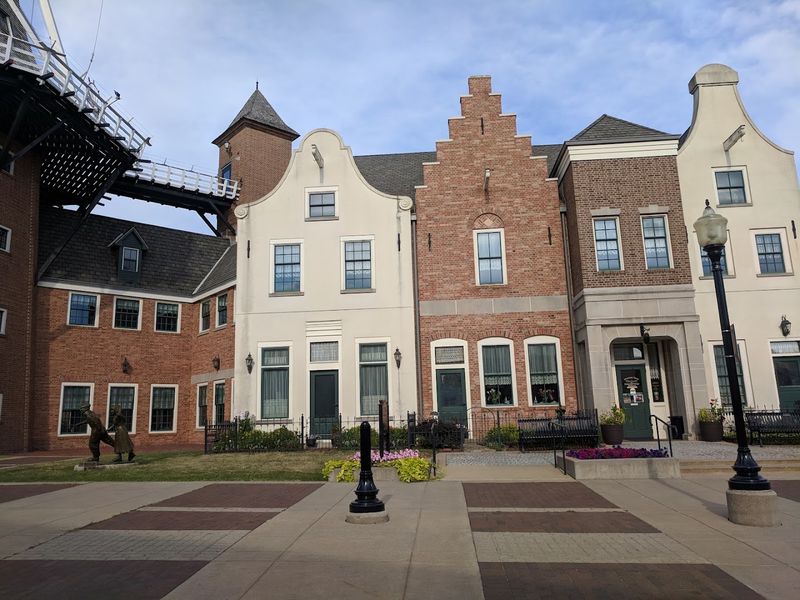
Step past the windmill and the grounds open into a historic village that keeps pulling you farther in.
Pella Historical Village & Vermeer Windmill includes 22 buildings from the 1800s, and together they create a layered look at daily life rather than a single frozen scene.
That variety is part of the fun, because every doorway promises a different slice of the past.
Some buildings focus on domestic routines, while others highlight trade, craft, faith, and community life among Dutch immigrants who settled in Pella.
The layout encourages wandering, and many visitors end up staying far longer than planned because each turn reveals another exhibit, furnished room, or unexpected detail.
Instead of rushing you along, the village rewards curiosity and slow observation.
The charm here is not theatrical fluff.
It comes from preserved spaces, thoughtful interpretation, and a setting that lets history unfold one structure at a time.
By the end, the museum feels less like a checklist stop and more like a place where you can picture real families building new lives, one room, one workshop, and one season at a time.
Climbing Up For The Best View In Town
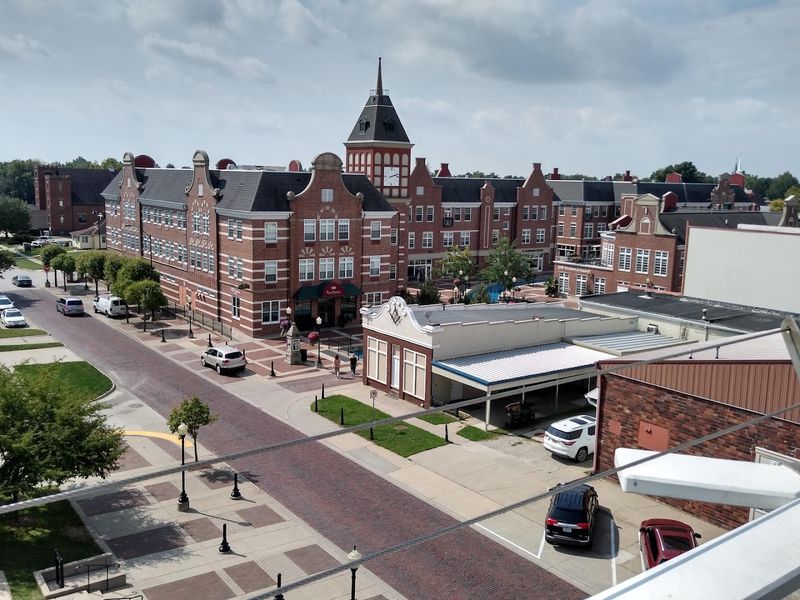
Heights get real fast once you start climbing inside the Vermeer Windmill.
That is part of the thrill, because each level brings you closer to the mechanics and to one of the best views in Pella.
Visitors often describe the top as breathtaking, and that is not just travel-brochure exaggeration
From above, the surrounding village, gardens, and townscape spread out in a way that ties the whole museum together.
You can finally see how the windmill anchors the site visually and historically, standing as both a landmark and a working machine.
It is the kind of lookout that makes people pause, take photos, and then pause again because the first look did not feel like enough.
The climb also makes the story physical.
You are not simply reading a label about Dutch milling traditions or immigrant heritage, you are moving through the structure that carried those traditions across an ocean and into Iowa.
If you enjoy attractions that reward a little effort with a lot of atmosphere, this ascent is one of the most memorable parts of Pella Historical Village & Vermeer Windmill.
Dutch Heritage Comes Through Clearly
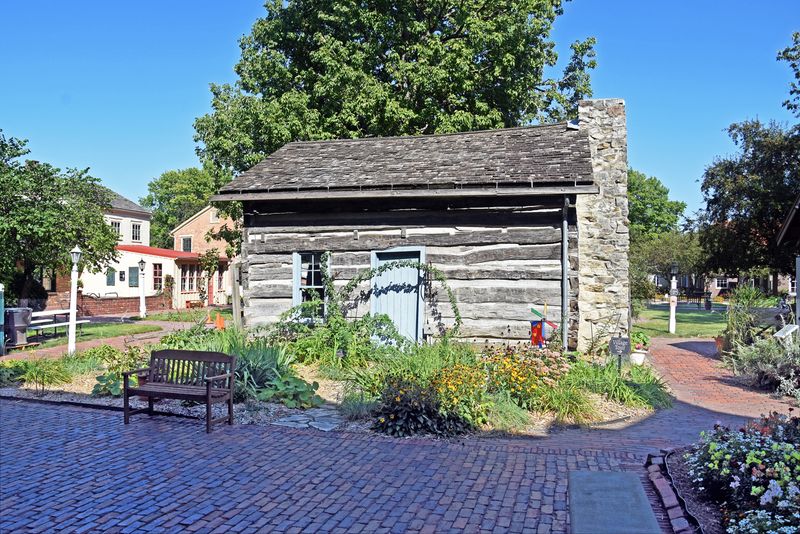
History gets much more interesting when it feels personal, and this museum knows how to make that happen.
At Pella Historical Village & Vermeer Windmill, Dutch immigration is not reduced to a few dates and names on a wall.
Instead, the exhibits connect belief, labor, architecture, clothing, and community into a fuller story of settlement in Iowa.
You can see how traditions from the Netherlands shaped local identity while also adapting to the realities of a new landscape.
That balance matters, because it keeps the interpretation grounded in real lives rather than polished nostalgia.
Reviews often praise how much they learned here, especially about Dutch culture and the practical choices immigrants made after arriving in 1847.
The result feels educational without turning stiff.
There is enough context for curious history lovers, but the displays remain approachable if you simply want to understand why Pella looks and feels different from many Midwestern towns.
By focusing closely on one community and its heritage, the museum makes a broader American story easier to grasp, and that specificity is exactly what makes the experience so engaging.
Small Details Keep The Visit Fun
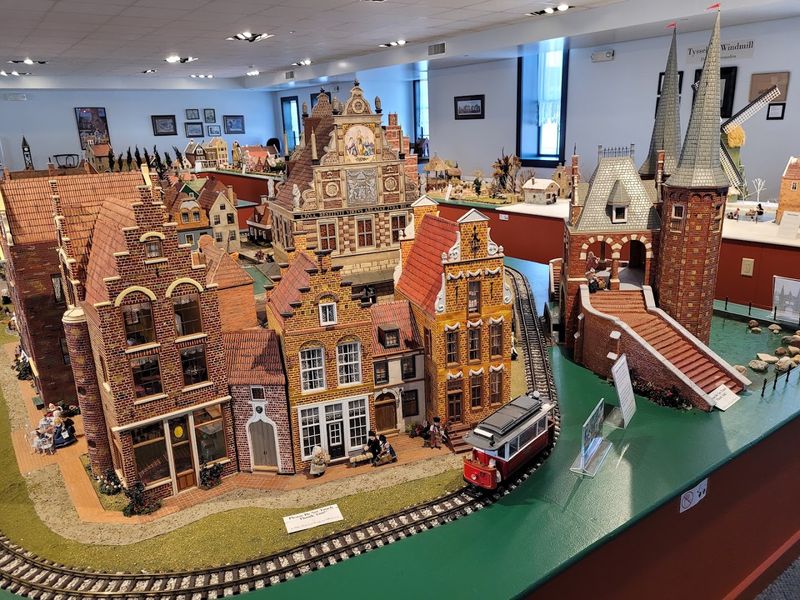
Not every museum surprise has to be huge, and this place understands the power of tiny details.
Beyond the famous windmill, visitors frequently rave about unexpected corners, miniature scenes, and exhibits that keep the experience from feeling predictable.
There is a playful rhythm to exploring here that makes you want to keep looking just a little closer.
That sense of discovery matters because a site with many buildings can easily become repetitive.
Instead, Pella Historical Village & Vermeer Windmill mixes scales, subjects, and storytelling styles so your attention never flatlines.
One moment you are focused on machinery and heritage, and the next you are smiling at a carefully arranged display that reveals humor, craft, or everyday life.
I think that variety explains why so many people end up spending hours on the grounds.
The museum keeps unfolding rather than peaking too early, which is a rare gift for a historic attraction.
If you enjoy places where observation gets rewarded, where the next building might hold something quirky or unexpectedly moving, this stop delivers far more texture and personality than its headline windmill alone suggests.
Planning Your Visit Smartly
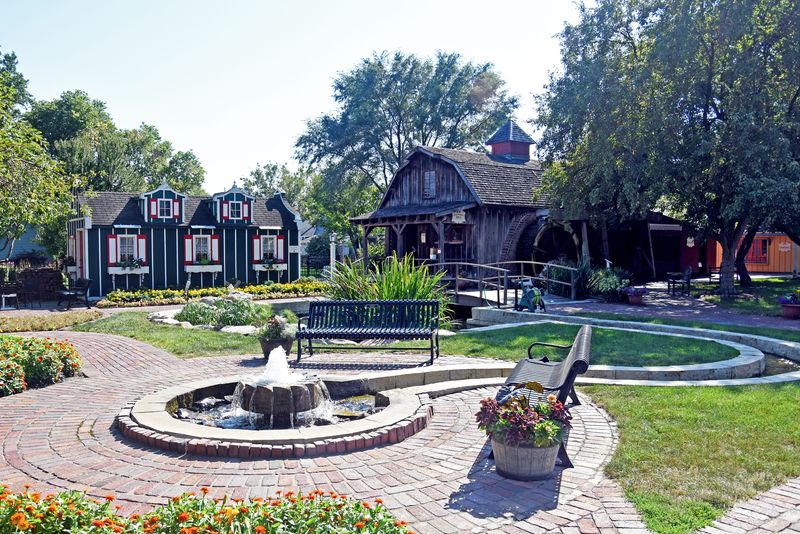
Timing can completely change the feel of this museum, so a little planning goes a long way.
Pella Historical Village & Vermeer Windmill is located at 507 Franklin St, Pella, IA 50219, and it generally operates Monday through Friday from 10 AM to 5 PM and Saturday from 10 AM to 4 PM.
It is closed on Sunday, and current details can be confirmed at pellahistorical.org or by calling 641-620-9463.
If you want a livelier atmosphere, Tulip Time brings color, energy, and major crowds.
If you prefer a calmer visit, many reviews suggest weekdays or off-season dates when you can move through the village more easily and spend extra time with exhibits.
Either way, giving yourself several hours is the smartest strategy, because this is not a quick photo stop disguised as a museum.
The attraction holds a strong 4.7-star rating from hundreds of visitors, which says a lot about consistency.
Go early if the windmill is your top priority, especially during festival season when lines can build.
A little advance planning helps you trade rushing for exploring, and this place is at its best when you let it breathe.
Why Visitors Keep Talking About The Guides
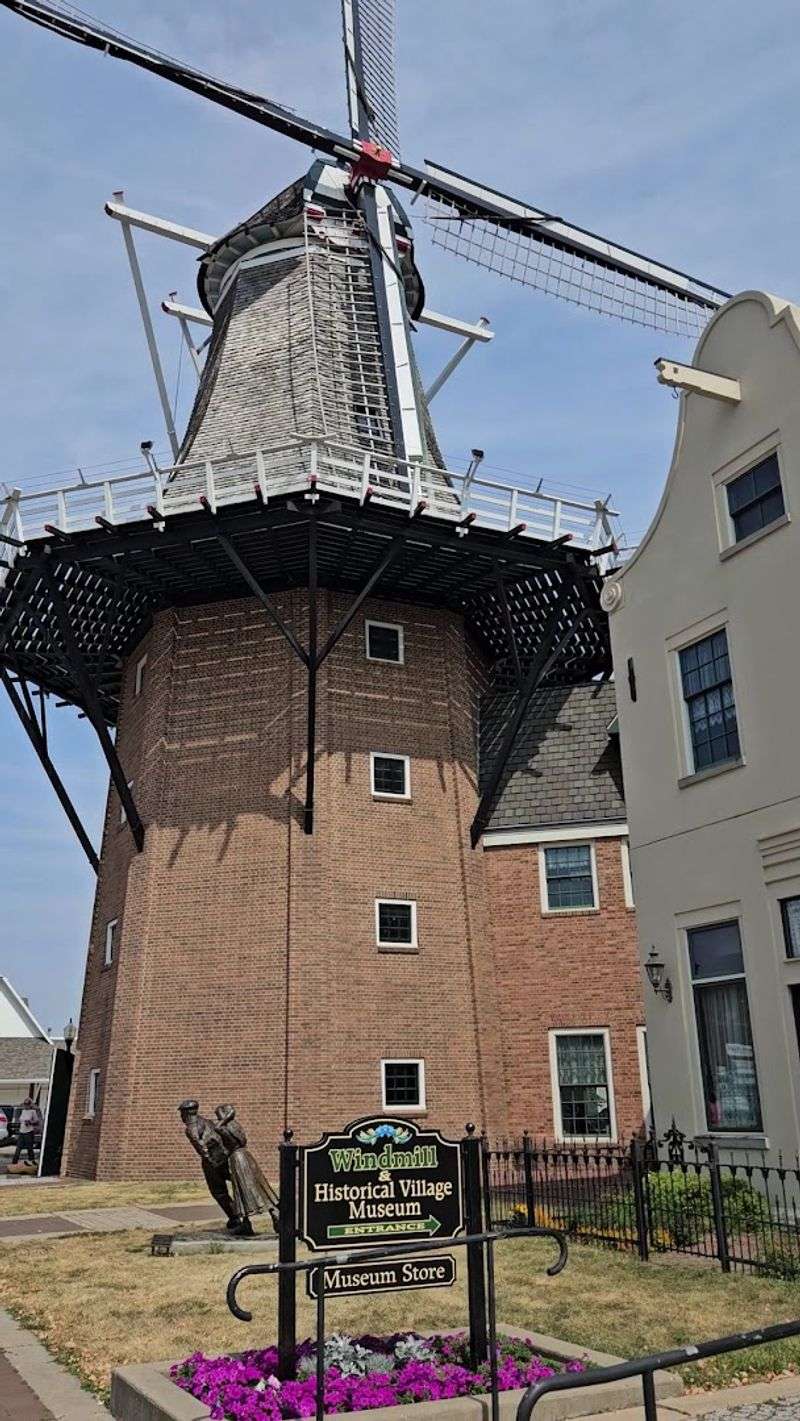
A working windmill is impressive on its own, but knowledgeable guides are what turn it into a story you will actually remember.
Many visitor reviews highlight the millers and staff at Pella Historical Village & Vermeer Windmill as a major reason the experience stands out.
They do more than recite facts, because they help connect complex mechanics and local history in a way that feels clear and human.
That matters inside the windmill especially, where gears, levels, and milling processes could otherwise become overwhelming.
When someone explains how the sails drive the machinery, how grain is handled, and why the structure still matters today, the building suddenly stops being abstract.
It becomes a piece of living technology with cultural weight and practical purpose.
Good guides also shape the emotional tone of a museum.
Friendly, enthusiastic staff can make a historic place feel welcoming instead of formal, and that warmth shows up again and again in reviews.
If you enjoy attractions where interpretation adds real value, not just background noise, this is one of those places where the people sharing the story are nearly as memorable as the windmill itself.
More Than A Landmark, It Is The Heart Of The Experience
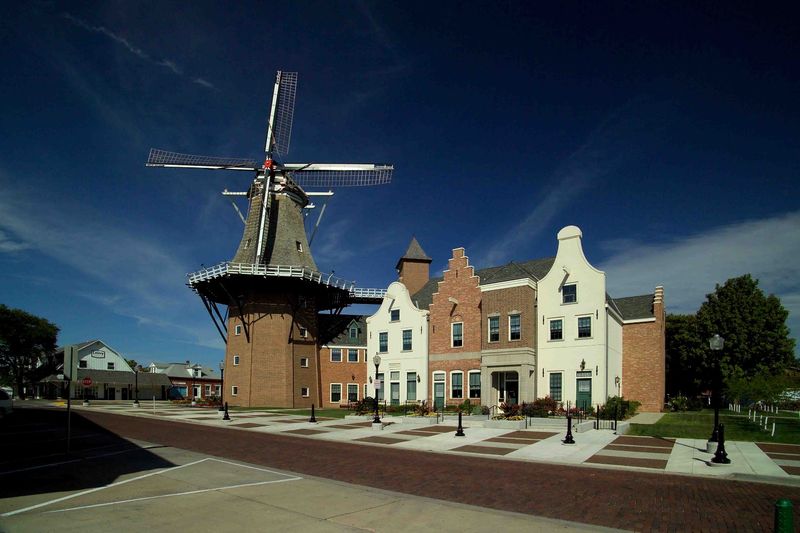
Some attractions have one star feature and a lot of filler around it.
Pella Historical Village & Vermeer Windmill is not that kind of place.
The famous windmill may be the headline, but the full experience works because the village, exhibits, views, and heritage all support one another beautifully.
You come for the height, the sails, and the novelty of seeing a true working Dutch windmill in Iowa.
Then the rest of the grounds keep deepening the visit with architecture, immigrant history, curated displays, and spaces that invite you to slow down.
By the time you leave, it feels like you visited a complete cultural site rather than a single famous object.
That balance is what makes this museum easy to recommend.
It appeals to road trippers, history fans, photographers, families, and anyone who likes discovering a place with a strong sense of identity.
If you want an Iowa attraction that is distinctive, educational, and genuinely enjoyable for several hours, Pella Historical Village & Vermeer Windmill earns its reputation the old-fashioned way: by giving you plenty to see, plenty to learn, and a memorable reason to come back.