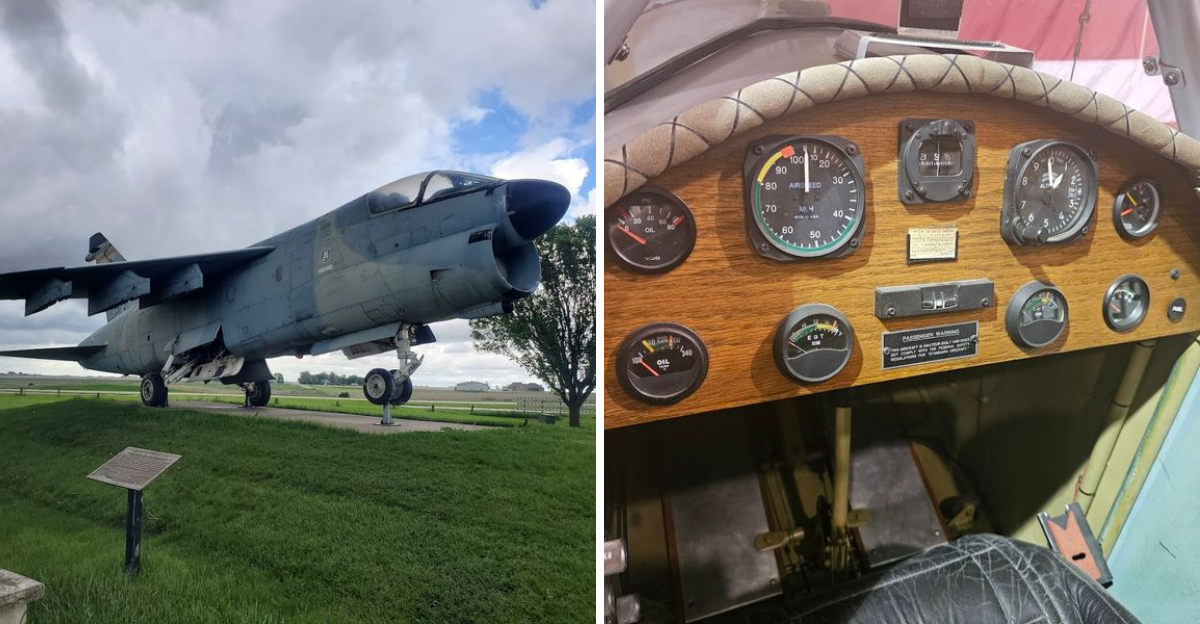
Iowa’s aviation story is far more surprising than most people realize.
Hidden in the small town of Greenfield, the Iowa Aviation Museum takes visitors on a thrilling journey through the state’s forgotten flight connections.
Inside its hangar, vintage aircraft, legendary pilots, and remarkable stories reveal how Iowans helped shape the way America took to the skies.
From early aviation pioneers to rare planes that survived decades, this museum brings history roaring back to life and proves that some of America’s greatest flight stories began far from famous airports.
Visitors can explore fascinating exhibits that celebrate courage, curiosity, and the dream of flight while discovering a side of Iowa history that feels completely unexpected and unforgettable for anyone who loves stories of adventure beyond the ordinary paths of American aviation history.
Discover Iowa’s Unexpected Place In Aviation History
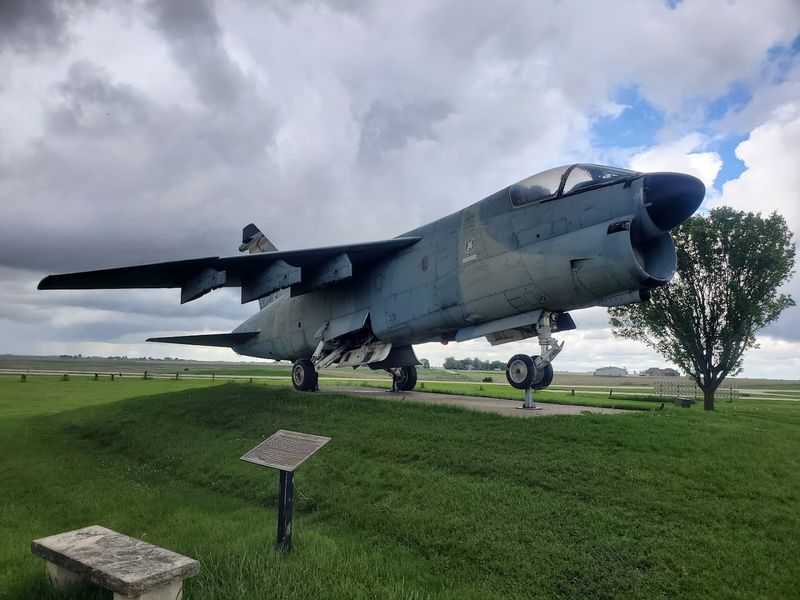
Walking into the museum, you might wonder what Iowa has to do with aviation’s big moments. The answer turns out to be a lot more than most history books mention.
Before airplanes became everyday transportation, Iowa was already experimenting with balloon flights and producing pilots who would make their mark across the country.
The museum does an excellent job showing how Iowa’s aviation story unfolded over time. You’ll find exhibits about early balloon experiments, stories of local inventors tinkering with flight designs, and information about how Iowa’s flat landscapes made it perfect for early aviation testing.
These weren’t just people dreaming about flight—they were actually building and testing machines that would influence aviation’s future.
What makes these displays especially interesting is how they connect Iowa’s contributions to bigger national achievements. The state produced astronauts, airline pioneers, and military aviators who influenced aviation worldwide.
For a small state in America’s heartland, Iowa’s aviation legacy reaches surprisingly far, touching everything from barnstorming tours to modern space exploration missions.
Explore A Collection Of Rare Vintage Aircraft
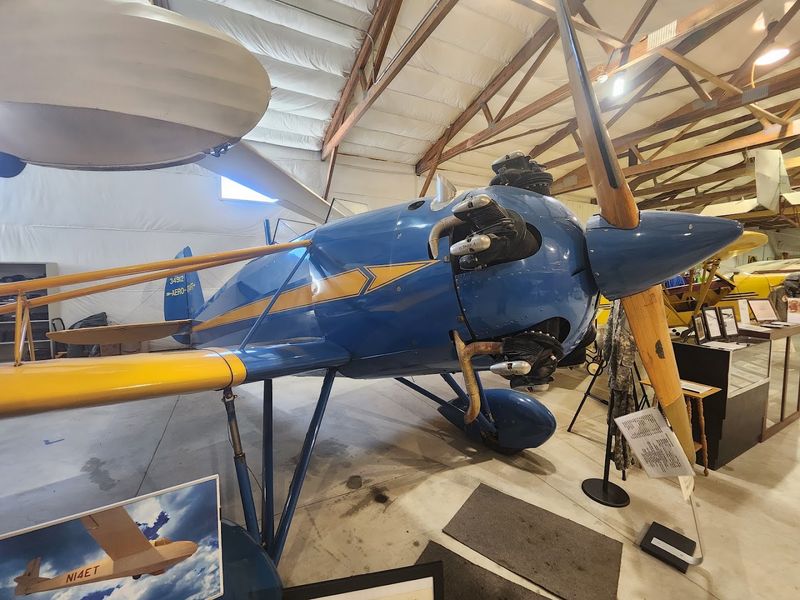
The moment you step into the main hangar, you’re surrounded by genuine pieces of aviation history. These aren’t replicas or models—they’re real aircraft that once soared through American skies during aviation’s golden age.
Each plane has been lovingly preserved, showing visitors exactly what early aviators worked with when flight was still new and somewhat dangerous.
The collection spans several crucial decades when aviation technology changed rapidly. Planes from the 1920s look incredibly different from those built just twenty years later.
You can actually see how designers learned from earlier mistakes, making aircraft stronger, faster, and safer with each new generation.
Standing next to these historic machines gives you a different perspective on flight’s early years. The fabric-covered wings and simple controls remind visitors just how brave those first pilots really were.
They climbed into these fragile-looking machines and trusted their lives to new technology that was barely tested. The hangar’s quiet atmosphere lets you appreciate both the craftsmanship and the courage that early aviation required.
See The Historic 1928 Curtiss Robin And Other Aviation Treasures
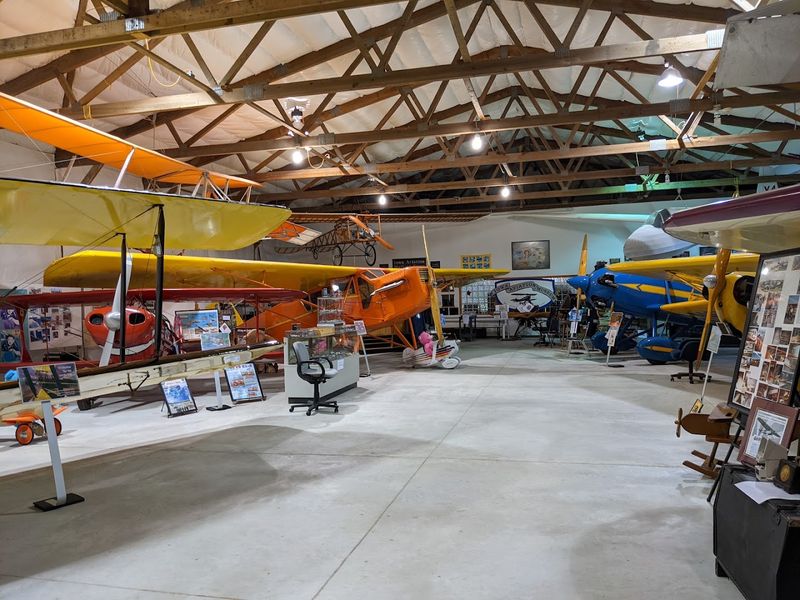
Among all the aircraft on display, the 1928 Curtiss Robin holds special significance. This particular plane is believed to be the oldest surviving Curtiss Robin anywhere, making it genuinely rare.
Back in its day, the Robin was considered a reliable workhorse that helped make aviation more practical for everyday uses beyond military purposes or stunt flying.
Right alongside the Robin, you’ll find other remarkable aircraft that defined their era. The 1929 Stearman represents the classic biplane design that dominated early aviation training programs.
Meanwhile, the 1931 Kari Keen showcases how experimental designs pushed boundaries, even when they didn’t always succeed commercially.
What’s fascinating about seeing these planes together is understanding the rapid evolution happening in such a short time span. Just three years separated the Robin from the Kari Keen, yet design philosophies had already shifted significantly.
Each aircraft tells its own story about what worked, what didn’t, and what pilots and engineers learned along the way. These aren’t just old airplanes—they’re physical evidence of aviation’s exciting experimental period.
Learn About Iowa’s Aviation Pioneers In The Hall Of Fame
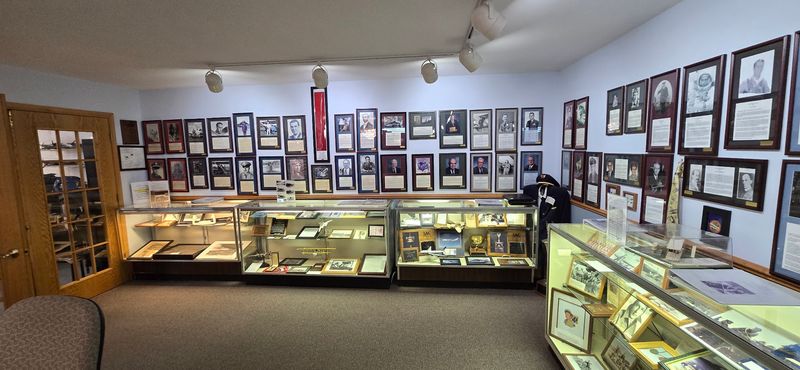
The Iowa Aviation Hall of Fame section feels more personal than other museum exhibits. Instead of just looking at machines, you’re learning about real Iowans who devoted their lives to making flight possible and accessible.
These weren’t all famous names you’d recognize from textbooks, but their contributions mattered enormously to aviation’s development.
The hall honors different types of aviation contributors beyond just pilots. You’ll read about flight instructors who trained thousands of aviators, engineers who designed critical aircraft components, and educators who kept aviation knowledge spreading to new generations.
Some became astronauts reaching beyond Earth’s atmosphere, while others quietly built the infrastructure that made commercial aviation successful.
Reading these personal stories adds human context to the aircraft displays you’ve already seen. Every plane required skilled people to design, build, maintain, and fly it safely.
The Hall of Fame reminds visitors that aviation’s progress depended on countless individuals working together. Many came from small Iowa towns, proving that big dreams and important contributions can emerge from anywhere, not just major cities or coastal states.
Meet The Iowans Who Helped Shape Airline History
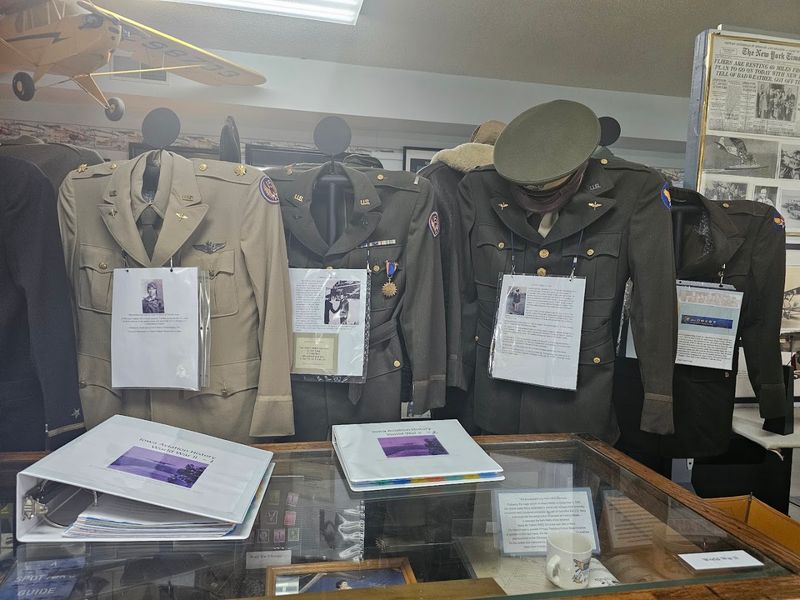
Some Iowa aviation pioneers became household names through their groundbreaking achievements. Clarence Chamberlain earned fame by completing a transatlantic passenger flight during aviation’s pioneering era, when crossing the Atlantic required exceptional skill and considerable bravery.
His success helped prove that long-distance passenger aviation could work, paving the way for the airline industry we know today.
Ellen Church Marshall’s contribution took a completely different but equally important form. She became the world’s first airline stewardess, creating an entirely new profession that millions would eventually follow.
Her innovation changed how airlines operated and how passengers experienced flight, making air travel feel safer and more welcoming to nervous first-time flyers.
The museum presents these stories in ways that help visitors understand their broader impact. Chamberlain’s flight wasn’t just about one successful journey—it influenced investors, aircraft designers, and airline planners thinking about commercial aviation’s future.
Marshall’s career showed airlines that thoughtful passenger service could distinguish their companies from competitors. Both Iowans shaped aviation in ways that still affect how we fly today.
Explore Aviation Memorabilia Beyond The Planes
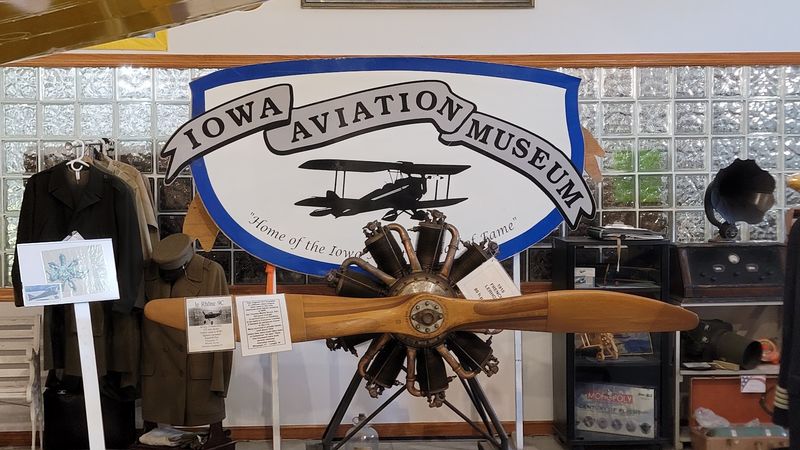
Aircraft might be the museum’s main attraction, but the supporting artifacts tell equally compelling stories. Display cases throughout the museum hold vintage photographs showing pilots beside their planes, mechanics working in early hangars, and crowds gathering for barnstorming events.
These images capture aviation’s social history—how communities celebrated flight and how aviation changed rural American life.
You’ll also find fascinating technical artifacts that reveal aviation’s practical side. Old instruments show what pilots relied on before modern electronics, while maintenance logs document the constant work required to keep early aircraft safely operational.
Uniforms, badges, and personal items add intimate details about individual aviators’ experiences.
One particularly interesting collection includes aviation-related correspondence and business documents. These papers show how aviation became an industry beyond just flying—involving insurance companies, aircraft salesmen, airport developers, and government regulators.
Together, all these memorabilia pieces create a richer understanding of aviation history than aircraft alone could provide. They show that flight’s development involved entire communities working together, not just brave individuals climbing into cockpits.
Follow The Journey From Early Flight To Space Exploration
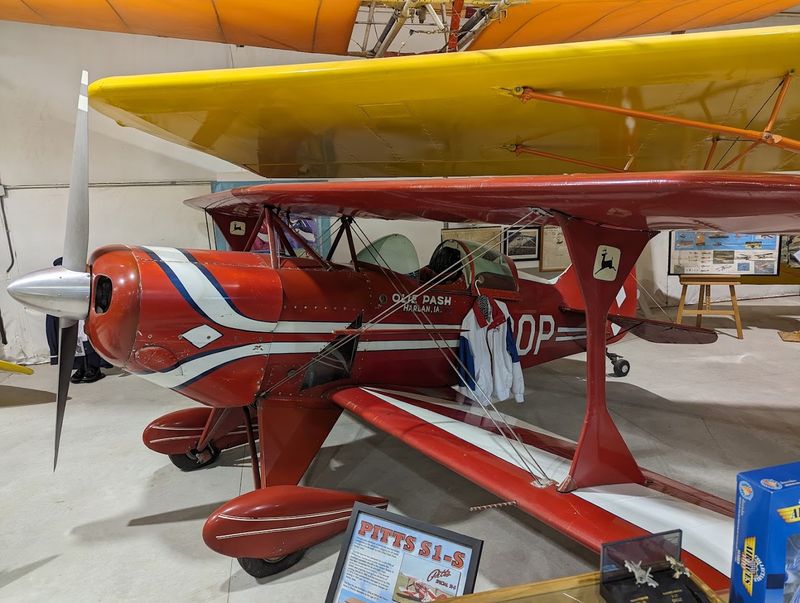
One exhibit traces an ambitious timeline connecting Iowa’s first balloon experiments to modern space exploration. This long-view perspective helps visitors understand aviation as an ongoing story rather than isolated historical events.
What started with people floating in balloons eventually led to humans walking on the moon—and Iowans participated in many chapters of that incredible journey.
The museum highlights Iowa natives who became astronauts, showing how the state’s aviation tradition extended beyond Earth’s atmosphere. These weren’t accidental connections—strong aviation programs in Iowa schools and communities helped develop the skills and knowledge future astronauts needed.
The foundation built by early Iowa aviators created pathways for later generations to reach even higher goals.
Seeing this complete progression displayed together makes aviation’s rapid advancement almost unbelievable. Just sixty-six years separated the Wright Brothers’ first flight from Neil Armstrong’s moon landing.
Many early aviators lived long enough to witness jet aircraft and space travel. The exhibit reminds visitors that today’s impossible-seeming technologies might become tomorrow’s routine achievements, just as flight transformed from fantasy to everyday reality within one human lifetime.
Experience A Museum Built Around Real Aviation Enthusiasm
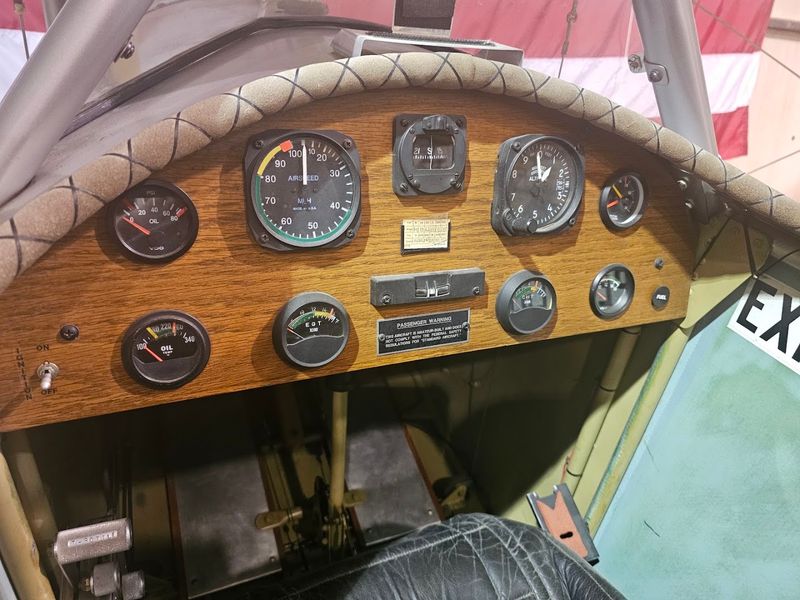
Unlike massive aviation museums in major cities, the Iowa Aviation Museum feels wonderfully personal. The people running and supporting this museum genuinely love aviation history and want to share their passion with visitors.
Many volunteers have aviation backgrounds themselves—former pilots, mechanics, or aviation enthusiasts who’ve spent years researching Iowa’s flight history.
Being located at an active airport adds authentic atmosphere you won’t find at typical museums. Sometimes you’ll hear small aircraft taking off nearby while you’re examining historic planes inside the hangar.
This connection to working aviation makes the museum feel alive rather than like a static collection. You’re not just looking at aviation history preserved in amber—you’re experiencing it in a place where aviation still actively happens.
Visitors frequently comment that talking with museum staff enhances their experience significantly. These knowledgeable volunteers share details and stories that wouldn’t fit on display placards, answering questions with genuine enthusiasm rather than scripted responses.
Their dedication to preservation and education shows in every aspect of the museum, from the carefully maintained aircraft to the thoughtfully organized exhibits throughout the facility.
Visitor Info And Tips
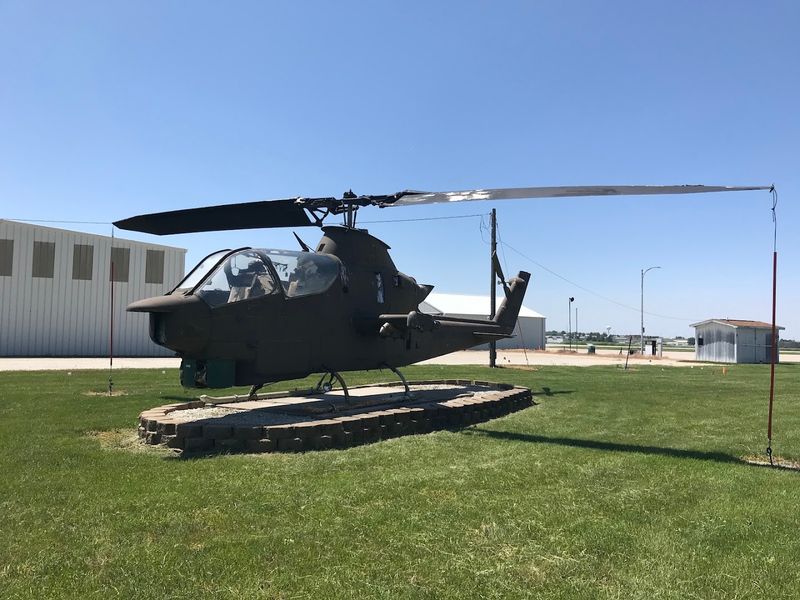
The Iowa Aviation Museum is located at 2251 Airport Road in Greenfield, IA 50849. Regular hours run Monday through Saturday from 10 a.m. to 5 p.m., and Sundays from 1 p.m. to 5 p.m.
However, hours can change seasonally, so calling ahead at (641) 343-7184 before visiting is smart planning.
Admission prices are quite reasonable. Adults pay around $10, seniors around $9, and children ages 6-18 around $5.
Kids under five enter free. Free parking right near the hangar makes arriving simple, especially for families with young children or visitors driving from other towns.
Plan spending at least one to two hours exploring everything thoroughly. Bring your camera—the vintage aircraft and historic displays create fantastic photo opportunities.
Don’t hesitate asking staff or volunteers about aircraft backstories; they often share fascinating details not mentioned on display signs. Check whether special aviation events, open houses, or fly-ins coincide with your visit for extra excitement.
Consider combining your museum trip with other Greenfield attractions to create a memorable full-day Iowa adventure exploring both aviation heritage and local charm.