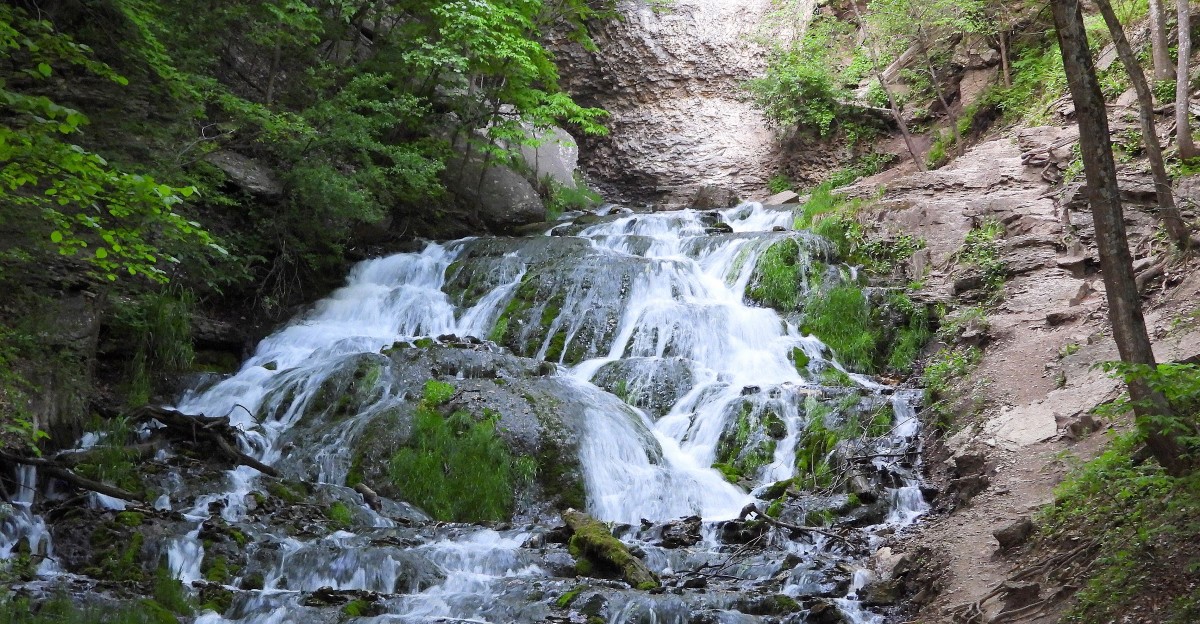
Cold spring water pours straight out of a limestone cliff here, and it keeps flowing all year. Just down the road sits a cave where ice can still cling to the walls in August.
Yes, August. The ice actually builds up in spring and peaks around June, which feels completely backward.
Meanwhile, the spring water stays near 45 degrees for most of the year.
This corner of Iowa packs both oddities into one easy outing. A short paved walk gets you to the falls.
A stone bridge and wooden stairs then carry you right up to where the water bursts from the rock.
There’s no admission fee, either. Honestly, a waterfall and a summer ice cave for free sounds like a riddle with a really good answer.
The Water Literally Comes Out of the Cliff
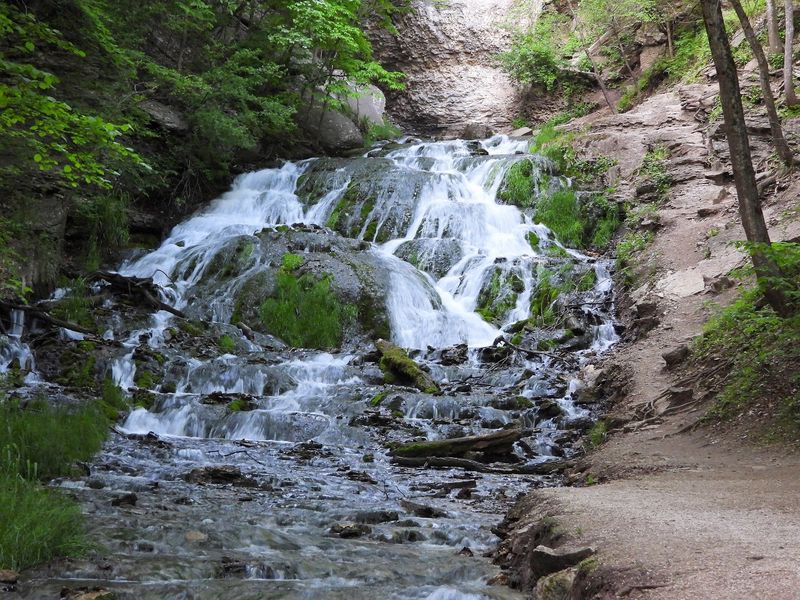
Most waterfalls start as a river tumbling over a ledge. At Dunning’s Spring Park, the water skips that step and shoots right out of a limestone wall.
Geology explains the magic trick. Water moves through the Galena Aquifer, then hits a layer called Decorah Shale that it can’t easily soak through.
So the water slides sideways and escapes from the wall of the Upper Iowa River Valley. The result is a spring that feeds a cascading waterfall all year long.
You’ll often hear it called a 200-foot waterfall. That number measures the whole run of cascades, not one giant straight drop, so keep your expectations honest.
Honest expectations still leave plenty to love here. Limestone cliffs frame the falls, and the water spills over rocks in layers instead of one sheet.
Since the source is a spring, the falls keep running when other creeks slow down. That makes this one of the more dependable waterfall stops in Iowa.
Bring a camera and some patience for framing. The layered cascades give you several angles, from the bottom of the falls to spots higher up near the rock.
Your Toes Will Notice the 45-Degree Water Fast
Forty-five degrees. That’s roughly where the spring water sits for most of the year, whether it’s July or a chilly fall afternoon.
Underground water doesn’t swing with the weather the way surface water does. It stays steady, so the stream below the falls feels cold even on hot summer days.
That makes this a pretty great spot when the Iowa heat cranks up. The air near the water often feels cooler, which is a nice reward after the walk.
If you plan to dip your feet, wear shoes that can get wet. Rocks along streams can be slippery and uneven, so take slow steps.
Kids usually treat a creek like a personal invitation. Keep an eye on little ones near the water, especially around the rocks below the cascades.
Pack a small towel in your bag. Cold water feels amazing for about ten seconds, then your feet start asking polite questions.
Also think about layers in spring and fall. The shaded, wet area around the falls can feel cooler than the parking lot, so a light jacket rarely goes to waste.
A Stone Bridge and Stairs Lead You Right to the Source
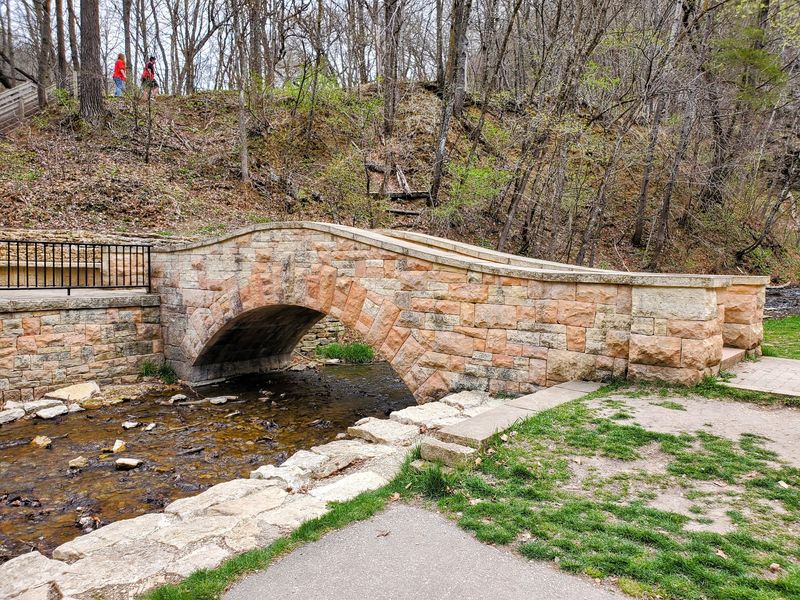
Here’s a fun upgrade to the usual waterfall visit. You don’t just look up at the falls; you can climb up and see where the water starts.
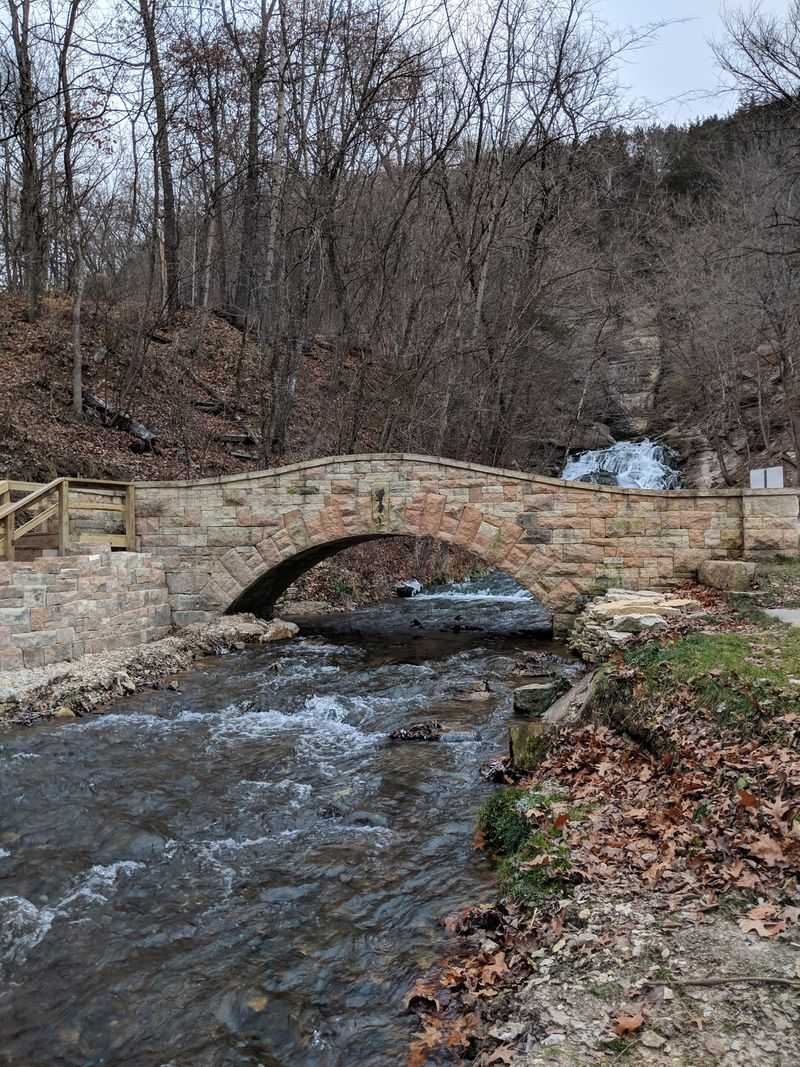
A stone arch bridge crosses the stream near the cascades. Local stone mason Ted Wilson crafted it, and it fits the rocky setting beautifully.
From there, a wooden staircase climbs alongside the falls. It brings you up close to the spot where the spring pours out of the rock wall.
That view is the real payoff. Seeing water appear from solid stone feels a little like catching a magician mid-trick.
Take the stairs at an easy pace and hold the rail when it’s wet. Mist and spring moisture can make surfaces slick, even on sunny days.
The stairs also give you different viewpoints on the way up. Pause along the climb for photos looking down over the cascades and the stream below.
Once you reach the top, linger for a minute. The sound of water rushing out of the cliff is a pretty great reason to slow down.
The Walk In Is Short, but Parking Takes a Little Planning
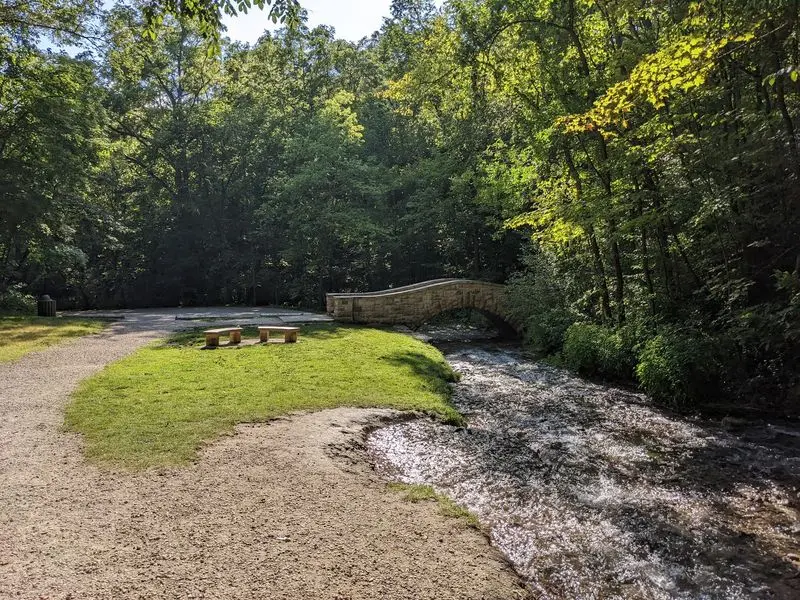
Good news for anyone who doesn’t love long hikes. The falls sit about 200 yards from the gravel parking lot along a paved walk.
That lot is on the south side of Ice Cave Road. There’s no parking right at the waterfall, so plan to walk the short stretch.
Ice Cave Road is closed to vehicles and through traffic indefinitely. You reach Dunning’s Spring Park from the west end of the road.
Some map apps can get confused by that closure. Set your route carefully to Ice Cave Rd, Decorah, IA 52101, and look for the west entrance.
The paved drive to the waterfall can be used for drop-offs. That helps visitors with mobility concerns get closer to the falls without the full walk.
Park hours run from 7 a.m. to 11 p.m., which gives you plenty of flexibility. Morning and evening visits both work nicely for a quick stop.
Wear comfortable shoes even for this short trip. You might decide to keep going once the trails start calling your name.
Ice in Summer? Half a Mile Down the Road, Yes
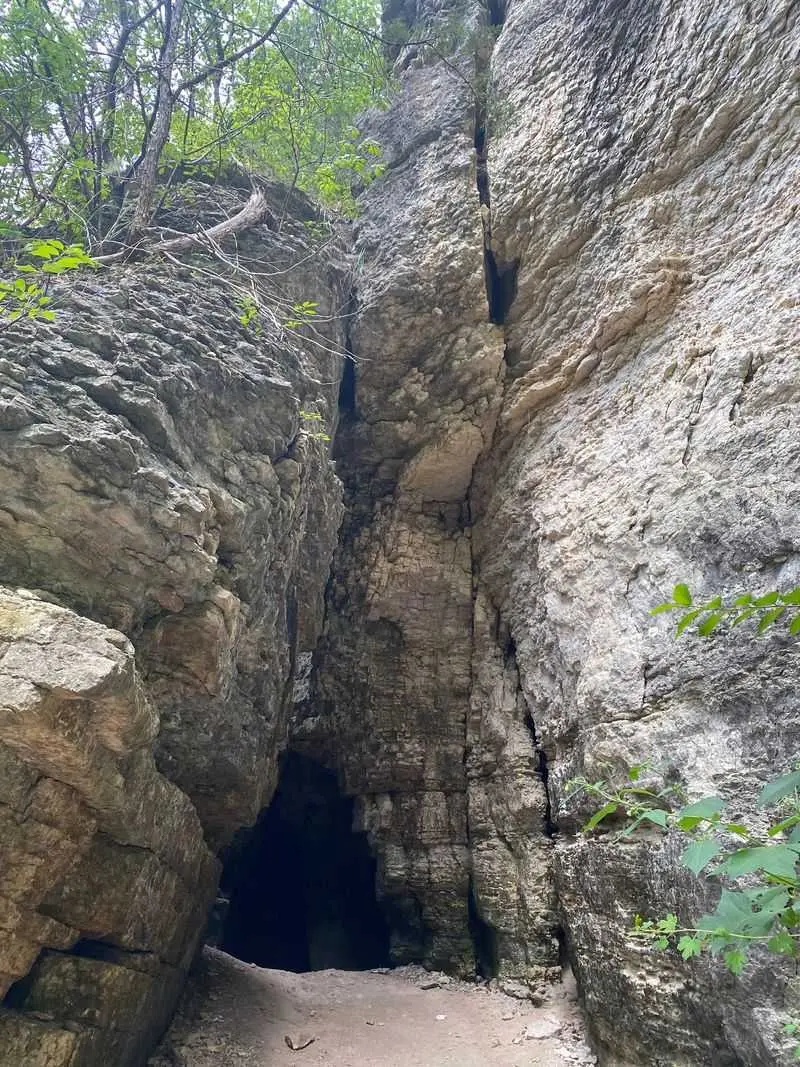
Winter isn’t when the ice shows up here, which is the wildest part. The Decorah Ice Cave State Preserve sits about a half-mile walk east from the parking lot.
It’s considered the largest known ice cave in eastern North America. Ice begins forming around March and can reach 8 to 10 inches thick by June.
Often, that ice hangs around until August or September. So you could leave a sweaty summer afternoon and find frozen walls.
Science makes it work. Cold air drains into the cave and chills the rock, then spring meltwater seeps in and freezes on contact.
Winter visits aren’t recommended, so aim for late spring or summer. That’s also when the ice is at its most impressive.
The walk follows Ice Cave Road, which is closed to cars. Some of that stretch is sunny, so bring water on warm days.
Pairing the falls and the cave makes for a pretty unbeatable combo. One spot gushes spring water, and the other hoards ice like it’s saving it for later.
Bring a Headlamp and Be Ready to Squeeze
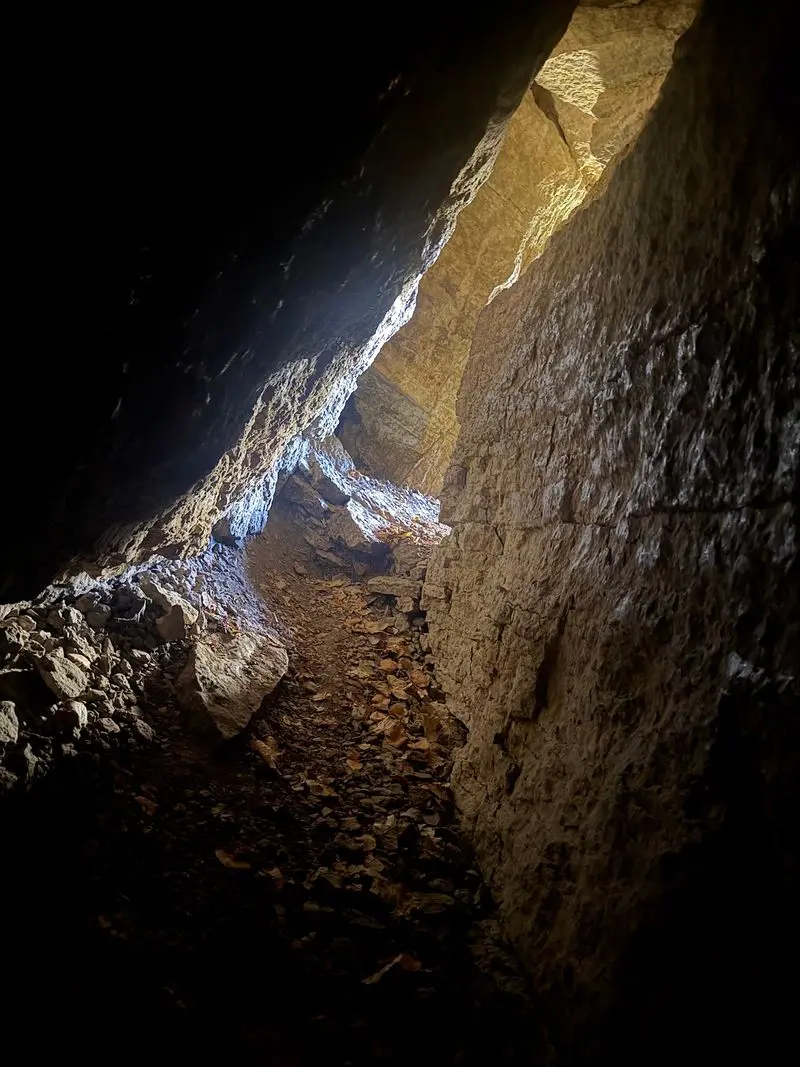
Flashlights matter more than fashion in this cave. It gets dark quickly, and the floor can be slippery with ice and moisture.
After about the first 10 yards, the passage narrows a lot. Adults may need to duck and even turn sideways in certain sections.
You can typically go about 60 feet inside. A permanent barrier was installed in the late 1990s because of rock movement, so that’s where the adventure ends.
Sixty feet doesn’t sound like much on paper. In a tight, cold, icy cave, it feels like plenty.
A headlamp keeps your hands free for balance. That’s handy when you’re squeezing through narrow spots and steadying yourself on the rock.
Shoes with good grip are smart too. Skip sandals here, even if they worked great at the creek.
Toss a light layer in your bag before heading in. The cave stays chilly while the outside air might feel like a sauna.
Bigger folks or anyone uneasy in tight spaces can still enjoy the entrance. Peeking inside at the icy walls is fun by itself.
Way More Trail Here Than Most Folks Expect
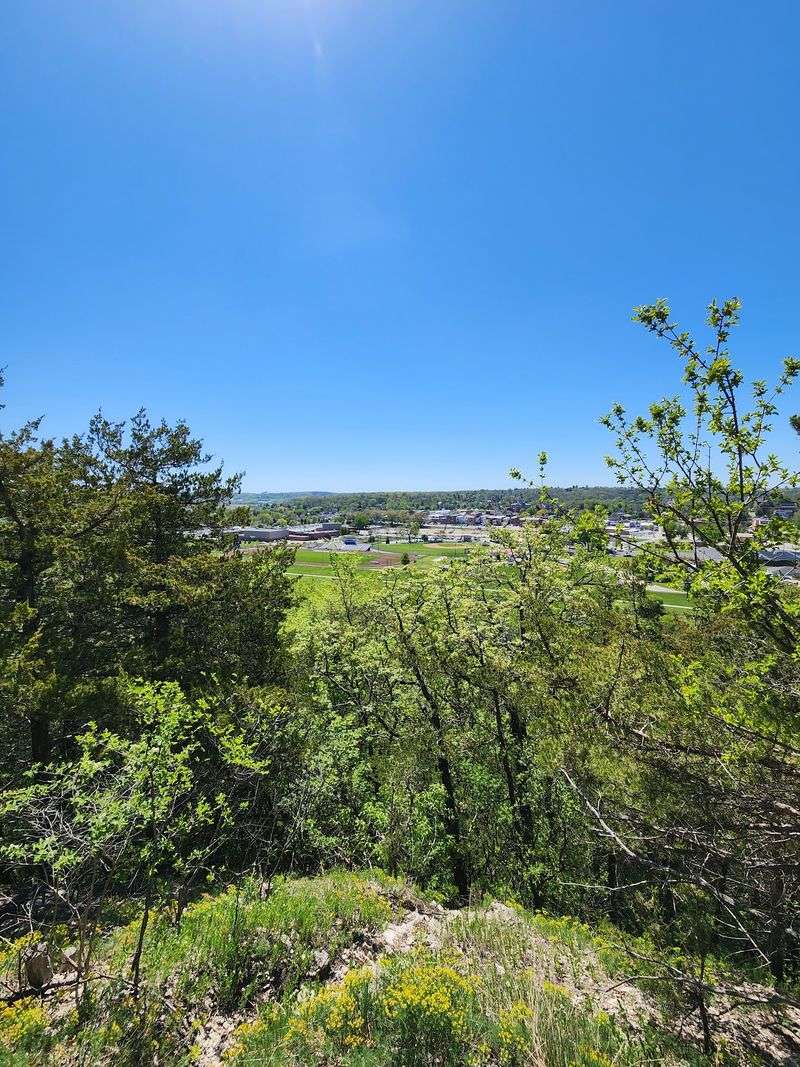
Plenty of visitors stop at the falls and call it a day. The park actually spans 115 acres, so there’s a lot more ground to cover.
Hiking trails wind through woods mixing deciduous and coniferous trees. That blend keeps things interesting, with leafy shade in summer and evergreens later in the year.
A scenic overlook gives you a higher view of the area. It’s a nice goal if you want more than a quick waterfall stroll.
Trails here connect with Ice Cave Hill and Palisades Park. They also link to parts of the 11-mile paved Trout Run Trail.
That network turns Dunning’s Spring Park into a starting point for bigger days. Hikers and bikers can stretch an outing as long as their legs allow.
Check the trail maps posted onsite before you start. They help you match a route to your energy level.
After rain, dirt paths can get muddy. Sticking to paved stretches is a smart move when the ground is soggy.
Good shoes and a water bottle cover most needs. Leave room for detours, because this northeast Iowa terrain loves to surprise people.
Lunch Tastes Better With a Waterfall Soundtrack
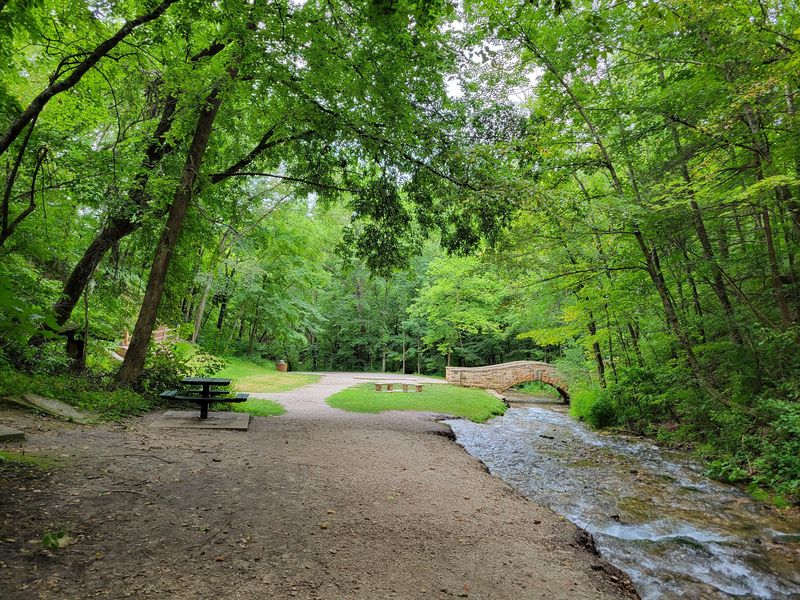
Sandwiches are fine anywhere. Eat them near a waterfall, though, and suddenly they feel like a fancy meal.
Dunning’s Spring Park offers picnic tables, benches, and cookout grills. There’s even a bonfire grill for groups who want a bit of campfire flavor.
That makes this an easy stop for families. You can explore the falls, walk the trails, then settle down to eat without leaving.
Pack food in a cooler and bring your own supplies. The park has no restaurant, so plan your snacks ahead.
Charcoal, utensils, and trash bags belong on your packing list if you plan to grill. Leaving the area clean keeps it nice for the next crew.
Watch your footing around the picnic spots. Ground near the stream can be uneven, so step carefully when getting up from the table.
Benches also make good resting stops for anyone needing a break. Grandparents and tired kids will both appreciate them.
A picnic here turns a quick visit into a slow afternoon. Honestly, that might be the best way to enjoy the place.
A Gristmill Once Ran on This Very Spring
Long before picnics and photos, this spring did real work. In 1849, William Painter built a gristmill here, the first mill in the county seat.
E.C. Dunning bought the property in 1851, which explains the park’s name.
His mill operated until the 1870s.
Later, the site became Decorah Marble Works. The building was eventually torn down around the turn of the century.
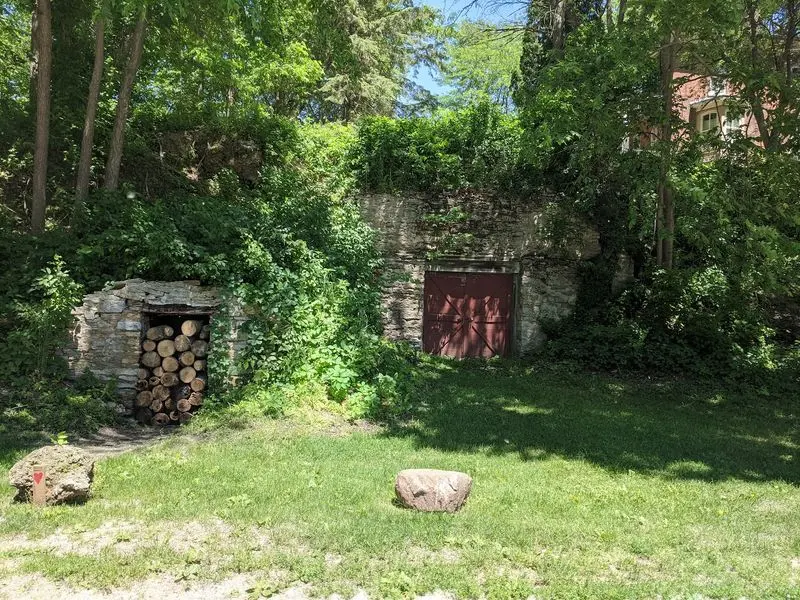
A boulder in the picnic area marks where the original mill stood. Look for it while you’re eating, since history pairs nicely with lunch.
Near the park entrance, there’s also a tufa cave. It’s separate from the Ice Cave and once served a nearby business that later became a creamery, using the cave for storage.
The Ice Cave has its own story too. It ran as a commercial attraction from 1929 until 1941.
Today, everything here is free to enjoy. That’s quite the change for places that once earned their keep.
Knowing the history adds depth to a simple walk in Iowa. The water that once turned a mill wheel now just puts on a show.