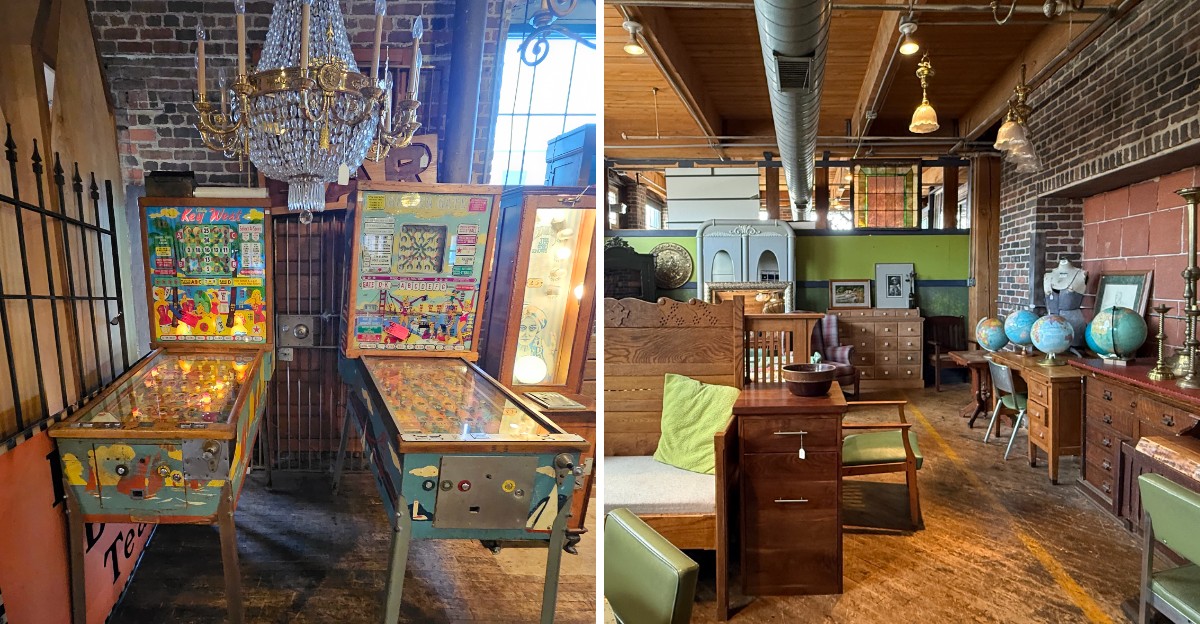
The doorknob parts sit on the far end of the fourth floor.
Of course they do.
That one detail tells you a lot about this sprawling Iowa salvage warehouse and how deep the hunt goes.
The building covers roughly 50,000 square feet. It holds old doors, stained glass, corbels, columns, ceiling tin and vintage road signs.
Pieces arrive from the UK, the Middle East, Chicago, St. Louis and beyond.
I like how the stock keeps moving.
Turnover runs high, so the floor you browsed last spring may look totally different now.
There’s even a coffee bar for when your legs start filing complaints.
I can’t imagine anyone seeing it all in one lap.
Stairs, side rooms and a lower level keep pulling you along.
So how many trips does it take before you finally spot everything?
Four Floors Means You Should Pace Yourself From The Start
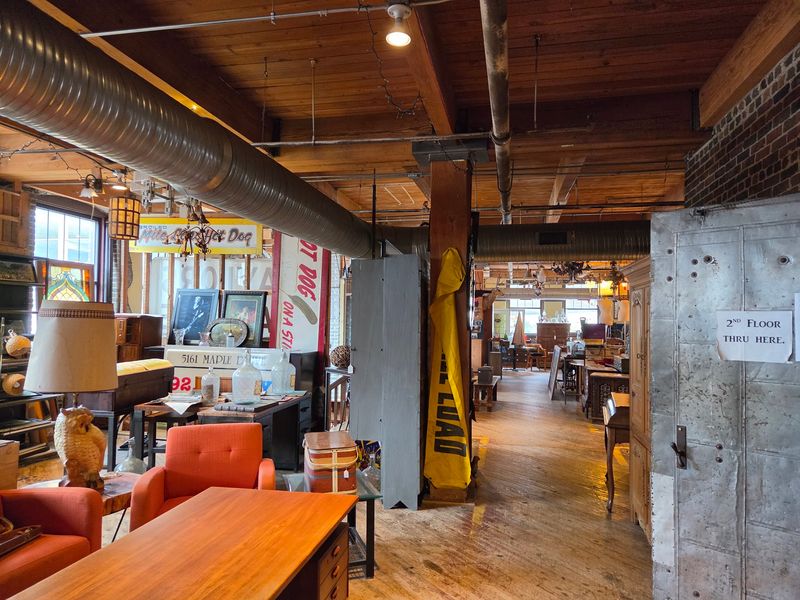
West End Architectural Salvage stacks its treasures across four levels, including a lower level. The whole building stretches to about 50,000 square feet, so sneakers beat fancy shoes here.
Items are grouped by category, which helps a lot. You can head straight for doors, lighting or furniture instead of wandering in circles all afternoon.
Still, wandering is half the fun. Every staircase leads somewhere new, and side rooms hide pieces you won’t expect.
A slow pace pays off far better than a speed run.
Give yourself a real block of time. A quick half hour barely covers the ground floor once you start looking closely at hinges and hardware.
The stairs are part of the deal, so plan your energy wisely. Starting at the top and working down is one smart way to keep your legs happy later.
Bring a phone for photos and measurements, too. Snapping a picture of a door or mantel helps you compare options before you commit to anything big.
Above all, don’t rush the exit. Some of the best finds sit right where tired shoppers stop paying attention, usually near the very end of the visit.
Old Doors Wait Here By The Dozen, Each With A Past
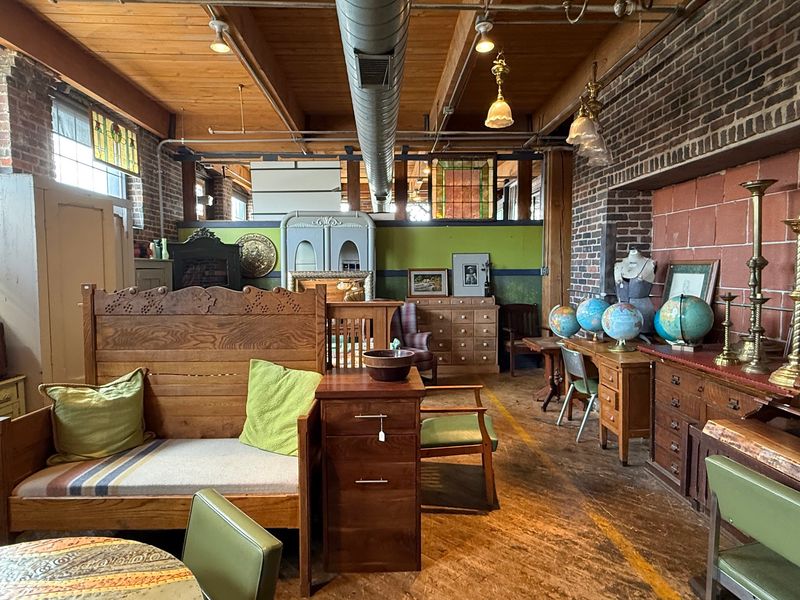
Doors might be the stars of the show. Salvaged from older buildings, they come in all kinds of styles, sizes and finishes.
Some still wear their original hardware. Others pair nicely with the bins of doorknobs and hinges found elsewhere in the building, which makes matching a lot easier.
Why buy an old door at all? For one thing, they make great headboards, pantry doors or wall art.
For another, older wood often has a sturdy weight that newer doors simply lack.
Measure your opening before you go. Old doors rarely match modern sizes, so knowing your numbers saves you from a heartbreaking moment at home.
Windows sit nearby too, along with stained glass panels that catch the light. A single colorful window can change the whole mood of a plain hallway or bathroom.
Since stock comes from places like New York, Minneapolis and Chicago, styles vary a lot. You might find a farmhouse look beside something with city flair.
Take your time studying the details. Panels, trim and glass patterns tell you a lot about where a piece came from and how it might fit your space.
Tiny Hardware Treasures Reward The Patient Hunter
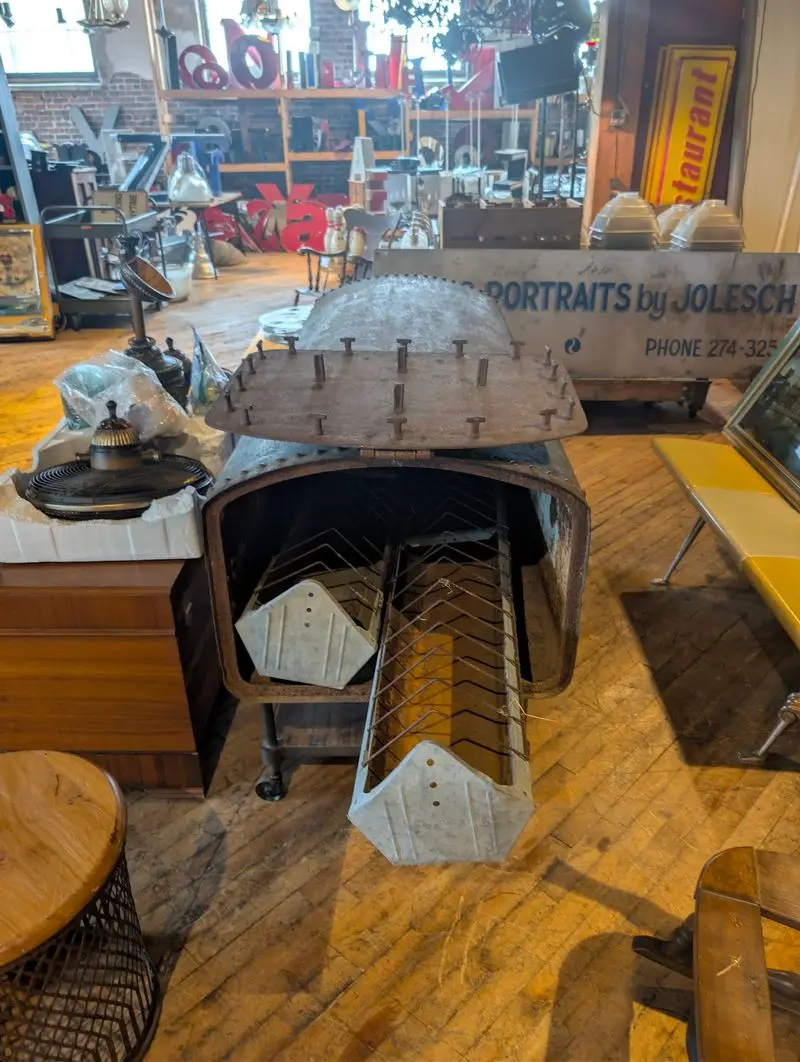
Glass doorknobs, brass hinges and old hardware fill the smaller corners of this place. They’re easy to overlook when giant columns and signs are fighting for your attention.
For anyone fixing up an older house, though, these little parts matter big time. Finding a matching knob can rescue a door that’s been stuck with a mismatched one for years.
The hunt can take you far, sometimes all the way to the upper floor. That’s a climb, but for the right piece it’s a small price to pay.
Bring the broken part with you if you can. Holding it beside possible matches makes it much easier to spot the right size and style.
Ceiling tin, baseboard and corbels also show up in the mix. Each one can add real character to a room without a full remodel.
Salvaged lumber is another handy option for builders. Old boards bring color and texture that fresh wood takes years to earn.
Honestly, the small stuff is where a lot of magic hides. Slow down near the bins, because the perfect detail is usually sitting quietly under something shinier.
Road Signs And Rocking Horses Share The Same Roof
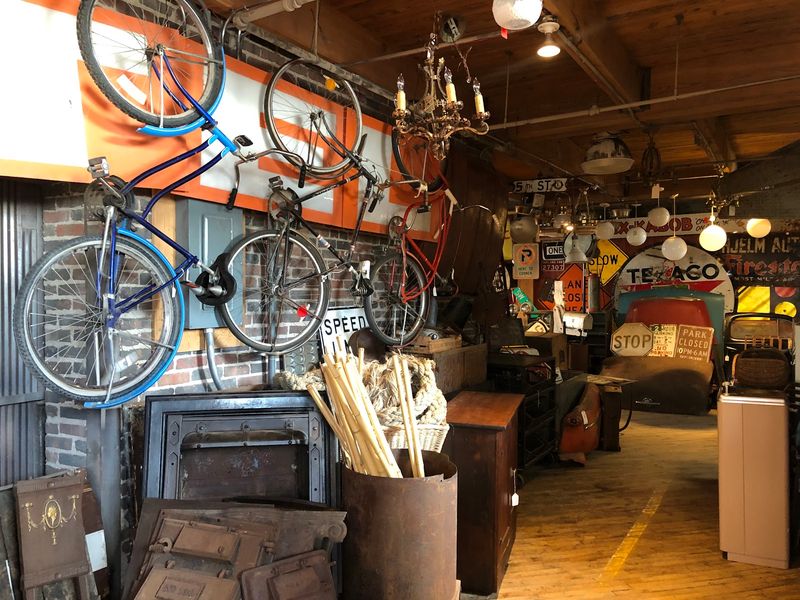
A vintage road sign can hang a few steps from a rocking horse here, and somehow it works. The mix goes well beyond building parts.
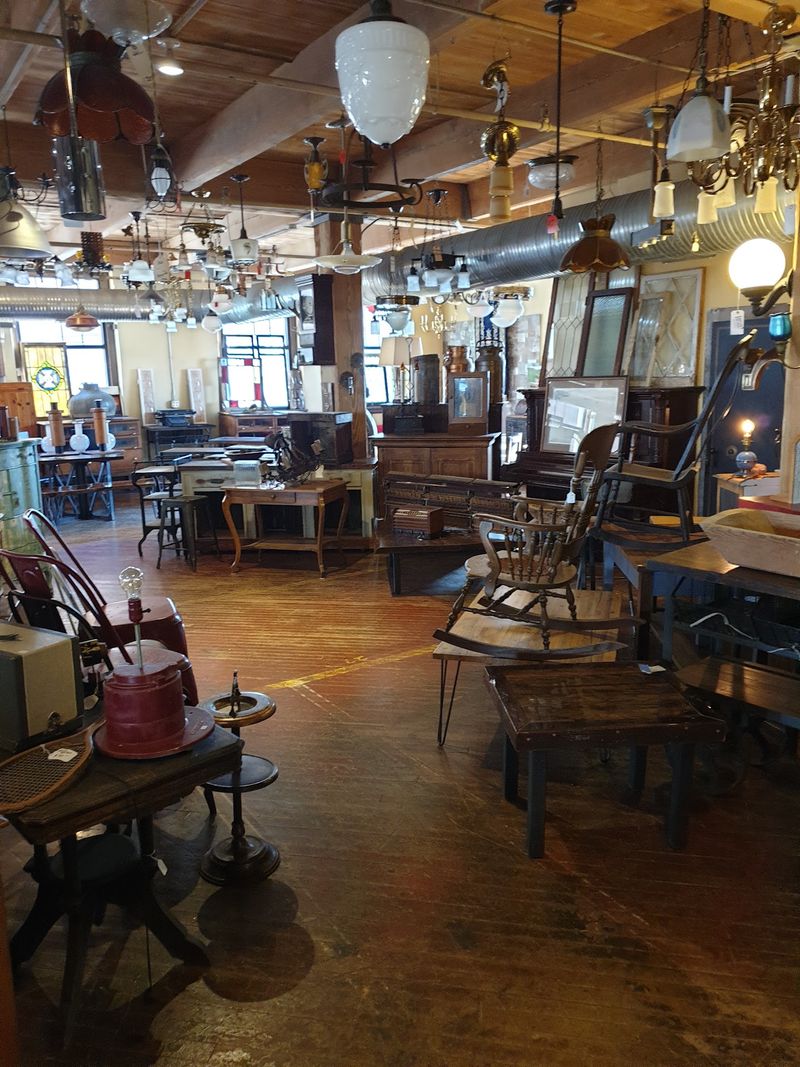
Shelves hold glassware, porcelain and jewelry. Furniture, home decor and unusual lighting fill other spaces, so the store feels part antique mall and part history lesson.
Signs are a big draw for many shoppers. Old advertising pieces bring bold colors and fun lettering that instantly give a garage, kitchen or game room a story.
Lighting deserves its own look too. A one-of-a-kind fixture can become the thing everyone asks about when they walk into your dining room.
Quality and origin vary across the stock, so look things over carefully. Check for cracks, wobbles and missing pieces before you fall too hard for something.
Small gifts are easy to find in this section as well. A piece of glassware or jewelry makes a thoughtful present for someone who loves old things.
Keep an open mind as you browse. The item you didn’t come for often turns out to be the one you can’t stop thinking about on the drive home.
Your Coffee Break Comes With A View Of Chandeliers
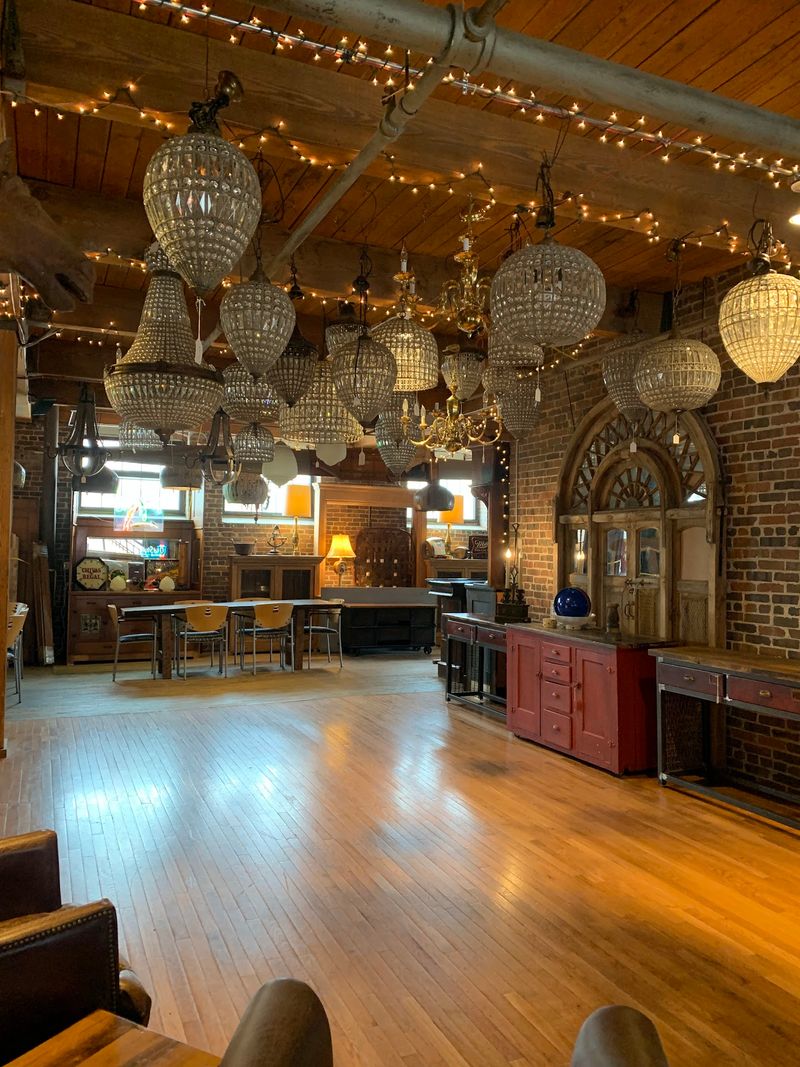
Halfway through four floors, your feet will probably ask for a timeout. Luckily, a café with a coffee bar sits right inside the building.
The menu keeps things simple. You’ll find coffee, espresso, flavored coffees, tea and simple pastries, which is exactly enough fuel for round two.
Seating options are spread out, giving you room to sit and regroup. It’s a smart spot to compare photos and decide whether that door really fits your plans.
The café has also picked up a People’s Choice award for coffee shop. Not bad for a place mostly known for old mantels and hinges.
Browsing with a warm drink feels relaxed and unhurried. It turns a shopping trip into more of an outing you can share with a friend.
Families can use the break wisely too. Kids who have climbed every staircase may need a snack before tackling the next level.
Think of the café as your home base. Start there, explore, then circle back when you need fresh energy and a moment to plan your next move.
A 1916 Building With More Lives Than A Cat
Long before salvage arrived, this building stored groceries. The Grocers Wholesale Company moved in starting in 1916, according to the building’s history.
Later occupants included the Paul Schulze Biscuit Company and Miller Distributing Company. From 1937 to 1959, it served as a Sears Farm Equipment Store, which feels very Iowa.
The list keeps going with Dempster Mill Manufacturing Company, National Handcraft, Inc. and Lumbard Investment Company. That’s a lot of work history for one set of walls.
Owner Don Short bought the building in 2006. Two years later, in 2008, it was added to the National Register of Historic Places.
I love that a store full of rescued pieces lives inside a rescued building. The match just makes sense.
You’ll find it at 22 9th St, Des Moines, IA 50309, on the west side of downtown. It’s easy to fold into a day exploring the city.
Look up and around as you browse. The building itself is part of the story, and it quietly adds weight to everything sitting on its floors.
Some Pieces Get A Makeover Before You Ever See Them
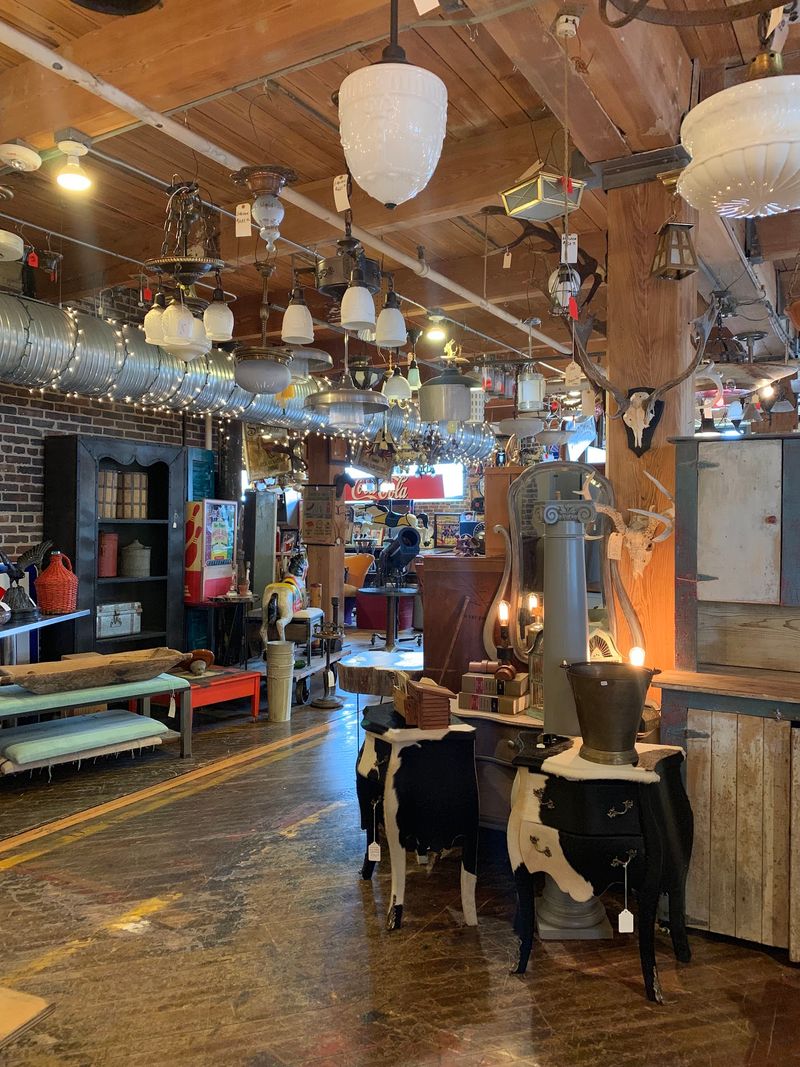
Not everything hits the sales floor as-is. Many pieces get restored and finished in-house first, so plenty of items are ready to use or display right away.
That’s great news if you don’t own a sander or the patience for stripping paint. You can skip straight to the fun part of placing it in your home.
The team also designs and builds custom furniture. Tables, barstools, headboards and bookshelves are all part of the lineup.
Custom work blends old materials with practical shapes. Imagine a dining table that carries history but still fits your actual room.
Have a vision but no clue how to pull it off? Bring measurements and ideas, because a custom piece starts with a clear conversation about size and style.
Restored items also make shopping easier for beginners. You get the charm of salvage without guessing how much work hides under old layers.
This side of the business shows real craftsmanship. It turns forgotten materials into furniture people will use every single day, which might be the best kind of recycling.
Yes, People Throw Weddings Among The Antiques
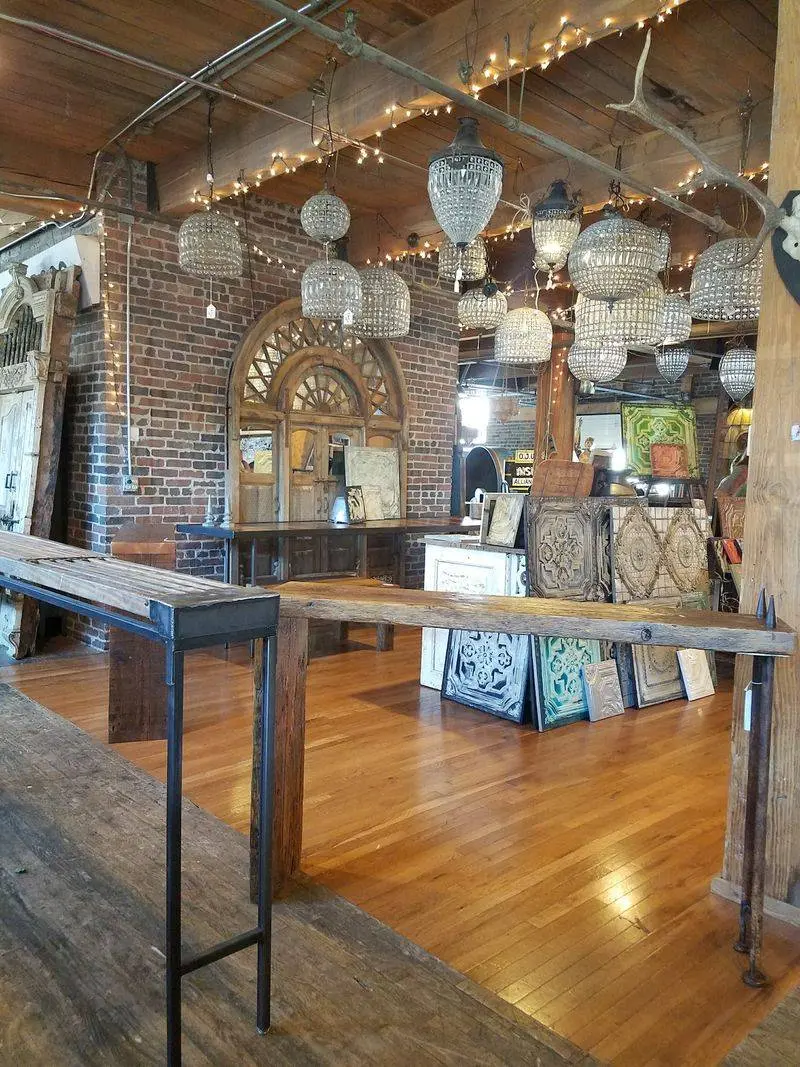
Saying vows surrounded by stained glass and vintage chandeliers sounds pretty memorable. The café space doubles as an event venue for gatherings big and small.
West End Architectural Salvage has earned People’s Choice awards for wedding and event venue. It has also won in the antique store category, so the trophies cover a lot of ground.
The setting does much of the decorating for you. Guests have plenty to look at during downtime, which keeps conversations going.
Planning still matters with a space this unique. Think through seating and flow early so every part of the day has its place.
Showers and parties fit here as well. It’s a creative choice for anyone tired of plain banquet rooms with beige walls.
Reach out early if you have a date in mind. Popular weekends tend to fill up, and unique venues often book well ahead.
Even if you’re just shopping, it’s fun to imagine. Picture-ready corners pop up on every floor, and the whole place feels built for celebrating something special.
Plan A Return Trip, Because The Shelves Keep Changing
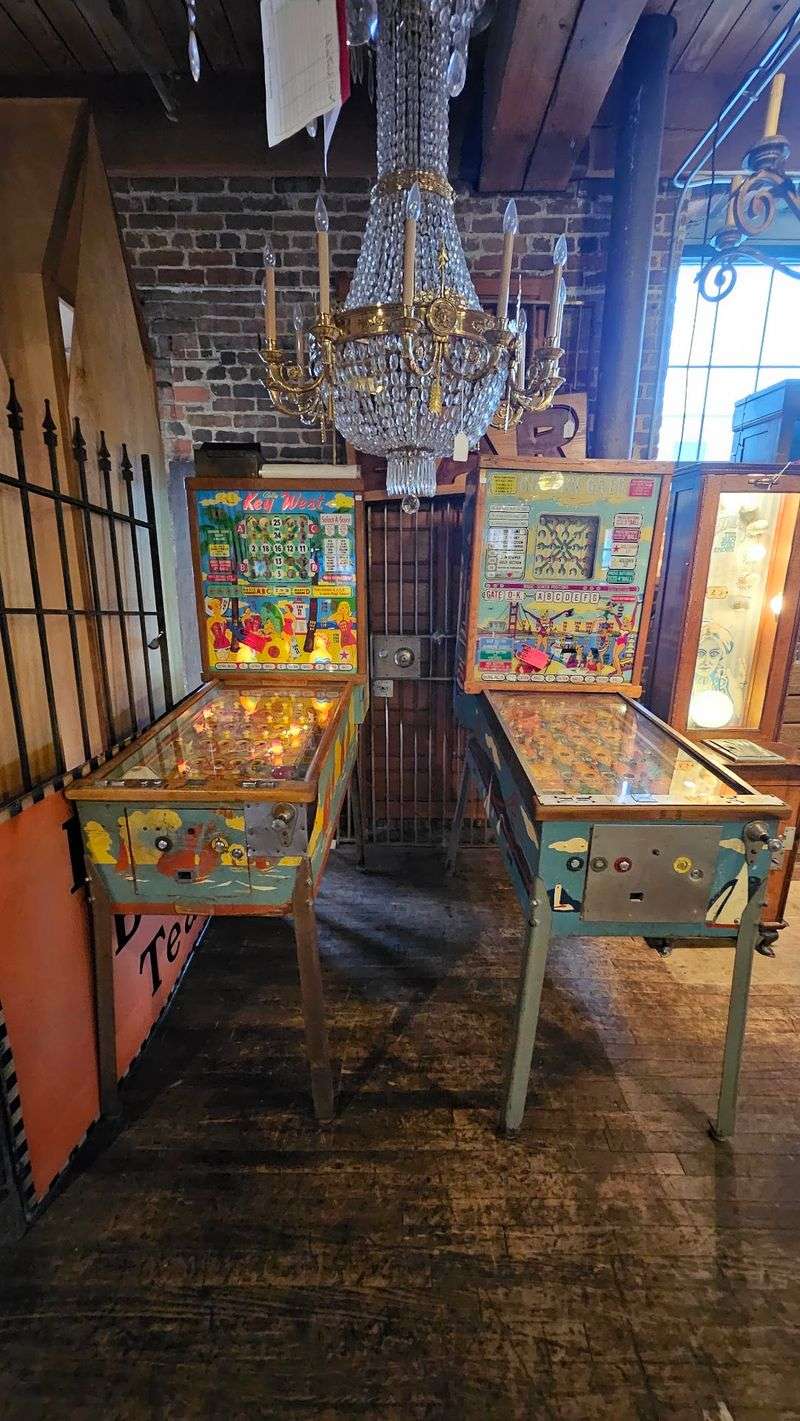
Turnover here runs high, and that changes how you should shop. What you see today might be gone next month and replaced with something wilder.
New stock arrives from all over. The UK, the Middle East and cities across the Midwest all feed the shelves, so variety never sits still.
That’s why one visit rarely feels like enough. Even a thorough lap leaves corners you missed and new arrivals you haven’t met yet.
Fans may know the store from TV. Don Short and the business were featured on the HGTV show West End Salvage, which aired for two seasons starting in 2013.
Hours run 9 AM to 5 PM on weekdays and 9 AM to 4 PM on Saturday. Sunday hours are noon to 4 PM, perfect for a lazy afternoon in Iowa.
If you spot something you love, don’t wait too long. Hesitation is how great pieces end up in someone else’s living room.
Treat each trip like a fresh treasure hunt. Bring curiosity, comfy shoes and maybe a tape measure, then see what the floors decide to show you this time.