


Step back in time without ever leaving the sidewalk. Hartford, Connecticut, may be the state’s oldest city, but wandering its streets feels anything but old-fashioned. Every brick, every historic building, every charming square whispers stories of centuries past, inviting curious explorers to slow down and soak it all in.
The city pulses with a quiet energy, where the past and present collide in delightful ways. Street signs, plaques, and carefully preserved architecture guide your steps, while the Connecticut River offers a scenic backdrop for reflection or a leisurely walk. For travelers who love history, Hartford is more than a destination—it’s a living storybook. Every step feels easy, every corner tells a tale, and every visit leaves you wanting to explore more.
Old State House


Imagine a colonial-era building standing proud amidst modern skyscrapers. Hartford’s Old State House is a striking example of Federal architecture, built in 1796. This landmark served as the original seat of the state government. Its regal charm draws visitors eager to explore its storied halls. Inside, you’ll find exhibits that delve into Connecticut’s legislative history.
The Old State House has witnessed significant events. It was here that the famous Hartford Convention took place in 1814, a pivotal moment in the War of 1812. Today, it hosts various public events, adding vibrant life to its historic aura.
Walking through this building, one can’t help but feel a connection to the past. The beautifully preserved courtrooms and chambers offer a glimpse into early American politics. For history enthusiasts, it’s a treasure trove of stories.
Outside, the bustling city provides a contrast to the serene ambiance of the Old State House. The surrounding grounds are perfect for a leisurely stroll. This iconic building is a must-see for anyone visiting Hartford, offering a unique blend of history and modernity.
Mark Twain House
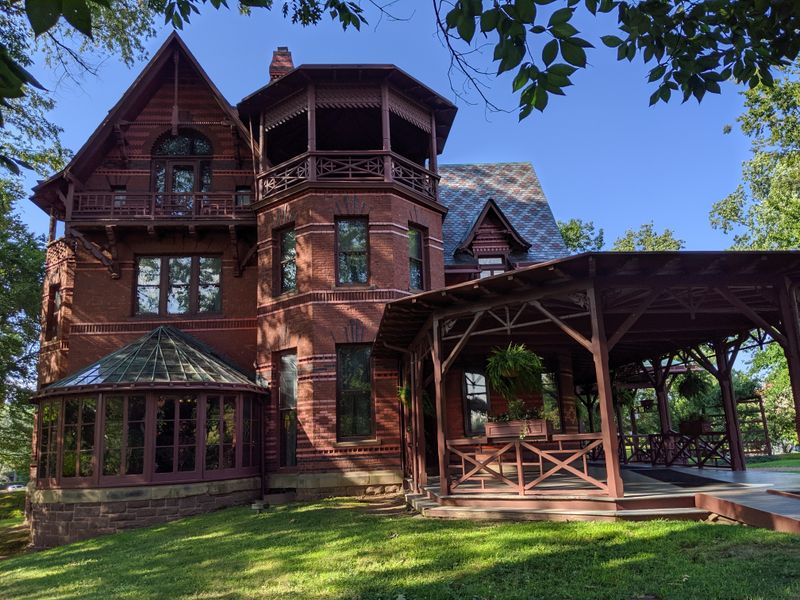
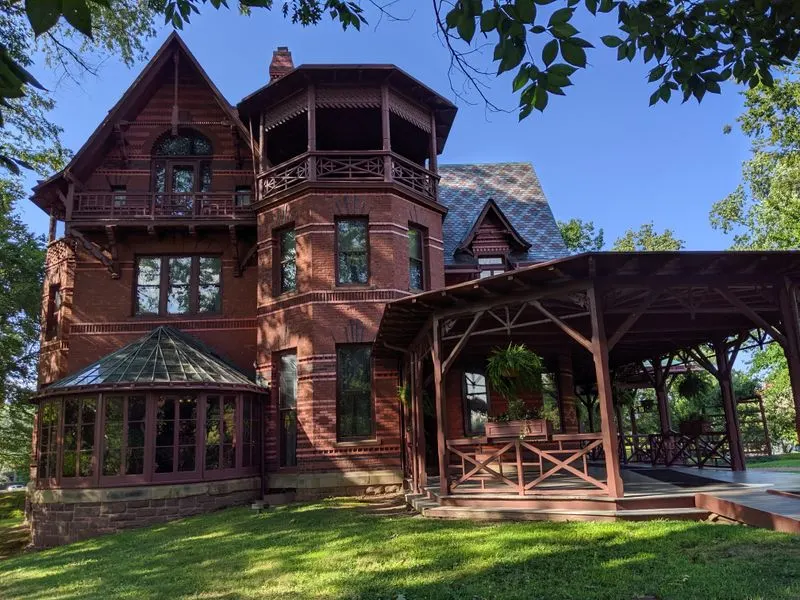
With a whimsical air, the Mark Twain House stands as a monument to one of America’s literary giants. Samuel Clemens, better known as Mark Twain, lived in this Victorian masterpiece from 1874 to 1891. Here, he penned some of his most famous works, including “The Adventures of Tom Sawyer.”
The house itself is a visual delight. Its unique architectural style, with steeply pitched roofs and elaborate brickwork, captivates visitors. Inside, the period furnishings and personal artifacts offer a glimpse into Twain’s life and creative process.
Guided tours bring the house to life with engaging stories and anecdotes. As you wander through the rooms, it’s easy to imagine Twain’s presence, humor, and wit. The visitor center provides further insight into his contributions to literature and society.
Beyond the house, the surrounding neighborhood reflects the charm of Hartford’s historic district. This site is more than a museum; it’s a pilgrimage for fans of Twain’s timeless tales. The Mark Twain House is a testament to the enduring legacy of one of America’s most beloved authors.
Wadsworth Atheneum Museum of Art
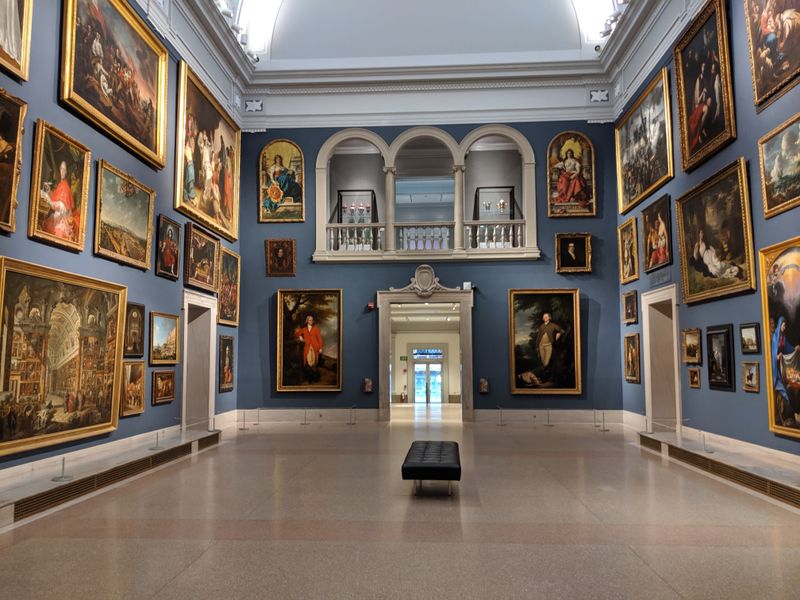

Stepping into the Wadsworth Atheneum feels like entering an art lover’s paradise. Established in 1842, it proudly holds the title of the oldest public art museum in the United States. Its vast collection spans centuries, featuring works by renowned artists such as Caravaggio and Dalí.
The museum’s neoclassical architecture is as impressive as its exhibits. The grand entrance, flanked by tall columns, sets the stage for the visual feast inside. Each gallery tells a different story, from European masterpieces to captivating contemporary art.
Visitors are often enchanted by the diversity of the collection. Whether you’re drawn to Renaissance paintings or modern sculptures, the Atheneum offers something for everyone. Special exhibitions and events further enrich the experience, making each visit unique.
Beyond the art, the museum’s location is ideal for a cultural day out. Nestled in downtown Hartford, it’s surrounded by restaurants and shops. The Wadsworth Atheneum is a cornerstone of the city’s artistic community, providing inspiration and education to all who walk through its doors.
Bushnell Park


Bushnell Park offers a breath of fresh air in the heart of Hartford. Established in 1854, it holds the distinction of being the first publicly funded park in the United States. Its lush greenery and serene spaces provide a welcome respite from the city’s hustle and bustle.
The park is home to several notable features. The Soldiers and Sailors Memorial Arch, erected in 1886, honors Civil War veterans. Meanwhile, the historic carousel, dating back to 1914, delights children and adults alike with its vintage charm.
Throughout the year, the park hosts a variety of events, from outdoor concerts to food festivals. These gatherings bring the community together, creating a vibrant atmosphere that adds to the park’s appeal.
For those who prefer a leisurely stroll or a quiet picnic, Bushnell Park offers ample space and a peaceful setting. Its proximity to other historic sites makes it an ideal starting point for exploring Hartford. This iconic park is a testament to the city’s commitment to preserving green spaces for future generations.
Harriet Beecher Stowe Center
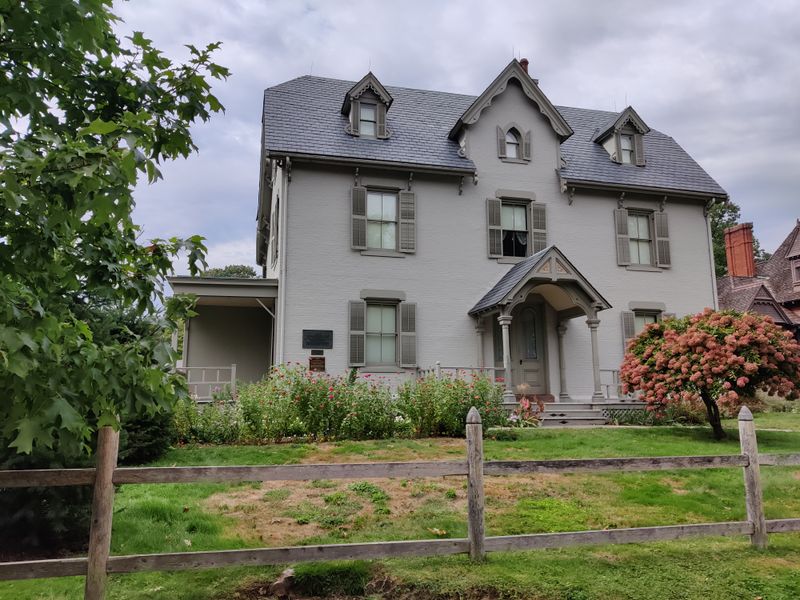
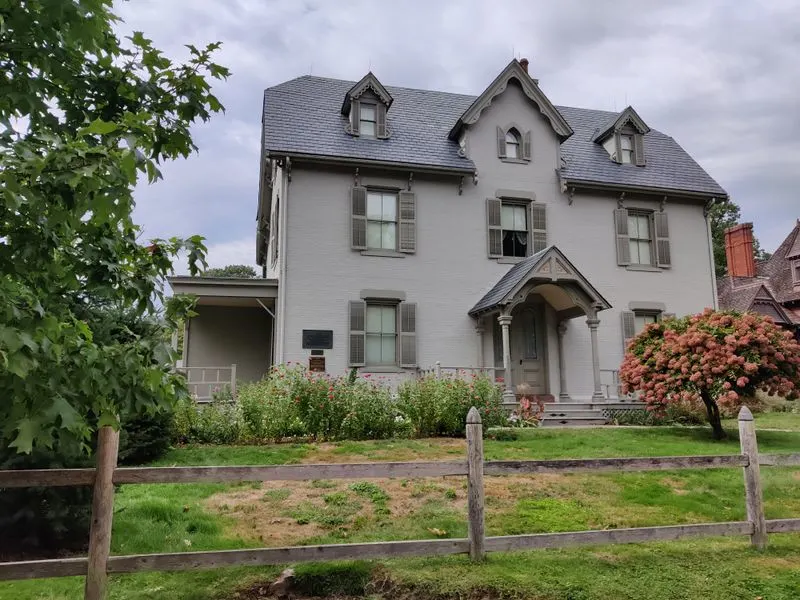
Nestled in the heart of Hartford, the Harriet Beecher Stowe Center is a tribute to the influential author of “Uncle Tom’s Cabin.” Stowe lived here from 1873 to 1896, and her home is now a beacon of social justice and education.
The center offers a unique experience, blending history with contemporary issues. Guided tours explore Stowe’s life, her works, and their impact on the abolitionist movement. Her writing desk remains a focal point, symbolizing her enduring influence.
The house itself is a charming example of Victorian architecture. Original furnishings and personal belongings create an intimate atmosphere. As visitors explore the rooms, they gain insight into the woman behind the groundbreaking novel.
Beyond the house, the center hosts programs and discussions on social issues, encouraging dialogue and reflection. The Harriet Beecher Stowe Center is more than a museum; it’s a place of inspiration and learning. It stands as a testament to Stowe’s legacy and the power of literature to effect change.
Connecticut State Capitol


The Connecticut State Capitol is an architectural marvel that dominates Hartford’s skyline. Completed in 1878, its striking gold dome and intricate design make it a standout landmark. This iconic building is the seat of the state government, housing the General Assembly.
Visitors are often captivated by the Capitol’s grandeur. The exterior features intricate carvings and statues representing significant historical figures. Inside, the ornate interiors and grand chambers reflect the state’s rich legislative history.
Guided tours offer a deeper understanding of Connecticut’s government and political heritage. As you explore the Capitol, the blend of art and politics becomes evident. Each room holds a story, from the Hall of Flags to the legislative chambers.
The Capitol grounds are equally impressive, with well-maintained gardens and monuments. The expansive park offers a picturesque setting for leisurely walks. The Connecticut State Capitol is a must-visit for those interested in architecture, history, and governance, offering a glimpse into the state’s past and present.
Ancient Burying Ground
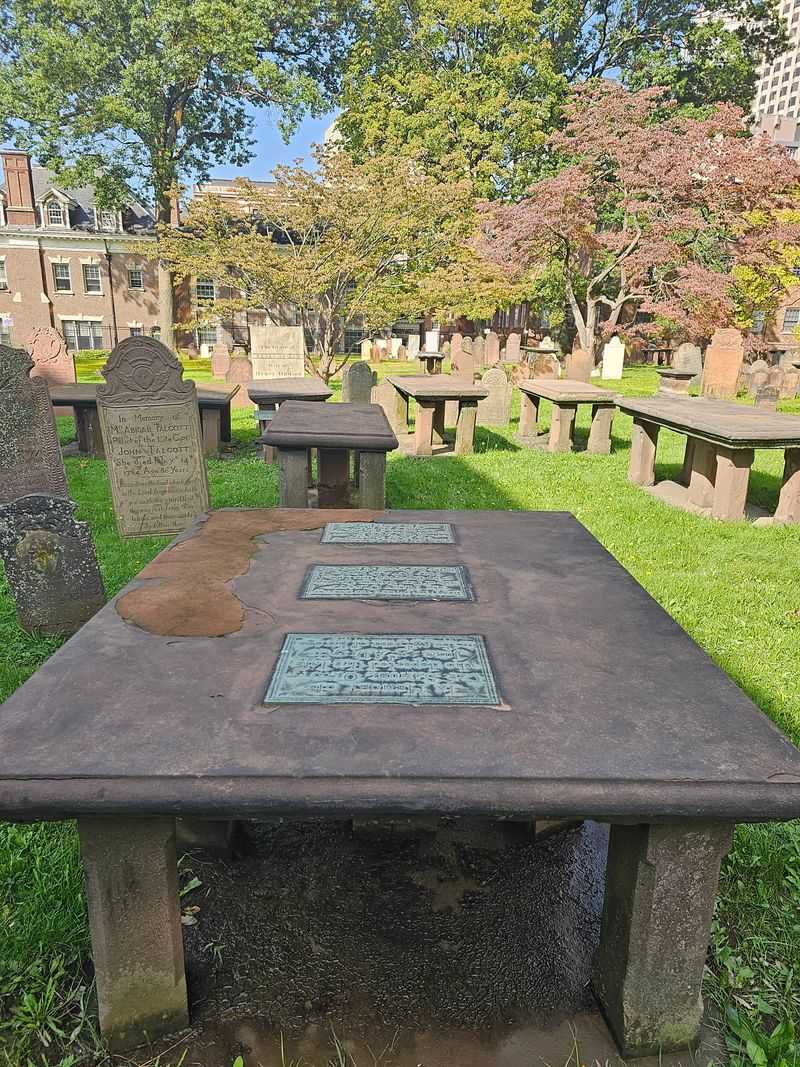
Hidden amidst the urban landscape, the Ancient Burying Ground is a serene reminder of Hartford’s colonial past. Established in 1640, it is the city’s oldest historic site, offering a poignant glimpse into the lives of early settlers.
The cemetery’s weathered gravestones tell stories of influential figures, including founders and prominent citizens. Each marker reflects the artistry and symbolism of the era, making it a unique historical record.
Visitors may find the tranquility of the space surprising, given its downtown location. Walking through the rows of gravestones, one can’t help but reflect on the passage of time and the city’s evolution.
The Ancient Burying Ground also serves as an open-air museum. Informational plaques provide context and insight into Hartford’s early history. This sacred ground is a peaceful haven, inviting contemplation and discovery. For those interested in genealogy or history, it offers a rich tapestry of narratives waiting to be uncovered.