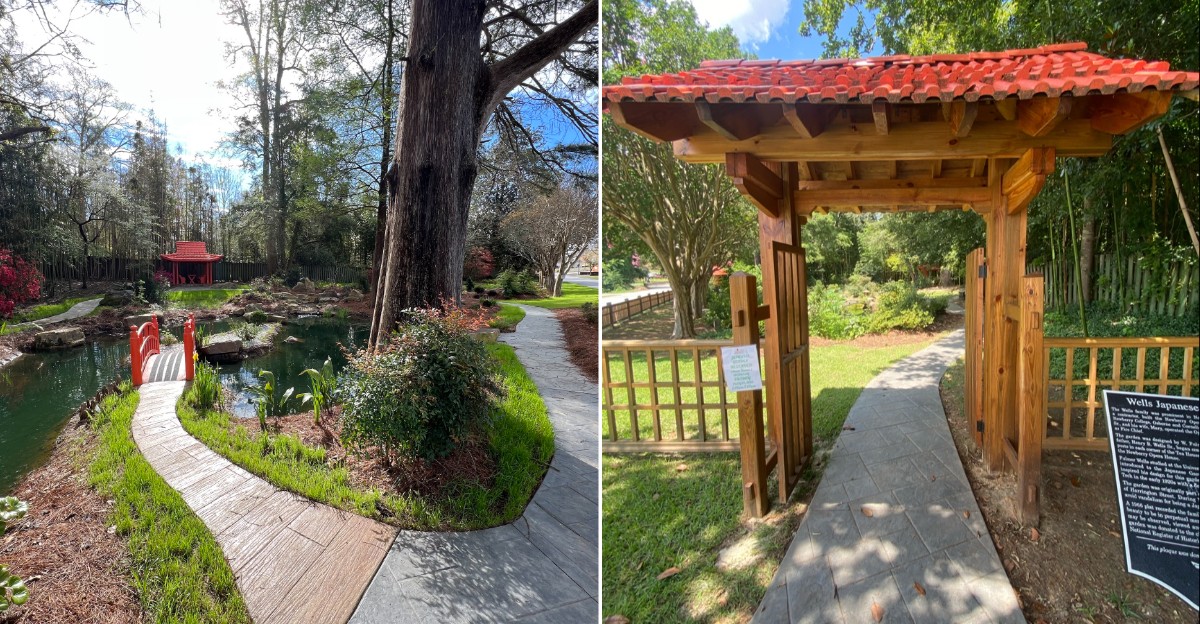
Some of the best surprises in South Carolina hide on ordinary street corners.
In the small town of Newberry, just outside the historic downtown, a quiet patch of land carries a style of garden design that usually belongs to places thousands of miles away.
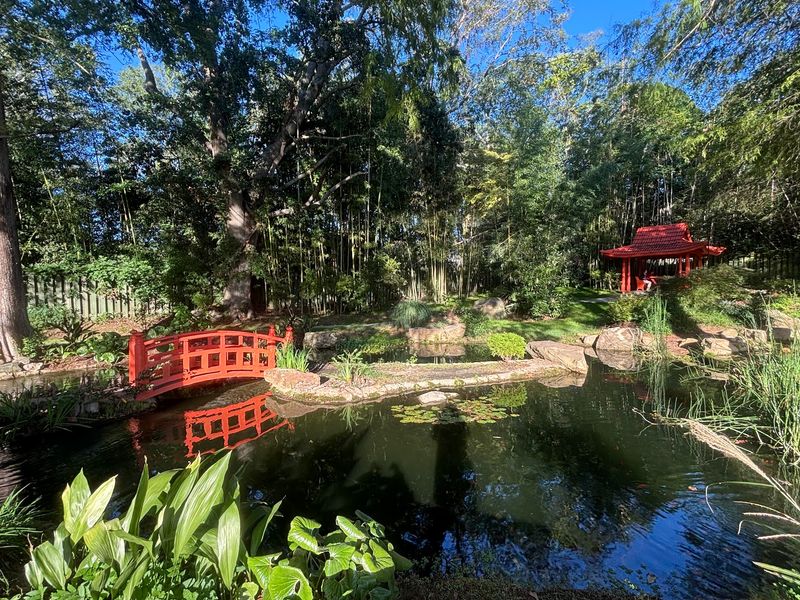
Small bridges cross calm water, a stone lantern stands near the pond, and goldfish drift below the surface while traffic rolls past outside. It is not a giant park, and it does not try to be one.
Instead, it offers something many busy towns lack: a free, easy place to slow down, read a book, eat lunch, or snap a few photos.
The sections below cover where to find it, what to look for, how long to stay, and the small tips that make a quick stop feel like a true escape.
A Corner Lot With A Faraway Feel
Few towns in the South can claim a Japanese garden, and Newberry keeps one tucked right on a neighborhood corner. The address is 1608 Lindsay St, Newberry, SC 29108, in the state of South Carolina, United States.
Wells Japanese Garden sits just outside the historic district. That location makes it an easy add-on to any afternoon in town.
The garden is managed by the City of Newberry. City staff from the parks department help keep it tidy and welcoming throughout the year.
Finding it is simple with any map app. The space is compact, so it can sneak up on drivers who are not paying close attention to the corner.
Here is a helpful tip for first-timers. Slow down as you approach Lindsay Street and look for the greenery, the small bridges, and the pavilion peeking through.
A short trip from the downtown shops brings a big change in mood. The next sections reveal what waits past the entrance and why so many people keep coming back to this little patch of calm.
Bridges Built For Slow Steps
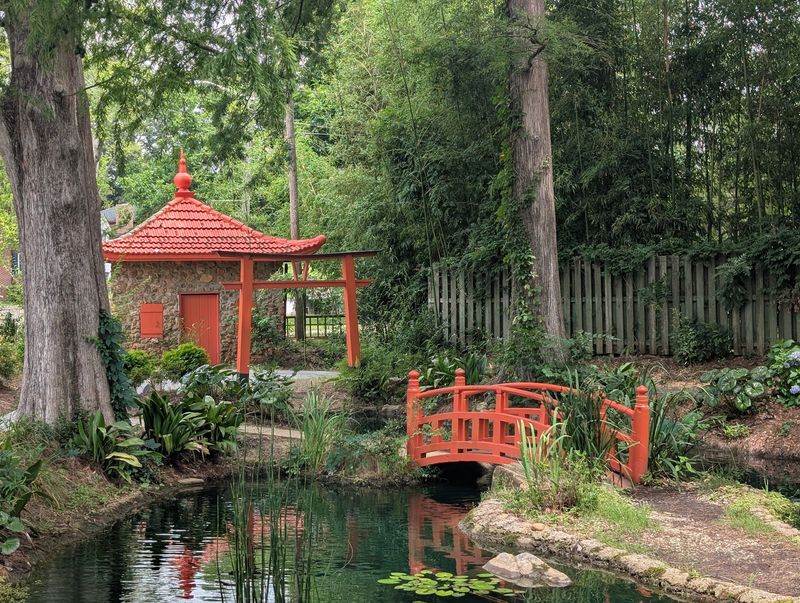
Small bridges are the stars of the show here, and they earn every bit of attention. Several of them cross the ponds and little streams that wind through the grounds.
They are not long or grand. Each one takes only a few steps to cross, which fits the whole idea of the place.
Japanese garden design often uses bridges to guide people through a space at a slower pace. Crossing water is meant to feel like moving from one part of the day into another.
Photographers love these spots. The bridges frame the water and plants nicely, so they work well for portraits or simple phone snapshots.
Families with kids tend to cross them more than once, and nobody minds. There is no rush and no line.
One practical note helps here. Watch your footing after a rain, since outdoor surfaces can get slick.
A bridge is a fine place to pause, look down, and spot what is swimming below, which leads straight to the garden’s most popular residents.
Meet The Goldfish Crew
Kids usually find them first. Goldfish and koi glide around the ponds, adding bright orange flashes of color to the water.
The fish are a big part of the charm. They give younger guests something to search for, and they give adults a reason to stand still for a few minutes.
Koi have a long history in Japanese gardens. In Japan, they have been kept in ponds for generations and are often linked with patience and good fortune.
The number of fish can vary, so some days may show more of them than others. A little patience at the edge of the pond usually pays off.
Here is a friendly reminder for families. Keep hands out of the water and avoid tossing in snacks, since the fish depend on proper care from the city staff.
Counting fish might sound simple, but it turns into a fun game for small children. Turn it into a contest and see who can spot the biggest one before moving on to the waterfalls nearby.
Waterfalls On A Small Scale
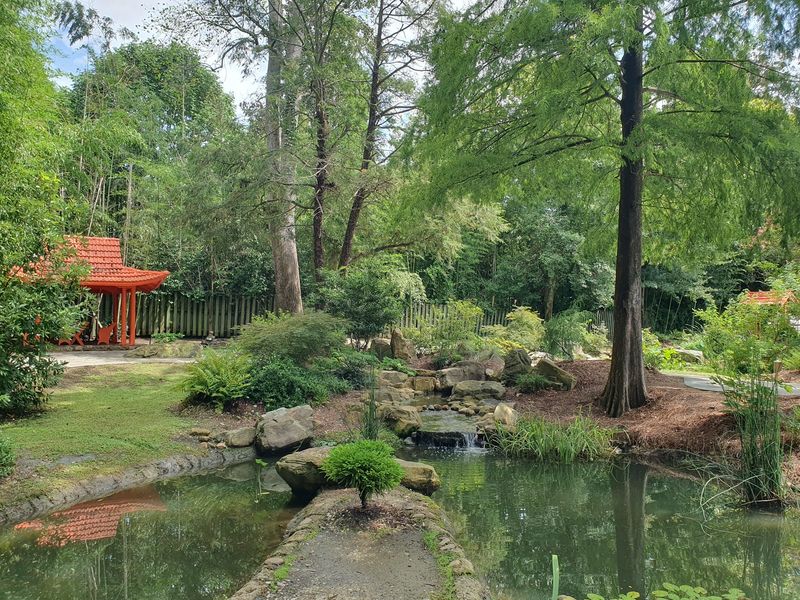
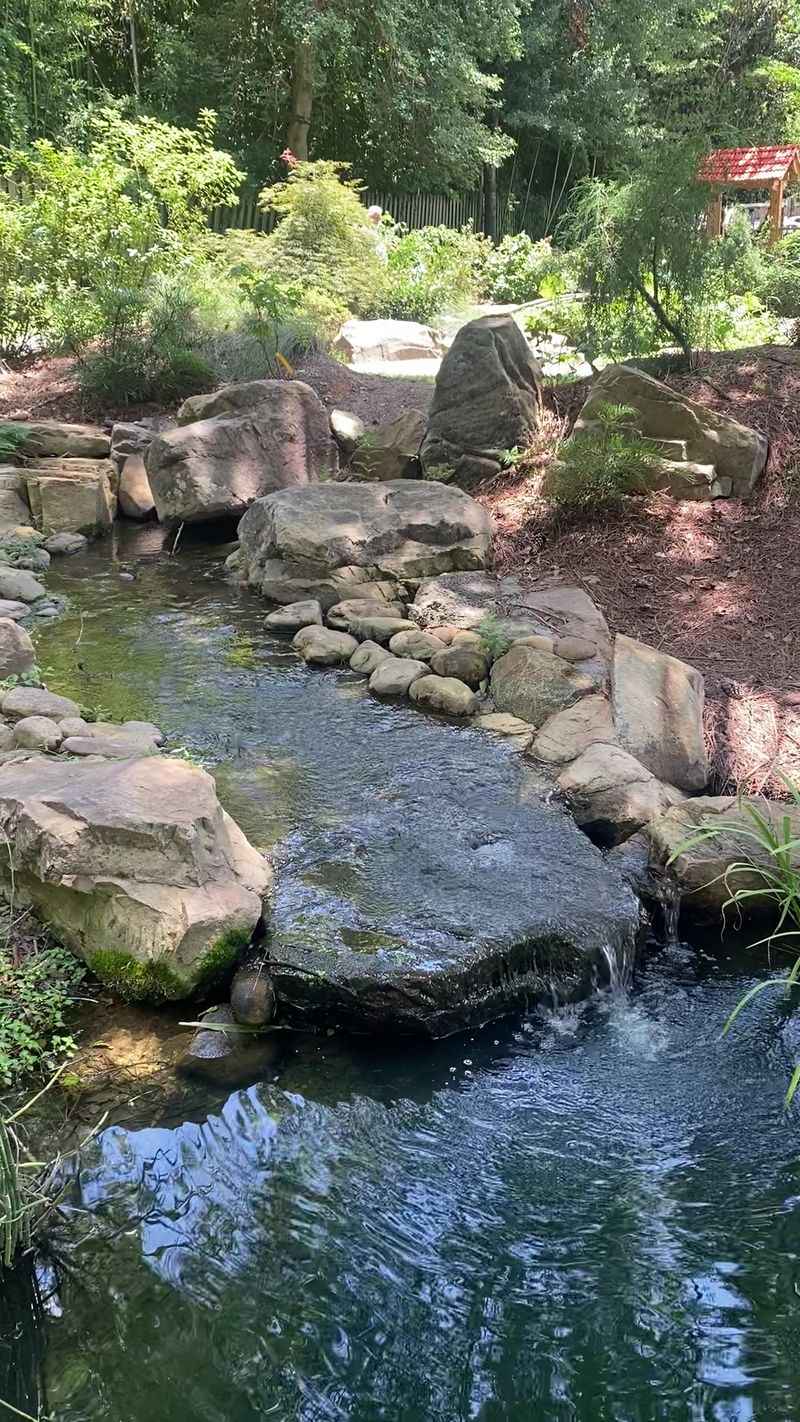
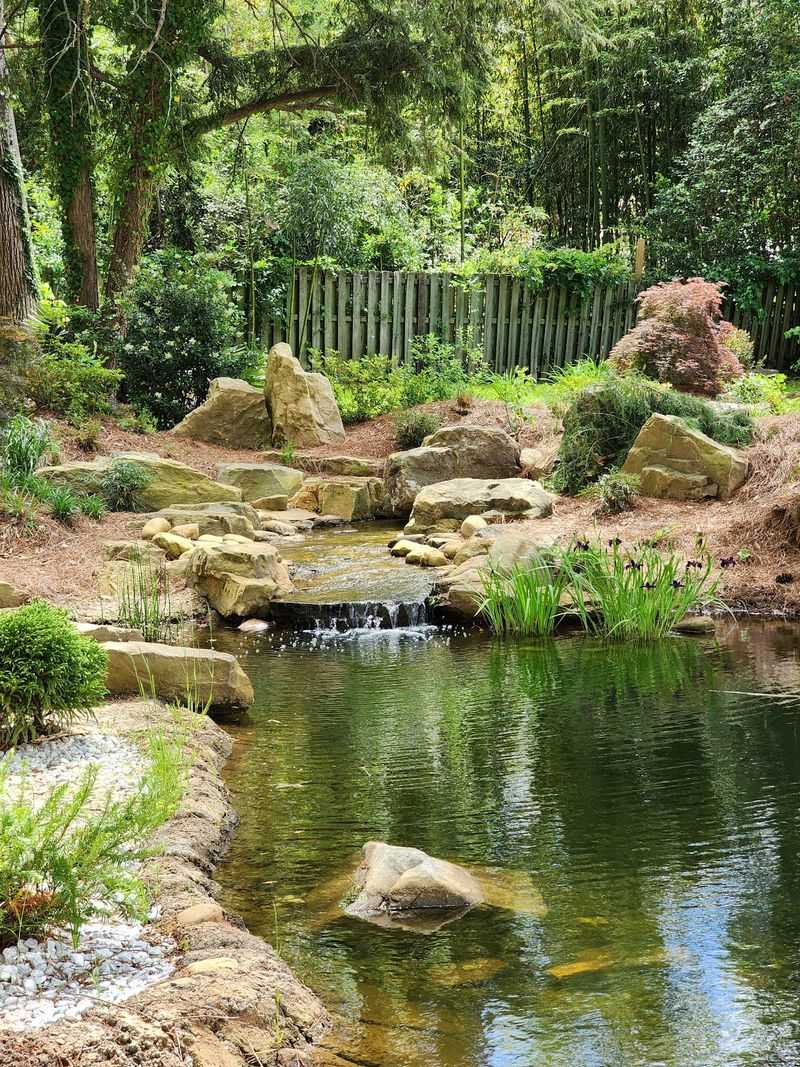
Nobody needs a mountain trip to find a waterfall in Newberry. The garden includes small falls that spill over rocks and feed the ponds.
These water features are a big reason the space feels so calm. Many people say the area near the water is the most relaxing part of the whole garden.
Moving water has an important role in Japanese garden design. It is often placed to suggest nature in miniature, with rocks standing in for cliffs and pools standing in for lakes.
The falls here are modest in size. That works in their favor, because they fit the scale of the space and never overwhelm it.
Benches nearby make it easy to sit and enjoy the setting. Bring a book, take a break from screens, or simply rest for a while.
A quick tip for photographers: try shooting from a low angle near the rocks. It makes the little falls look larger in pictures.
Next up is a structure that gives the garden its most classic Japanese look.
Lanterns, Pagodas, And Classic Touches
Details matter in any Japanese garden, and this one has several classic pieces worth hunting for. A traditional stone lantern stands among the plants, along with a small pagoda.
Stone lanterns have deep roots in Japan. They were first used at temples and shrines, and later became a common feature in gardens.
Pagodas are tiered towers that also come from temple traditions in Asia. Seeing one in a South Carolina town is part of what makes this place stand out.
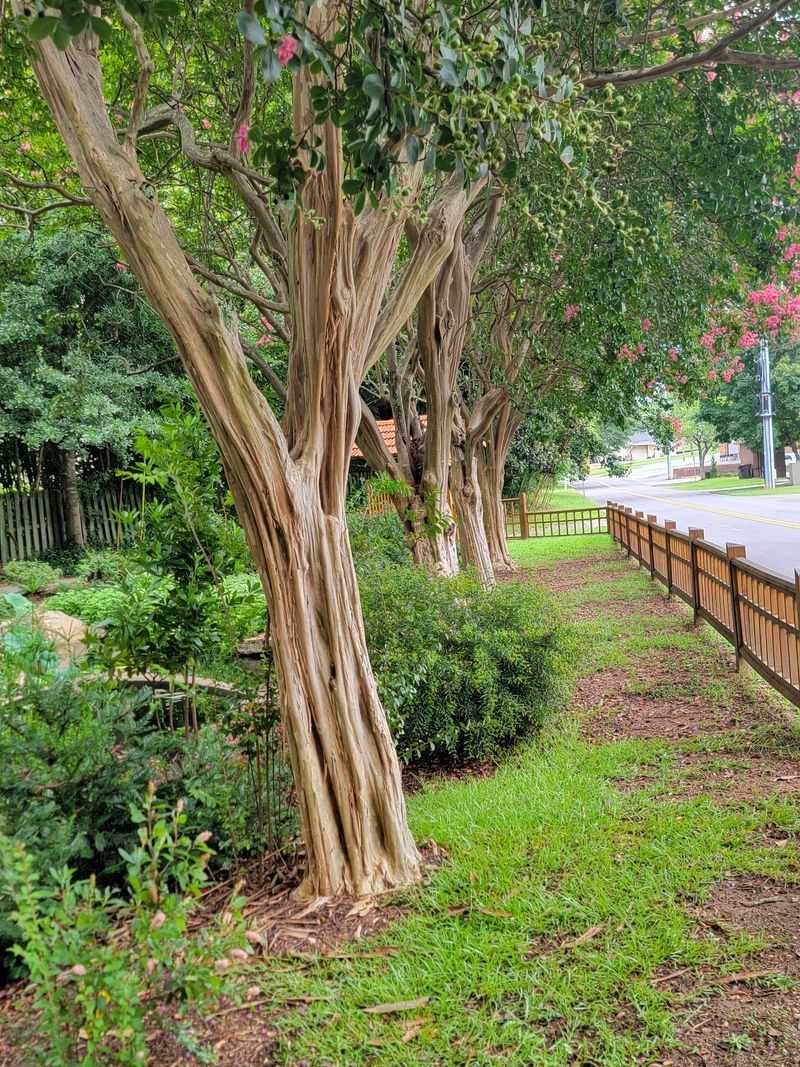
Bamboo grows in the garden as well. Combined with flowering bushes and trees, it helps build that faraway look.
These pieces are great for photos. Wedding couples, prom groups, and engagement shoots often use them as backdrops.
Take a slow lap and try to spot each one. The lantern, the pagoda, the bamboo, and the bridges together tell a story about a garden style with centuries of history behind it.
After all that exploring, a shady place to sit sounds pretty good, and the garden has one ready.
Lunch Under The Teahouse Roof
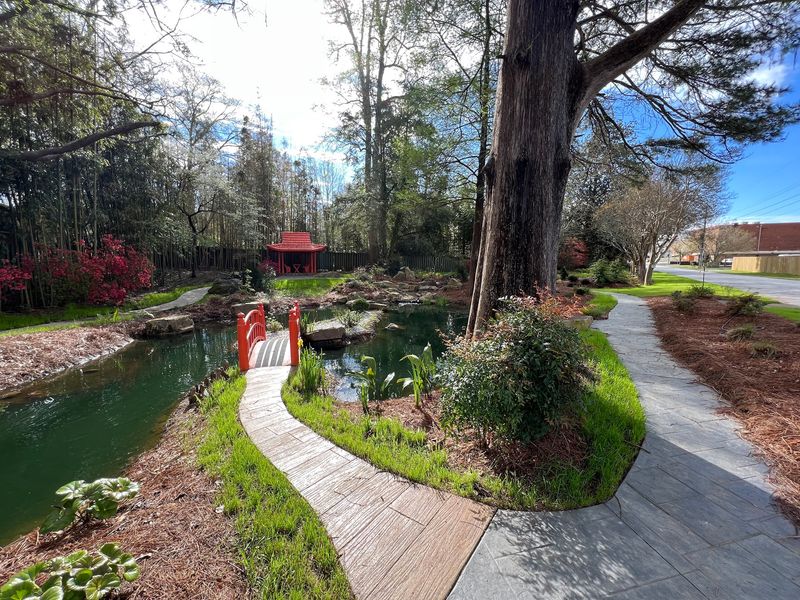
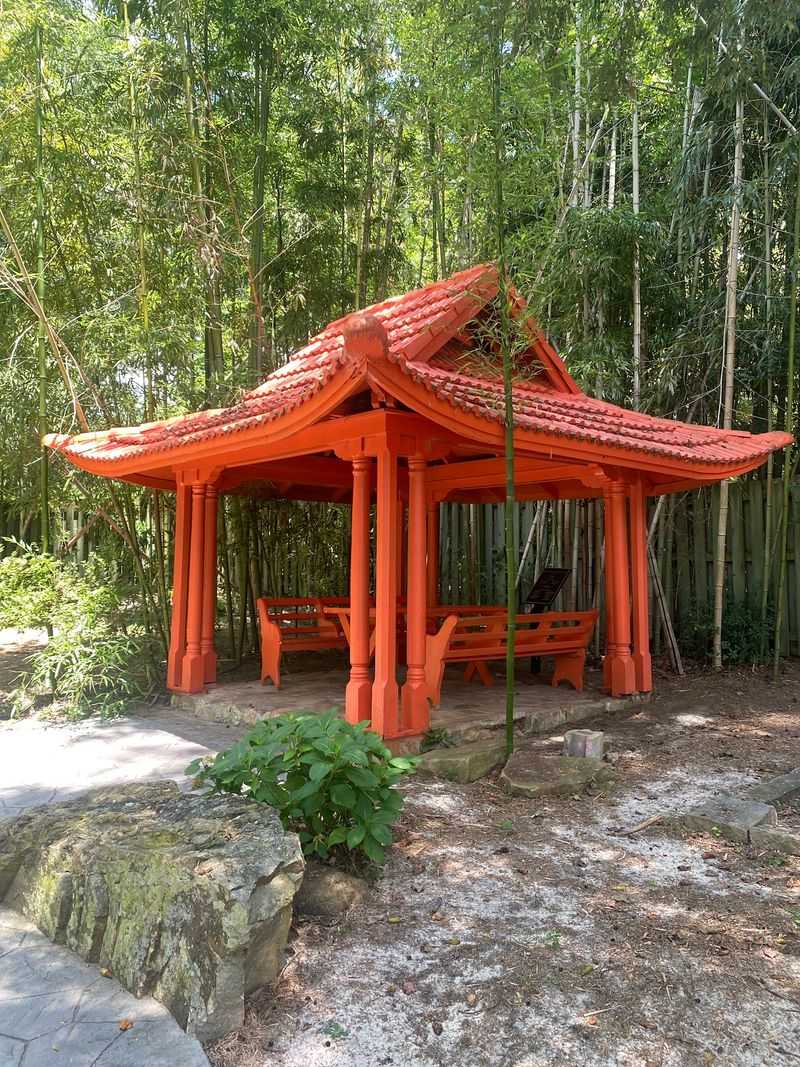
Packing a lunch turns a short stop into a proper outing. The garden has a covered pavilion built in a teahouse style, complete with a table for meals.
It is one of the most loved features on the grounds. The roof offers shade, which is a welcome perk during warm South Carolina afternoons.
Plenty of people use the spot for quiet lunches with a friend. Others bring a book, a journal, or simply a few minutes of peace from a busy day.
Benches are scattered around the garden too. That gives more seating choices when the pavilion is already taken.
One honest note is helpful for planning. The entrance is wheelchair accessible, but the benches and table may not be easy for wheelchair users to reach.
Keep it tidy so the next group can enjoy it. Carry out all trash, since the space stays clean thanks to everyone pitching in.
A picnic here is simple, cheap, and relaxing, which happens to match the next big detail: the price of admission.
Free, Open, And Easy To Plan
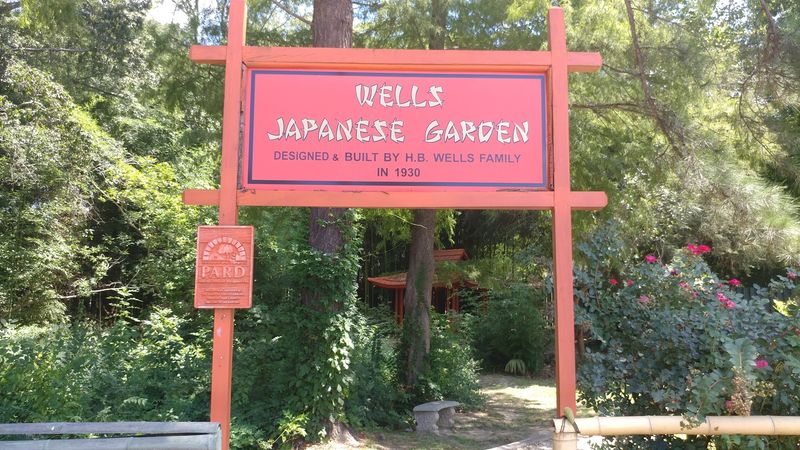
Good news for anyone on a budget: entry costs nothing at all. Wells Japanese Garden is free to the public.
The garden is generally listed as open daily from 7 AM to 7 PM, although visitors should confirm current hours before making the trip.
That schedule makes it easy to fit in. Early birds can stop by before work, and others can visit after lunch or in the late afternoon.
Hours can change, so it is smart to check the City of Newberry website before a trip. That is especially true around holidays or during maintenance.
Morning visits tend to be quieter. That makes them a nice choice for reading, prayer, or a calm walk with few people around.
Spring and fall are pleasant seasons to go, thanks to milder weather. Summer afternoons can get hot, so bring water and plan time under the pavilion.
With no ticket booth and no reservation needed, the hardest part of planning might be deciding where to leave the car, and that question has a simple answer.
Parking Across The Street
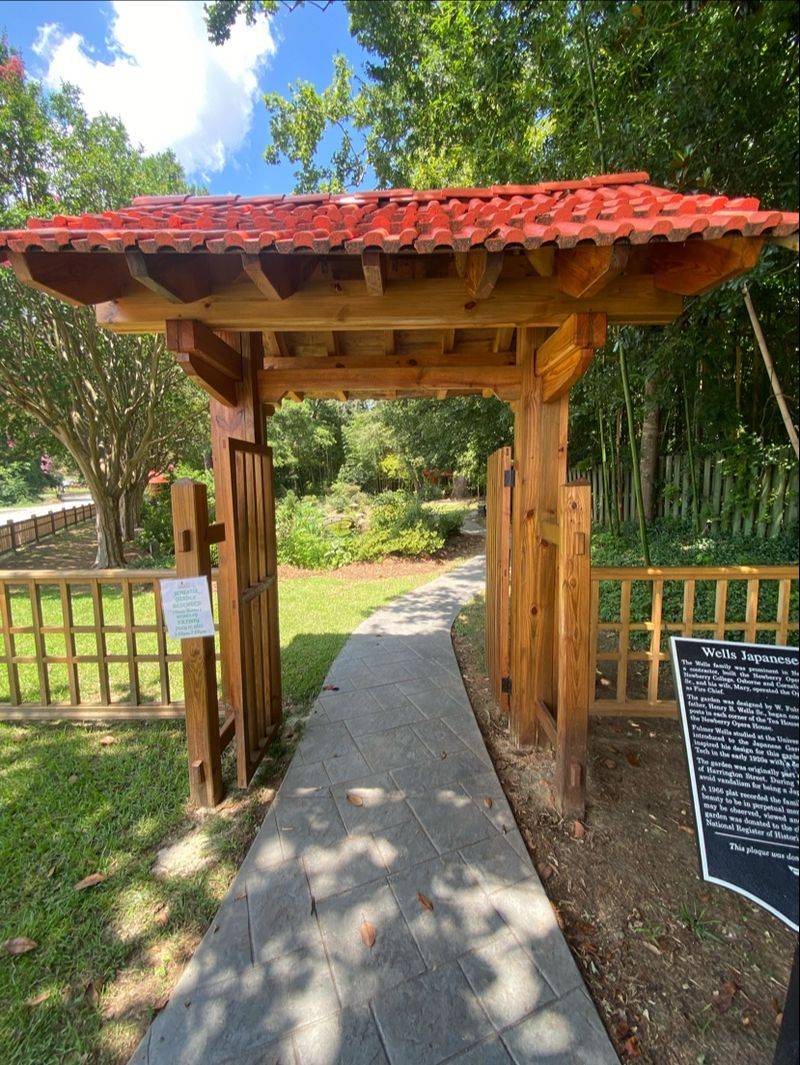
Parking puzzles have no place in a relaxing trip, and luckily this one is easy to solve. The garden itself does not have a dedicated lot.
Instead, there is a large parking lot right across the street. Most people leave their cars there and walk over in less than a minute.
Traffic on the street is usually light. Still, look both ways and keep an eye on small children when crossing.
Walking from downtown Newberry is also possible. It is a manageable trip, but it can feel long on a hot summer day.
For that reason, many people prefer to drive over after shopping or grabbing a bite downtown. Sneakers and a water bottle make the walk more comfortable for anyone who chooses to go on foot.
The entrance is wheelchair accessible, which is a helpful detail for families with mobility needs. Paths inside are short and easy to follow.
Once the car is parked, the next question is how much time to set aside, and the answer may surprise anyone expecting a full-day outing.
Small Size, Big Calm
Size expectations matter here. This is a small garden, roughly the size of a corner lot, and a full loop takes around 15 minutes.
That is not a flaw. It makes the garden a great quick stop for road trippers passing through Newberry.
The space is well maintained and kept clean. Some people who know larger Japanese gardens may notice it is not perfectly manicured, but most find it lovely for its size.
The best way to enjoy it is to slow down. Sit on a bench, watch the fish, or read a few chapters instead of rushing through.
For a longer outing, pair it with time in historic downtown Newberry. Shops and cafes are just a short drive away.
Many people say a short stop here still delivers a calm mood that lasts. Small places can leave a lasting mark, especially when they offer quiet in a noisy week.
That quiet has meant a great deal to local residents over the years, and their connection to the garden runs surprisingly deep.
A Hometown Haven For Generations
Some places become part of a person’s life story, and this garden is one of them. People who first found it as teenagers still talk about it decades later.
It has served as a quiet place to read, think, and simply be. For many residents, it is a spot to return to during hard seasons of life.
The garden also delights newcomers. Plenty of South Carolinians are surprised to learn there is a Japanese garden so close to home, and some happily drive an hour to see it.
Credit goes to the people who keep it going. The City of Newberry parks staff help maintain the grounds, and friendly team members are sometimes on site to share information.
Respect keeps the space special. Stay on paths, leave plants alone, and keep voices low so others can enjoy the calm.
A free garden on a quiet corner might seem like a small thing. In Newberry, it has quietly become a well-loved tradition, and it is ready for the next person who needs a peaceful pause.