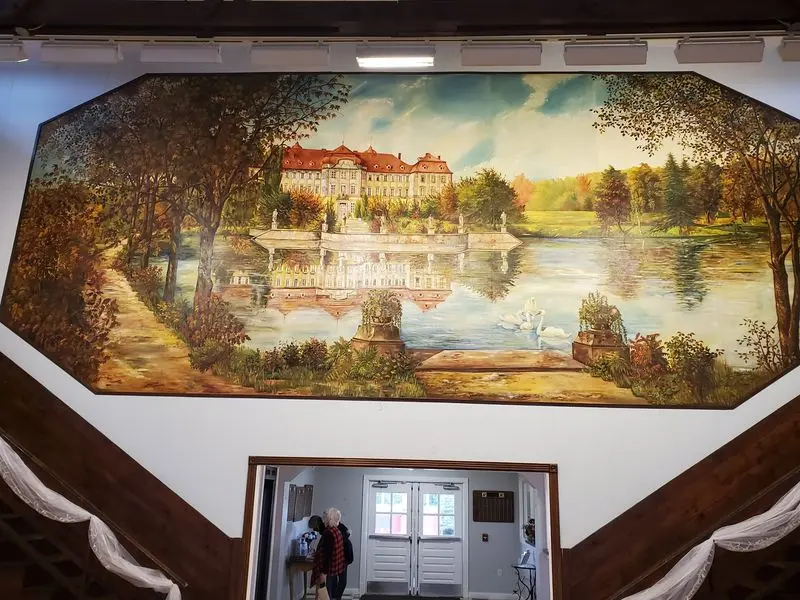
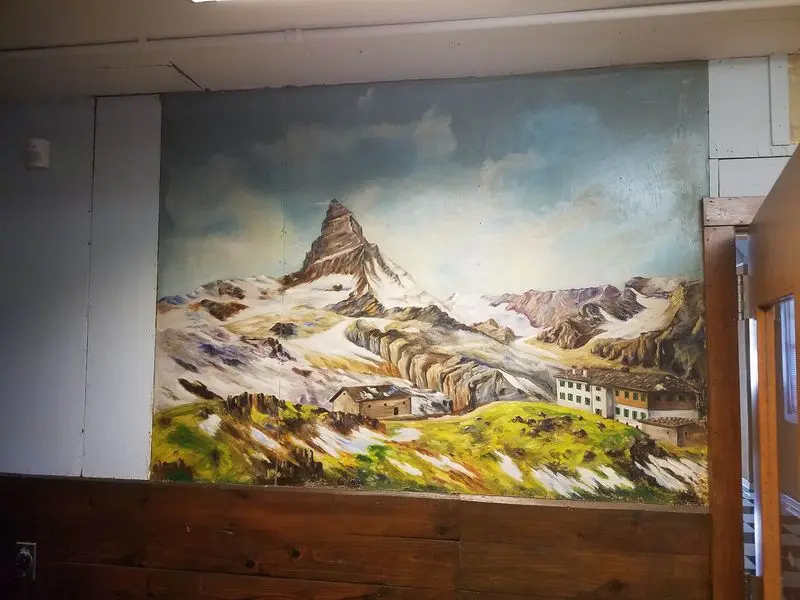
A homesick German prisoner once covered the walls of a Kentucky Army building with paintings, and they are still there today. Past visitors call them beautiful and vibrant, which is a lot to say about art made far from home.
The building has changed jobs many times since the 1940s. Somehow, the murals outlasted every single one of those changes.
I love that this story lives in a quiet corner of western Kentucky, waiting for families to rediscover it. Around the painted walls, you can also find old uniforms, vintage toys, and faded photographs from decades of American service.
I can’t help wondering what the painter missed most while he worked. Was it his family, his village, or simply the view from his own front door?
Maybe the answer is hiding somewhere in those brushstrokes, ready for you to spot it.
An Old Army Camp Building With Walls Worth The Drive
Camp Breckinridge Museum & Art sits in Morganfield, a small town in Union County, Kentucky. The building once belonged to Camp Breckinridge, a large Army post active during WWII.
Today it works as a museum, an art space, and an event venue all at once. That’s a busy schedule for one old building, but it handles the load with style.
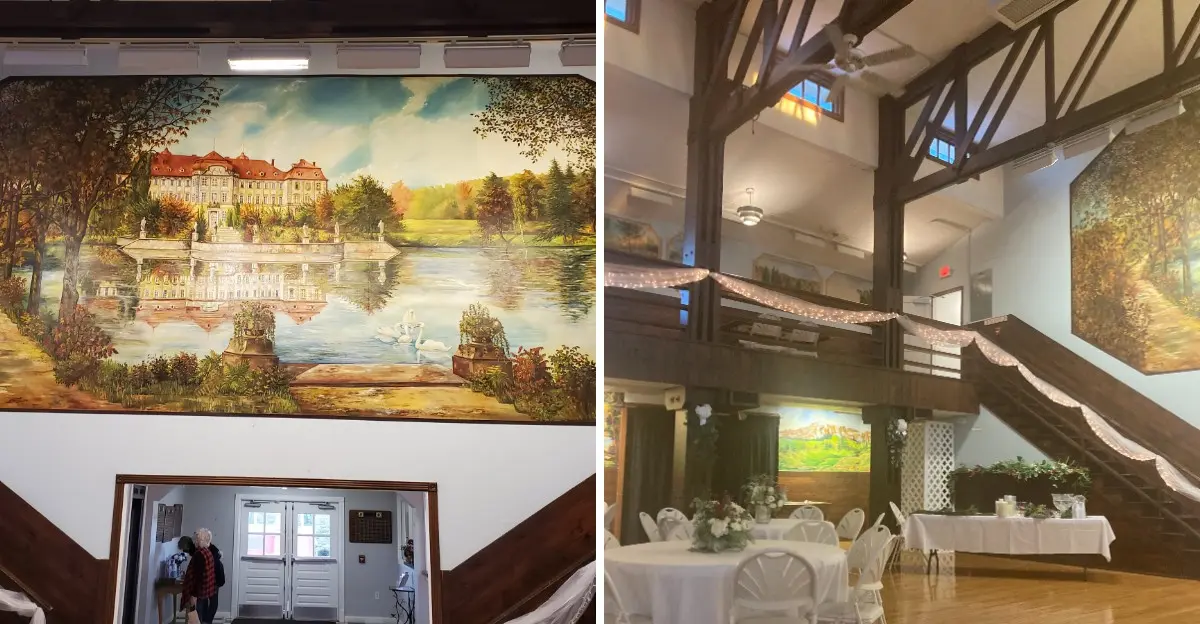
The big draw is the murals. A German prisoner held at the camp painted them while he was far from home, and they still cover the walls.
Around those paintings, the museum displays military memorabilia and artifacts from several generations of service. Visitors have described it as a neat little museum packed with nostalgia, which feels like a fair summary.
Rating-wise, it holds 4.8 stars across about 60 Google reviews. For a small-town museum in western Kentucky, that’s a pretty loud round of applause.
It’s the kind of place families can share across generations. Grandparents may remember the era, while kids get to see history painted right on the walls.
That mix of memory and discovery is exactly why it earns a spot on your Kentucky list.
How A Prisoner Far From Home Turned Plain Walls Into Art
Homesickness can show up in strange ways. For one German prisoner held at Camp Breckinridge, it showed up as paint on a wall.
During WWII, the camp housed German prisoners alongside American soldiers in training. One of those captives picked up a brush and began creating murals inside this building.
Think about the setting for a moment. He was thousands of miles from his own family, living behind fences in rural Kentucky, and still chose to make something beautiful.
The title of this story mentions forty murals, and that number alone is impressive. Covering that much wall space takes patience, skill, and a whole lot of daylight hours.
What makes the tale stick is what happened next. When the painter eventually left, the art stayed behind for strangers to enjoy.
I like how that turns the murals into a kind of gift. Nobody asked him to leave a legacy in Morganfield, yet he did it anyway.
Kids especially tend to connect with this part. It’s a simple idea that lands: someone missed home, so he painted.
That’s a feeling almost everyone understands.
Bright Painted Scenes That Still Stop People Mid-Step
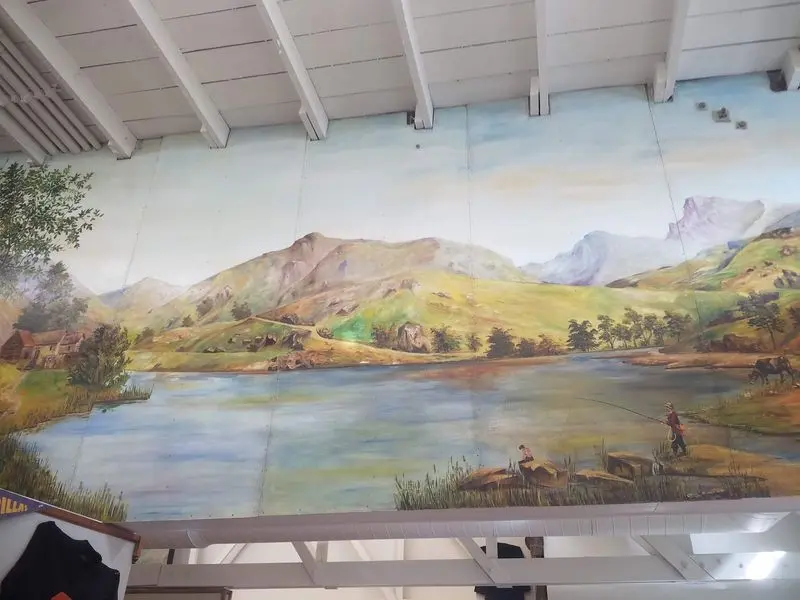
Vibrant is the word that keeps coming up. Past visitors have called the paintings beautiful and lively, which is remarkable for art made in the 1940s.
The murals are hand painted directly on the walls. That means you aren’t looking at framed canvases on hooks, but at a whole room wrapped in color.
Some guests came only for the murals and ended up staying much longer. One visitor admitted the paintings were fascinating enough to plan a return trip just to finish the tour.
A photo club once made the trip here, and that makes perfect sense. Walls like these practically beg for a camera and a slow, careful look.
Families can turn the visit into a small game. Ask everyone to pick a favorite scene, then explain why it stood out to them.
Younger kids might notice tiny details adults skip right past. Older kids can wonder what each image meant to the man who painted it.
Either way, plan to linger. Rushing past forty murals feels a bit like speed-reading a love letter, and nobody wants to do that.
The Murals That Outlasted Every New Job The Building Took On
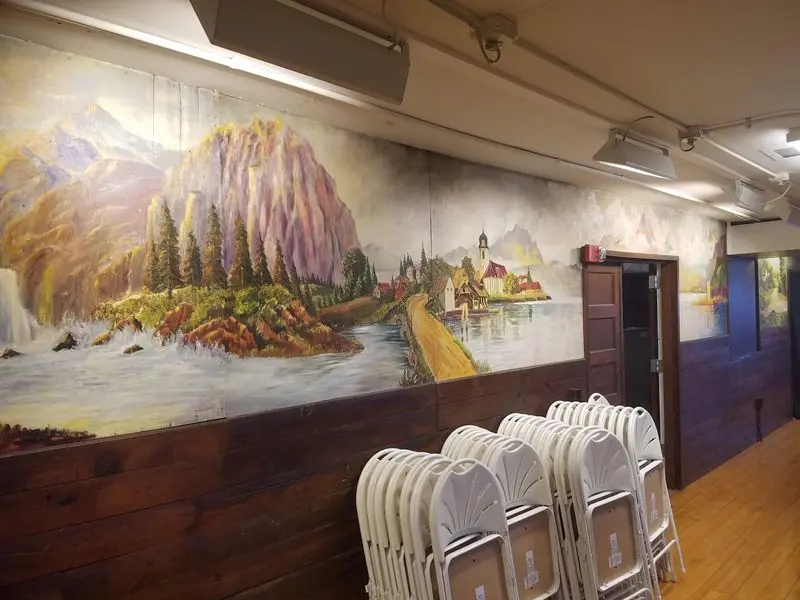
Survival might be the most surprising part of this whole story. Over the decades, the building has served many different purposes.
Each new use could have meant fresh paint, new paneling, or a wrecking crew. Instead, the murals made it through, and one past visitor called that genuinely surprising.
Old buildings rarely keep their original decorations for long. Styles change, owners move on, and walls get covered without much thought.
Here, somebody clearly decided the paintings were worth keeping. That choice turned an ordinary room in Kentucky into a rare piece of living history.
I believe that’s what makes standing in front of them feel special. You aren’t just seeing old art, you’re seeing art that a whole community protected.
It’s a great talking point for families on the drive home. Ask the kids what they would save if their own house got a makeover.
Would they keep a growth chart on a doorframe, or a drawing taped to the fridge? The answers can be pretty sweet.
These murals are basically Union County’s version of that doorframe. Some things are simply too meaningful to paint over.
Uniforms, Old Toys, And Photos From Generations Of Service
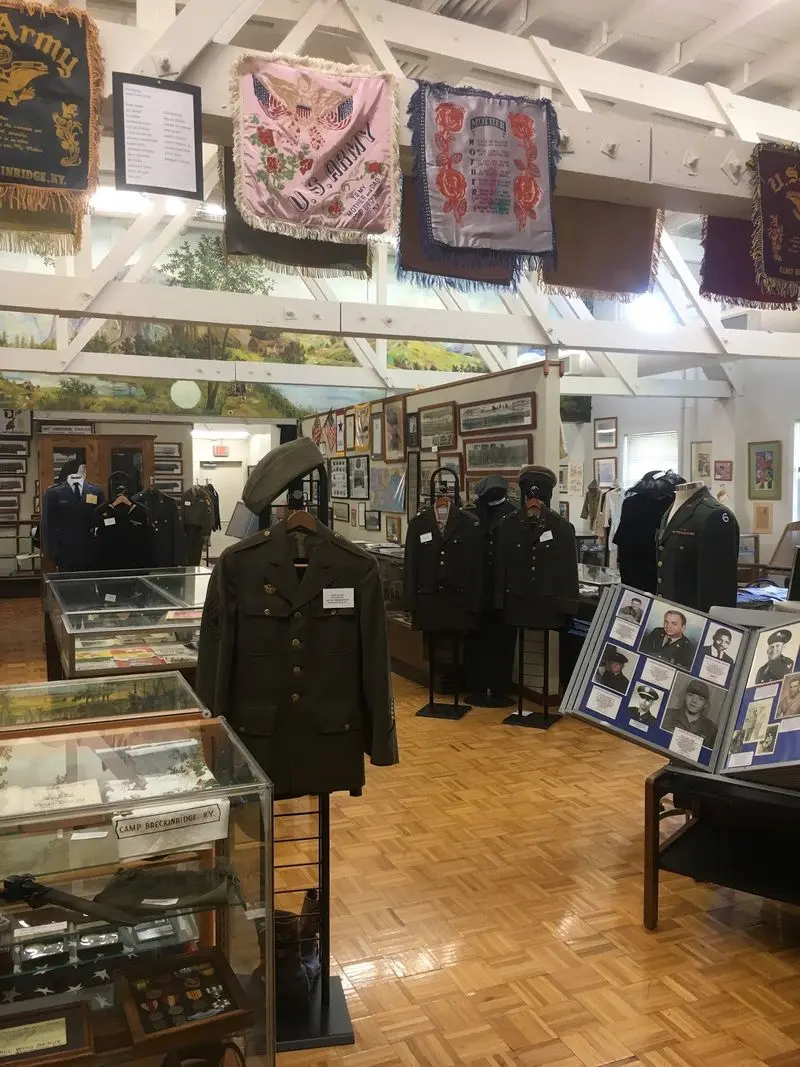
Plenty of people arrive for the murals and get happily ambushed by everything else. The museum holds an extensive collection of memorabilia and artifacts.
Items span several eras of American service. Displays reach from WWII through the Korean era and even into the Vietnam years.
One visitor especially loved comparing the uniforms side by side. Seeing how styles changed over the decades is a quiet history lesson all on its own.
There are also old pictures and vintage toys in the mix. Those small personal touches help kids picture real families living through those years.
Grandparents may recognize a few items from their own childhoods. That’s when the best conversations tend to start, usually with the words, “I remember when.”
The collection has been described as having a down-home feel with lots to see. It’s local history told with a western Kentucky accent, not a slick big-city exhibit.
Give yourself time to wander. Between the cases and the painted walls, an afternoon can disappear faster than snacks in a minivan.
Friendly Guides Who Actually Enjoy Your Many Questions
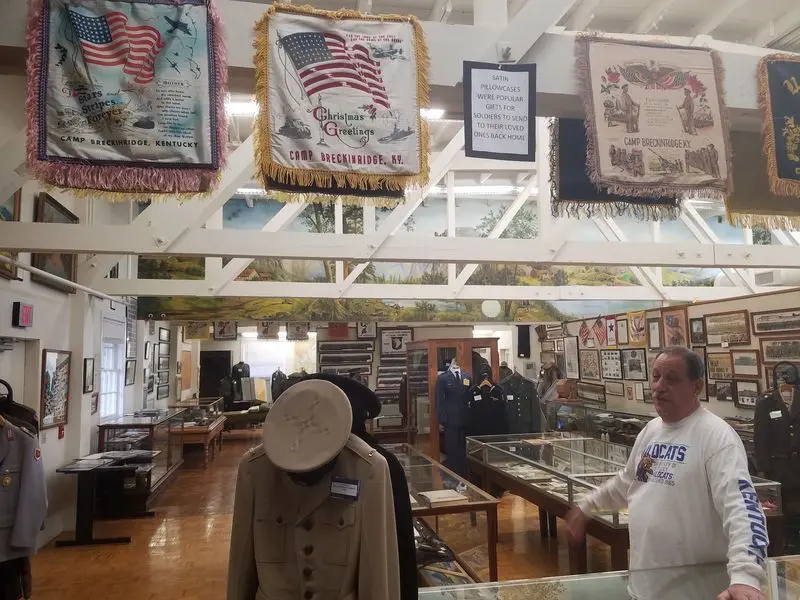
Got a kid who asks why about everything? Good news, because the folks here seem ready for it.
Past visitors have described the staff as extremely knowledgeable and friendly. One group mentioned a guide who patiently answered every one of their many questions.
Another visitor stopped by not expecting much at all. The curator ended up showing them around personally, and the visit turned into a highlight.
That personal attention matters at a small museum. The murals have a backstory that’s much richer when someone explains it face to face.
One wedding guest admitted they loved the art but never learned the full story behind it. Lesson learned: if you visit during museum hours, ask for the tale.
Families can make it easy by bringing a short list of questions. Who was the painter, how long did the work take, and what happened to him afterward?
Kids often remember answers better when they asked the question themselves. That turns a quick stop into a real learning moment.
Plenty of visitors left saying they learned a lot. With guides this eager, you probably will too.
Wedding Vows Beneath Walls Painted Generations Ago
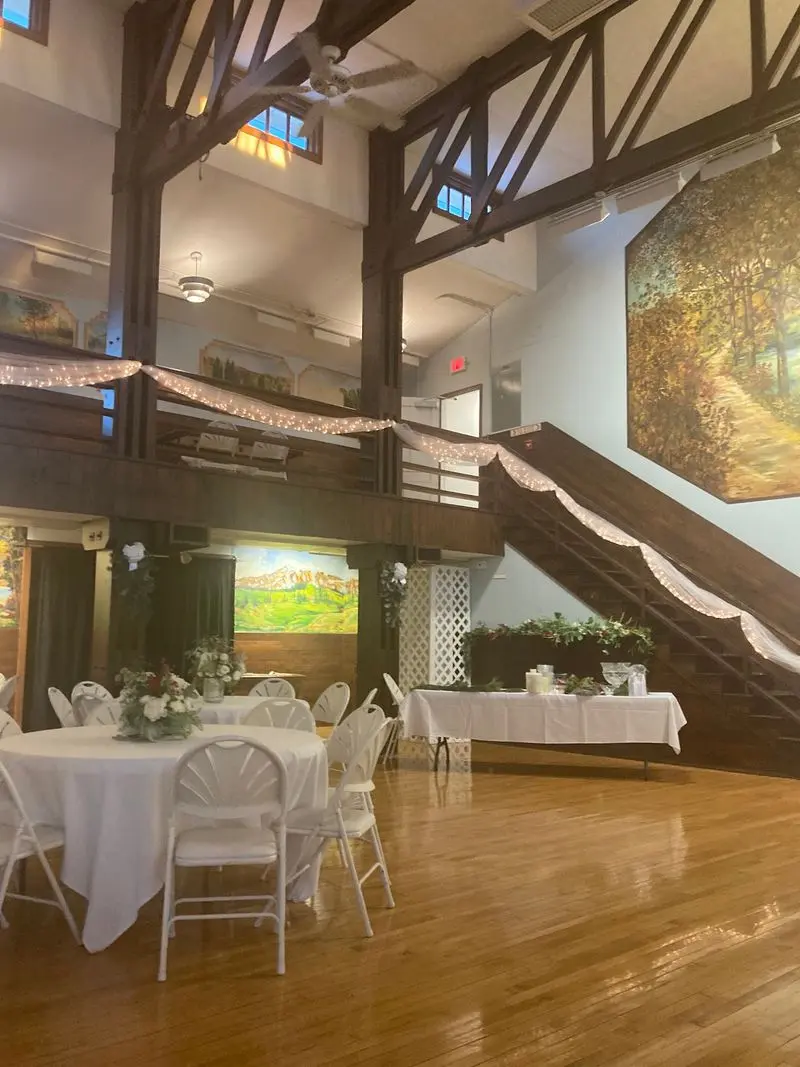
Saying I do in a room full of history? That’s a love story with a bonus plot.
Camp Breckinridge Museum & Art also works as an event venue, and weddings come up again and again. Guests have called it a great venue for all kinds of occasions.
One proud parent shared that their daughter married here and found it very beautiful. Others attended receptions and praised the space just as warmly.
A past guest also noted it works nicely for a country-themed reception. Picture string lights and simple tables framed by those famous painted walls.
Okay, that’s a nudge to imagine, but you get the idea. The murals do a lot of decorating work before anyone hangs a single flower.
For Kentucky families, that adds a layer of meaning to a big day. The celebration happens inside a piece of Union County’s own past.
Planning a reunion, shower, or milestone party could also make sense here. Contact the venue directly for availability and booking details.
Just warn your guests ahead of time. They may spend half the reception staring at the walls instead of the cake.
Easy Hours, Small Fees, And A Free Pass For Veterans
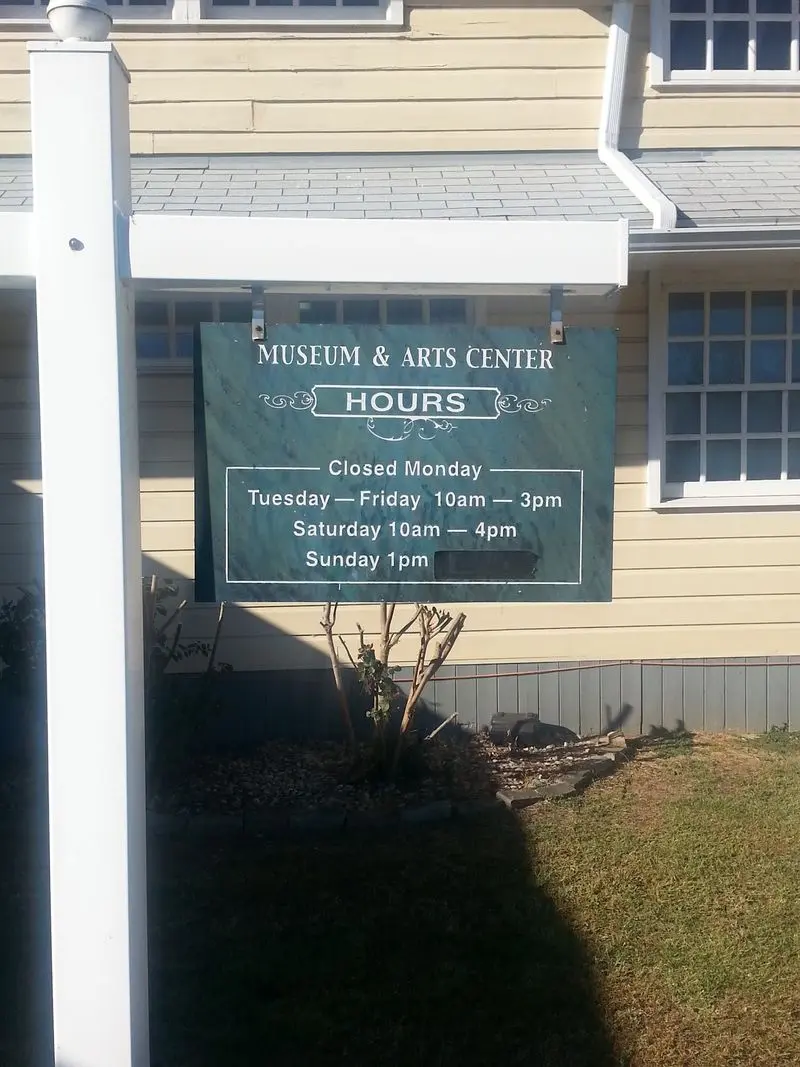
Planning the trip is refreshingly simple. Camp Breckinridge Museum & Art is located at 1116 Village Square Rd, Morganfield, KY 42437.
Hours typically run 10 AM to 4 PM Tuesday through Saturday. On Sundays, the doors usually open from noon until 4 PM, and Mondays are closed.
Hours can change, so a quick call before you go is smart. That’s especially true around holidays or when events may be booked.
Admission has been described as a nominal fee, which keeps it family-budget friendly. Veterans have been admitted at no charge, a lovely touch for a military museum.
Bringing a veteran grandparent along could make the visit extra meaningful. They may spot uniforms or photos that spark stories you’ve never heard before.
One visitor called it worth the drive to Morganfield, and that feels right. It’s an easy day trip for many western Kentucky families.
My soft verdict? Go for the murals, stay for the memorabilia, and leave with a story worth retelling.
A homesick painter left his best work behind, and it’s still waiting for you to say hello.