

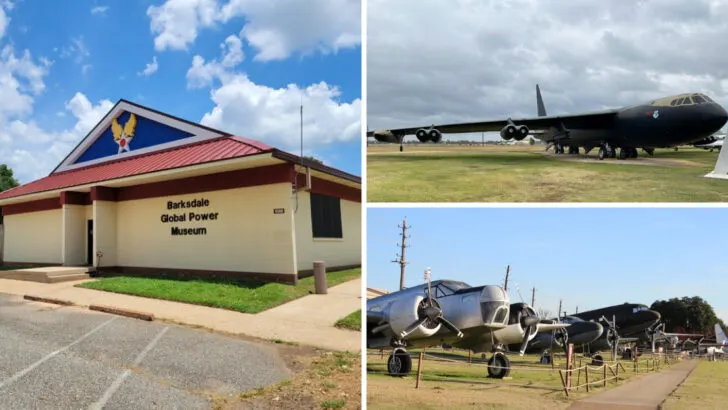
Step inside a world where history soars and engines roar.
The Barksdale Global Power Museum isn’t your typical stop—it’s a playground for anyone fascinated by flight, firepower, and the machines that shaped modern aviation. From sleek jets to towering B-52s, every exhibit invites you to get up close, feel the scale, and imagine the missions these aircraft have flown.
Walking beneath a bomber for the first time is jaw-dropping. The wings stretch endlessly, the engines hang like silent giants, and the landing gear could double as skyscraper legs.
Every panel, every plaque tells a story of daring, innovation, and decades of aerial dominance.
Photography enthusiasts and history buffs alike will find themselves lingering. Capture the sweep of a wing, the sheen of polished metal, or just let the sheer size and legacy of these aircraft sink in.
Barksdale isn’t just a museum—it’s a chance to touch a chapter of aviation history you won’t forget.
Planning Your Visit and Base Access
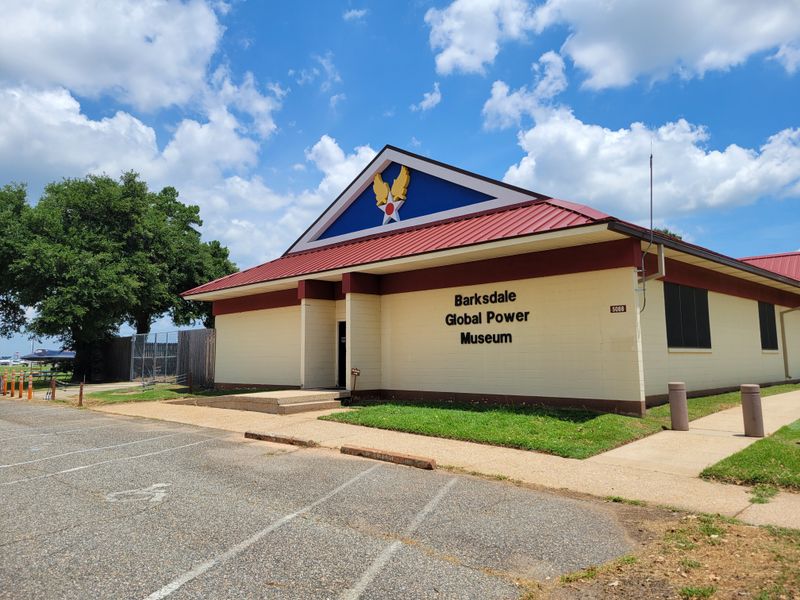

Before you go, set expectations. The museum sits inside Barksdale Air Force Base, so public access requires advance coordination.
Plan at least several weeks out to submit the background screening form listed on the museum website, then wait for confirmation from base security with your date and instructions.
Bring a valid government ID for everyone 16 and older, and expect a vehicle check at the gate. Times are limited Monday through Friday, 9 AM to 3 PM, and the museum is typically closed weekends and federal holidays.
If weather is iffy, remember the outdoor aircraft line can be windy, sunny, and hot, so hydrate, wear sunscreen, and bring comfortable shoes.
Arriving prepared makes things smooth at the Visitor Control Center. You will park, check in, and proceed under guidance to the museum and static displays.
The staff are knowledgeable and friendly, and signs remind visitors that this is an active installation.
There is no admission fee, though donations help restoration efforts. Expect a self-guided indoor experience and a long walk outdoors to see around twenty aircraft.
Give yourself two hours minimum, more if you love details, photographs, or want to linger under the B-52s as they roar by on training sorties.
Indoor Exhibits: From WWII to 9/11
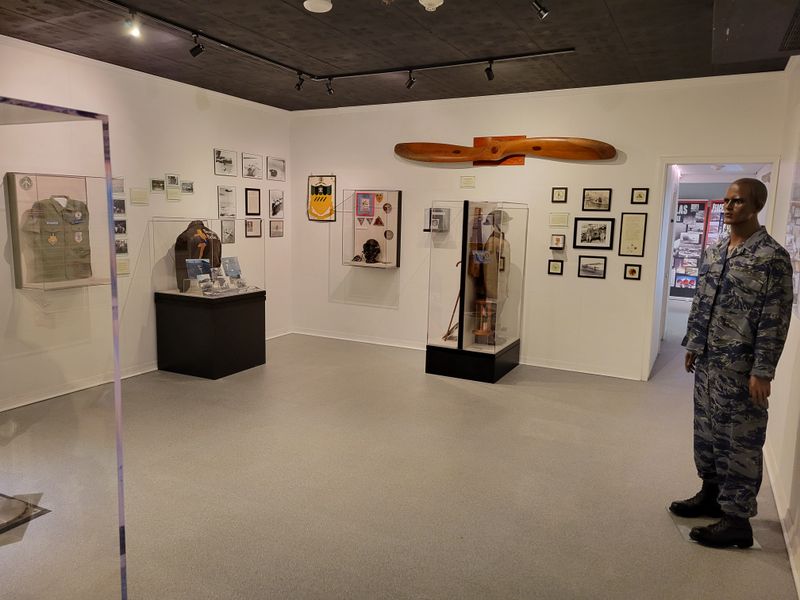
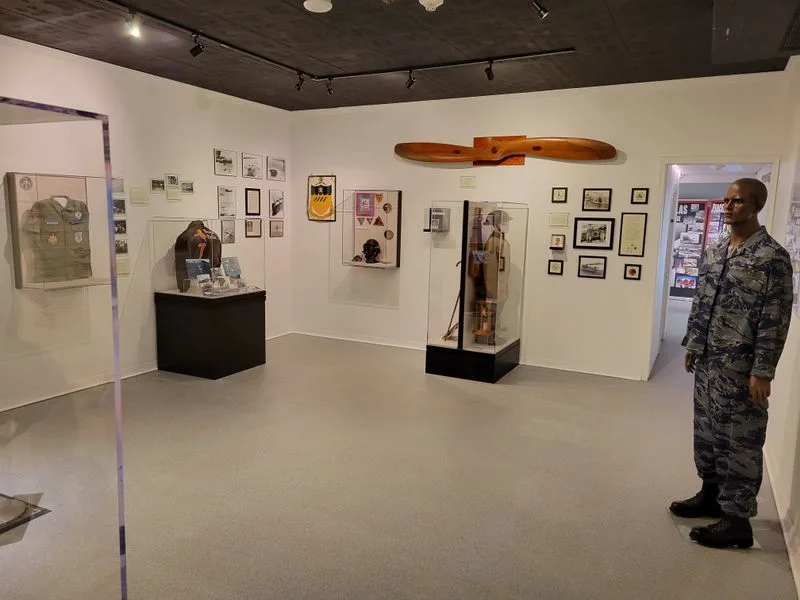
Start indoors to frame the big picture. Exhibits trace the 2nd Bomb Wing and Eighth Air Force story from WWII raids through Strategic Air Command’s alert era and into modern global strike.
You will see photographs, unit patches, aircrew gear, and concise panels that connect missions to the aircraft parked outside.
Look for the 9/11 room, where interpretation focuses on Barksdale’s role on that day, including President Bush’s stop and the podium used for his remarks. It is a small space, but it lands emotionally and reminds you that these airplanes shaped real events.
The tone is respectful, informative, and grounded in primary artifacts.
Expect a compact gift corner rather than a large shop. The staff are happy to answer questions, and many have deep ties to the base and community.
Take notes here so the outdoor walk becomes a living continuation of the narrative.
Plan 30 to 60 minutes depending on reading speed. The gallery pairs well with kids who like clear visuals and veterans who appreciate specificity.
When you step outside afterward, the dates, units, and missions will click, turning static displays into chapters you can physically walk through.
The B-52 Stratofortress Experience
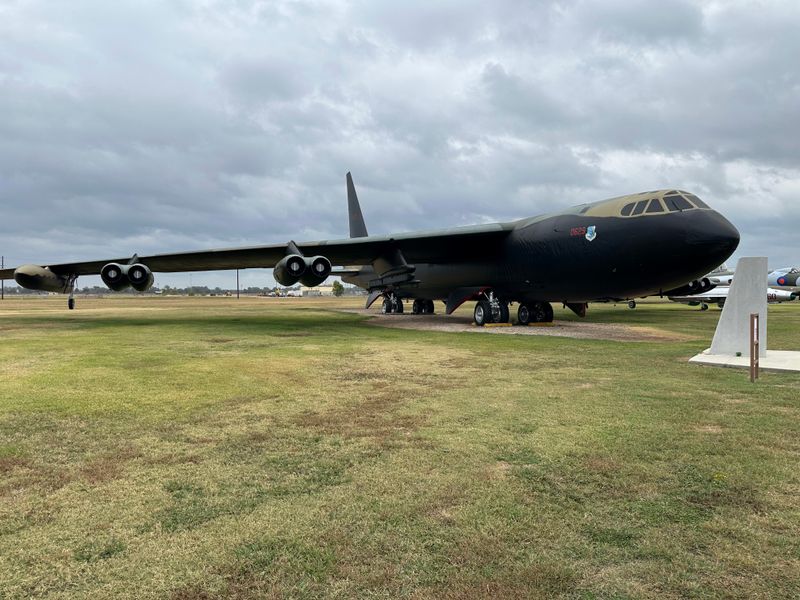
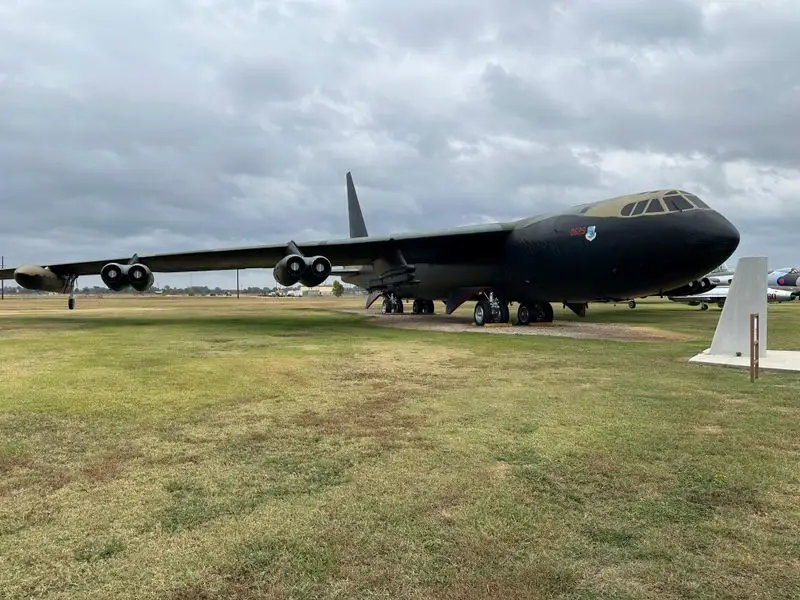
Few moments match walking under a B-52 for the first time. The landing gear look like skyscraper legs, and the eight engines hang in twin pods that seem to go on forever.
At Barksdale, you will likely see multiple B-52s up close, sometimes with operational jets thundering in the background.
The museum presents the aircraft as both artifact and living icon. Panels connect tail numbers to missions, upgrades, and the 2nd Bomb Wing lineage.
You can appreciate the bomber’s longevity, spanning from the early Cold War to today’s modernized roles with standoff weapons and global strike alert.
Bring a wide-angle lens to capture the wing sweep and the looming fuselage. The sun can be intense, so morning or late afternoon light helps with contrast and heat.
Walking beneath the belly reinforces scale in a way no photo online can duplicate.
Give yourself time to circle the airplane and note the control surfaces, ECM blisters, and bomb bay doors. If a takeoff occurs nearby, you will feel the rumble in your chest.
This is the heart of Barksdale’s story and the museum’s most visceral outdoor encounter.
Rare Birds: SR-71 and Avro Vulcan
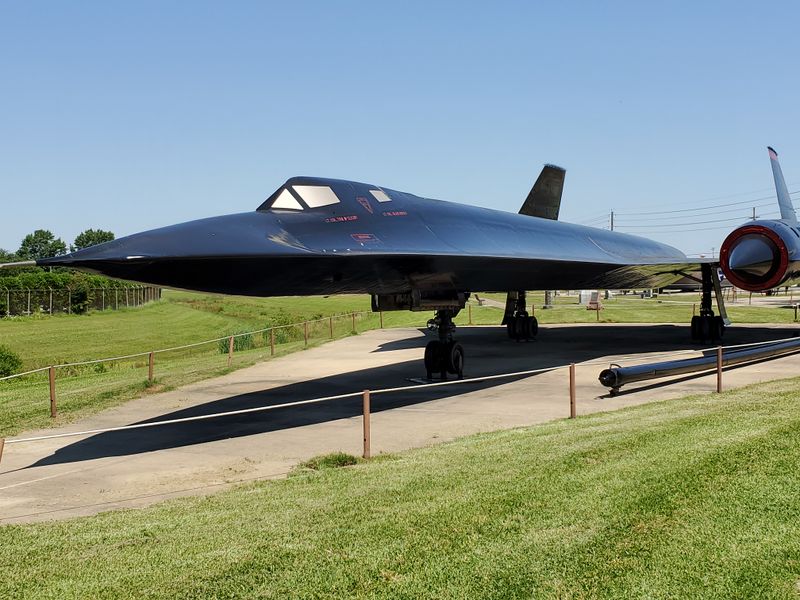
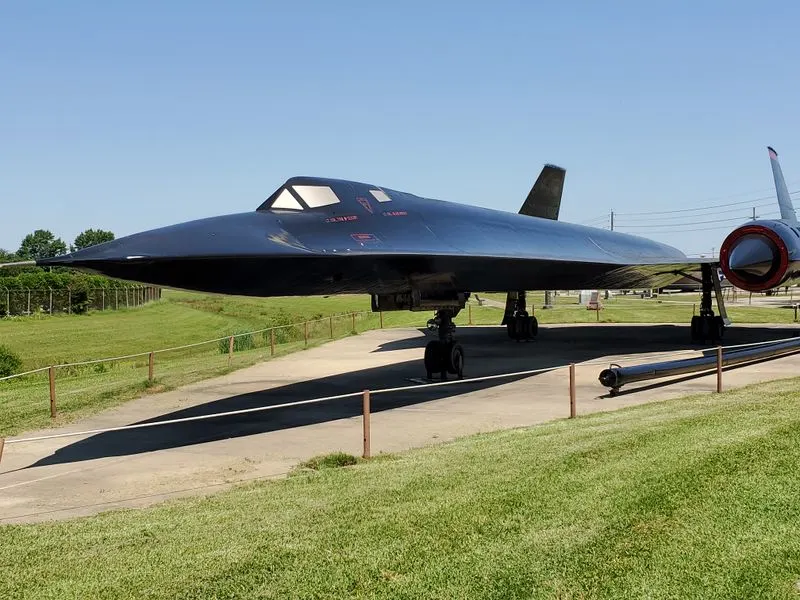
One surprise here is the star power. The SR-71 Blackbird draws a crowd anywhere, and seeing it resting on the ramp invites close study of inlets, chines, and the stealthy matte finish.
Nearby, the Avro Vulcan adds a dramatic delta-wing silhouette few U.S. museums can match.
Take your time walking the perimeter of both airframes. The SR-71’s materials and seams reveal engineering wizardry, while the Vulcan’s intakes and bomb bay contours whisper Cold War strategy from a British perspective.
Combined, they broaden the narrative beyond American heavy bombers and tankers.
Some aircraft have incomplete placards as restoration proceeds. That is normal for an outdoor collection battling weather and budgets.
Use your phone to pull up additional history while you stand beside the jets, connecting serial numbers, squadron markings, and service dates.
Photos work best from low angles to emphasize geometry. If you are traveling with kids or aviation newbies, this pairing makes an instant hook.
You will leave with mental snapshots of black titanium and white-gray delta wings that define different approaches to speed, altitude, and deterrence.
World War II Heavyweights: B-17, B-24, and B-29
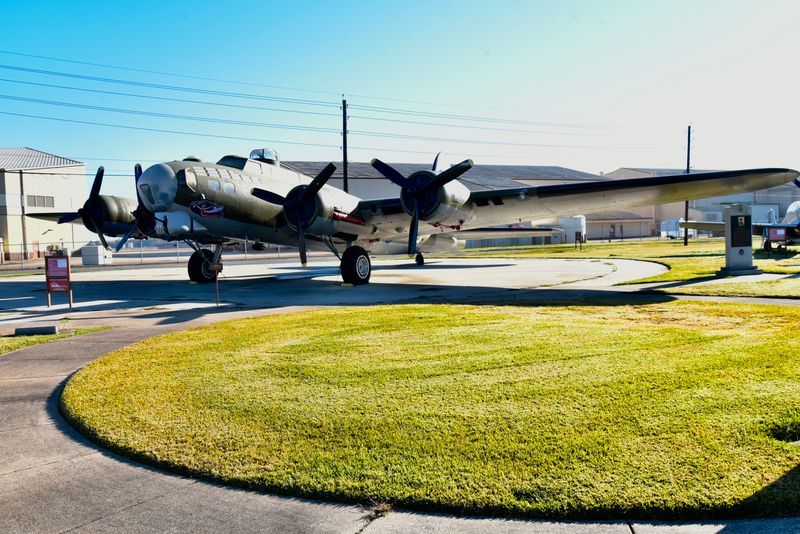
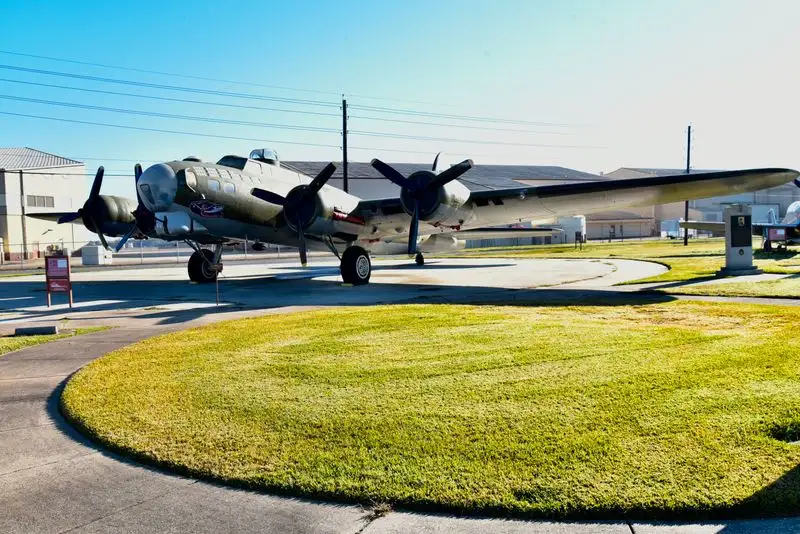
The museum’s WWII lineage anchors the outdoor walk with legends. A B-17, B-24, and B-29 embody the progression from rugged early heavies to advanced Superfortress technology.
Standing beside them, you can compare wings, turrets, and bomb bays while imagining crews braving flak over Europe and the Pacific.
Look closely at nose art replicas, turret configurations, and the differences in landing gear and tail gunners’ positions. The B-29’s sleeker lines and pressurization leap out once you have seen the B-17 and B-24 up close.
Placards interpret missions and unit histories tied to Barksdale and the Eighth Air Force.
These aircraft are outdoors, so finishes can fade between repaints. Consider that ongoing restoration is a marathon, not a sprint, and donations make a visible difference.
Your photos will still look amazing, especially when you frame props, rivet lines, and open hatches.
For aviation families, this is the perfect teachable section. You can point to how design evolved under wartime pressure and how doctrine shifted from daylight precision to long-range dominance.
Bring water, take your time, and let the scale and engineering tell the story as you move aircraft to aircraft.
Tips for Families, Photographers, and History Buffs
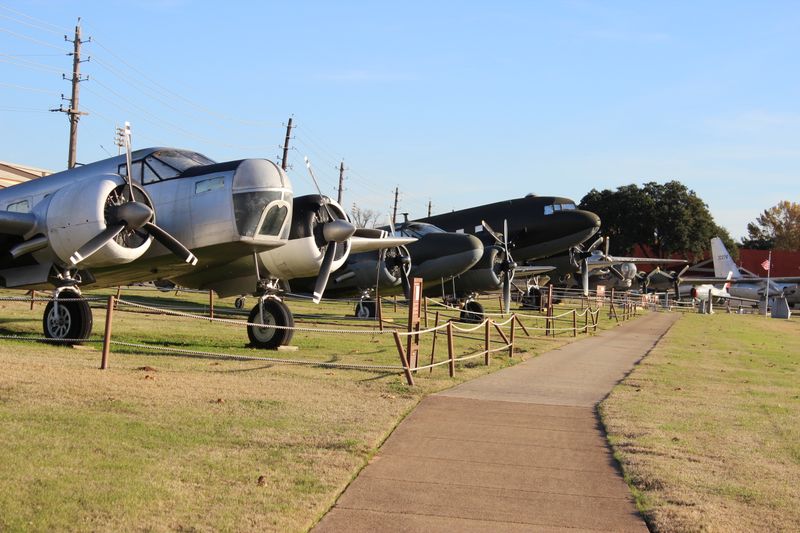
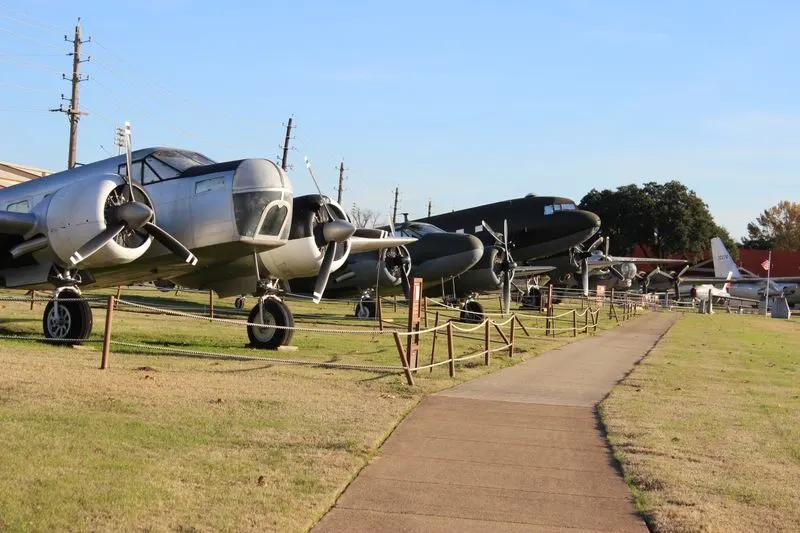
Dress for a long, sunny walk. The aircraft line stretches across a large area with minimal shade, so sunscreen, hats, and water make the day.
Sturdy shoes help, and strollers work fine on the concrete pads and paths between aircraft.
Photographers should bring a wide-angle lens for the giants and a telephoto for details like cockpit glazing and landing gear. Morning or late afternoon reduces glare and heat shimmer.
Try low angles to exaggerate the scale of the B-52 and SR-71, and bracket exposures against bright sky.
History buffs will appreciate reading the indoor panels first, then tackling the outdoor fleet with context. Use your phone for quick lookups on serial numbers and unit markings if a placard is missing during restoration.
You will connect events, people, and aircraft lineage more clearly that way.
Finally, confirm hours and access steps on the website before you drive. If you have military ID, entry is simpler, but guests still need to follow procedures.
Plan two to three hours, pack patience, and expect rewards measured in awe, great photos, and conversations you will keep having long after leaving the gate.
Cold War Command and Nuclear Deterrence Context
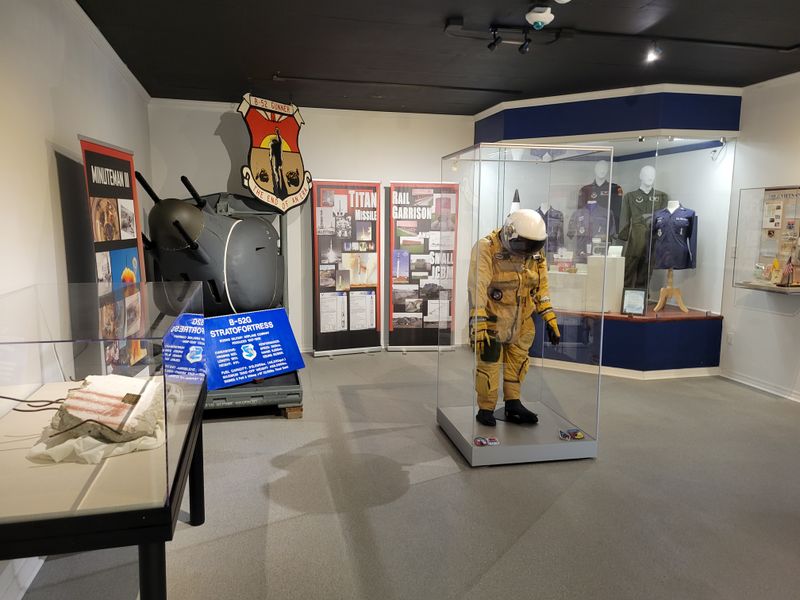
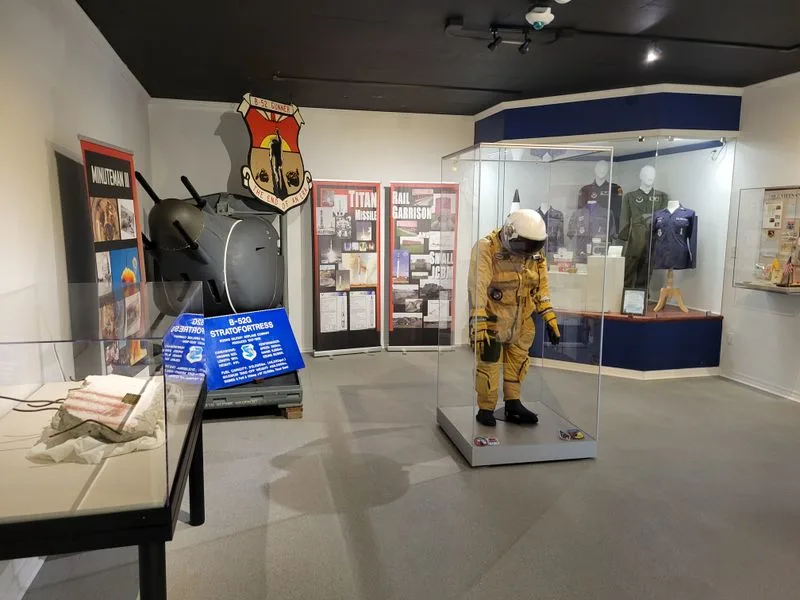
Cold War history hits different when you are standing under bombers built to keep the peace by being undeniably ready. The museum lays out how Strategic Air Command planned, trained, and stood alert around the clock.
You get the moral tension without lectures: flowcharts, crew stories, and alert photos humanize the doctrine.
Look for displays on airborne command posts and the evolution of command-and-control. Maps with arcs and timing lines explain how deterrence worked in practice.
The tone is balanced, acknowledging fear and routine in equal measure.
You will see survival kits, training manuals, and the kinds of checklists crews memorized. Nearby placards decode acronyms and timelines so you are never lost.
It is sobering yet strangely grounding. The takeaway is not glory, but discipline and restraint woven into daily operations.
Restoration Shop and Preservation Efforts
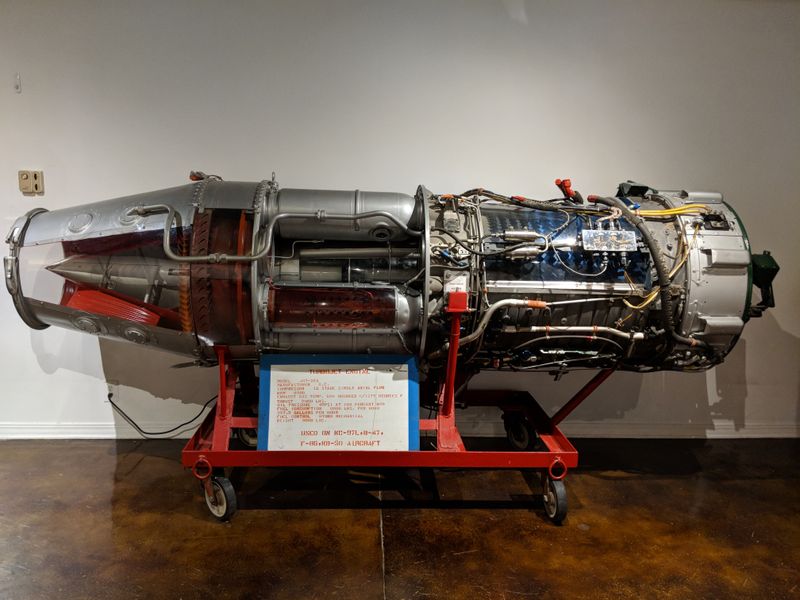
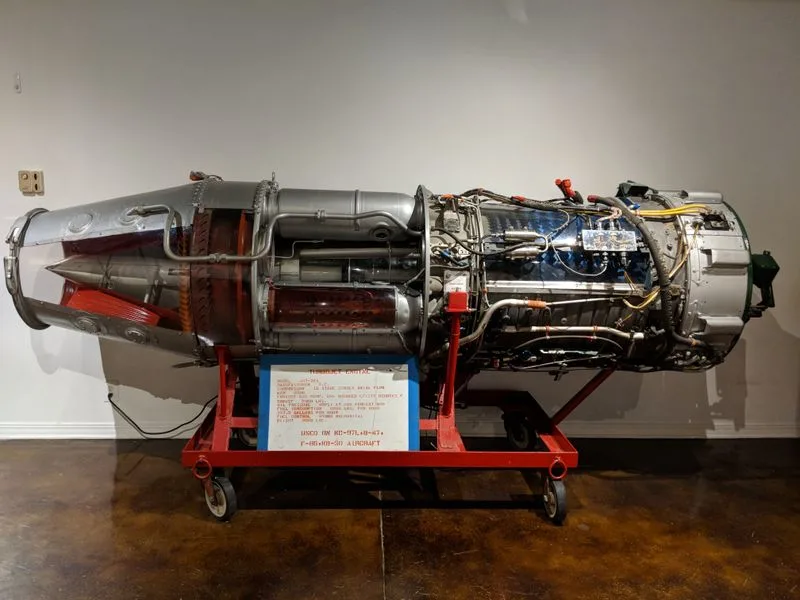
Peek behind the curtain and you will appreciate how much sweat keeps these aircraft presentable. The restoration area, when open, shows volunteers cataloging parts, treating corrosion, and researching original paint schemes.
It is methodical work, equal parts craft and detective story.
Ask about current projects. You may hear how they source rare components, or how modern coatings protect vintage metal in Louisiana humidity.
The team is proud, practical, and refreshingly candid about what takes months versus years.
Interpretive panels explain triage decisions and conservation ethics. Preservation beats over-restoration here, so history stays visible in the skin.
If you love process, this is catnip. Bring questions, respect the ropes, and you will leave rooting for the next phase.
Local Connections: Barksdale’s Role and Community Stories
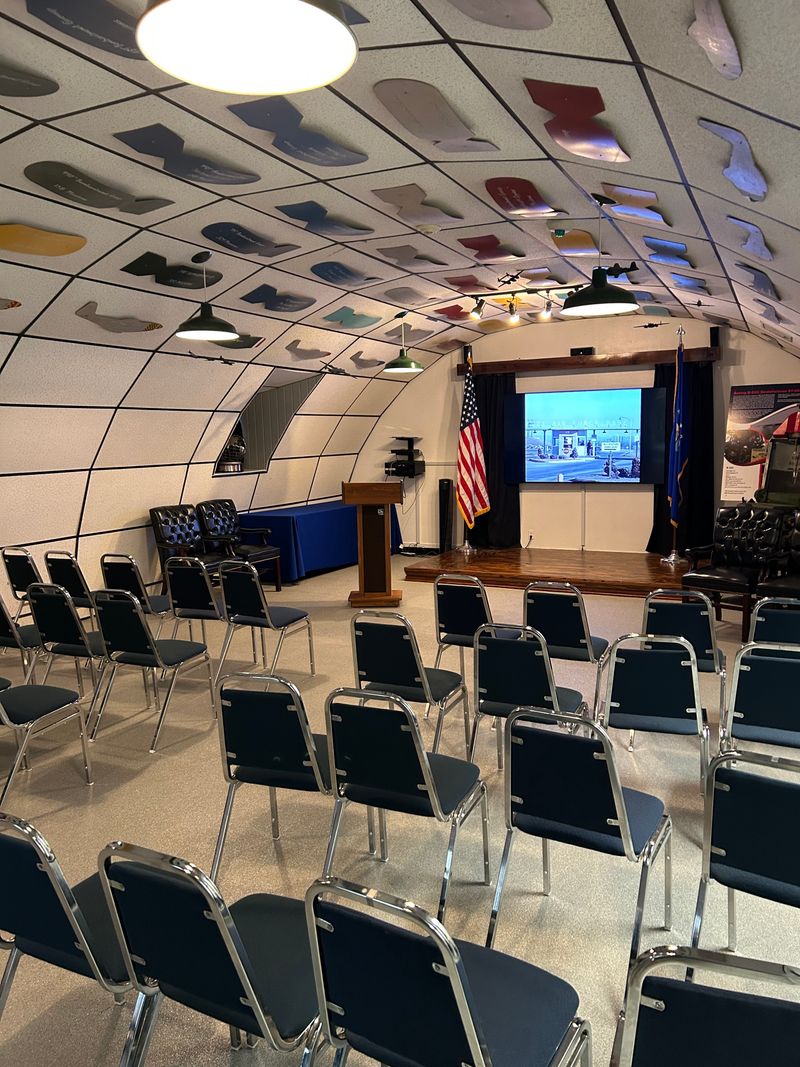
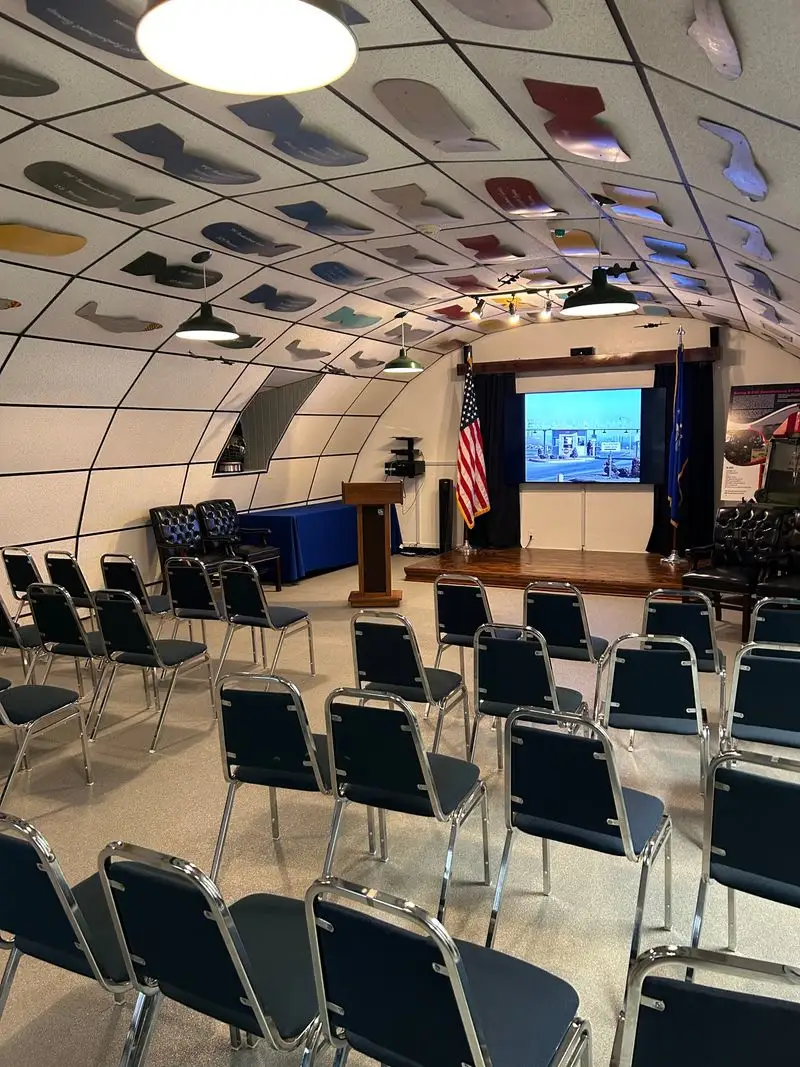
The museum ties global missions to local lives, and that is where the stories stick. Oral histories from airmen, maintainers, and families add texture to the metal outside.
You hear about PCS moves, hurricane seasons, and late-night alerts echoing across Bossier City.
Photographs track base growth from early fields to modern infrastructure. Newspaper clippings and squadron yearbooks bring faces to the foreground.
It is a reminder that airpower is a community endeavor, not just hardware and sortie counts.
Look for patches, uniforms, and chapel bulletins that map traditions across decades. Each artifact feels like a handshake.
When you step back outside, the aircraft feel less abstract. You carry names, not just model numbers, and the museum’s purpose clicks into place.