

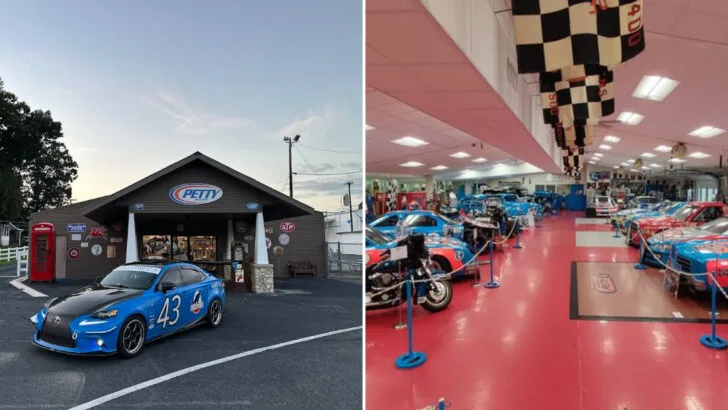
This place doesn’t whisper about racing history—it roars.
Tucked away in North Carolina, the Richard Petty Museum is packed with chrome, color, and pure horsepower. The moment you walk in, you’re surrounded by legendary machines that once thundered down the track at full throttle.
These aren’t distant museum pieces. They feel alive, like they could fire up and bolt through the doors at any second.
Each car carries battle scars and bold paint schemes that defined an era. You’ll spot iconic numbers, gleaming trophies, and snapshots of racing’s most electric moments.
It’s not just about speed—it’s about grit, family legacy, and the drive to win.
Whether you’re a lifelong NASCAR fan or just love classic cars with personality, this hidden gem delivers a rush. One visit won’t feel like enough.
You’ll leave hearing phantom engines long after the doors close behind you.
Start at the King’s Crown: Signature Cars and Trophies Gallery
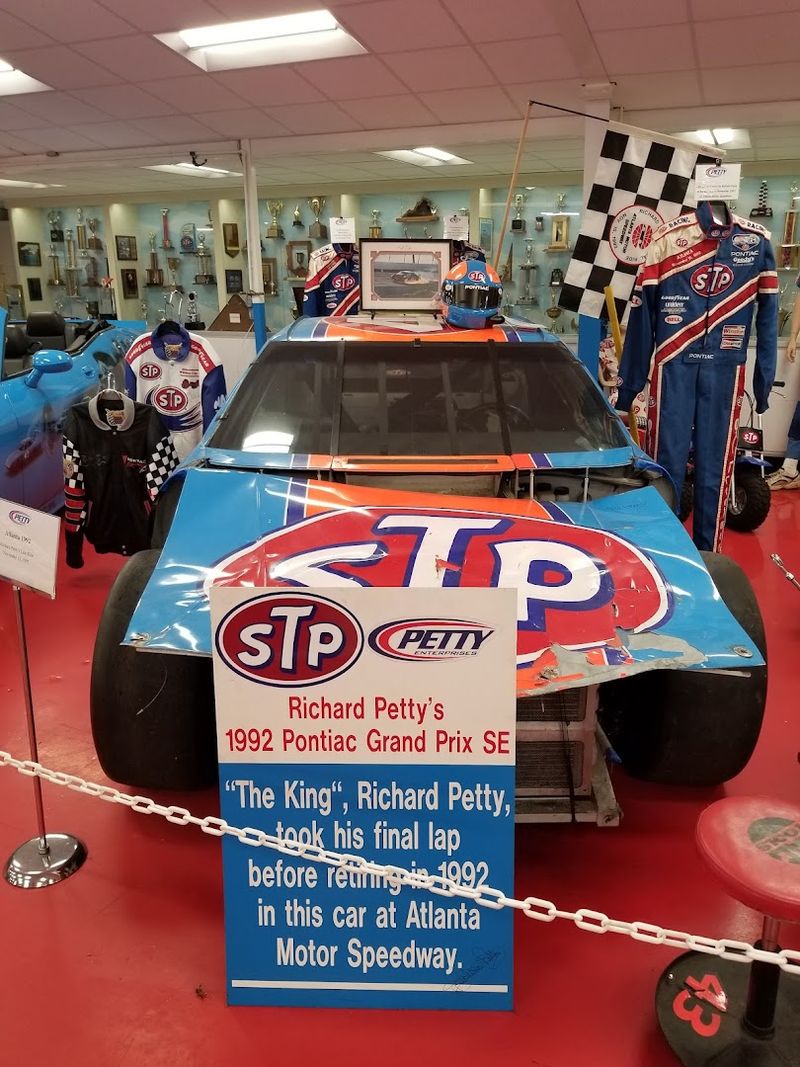
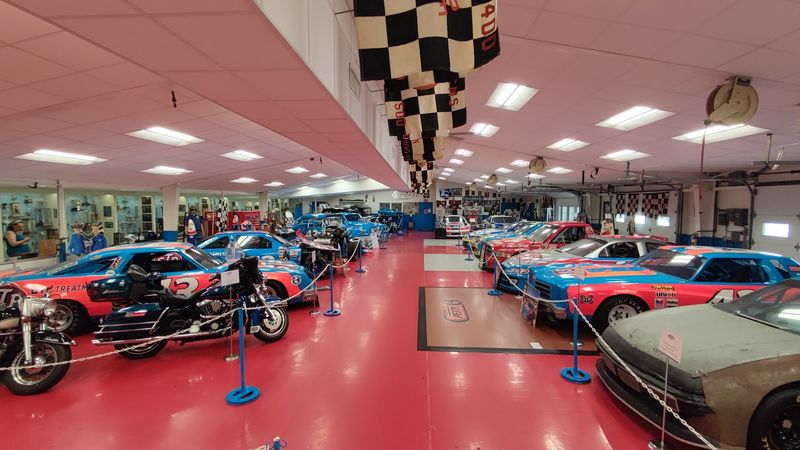
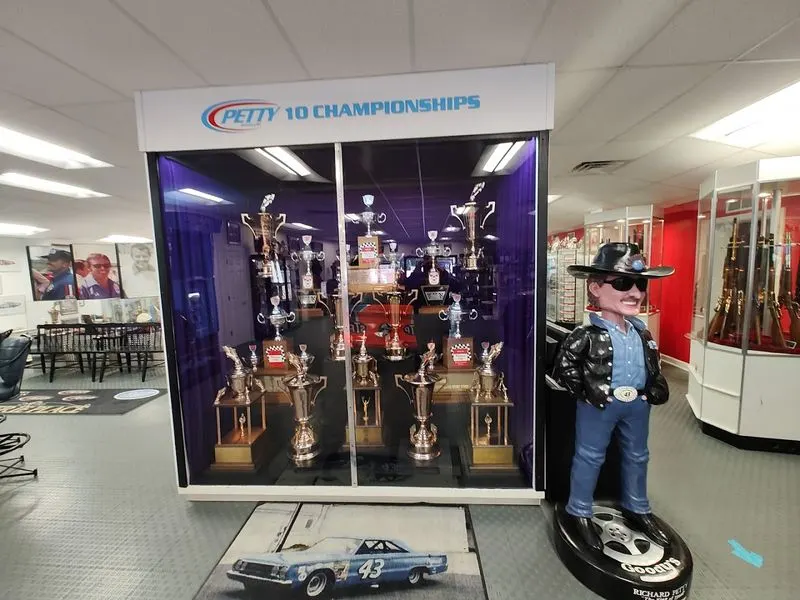
Begin where the legend shines brightest, in a room where Petty Blue practically hums under the lights. You are greeted by gleaming stock cars that carried Richard Petty to victory, flanked by walls of trophies spanning decades.
The arrangement makes it easy to trace the King’s career arc, with clear labels that never overwhelm.
Stand beside the famed STP No. 43 and you will feel your pulse rise as memories of Daytona, Darlington, and Martinsville rush back. Each chassis tells a chapter, from early curb-hopping grit to aerodynamic mastery.
You can move slowly, taking in small details like worn steering wheels, scuffed tires, and pit notes.
The gallery also highlights milestone victories and record-setting seasons, framing NASCAR history through the Petty lens. Photos and newspaper clippings anchor the narratives, offering context without lecture.
You will appreciate how the museum balances reverence with approachability.
Do not miss the trophy cases that stack achievements from floor to ceiling. The craftsmanship in each cup, plate, and plaque feels like a timeline carved in chrome.
It is a stirring introduction that proves this little museum punches far above its size, setting the tone for everything you will discover next.
From Lee to Adam: Four Generations of Petty Family Racing
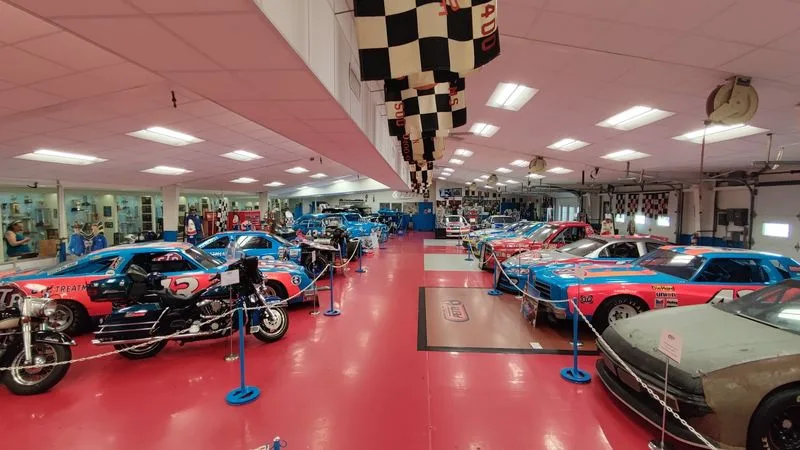
This museum tells a family saga as much as a racing story. You will move from Lee Petty’s pioneering grit to Richard’s record book reign, then to Kyle’s versatile career and Adam’s bright promise.
Each generation’s display feels personal, stitched with photos, uniforms, and heartfelt notes.
Lee’s early days set the tone, with humble tools and boxy cars that look purpose-built for survival. Richard’s era explodes in Petty Blue, sponsor flair, and a mountain of accolades.
Kyle’s section adds breadth, from racing to philanthropy, while Adam’s legacy offers a poignant reminder of why safety advances matter.
Timelines keep everything color-coded and clear, so you never feel lost. You can trace rules changes, track evolutions, and the sport’s growing spectacle through one family’s eyes.
The progression connects beautifully to the cars you saw earlier.
What stands out most is continuity, the way values like hard work, humility, and fan connection anchor every decade. You may catch yourself comparing helmets, stitching styles, and seat molds.
It feels like being invited into the Petty scrapbook, where triumphs and trials are presented honestly and with deep respect.
Original Petty Garage and Shop Tools Walkthrough
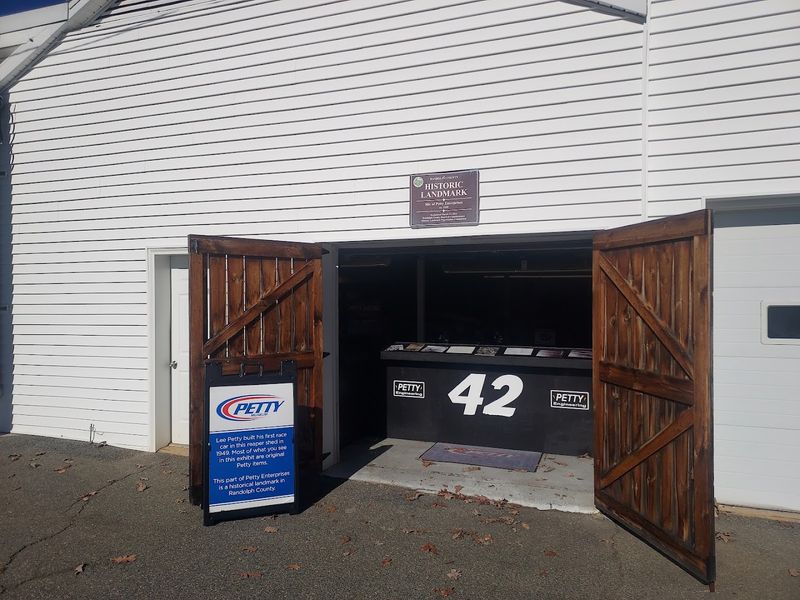
Step into the original Petty garage space and you will hear the echoes of wrenches, air guns, and last-minute fixes. Benches hold carburetors, heads, and gauges that feel battle-tested.
Placards explain what each tool did trackside and in the shop.
It is not a sterile display. Oil stains, nicked metal, and mismatched drawers make the place feel alive, a working time capsule.
You can imagine Lee or Richard leaning over an engine, discussing gear ratios before dawn.
Diagrams show how NASCAR rules shaped fabrication choices, from restrictor plates to sheet metal tweaks. You will pick up insights into alignment tricks, brake cooling, and pit stop choreography.
The museum does a great job making complex mechanics accessible.
Look up and you might spot hand-lettered signs and old team photos that add grit and warmth. The shop walkthrough deepens your respect for the craft beyond the driver’s spotlight.
If you love how things are built, this corner alone makes the trip worth it.
Beyond the Track: Richard’s Personal Collections
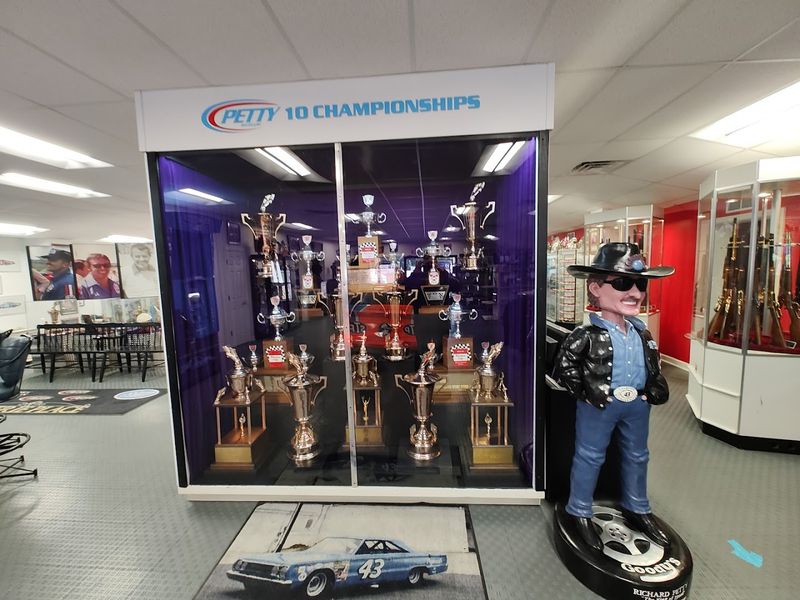
You will quickly learn the museum is not just horsepower and checkered flags. Richard Petty’s personal collections open windows into curiosity and craftsmanship.
Cases display knives, firearms, pocket watches, and ornate belt buckles with meticulous detail.
Each item is labeled with materials, maker notes, or origin stories, adding personality to the steel and silver. There is heart here, from handmade grips to engraved plates.
Nearby, Lynda Petty’s doll collection adds a gentle, human counterpoint.
This room helps you appreciate the King’s eye for design and Americana. The pieces feel collected with wonder, not excess, connecting back to rural North Carolina roots.
You will likely slow down, noticing textures you would otherwise miss.
Fans often mention this area as a surprise highlight, and it is easy to see why. It rounds out the racing myth with quieter passions.
By the time you exit, you feel like you have met a person, not just a legend.
Historic Homestead and Grounds: Walking the Property
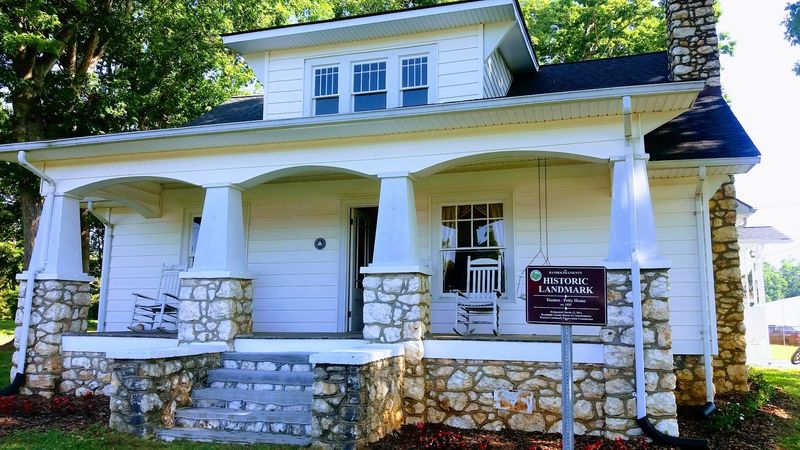
Beyond the exhibits, the property itself tells chapters you will not find in a case. The nearby childhood home and original outbuildings frame a setting where talent grew up alongside hard work.
It is moving to see how modest spaces birthed a dynasty.
Walking between buildings, you can trace the flow from homestead to shop to museum galleries. Interpretive signs connect dots without fuss.
The grounds feel peaceful, with shade trees, breezes, and the hum of passing memories.
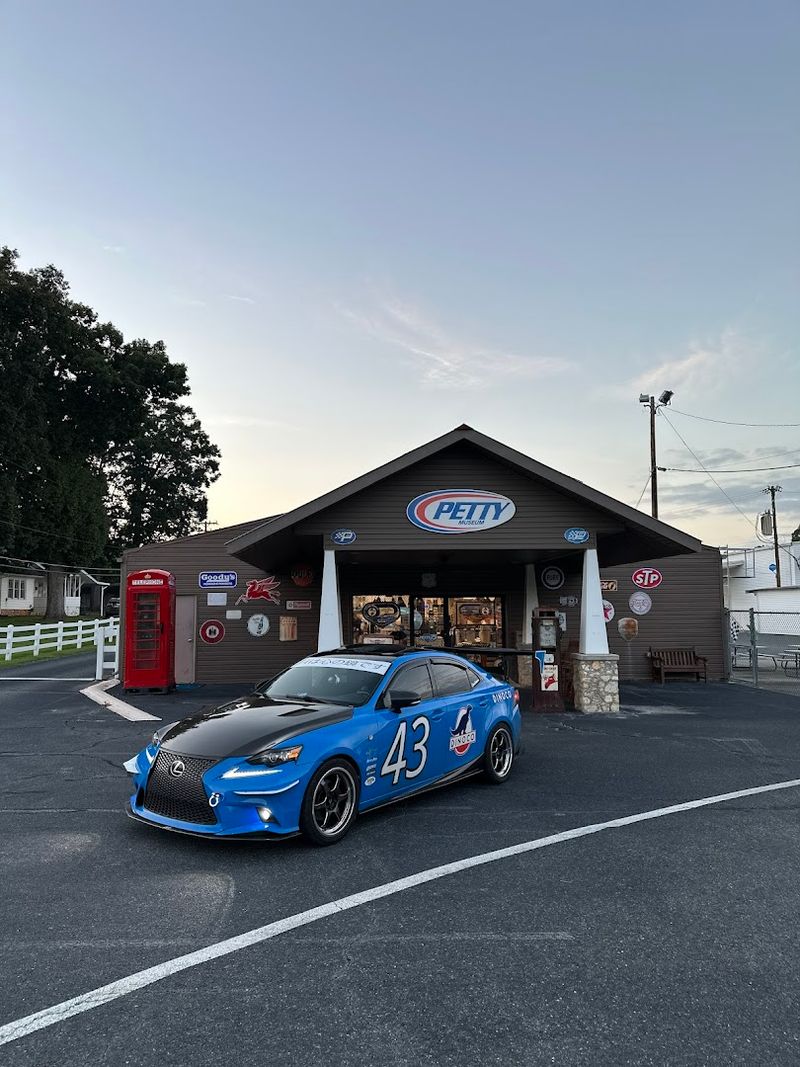
Photo ops are everywhere, from Petty Blue signage to vintage doors and brickwork. You will want a few wide shots to capture context, not just cars.
It is a nice breather between high-energy displays.
This stroll anchors the museum to Randleman’s soil. The setting adds authenticity that polished city museums sometimes miss.
You leave with a sense of place that makes every trophy feel earned.
Planning Your Visit: Hours, Tips, and Meeting the King
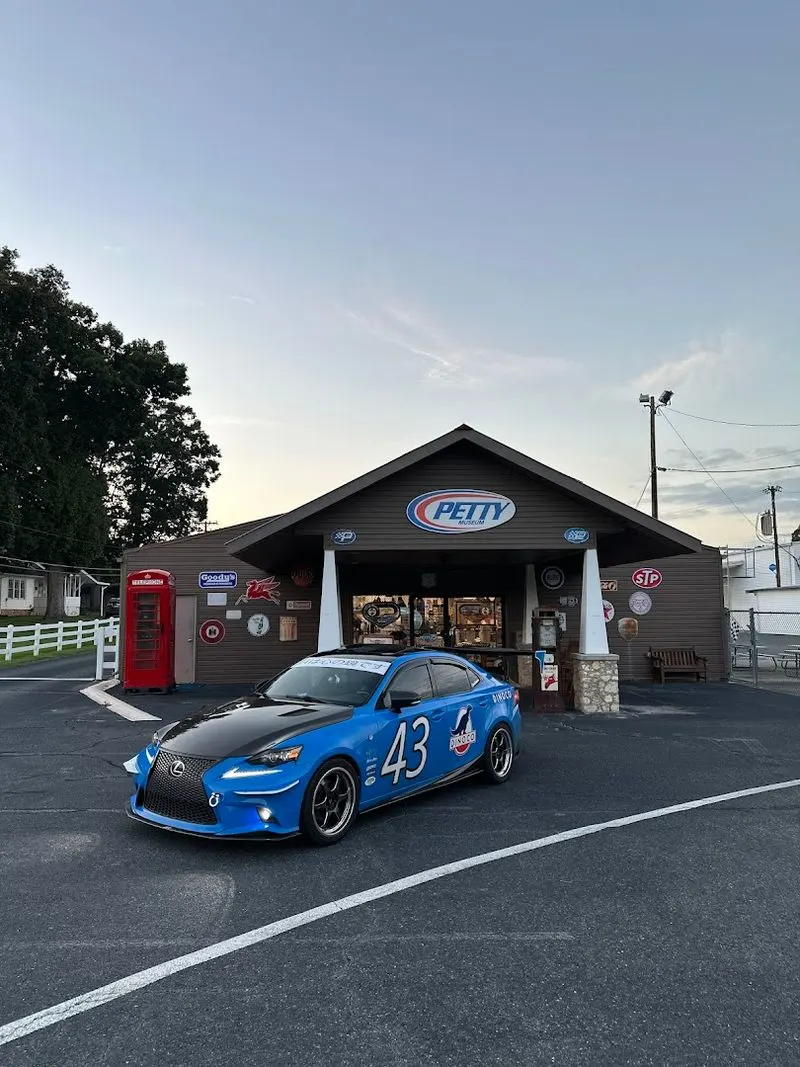
The museum currently lists Monday through Friday hours from 9 AM to 4 PM, with Saturday and Sunday closed. Call ahead at +1 336-495-1143 or check rpmuseum.com for updates, holiday changes, and any special events.
Weekday mornings tend to be quiet, which is perfect for lingering.
Parking is easy, and admission is reasonably priced for the depth you get. Allow at least 90 minutes, more if you read every panel.
Comfortable shoes help, since you will bop between buildings and stand near cars.
Many visitors mention meeting Richard Petty himself, and you might get lucky. He is not guaranteed, but the staff will guide you if he is around.
Keep a camera handy and be polite, as he is famously generous with quick photos.
Do not skip the small gift shop, where much of the merchandise is signed and fairly priced. You will find posters, photos, and caps that make great keepsakes.
It is a personable finish to a day that already feels like a handshake.
Why It Matters: A Compact Classic-Car Treasure With Soul
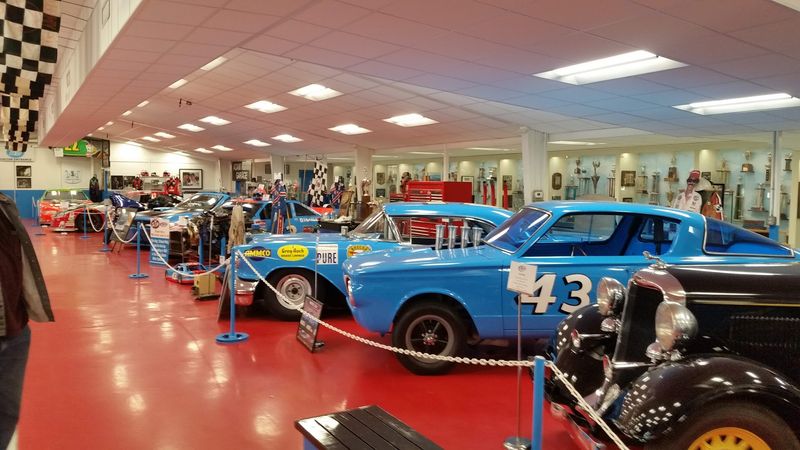
This place proves you do not need a cavernous building to deliver big emotions. The Richard Petty Museum is compact, but its storytelling is expansive and human.
You feel welcomed, guided, and trusted to appreciate every detail.
Classic cars here are not just displays. They are characters in a family saga that shaped stock car racing.
When you look closely, scuffs, welds, and makeshift fixes tell the best kind of truth.
Reviews often mention friendly staff, clean spaces, and clear explanations that respect your time. You can learn at your own pace, without noise or crowd stress.
It is calm, inviting, and packed with aha moments.
If you care about American ingenuity, this museum belongs on your list. It honors speed and skill while celebrating community and craft.
Walk out and you will carry the King’s blue glow a little longer.
Under the Hood: Engines, Setups, and Pit Strategy Unpacked
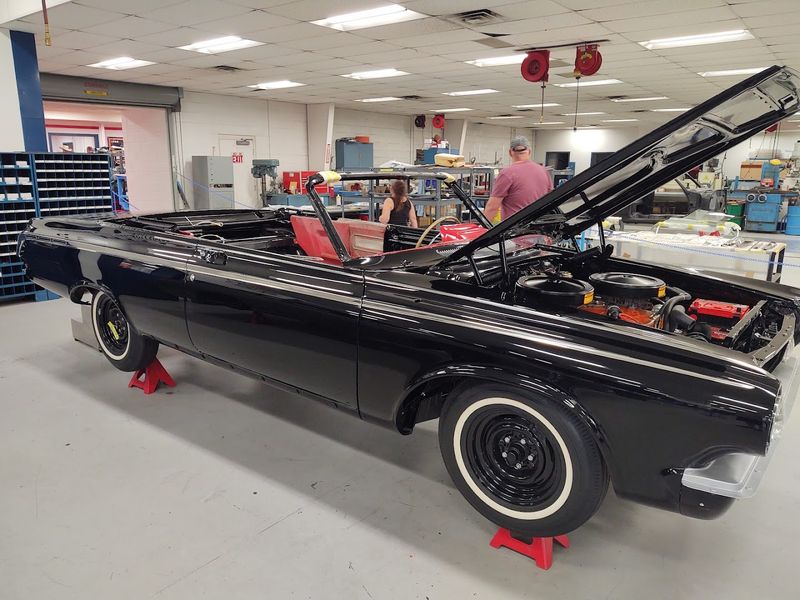
Slip into the workshop corner where the heartbeats of these machines sit bare. Blocks, heads, and carbs line up like a mechanical family tree, each tagged with race dates and hard lessons.
You can trace how gear ratios, cam profiles, and aero tweaks turned good cars into winners. The placards translate shop slang into plain talk.
What really grabs you is the pit wall of strategy. Lap charts, fuel windows, and tire notes reveal how minutes decide legacies.
You start reading heat cycles like weather forecasts. A scuffed right front tells you more than a press release.
There is a demo jack and an old air gun you can study up close. The heft, the hose, the nicked paint say hurry without words.
Imagine a five lug ballet at 140 decibels. The crew’s choreography still hangs in the room.
Even the failures are honored here. Blown gasket, missed call, wrong spring rate, all logged honestly.
You feel invited to learn, not just to admire. By the end, you are listening for lifter tick and tire whisper in your own steps.
Petty Blue Through the Years: Paint, Sponsors, and Design Details
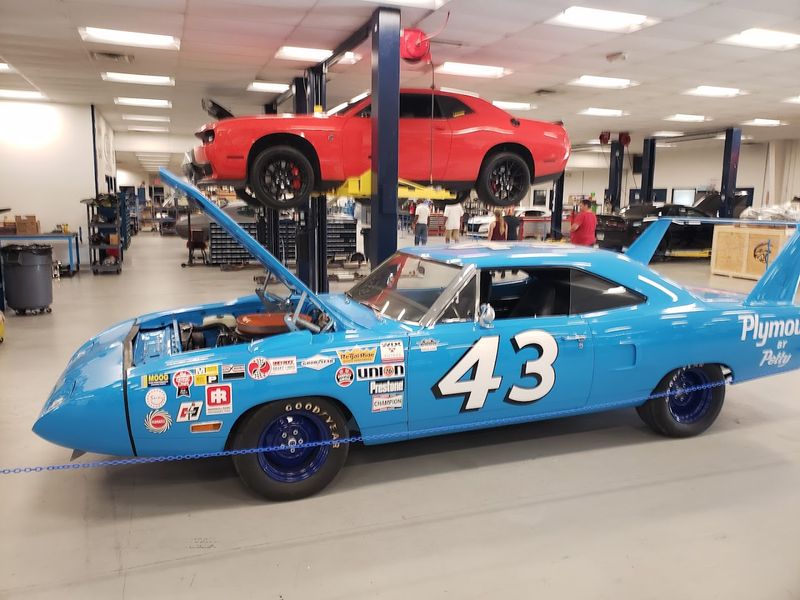
Color has memory, and Petty Blue proves it the second you walk in. A timeline of hoods and quarter panels shows the hue drifting, then snapping back to that sweet spot your eyes already know.
Sponsor logos stack like postcards from racing’s road. You catch yourself tracing the 43 with your fingertip.
Placards break down paint codes, mixes, and the factory lore. There is even a panel about cost and thrift birthing the signature shade.
Decals peel and crack in places, and that patina reads like laugh lines. Every wrinkle carries a headline.
Study the fonts, pinstripes, and contingency stickers. Subtle changes mark new eras without shouting.
The wind tunnel tweaks hide in plain sight along the rockers and nose. Designers built speed into silence.
There are mockups, stencils, and a battered paint gun behind glass. You can practically smell reducer and rubber.
It is branding, sure, but also belonging. When you step back, the room glows like a summer in motion.