Every Labor Day weekend, old wooden oyster boats with towering sails line up and race each other across open water. These aren’t yachts.
They’re working skipjacks, and the island village that hosts them once had one of the busiest fleets in Maryland.
Skipjacks are known as the last commercial sailing fleet in North America. They still dredge oysters under sail, a tradition that state rules protected for generations.
The island itself once carried a much spookier name on old maps.
I like how this place never tried to turn its past into a theme park. The boats, the old chapel, and the marsh simply kept going.
So how does a speck of land at the end of a long country road earn the title of skipjack capital? The answer starts with the water.
A Marsh-Ringed Island Where The Road Simply Runs Out
Drive far enough south and west across Somerset County, and the land starts thinning into marsh and water. That’s when you know Deal Island is close.
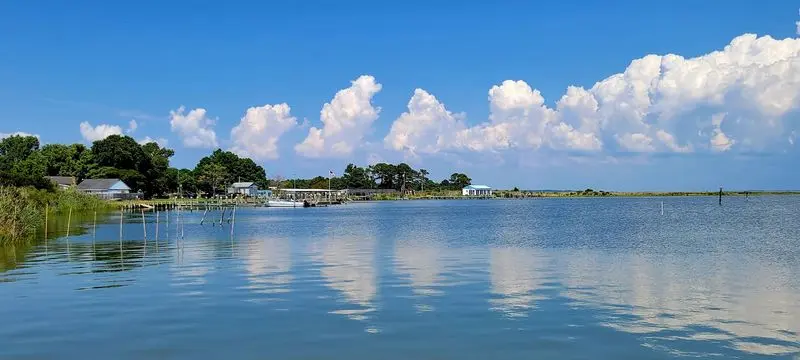
The Deal Island Historic District sits on a low island off Maryland’s lower Eastern Shore. Tangier Sound wraps one side, and the wider Chesapeake Bay stretches beyond it.
Getting there means following Route 363 west from the Princess Anne area. A bridge carries you over a narrow channel, and suddenly you’re on island time.
The district covers the old waterman villages strung along that single main road. Deal Island proper, Chance, and Wenona all share the same salty heritage.
Census counts put the population at a few hundred people. That small number is part of the charm, because nothing here feels staged for visitors.
Homes, churches, and boat sheds line the road like beads on a string. Marsh grass fills the gaps, and herons often claim the ditches.
For Maryland families, the drive itself becomes a little adventure. Kids get to watch the scenery shift from farm fields to wide-open wetlands in under an hour.
How Devil’s Island Got A Friendlier Name
Old maps once labeled this place Devil’s Island. That’s not exactly the kind of name that sells postcards.
Local tradition credits a change in spelling and attitude over time. The island gradually became Deal Island, a much easier sell for anyone settling down.
Fishing and farming families moved in during the 1700s and 1800s. They built a life around the water, because the water was what paid the bills.
By the late 1800s, oysters had turned the Chesapeake into a gold rush of sorts. Deal Island sat right in the middle of some of the richest beds in Tangier Sound.
That location shaped everything that followed. Homes went up close to the shoreline, and harbors grew busy with working boats.
The Deal Island Historic District preserves that layered story today. It earned a listing on the National Register of Historic Places for its waterman architecture and village layout.
Walking or driving through, you’re seeing a community that grew from the bay outward. I can’t imagine a better history lesson for kids than one you can actually see from the car window.
Meet The Skipjack, Maryland’s Official State Boat
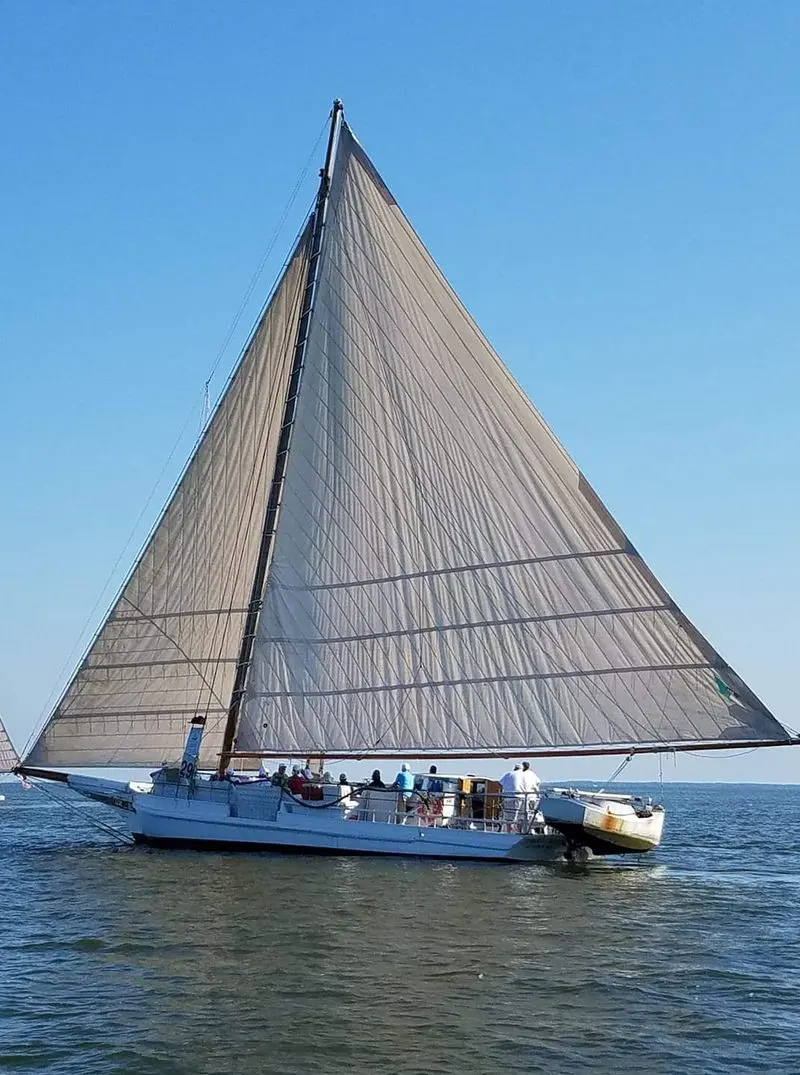
A skipjack looks almost simple at first. One tall mast, a big triangular sail, and a long wooden bowsprit poking forward like a nose.
That simple design was the point. Builders needed a sturdy, shallow boat that could work oyster beds without costing a fortune.
Skipjacks appeared on the Chesapeake in the late 1800s. Their flat bottoms let them glide over shallow water where bigger vessels struggled.
Maryland long required oyster dredging under sail on many beds. That rule helped keep skipjacks working long after engines took over everywhere else.
In 1985, Maryland named the skipjack its official state boat. Few states can say their official boat still does real work.
Deal Island became one of the strongest homes for these vessels. The harbor at Wenona has long sheltered skipjacks, and some are still docked there today.
Spotting one in person is a thrill, especially for kids who’ve only seen sailboats in movies. Point out the dredges, the winder, and the wide deck, and suddenly history has moving parts.
Wenona Harbor, Where The Fleet Comes Home
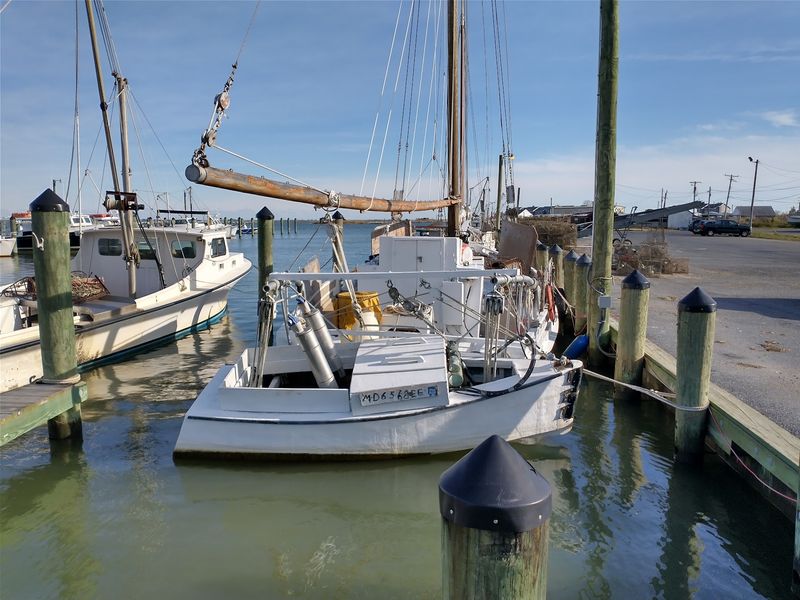
Keep following the main road until it nearly ends. That’s Wenona, the southern village and the heart of the island’s working waterfront.
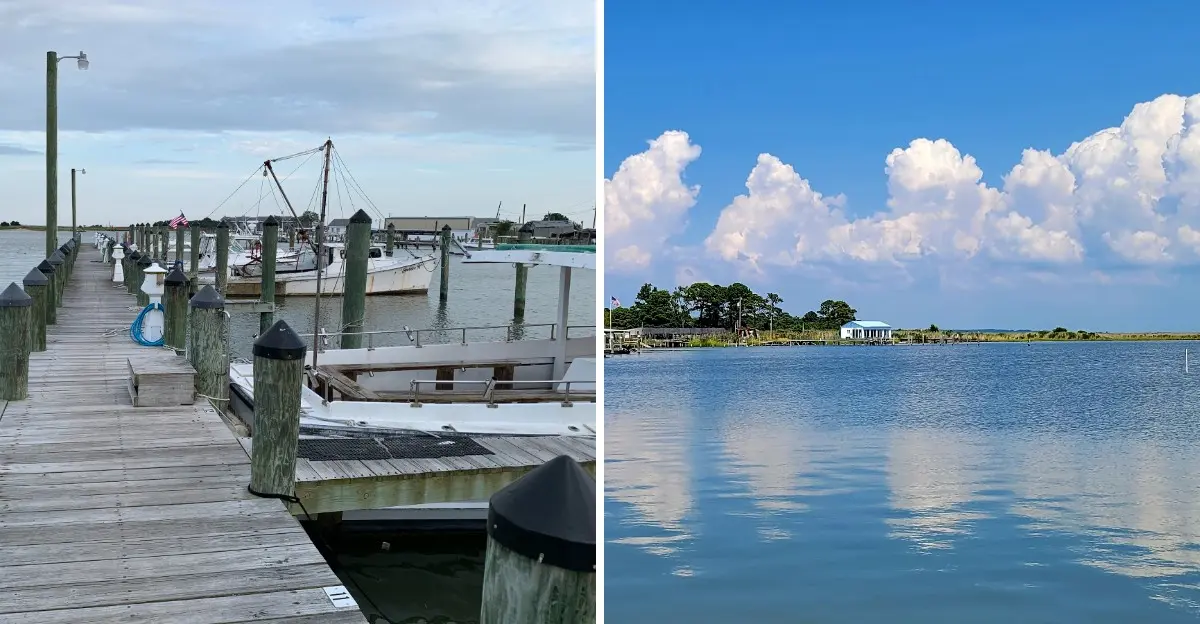
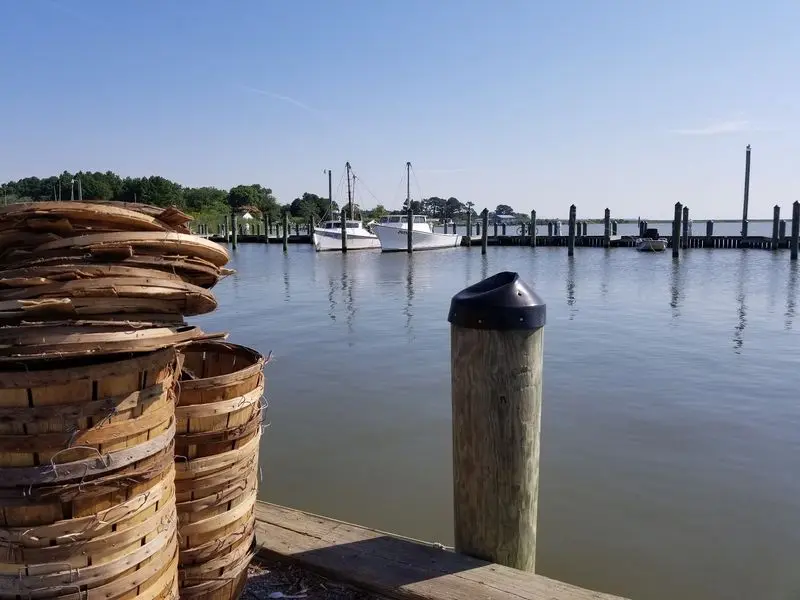
The harbor here is small, practical, and full of personality. Workboats, crab pots, and weathered pilings fill the scene without any polish.
Skipjacks have tied up in this harbor for generations. Seeing those tall masts against the flat marsh horizon feels a bit like stepping back a century.
Keep in mind that this is an active working harbor. Watermen are doing their jobs, so give them room and keep little hands away from the dock edges.
The view alone makes the trip worthwhile. Sunsets over Tangier Sound turn the whole harbor gold, and the boats become perfect silhouettes.
Families with curious kids can turn a quick stop into a boat-spotting game. Count the masts, find the crab pots, and guess which boats head out for oysters.
Bring a camera and maybe binoculars. The Deal Island Historic District rewards slow looking, and Wenona Harbor is where that patience pays off the most.
The Labor Day Races That Put The Island On The Map
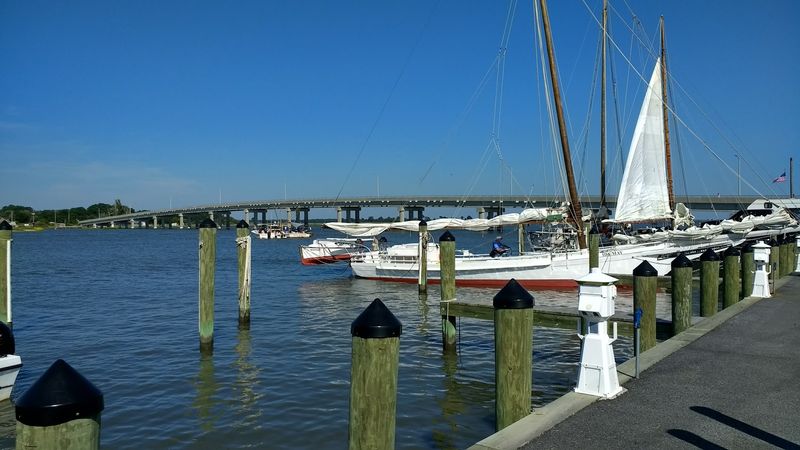
Once a year, the quiet island gets loud. The Deal Island Skipjack Races and Land Festival takes over on Labor Day weekend.
The races date back to 1960, making them one of the oldest traditions of their kind on the bay. Working skipjacks compete under full sail on the waters near the harbor.
Watching these heavy oyster boats race is wonderfully different from a sleek regatta. They lean hard into the wind, and every crew wants bragging rights.
On land, the festival typically adds food, vendors, and family activities. Details shift from year to year, so check the current schedule before you go.
This is the best weekend to understand why Deal Island earned its skipjack reputation. You’ll see the fleet in action rather than resting at the dock.
It also lines up nicely with late-summer crab season. Plenty of Maryland families make it their unofficial goodbye to summer.
Arrive early if you want a good viewing spot along the shore. Sunscreen, hats, and folding chairs will make the day far more comfortable for everyone.
A Tiny Chapel Tied To The Parson Of The Islands
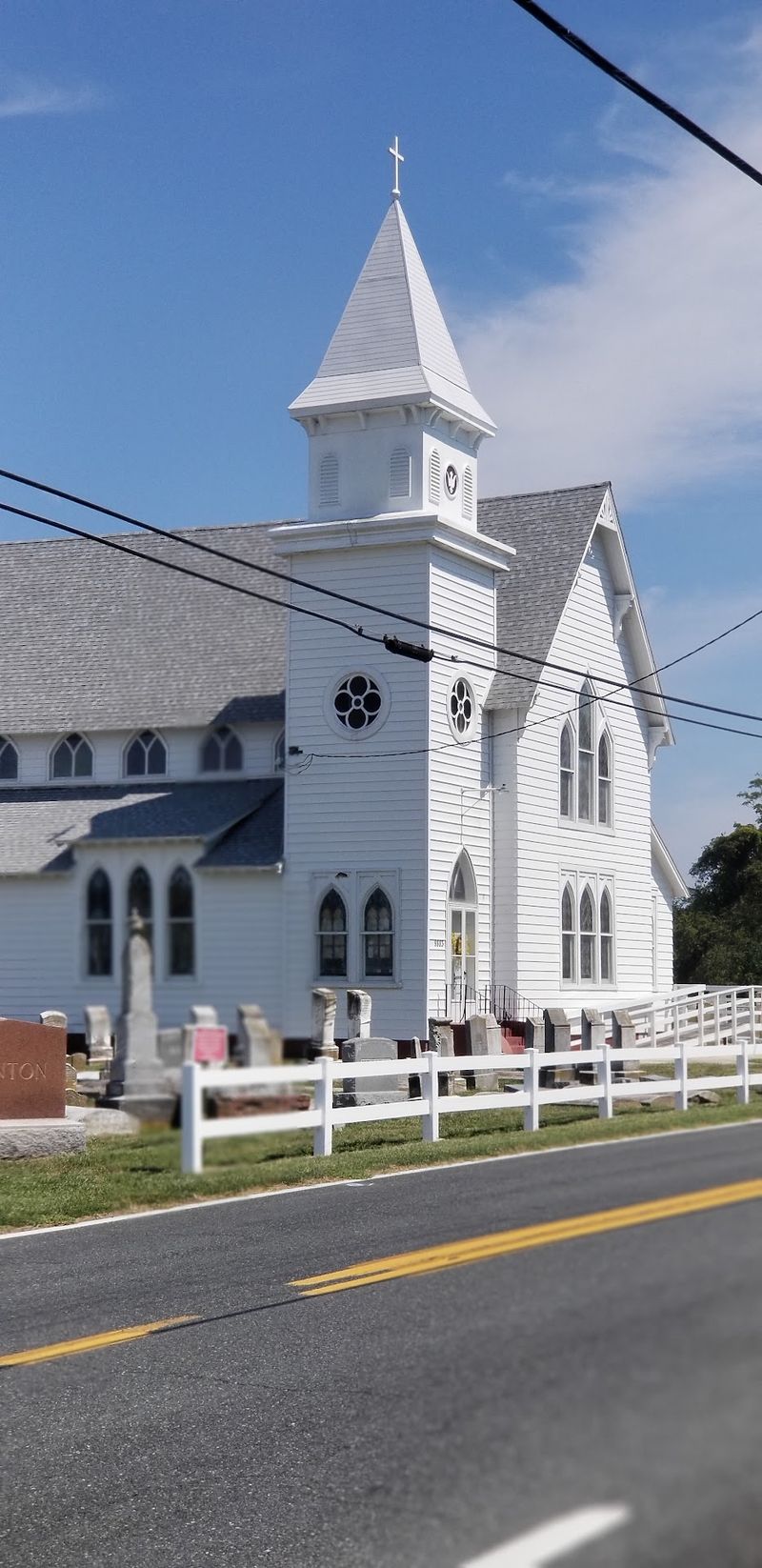
Joshua Thomas was a waterman who became a famous traveling preacher. Folks around the bay called him the Parson of the Islands.
He sailed a log canoe from island to island, preaching to fishing communities across the Chesapeake. His reputation reached far beyond Somerset County.
On Deal Island, the Joshua Thomas Chapel stands as a reminder of that legacy. The modest building dates to the mid-1800s, and Thomas is buried on the grounds.
The chapel is one of the most recognizable landmarks in the Deal Island Historic District. Its simple lines fit right in with the island’s no-fuss character.
For older kids, the story of a preacher in a canoe is surprisingly memorable. It shows how faith and water were woven together in island life.
Please be respectful when visiting, since the grounds include a cemetery. Interior access can vary, so treat any open door as a bonus rather than a promise.
Standing beside that little chapel, you get a real sense of how isolated these communities once were. That makes their tight bonds even more impressive.
Waterman Homes Lining One Long Road
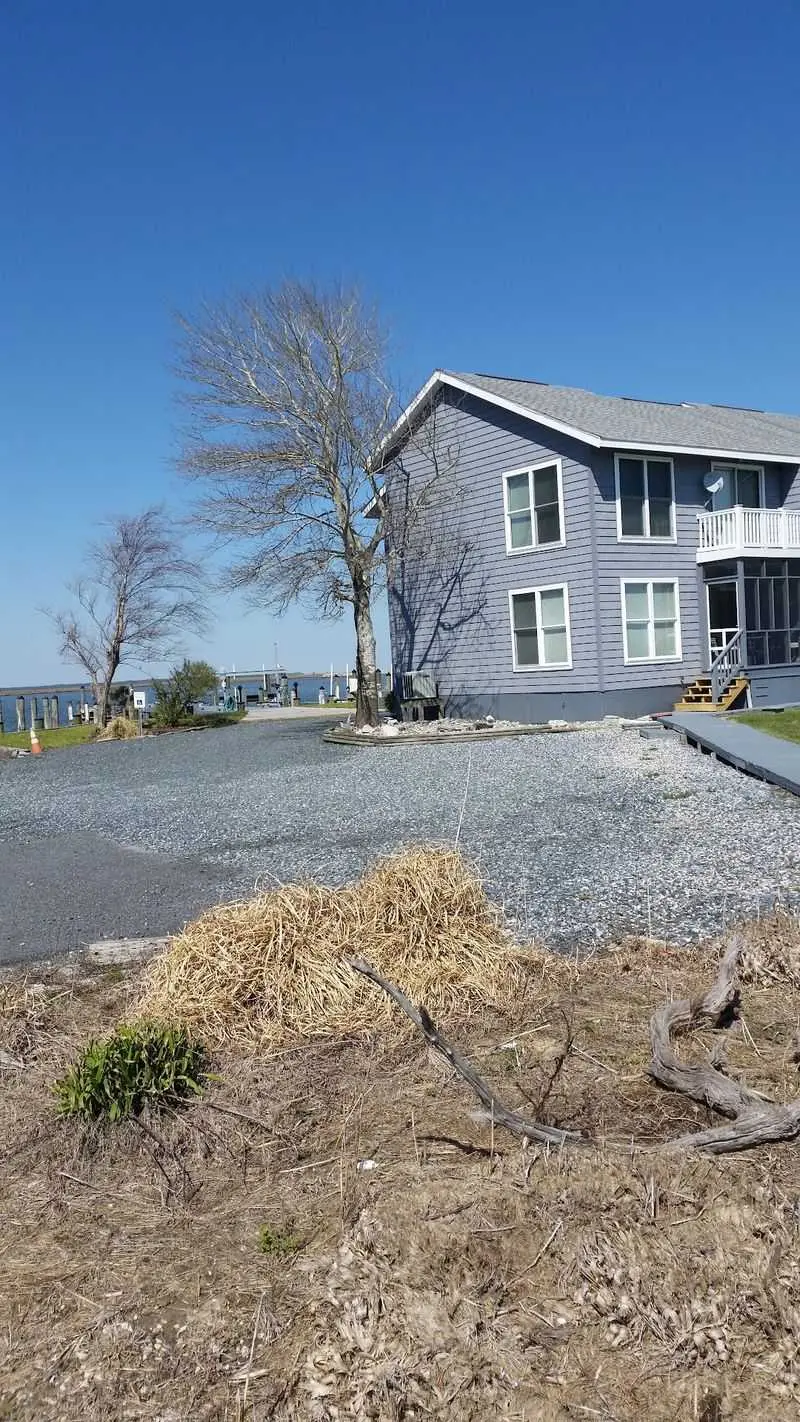
Forget grand mansions here. The architecture tells a working family’s story, one modest frame house at a time.
Homes in the Deal Island Historic District reflect the late 1800s and early 1900s, when oysters fueled the local economy. Many sit close to the road, with the marsh spread out behind them.
That layout makes sense once you see the land. High ground is precious on a low island, so houses gathered along the drier ridges.
Churches and small community buildings dot the route too. Together, they form a village stretched out like a ribbon rather than clustered around a square.
Remember that nearly all of these buildings are private homes. Enjoy them from the road and skip the yard wandering.
A slow drive is honestly the best way to take it in. Roll the windows down, catch the salt air, and notice how every structure leans toward the water.
I believe this is what makes the district special. It isn’t a museum village; it’s a living place where history and daily life share the same street.
Wild Marshes Where Birds Outnumber People
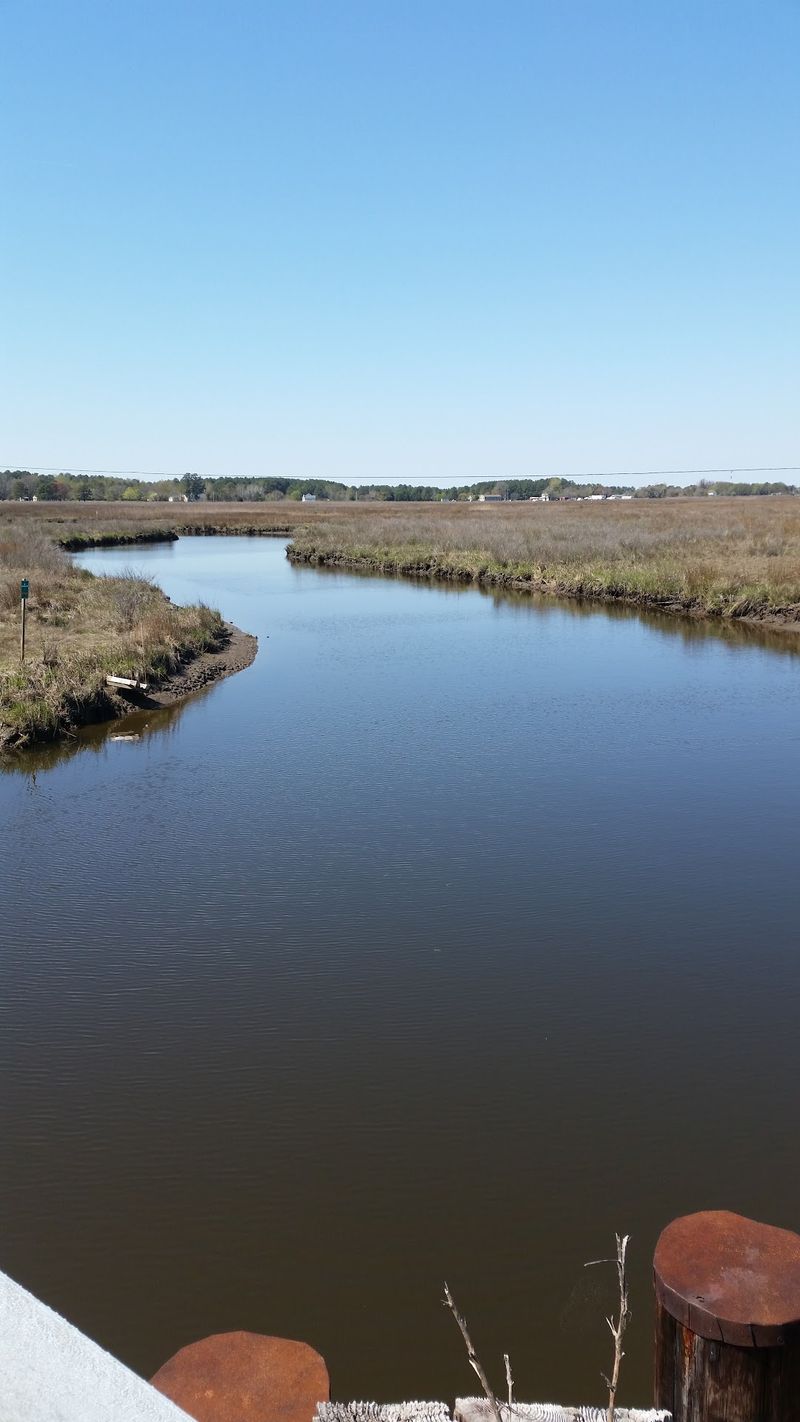
Herons, egrets, and ospreys probably outnumber residents on a busy day. That’s not an exaggeration you’ll need to defend.
The Deal Island Wildlife Management Area sits along the road leading toward the island. It covers thousands of acres of tidal marsh managed by the Maryland Department of Natural Resources.
Birders love the open views across the wetlands and impoundments. Migration seasons can bring waterfowl and shorebirds in impressive numbers.
For families, the marsh is a free outdoor classroom. Kids can spot birds, watch crabs scuttle in the shallows, and learn how wetlands protect the bay.
Bug spray is non-negotiable in warmer months. Marsh mosquitoes and biting flies take their jobs very seriously.
Hunting seasons also apply in the wildlife area, so check DNR guidance before heading out on foot. Sticking to designated areas keeps everyone safe and happy.
Pair a marsh stop with your visit to the historic villages. Nature and heritage blend together here, since the same wetlands shaped how watermen lived for centuries.
Planning Your Day Trip Down To The Island
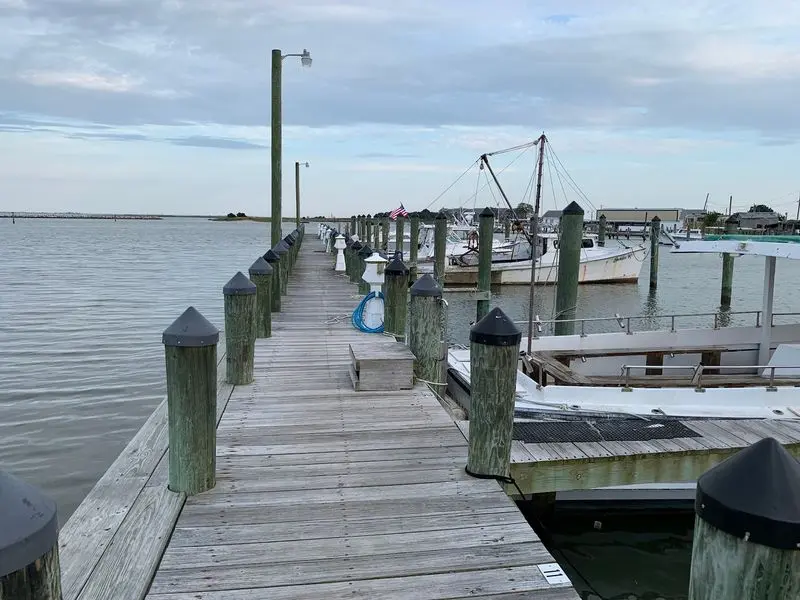
Good news for budget-minded parents: driving through the Deal Island Historic District costs nothing. The scenery, the harbor views, and the marsh are all yours for free.
Set your GPS for Deal Island, MD 21821, then follow Route 363 west from Princess Anne. From the Baltimore area, expect roughly a two-and-a-half to three-hour drive, depending on Bay Bridge traffic.
Services on the island are limited, so plan ahead. Fill your gas tank and pack snacks before leaving the mainland.
Restrooms can be scarce outside of festival weekends. A stop in Princess Anne or Salisbury beforehand is a smart move.
The district has no single gate or official hours, since it’s a living community. Individual churches, events, or businesses keep their own schedules, so check before you go.
Weekends in late summer and early fall offer the best mix of mild weather and bay activity. Labor Day weekend is the big draw thanks to the skipjack races.
Flat roads make the area easy for strollers and grandparents alike. Just watch for traffic on the narrow shoulders.
Why This Quiet Island Deserves A Spot On Your Weekend List
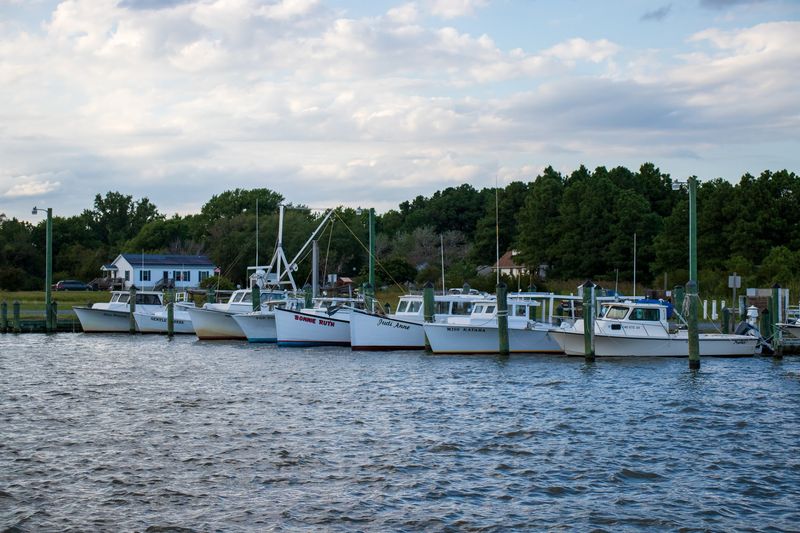
Not every great day trip needs roller coasters or ticket lines. Sometimes it just needs tall masts, open water, and a story worth passing down.
Deal Island offers exactly that. It’s a place where Maryland’s state boat still feels at home, and where the past hasn’t been polished away.
Families get a free outing that mixes history, nature, and a little sailing drama. Grandparents may even recognize pieces of their own Eastern Shore childhoods.
Is it flashy? Not at all, and that’s the appeal.
The Deal Island Historic District rewards people who slow down and look closely. A chapel, a harbor, and a heron can turn into the best conversation of the week.
Plan around the Labor Day races if you want maximum action. Choose a quiet weekend if you’d rather have the marsh and sunset mostly to yourself.
Either way, you’ll head home with a deeper pride in the Chesapeake. And your kids might just start calling every sailboat they see a skipjack, which honestly isn’t the worst habit to pick up.