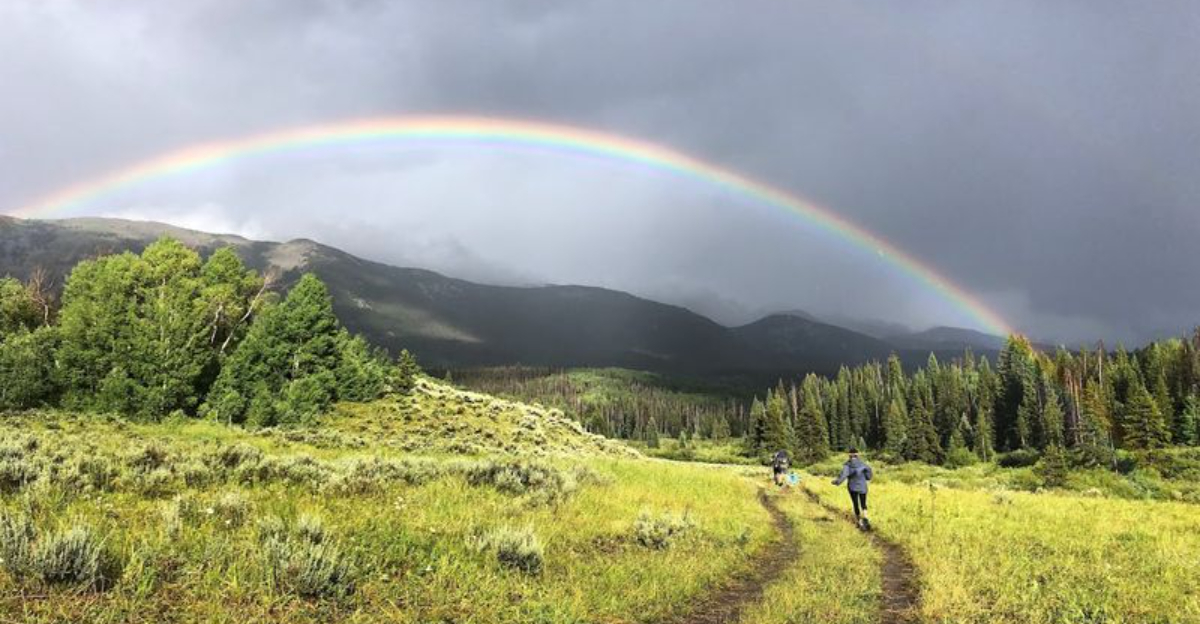
Forget the packed trails and bumper-to-bumper park traffic—State Forest State Park is where Colorado still feels wild.
Tucked deep in the mountains near Walden, this giant stretch of wilderness somehow stays off most travelers’ radar.
While famous parks fill up fast, this place holds onto its quiet charm, giving visitors room to breathe, roam, and get a little lost in the best way.
This is moose country, and spotting one here feels almost guaranteed. Add glassy lakes, jagged peaks, and trails that seem to go on forever, and it starts to feel like you’ve stumbled into Colorado’s best-kept hideout.
Outside of busy summer weekends, the silence here is the real star. No crowds.
No chaos. Just pure mountain air, open space, and the kind of peace that’s getting harder to find.
Colorado’s Best-Kept Wilderness Secret
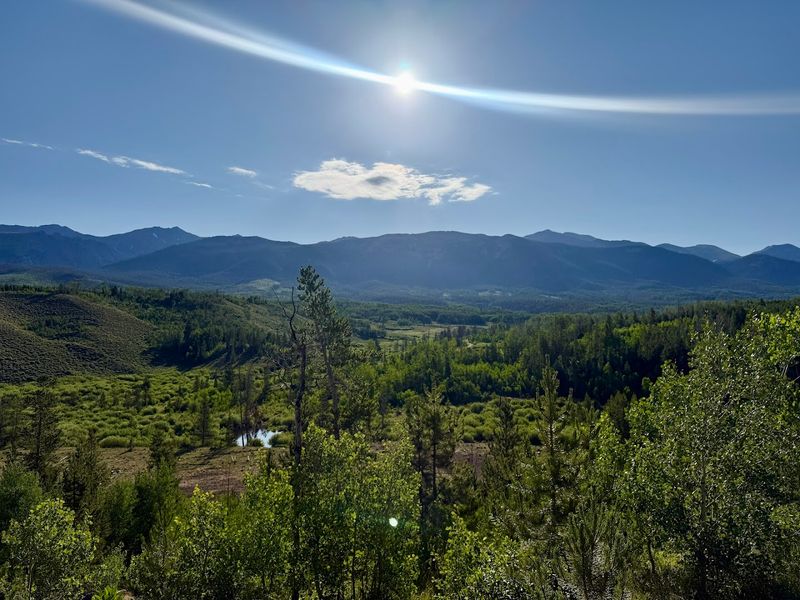
Something remarkable happens when a park stretches across 71,000 acres in one of Colorado’s most remote corners. State Forest State Park claims the title of Colorado’s largest state park, yet most outdoor enthusiasts have never even heard of it.
The park’s location near Walden, a tiny ranching town with barely 600 residents, keeps it off the typical Rocky Mountain tourist circuit.
While places like Rocky Mountain National Park see millions of visitors annually, State Forest remains blissfully uncrowded. The distance matters here—Walden sits about three hours northwest of Denver and two hours from Fort Collins.
That extra drive time filters out casual day-trippers who stick to easier destinations.
The payoff for those who make the journey is extraordinary. You’ll find untouched wilderness, abundant wildlife, and mountain scenery that rivals anywhere in Colorado.
The park offers everything famous destinations provide minus the shoulder-to-shoulder crowds and endless lines for trailhead parking spots that plague better-known locations throughout summer months.
Why It Stays Quiet Most of the Week
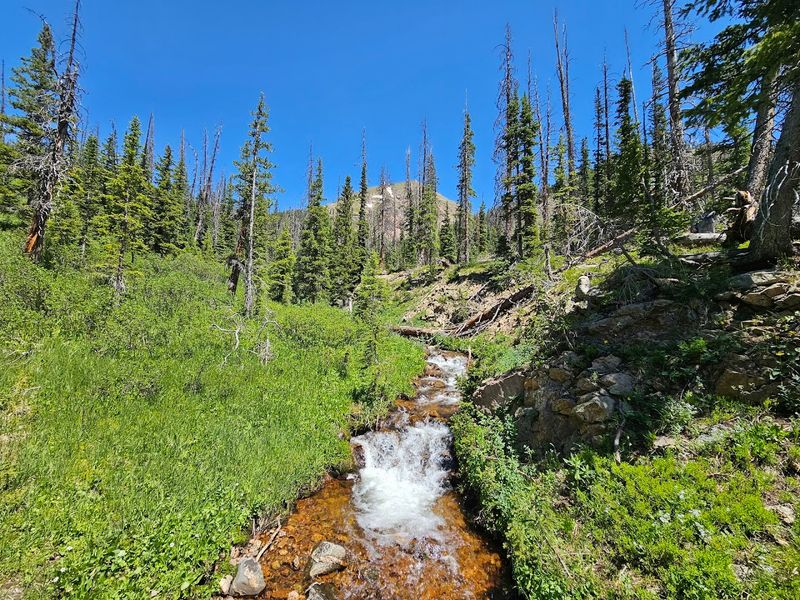
Pick any Tuesday in July and you might encounter more moose than people on the trails here. The park’s immense size naturally spreads out whatever visitors do show up, creating a sense of solitude that’s increasingly rare in Colorado’s outdoor spaces.
Even campgrounds that would feel packed elsewhere maintain a spacious, relaxed atmosphere thanks to thoughtful site placement across the vast acreage.
Weekdays transform this place into something approaching a private wilderness preserve. Trails stay empty, boat launches sit quiet, and you can photograph wildlife without crowds of onlookers.
This pattern holds true from late spring through early fall, making any Monday through Thursday visit feel remarkably peaceful.
Peak summer weekends do bring noticeably more people, particularly around popular spots like North Michigan Reservoir and Lake Agnes trailhead. However, even these busier periods pale compared to nightmare parking situations at places like Maroon Bells or Bear Lake.
The park’s hidden-gem status keeps it manageable year-round, preserving that authentic backcountry experience serious outdoor lovers crave most.
Moose Watching Is the Main Event
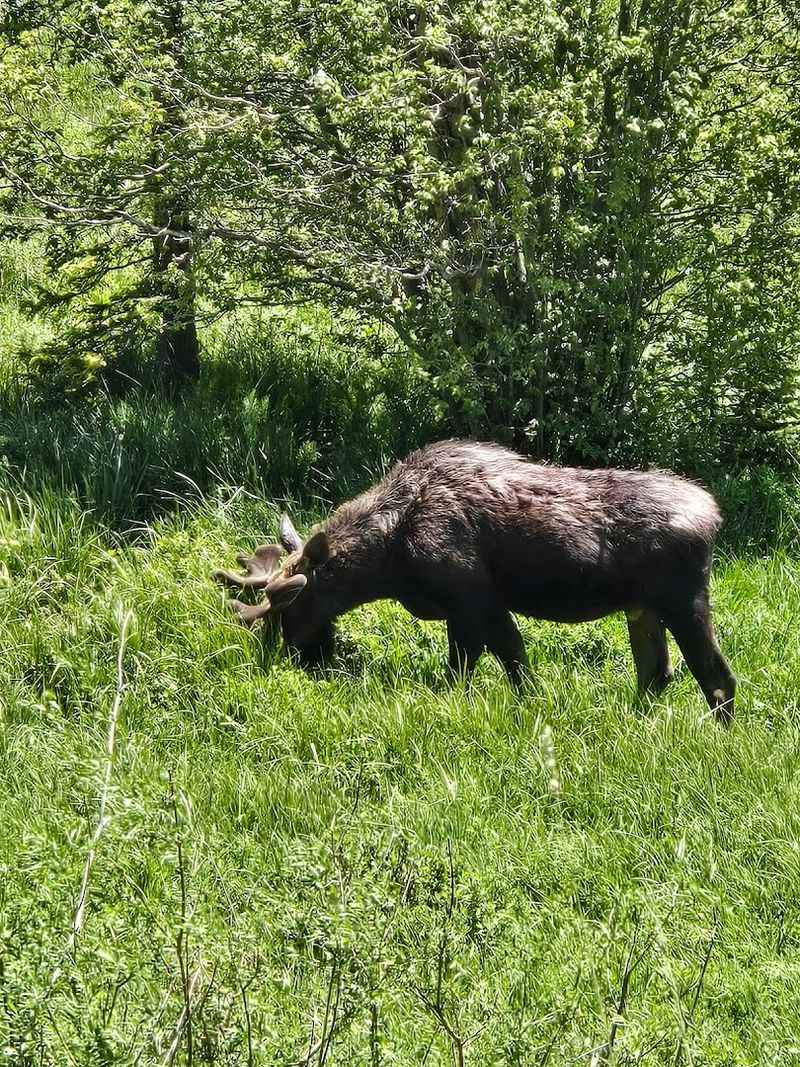
Over 600 moose call this park home, earning it the well-deserved nickname of Colorado’s moose capital. These magnificent animals were reintroduced to the area in the 1970s and have thrived in the park’s ideal habitat of wetlands, willows, and aspen groves.
Spotting one of these massive mammals ranks as the number one wildlife experience visitors hope for when they arrive.
Your best chances come around North Park’s willow-lined waterways and throughout the Michigan River basin. Early morning and late evening hours produce the most frequent sightings when moose emerge from forest cover to feed in marshy areas.
The Ruby Jewel area and around North Michigan Reservoir consistently deliver moose encounters throughout summer and fall months.
Bulls can weigh up to 1,200 pounds and sport antlers spanning six feet across during fall rutting season. Cows with calves appear frequently in spring and early summer, creating unforgettable photo opportunities.
Remember to maintain safe distances—at least 25 yards—because moose can be unpredictable and surprisingly fast despite their ungainly appearance.
The Scenic Pull of North Michigan Reservoir
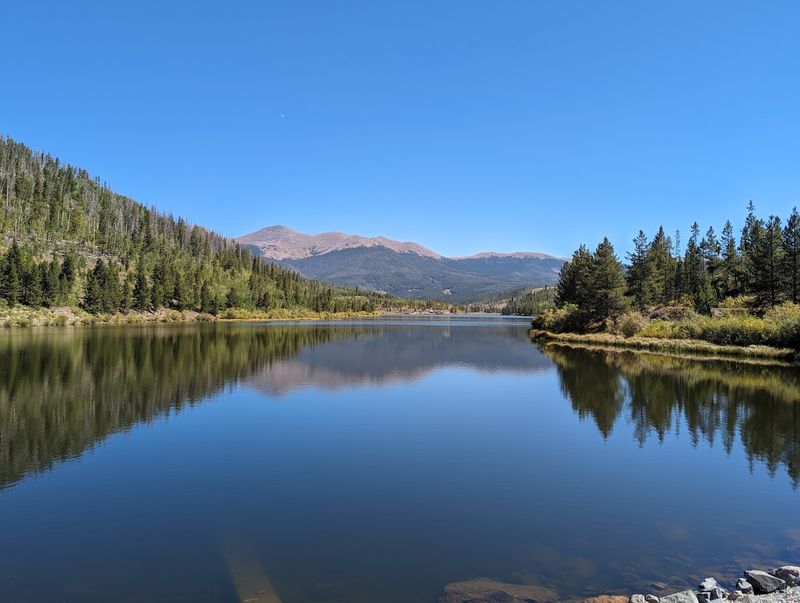
Peace defines the atmosphere at North Michigan Reservoir, where no-wake boating rules keep the water surface smooth as glass most days. This 680-acre body of water serves as the park’s recreational centerpiece without ever feeling like a crowded marina scene.
Paddleboarders glide silently past fishing boats while mountains reflect perfectly in the calm water.
Anglers target rainbow trout, brook trout, and kokanee salmon throughout open water season. The reservoir’s depth and cold water temperatures create excellent fish habitat, though success requires patience and proper technique.
Shore fishing spots dot the perimeter, while boat launches provide easy access for those bringing watercraft.
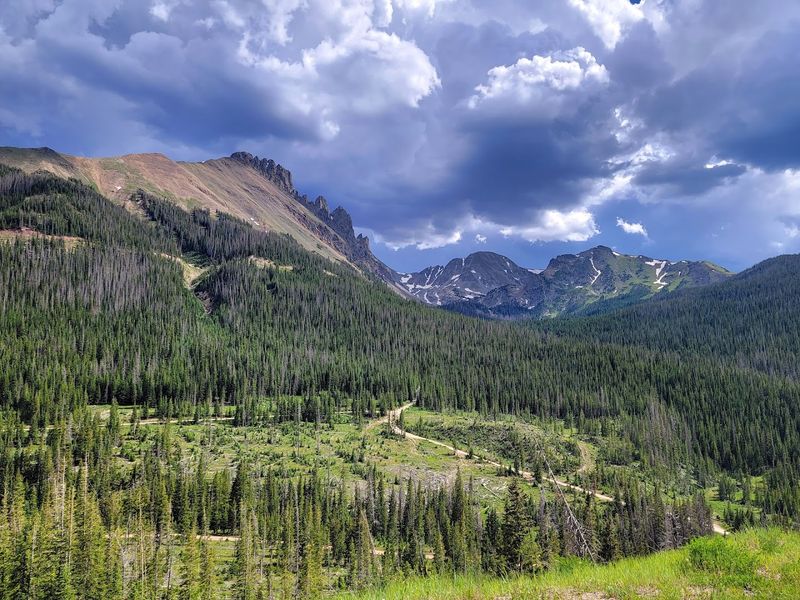
The surrounding scenery enhances every activity here. Pine forests climb steep slopes on all sides, and the Medicine Bow Mountains rise dramatically to the east.
Campgrounds near the reservoir offer prime lakeside spots where you can watch sunrise paint the water golden from your tent door. Unlike reservoirs near urban areas that roar with jet skis and party boats, this remains a genuinely peaceful place to spend summer days on the water.
Lake Agnes and the Iconic Nokhu Crags
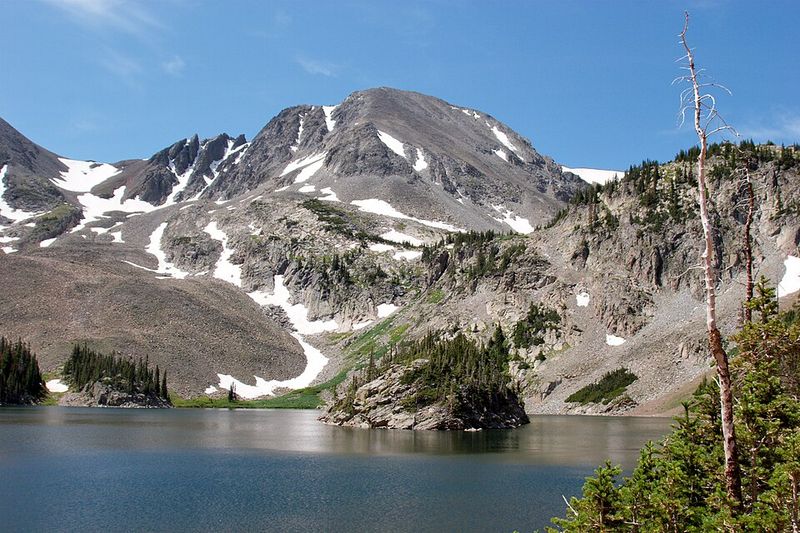
Jagged spires of rock pierce the sky above Lake Agnes, creating one of Colorado’s most dramatic alpine scenes. The Nokhu Crags rise like ancient castle ruins, their distinctive tooth-like formations framing this pristine mountain lake in a way that stops hikers in their tracks.
This moderately challenging 8-mile round trip hike climbs about 1,000 feet through forests and meadows before revealing the stunning destination.
The trail starts near the Michigan Ditch and winds through aspen groves that explode with gold in September. Wildflowers blanket the upper meadows throughout July and August, adding splashes of color to the already impressive landscape.
The final push to the lake requires some endurance but rewards every bit of effort with postcard-perfect views.
Lake Agnes sits in a glacial cirque, its clear water reflecting the crags on calm mornings. Many consider this the park’s crown jewel, combining accessible hiking with genuinely spectacular mountain scenery.
Photographers time their visits for sunrise when alpenglow lights up the rock formations, creating images that capture Colorado high country at its finest.
Hidden Trails Most Visitors Skip
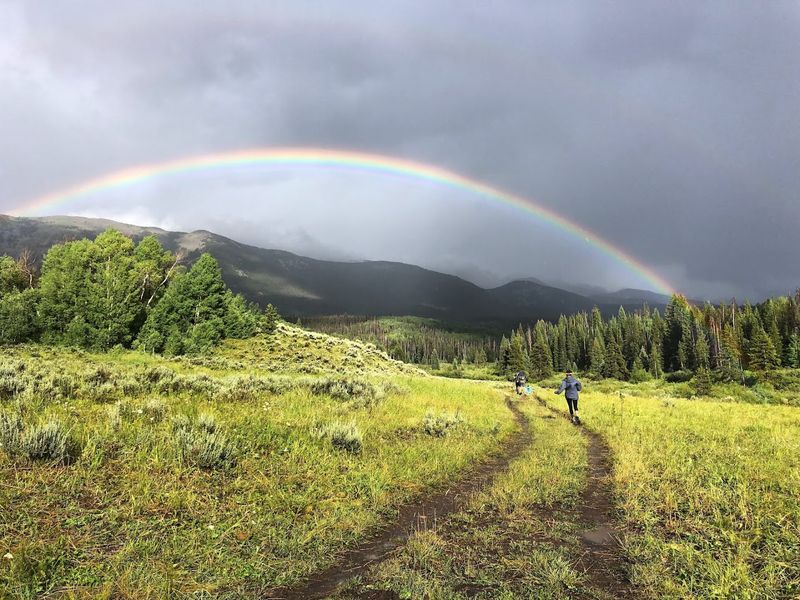
Most people beeline straight for Lake Agnes while missing equally beautiful trails that offer even more solitude. The Ranger Lakes Nature Trail winds through wetlands and forests where moose sightings happen regularly and human encounters stay wonderfully rare.
This easy 2-mile loop provides outstanding wildlife watching opportunities without requiring serious hiking fitness.
Gould Loop presents another overlooked gem, offering 10 miles of varied terrain through aspen groves, pine forests, and open meadows. Wildflowers peak here in mid-summer, creating colorful displays that rival anywhere in the state.
The trail gains elevation gradually, making it accessible for moderately fit hikers seeking a longer adventure without crushing climbs.
These quieter paths deliver everything Colorado hiking promises—mountain views, fresh air, wildlife, and wildflowers—without the crowds. You might spend an entire morning on Gould Loop and encounter only a handful of other hikers.
That kind of peaceful trail experience grows increasingly precious as Colorado’s outdoor spaces face mounting visitor pressure. These hidden routes preserve what many people come to Colorado seeking in the first place: genuine wilderness solitude.
Rustic Camping Without the Chaos
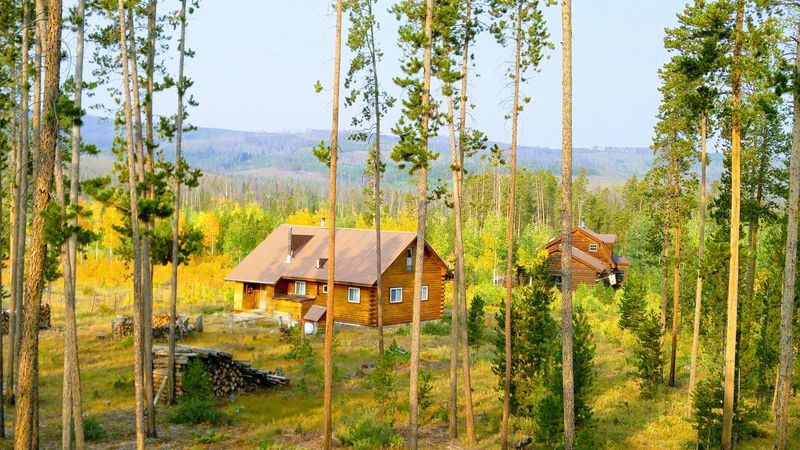
Forget cramped RV parks where neighbors blast music and generators hum all night. State Forest’s campgrounds maintain a genuinely rustic character that appeals to people seeking actual outdoor experiences.
Bockman Campground and North Michigan Campground offer developed sites with basics like picnic tables and fire rings while preserving that peaceful backcountry feeling through thoughtful spacing and natural screening.
The park goes beyond standard camping with unique options including cabins, yurts, and backcountry sites. Never-Summer Nordic yurts provide heated shelter for winter visits, complete with wood stoves and sleeping platforms.
Ranger Lakes Cabin and North Michigan Creek Cabin offer more rustic accommodations for those wanting roofs overhead without sacrificing the wilderness experience.
Backcountry camping sites scattered throughout the park attract adventurous souls seeking true solitude. These primitive spots require hiking in and packing everything out, but reward that effort with unmatched privacy.
Even the developed campgrounds feel remarkably uncrowded compared to popular Colorado destinations where sites pack together like suburban backyards. This is camping the way it used to be—quiet, spacious, and deeply restorative.
A Four-Season Escape Few People Talk About
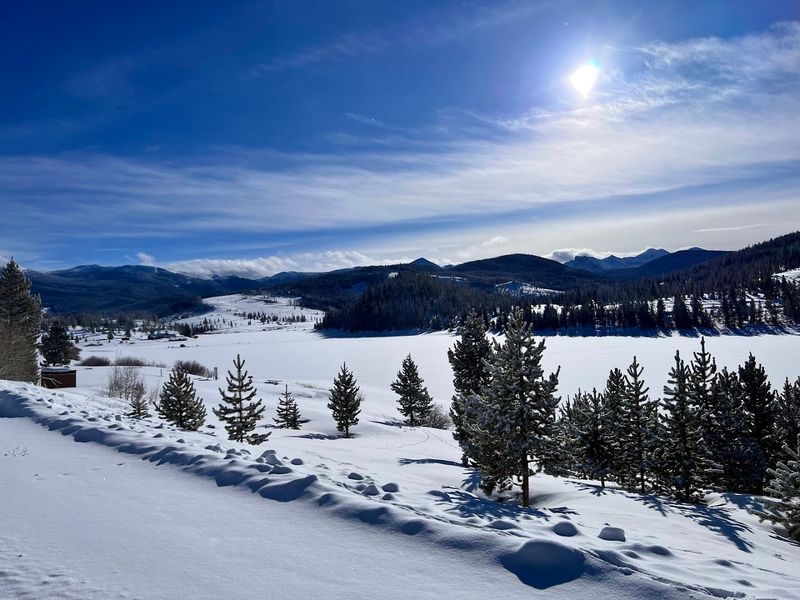
Summer brings the crowds, but State Forest shines across all four seasons in ways most visitors never discover. Wildflowers carpet the meadows from late June through August while trails stay snow-free and accessible for hiking and mountain biking.
This traditional peak season showcases the park at its greenest and most vibrant.
Fall transforms the landscape into a golden wonderland when aspen groves turn brilliant yellow against evergreen forests. September and early October offer spectacular photography opportunities with far fewer visitors than summer months.
Cool temperatures make hiking more comfortable while fall colors add an extra dimension to already beautiful scenery.
Winter opens up the park to snowmobilers, cross-country skiers, and fat bikers seeking snowy adventures. The park maintains over 200 miles of groomed snowmobile trails, creating one of Colorado’s premier winter motorized recreation areas.
Spring arrives slowly at this elevation, bringing newborn moose calves and returning wildlife while snow still caps the highest peaks.
Each season offers distinct experiences and reasons to visit. This year-round appeal makes State Forest more than just another summer destination—it’s a true four-season playground.
The History Behind Colorado’s Largest State Park
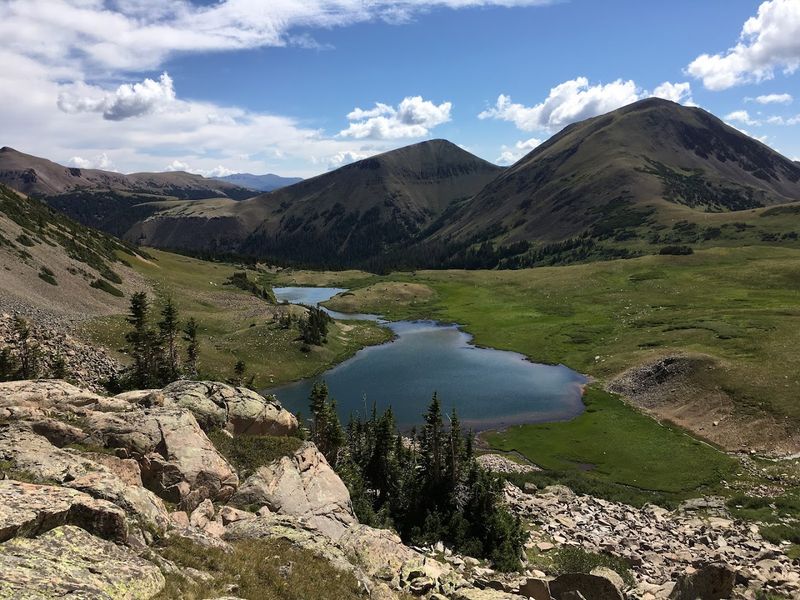
Understanding this park’s origins adds depth to any visit. The creation of North Michigan Reservoir in the mid-1960s marked the beginning of what would become State Forest State Park.
The Colorado Water Conservation Board built the reservoir as part of the Michigan Ditch water diversion project, permanently altering this section of North Park’s landscape.
Colorado Parks and Wildlife officially designated the area as a state park in 1970, recognizing its recreational potential and unique wildlife habitat. The early 1970s saw successful moose reintroduction efforts that would eventually create the thriving population visitors marvel at today.
These animals had disappeared from Colorado by the early 1900s due to unregulated hunting.
The park expanded over subsequent decades, growing to its current 71,000-plus acres through careful land acquisitions and management agreements. Historic ranching operations left their mark on the landscape, with old cabins and fence lines still visible in remote sections.
The Michigan Ditch itself, completed in 1936, represents a remarkable engineering achievement that diverted water from the Michigan River across the Continental Divide. This human history interweaves with natural beauty, creating layers of stories beneath the stunning scenery.
Tips for Visiting Without the Crowds
Smart planning makes the difference between a crowded experience and a peaceful one. Visit midweek whenever possible—Tuesday through Thursday consistently offer the quietest conditions even during peak summer months.
Arrive early for wildlife watching, particularly if moose sightings top your priority list. Dawn hours produce the most frequent and dramatic encounters with these magnificent animals.
Reserve campsites and cabins well in advance for summer weekends when locals and Front Range visitors claim the most popular spots quickly. Weekdays require less advance planning and often have last-minute availability.
Consider September and early October for the sweet spot of great weather, fall colors, and minimal crowds after school starts.
Prepare for limited services near Walden—stock up on supplies in Fort Collins or Steamboat Springs before arriving. Cell phone coverage remains spotty throughout the park, so download offline maps and let someone know your plans.
The nearest hospital sits in Walden, about 20 miles from most park areas. Bring extra layers regardless of season because mountain weather changes rapidly at this elevation, which exceeds 8,500 feet in most areas.