
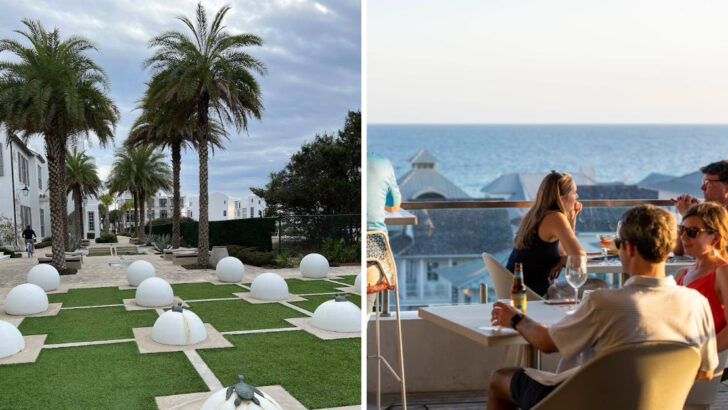
Tucked along the Florida Panhandle, Scenic Highway 30A is one of the most surprising road trips you can take in the entire South.
Instead of the usual beach strip malls and tourist traps, you find carefully designed coastal villages that feel like they were lifted straight from Europe.
Pastel buildings, cobblestone paths, outdoor cafes, and walkable streets make this stretch of coastline feel genuinely magical.
Whether you have a weekend or a full week, 30A is the kind of place that changes how you think about beach vacations.
A Surprising European Feel on Florida’s 30A
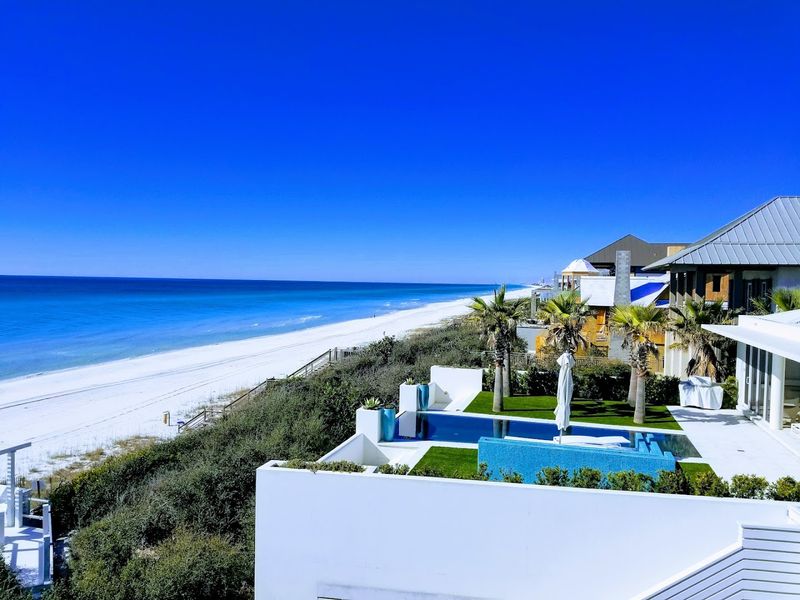
Most people picture souvenir shops and crowded boardwalks when they think of a Florida beach. Scenic Highway 30A completely flips that expectation on its head.
Stretching about 24 miles along the Florida Panhandle, this road connects a series of thoughtfully designed coastal communities that feel nothing like a typical American beach town.
The architecture here borrows heavily from European seaside traditions. You will spot narrow streets, shaded courtyards, central gathering squares, and homes painted in soft creams, blues, and terracottas.
The scale of everything feels human-sized, which means you actually want to walk instead of drive.
Locals and visitors alike describe 30A as a place that slows you down in the best possible way. The Gulf of Mexico sits just steps away, but the real draw is the lifestyle — unhurried, community-centered, and beautifully designed.
Architecture enthusiasts, families, couples, and solo travelers all find something here that feels refreshingly different. Once you visit, the standard beach vacation simply stops being enough.
Seaside – The Quintessential Walkable Village
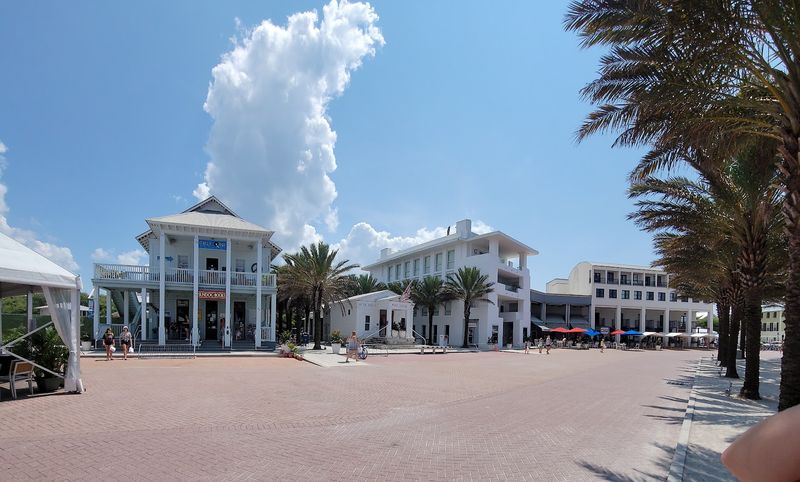
Seaside, Florida holds a unique spot in American architectural history. Built starting in the early 1980s, it became the first fully realized example of New Urbanist town planning in the country.
The result looks less like a Florida development and more like a village you might stumble upon along the coast of Provence.
Pastel cottages with white picket fences line streets wide enough for strolling but not speeding. A central amphitheater and town square serve as the community heartbeat, hosting farmers markets, concerts, and casual evening gatherings.
Every corner of Seaside feels intentional, like someone cared deeply about how each building and pathway would make you feel.
Fun fact: Seaside was actually the filming location for the 1998 movie “The Truman Show,” chosen precisely because it looked too perfect to be real. Visitors often say walking through Seaside feels like stepping into a movie set — but a genuinely livable, charming one.
The town is compact enough to explore entirely on foot, and the beachside shops and open-air market add to the warm, European village energy that defines the 30A experience.
Rosemary Beach – Lantern-Lit Streets and European-Inspired Architecture
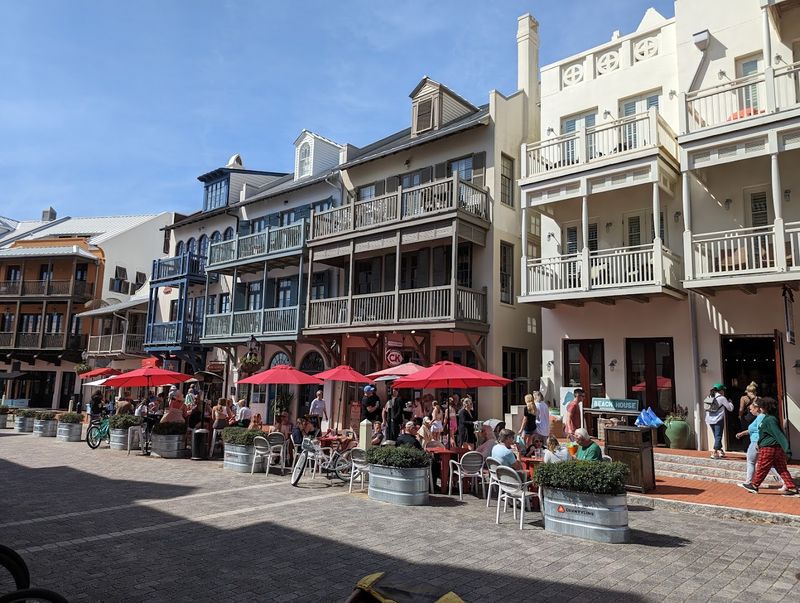
Walking through Rosemary Beach after sunset feels like wandering through a coastal town somewhere between southern France and the Amalfi Coast. Lanterns glow overhead along cobblestone paths, and buildings press close together in a way that creates a sense of intimacy and discovery.
Every turn seems to reveal a tucked-away courtyard or a small fountain you almost missed.
The architecture here draws inspiration from Caribbean, Mediterranean, and Old World European styles. Stucco walls, iron balconies, arched doorways, and terracotta roofs appear throughout the community.
The design intentionally discourages cars and encourages foot traffic, making every evening stroll feel leisurely and unhurried.
Rosemary Beach also has a strong retail and dining scene packed into a relatively small footprint. Independent boutiques, wine bars, and cozy restaurants line the main boardwalk area.
The community even has its own beach club and a central town square where people gather for events and conversation. For travelers who love the feeling of discovering a hidden European gem, Rosemary Beach delivers that sensation without ever leaving the Florida coast.
It rewards slow exploration and repeated visits.
Alys Beach – Mediterranean and Moorish Influences
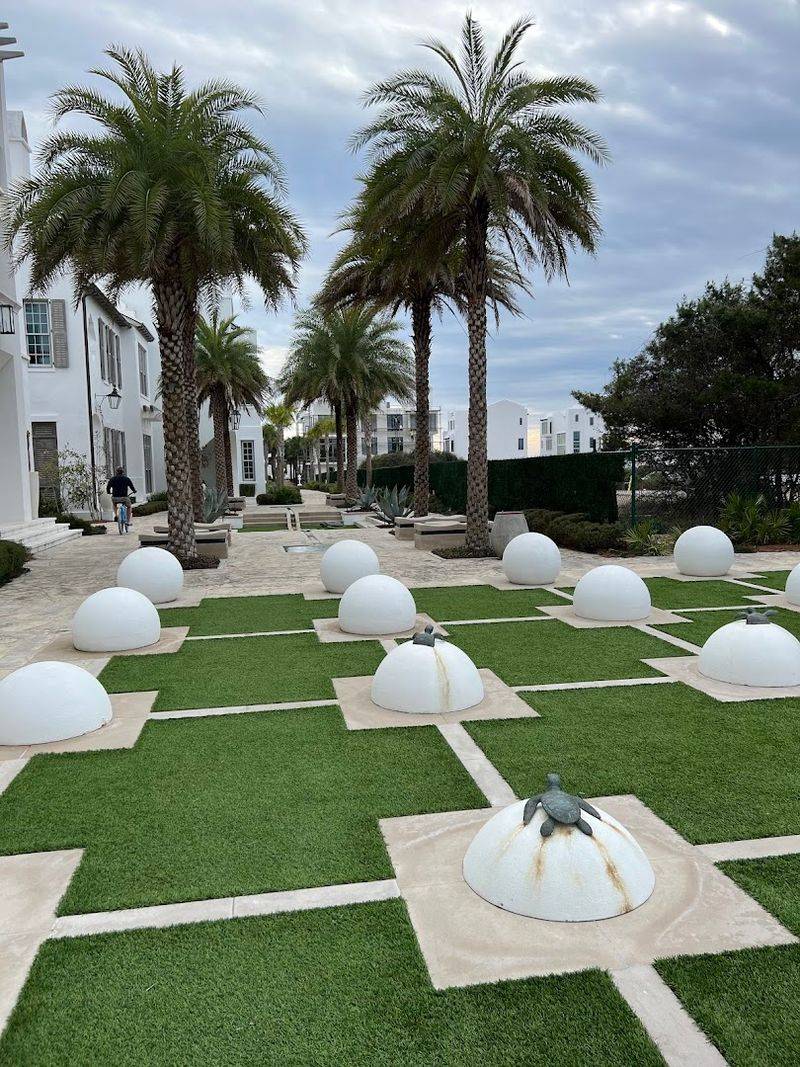
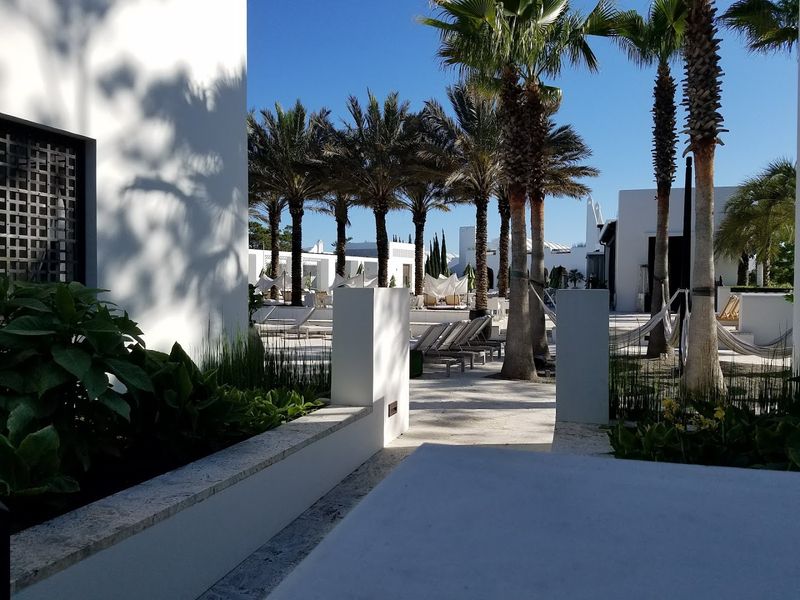
Alys Beach might be the most visually striking community along the entire 30A corridor. Every building is coated in brilliant white stucco, creating a uniformity that feels bold and serene at the same time.
The effect is somewhere between a Greek island village and a Moroccan coastal town — genuinely unlike anything else in Florida.
Architectural details throughout Alys Beach reference Moorish and Mediterranean traditions. Arched passageways, courtyard fountains, carved screens, and shaded loggias appear throughout the neighborhood.
The white palette is not just aesthetic — it reflects heat and gives the community a cool, airy quality even on warm days.
The town also integrates green spaces and pedestrian paths in a way that feels organic rather than planned. Residents and visitors move between homes, shops, and the beach almost entirely on foot.
The Caliza Pool and restaurant sits at the heart of the community and offers the kind of open-air dining experience you might expect at a Mediterranean resort. Alys Beach is small, exclusive, and immaculately maintained — a place that makes you feel like you have discovered a secret that most Florida visitors never find.
It is genuinely breathtaking on first arrival.
Seagrove Beach – Coastal Calm With Elevated Character
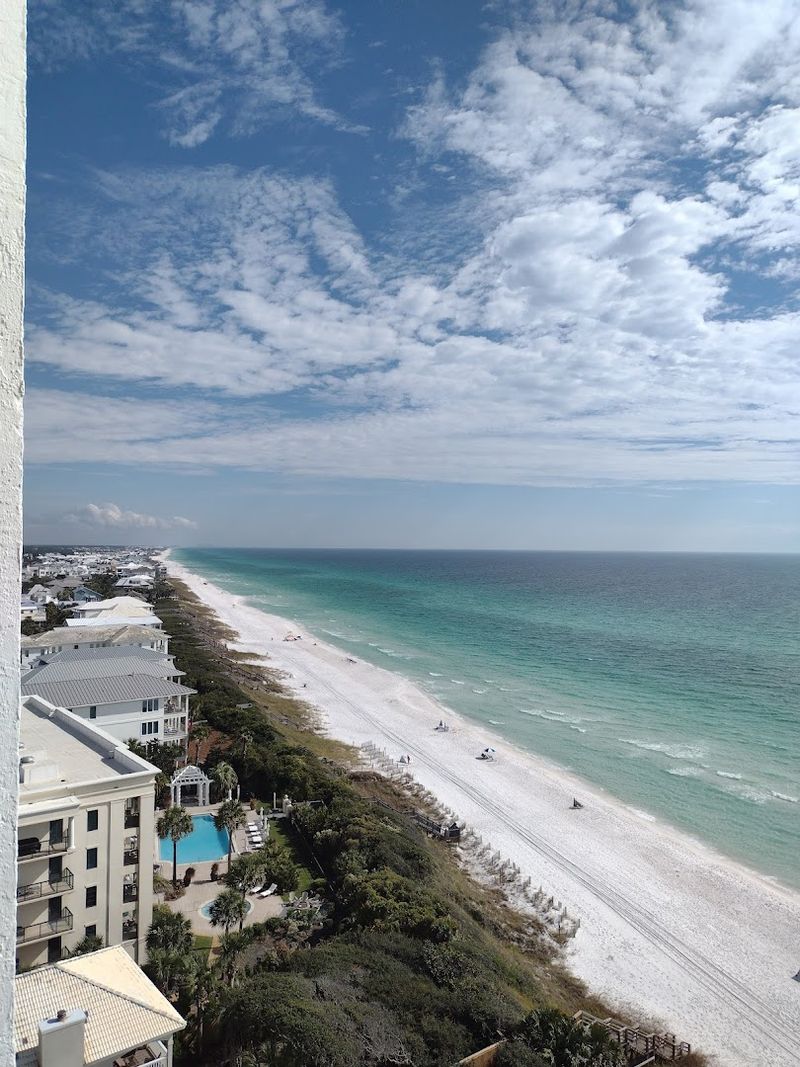
Seagrove Beach operates at a quieter frequency than some of its flashier neighbors, and that is exactly what makes it special. Older beach cottages mix with newer boutique storefronts in a way that feels natural and unforced.
There is a relaxed confidence here — the kind of calm you find in small European seaside towns that have been welcoming visitors for generations without trying too hard.
The natural vegetation along Seagrove’s streets adds to its character. Tall oaks and native plants create canopy shade over walkways, giving the area a lush, unhurried quality that contrasts beautifully with the bright Gulf waters just beyond.
Small cafes and local shops invite you to sit, sip, and watch the world pass by slowly.
Seagrove is also home to some of 30A’s most beloved access points to the beach, including stretches that feel genuinely uncrowded even during peak season. Families with younger children especially love the low-key vibe.
The community does not shout for attention — it simply exists beautifully, offering a European-style coastal experience grounded in simplicity and genuine charm. Sometimes the quietest places leave the deepest impressions on the people lucky enough to find them.
WaterColor – Nature-Infused Village Ambiance
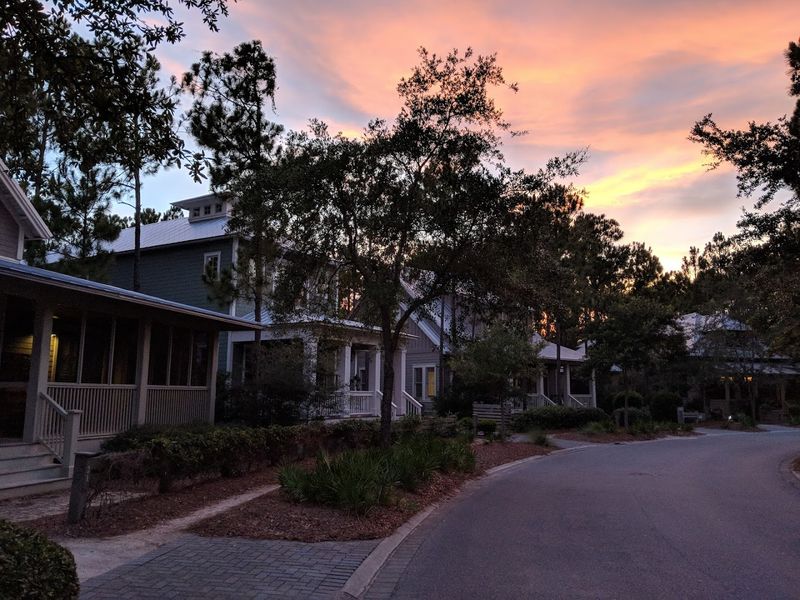
WaterColor earns its name honestly. The community feels like a watercolor painting brought to life — soft pastels, dappled light through tree canopies, and a landscape that blurs the line between neighborhood and nature preserve.
Situated between Western Lake and the Gulf, WaterColor has a geographic setting that feels genuinely extraordinary.
The planned community incorporates parks, boardwalks, and natural corridors throughout its layout. Streets are wide and shaded, designed for walking and cycling rather than rushing.
The WaterColor Inn anchors the community with a gracious, unhurried hospitality that matches the surrounding environment perfectly.
What sets WaterColor apart from other 30A communities is the way nature feels woven into everyday life here. Residents paddle on Western Lake in the morning and walk to the beach in the afternoon without ever stepping into a car.
The community also hosts regular outdoor events, art installations, and wellness activities that give it the feel of a European wellness retreat rather than a traditional resort town. Travelers who value peace, natural beauty, and thoughtful design consistently rate WaterColor among the most memorable stops along the entire 30A stretch.
The ambiance is quietly unforgettable in every season.
Grayton Beach – Artistic Soul Meets Saltwater
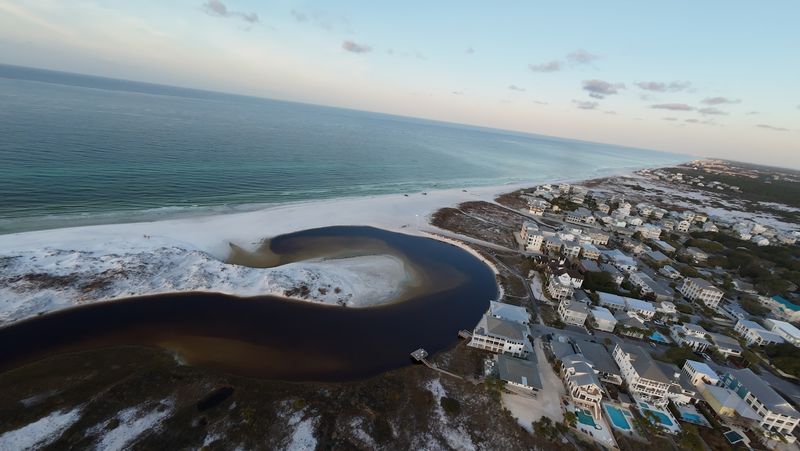
Grayton Beach has been doing its own thing long before 30A became fashionable. One of the oldest communities along this stretch of coast, Grayton carries a bohemian, salt-weathered spirit that sets it apart from the newer, more polished villages nearby.
Think of it as the artist friend in a group of architects — full of personality, a little unpredictable, and completely magnetic.
Colorful murals appear on old wooden buildings. Eclectic galleries showcase local artists working in everything from oil painting to driftwood sculpture.
The famous Red Bar, a local dive bar and music venue, has been a community gathering point for decades and captures Grayton’s irreverent, creative energy perfectly.
Travelers who love small coastal art towns in Portugal or northern Spain will recognize something familiar in Grayton Beach. The architecture is older and less uniform than other 30A communities, but that rawness is part of its appeal.
Grayton Beach State Park, one of the most beautiful natural areas in Florida, sits right next door and offers camping, kayaking, and hiking through coastal dune lakes. Grayton rewards visitors who appreciate character over polish and authenticity over perfection.
It is the kind of place that gets under your skin in the best possible way.
Inlet Beach – Understated Beachside Charm
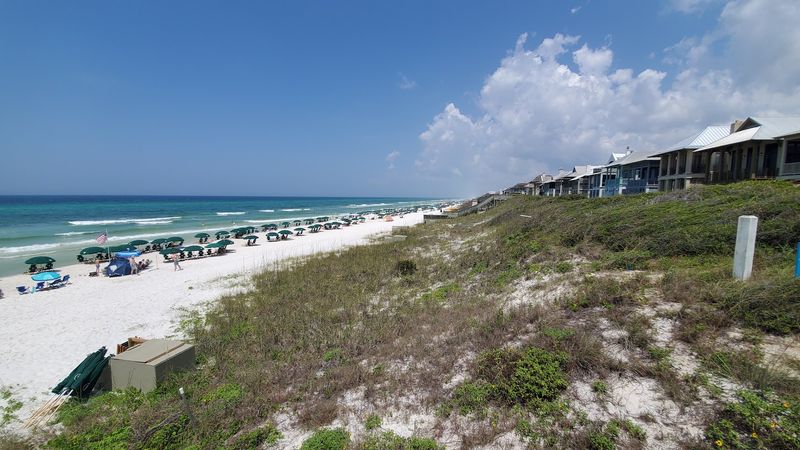
Sitting at the eastern end of the 30A corridor, Inlet Beach is the kind of place that sneaks up on you. It does not announce itself loudly or compete for attention.
Instead, it offers a collection of thoughtfully curated boutique shops, local eateries, and a community rhythm that feels refreshingly unhurried for a Florida beach destination.
The 30Avenue shopping and dining development brought new energy to Inlet Beach without erasing its easygoing character. Outdoor seating, local vendors, and regular community events create a gathering-place atmosphere that echoes the village squares found along the Atlantic and Mediterranean coasts of Europe.
People linger here because the environment genuinely invites it.
Inlet Beach also offers some of the most accessible and uncrowded beach access along 30A, which is a significant draw for visitors who want Gulf views without the crowds. The pace of life here feels closer to a small Portuguese fishing village than a Florida resort town — and that is entirely a compliment.
For travelers who want to experience 30A without the busiest crowds, Inlet Beach provides a genuinely satisfying and memorable alternative. The community’s understated confidence is one of its most endearing qualities.
You leave already planning your return.
Local Cafes, Alfresco Dining, and Bike Culture
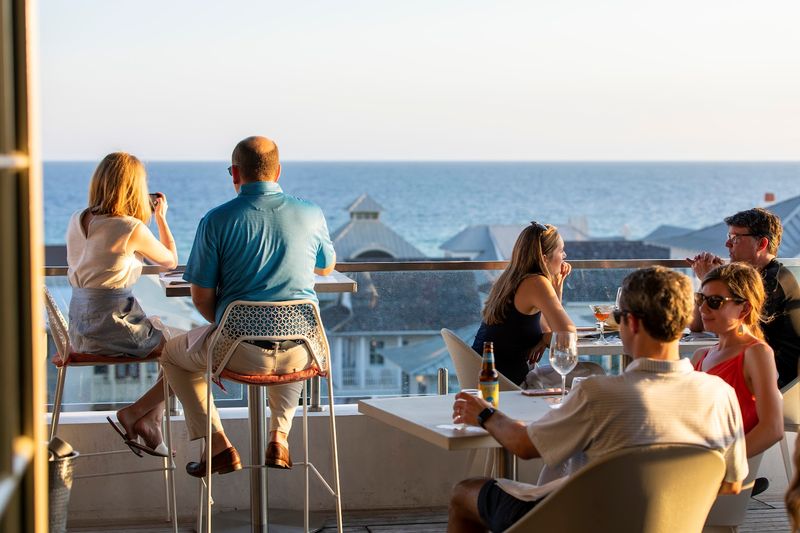
One of the strongest European parallels along 30A is the food and movement culture that defines daily life here. Outdoor cafes with sidewalk seating, small wine bars with open windows, and casual eateries spilling onto pedestrian paths create a dining atmosphere that feels more southern France than southern United States.
Nobody seems to be in a rush, and that changes everything about how a meal feels.
Cycling is the preferred mode of transportation for many 30A visitors and residents. A dedicated bike path runs the length of the highway, connecting most communities and making car-free exploration genuinely practical.
Bike rentals are widely available, and the relatively flat terrain makes cycling accessible for all ages and fitness levels.
The combination of walkable streets, outdoor dining, and bike infrastructure creates a slow travel experience that mirrors the European coastal village circuit. You might start your morning at a French-inspired bakery in Seaside, pedal to a waterfront cafe in WaterColor for lunch, and end the evening at a wine bar in Rosemary Beach — all without touching a car key.
This lifestyle is not accidental. It was designed into 30A intentionally, and it works beautifully for everyone who experiences it firsthand.
Design Philosophy and Why 30A Feels Otherworldly
The reason 30A feels so different from other American beach destinations comes down to intentional design. Most of its communities were built using New Urbanist principles — a planning philosophy that prioritizes walkability, mixed-use spaces, human-scaled streets, and strong community identity.
These same principles shaped the great historic towns of Europe for centuries before anyone gave them a formal name.
Central squares, front porches, narrow lanes, and buildings that face the street rather than parking lots all contribute to a sense of place that encourages connection. Residents know their neighbors.
Visitors feel welcomed rather than processed. The environment itself slows you down and draws your attention to the people and details around you.
Combine this design foundation with the natural beauty of the Gulf Coast — sugar-white sand, emerald-green water, and coastal dune lakes found almost nowhere else on Earth — and you get something that genuinely earns the word magical. Travelers who visit 30A often struggle to explain exactly why it feels so different.
The answer is that every element, from the architecture to the street width to the placement of a bench, was chosen to make human experience richer. That is the European tradition, and 30A carries it beautifully on American soil.