

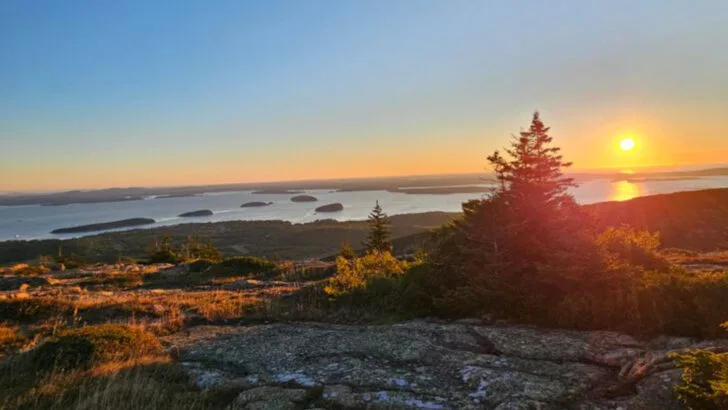
If you crave a coastal drive where granite cliffs meet thundering surf, Park Loop Road delivers a memory that sticks.
The route wraps around Acadia’s heart, revealing sweeping Atlantic vistas, fragrant spruce forests, and storied carriage roads in a single unforgettable arc. You can stop often, wander a trail, then roll the windows down and let the ocean soundtrack guide you onward.
By the final mile, you will already be planning your next lap.
Orientation and Timing: How to Drive Park Loop Road
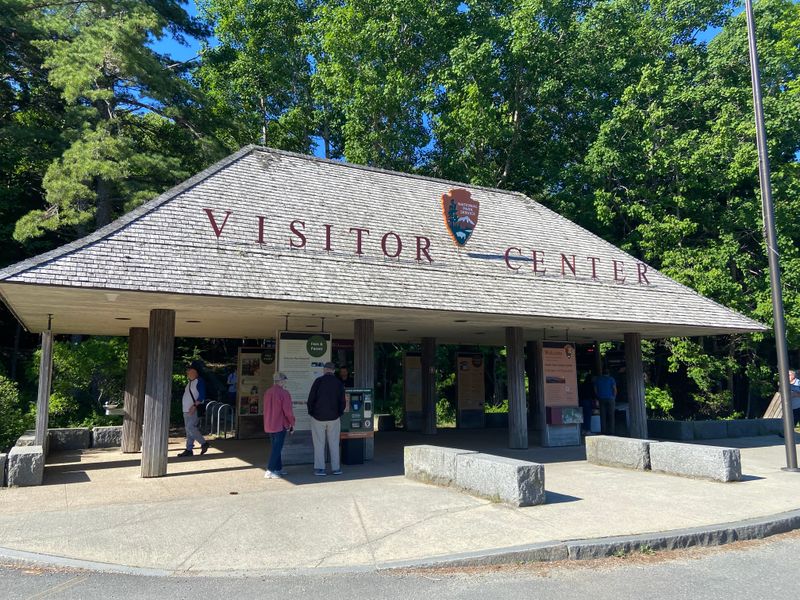
Park Loop Road rewards early risers. Sunrise softens the granite and sends light streaming across coves, making your first stops calm and spacious. Starting at the Hulls Cove Visitor Center, you can grab maps, ask a ranger about closures, and plan a loop with wiggle room for unplanned viewpoints.
The road is partly one way, so momentum matters. Drive counterclockwise from the visitor center to flow with traffic and find pullouts safely on the ocean side. Shoulder seasons offer fewer cars, cooler air, and easier parking, but even summer crowds thin at dawn or late afternoon.
Give yourself four to six hours if you like to hop out frequently. Add time for short hikes, tide checks, and lingering at overlooks. Pack layers, water, and snacks so you are not rushed back to town when the coastline tempts you to stay longer.
Check the park website for construction, closures, and timed entry updates. Fog is common and magical, but it can hide waves and slick rocks. When in doubt, slow down, yield at narrow turns, and let the park’s pace teach you how to travel here.
Sand Beach: Gateway to Ocean Drama
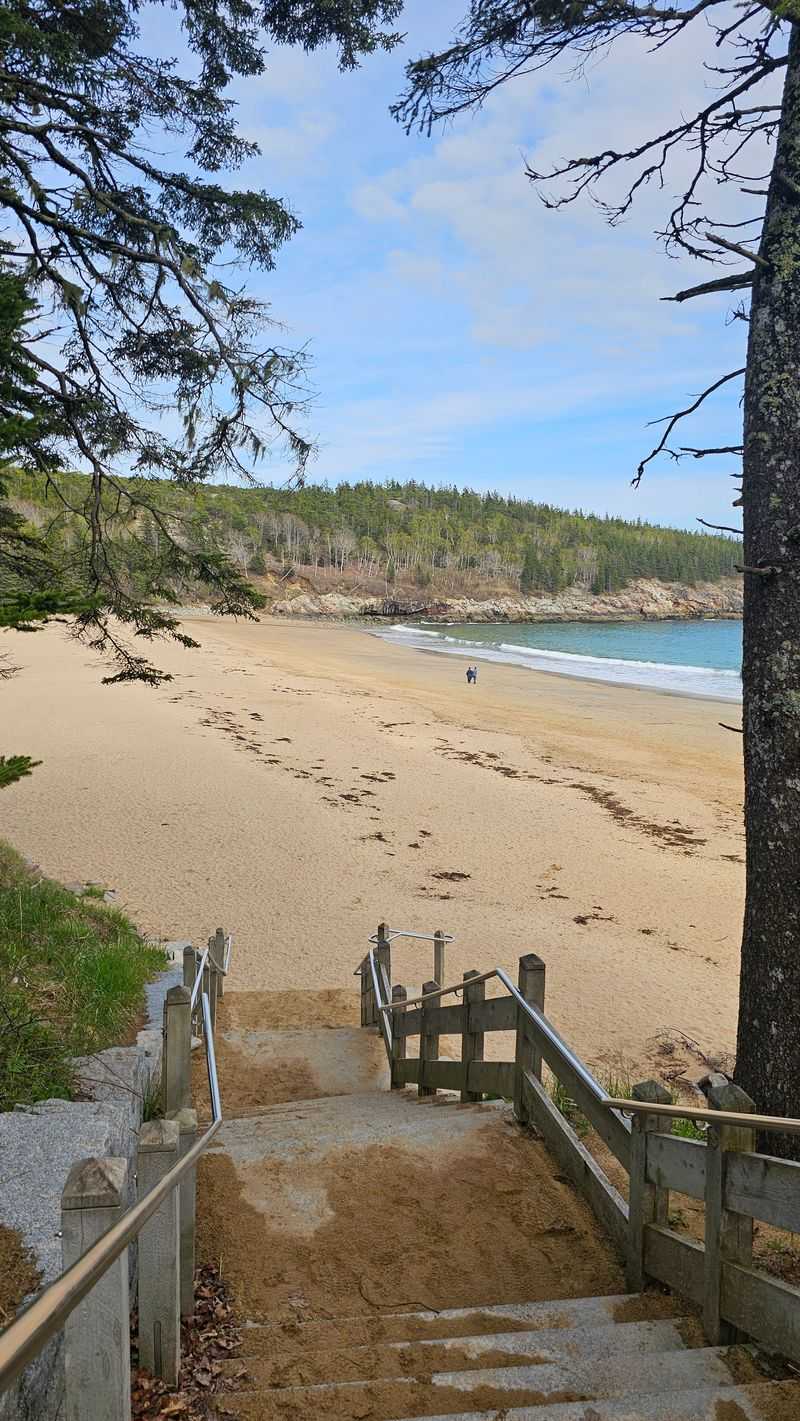
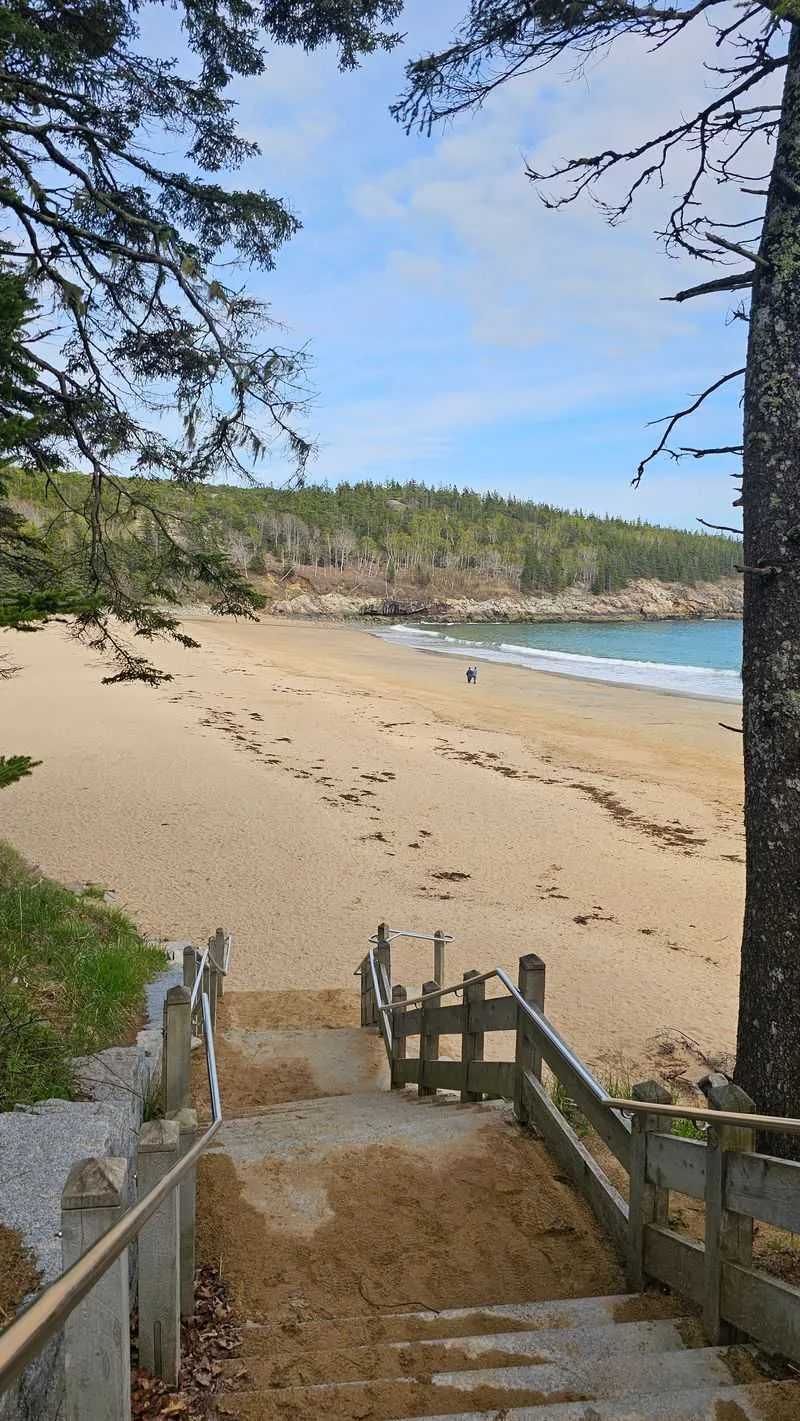
Sand Beach is where ocean energy greets you first. Its crescent of shell and mineral sand glows pale gold between pink granite headlands. Pull into the main lot early, cross the short path, and feel cool Atlantic water wrap your ankles while gulls trace slow arcs overhead.
The beach doubles as a base for exploring. From here, you can connect to the Ocean Path toward Thunder Hole and Otter Cliffs, or climb the Beehive if conditions suit you. Lifeguards are often present in summer, but the water stays brisk, so quick dips feel extra refreshing.
Mind the tides if you wander the edges and the slippery seaweed on rock shelves. Respect posted signs and avoid fragile vegetation above the dune. A light jacket helps when sea breezes pick up, especially on foggy mornings.
Photographers love moody days when the horizon dissolves into mist. Try a polarizer to cut glare and deepen color in the waves. When you step back to the car, the roar of surf lingers, setting the tone for the cliff-hugging miles ahead.
Beehive Trail Overlook: A Quick Climb With Big Payoff
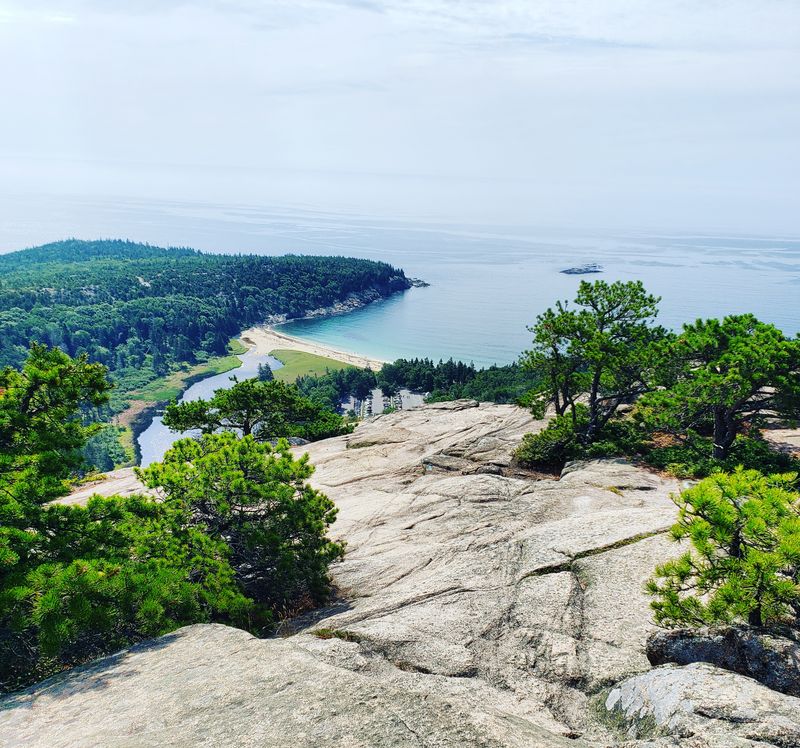
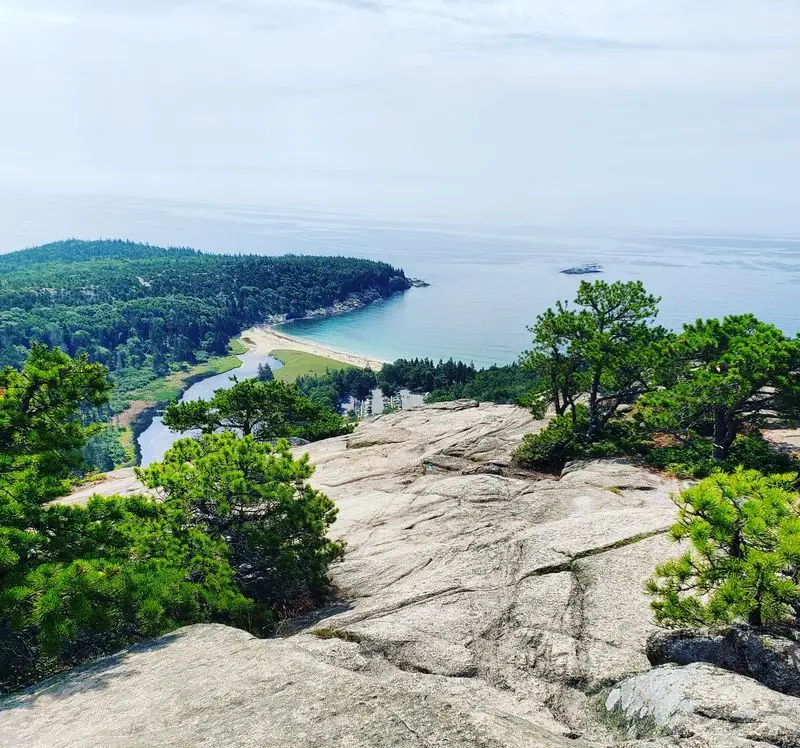
The Beehive rises like a granite puzzle above Sand Beach. If you are comfortable with exposure and iron rungs, this short, steep loop gives you a sweeping view of the shore, Great Head, and the shimmering bowl of Sand Beach. Start from the shared lot and look for the trailhead sign near the road.
Ascend the iron aids slowly and maintain three points of contact. This is not ideal for wet or windy days, and it is not for anyone uneasy with heights. Consider hiking up Beehive and descending via the gentler Bowl Trail to ease your knees and avoid downclimbing.
From the top, the Atlantic burns bright on clear mornings. Fog days are special too, with islands appearing and vanishing like moving paintings. Carry water and avoid crowd bottlenecks by starting early or waiting out surges between hiking groups.
If the route feels beyond your comfort, you have alternatives. The Bowl offers a quiet forested lake and a peaceful picnic perch. Either way, you will return to Park Loop Road feeling energized, primed for the next viewpoint, and tuned to Acadia’s vertical rhythm.
Thunder Hole: Timing the Roar
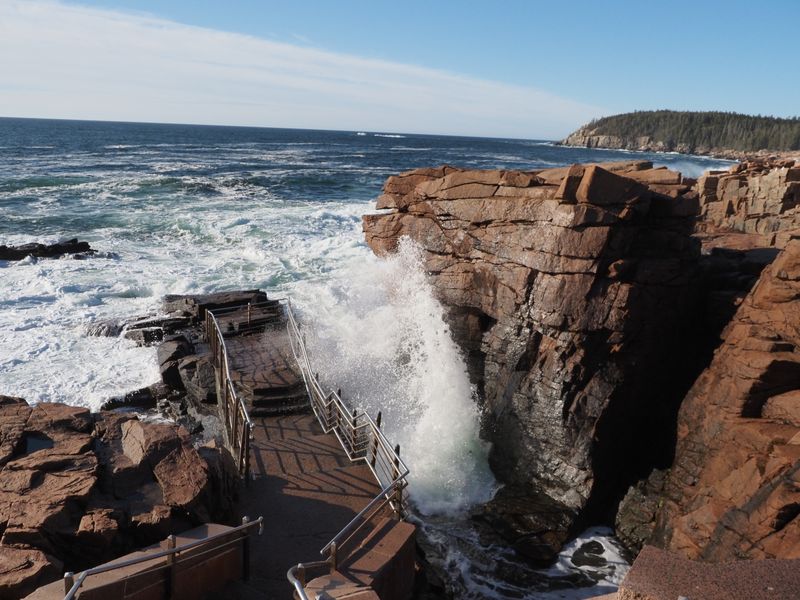
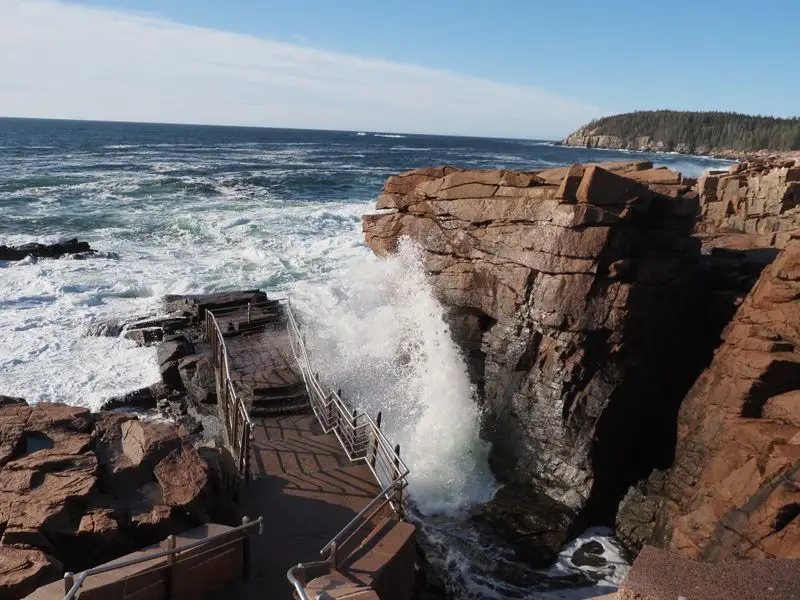
Thunder Hole is a natural notch where swells roll in, compress, and explode in a booming echo. The sound peaks when incoming tide meets energetic surf, so timing is everything. Park in the dedicated lot, follow the guardrails, and stay behind barriers when waves run high.
On quiet days, the blow is subtle and the spot becomes meditative. On active days, you will feel spray on your face and the boardwalk rumble. Watch your footing on wet rock, and consider waterproof layers to stay comfortable between bursts.
Check the tide chart and recent surf reports before your visit. Two hours before high tide is often a sweet spot, but conditions vary with swell direction. Photographers should use fast shutter speeds to freeze droplets or slow ones for silky plumes.
When the show tapers off, wander the nearby Ocean Path. You can linger at small pullouts where the coast folds into pocket coves. Thunder Hole reminds you the Atlantic sets the schedule here, and your best plan is to ride the rhythm rather than fight it.
Gorham Mountain: A Coastal Ridge Ramble
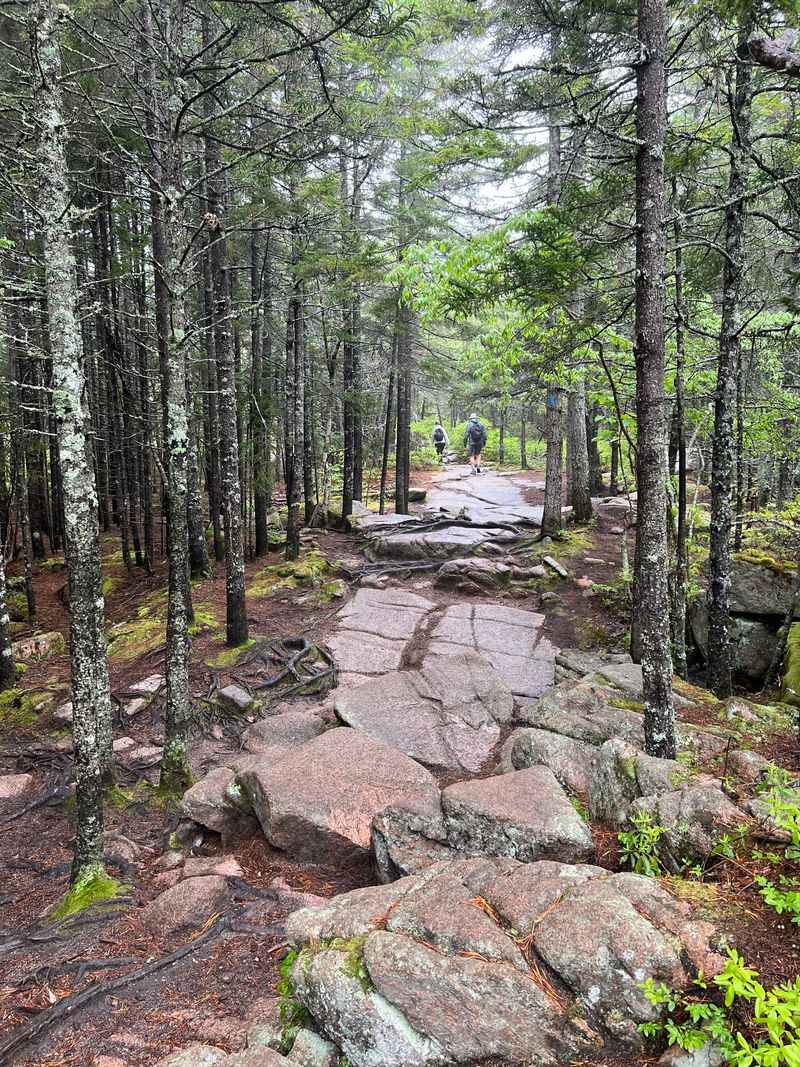
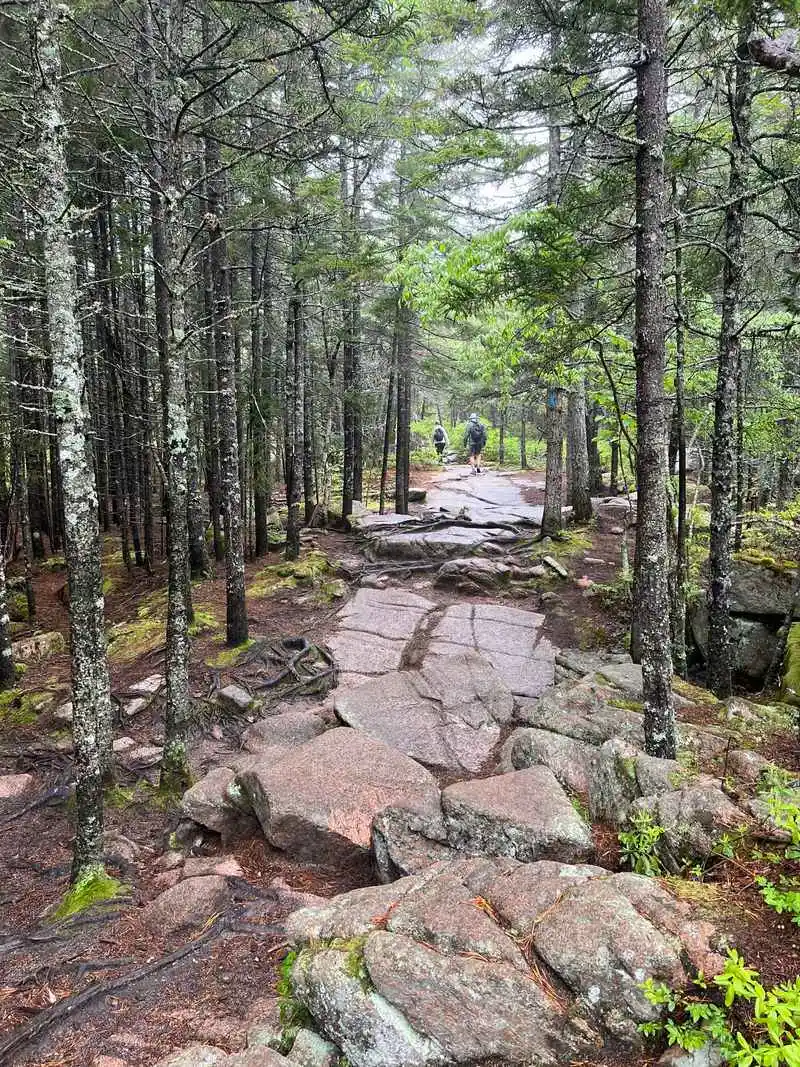
Gorham Mountain offers a mellow ridge walk with constant ocean glances. Starting near the Sand Beach lot or from the Gorham trailhead, you ascend through spruce to open granite, where wind carves patterns in lichen and stone. The grade is friendly, perfect for savoring views without white knuckles.
At the summit, Otter Cliffs commands the skyline and the sea glitters like hammered metal. Keep to signed routes and avoid toppling stone cairns, which help with wayfinding. The loop can include the Cadillac Cliffs side path for extra texture and short scrambles, weather permitting.
Footing is rough in places, so sturdy shoes matter. Fog often drifts over the ridge, transforming the landscape into a muted dream. Give yourself time for snacks, photos, and that long pause where the roar below becomes background music.
Return options let you reconnect with Ocean Path or continue toward Bowl Trail junctions. This flexibility makes Gorham a great mid morning leg stretcher between coastal stops. You will rejoin Park Loop Road refreshed, tuned to the granite under your wheels and the patient pull of tides.
Otter Cliffs and Otter Point: Granite Meets Atlantic
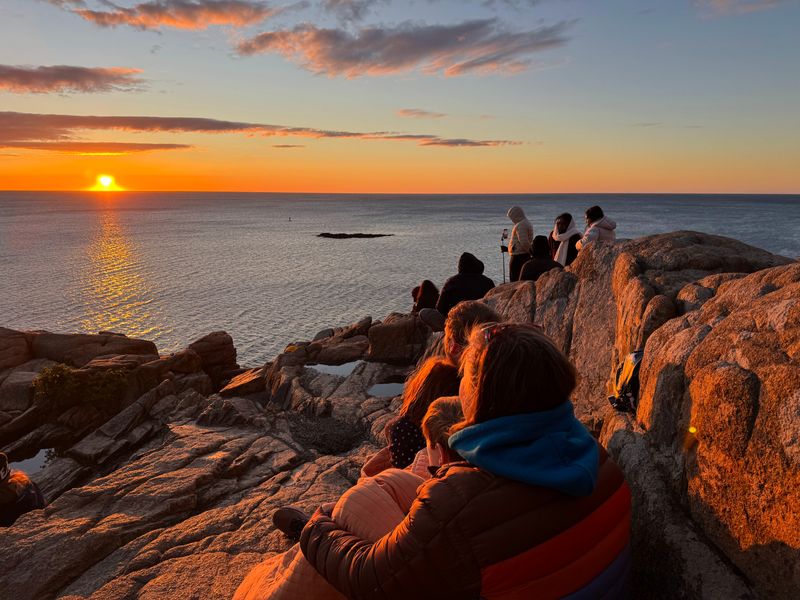
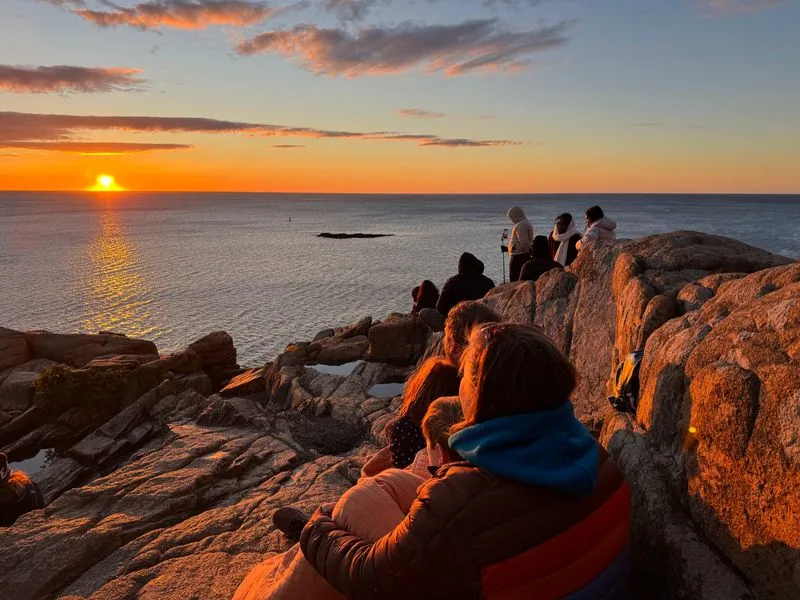
Otter Cliffs stand like a granite cathedral above the Atlantic, a signature vista on Park Loop Road. Pullouts line the ocean side, but arrive early for space and safer merging. From the overlooks, watch swells pack color into the clefts and hurl foam against pink rock.
Walk south to Otter Point for tide pool peeks and long sightlines down the coast. Climbing is popular here with permits and seasonal closures for nesting falcons. Even without ropes, you will feel the drama in the wind, the heave of water, and the constant low thunder below.
Stay well back from wet edges, and keep kids within arm’s reach. When fog drapes the cliffs, sound becomes the show, and the lighthouse horn from beyond the headlands sets the scene. On clear evenings, sunset warms the stone into rose and copper hues.
Photographers can frame leading lines from boulder fields or go tight on textures and spray. A polarizer helps cut glare off tide pools. When you pull away, the road threads a corridor of spruce, but the sensation of height and sea weight travels with you.
Jordan Pond House and The Lawn Pause
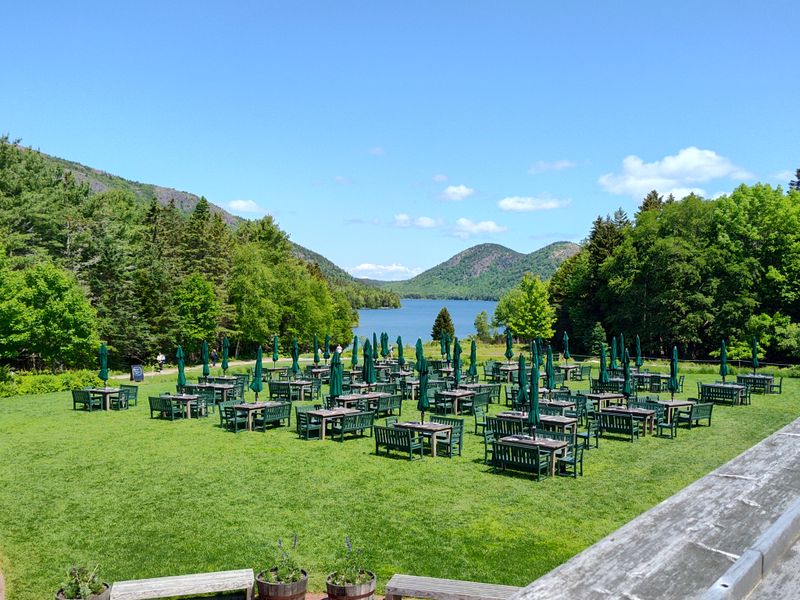
Jordan Pond House is tradition wrapped in a view. The lawn spills toward crystal water, framed by the rounded humps of North and South Bubble. Popovers and tea taste better after miles of ocean spray, and the calm at this inland stop balances the coast’s wild energy.
Reservations help in peak season, but walk ins sometimes land spots between rushes. If the wait is long, stroll the Jordan Pond Path, a gentle loop with boardwalks and soft light under spruce. Keep the pond pristine by avoiding wading and respecting closures.
The food is straightforward and comforting, with popovers stealing the show. Bring a sweater for the breeze that creeps across the lawn. On overcast days, the greens glow and reflections sharpen, making photos clean and quiet.
Parking fills fast, so arrive early or be patient and circle once. This pause resets your day, giving you energy to finish the loop. When you return to Park Loop Road, your senses will feel recalibrated, ready for the high granite and sea again.
Jordan Pond Path: Easy Miles, Big Reflections
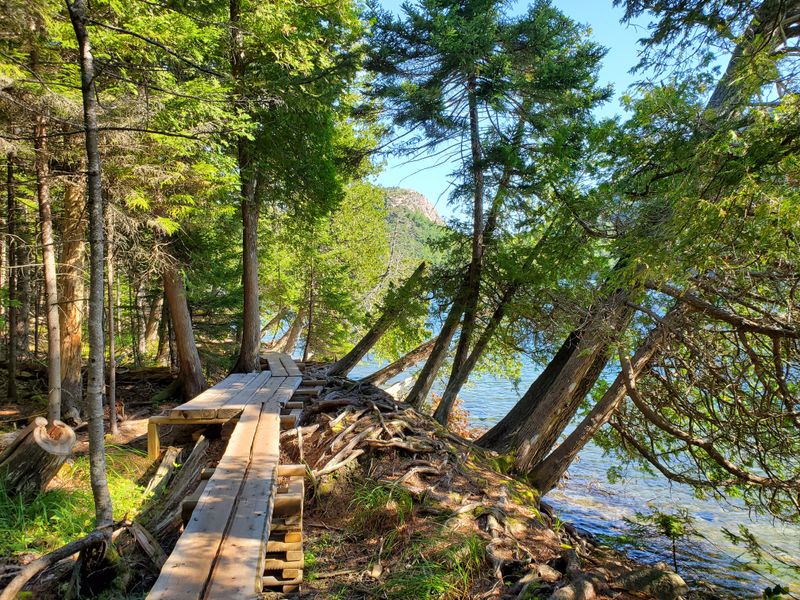
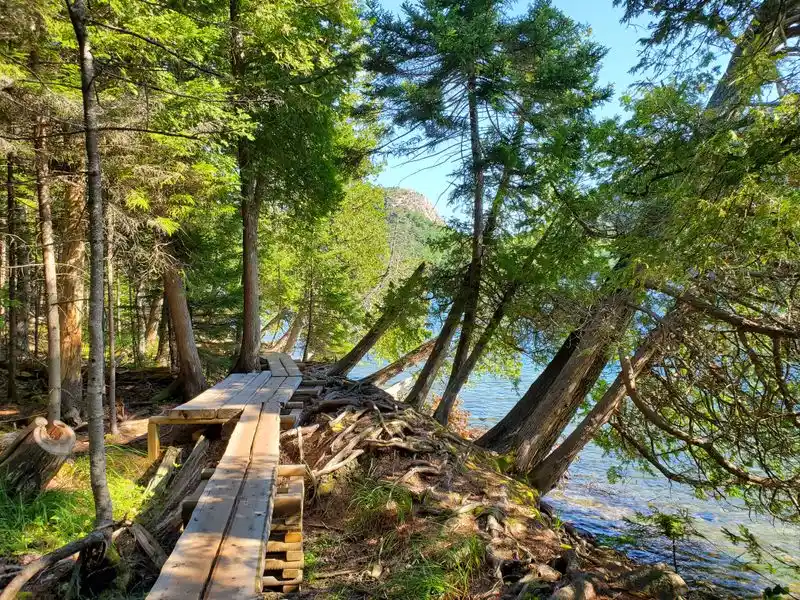
The Jordan Pond Path wraps the shoreline with gentle steps and boardwalks. It is a gift on busy days, when you want quiet without committing to a big climb. The water often mirrors The Bubbles so perfectly you will stop mid stride just to stare.
Keep right to ease passing, and step carefully on narrow planks. The path is mostly flat, with some roots and short rocky bits on the western side. No swimming keeps the pond clear for Bar Harbor’s water supply, so enjoy the view and leave no trace.
Morning and evening are best for reflections and soft light. Midday can still be lovely when clouds stack over the rounded peaks. Birdsong threads the edges, and breezes slide across the pond, lifting the spruce scent.
Link this stroll with a snack at Jordan Pond House, or continue to Bubble Divide if legs feel lively. You will rejoin Park Loop Road rested, reset, and ready for more cliffs. The loop is about three miles, and every step feels like a deep breath.
Bubble Rock and South Bubble: The Classic Perch

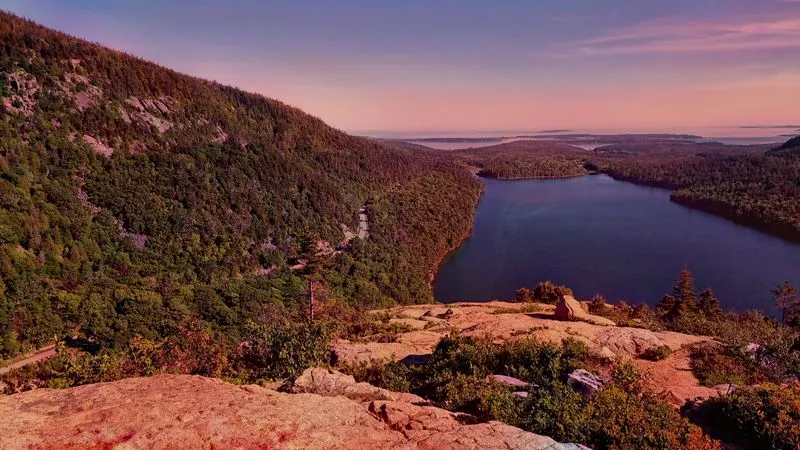
Bubble Rock looks like a giant marble left on a ledge by playful glaciers. The hike up South Bubble is short but steep, with roots and granite steps delivering quick elevation. At the top, Jordan Pond spreads out like glass, and that famous boulder teeters above a sheer drop.
Stand back from the edge and resist any urge to push the rock. It is stuck, but not for your experiments. Wind can be strong, so secure hats and keep a close hold on cameras and kids near exposed sections.
Photography is irresistible from here. Frame the boulder against the pond and The Bubbles, or turn north for a sweep of forest and islands. Early or late light sculpts the rock and cancels midday glare, especially with a polarizer.
Descend the same way or loop to Bubble Divide if you want extra mileage. Parking at the Bubbles lot is limited, so arrive early or wait patiently. Returning to Park Loop Road, you will carry that suspended feeling, like the boulder’s quiet tension balancing your day.
Cadillac Mountain Spur: Sunrise or Quiet Twilight
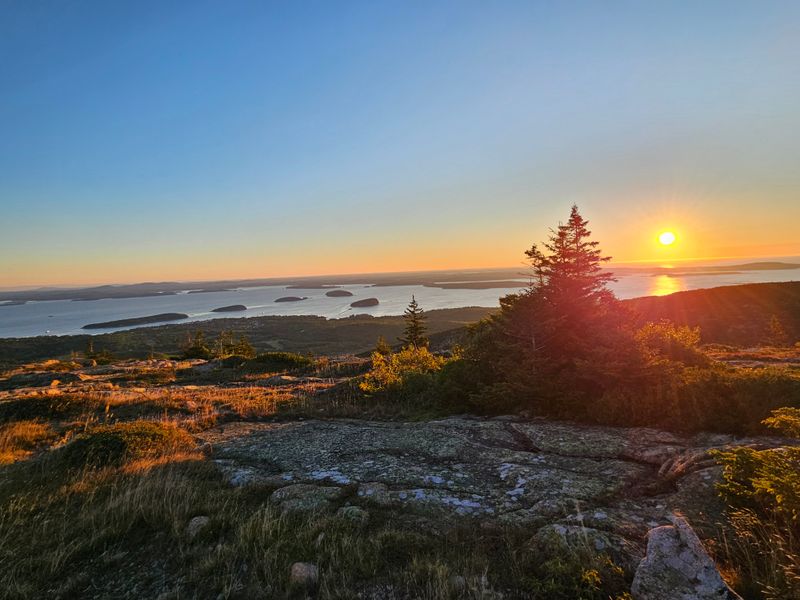

The Cadillac Mountain spur is a worthy detour when reservations are required for sunrise. If you secure one, the first light washes islands and coves in pink and gold. Without it, twilight and blue hour deliver peace, cooler temps, and broad horizons without the scramble.
Granite pavements host tiny alpine plants, so stay on rock and marked paths. Winds can be chilly even in summer, and fog may erase the world in minutes. When it clears, layers of peninsulas stack like cut paper across Frenchman Bay.
Parking is limited, and patience pays off. Bring a headlamp, warm layers, and a thermos if you aim for the bookend hours. Photographers should scout foreground textures to give scale to the immense view.
Afterward, slip back to Park Loop Road and let the forest enclose you again. The cadence between summit space and coastal close ups makes the drive feel complete. Whether you catch sunrise or twilight, the memory locks in like granite underfoot.
Sieur de Monts: Nature Center and Spring Woods
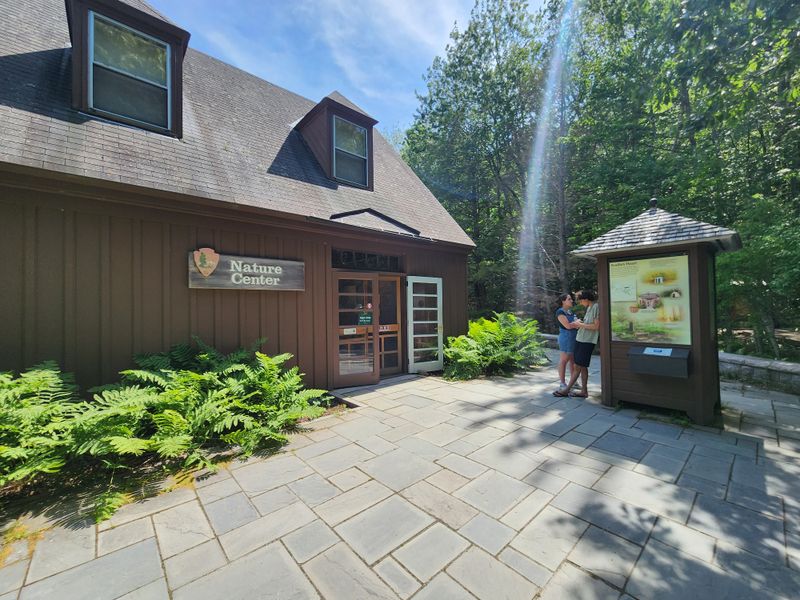
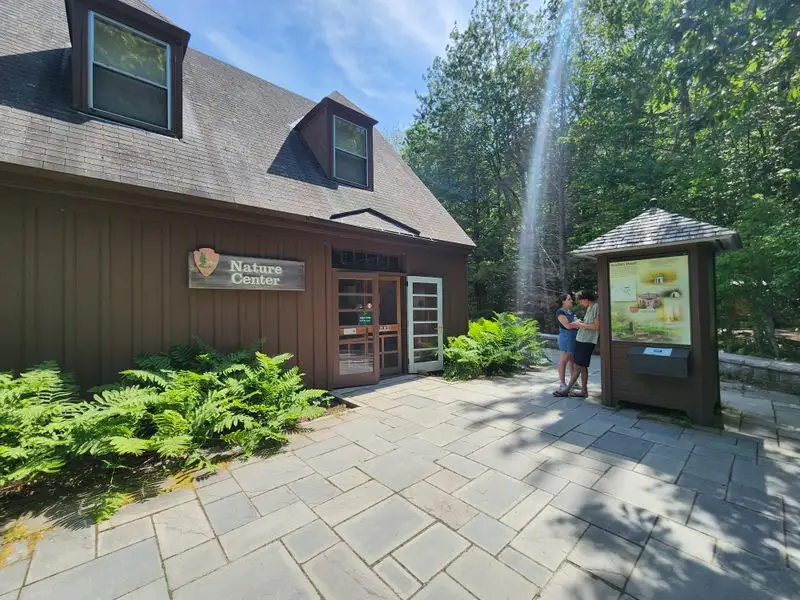
Sieur de Monts folds culture and ecology into one gentle stop. The Nature Center introduces Acadia’s habitats, while the Wild Gardens of Acadia display native plants in thoughtful clusters. Boardwalks and shaded paths offer a quiet reset from the surf driven drama along the loop.
Interpretive signs make this a great place to deepen your understanding. You will see how bog plants, forest wildflowers, and coastal shrubs fit the park’s puzzle. Seasonal blooms shift the palette, so each visit paints a new scene.
Nearby, the spring house nods to early park history. Photography works well under cloud or canopy, where even light keeps greens lush. Birds thread the understory, and the air smells like damp leaves and cedar.
Park, stroll slowly, and let curiosity dictate the route. After thirty unrushed minutes, you will return to Park Loop Road with fresh context for the landscapes ahead. It is a small investment of time that pays off in richer seeing.