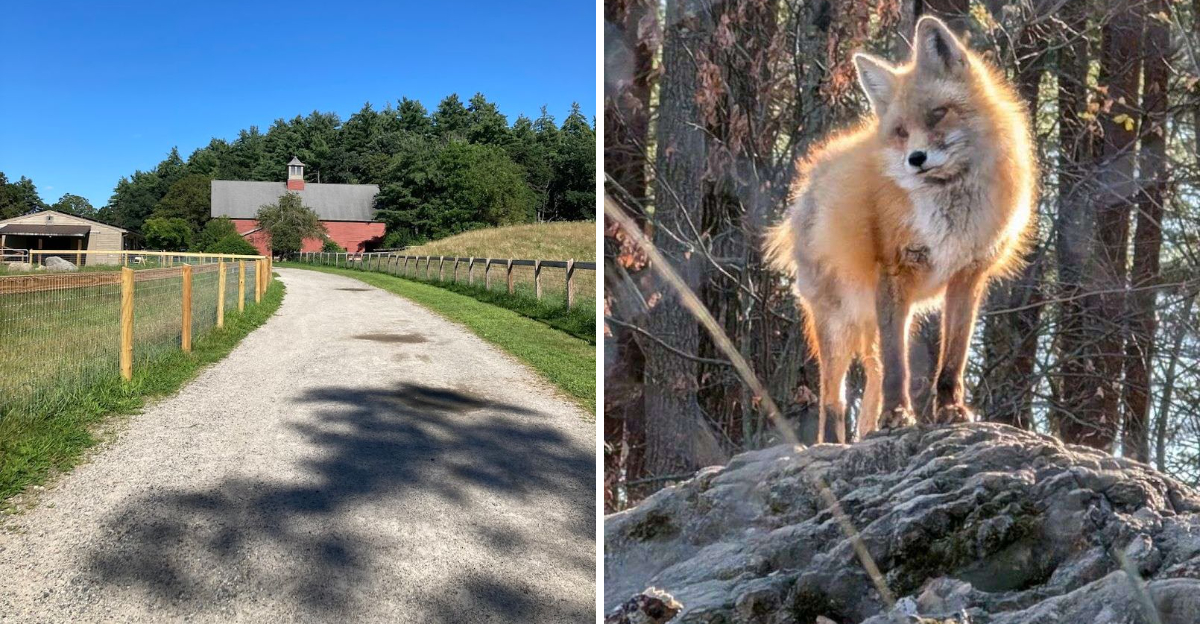
Tucked away in Lincoln, Massachusetts, Mass Audubon’s Drumlin Farm is one of those rare places that feels like stepping into two worlds at once — a bustling working farm and a peaceful wildlife sanctuary.
Spread across 291 stunning acres, it’s home to rescued foxes, owls, hawks, and a barnyard full of friendly farm animals.
Families, school groups, and curious nature lovers of all ages visit year-round to explore trails, meet animals up close, and learn about conservation and sustainable farming.
Whether you’re a first-time visitor or a regular, Drumlin Farm always has something new and exciting to offer.
A Rare Blend of Farm and Wildlife Sanctuary
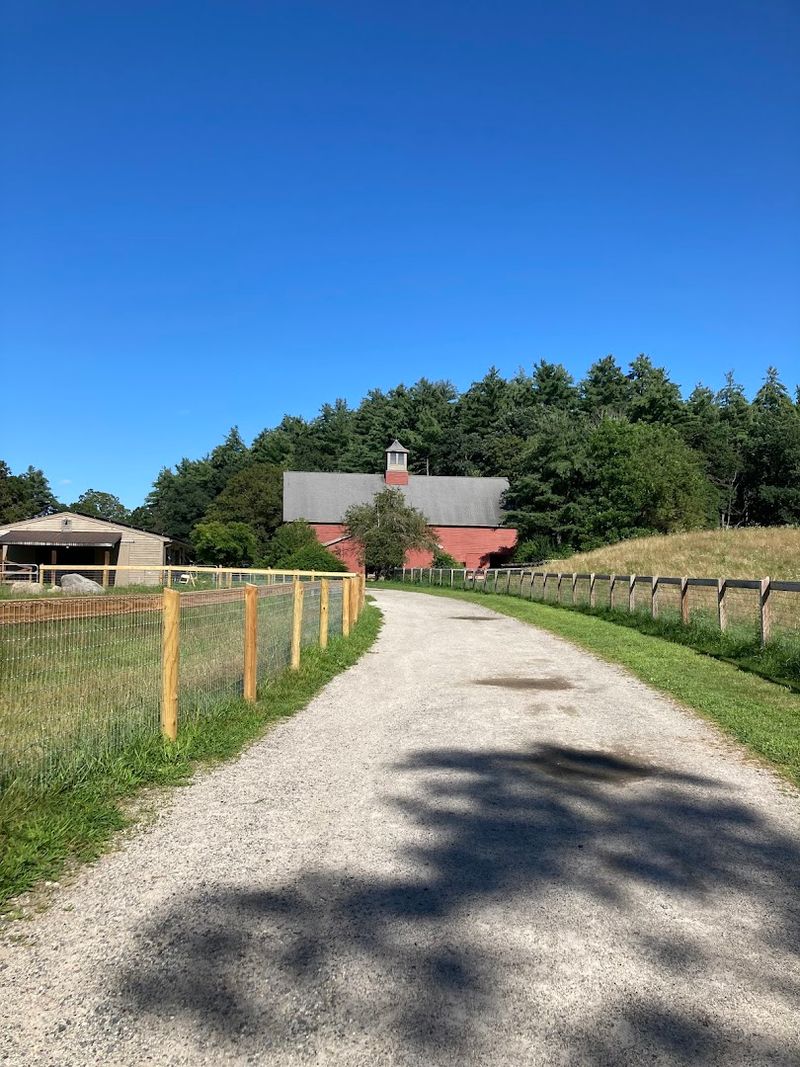
Imagine a place where you can watch a red fox trot past its enclosure and then turn around to see a farmer milking a cow — all within the same afternoon. That’s exactly what makes Mass Audubon’s Drumlin Farm so special.
This 291-acre property is one of the few places in New England where a fully working farm and a protected wildlife sanctuary exist side by side.
Most farms focus solely on agriculture, and most wildlife sanctuaries stick to conservation. Drumlin Farm does both, and does them well.
The result is a layered, rich experience that gives visitors a window into both rural farming life and the natural world of native Massachusetts wildlife.
Families get to see where food comes from while also learning why protecting local animals matters. It’s a combination that feels surprisingly rare, even though it makes so much sense.
For kids especially, seeing these two worlds together sparks curiosity in ways that a classroom simply can’t replicate. Drumlin Farm proves that farming and conservation can genuinely go hand in hand.
A History Rooted in Conservation
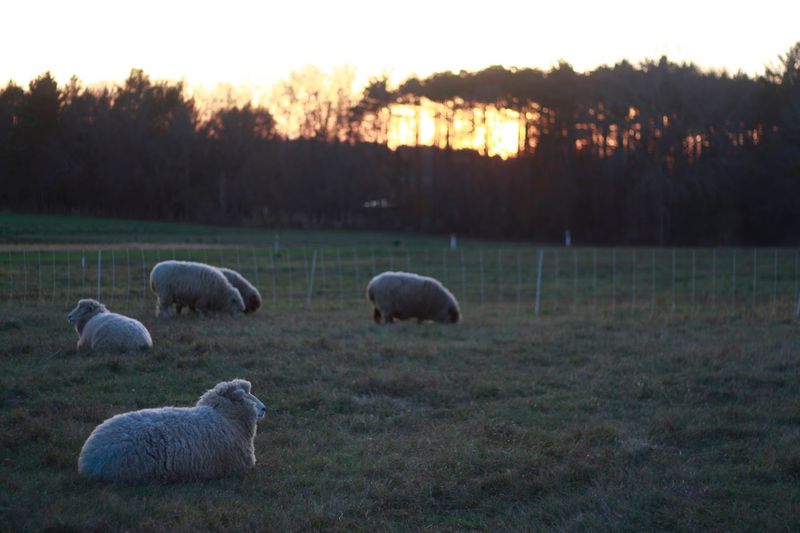
Long before eco-tourism was a trend, Drumlin Farm was already living the values behind it. The property was originally established by Louise Ayer Hatheway, a woman whose love for the land ran deep.
She later gifted the farm to Mass Audubon, and by the 1950s, it had begun its transformation into a hub for environmental education and wildlife protection.
That kind of history gives Drumlin Farm a soul that newer attractions just can’t match. Walking the grounds, you’re treading the same paths that conservationists, educators, and curious children have walked for decades.
The farm’s mission has remained consistent — connect people to nature in meaningful, lasting ways.
Mass Audubon, founded in 1896, is one of the oldest conservation organizations in the country. Having Drumlin Farm under its umbrella means the property benefits from decades of scientific knowledge, advocacy, and educational expertise.
The farm isn’t just a pretty place to visit — it’s a living example of what happens when people commit to protecting land and wildlife for future generations. That legacy continues to grow stronger with every visitor who walks through the gate.
Meet Rescued Wildlife Up Close
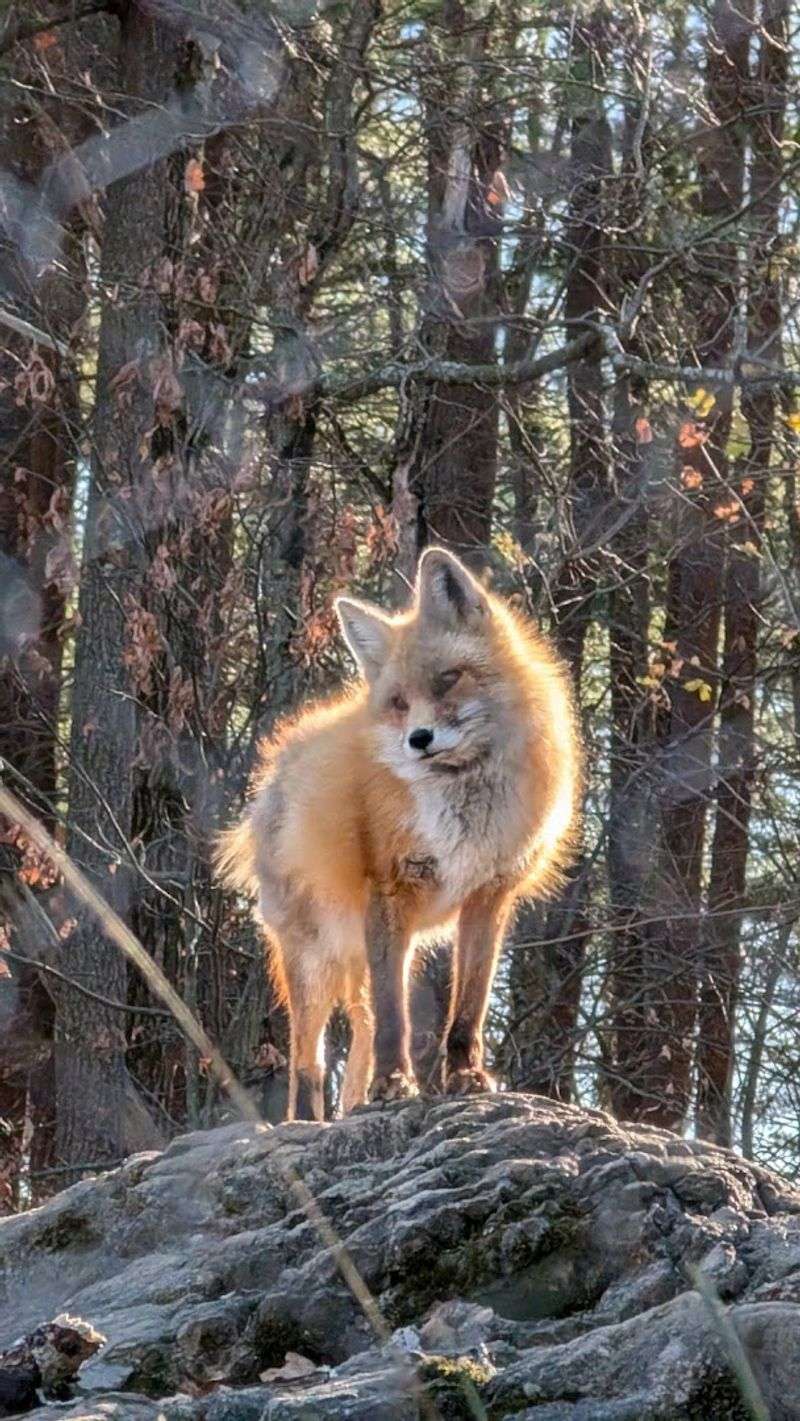
Not every wild animal can return to the forest. Some arrive at Drumlin Farm with injuries that can’t fully heal, while others were raised by humans and lost their ability to survive on their own.
Rather than disappearing into a rehabilitation center never to be seen again, these animals become permanent residents — and the stars of the sanctuary’s wildlife exhibits.
Foxes, great horned owls, red-tailed hawks, and other native raptors all call Drumlin Farm home. Each animal has its own story, and the sanctuary staff are passionate about sharing those stories with visitors.
Standing a few feet away from a live fox or watching an owl swivel its head to look directly at you is the kind of moment that sticks with a kid forever.
These aren’t zoo animals flown in from faraway lands — they’re local Massachusetts wildlife that need a safe place to live. That connection to the local ecosystem makes the experience feel personal and meaningful.
Visiting these animals isn’t just entertaining; it builds empathy and awareness about the challenges wild animals face when their habitats are disturbed. It’s conservation with a heartbeat.
A Classic New England Farmyard Experience
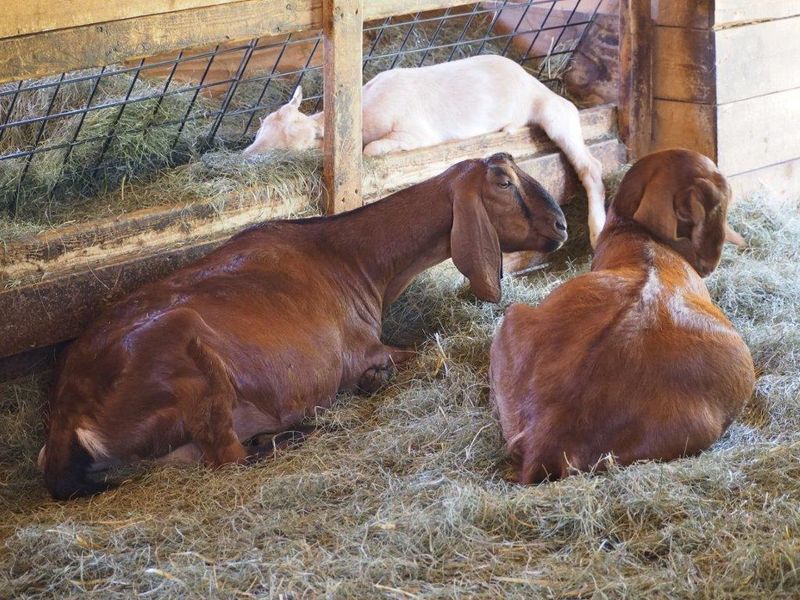
Few things make a kid’s eyes light up quite like a baby goat nibbling at their fingers. Drumlin Farm’s barnyard delivers that kind of joy in abundance.
Traditional farm animals — cows, goats, sheep, pigs, and chickens — live here and welcome curious visitors every day. It’s a hands-on, boots-on-the-ground introduction to where food actually comes from.
For many children growing up in suburbs or cities, this might be their very first encounter with a real farm animal. Watching a pig root around in the mud or hearing a rooster crow at full volume creates memories that no screen can produce.
Parents love it too, because it naturally opens up conversations about food systems, animal care, and the work that goes into farming.
The farmyard is designed to feel accessible and welcoming, not overwhelming. Staff and volunteers are usually nearby to answer questions and share fun facts about the animals.
Whether your child is bold enough to reach out and pet a sheep or prefers to watch from a safe distance, there’s room for every comfort level. The barnyard experience at Drumlin Farm is warm, genuine, and refreshingly old-fashioned in the best possible way.
Bird Hill and Raptor Viewing Trails
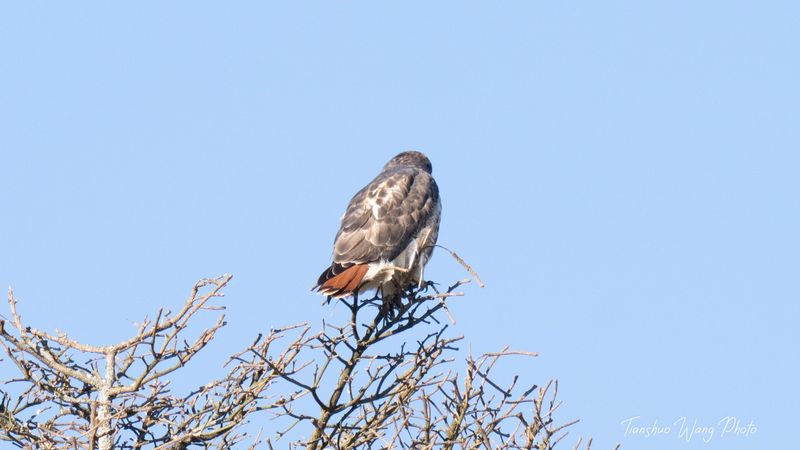
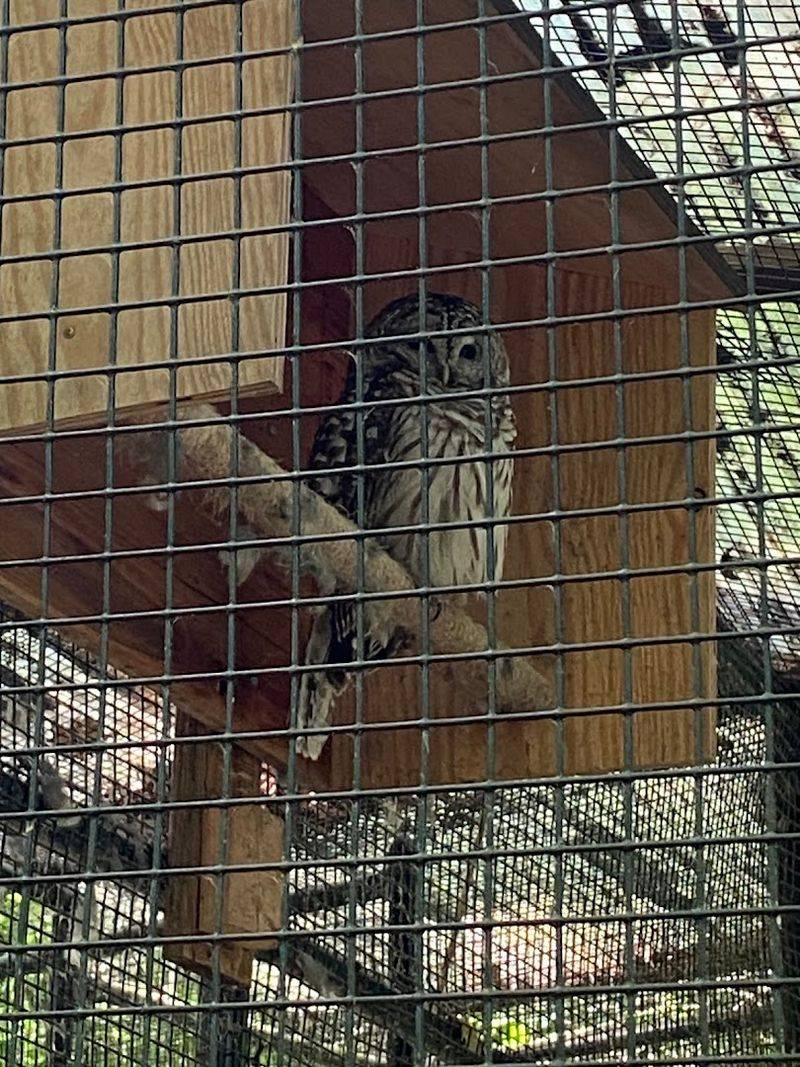
Bird Hill is one of those spots that quietly becomes the highlight of the entire visit. Positioned within the sanctuary, this area is home to owls and birds of prey that live in carefully designed outdoor enclosures along scenic walking paths.
The trails wind through a mix of open fields and shaded woodlands, making the walk itself a pleasure.
Raptors are genuinely mesmerizing creatures. Barred owls, American kestrels, and red-tailed hawks are among the residents you might encounter.
These birds have wingspans that can stretch wider than a child is tall, and seeing them up close — even behind a protective barrier — delivers a real sense of awe. Many visitors say the raptor viewing experience alone is worth the trip.
The trail design encourages slow, quiet movement, which naturally teaches kids to be mindful observers rather than passive tourists. Pausing to watch a hawk track movement in the grass below or catching an owl mid-blink is the kind of wildlife encounter that fuels a lifelong interest in birds.
Bring binoculars if you have them — though honestly, some of these birds are close enough that you won’t even need them.
Trails Through Diverse Habitats
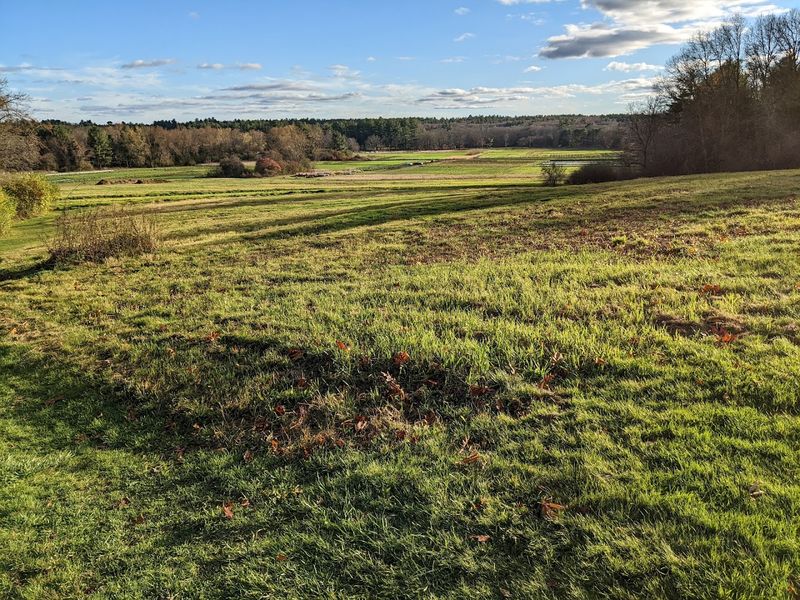
One of the underrated gems of Drumlin Farm is its trail system. Miles of well-maintained paths loop through wetlands, dense woodlands, open meadows, and rolling hills — all within the same 291-acre property.
For families who love the outdoors, it’s like getting several different hikes packed into one visit.
Each habitat type brings its own surprises. Wetland areas buzz with dragonflies and frogs in warmer months.
Wooded sections offer shade and the chance to spot songbirds flitting between branches. Open fields give kids room to run and observe wildflowers, insects, and grazing animals from a comfortable distance.
The variety keeps the experience fresh from start to finish.
Trails are generally easy to moderate in difficulty, making them accessible for younger children and older adults alike. Maps are available at the entrance, and trail markers help keep everyone on track.
Even if you visit multiple times throughout the year, the changing seasons transform the landscape dramatically — spring blooms look nothing like the golden hues of October. That seasonal variety is one reason so many local families return to Drumlin Farm again and again, treating it like a second backyard.
Hands-On Educational Programs for Kids
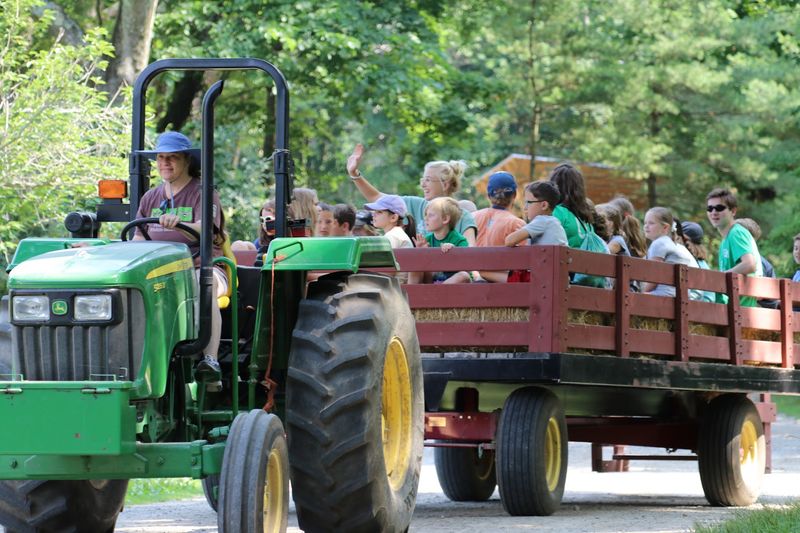
School field trips to Drumlin Farm have a way of becoming the ones kids talk about for the rest of the year. The farm offers a wide range of immersive educational programs tailored to different age groups, from preschoolers discovering insects for the first time to older students studying ecosystems and sustainable agriculture.
Programs are led by experienced educators and naturalists who know how to make science feel exciting rather than like a lecture. Kids might spend time identifying animal tracks, learning how to plant seeds, observing a live owl up close, or understanding the lifecycle of a farm crop.
Every activity is designed to be interactive, because the team at Drumlin Farm knows that kids learn best when their hands are busy.
Teachers appreciate the programs because they align with curriculum standards while also offering experiences that simply can’t happen inside a classroom. Parents who book private family programs or weekend workshops often find that their children come home bursting with facts and questions — the surest sign that real learning happened.
Whether through a scheduled school visit or a drop-in weekend program, Drumlin Farm’s educational offerings are consistently engaging, well-organized, and genuinely fun.
Seasonal Activities and Family Events
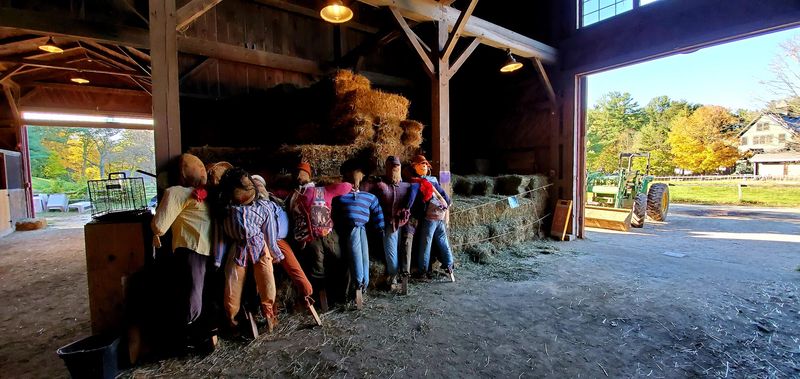
No two visits to Drumlin Farm feel exactly the same, largely because the calendar is packed with seasonal events and family activities throughout the year. Spring brings baby animal days and planting programs.
Summer opens up nature camps and evening wildlife walks. Fall ushers in harvest festivals, pumpkin activities, and apple-themed events that feel perfectly New England.
Winter, often overlooked at outdoor venues, is actually magical at Drumlin Farm. Snow-covered trails, quiet wildlife exhibits, and cozy indoor programs give the property a whole different character.
Holiday-themed events draw families looking for seasonal fun that’s rooted in nature rather than shopping malls.
What makes these events stand out is that they’re never just entertainment for the sake of entertainment. Every festival, camp, or workshop ties back to the farm’s core mission — connecting people to nature, wildlife, and sustainable living.
Even the most playful autumn festival includes moments where kids learn something real about where food comes from or why local wildlife deserves protection. Checking the Mass Audubon events calendar before your visit is highly recommended, because some programs fill up fast and you won’t want to miss out on the best seasonal offerings.
A Working Farm Focused on Sustainability
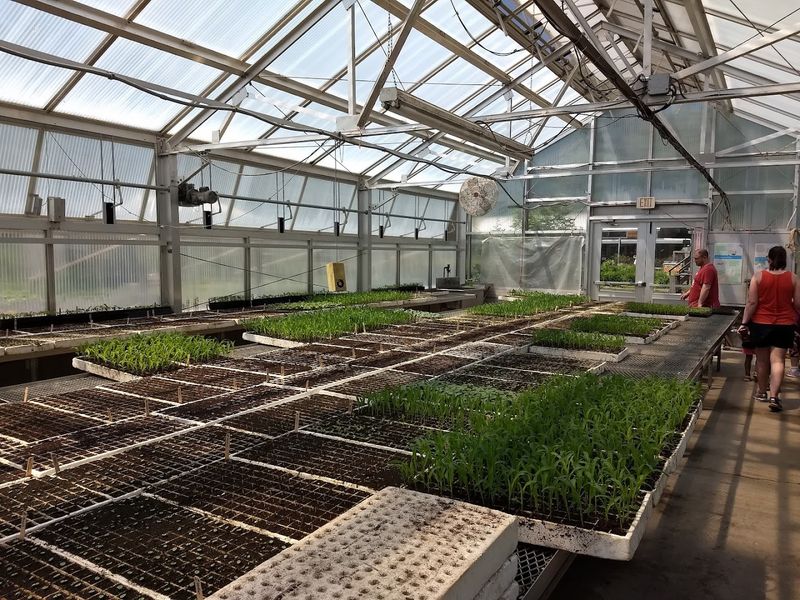
Sustainability isn’t a buzzword at Drumlin Farm — it’s the operating principle behind everything that grows here. Crops are cultivated using environmentally responsible methods, and the farm actively works to minimize its impact on the surrounding ecosystem.
Visiting during the growing season means you might actually catch farmworkers harvesting vegetables or tending to the fields in real time.
That kind of live-action farming is surprisingly captivating. Watching someone pull a carrot straight from the ground or gather eggs from a henhouse makes abstract concepts like “farm-to-table” suddenly very concrete.
Kids who see this process firsthand often develop a completely different relationship with food — one built on appreciation rather than assumption.
The farm also serves as a teaching model for sustainable agriculture, demonstrating practices that can be scaled and adapted by other farms and even home gardeners. Visitors learn about composting, crop rotation, and water conservation in ways that feel practical rather than preachy.
For families trying to raise environmentally aware children, a visit to Drumlin Farm provides real-world context that reinforces the values they’re already teaching at home. It’s farming with purpose, and that purpose is visible in every row of crops and every animal well cared for.
Visitor Information
Planning a trip to Drumlin Farm is straightforward, and the experience is well worth the short drive for anyone in the Greater Boston area. The farm is located at 208 S Great Rd, Lincoln, MA 01773, and can be reached by phone at +1 781-259-2200.
Lincoln is a quiet, scenic town that feels like a world away from the city, even though it’s only about 20 miles from downtown Boston.
The property is typically open daily, though hours shift with the seasons — so checking ahead is always a smart move. Admission fees are reasonable, and Mass Audubon members receive discounted entry.
Parking is available on-site, and the layout of the farm is easy to navigate, even with young children in tow.
Comfortable walking shoes are a must, and layering up for unpredictable New England weather is always wise. Strollers can handle the main paths, though some trail sections are better suited for older walkers.
For the most current hours, ticket prices, upcoming events, and program registration, visit the official website at www.massaudubon.org. Whether you’re planning a solo morning walk or a full family day out, Drumlin Farm delivers an experience that’s equal parts educational, inspiring, and genuinely fun.