

Perched on a rolling hilltop in Boylston, Massachusetts, the New England Botanic Garden at Tower Hill is unlike any garden you have ever visited.
From a hidden Secret Garden tucked beneath pergolas to whimsical arched walkways that echo the magic of storybook landscapes, this place feels genuinely enchanted.
Spanning nearly 200 acres of cultivated gardens, woodlands, and meadows, Tower Hill offers something extraordinary for every visitor.
Whether you are a nature lover, a curious explorer, or simply someone looking for a beautiful escape, this garden promises a truly unforgettable experience.
A Hilltop Garden Worth Discovering
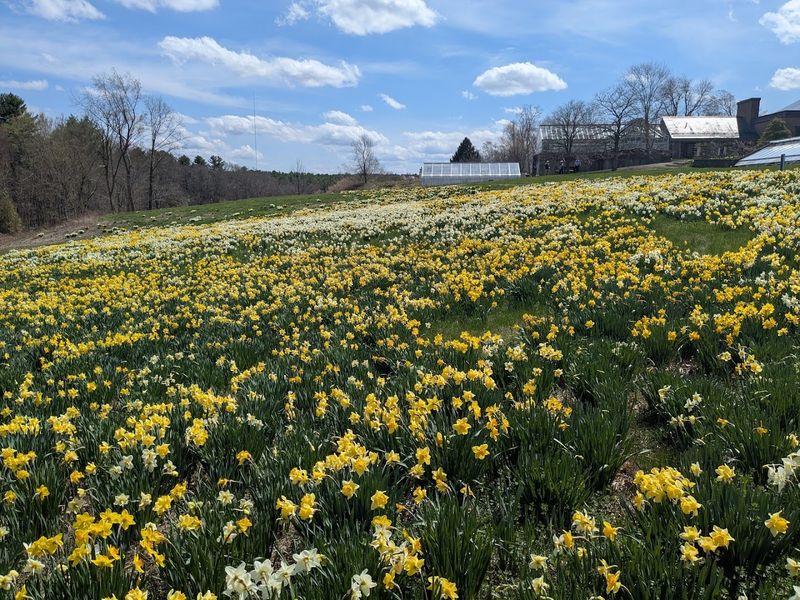
Sitting high on a glacially formed drumlin, the New England Botanic Garden at Tower Hill commands one of the most breathtaking views in central Massachusetts. The Wachusett Reservoir shimmers in the distance, framing the garden like a painting.
It is the kind of setting that makes you stop walking just to take it all in.
Founded in 1986 by the Worcester County Horticultural Society, Tower Hill spans roughly 171 to 200 acres of thoughtfully designed and naturally preserved landscape. The mix of formal garden beds, open lawns, and wild woodland edges gives the property a layered richness that rewards slow exploration.
Every corner reveals something unexpected.
What makes Tower Hill feel storybook-worthy is not just one feature but the harmony of everything together. The elevation, the carefully composed views, the seasonal color changes — all of it combines to create a living museum that feels both curated and wonderfully alive.
First-time visitors often leave already planning their return trip. Come in spring for blooms, summer for lush greenery, fall for fiery foliage, or winter for a quieter, more contemplative kind of beauty.
The Storybook Secret Garden
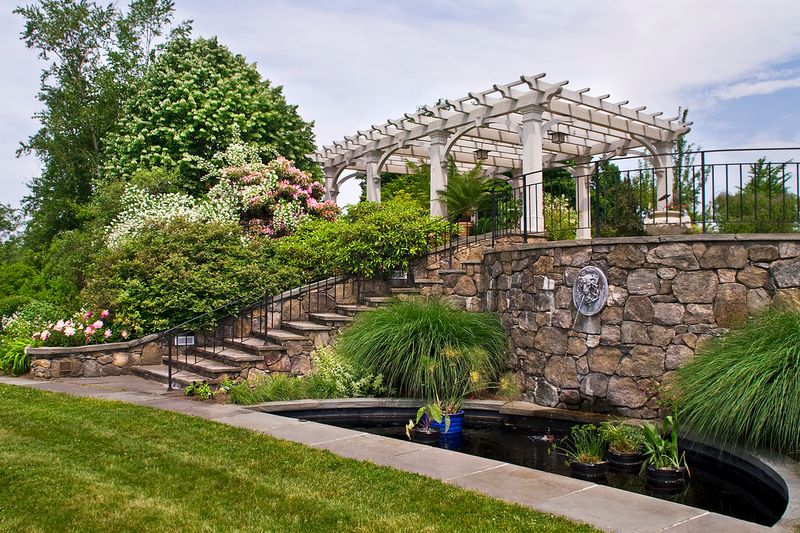
Few places in New England carry the quiet magic of Tower Hill’s Secret Garden. Sheltered beneath wooden pergolas draped in climbing plants, this tucked-away retreat sits just below the Lawn Garden, waiting to be discovered by visitors curious enough to wander off the main path.
The moment you step inside, the noise of the world fades.
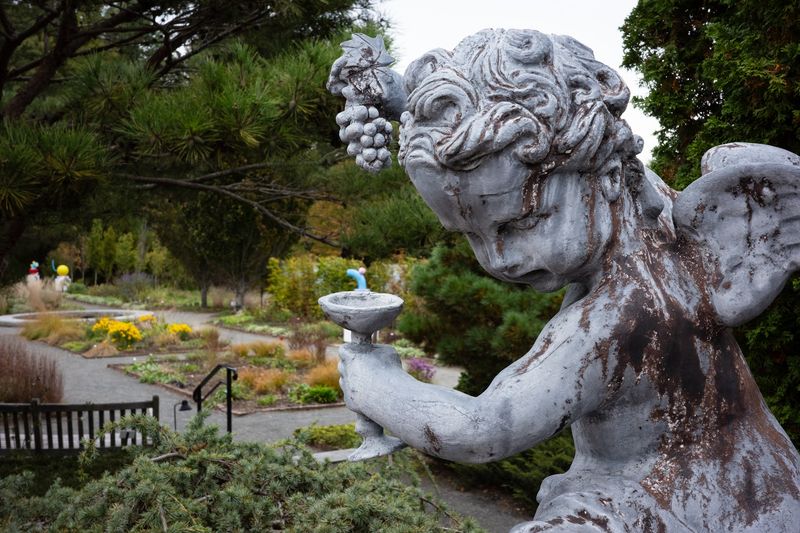
Winding stone pathways guide you past fragrant plantings, whimsical sculptures, and intimate seating nooks that feel designed for daydreaming. Children especially love exploring here, pointing out hidden details around every curve.
Adults tend to slow their pace considerably, drawn into the garden’s quiet, almost meditative atmosphere.
The planting palette shifts beautifully through the seasons. Spring brings soft pastels and sweet perfumes, while summer fills the space with bold color and buzzing pollinators.
Autumn adds warm golden tones to the foliage draped across the pergola frames. Even in winter, the bare architectural bones of the space carry a spare, elegant charm.
If you visit Tower Hill and skip the Secret Garden, you have genuinely missed the heart of the experience. Bring a journal, a camera, or simply a willingness to slow down and soak it all in.
Moon Bridge and Whimsical Features
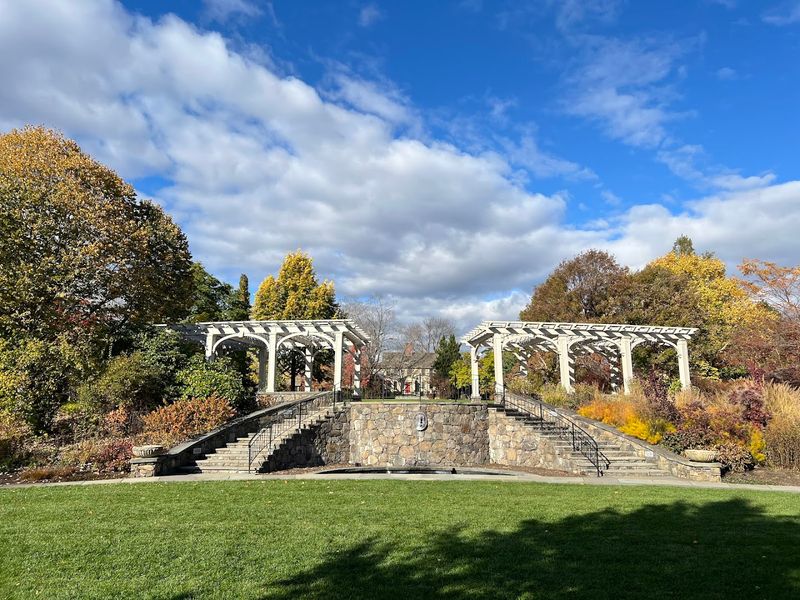
New England Botanic Garden at Tower Hill does not feature a traditional East Asian moon bridge — the highly arched pedestrian bridges commonly found in classical Chinese and Japanese gardens. However, the garden achieves a similar sense of enchantment through its thoughtfully designed architectural elements and transitions between garden “rooms.”
The Secret Garden, tucked below the Lawn Garden, is entered through pergolas and descending stone stairways that create a sense of reveal and discovery.
Arched wooden structures, vine-covered trellises, and carefully framed sightlines evoke the same romantic atmosphere that a moon bridge would typically provide — encouraging visitors to pause, reflect, and take in the surrounding plantings.
Elsewhere on the hilltop property, curved pathways, ornamental gates, and sculptural features add to the whimsical tone.
The formal Lawn Garden contrasts with more intimate spaces, while water features and seasonal blooms enhance the storybook quality of the landscape.
Rather than relying on a single dramatic bridge, Tower Hill uses layered garden design, elevation changes, and architectural framing to create moments that feel transportive — the kind of details that make a stroll through the grounds feel quietly magical in every season.
Formal Gardens and Classic Seasonal Plantings
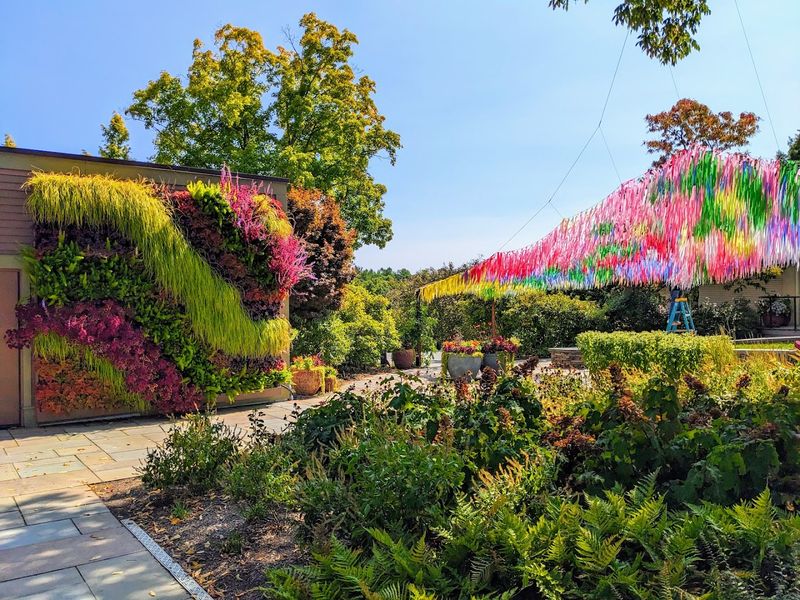
Order and beauty share equal footing in Tower Hill’s formal garden sections. The Lawn Garden stretches out with clean geometric lines and a central grassy corridor flanked by carefully curated planting borders.
The Entry Garden sets the tone from the moment you arrive, welcoming visitors with seasonal color that signals exactly what time of year it is.
Spring at Tower Hill is nothing short of spectacular. Tulips, daffodils, and alliums push up through the soil in waves of color, drawing visitors who make the annual pilgrimage just for bulb season.
Summer transitions the formal beds into a riot of perennials — coneflowers, salvia, phlox, and ornamental grasses that sway gently in the breeze. Each season essentially repaints the same canvas.
What distinguishes Tower Hill’s formal plantings from a typical public park is the depth of horticultural knowledge behind every decision. The garden’s staff and volunteer horticulturists select plants not just for color but for texture, bloom time, fragrance, and ecological value.
The result is planting that looks effortlessly beautiful but reflects years of careful planning and expertise. For gardening enthusiasts, these beds alone are worth the admission price — bring a notebook, because you will want to remember plant names for your own yard.
Naturalistic Spaces and the Inner Park
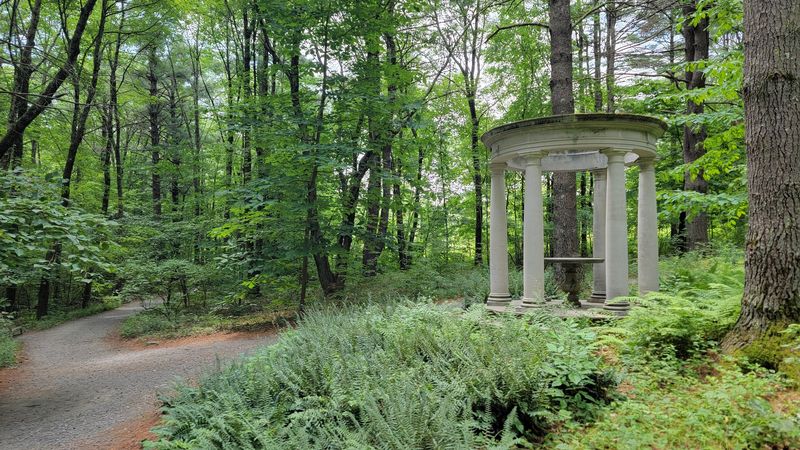
Not everything at Tower Hill is clipped and composed. The Inner Park offers a completely different kind of garden experience — one that feels wild, layered, and wonderfully unpredictable.
Native plant communities grow in naturalistic arrangements that mimic the rhythms of a New England woodland, creating a space that hums with ecological life.
Trilliums carpet the forest floor in spring, their three-petaled blooms appearing like small white stars scattered through the leaf litter. Magnolias burst overhead in clouds of pink and white.
As the season progresses, wildflowers take turns presenting themselves — bloodroot, Virginia bluebells, and wild ginger among them. Birdwatchers find this section particularly rewarding, as the native plantings attract a wide variety of songbirds and pollinators.
The Inner Park rewards repeat visits more than almost any other section of the garden. Because it follows natural seasonal rhythms rather than a planted schedule, what you encounter in April looks completely different from what awaits in June or October.
Children who find formal garden beds a little too tidy tend to come alive here, drawn by the sense of exploration and discovery. Wear comfortable shoes with good grip, as some of the woodland paths can be uneven and slightly sloped after rainfall.
Conservatories and Year-Round Tropical Wonders
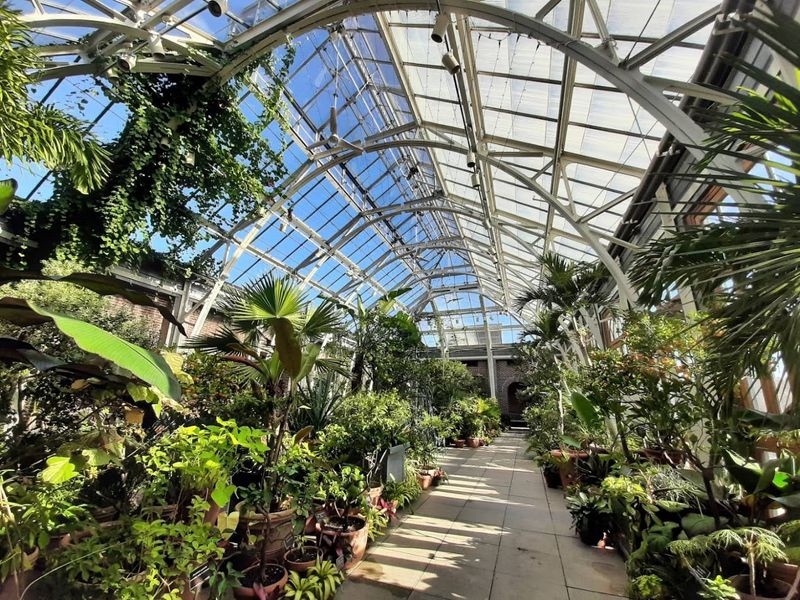
When Massachusetts winters settle in and the outdoor gardens go quiet, Tower Hill’s conservatories become the stars of the show. The Orangerie and Limonaia — elegant glass structures with deep European horticultural roots — shelter subtropical and rare plants that thrive year-round, regardless of what the weather outside is doing.
Stepping into the Orangerie on a January afternoon feels like crossing into another climate zone entirely. The air is warm and faintly fragrant, carrying hints of citrus and tropical foliage.
Orchid exhibitions held in the conservatories are among Tower Hill’s most beloved annual events, drawing visitors who come specifically to admire the extraordinary variety and delicacy of the blooms on display.
The Limonaia, inspired by historic Italian lemon houses, adds a distinctly old-world character to the conservatory experience. Potted citrus trees line the space in a way that evokes Mediterranean garden culture, transporting visitors far beyond central Massachusetts.
For families visiting with young children during colder months, the conservatories offer a genuinely engaging indoor experience that does not feel like a compromise. Orchid lovers, tropical plant enthusiasts, and anyone who simply needs a midwinter dose of green and warmth will find these spaces absolutely restorative and well worth the visit.
Woodland Trails and Scenic Hilltop Views
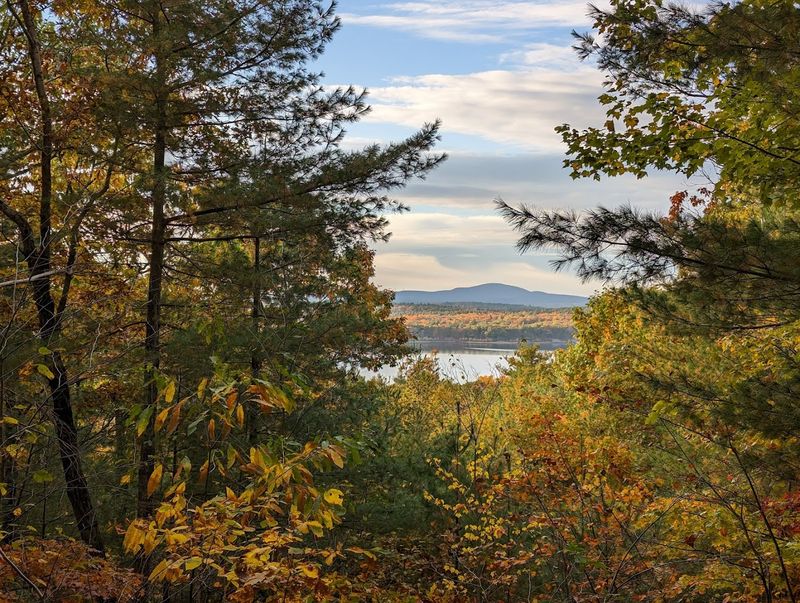
Some of the most rewarding moments at Tower Hill happen not in the planted gardens but out on the trails that wind through the property’s preserved woodlands and open meadows. The garden’s elevated position on a drumlin means that views appear suddenly and dramatically — a flash of reservoir blue through the tree canopy, a sweeping meadow panorama that opens without warning.
The trail network is accessible enough for casual walkers but interesting enough to satisfy more dedicated hikers. Interpretive signage along the way introduces visitors to native tree species, ecological concepts, and the natural history of the drumlin landscape itself.
The combination of education and beauty makes every walk feel genuinely enriching rather than simply recreational.
Fall transforms the woodland trails into something almost otherworldly. Sugar maples, oaks, and birches layer the canopy in shades of crimson, amber, and gold, while the reservoir below catches the reflected colors and doubles the spectacle.
Early morning walks in autumn — before the crowds arrive — offer the kind of quiet, light-filled beauty that stays with you for a long time. Bring binoculars for birdwatching and a sturdy water bottle, especially for summer visits when the trails can feel warm and sheltered from any breeze.
Seasonal Events and Art Installations

Tower Hill is not just a garden — it is a living event space that reinvents itself throughout the calendar year. From elaborate orchid showcases in late winter to outdoor sculpture exhibitions in summer, the garden layers cultural programming on top of its horticultural beauty in ways that keep every visit feeling fresh and relevant.
The annual orchid show is a particular highlight, transforming the conservatories into a dazzling display of rare and exotic blooms that draws enthusiasts from across New England. Summer brings outdoor art installations that place sculptures and creative works directly into the garden landscape, creating unexpected conversations between human creativity and the natural world around it.
Autumn events often celebrate the harvest season and the dramatic foliage changes, while winter programming leans into the cozy, reflective quality of the quieter months. Holiday-themed events, plant sales, educational workshops, and guided tours round out a calendar that gives visitors good reason to return in every season.
Checking the Tower Hill website before your visit is genuinely worthwhile — popular events can sell out quickly, especially on weekends. Members receive advance notice and early access to many events, which is one of the best arguments for investing in a membership if you plan to visit more than twice a year.
Garden Shop, Cafe, and Visitor Comforts
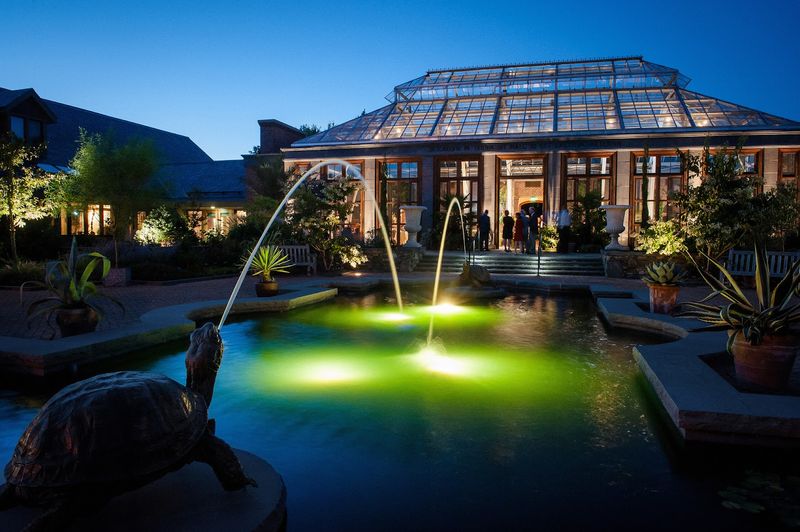
A great botanic garden visit deserves a great meal, and Tower Hill delivers with Farmer and the Fork, the on-site cafe that takes farm-to-table dining seriously. The menu changes seasonally to reflect what is fresh and local, offering everything from light snacks to satisfying lunches that use ingredients sourced from regional farms and the garden itself.
Eating here feels like a natural extension of the garden experience.
The Garden Shop adds another layer of enjoyment to the visit. Stocked with carefully selected plants, botanical art prints, gardening tools, seeds, and books, it is the kind of shop where you go in planning to buy a packet of seeds and emerge forty minutes later with a tote bag full of treasures.
Gifts here are thoughtful, plant-focused, and genuinely different from what you find in a typical retail store.
Practical visitor comforts are well handled throughout the property. Free on-site parking removes one common stress point, and accessible pathways with wheelchairs available on a first-come basis make the garden welcoming to visitors of all mobility levels.
Restrooms are clean and conveniently located. The combination of excellent food, a well-curated shop, and thoughtful facilities means that Tower Hill functions as a full-day destination rather than a quick stop.
Essential Visitor Tips Before You Go
Planning ahead makes a real difference at Tower Hill, especially on busy spring and summer weekends when the garden draws its largest crowds. The garden is located at 11 French Drive in Boylston, Massachusetts, sitting comfortably in the center of the state and roughly an hour’s drive from both Boston and Worcester.
GPS navigation works reliably to the entrance.
General visiting hours run from 10 a.m. to 5 p.m. daily, with last admission at 4:30 p.m. Seasonal closures occur on some major holidays, so checking the official website before your trip is always a smart move.
Admission is tiered by age, with separate pricing for adults, seniors, and children. Members enjoy free admission along with a handful of other perks that make membership a worthwhile investment for frequent visitors.
A few practical tips will improve your experience significantly. Wear sturdy, comfortable walking shoes — the terrain includes slopes, woodland paths, and uneven surfaces.
Bring water, particularly in warmer months, and dress in layers since the hilltop can be breezy even on warm days. Photography enthusiasts should aim for morning visits when light is softer and crowds are thinner.
Most importantly, give yourself at least three to four hours — Tower Hill rewards those who take their time and wander without a fixed agenda.