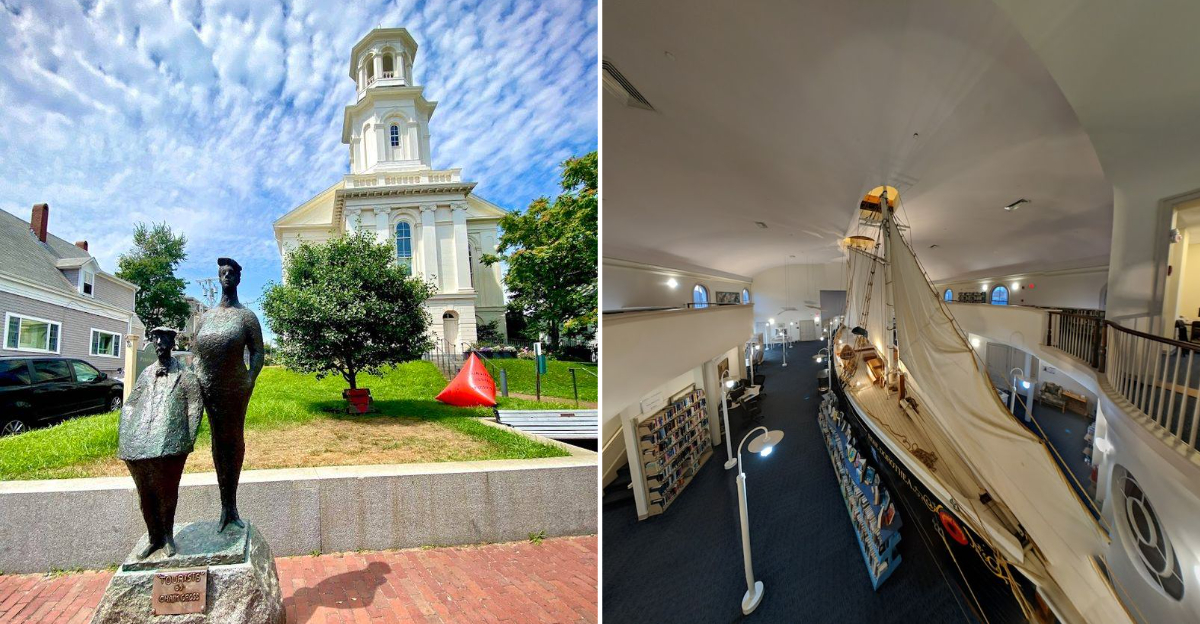
Picture walking into a library and finding yourself face-to-face with a massive sailing ship. The Provincetown Public Library offers exactly that kind of surprise, housed inside a beautiful church built back in 1860.
What started as a Methodist meetinghouse transformed into one of the most unique libraries in Massachusetts, complete with a half-scale schooner that became a permanent resident because it was simply too large to fit through the doors. This isn’t just a place to check out books; it’s a destination where history, architecture, and maritime heritage come together under one soaring roof.
A Sacred Space Transformed Into a Literary Haven
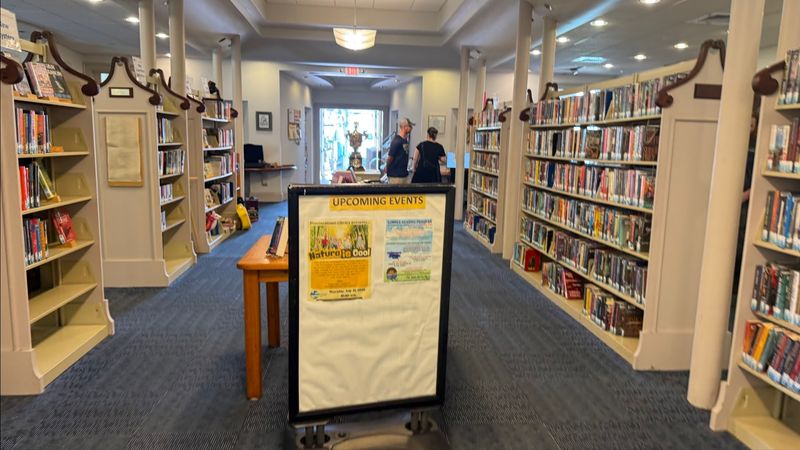
Churches have a way of making you look up, and this 1860 structure still commands that same sense of awe today. Built as the Centre Methodist Episcopal Church, the building served Provincetown’s spiritual community for over a century before finding new purpose.
The high ceilings and Gothic Revival architecture that once echoed with hymns now shelter readers and learners.
Walking through those doors feels like stepping between two worlds. The original hardwood floors creak with stories from both incarnations of the building.
Tall, arched windows that once let light pour onto pews now illuminate reading nooks and computer stations.
The transformation happened in 2005 when the library moved from its cramped former location. Architects worked carefully to preserve the church’s character while modernizing it for 21st-century library needs.
Original architectural details blend seamlessly with contemporary additions like climate control and accessibility features.
Today, the building stands as a testament to adaptive reuse done right. The sacred space that once brought a community together for worship now brings them together for learning, connecting, and discovering.
That sense of gathering and community purpose never left these walls.
The Rose Dorothea: A Ship Frozen in Time
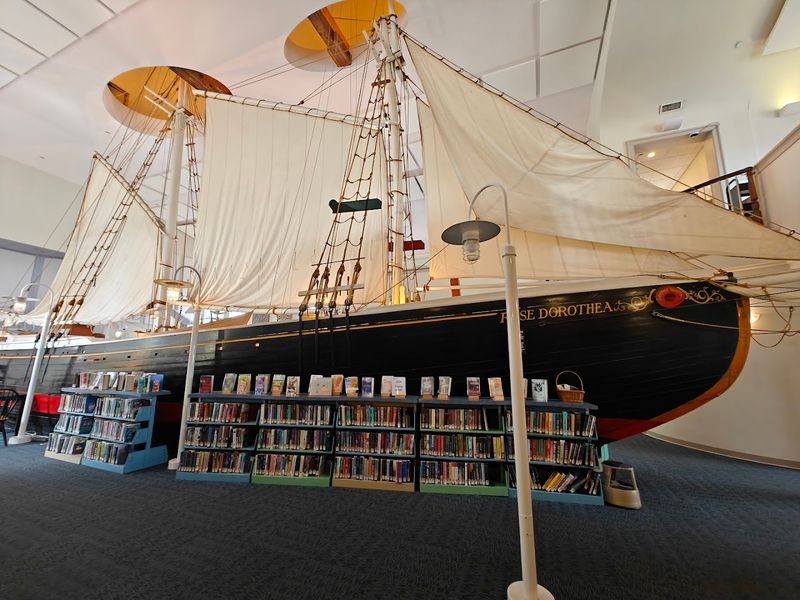
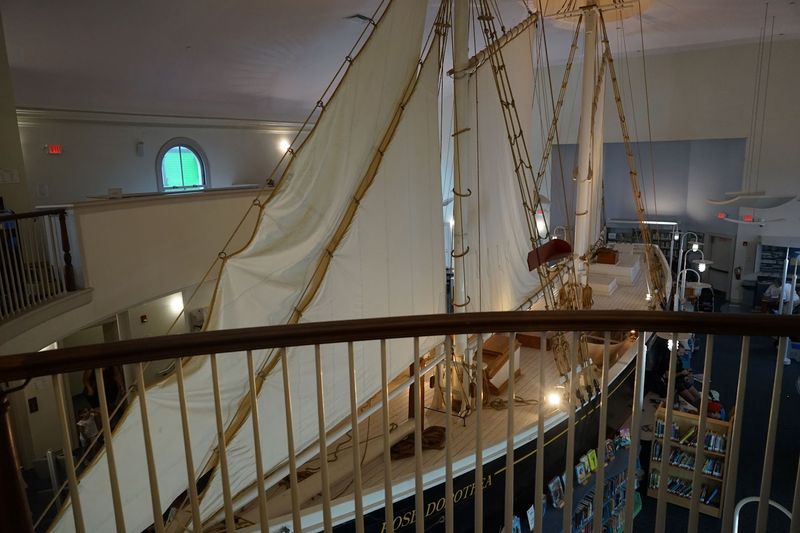
Most libraries have a centerpiece sculpture or painting. This one has a fifty-foot schooner with billowing sails reaching toward the rafters.
The Rose Dorothea isn’t just any boat model—it’s a half-scale replica of the legendary Grand Banks fishing schooner that won the Lipton Cup race in 1907, bringing glory to Provincetown’s maritime community.
Built by master shipwright Flyer Santos, the model took years to complete with meticulous attention to historical accuracy. Every rope, sail, and timber reflects the craftsmanship of early 20th-century boat building.
Santos used traditional techniques and materials to ensure authenticity, making this more than just a display piece—it’s a floating history lesson.
The schooner dominates the library’s second floor, positioned where the church’s balcony once stood. Children gaze up in wonder while adults appreciate the intricate rigging and period details.
Information plaques surrounding the vessel tell stories of Provincetown’s fishing heritage and the brave souls who worked these waters.
Standing beneath those sails creates an almost visceral connection to the town’s seafaring past. You can almost smell the salt air and hear the creaking timbers.
This isn’t just maritime memorabilia—it’s Provincetown’s heart preserved in wood and canvas.
Why the Ship Can Never Leave
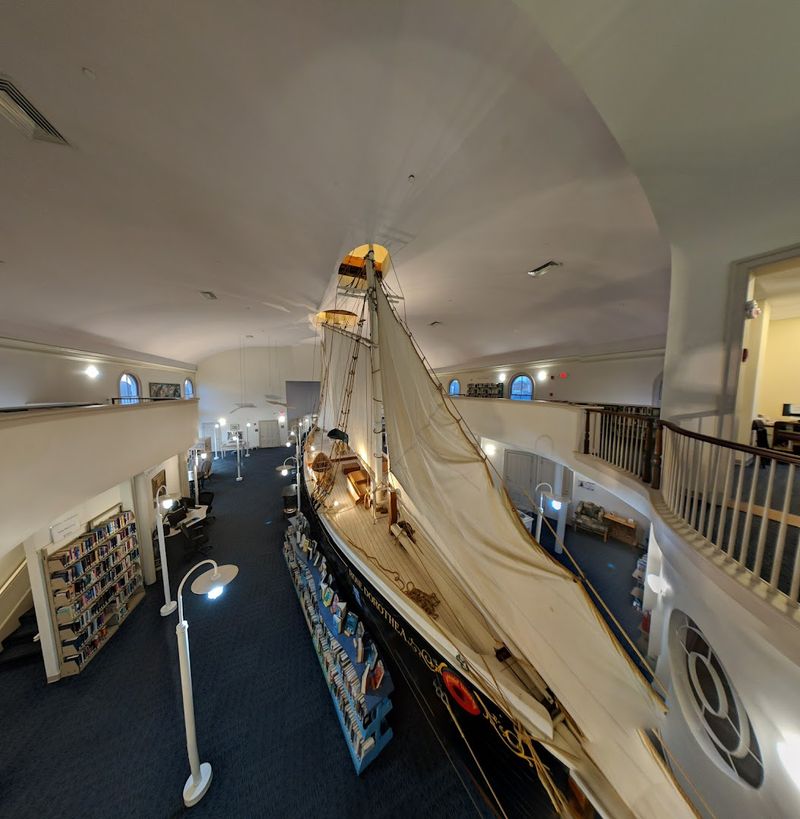
Here’s where the story gets interesting. When Flyer Santos built the Rose Dorothea inside the newly renovated library, he had grand plans and careful measurements.
But somewhere between vision and reality, the boat grew beyond anyone’s expectations. By the time he finished, the schooner had become a permanent fixture—literally too wide and tall to fit through any doorway or down any staircase.
This wasn’t an accident born of carelessness but rather one of passion. Santos became so engrossed in perfecting every detail that the model expanded beyond its original dimensions.
The masts reached higher, the hull stretched longer, and before anyone fully realized it, the ship had claimed its forever home.
Library officials briefly considered removing windows or cutting holes in walls for extraction. Those ideas were quickly abandoned as impractical and potentially damaging to the historic building.
So the Rose Dorothea stayed, becoming an inseparable part of the library’s identity.
Some might call it a mistake, but visitors call it perfect. The trapped ship has become the library’s most beloved feature, drawing tourists and residents alike.
What could have been an embarrassing oversight instead created an unforgettable attraction that defines this remarkable space.
Panoramic Views That Rival Any Observation Deck
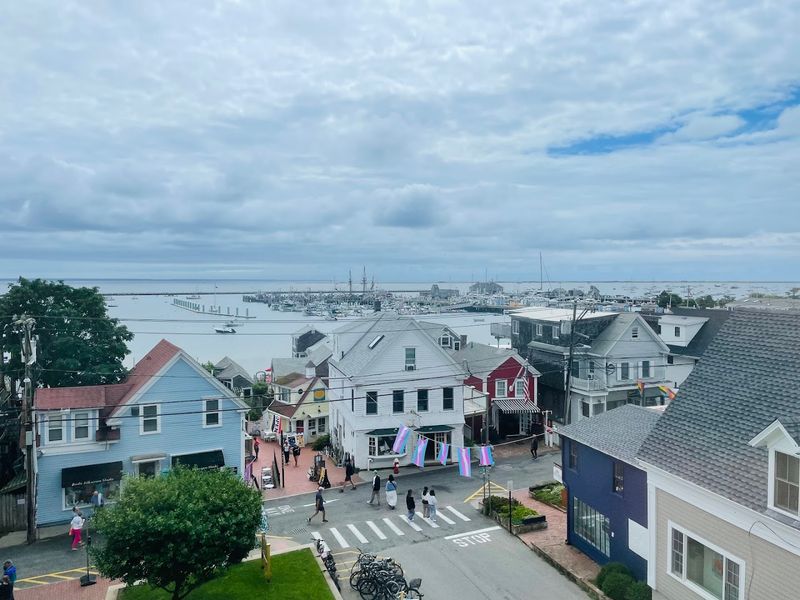
Forget expensive harbor cruises—the library’s upper floors offer some of the best water views in Provincetown without costing a dime. Floor-to-ceiling windows frame Provincetown Harbor like living paintings that change with the weather, seasons, and time of day.
Sailboats drift past while fishing vessels head out for their daily catch.
The third floor, in particular, features strategically placed armchairs that face these windows. Visitors settle in with books and stay for hours, occasionally glancing up to watch the maritime ballet unfolding on the water.
Morning light streams through the eastern windows, while afternoon sun warms the western reading areas.
These views connect the library to Provincetown’s essence as a working waterfront community. You might spot commercial fishing boats, recreational sailors, whale watching vessels, or the ferry arriving from Boston.
The constantly changing scenery provides better entertainment than any television could offer.
Local remote workers have discovered these window spots as premium workspace locations. The combination of natural light, inspiring views, and quiet atmosphere makes productivity almost effortless.
Even on gray, foggy days, watching the mist roll across the harbor creates a meditative backdrop for reading or working.
Tourists often visit specifically for the views, treating the library as a free observation deck with the bonus of air conditioning and comfortable seating.
Where Young Imaginations Set Sail
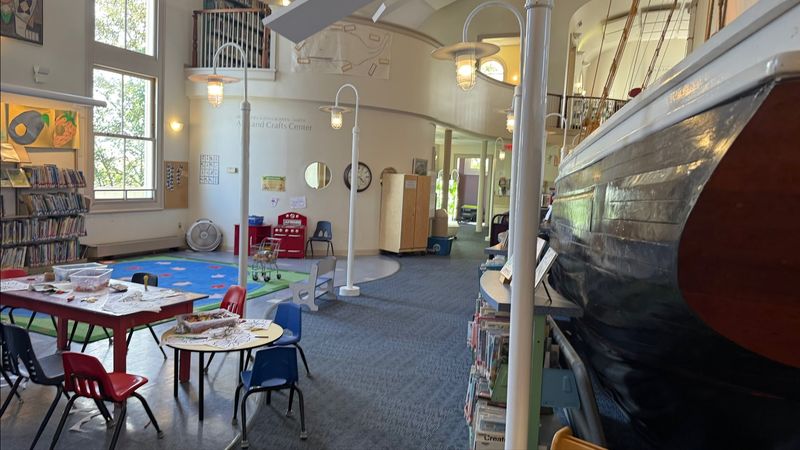
Children burst through the library doors with excitement usually reserved for playgrounds and ice cream shops. The kids’ section transforms reading time into adventure time with pop-up books that leap off pages, a wooden play kitchen where little chefs create imaginary feasts, and a dress-up corner stocked with costumes that turn ordinary afternoons into theatrical productions.
Educational computers offer age-appropriate games that make learning feel like playing. Meanwhile, the dedicated art and craft area comes equipped with a child-sized table, colorful chairs, and a sink for cleanup.
Parents appreciate not worrying about paint-stained carpets at home.
But the real magic happens when kids discover the massive schooner looming overhead. Their eyes go wide as they crane their necks to take in the towering masts and billowing sails.
Suddenly, they’re not in a library anymore—they’re sailors on a grand adventure across dangerous seas.
A small nursing area adjacent to the children’s section provides privacy for parents with infants. The thoughtful design considers families’ practical needs while maintaining the whimsical atmosphere.
Story times and children’s programs regularly fill these spaces with laughter and learning.
Restrooms large enough for strollers ensure even the youngest visitors can navigate comfortably. Everything about this space welcomes families rather than merely tolerating them.
An Architectural Ascent Worth Taking
Staircases in most buildings serve purely functional purposes—ways to get from point A to point B. The Provincetown Public Library’s main staircase, however, makes the journey as memorable as the destination.
Original hardwood stairs gleam from decades of careful maintenance, their rich patina telling stories of countless footsteps ascending toward knowledge and discovery.
These aren’t just stairs; they’re a transition zone between the everyday world and the extraordinary. Each step upward builds anticipation for the Rose Dorothea reveal awaiting on the second floor.
First-time visitors often pause midway, having caught their first glimpse of the ship’s masts rising above.
The staircase preserved much of its church-era character, including sturdy banisters that have supported generations of climbers. Modern safety features integrate subtly without diminishing the historical aesthetic.
Photographers love capturing the interplay of light streaming through tall windows onto the aged wood.
For elderly visitors or those with mobility challenges, the library provides elevator access. But those who can manage the stairs often prefer this route for the experience itself.
The ascent feels ceremonial, like climbing into history rather than just reaching a different floor.
Kids race up excitedly while adults take their time, savoring the craftsmanship evident in every detail. This staircase transforms a simple architectural necessity into an event.
Borrowing More Than Just Books
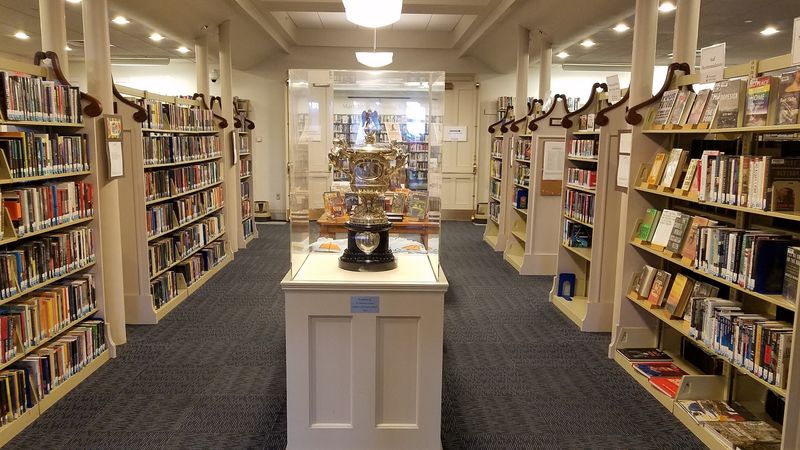
Need a power drill for the weekend? What about a slow cooker for tomorrow’s dinner party?
Most people assume libraries only lend reading materials, but Provincetown’s library took the concept of community sharing to a whole new level. Their household items lending program stocks everything from kitchen gadgets to basic tools, making them available to anyone with a library card.
This initiative addresses a real community need. Not everyone owns every specialized tool or appliance they might occasionally require.
Buying items for one-time use wastes money and creates clutter. The library’s lending program offers a sustainable, economical alternative.
The collection includes cake pans, beach equipment, gardening tools, and various kitchen appliances. Each item gets cataloged and tracked just like books, with due dates and condition checks.
Borrowers sign agreements to return items clean and undamaged.
This program particularly benefits seasonal residents and tourists who might need something during their Provincetown stay without wanting to transport it from home. It also helps year-round residents tackle projects without investing in equipment they’ll rarely use.
The lending library concept strengthens community bonds by encouraging resource sharing over individual ownership. It’s yet another way this library innovates beyond traditional expectations while serving practical needs.
Who knew borrowing a waffle iron could feel revolutionary?
Gothic Revival Meets Modern Functionality
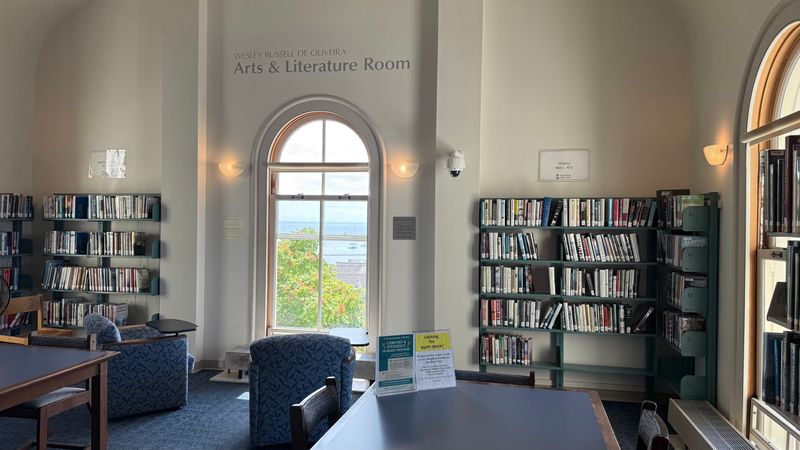
Adaptive reuse projects often struggle to balance preservation with modernization. Go too far preserving, and the space becomes a museum rather than a functional facility.
Lean too heavily into contemporary design, and you lose the soul that made the building special. Provincetown Public Library achieved something rare—perfect equilibrium between honoring the past and serving present needs.
Original Gothic Revival elements remain prominent throughout. Pointed arch windows, soaring ceilings, and exposed beams provide architectural drama that no modern building could replicate.
Meanwhile, contemporary additions like climate control, modern lighting, and technology infrastructure integrate so seamlessly they almost disappear.
The challenge involved updating systems while respecting historical integrity. New ductwork hides within existing structures.
Modern electrical wiring follows original architectural lines. Accessibility ramps and elevators add functionality without disrupting the building’s aesthetic flow.
Wood restoration specialists painstaking refinished original floors and trim, bringing out natural beauty dulled by decades of wear. Windows received sensitive repairs that maintained their period appearance while improving energy efficiency.
Every decision balanced practical requirements against historical preservation principles.
Visitors often can’t identify which elements are original and which are carefully matched additions. That seamlessness represents the project’s greatest success.
The building feels simultaneously historic and current, honoring its Methodist origins while fully embracing its library future.
Community Programs That Bring People Together
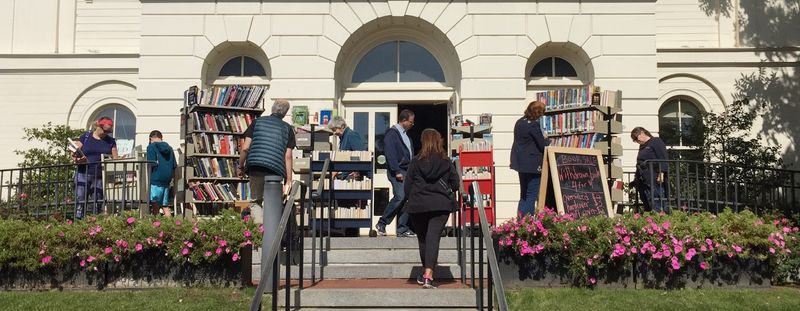
Buildings become beloved not just for their architecture but for the memories created within their walls. Wednesday movie nights at the library have become local traditions, bringing neighbors together for classic film screenings.
These aren’t polished Hollywood blockbusters but rather thoughtfully selected titles that spark conversation and reflection.
Children’s story hours fill the space with giggles and wonder. Local authors host readings and book signings.
Art exhibits showcase work from Provincetown’s thriving creative community. Educational workshops teach everything from digital literacy to local history.
The library serves as Provincetown’s unofficial community center, a neutral gathering space welcoming everyone regardless of background or circumstance. During harsh winter months when tourism slows, these programs provide crucial social connections for year-round residents.
They combat isolation while strengthening neighborhood bonds.
Remote workers have discovered the library as a productive workspace with the bonus of human interaction. Unlike solitary home offices, working here creates opportunities for casual conversations and unexpected friendships.
The communal atmosphere encourages connection without demanding it.
Special events celebrating Provincetown’s LGBTQ+ heritage reflect the library’s commitment to inclusive programming. The building’s transformation from conservative church to welcoming public space mirrors the town’s own evolution.
Every program reinforces the message that this space belongs to everyone.
The Tourist Stop That Locals Love Too
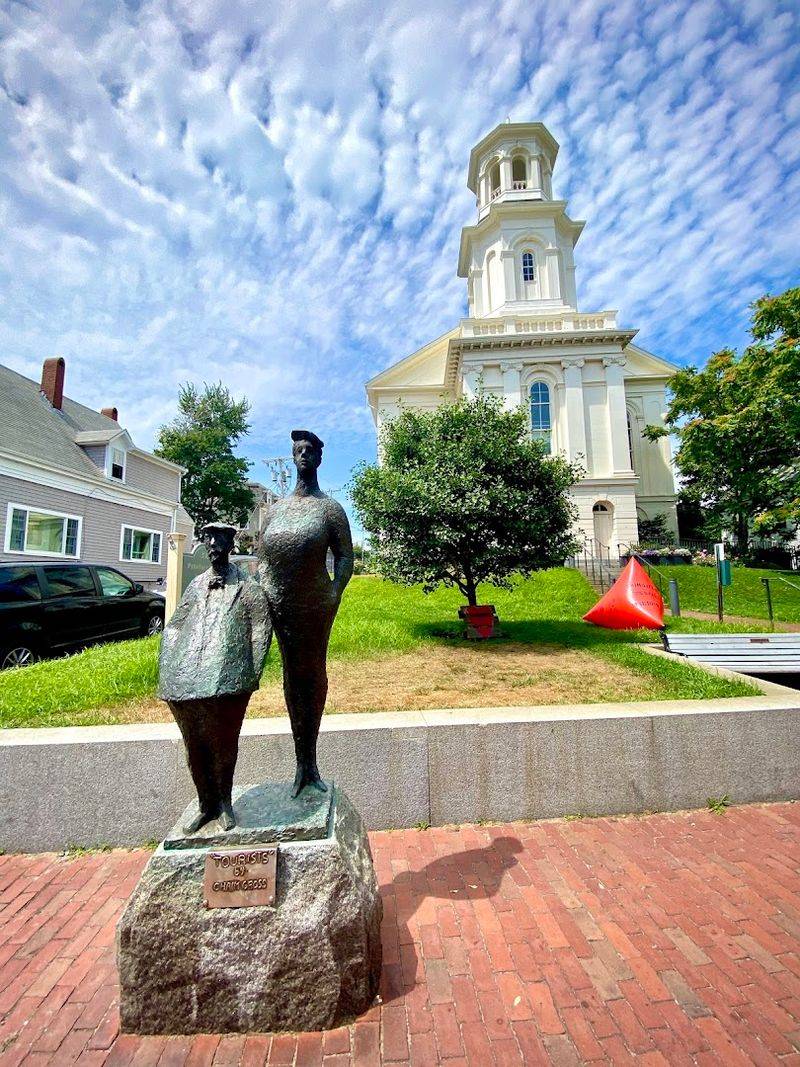
Summer tourists flood Commercial Street by the thousands, seeking authentic Provincetown experiences beyond t-shirt shops and fudge stores. Many discover the library by accident while searching for clean public restrooms—yes, all three floors have them, and they’re reliably maintained.
What begins as a practical pit stop often becomes the highlight of someone’s visit.
The library welcomes non-residents enthusiastically. While only Massachusetts residents can obtain borrowing privileges, everyone can enjoy the building, views, and especially the Rose Dorothea.
Friendly staff members cheerfully answer questions and share the ship’s story with first-time visitors.
Tour groups regularly include the library on their itineraries, treating it as both cultural attraction and convenient rest stop. Air conditioning provides welcome relief during humid summer days.
Free Wi-Fi lets visitors check messages or share photos on social media. Comfortable seating invites people to linger rather than rush through.
What makes this special is how locals and tourists coexist peacefully. Unlike some Provincetown hotspots where crowds overwhelm, the library maintains calm atmosphere even during peak season.
Respectful visitors instinctively lower their voices and move thoughtfully through the space.
The library’s multiple identities—historic building, functional library, tourist attraction, community center—somehow enhance rather than conflict with each other. Everyone finds something meaningful here, whether they’re researching local history or simply escaping the midday heat.