One step into this Iowa flea market, and your sense of time might disappear.
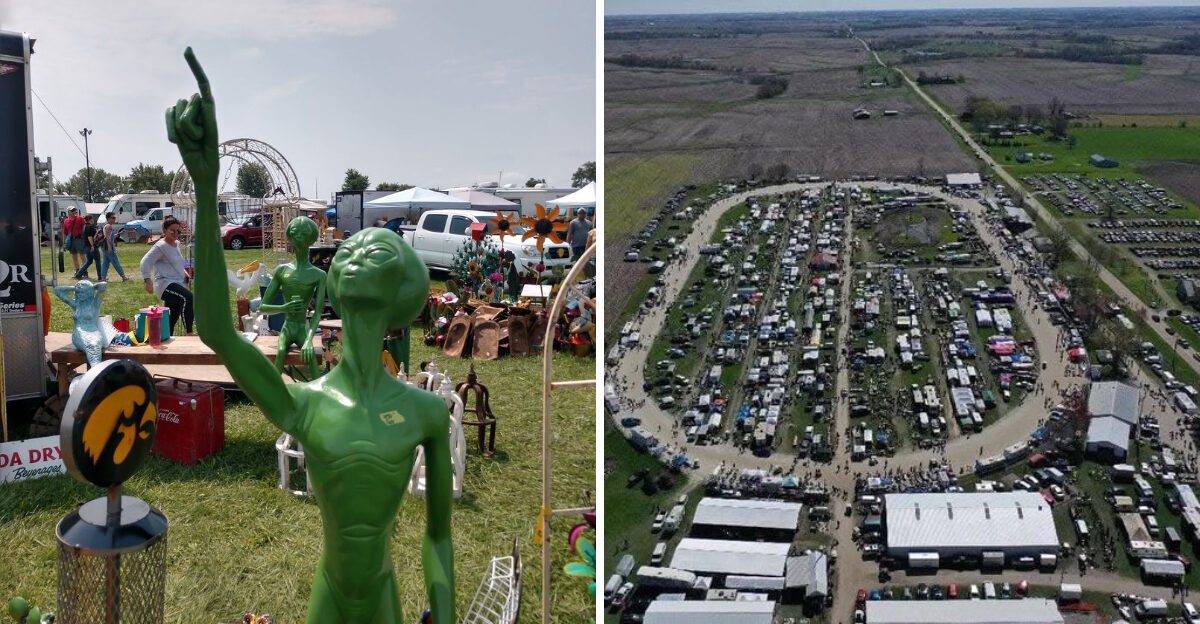
In tiny What Cheer, the fairgrounds come alive with 20 acres of booths, tents, buildings, and outdoor displays overflowing with treasures.
From antique furniture and vintage signs to baseball cards and quirky collectibles, there is always something begging for a closer look.
The What Cheer Flea Market has earned a loyal following among collectors and bargain hunters who love the thrill of finding something unexpected.
You can wander one row looking for an old piece of décor and suddenly spot a rare collectible you never knew you wanted.
Come hungry for bargains and ready to wander, because this sprawling Iowa tradition makes it easy to spend hours searching for that perfect find.
Twenty Acres of Endless Discovery
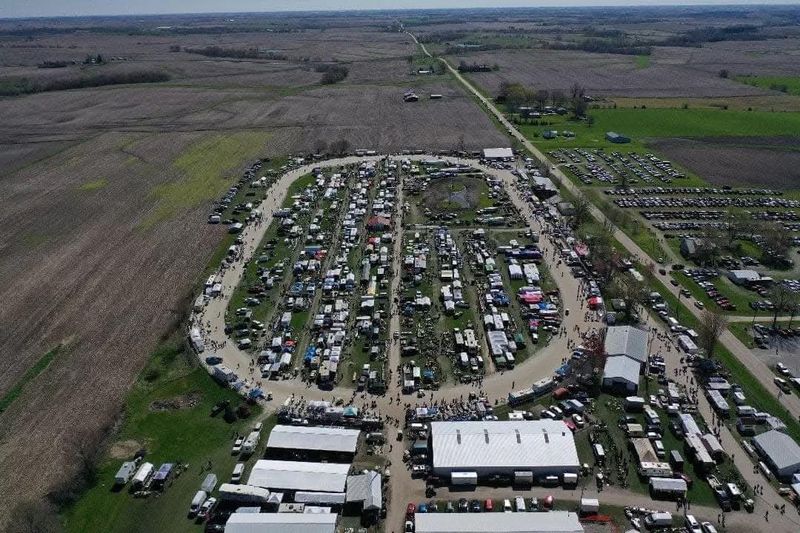
Most roadside flea markets fit into a parking lot or a single field. What Cheer is a completely different experience.
The market spreads across roughly 20 acres of the Keokuk County Fairgrounds, creating an outdoor shopping adventure that seems to go on forever.
Row after row of vendor booths fill the open spaces. Tents pop up between permanent buildings.
Outdoor displays stretch in every direction, making it nearly impossible to see everything in just a few hours.
Walking from one end of the market to the other takes real time and effort. Many first-time visitors underestimate just how much ground they need to cover.
Serious shoppers should plan to spend most of the day exploring if they want to see what every vendor has to offer.
The sheer size means you can wander for hours and still discover new sections you missed. That sense of endless possibility is exactly what keeps treasure hunters coming back year after year.
Antiques and Oddities Waiting to Be Found
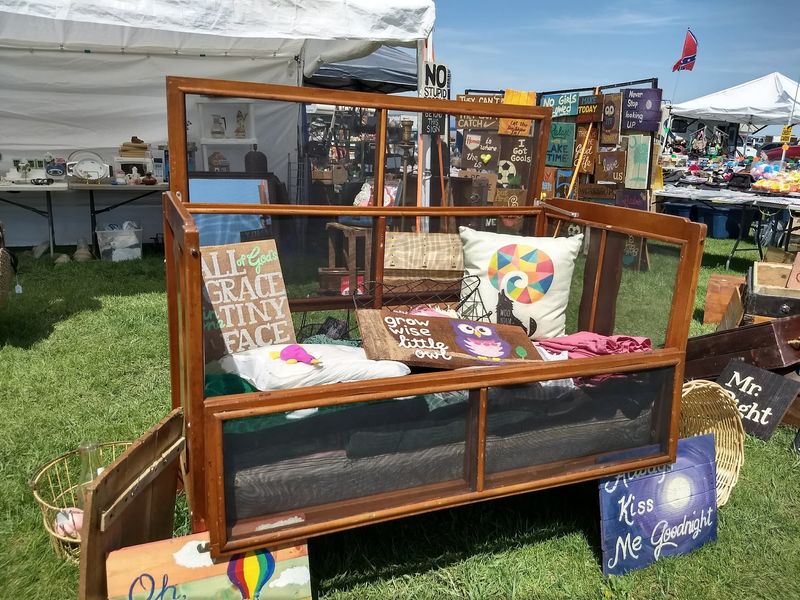
Forget the mass-produced items you see at regular stores. This market specializes in the kind of stuff that makes collectors stop in their tracks.
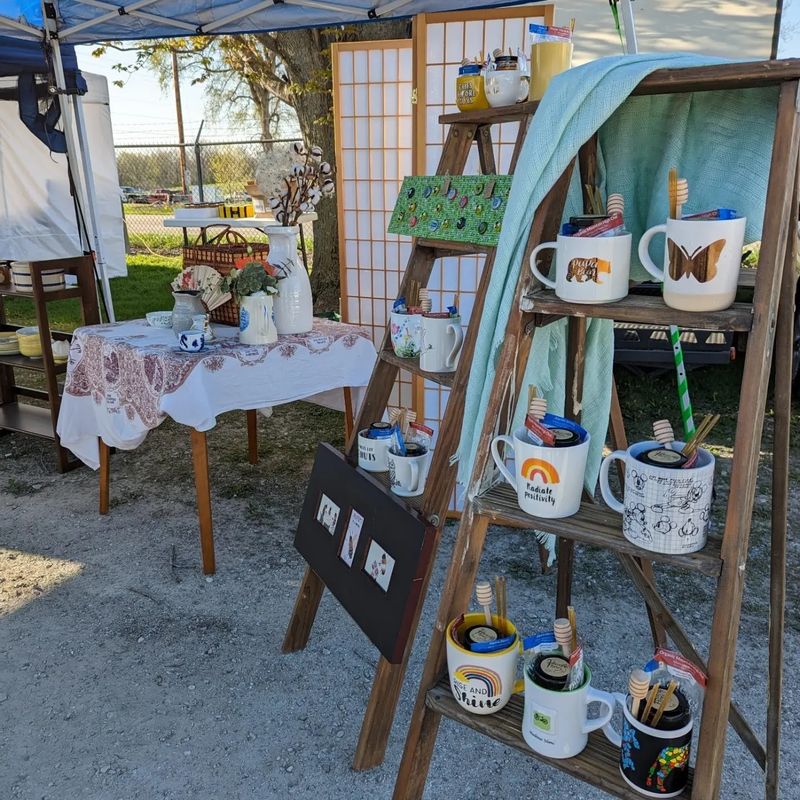
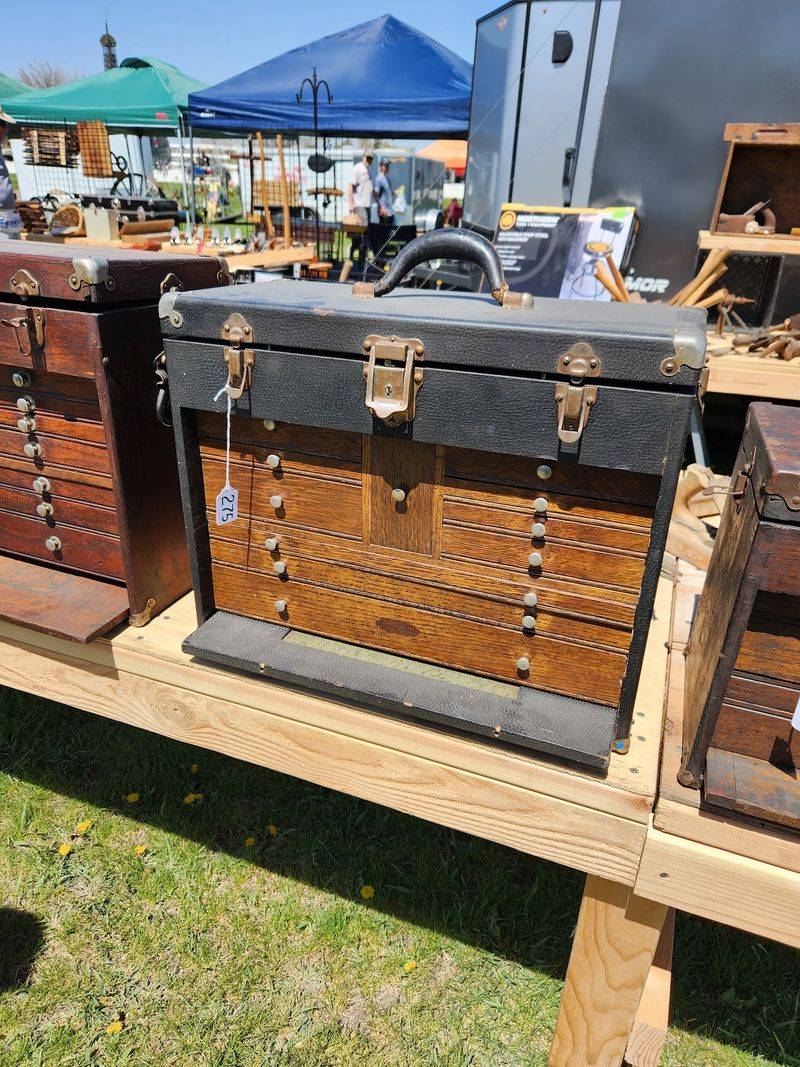
Vendors bring antiques, primitives, vintage glassware, old postcards, rare coins, and stamps that you simply cannot find anywhere else.
One booth might feature jewelry from decades past. Another overflows with military memorabilia or baseball cards in dusty binders.
Farm tools that grandfathers once used hang alongside furniture that survived multiple generations.
Shoppers who love the thrill of discovery will find plenty to get excited about. The market attracts vendors who understand what serious collectors want, so the quality and variety tend to be higher than your average weekend sale.
Every table and shelf holds the possibility of finding something genuinely special.
Whether you collect specific items or just enjoy browsing unusual objects, the selection here goes far beyond typical flea market fare. That unusual piece you have been searching for might be waiting under a tent in What Cheer.
Four Hundred Vendors Under One Sky
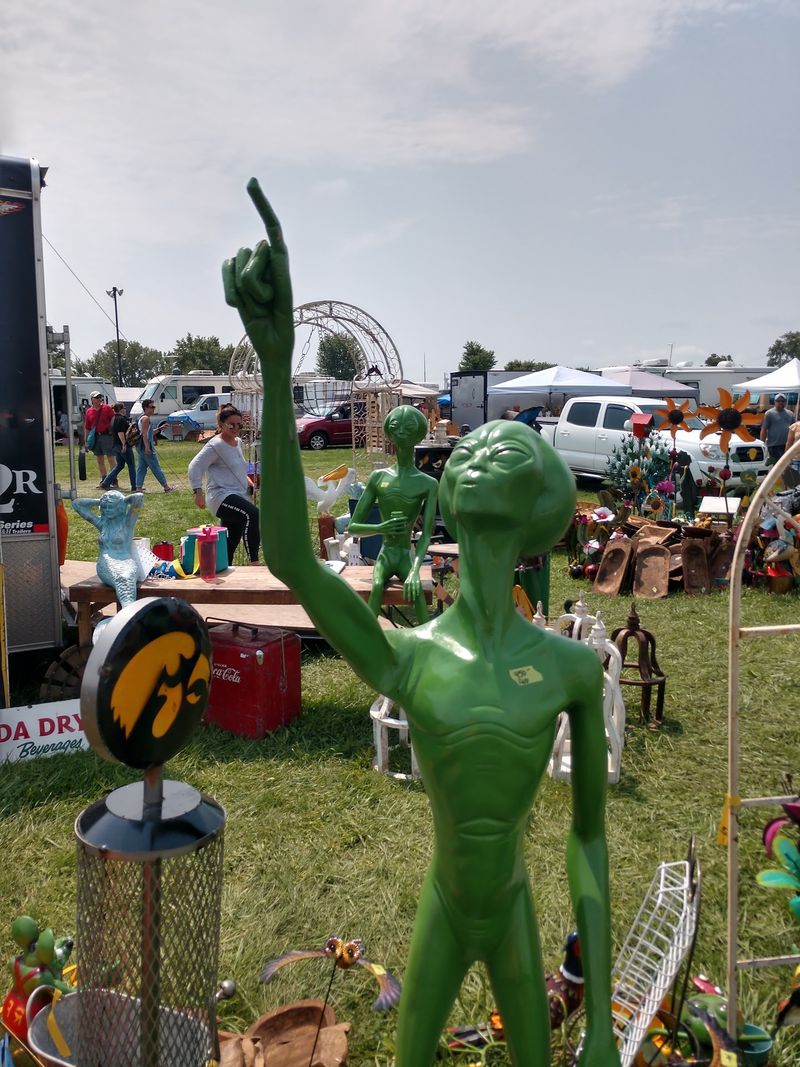
With more than 400 vendors setting up shop, no two booths look quite the same. One seller might specialize in vintage home décor while the neighbor focuses entirely on farm relics or forgotten tools.
Walk a few steps further and you will find furniture, toys, books, or something completely unexpected.
That variety keeps the experience fresh. You never quite know what the next row will bring, which is part of the fun.
Some vendors have been coming for years and know their specialties inside and out.
Others bring random collections of whatever they found cleaning out attics and barns. Both types of sellers add to the market’s character, creating a shopping environment where surprises wait around every corner.
The sheer number of vendors also means you can compare similar items and prices before making a decision.
If one seller wants too much for a piece of glassware, you might find a better deal three booths down. That competition benefits shoppers and keeps the market feeling dynamic and interesting from start to finish.
Indoor Hunting When Weather Turns
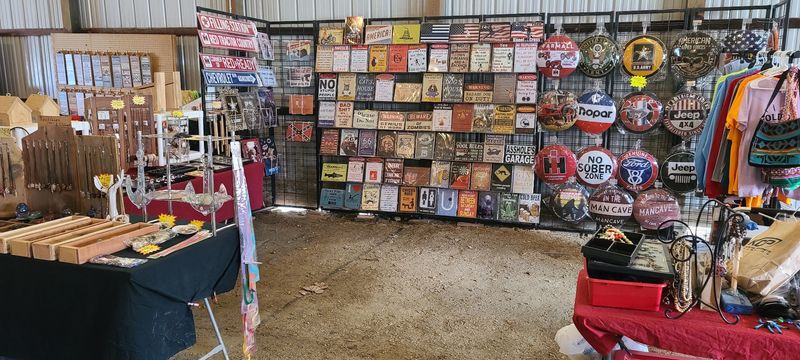
Rain, heat, and unpredictable Midwestern weather do not have to ruin your treasure hunt. The market uses seven buildings and covered areas in addition to all the outdoor spaces, giving shoppers plenty of options when the sun gets too intense or clouds roll in.
Those indoor areas are not just backup plans. Many vendors prefer setting up inside where their merchandise stays protected from the elements.
Delicate items like glassware, paper goods, and antiques often end up in the buildings, making them worth visiting regardless of the weather.
On hot summer days, the covered spaces offer welcome relief. During rainy spring or fall markets, you can keep shopping without getting soaked.
The buildings add square footage to an already massive market, ensuring that even if half the outdoor booths close down in a storm, you still have hours of browsing ahead.
Smart shoppers take advantage of both the outdoor and indoor sections. Together, they create a shopping experience that works in almost any weather condition.
Haggling Is Half the Fun
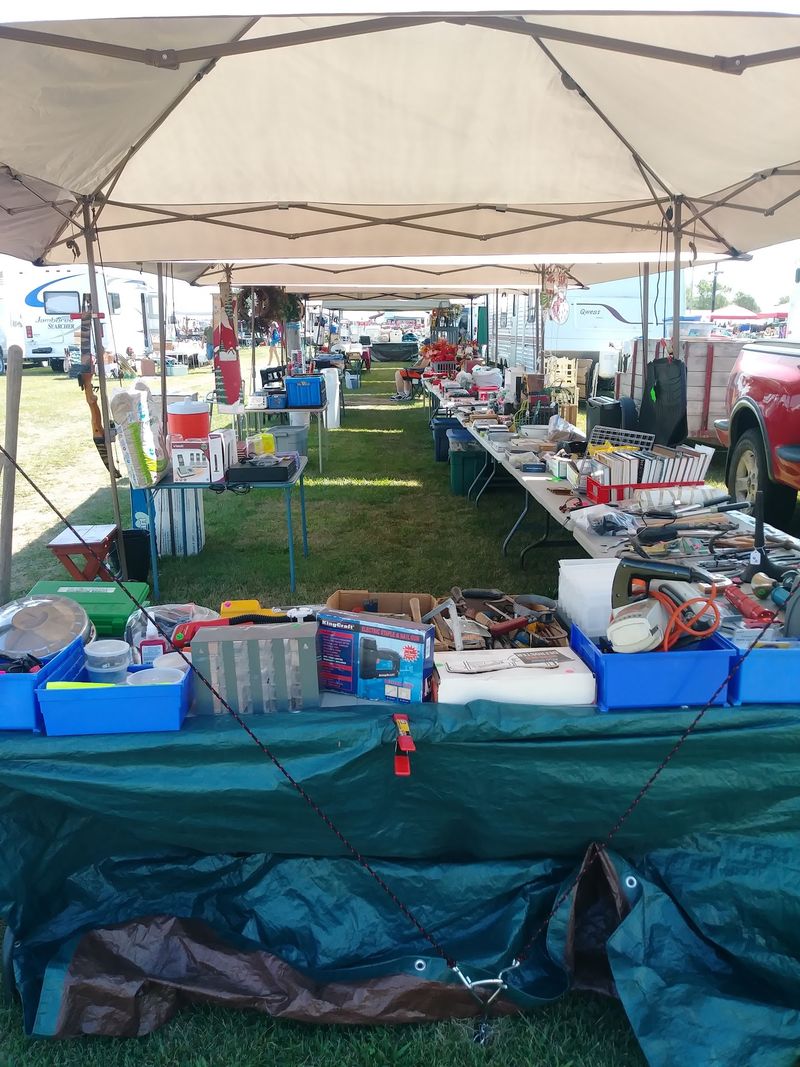
Walking through with a fixed budget and an open mind can turn shopping into a game. Flea markets thrive on negotiation, and What Cheer is no exception.
Most vendors expect some back-and-forth conversation about price, especially if you are buying multiple items or making a larger purchase.
The market’s size works in your favor here. When hundreds of sellers offer similar goods, you can compare prices and quality before committing.
Spotted a vintage lamp at one booth but think the price seems high? Walk around and see what others are asking.
Vendors know shoppers are doing this, which often makes them more willing to work out a fair deal. Polite bargaining shows respect for both the seller and the merchandise.
Most vendors genuinely want their items to find good homes and will consider reasonable offers.
That interaction adds a personal touch to the experience that online shopping can never match. Finding a treasure and negotiating a great price creates memories that last longer than the item itself.
Pick Your Day, Pick Your Crowd
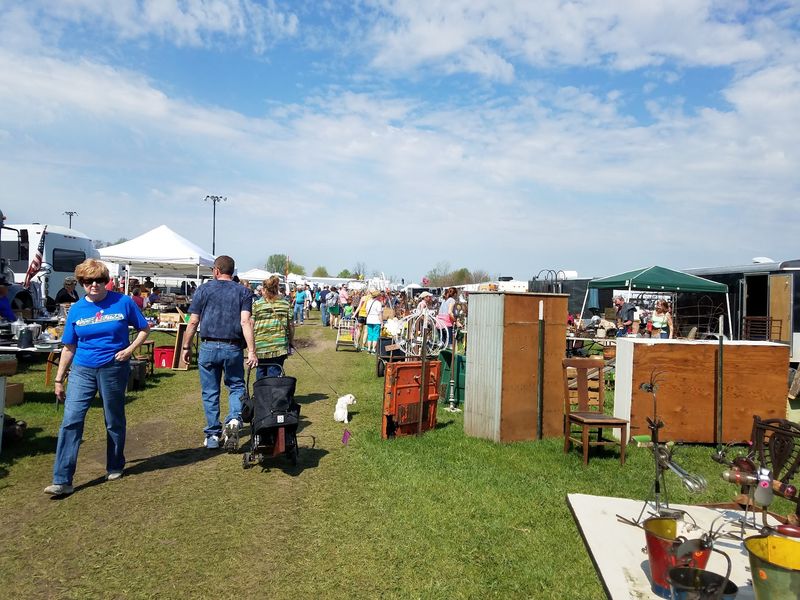
Saturday brings the biggest crowds. Parking lots fill up quickly, lines form at popular booths, and the energy level stays high all day.
Shoppers who love the buzz of a busy market will find Saturday delivers exactly that atmosphere.
Friday offers a middle ground. Serious collectors often arrive early on Friday to grab the best items before the weekend rush.
The crowd stays manageable, and vendors still have their full inventory available. Sunday tends to be the quietest day.
Some vendors start packing up early on Sunday afternoon, but the reduced crowds mean more relaxed browsing and easier conversations with sellers. Admission is free on Sunday, which helps offset the smaller selection.
Thursday sees even lighter traffic, with early birds getting first pick at everything.
Each day has advantages depending on what kind of experience you want. If scoring the absolute best deals matters most, arriving early in the weekend gives you the widest selection and strongest bargaining power before the choice items disappear.
Wear Your Walking Shoes
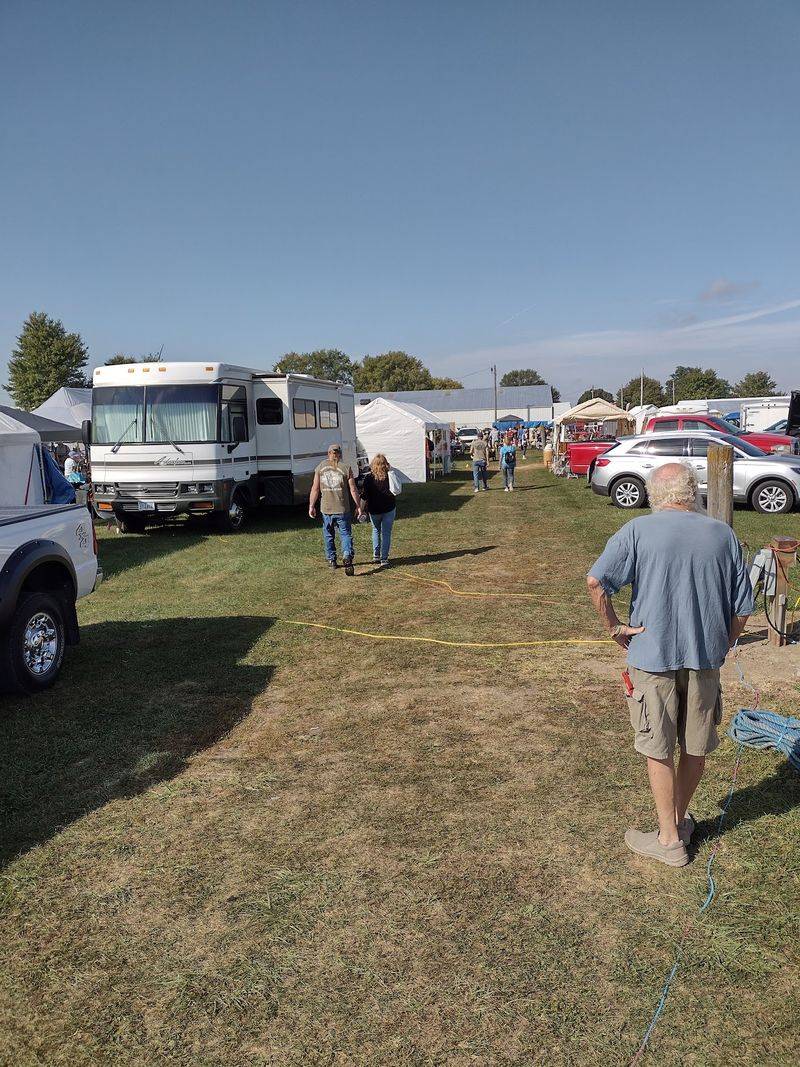
Comfortable footwear is not optional at What Cheer. You will cover serious ground walking between hundreds of vendor booths spread across acres of fairgrounds.
Sneakers or supportive walking shoes make the experience far more enjoyable than sandals or dress shoes ever could.
Sunscreen matters too, especially during summer markets when shade can be hard to find. A hat helps protect your face and keeps you cooler.
Bringing your own water bottle saves money and keeps you hydrated throughout the day.
Many experienced shoppers arrive with wagons, carts, or sturdy bags for carrying purchases. Trying to juggle multiple items while continuing to shop gets awkward fast.
Having something with wheels lets you keep treasure hunting even after you have found several pieces you want to take home.
The market is not designed for quick visits. Planning for a long day and bringing the right supplies makes the experience comfortable rather than exhausting.
Your feet will thank you after hours of wandering, and you will be glad you came prepared.
Nearly Five Decades of Treasure Hunting
What started in 1976 has grown into a Midwestern institution. The market has been bringing buyers and sellers together for nearly 50 years, building a reputation that draws people from states away.
That history adds weight to the experience, knowing you are participating in a tradition that has survived economic changes, shifting shopping habits, and everything else the last five decades threw its way.
The 2026 season marks the event’s 50th anniversary. That milestone celebration will likely bring extra excitement and possibly special events to an already established treasure-hunting destination.
Vendors who have been coming for decades remember when the market was much smaller.
Their loyalty speaks to how well the event treats sellers and maintains its quality. First-time visitors become regulars once they see what makes What Cheer different from newer, flashier alternatives.
The market has stayed true to its roots while adapting enough to remain relevant in modern times.
That balance between tradition and evolution is rare and valuable in a world where everything seems temporary.
Everything You Need to Know Before You Go
The market sets up at the Keokuk County Fairgrounds, 13061 170th Street, What Cheer, IA 50268. The 2026 dates are April 30 through May 3, July 30 through August 2, and October 1 through 4, giving you three chances to visit throughout the year.
Gates open at 7 a.m., but official shopping hours start at 8 a.m. Thursday.
Friday and Saturday markets run from 7 a.m. to 5 p.m. Sunday wraps up earlier at 2 p.m.
Admission costs $7 on Thursday, drops to $5 Friday and Saturday, and becomes free on Sunday, making that last day especially budget-friendly.
Parking is not available on the fairgrounds themselves. Look for designated parking lots outside all three gates.
Walking from the lots to the entrance adds a few minutes but keeps vehicle traffic manageable inside the market.
Bring cash since not all vendors accept cards. Your comfortable shoes, sunscreen, and wagon or cart will make the long day much easier.
Planning ahead ensures you arrive ready to enjoy everything this massive market has to offer.