Nestled in the heart of Pittsburgh sits a massive 644-acre park that defies everything you think you know about city parks. Frick Park offers dense forests, winding trails, and wildlife that make you forget you’re surrounded by urban neighborhoods.
Whether you’re looking for a peaceful hike, a place for your dog to run free, or just an escape from city life, this park delivers an experience more like a hidden wilderness than a typical city green space. Get ready to explore ten amazing features that make Frick Park one of Pittsburgh’s most treasured natural gems.
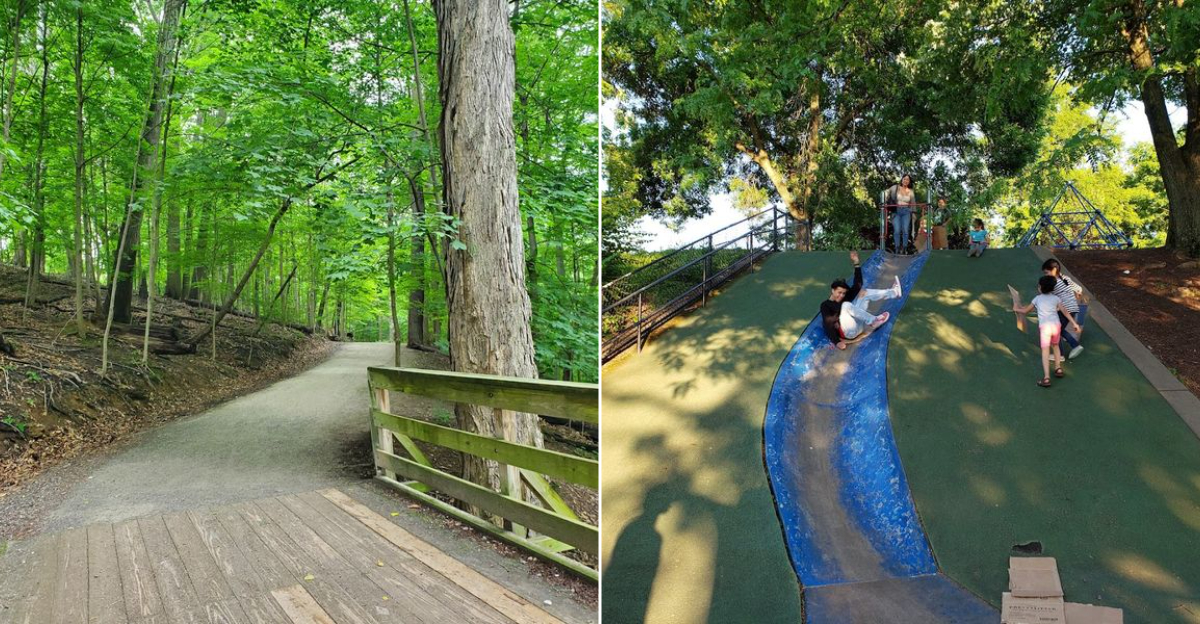
Miles of Unpaved Trails Wind Through Dense Forest
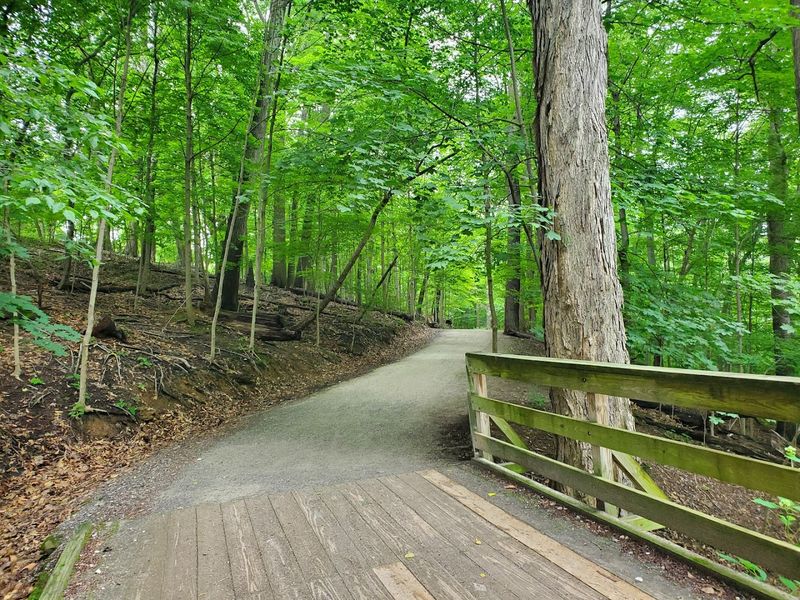
Walking into Frick Park feels like stepping into a completely different world. The trail system here stretches for miles through genuine forest terrain, not the manicured paths you find in most city parks.
Unpaved dirt trails twist and turn beneath towering trees, creating an authentic hiking experience right in Pittsburgh.
These trails range from wide, easy paths perfect for casual strolls to narrower routes that challenge even experienced hikers. The natural surface means you’ll navigate roots, rocks, and gentle slopes just like you would on a mountain hike.
Some trails are so secluded that locals joke about getting genuinely lost despite being minutes from busy neighborhoods.
Popular routes include the Roller Coaster Trail, which lives up to its name with exciting ups and downs. Others meander alongside streams or through quiet valleys where birdsong replaces traffic noise.
The unpaved nature keeps the park feeling wild and untamed.
Signs at major trail junctions help you navigate, though bringing a trail map or photo of the entrance map is smart. Many visitors make the trails their regular workout spots, returning again and again.
The variety means you can explore different routes each visit and still discover new corners of this urban forest for years.
The Famous Blue Slide Park Made Legendary by Mac Miller
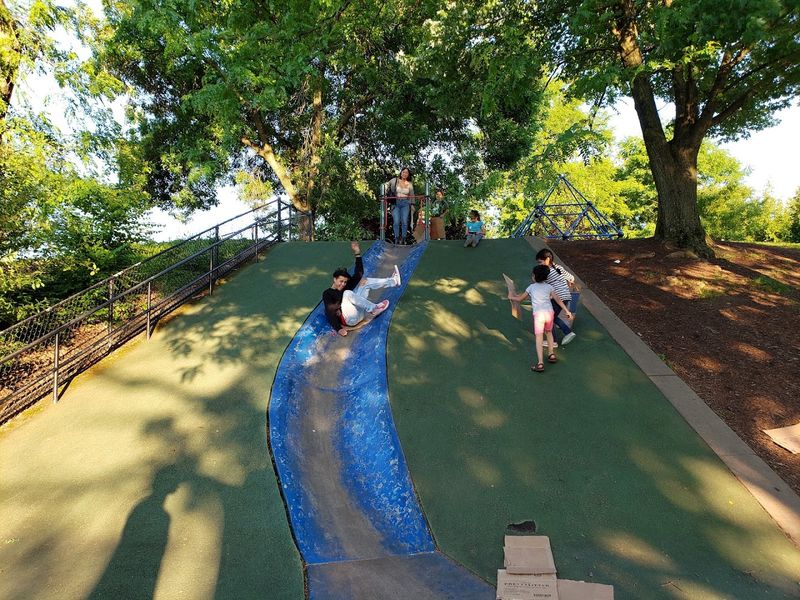
One slide at Frick Park holds special meaning for music fans worldwide. The Blue Slide became an icon after Pittsburgh rapper Mac Miller named his debut album after it, creating a pilgrimage site for fans.
This isn’t some fancy modern playground equipment but rather a simple, tall blue slide that generations of local kids have enjoyed.
Located in the playground area, the bright blue slide stands out against the surrounding greenery. Visitors from around the globe now make special trips to see it and take their own ride down.
You’ll often find cardboard pieces scattered nearby, left by people using them to slide faster, a local tradition that continues today.
The playground itself offers much more than just the famous slide, with swings, climbing structures, and open space for kids to play. Families gather here on weekends while tourists snap photos and sometimes take their own trip down the slide.
The area maintains its neighborhood charm despite increased attention.
Mac Miller’s legacy lives on through this simple piece of playground equipment that means so much to so many. Whether you’re a music fan or just appreciate community history, the Blue Slide represents how ordinary places become extraordinary through shared memories and cultural significance.
Two Designated Off-Leash Dog Areas for Four-Legged Friends
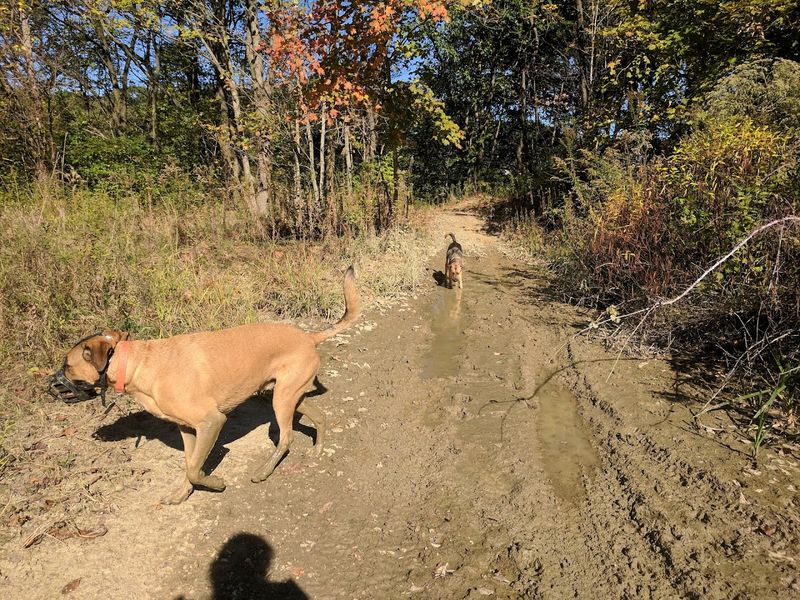
Dog owners hit the jackpot at Frick Park with not just one but two dedicated off-leash areas. These fenced spaces let dogs run, play, and socialize safely while their humans relax and chat.
Both areas feature enough room for energetic pups to really stretch their legs and burn off energy.
The off-leash zones attract a friendly community of regular visitors who often know each other’s dogs by name. You’ll see everything from tiny terriers to massive mixed breeds enjoying freedom they can’t get on regular leashed walks.
The social atmosphere extends to owners too, making these spots great for meeting fellow dog lovers.
Beyond the designated areas, the extensive trail network provides excellent on-leash walking opportunities. Many dog owners make Frick Park their daily destination, combining trail walks with off-leash playtime.
The varied terrain and interesting smells keep dogs engaged and happy throughout visits.
Park rules require cleanup, and most visitors are respectful about following guidelines. Water access and shade make the areas comfortable year-round.
Some reviewers mention occasional issues with loose leashes outside designated zones, so staying alert helps everyone enjoy the space. Overall, Frick Park ranks among Pittsburgh’s best dog-friendly destinations, offering experiences suburban dogs might envy.
Towering Tree Canopy Creates a Forest Cathedral
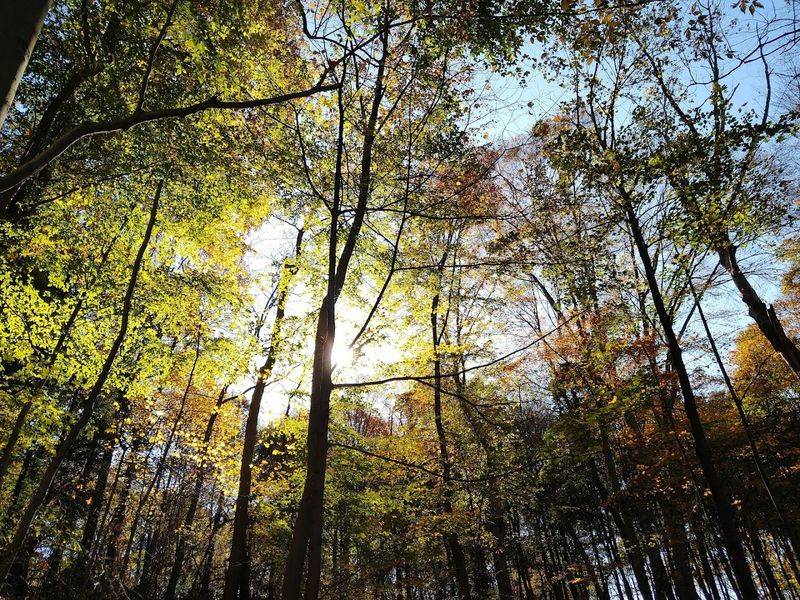
Looking up in Frick Park reveals something magical that most city parks cannot offer. Mature trees create a dense canopy overhead that transforms the space into something resembling a natural cathedral.
These aren’t recently planted saplings but established giants that have grown for decades, their branches interweaving to form a living ceiling.
The tree diversity here impresses botanists and casual nature lovers alike. Oak, maple, beech, and numerous other species create layers of green in warmer months and spectacular color displays in fall.
Walking beneath this canopy in summer provides genuine temperature relief, with shade dropping temperatures noticeably compared to sunny city streets.
Bird watchers especially appreciate the variety of trees, which support diverse wildlife. Hawks and owls make their homes in the upper branches while smaller songbirds flit through the understory.
The ecological health of these established trees contributes to cleaner air and natural beauty that benefits the entire city.
During different seasons, the canopy transforms dramatically. Spring brings fresh green growth and flowering trees.
Fall turns the overhead view into a painter’s palette of reds, oranges, and yellows. Even winter reveals architectural branch structures against gray skies.
This living roof makes Frick Park feel genuinely removed from urban surroundings.
Abundant Wildlife Thriving in Urban Forest Habitat
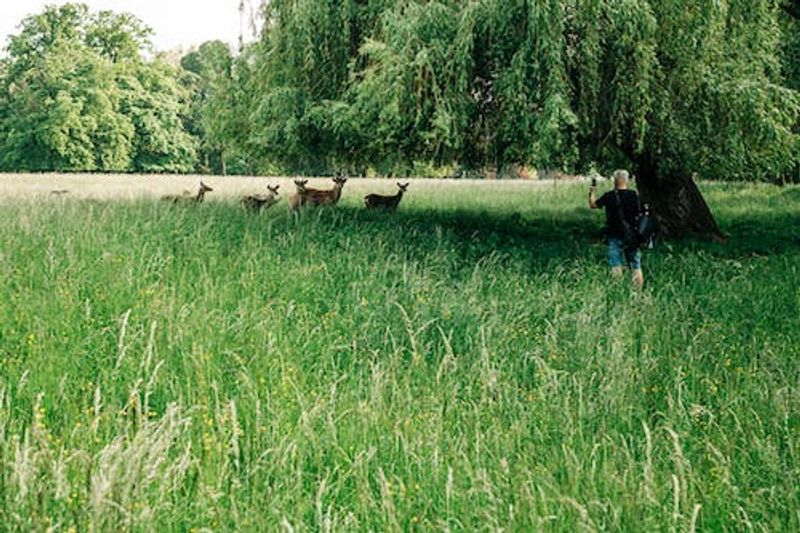
Step quietly through Frick Park and you might spot residents most people never expect to find in a city. White-tailed deer are commonly sighted throughout the park, often grazing near trails or disappearing silently into the underbrush.
Their presence signals just how wild and undisturbed portions of this park truly are.
Beyond deer, the park hosts an impressive variety of creatures. Raccoons, though sometimes causing mischief in trash cans, demonstrate successful urban wildlife adaptation.
Numerous bird species call the park home, from common robins to majestic hawks circling overhead. Serious birders bring binoculars to spot owls and other rarer species.
Smaller animals like squirrels, chipmunks, and rabbits populate the area in healthy numbers. The diverse ecosystem supports everything from tiny insects to larger mammals.
This biodiversity happens because the park provides what wildlife needs: food sources, water, shelter, and minimal human disruption in many areas.
Encountering animals adds excitement to every visit. Kids especially love spotting wildlife, making nature education happen naturally.
Remember to observe from a respectful distance and never feed wild animals. The fact that such diverse wildlife thrives here proves Frick Park functions as a genuine nature preserve, not just a recreational space, protecting important habitat within city limits.
Elevated Wooden Boardwalks Protect Sensitive Areas
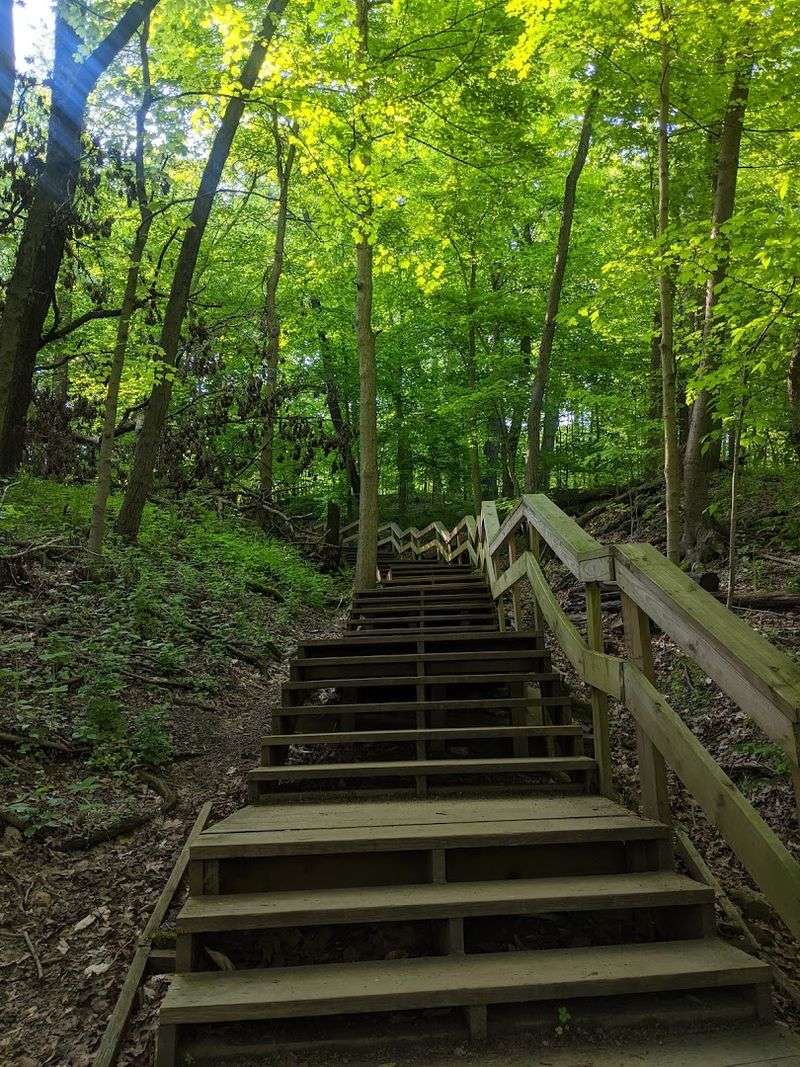
Conservation meets accessibility through Frick Park’s thoughtfully designed wooden boardwalks. These raised pathways allow visitors to experience sensitive ecological areas without damaging them.
Built above ground level, the boardwalks protect wetlands, stream banks, and fragile plant communities while giving everyone a chance to explore these special zones.
Walking on the elevated wooden structures provides a unique perspective on the landscape. You’re literally above the forest floor, seeing things from a slightly different angle than ground-level trails offer.
The gentle bounce of the boards underfoot and the hollow sound of footsteps add to the experience, making these sections memorable.
These structures demonstrate the park’s commitment to environmental stewardship. Rather than paving over delicate areas or restricting access entirely, the boardwalks strike a balance.
Visitors enjoy nature while conservation efforts protect what makes these spots special. Educational signage often accompanies boardwalk sections, teaching about local ecology.
Photographers particularly appreciate the boardwalks for capturing interesting angles and compositions. The wooden railings frame views beautifully while keeping visitors safely on the path.
During spring, boardwalks often cross areas where wildflowers bloom or where you might spot amphibians. These architectural features add visual interest while serving important environmental purposes, representing smart park design.
Multiple Entrances Throughout Surrounding Neighborhoods
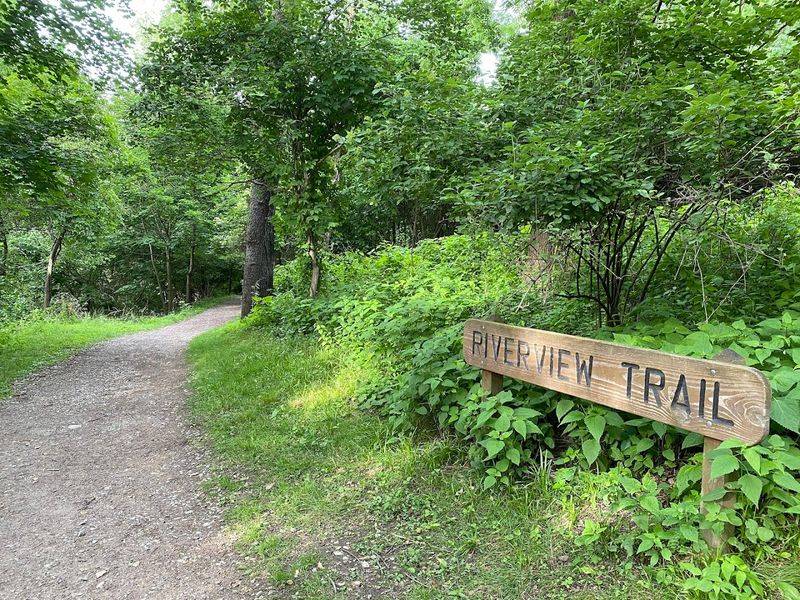
Accessing Frick Park is incredibly convenient thanks to numerous entry points scattered throughout adjacent neighborhoods. Unlike parks with one main entrance, Frick offers multiple trailheads where residents can slip into the woods from various directions.
This design makes the park feel integrated into the community rather than separated from it.
Each entrance typically features a map board showing trail layouts and your current location. Smart visitors snap photos of these maps before heading out, providing navigation help if trails become confusing.
Parking availability varies by entrance, with some offering small lots while others have only street parking.
The multiple access points mean you can plan routes that start and end at different locations if you arrange transportation. Local residents often have favorite entrances based on proximity to home or which trails they prefer.
This accessibility contributes to the park feeling like a neighborhood resource rather than a destination requiring special trips.
Different entrances lead to different park features. Some put you near the Blue Slide playground while others drop you straight onto wooded trails.
The Beechwood Boulevard entrance serves as a main access point with better facilities. Having choices means you can vary your park experience based on what activities you’re planning that day.
Spectacular Fall Foliage Rivals Mountain Destinations
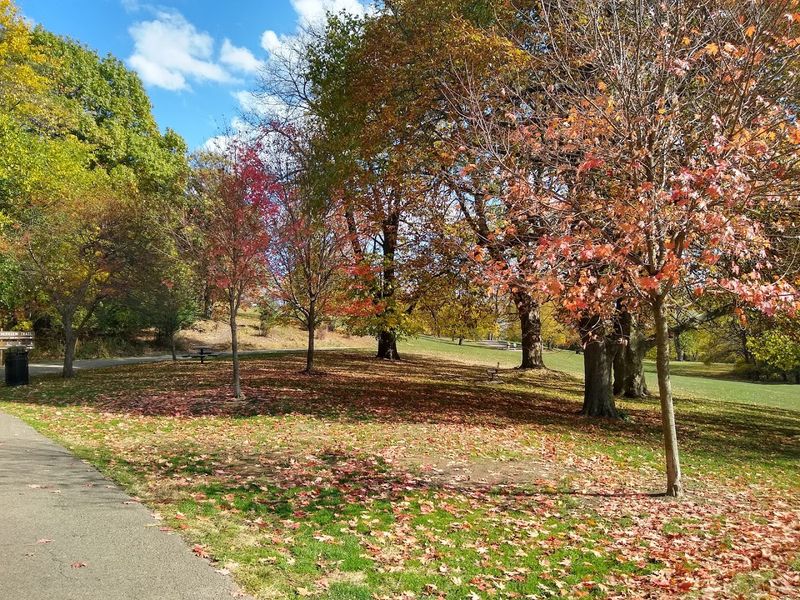
October transforms Frick Park into one of Pittsburgh’s most stunning natural spectacles. The diverse tree species create a multi-colored tapestry that rivals famous fall foliage destinations.
Red maples blaze crimson while oaks turn bronze and gold, creating layers of color that seem almost unreal in their intensity.
Fall brings photographers and nature lovers in droves to capture the seasonal display. Walking beneath trees dropping colored leaves creates an almost magical atmosphere.
The crunch of leaves underfoot and the earthy autumn scent complete the sensory experience that reminds visitors why fall remains many people’s favorite season.
Unlike mountain areas requiring long drives, this fall spectacle sits right in the city. Families can enjoy a colorful autumn hike during a free afternoon without extensive planning.
The peak foliage period typically runs from mid-October through early November, though exact timing varies yearly based on weather conditions.
Even after leaves fall, the forest floor becomes carpeted in color, and the exposed branch structures create interesting winter previews. Many locals make autumn visits an annual tradition, returning to favorite trails to see how each year’s display compares.
The seasonal transformation proves that Frick Park offers year-round beauty, not just consistent greenery like many urban parks.
Trail Difficulty Options From Easy Strolls to Challenging Hikes
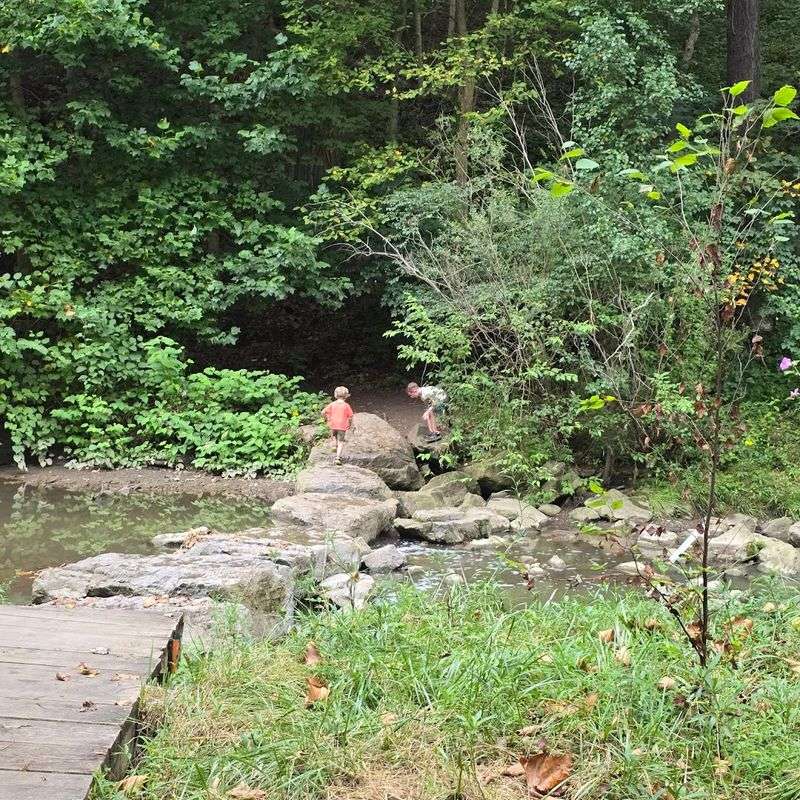
Everyone from casual walkers to serious hikers finds appropriate challenges at Frick Park. The trail system includes everything from flat, wide paths perfect for leisurely strolls to steep, narrow routes that provide genuine workouts.
This variety means the entire family can visit together, with each person choosing trails matching their ability and energy level.
Easy trails stick to relatively flat terrain and maintain good footing, ideal for parents with strollers or people wanting gentle exercise. These routes still offer forest views and nature experiences without demanding athletic ability.
Many joggers use these easier paths for regular runs, enjoying softer surfaces than pavement provides.
Moderate trails introduce hills and rougher surfaces while remaining accessible to most visitors. These paths take you deeper into the forest where you’re more likely to spot wildlife.
The changing elevation adds interest and provides better workouts for those seeking them.
Advanced hikers should tackle routes like the Roller Coaster Trail, which earned its name through challenging ups and downs. These paths can feel surprisingly remote and wild, sometimes being barely wider than deer trails.
The difficulty options mean you can start with easier routes and gradually explore more challenging areas as your fitness improves or as you learn the park layout better.
An Authentic Wilderness Experience Within City Limits
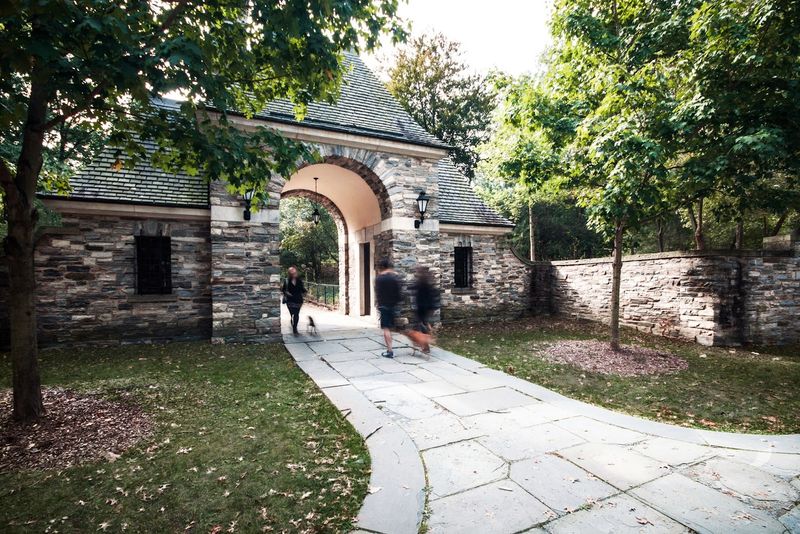
Perhaps the most remarkable aspect of Frick Park is how completely it erases any sense of being in a city. Minutes after entering the forest, traffic sounds fade and urban landscapes disappear.
The immersive experience rivals state parks or mountain preserves, yet you’re never more than a short walk from neighborhoods and city amenities.
This genuine wilderness character comes from the park’s size and thoughtful management. At 644 acres, Frick Park provides enough space that central areas feel truly remote.
Natural management practices maintain wild characteristics rather than over-manicuring the landscape. The result is authentic forest ecology rather than decorative greenspace.
First-time visitors often express surprise at how wild everything feels. Reviewers frequently mention feeling like they’ve left the city entirely, discovering they can lose themselves in nature without driving to rural areas.
This accessibility makes regular nature experiences possible for Pittsburgh residents who might not have time for weekend mountain trips.
The mental health benefits of this urban wilderness cannot be overstated. Having a place to escape, decompress, and reconnect with nature improves quality of life for everyone nearby.
Frick Park proves that cities can preserve genuine wild spaces, offering residents something more valuable than another shopping center or parking lot could ever provide.