The North Carolina State Farmers Market in Raleigh stands as one of the largest and most diverse agricultural markets in the Southeast, drawing visitors from across the region year-round. Sprawling across 75 acres, this bustling marketplace connects local farmers directly with shoppers seeking fresh produce, artisan goods, and authentic Southern specialties.
Whether you’re hunting for just-picked strawberries in spring or pumpkins in fall, this market offers an ever-changing selection that celebrates North Carolina’s rich farming heritage while providing families with affordable, quality products they can trust.
Fresh Local Produce Year-Round
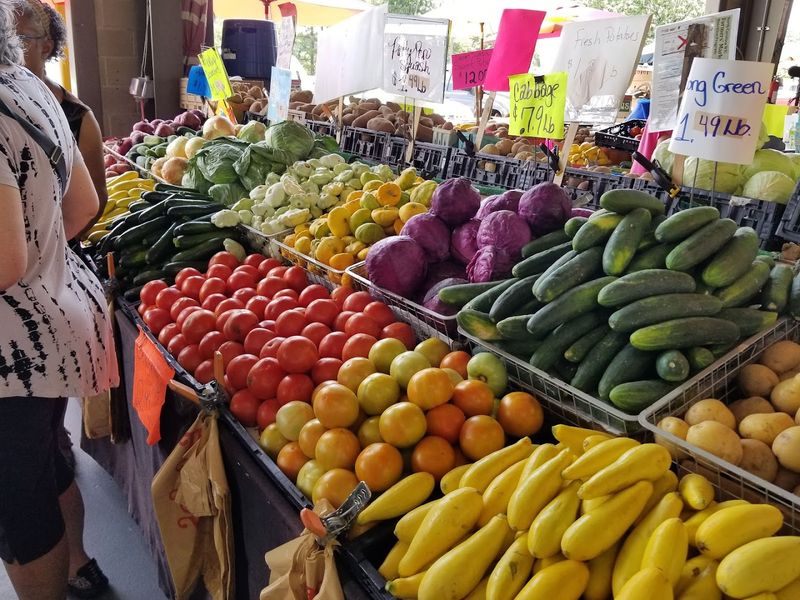
Walking through the produce section feels like stepping into North Carolina’s agricultural heartland. Vendors arrive before dawn with truckloads of just-harvested vegetables, ensuring everything from leafy greens to root vegetables maintains peak freshness.
The seasonal rotation keeps things exciting throughout the year.
Spring brings tender asparagus and sweet strawberries that taste nothing like grocery store versions. Summer explodes with heirloom tomatoes, sweet corn, and juicy peaches that drip down your chin.
Fall transitions to butternut squash, crisp apples, and mountains of sweet potatoes.
Winter might surprise you with hardy greens, citrus fruits, and stored crops that prove North Carolina farms produce quality food every season. Prices typically run 30-40% lower than supermarkets because you’re buying directly from growers.
Many farmers happily share cooking tips and recipe ideas for unfamiliar varieties.
The relationships you build with individual vendors add personal touches to your shopping experience. They’ll remember your preferences and set aside specialty items when available.
This connection to your food source creates meaningful experiences that transform routine grocery runs into community gatherings that nourish both body and soul.
Restaurant Row’s Delicious Eats
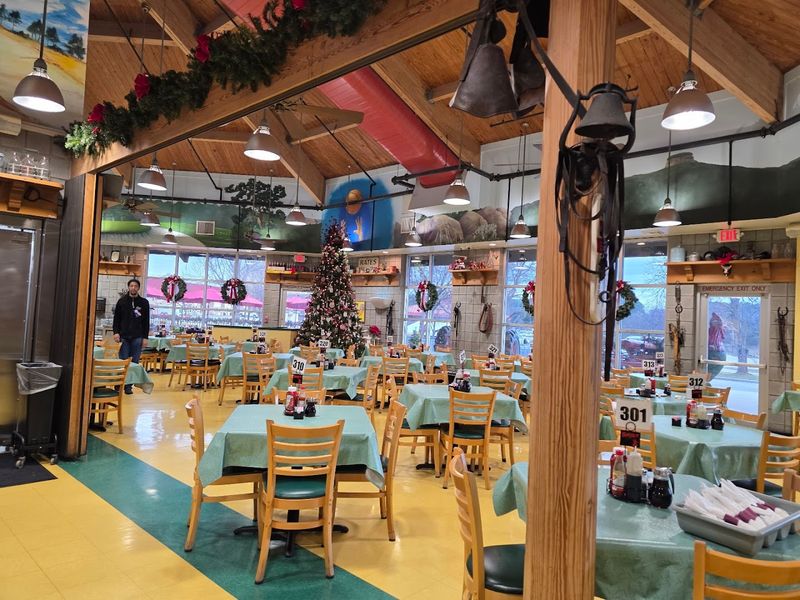
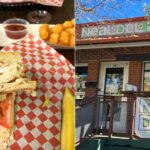
Forget sad food court meals—Restaurant Row serves authentic Southern cooking that rivals your grandmother’s kitchen. Multiple eateries line this popular section, each specializing in different regional favorites that showcase North Carolina’s culinary traditions.
The aromas alone could guide you here blindfolded.
Breakfast options include fluffy biscuits smothered in sausage gravy, country ham with red-eye gravy, and scrambled eggs cooked to order. Lunch brings fried chicken that’s genuinely crispy outside and juicy inside, pulled pork barbecue with tangy vinegar sauce, and collard greens simmered with ham hocks.
The meatloaf special on Thursdays develops devoted followings.
Don’t overlook the seafood offerings featuring fresh catches from North Carolina’s coast. Calabash-style shrimp, fish sandwiches, and crab cakes appear on rotating menus.
Vegetable plates let you sample multiple Southern sides without meat.
Prices remain remarkably reasonable considering portion sizes that could feed two people. Most meals cost under twelve dollars including sweet tea or lemonade.
Seating fills quickly during peak lunch hours, so arriving slightly early or late helps avoid waits. Many locals consider these restaurants Raleigh’s best-kept secrets for genuine down-home cooking.
Garden Center Paradise
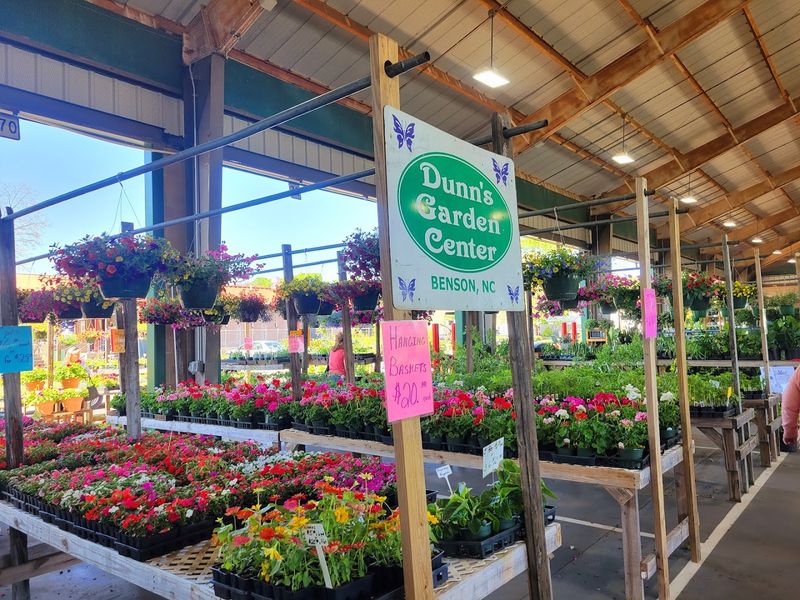
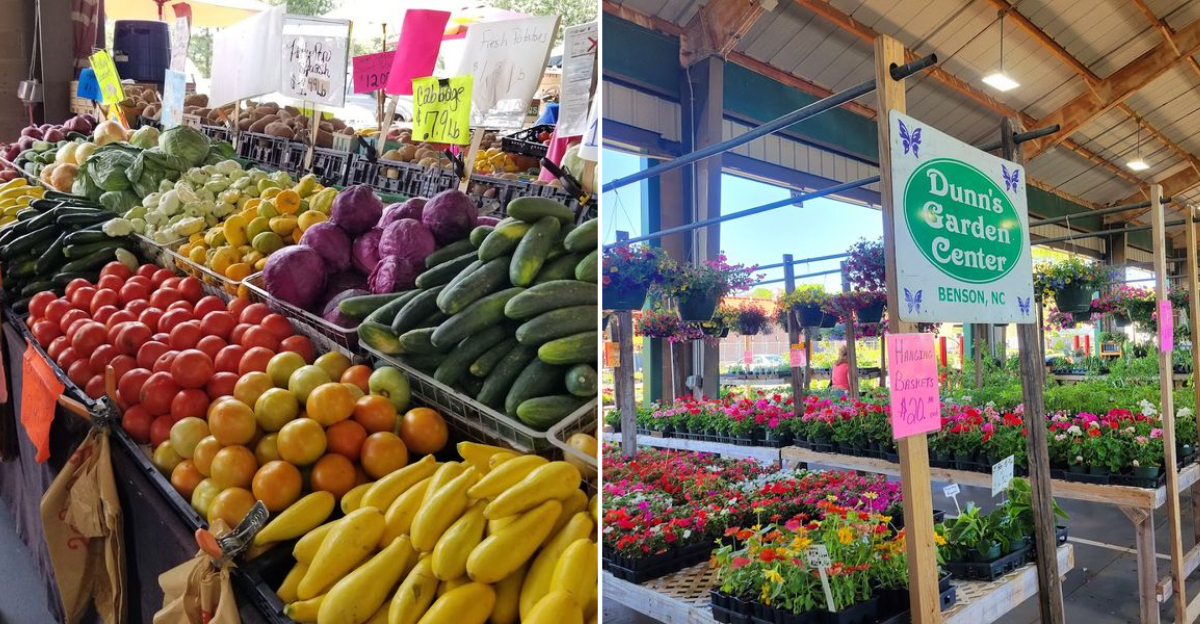
Garden enthusiasts lose track of time wandering through acres dedicated to plants, seeds, and gardening supplies. Professional landscapers and weekend hobbyists shop side-by-side for everything needed to create stunning outdoor spaces.
The selection changes with growing seasons, ensuring appropriate plants for current planting windows.
Spring showcases thousands of annual flowers in every color imaginable alongside vegetable seedlings ready for transplanting. Tomato varieties alone number in the dozens, from classic Big Boys to exotic heirlooms.
Herb selections include common basil and unusual varieties like chocolate mint or lemon verbena.
Perennials, shrubs, and trees occupy separate sections where knowledgeable staff provide guidance on North Carolina growing zones. Native plants increasingly popular for sustainable landscaping get prominent placement.
Prices undercut big-box stores significantly while offering superior quality and expert advice.
The garden center also stocks soil amendments, fertilizers, pest control products, and tools ranging from hand trowels to professional-grade equipment. Pottery and decorative containers add artistic flair to plantings.
Educational workshops held throughout growing season teach techniques like pruning, composting, and organic pest management, making this destination invaluable for developing green thumbs.
Seasonal Festivals and Events
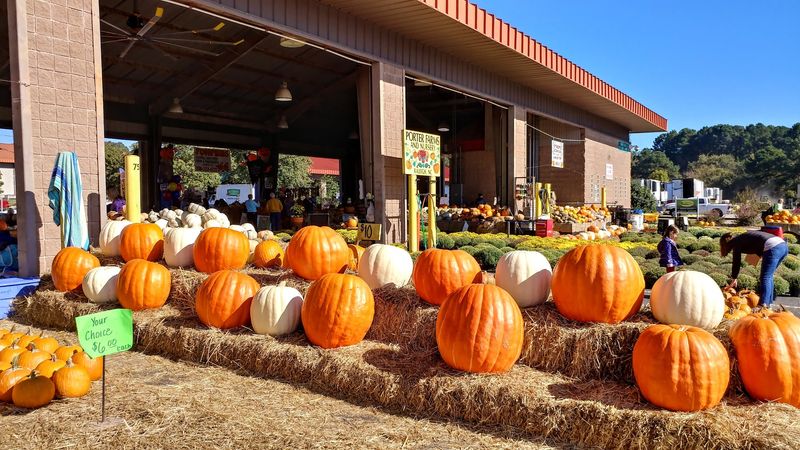
Special events transform the market into celebration central throughout the year, drawing crowds that triple normal attendance. These festivals highlight specific crops at peak harvest while providing entertainment for all ages.
Parking becomes challenging during major events, so arriving early proves wise.
The Strawberry Festival in May kicks off the event calendar with berry-picking demonstrations, shortcake eating contests, and live bluegrass music. Children’s activities include face painting and hayrides.
July’s Blueberry Festival follows similar patterns with different berry varieties.
Fall brings the incredibly popular Harvest Festival featuring pumpkin patches, corn mazes, and apple cider pressing demonstrations. Local craftspeople sell handmade goods while food vendors offer seasonal treats like apple cider donuts and kettle corn.
The holiday season includes Christmas tree sales and wreath-making workshops.
Summer concerts on Friday evenings create festive atmospheres where families picnic on market grounds while enjoying live performances. Food truck rallies occasionally supplement regular restaurant offerings.
These gatherings strengthen community bonds while celebrating North Carolina agriculture. Many families establish annual traditions around specific festivals, creating memories that span generations and deepen connections to local food systems.
North Carolina Honey and Preserves
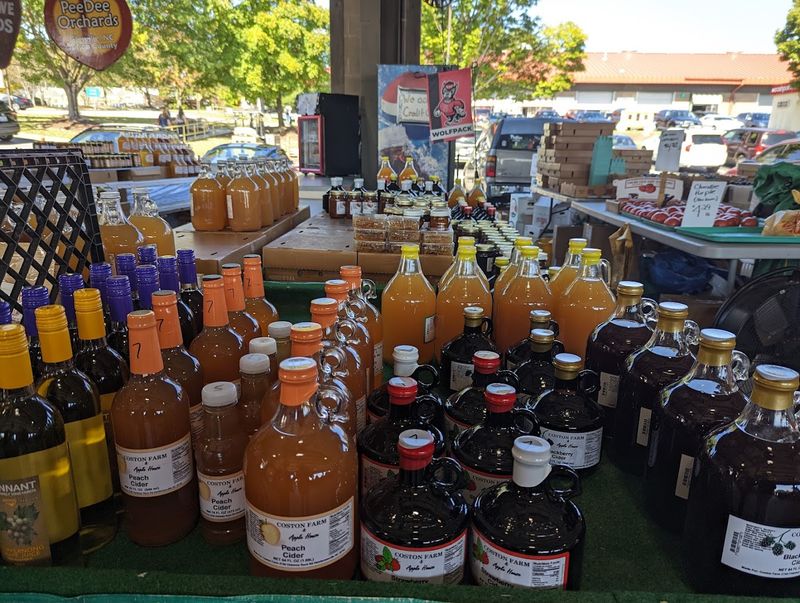
Local beekeepers and preserve-makers occupy specialty shops that smell impossibly sweet and fruity. Honey varieties reflect different flowering plants bees visit, creating unique flavors impossible to find in commercial honey.
Tasting samples help identify personal favorites before committing to purchases.
Wildflower honey remains the most popular variety with its complex, full-bodied taste. Sourwood honey from mountain regions commands premium prices for its delicate, almost buttery flavor profile.
Clover, orange blossom, and buckwheat honeys offer distinct characteristics. Raw, unfiltered versions provide maximum health benefits.
Fruit preserves span traditional favorites like strawberry and blackberry to unusual combinations like peach-habanero or blueberry-lavender. Small-batch production ensures quality control and allows experimentation with creative recipes.
Sugar-free options accommodate dietary restrictions without sacrificing flavor.
Many vendors also sell beeswax products including candles, lip balms, and skin lotions. Honey sticks make convenient snacks for children.
Comb honey provides unique experiences of chewing wax while extracting sweet liquid. These products make excellent gifts representing authentic North Carolina flavors.
Producers often share stories about their hives and orchards, adding personal connections to every jar purchased.
Bakery Delights and Fresh Bread
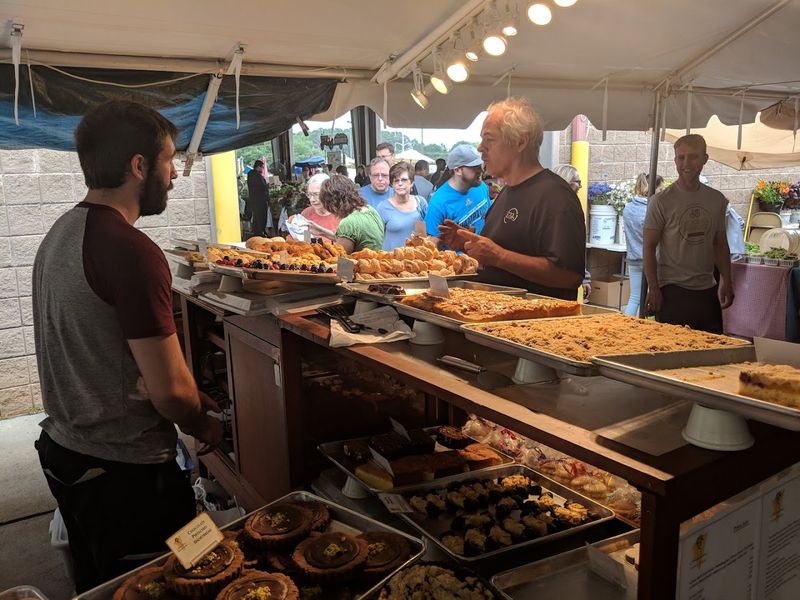
Bakery aromas hit you twenty feet away, making resistance utterly futile for anyone with functioning taste buds. Multiple bakeries compete for customers through quality, variety, and family recipes passed down through generations.
Everything gets baked fresh that morning, ensuring optimal texture and taste.
Bread selections include crusty sourdough loaves, soft sandwich bread, hearty whole grain varieties, and specialty items like jalapeño cheddar or cinnamon raisin. Biscuits rival Restaurant Row’s offerings for flakiness and buttery flavor.
Cornbread comes in traditional and creative variations incorporating cheese, peppers, or sweet corn kernels.
Pastry cases showcase fruit-filled hand pies, cream-stuffed donuts, and cinnamon rolls dripping with icing. Seasonal pies feature whatever’s currently harvested—strawberry-rhubarb in spring, peach in summer, apple in fall.
Whole cakes and custom orders accommodate special occasions.
Prices reflect the quality ingredients and handmade preparation that mass-produced bakery goods can’t match. Many items sell out by early afternoon, especially on weekends, so serious buyers shop morning hours.
These bakeries maintain loyal customers who refuse supermarket alternatives once they’ve experienced genuine artisan quality. The occasional free sample seals deals for undecided shoppers.
Handcrafted Items and Artisan Goods
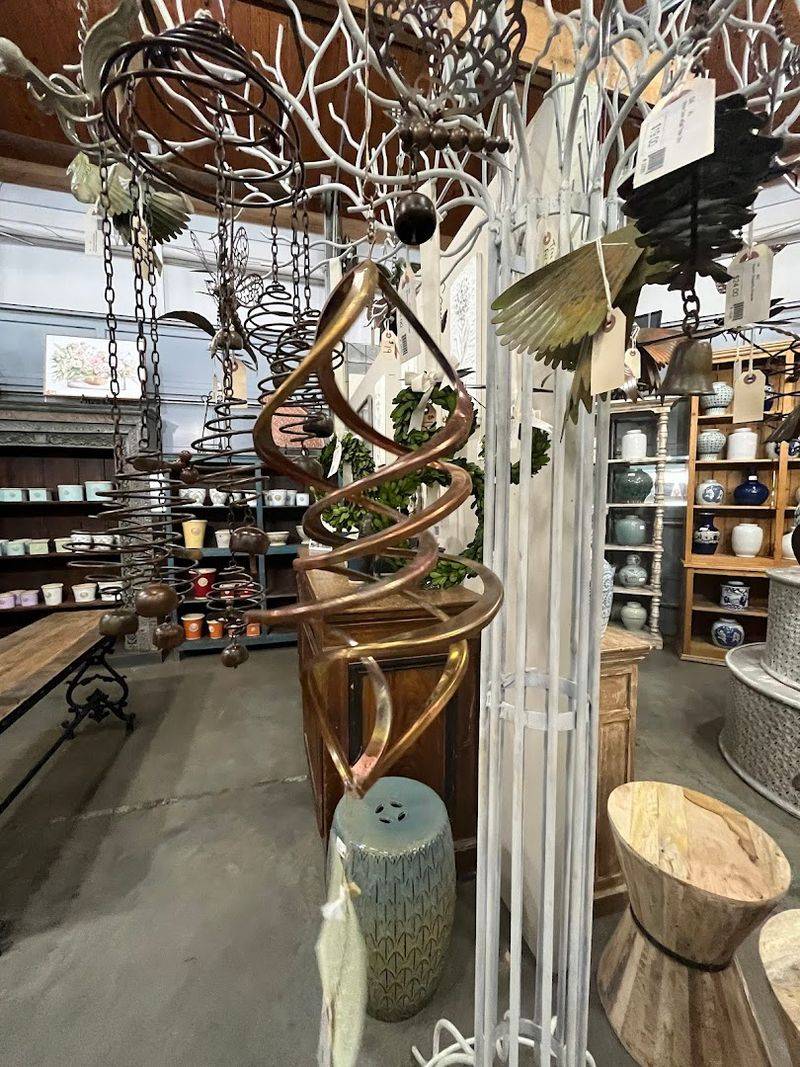
Talented craftspeople showcase abilities in sections dedicated to handmade goods that blend functionality with artistic expression. Unlike mass-produced merchandise, these items carry unique characteristics reflecting individual makers’ styles and skills.
Shopping here supports local artists while acquiring one-of-a-kind pieces.
Pottery offerings range from utilitarian mixing bowls and coffee mugs to decorative vases and sculptural pieces. Each item bears slight variations that prove its handcrafted origin.
Woodworkers create cutting boards, furniture, toys, and decorative items from North Carolina hardwoods.
Textile artists sell quilts, woven baskets, knitted items, and fabric goods using traditional techniques. Jewelry makers work with everything from precious metals to natural materials like wood beads and stone.
Soap makers offer handcrafted bars using essential oils, herbs, and natural ingredients without harsh chemicals.
Prices vary widely depending on materials and complexity, but generally remain fair considering time investments required. Many artisans accept custom orders for specific sizes, colors, or designs.
Seasonal craft fairs bring additional artists whose goods complement regular vendors. These sections provide perfect gift-shopping opportunities for people who appreciate quality craftsmanship.
Conversations with makers reveal fascinating stories about their creative processes.
Cut Flowers and Potted Plants
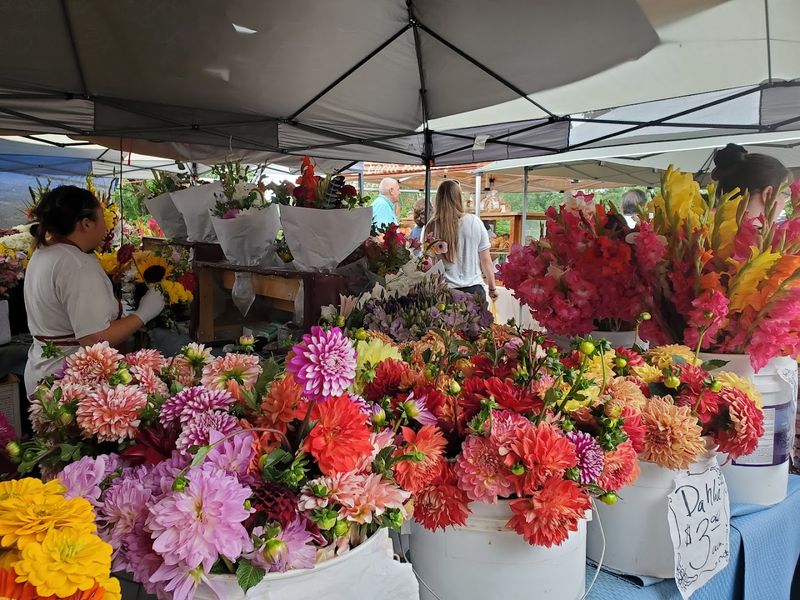
Flower vendors create rainbow explosions of color that brighten even gloomy days with blooms grown on local farms. Buying directly from growers means flowers last significantly longer than supermarket bouquets shipped from distant locations.
Seasonal availability ensures you’re getting flowers at their absolute peak.
Spring brings daffodils, tulips, hyacinths, and early roses in cheerful colors signaling winter’s end. Summer explodes with sunflowers, zinnias, dahlias, and endless varieties that thrive in North Carolina heat.
Fall transitions to chrysanthemums, asters, and ornamental grasses with russet tones.
Potted flowering plants like geraniums, petunias, and begonias allow home gardeners to extend blooming seasons. Succulent arrangements have gained popularity for their low maintenance requirements and modern aesthetics.
Orchids and tropical plants add exotic touches to indoor spaces.
Prices feel like wholesale compared to florist shops, making weekly flower purchases affordable luxuries. Mixed bouquets let customers select specific stems for customized arrangements.
Many vendors offer design services for weddings and special events. The joy of fresh flowers on dining tables or desks improves moods and environments measurably.
Some customers time visits specifically around flower availability, making it ritual rather than errand.
Specialty Shops and Hidden Treasures
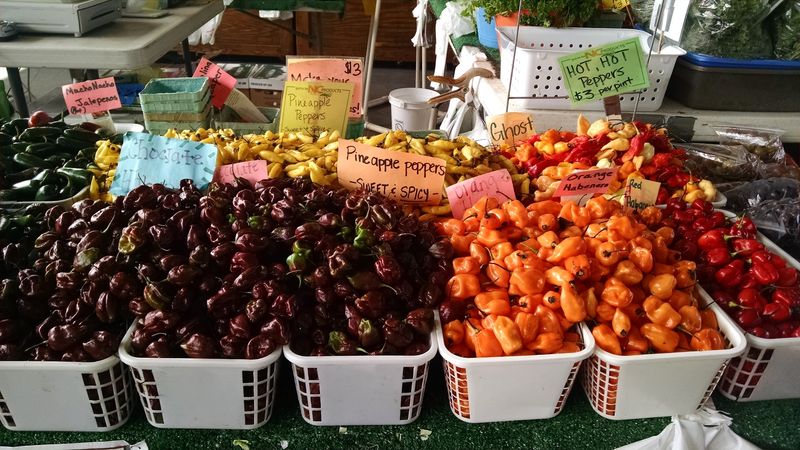
Exploring beyond main sections reveals smaller specialty shops selling unique items you won’t find elsewhere in the region. These hidden gems require curiosity and willingness to wander less-traveled paths through the market complex.
Discoveries often become personal favorites that keep you returning regularly.
One shop might specialize in hot sauces ranging from mild to weapons-grade spicy, featuring local pepper varieties. Another focuses exclusively on pecans, peanuts, and other nuts grown throughout the South in forms from raw to candied.
Olive oil and vinegar tastings happen at boutiques stocking dozens of infused varieties.
Cheese shops feature North Carolina creameries producing everything from fresh chèvre to aged cheddars that rival European imports. Spice merchants blend custom seasonings and sell hard-to-find ingredients for international cuisines.
Coffee roasters offer beans sourced globally but roasted locally.
Seasonal pop-up vendors add variety by rotating through available spaces with different products.