

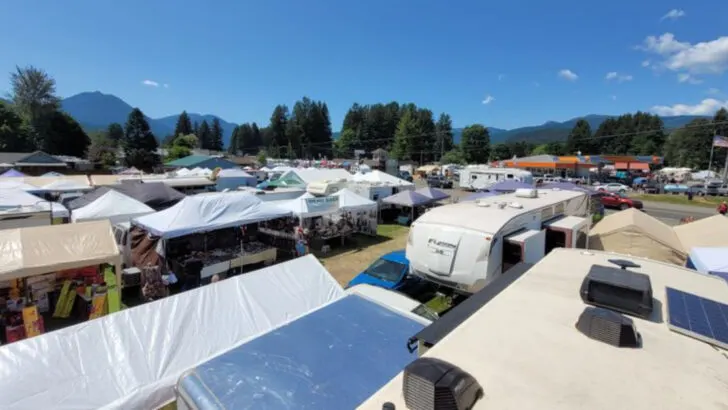
If you love the thrill of a good treasure hunt, the Packwood Flea Market is where an afternoon can easily turn into an unforgettable day.
Twice a year, this tiny mountain town transforms into a miles long maze of vendors, food, and curious finds.
You will wander, haggle, snack, and people watch your way through a scene that feels part carnival, part old school swap meet.
Come ready to walk, discover, and leave with stories even if your hands are full of bargains.
Navigating the town wide market
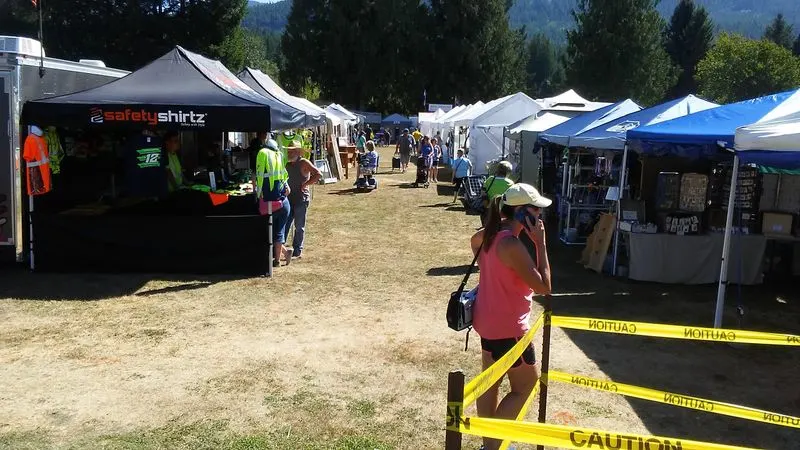
The Packwood Flea Market sprawls across town, so your first win is a simple game plan. Park in a paid field lot near Snyder Road or the center strip, snap a quick photo of the cross street, and note landmarks like food trucks or the fire station.
Start on one side of the highway and move in a loop, so you do not backtrack and miss vendors tucked behind buildings.
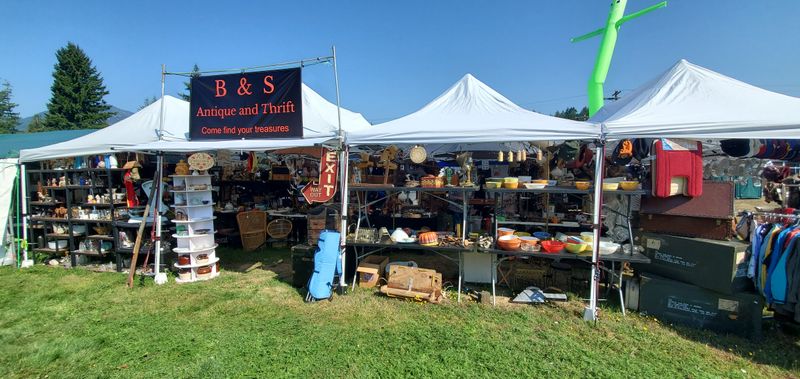
Expect a lively mix of antiques, tools, handmade goods, and fuzzy throwback nostalgia. You will see everything from Coleman lanterns to vintage Pyrex, cast iron skillets, yard art, and bins of odd hardware that might save your next DIY project.
Crowds peak midday, so aim to arrive early or slide in later afternoon when the sun softens and aisles ease up.
Bring cash for small buys and speed, though many vendors now take cards. Prices range from bargains to retail level tags, and the real deals often appear on the final day when 50 percent off signs sprout like dandelions.
Pace yourself, sip water, and remember there is no prize for finishing fast here.
Think comfort over fashion for footwear because you will walk miles without realizing it. Pack a tote or rolling cart and a small pouch for fragile pieces, plus a tape measure for furniture scouting.
When you feel decision fatigue, pause at the food stands, people watch, and you might spot that perfect booth you missed before.
Traffic into town can stack up, especially on Memorial Day and Labor Day weekends, so plan an early roll in. Leaving around peak hours can mean a slow crawl back to Highway 12, but the views toward the Cascades make it bearable.
Keep expectations flexible and you will leave with something worth the steps.
When to go for the best deals
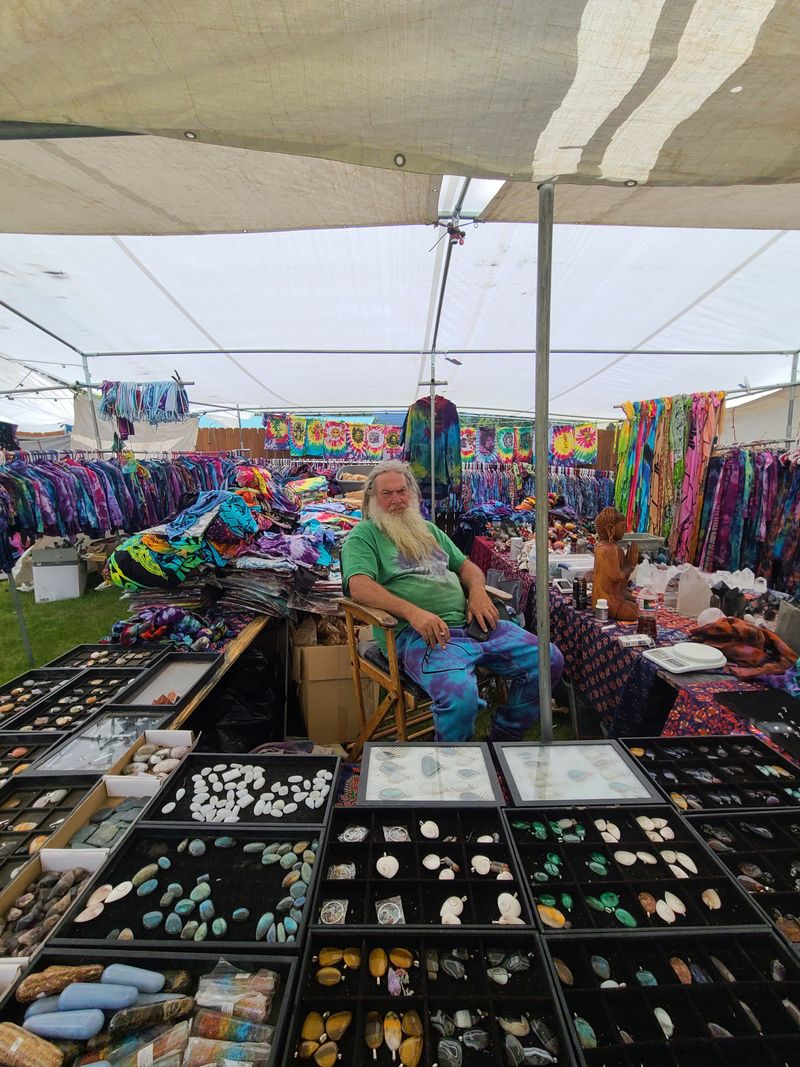
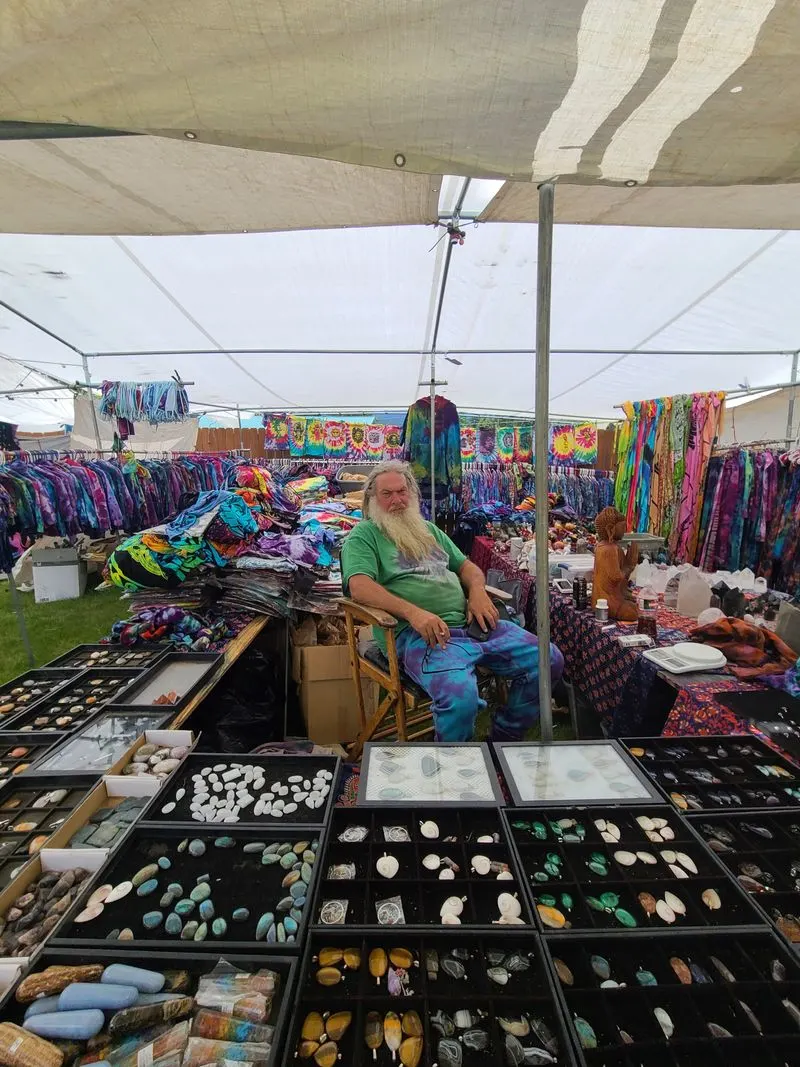
Timing is everything at the Packwood Flea Market. The event runs on Memorial Day and Labor Day weekends, and each day has its own energy.
If you want first pick, roll in at opening on day one with coffee in hand and a plan to scan fast, then circle back for deeper dives.
For deals, the last morning or final afternoon often turns friendly to negotiation as vendors cut weight for the drive home. You will see hand lettered markdowns and hear quicker yes responses, especially on bulky items like furniture, metal yard art, and boxed kitchenware.
Sunday mornings can be a sweet spot if you love the thrill of bundled buys.
Midday crowds on Saturday can be shoulder to shoulder, which is entertaining but not ideal for delicate browsing. Early mornings are cooler, dogs are calmer, and you can hear yourself bargain without shouting over the kettle corn stand.
Late afternoon light also makes it easier to notice flaws, cracks, and repaired seams on vintage goods.
Weather matters in the mountains, so layer up and expect swingy temperatures. If rain rolls through, you might catch the calm after the storm when aisles thin and sellers become more flexible.
Bring a small towel to wipe off items before buying so you can inspect surfaces without grit.
If you have a collector target, go early, then return on the final day to see what remains and negotiate. Ask vendors about restocks because many refresh tables early each morning.
The best strategy blends patience with persistence, and you will feel that pay off when a piece you watched reappears for half the price.
What to bring for comfort and success
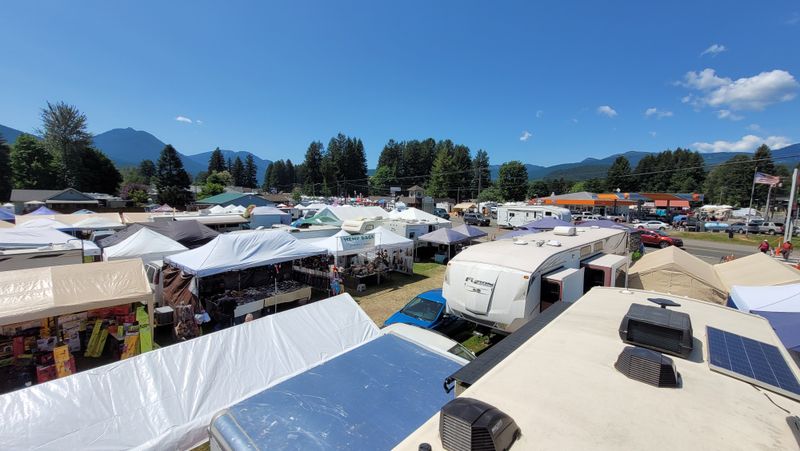
Packwood rewards anyone who packs smart. Slip on broken in shoes, then toss a reusable tote or foldable wagon in the trunk so you are not juggling treasures by noon.
A compact tape measure, painter’s tape for labeling, and a small notebook help you track sizes and prices without relying on memory.
Cash still talks, especially small bills that make quick change and smoother haggling. Carry a card as backup, but do not count on perfect signal or card readers at every tent.
A hard sided case or wrapped pouch protects fragile finds like glass insulators, marbles, or vintage ornaments as you roam.
Sun cream, a brimmed hat, and a refillable bottle are musts since aisles can feel long under midday light. Hand wipes and sanitizer keep your hands happy after digging through tool bins and dusty crates.
If you bring a dog, pack a collapsible bowl and fresh water because community bowls are not everyone’s favorite.
Consider a small bungee cord or ratchet strap for strapping larger buys to your cart. Keep a lightweight rain shell handy because mountain weather flips quickly, and damp jeans make browsing miserable.
Portable phone chargers are lifesavers when you are mapping booths or photographing tags to revisit.
Finally, stash snacks to keep decision fatigue at bay while you hunt. Mark your parking pin and a meet up spot in case your group separates in the vendor maze.
With these small comforts, you can focus on the fun part: finding the thing you did not know you needed.
Food, drinks, and where to refuel
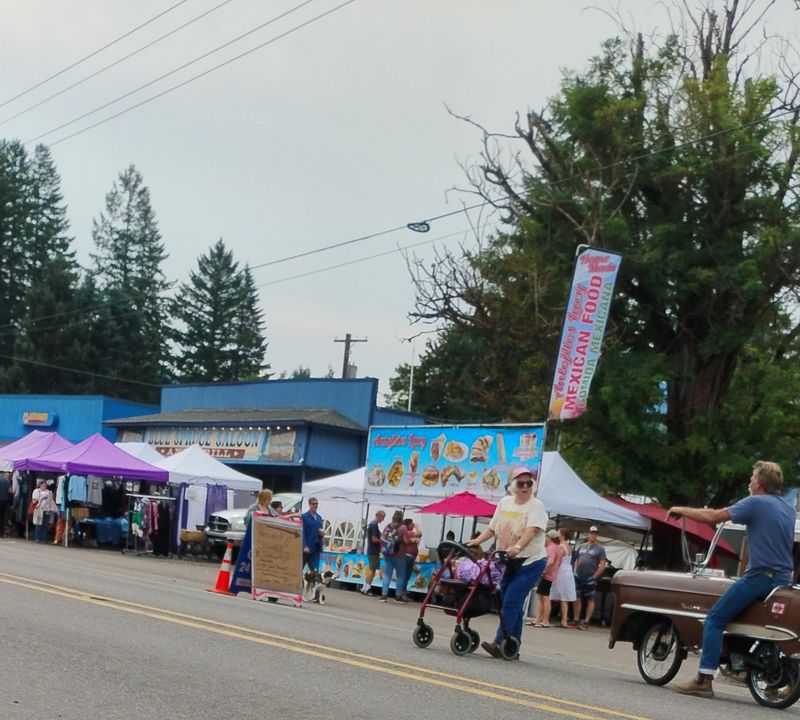
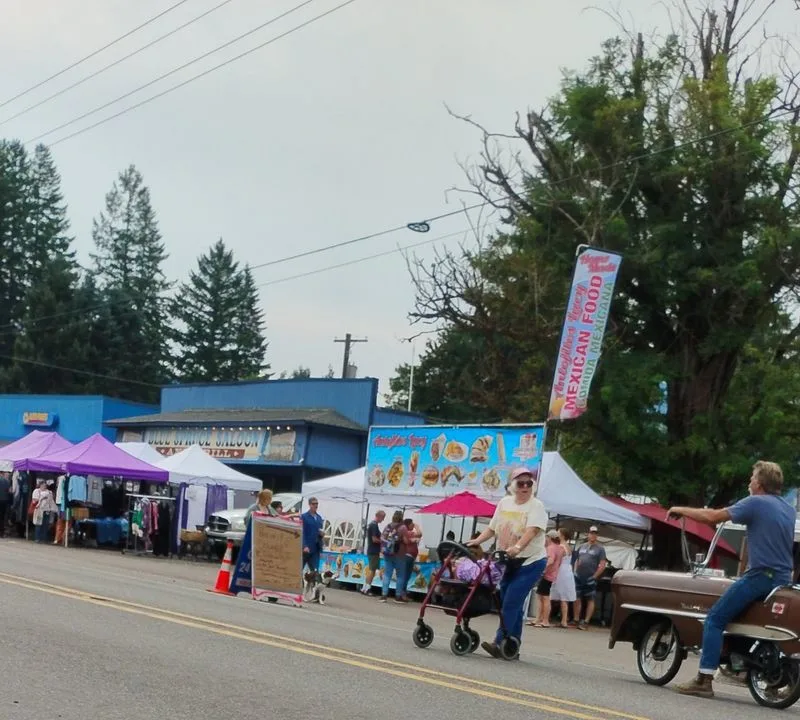
Hunting for bargains takes energy, and Packwood delivers plenty of fuel. Expect classic fair style options like BBQ, kettle corn, lemonades, Thai plates, gyros, corn on the cob, and funnel cakes.
Pricing can feel steep, so consider a hearty breakfast in town early, then graze on snacks and share plates midday.
Lines form fast around lunch, which makes late lunch or early dinner a smoother move. If you are price sensitive, bring trail mix and fruit and save your splurge for one irresistible treat.
Lemonade and iced coffee stands dot the route, making it easy to cool down between vendor rows.
Local restaurants and taverns provide a sit down break when your feet beg for mercy. Early birds score tables without a wait, while peak hours can mean a long queue.
If you prefer shade and quiet, scout picnic tables behind the busiest aisles and reset before another lap.
Hydration is key because the walking adds up. Vendors sometimes leave out water for pets, but it is kinder to bring your own.
A small cooler bag in your car lets you stash leftovers and cold drinks for a quick pit stop between rounds.
Food prices stir debate, so set your expectations and budget upfront. Think of the splurge as part of the day’s entertainment, then balance with snacks you brought.
With a flexible plan, you can eat well without regretting the receipt.
Haggling without the hassle
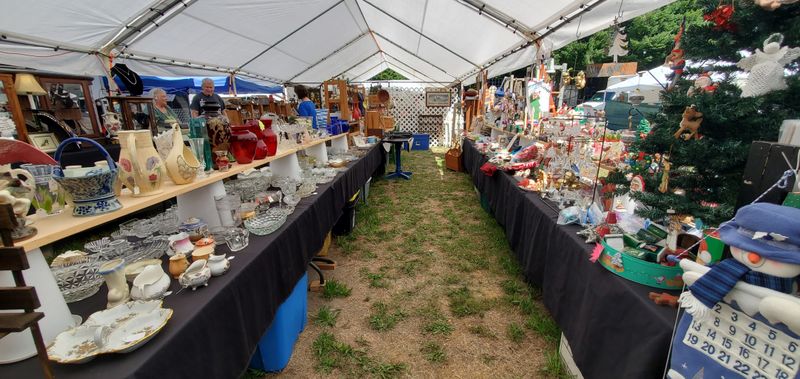
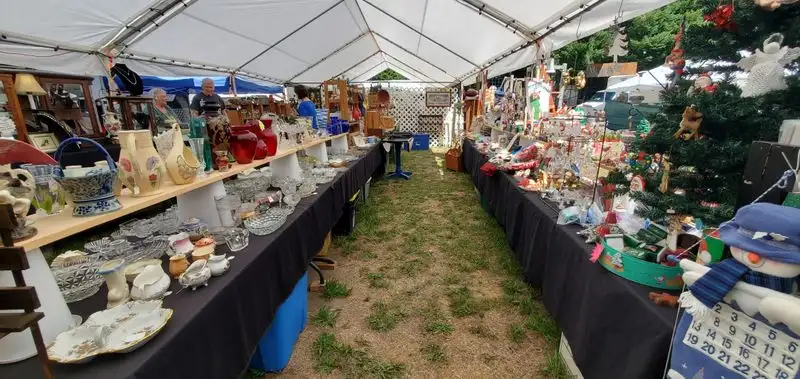
Negotiating at Packwood works best when you keep it friendly and fast. Start by asking about the story behind a piece, then follow with a reasonable offer that shows you did your homework.
If the tag reads 40, try 30 with cash in hand, and be ready to land happily at 35.
Bundle buys create momentum. Pair that lantern with a set of enamel mugs or add a tool you were eyeing, then ask for a simple round number.
Sellers often soften on the final day or in the last hour, especially on heavy or fragile items they do not want to haul home.
Respect posted prices when vendors clearly label new or handmade goods. Artisans put time and materials into their work, and you will build goodwill by buying at asking or keeping counteroffers modest.
If a booth feels firm, thank them and move on because there are hundreds more to explore.
Cash helps you strike quickly, and small bills look decisive. Keep it upbeat, smile, and be ready to walk away without drama.
Many times you will get a call back as you step away, and if not, a better version often appears two tents later.
Finally, check pieces closely before sealing the deal. Look for hairline cracks, missing screws, rewiring needs, and replacement parts.
A calm, fair approach keeps the fun alive while still saving you money.
Finding antiques and real vintage
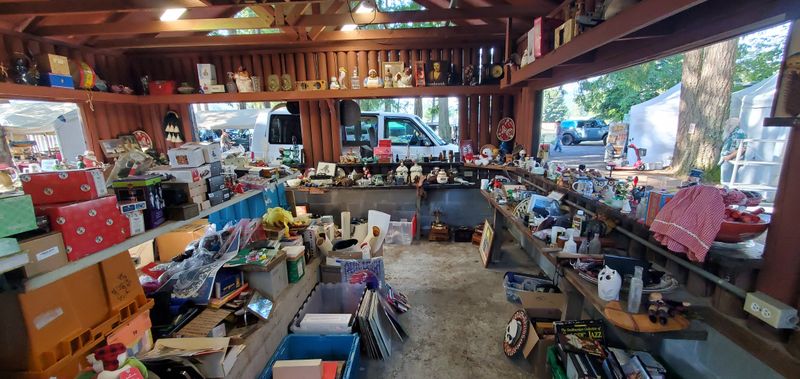
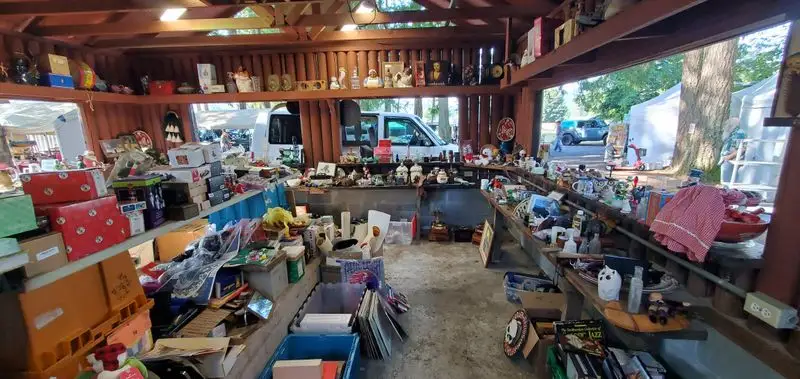
If your heart beats faster for old stuff, Packwood delivers the hunt. You will spot mid century kitchenware, oil lamps, cast iron, farm tools, signage, and the occasional showstopper that stops you in your tracks.
True vintage often hides behind tables or in bins, so kneel down and dig carefully.
Learn to tell repros from the real deal. Check logos, maker’s marks, seams, screws, and patina that builds naturally over time.
Weight, smell, and wear patterns tell stories, and you will feel your instincts sharpen after a few aisles.
Ask questions because many long time sellers love to talk shop. You might uncover fresh stock under the table or in the van, revealed only to buyers who show genuine curiosity.
If you are chasing a specific era, say it out loud and let the vendor network work for you.
Condition matters, but so does charm. Light rust on a garden find can be perfect, while chips on glass might be a dealbreaker unless the price reflects it.
Factor in restoration costs, replacement parts, and whether you realistically have time to repair.
Document your finds with quick photos and tag details for later reference. Bring a small flashlight to inspect interiors and a magnet for metal tests.
When you score a beauty, you will remember the moment every time you see it at home.
Parking, traffic, and smart arrival
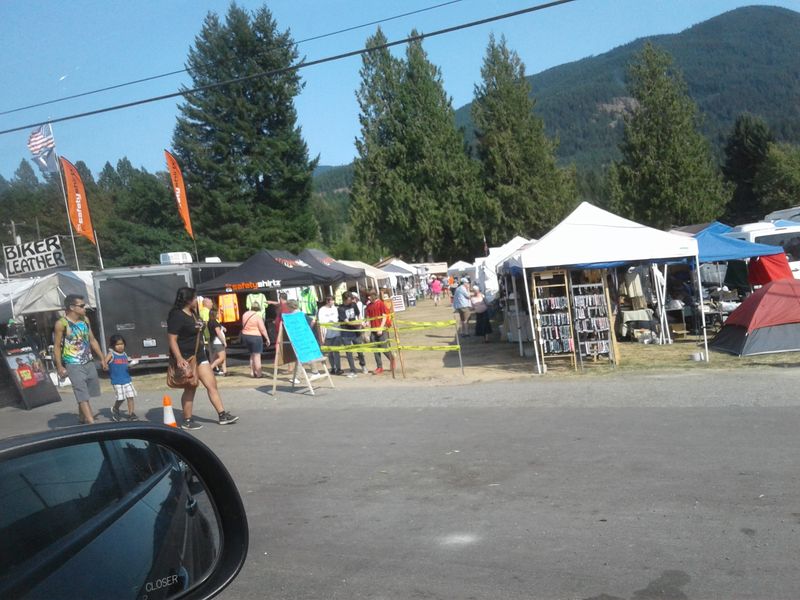
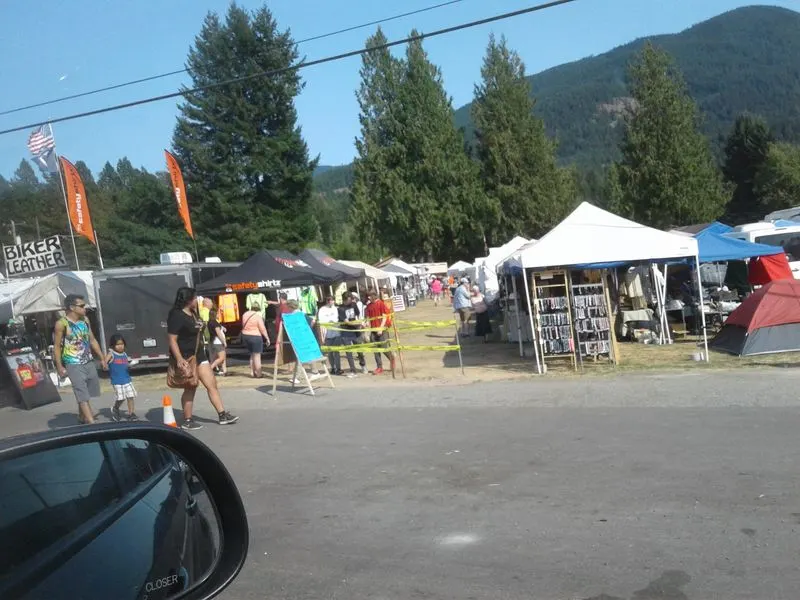
Arriving smart can save an hour or more at Packwood. Traffic on Highway 12 stacks deep by late morning, so shoot for early arrival or swing in late afternoon.
Parking fields around town usually charge a simple day rate, and paying cash keeps the line moving.
Mark your lot on your phone map and photograph the nearest booth row for easy return. Comfortable walking shoes are non negotiable because your step count will surprise you.
If you plan multiple laps, leave a small cooler in the car so you can regroup and reset between rounds.
Getting out can be the toughest part during peak hours. Patience helps, as does detouring through side streets when posted.
Consider dinner in town or a scenic pause before rejoining the highway to skip the worst of the exit queue.
Cell coverage can be patchy with so many people in one place. Download maps or pin the official website and a simple town map beforehand.
If you split up, set specific times and landmarks rather than relying on calls.
With a little strategy, the logistical pieces fade into the background. You will spend more time treasure hunting and less time sitting in a line of brake lights.
That alone makes an early alarm completely worth it.
Budgeting and avoiding buyer’s remorse
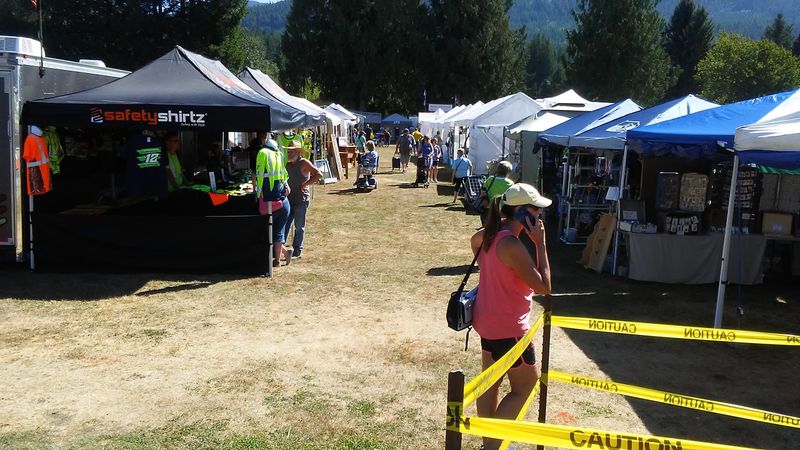
It is easy to get swept up at Packwood, so a simple budget keeps your joy intact. Decide on a total number, then break it into envelopes for smalls, a splurge piece, and food.
When the smalls envelope empties, you know it is time to slow down and get picky.
Photograph tags and walk a loop before committing on higher priced items. If you are still thinking about it after thirty minutes, circle back with a firmer sense of value.
Many sellers will hold an item briefly if you ask kindly and leave your name.
Factor transport into the price. That antique cabinet may need blankets, straps, and a bit of muscle to reach your living room.
Measure twice and confirm it fits in the car before you hand over cash.
Aim to buy what you love, not just what is cheap. True wins are pieces that earn a place at home, not impulse buys that end up in your own garage sale pile.
If the price feels off and the seller will not move, thank them and keep walking.
Finally, celebrate small treasures that tell a story. A five dollar tool with family history can carry more soul than a pricey showpiece.
With mindful choices, you will leave proud of every dollar you spent.
Turning finds into home decor
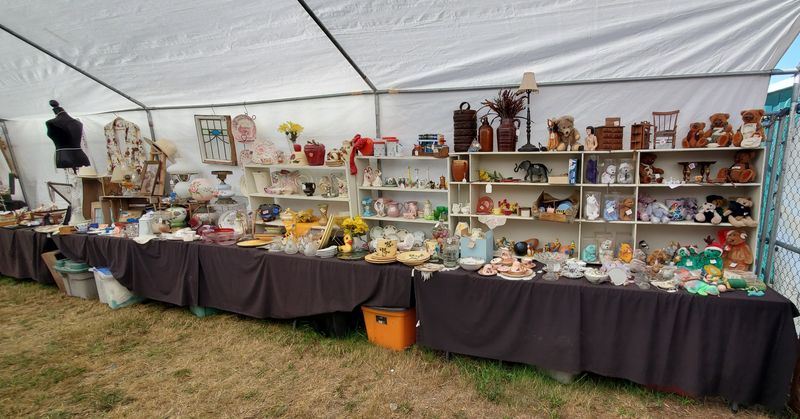
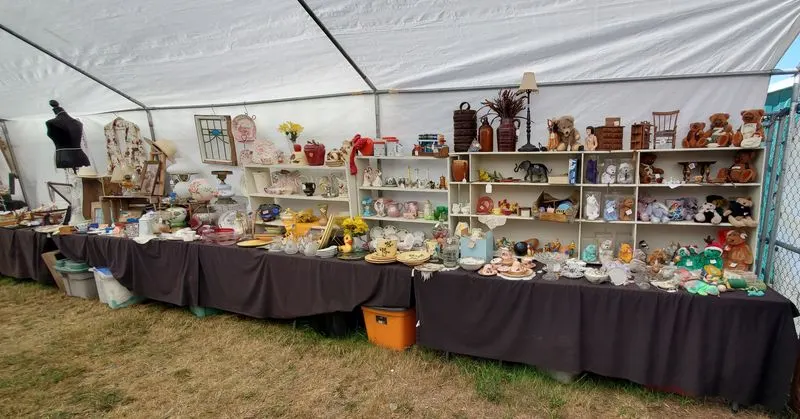
The best part of Packwood might be turning your finds into daily joy at home. Think in collections rather than orphans, like three lanterns on a shelf or a trio of Pyrex bowls on the counter.
Grouping creates visual rhythm and makes even modest scores feel intentional.
Clean pieces gently. For metals, start with mild soap and water, then microcrystalline wax if appropriate.
For wood, a soft cloth and conditioning oil can revive glow without erasing honest wear that gives character.
Frame small curios to elevate them. Old maps, patches, and labels become instant art behind glass.
Tool racks, crate shelves, or pegboards can turn utilitarian finds into functional decor that earns its keep.
Mix eras for a relaxed look. A mid century clock over a rustic bench balances sleek and rough in a way that feels lived in.
Plants love vintage vessels, but line them or use cachepots so you do not risk damage.
Most importantly, tell the story. When friends ask, you can say you found it at a mountain town market where elk sometimes wander past.
That memory is the finishing touch that makes a piece truly yours.