Kids can haul up to 25 pounds of fossils a year from one Michigan state park, and nobody will scold them for it. That’s not a typo.
On most public land, pocketing a rock can land you in trouble.
The fossils come from the Devonian Period, roughly 400 million years ago. Back then, a warm sea covered this spot, and Michigan sat near the equator.
Corals, snails, and shellfish lived there and left their shells in the mud.
Today that old seafloor sits exposed in an abandoned limestone quarry. You walk across it with a bucket and keep what you find.
I can’t imagine a better way to make a kid care about science.
I like how the place also hides sinkholes, sleeping bats, and a sky dark enough for the Northern Lights. So where should your treasure hunt start?
An Entire Quarry Floor Becomes Your Fossil Playground
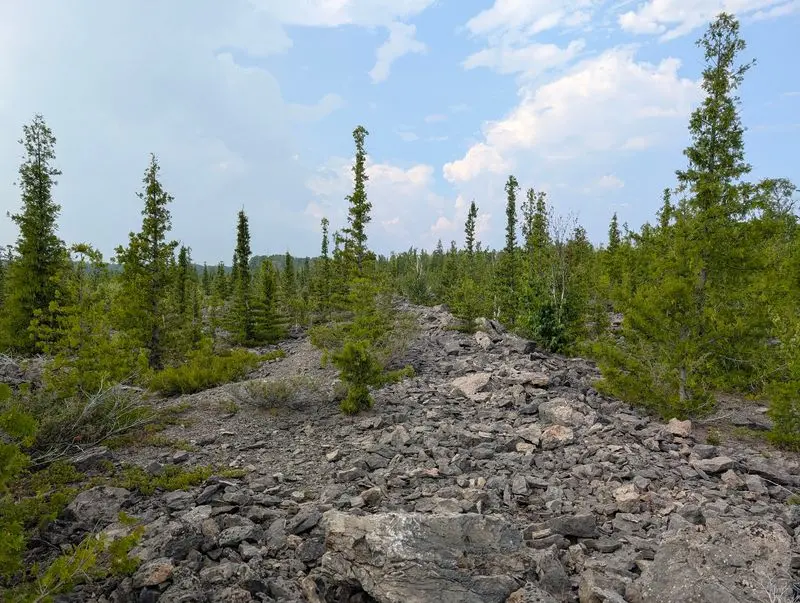
Three hundred acres of old quarry floor sit waiting at Rockport State Recreation Area. That’s a lot of ground to cover with a plastic bucket.
The quarry shut down in 1958, and the workers left behind a field of broken limestone. Every chunk of that rock formed at the bottom of an ancient sea.
Here’s the part that makes kids grin. Visitors may collect and keep up to 25 pounds of fossils per person, per year.
That rule is a rare treat on Michigan state land. In most parks, the rocks have to stay exactly where you found them.
The fossils date to the Devonian Period, about 400 million years back. Scientists call it the Age of the Fishes, because sea life was booming.
You don’t need a degree to start finding things. Flip a few rocks, look for odd patterns, and the ancient ocean starts showing off.
I believe the best plan is to slow down. Kids who sit in one spot and sift tend to spot more than kids who sprint around.
Of course, sprinting is also fun. Pick whatever strategy keeps the bucket filling up.
Your Bucket Could Hold Corals, Snails, And Maybe A Trilobite
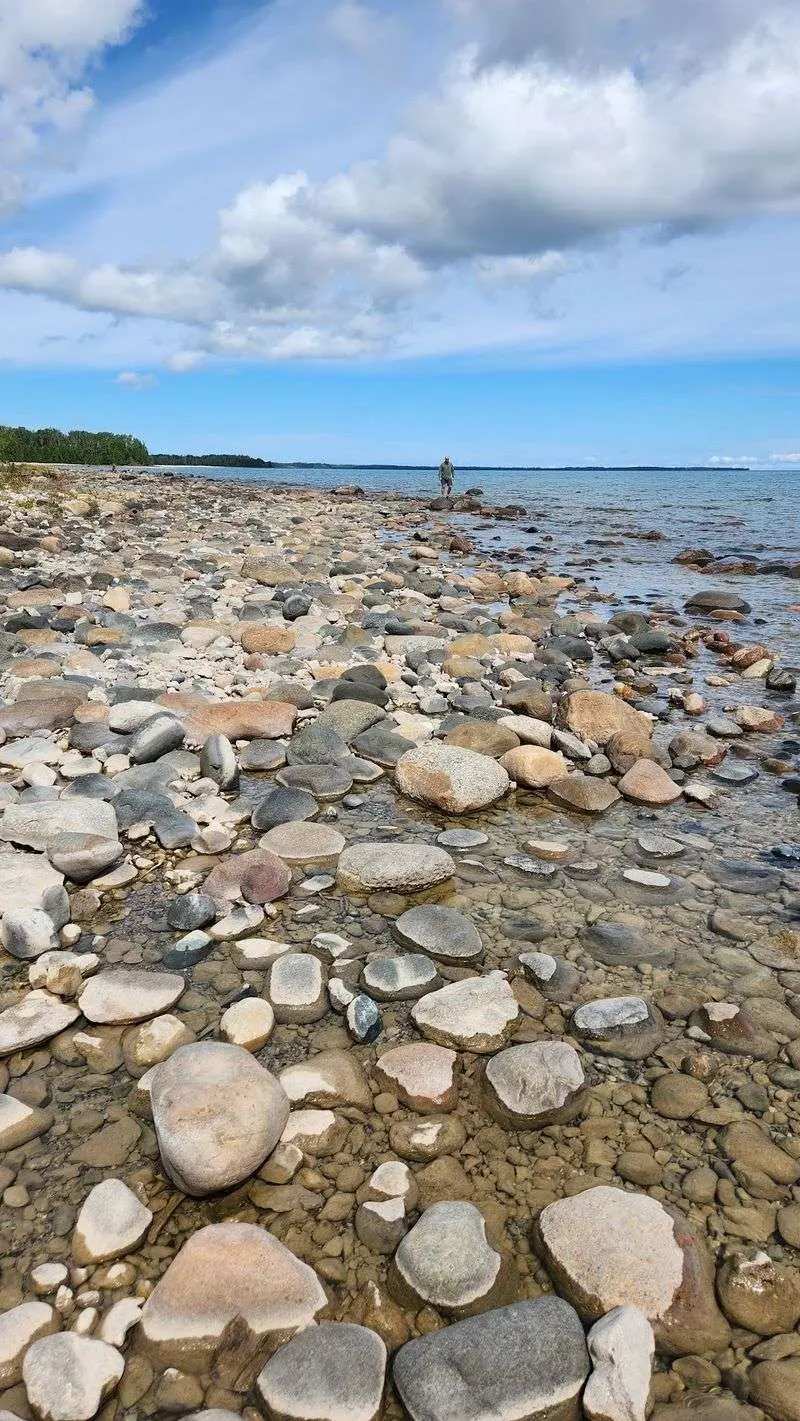
Petoskey stones are the celebrities of this quarry. They’re fossilized colonial coral, and Michigan named the Petoskey stone its official state stone.
Look for a pattern of tiny six-sided shapes packed together. Each little cell once held a living coral creature.
Favosites shows up here too, and its nickname is honeycomb coral. One glance at the pattern explains the name instantly.
Brachiopods are another common find. They look a bit like clams, with ridged shells shaped like small fans.
Gastropods are ancient snails, often curled into a neat spiral. Crinoids leave behind stacked discs that resemble tiny stone buttons or beads.
Bryozoans can be trickier to recognize. They often appear as lacy or branching textures on the rock surface.
Then comes the jackpot. Trilobites are rare at the park, but they can turn up for lucky hunters.
These armored sea bugs scuttled along ocean floors long before dinosaurs arrived. Finding even a piece of one earns serious bragging rights at school.
A simple fossil guide or phone photo chart helps kids name each find. Naming things somehow makes the bucket feel twice as valuable.
Pack Like A Geologist Before The Sun Gets Bossy
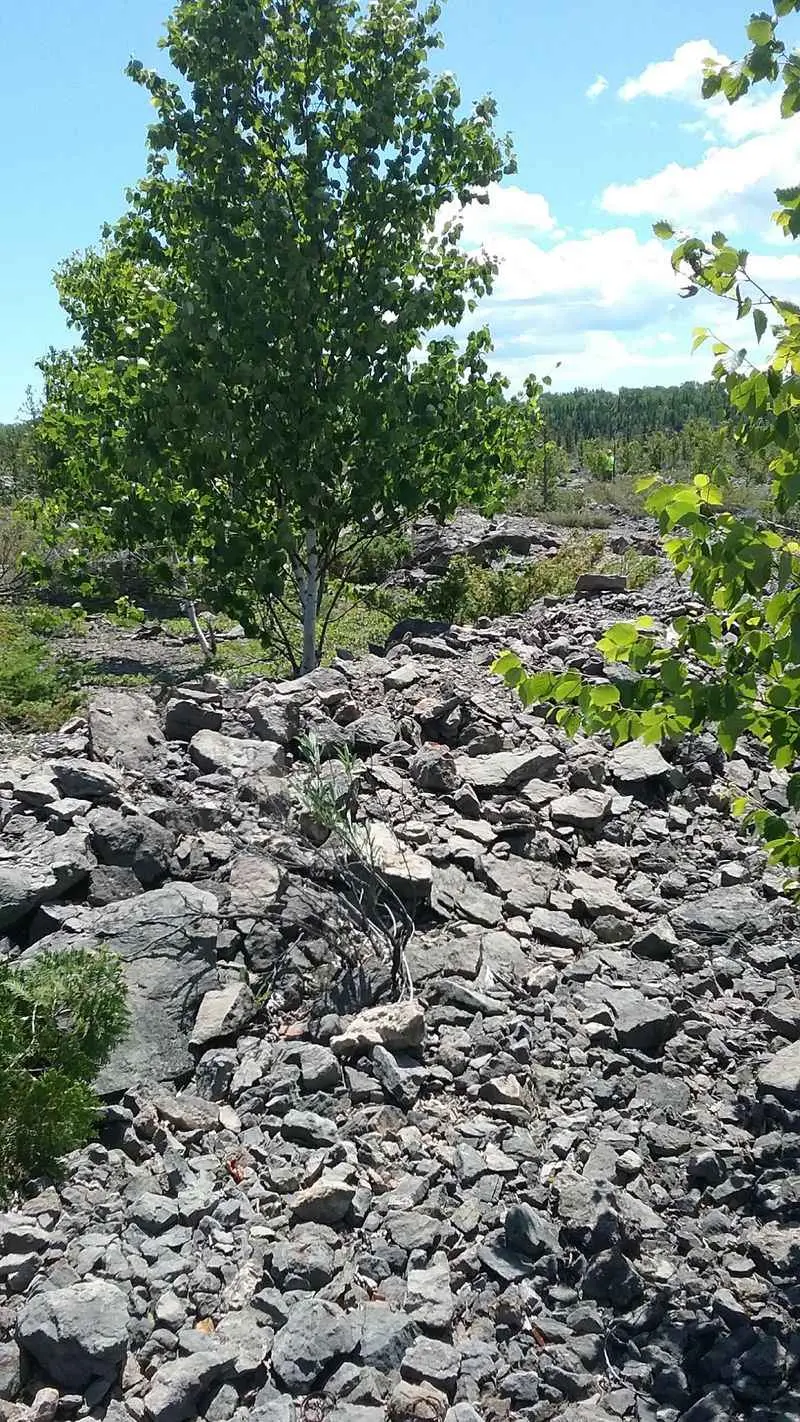
Shade is the one thing this quarry completely lacks. The old floor offers zero cover, so sunscreen and hats go in the bag first.
Water bottles come next. A hot afternoon of rock flipping drains energy faster than kids expect.
Footwear matters more than you’d think. High-ankle hiking boots protect against jagged limestone and wobbly rubble.
Flip-flops simply won’t cut it here. The terrain is steep, rocky, and full of uneven chunks that love to roll.
A sturdy bucket is the obvious must-have. Pick one with a strong handle, because 25 pounds of rock adds up quickly.
Safety glasses are smart for anyone tapping at stone. A small geological hammer is optional, but it helps with stubborn pieces.
Kids should hammer away from their faces and away from friends. Tiny rock chips fly in surprising directions.
Cell service can be spotty inside the park. Download maps ahead of time, and agree on a meeting spot before anyone wanders off.
Toss in snacks too. Hungry paleontologists tend to lose interest in brachiopods around the time their stomachs start growling.
The Ground Here Has Holes Nearly 100 Feet Deep
Limestone is a bit like a sponge with patience. Over thousands of years, water dissolves it and carves out hidden spaces underground.
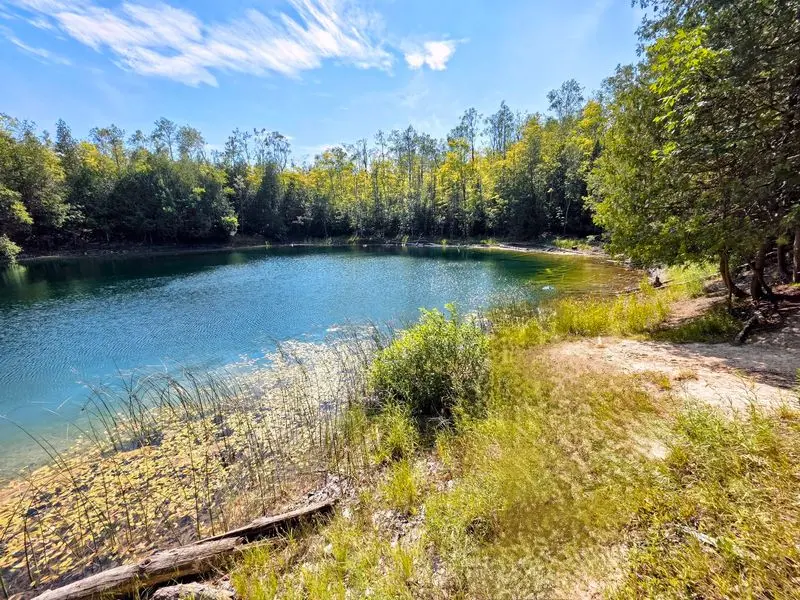
Geologists call this karst topography. Rockport sits right on top of it, with at least 13 identified sinkholes inside the park.
The most famous one plunges nearly 100 feet deep. Its bottom holds water with vivid color that looks almost unreal.
Kids usually react with a loud wow. Adults usually react by grabbing the back of a kid’s shirt.
You can hike right up to the edge for a look. Climbing down or swimming inside the sinkholes is not recommended for safety reasons.
The trails out to them range from smooth dirt to rugged limestone. Sturdy shoes make the trek much more pleasant.
Some trail sections deeper in the park can get confusing. Sticking with a GPS app or downloaded map is a smart move.
I like how the sinkholes add a second science lesson to the day. First you hold an ancient sea in your hand, then you see how water reshapes rock right now.
Stay Until Dark And The Sky Puts On A Show
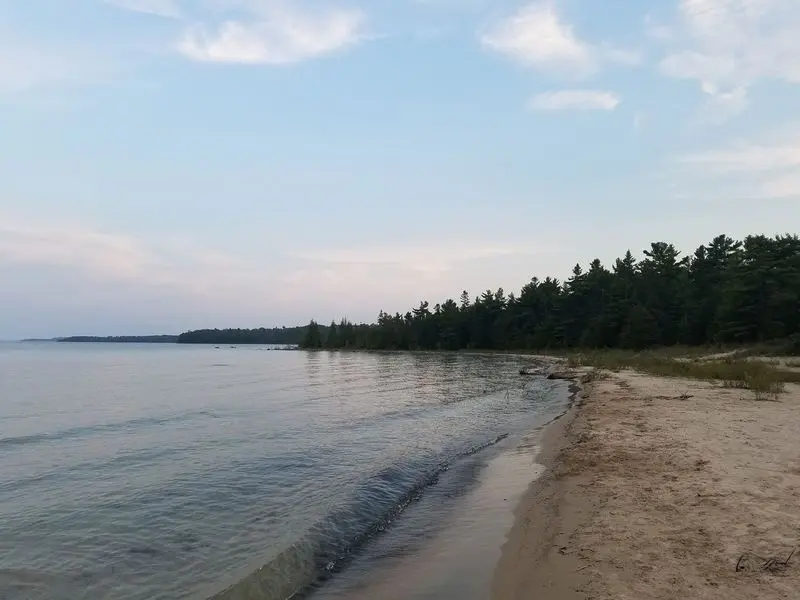
Streetlights are nowhere to be found out here. Neither are modern campgrounds or the orange glow of a nearby city.
That darkness earned Rockport State Recreation Area an official Dark Sky Preserve designation from Michigan in 2016. Only a handful of state parks carry that title.
On clear nights, the stars pile up fast. The Milky Way can stretch across the sky like spilled sugar.
The Northern Lights also show up here sometimes. Aurora watchers love the wide open views over Lake Huron.
Kids who spent the afternoon studying ancient corals can spend the evening studying constellations. That’s a pretty great science double feature.
The park is day-use only, so overnight camping is not allowed. Check posted closing times before planning a late visit.
Bring a red flashlight if you have one. Red light protects your night vision better than a bright white beam.
Blankets and folding chairs make stargazing more comfortable. A warm layer helps too, since lakeshore air can turn chilly after sunset.
Honestly, a shooting star might steal the spotlight from even the best fossil.
Thousands Of Tiny Winter Guests Sleep Behind Steel Bars
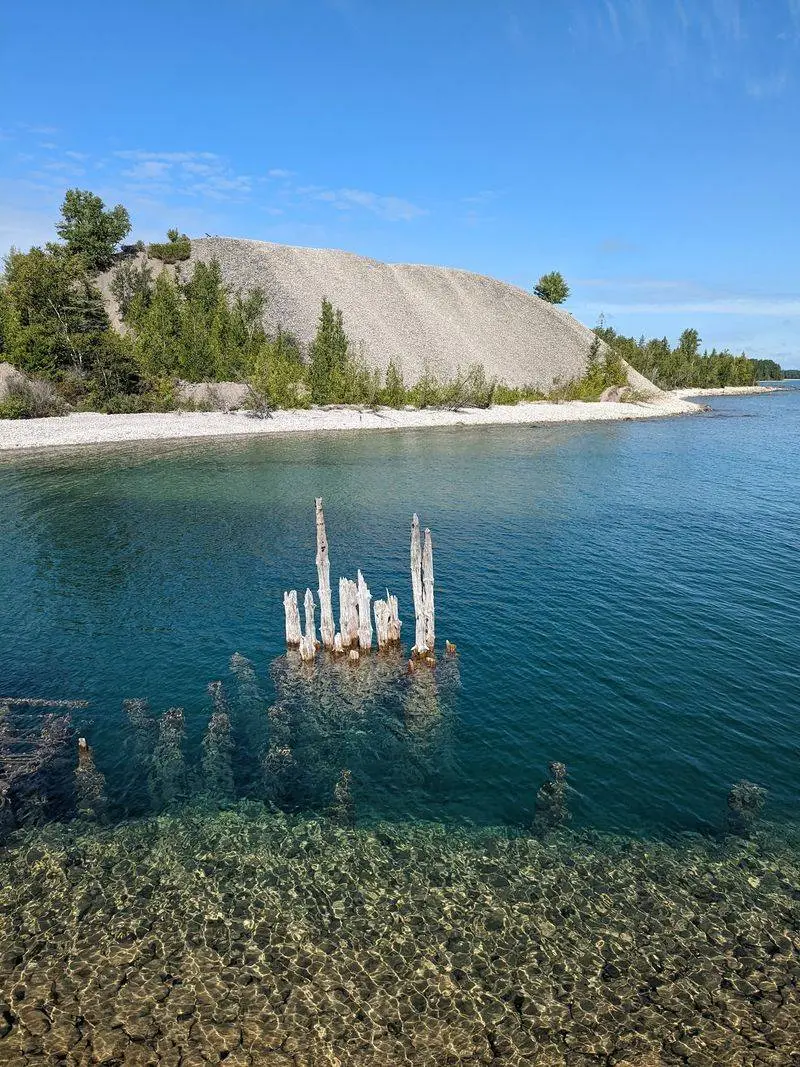
Bats need a cozy place to ride out a northern Michigan winter. Old mining tunnels inside the park fill that role perfectly.
These tunnels serve as a hibernaculum, which is a fancy word for a winter sleeping spot. It’s basically a bat hotel with a strict quiet policy.
Big brown bats, little brown bats, and tri-colored bats all use the space. Each species depends on steady, protected shelter to survive the cold months.
Heavy steel grates now cover the tunnel openings. They keep people out while still letting air flow and bats flutter through.
So no, kids can’t go exploring inside. They can, however, see the gated entrances and learn why they matter.
Bats eat huge numbers of insects every summer. Fewer bugs at your picnic table is a pretty solid thank-you gift.
This is a great moment to talk about respecting wildlife. Some park treasures are meant to be admired from a distance.
Peregrine falcons and bald eagles also live around the park. Keep your eyes up while hiking, because the sky here is busy in daylight too.
A Vanished Village And A Shipwreck Wait Up North
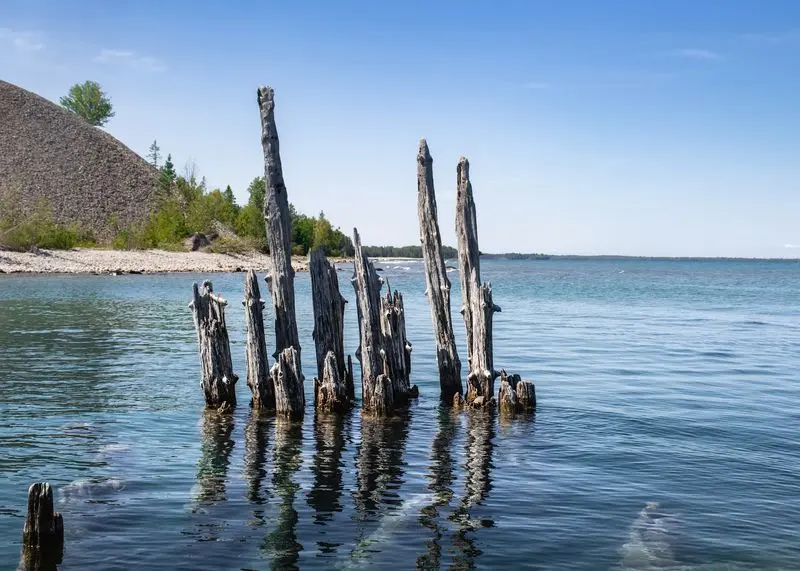
Ghost towns aren’t just a Wild West thing. The northern section of the park holds the Besser Natural Area, home to remnants of a village called Bell.
Archaeological traces of the old town still remain. A small primitive cemetery is part of what’s left behind.
That makes this a spot for quiet respect. Kids can learn that real families once built lives along this rugged shore.
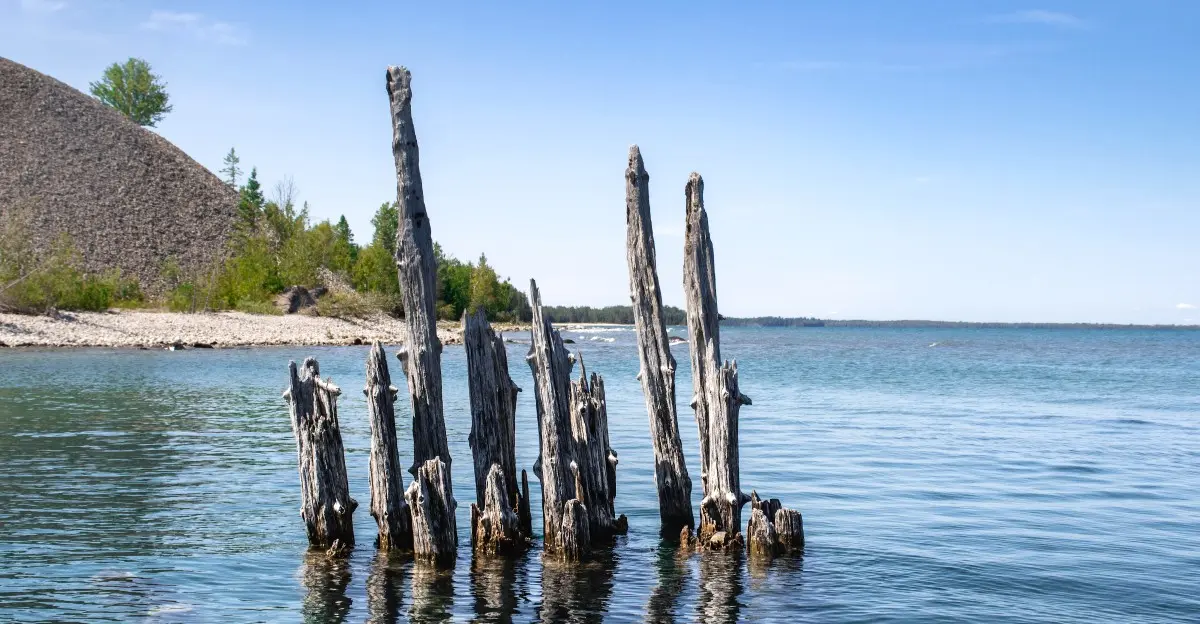
Just offshore near Bell Bay, a shipwreck rests in shallow water. Lake Huron has a long history of claiming vessels, and this one sits close enough to spark big imaginations.
The natural area also features a pristine sandy beach. After a day on sharp limestone, soft sand feels like a reward.
Towering old-growth white pines stand nearby too. These giants give you a glimpse of what northern forests looked like long ago.
Pine needles, history, and waves make a very different mood than the quarry. It’s calmer, greener, and a bit mysterious.
Plan time to explore both corners of the park. Fossils tell the ancient story, while Bell tells a much more recent one.
Bring A Fishing Rod To The Deep-Water Harbor
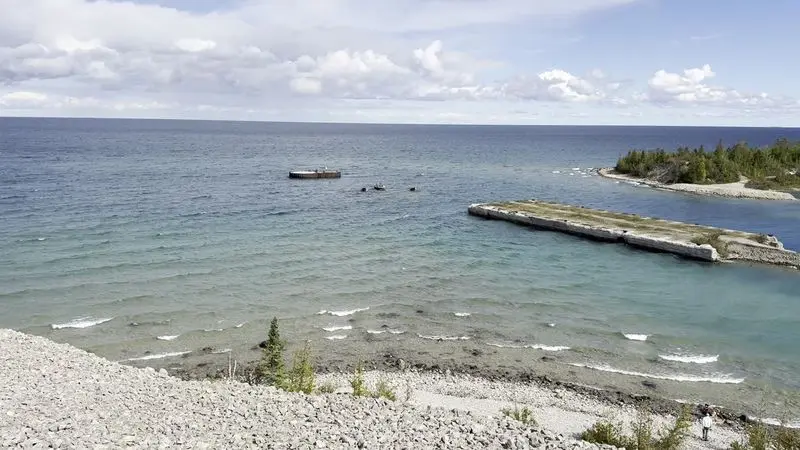
Limestone once left this harbor on big ships. Today the old deep-water pier welcomes anglers, paddlers, and boaters instead.
You’ll find the park at 10175 Rockport Road, Alpena, MI 49707. A boat launch at the harbor offers easy access to Lake Huron.
Fishing is a big draw here. Brown trout, Chinook salmon, lake trout, and walleye are all possible catches.
Anglers can cast from the pier or head out by boat. Remember that a Michigan fishing license is required for anyone who needs one.
Swimming is allowed too. The shoreline is rocky, though, so water shoes will save some very unhappy toes.
Lake Huron stays cool even in summer. Kids may shriek on the first step, then refuse to leave ten minutes later.
Paddling is another option along this stretch of shore. Kayaks and paddleboards let you see the rocky coastline from a fresh angle.
Picnic areas sit near the water as well. Pack lunch, grab a table, and let everyone dry off between fossil rounds.
A Few Smart Moves Before You Hit The Gravel Road
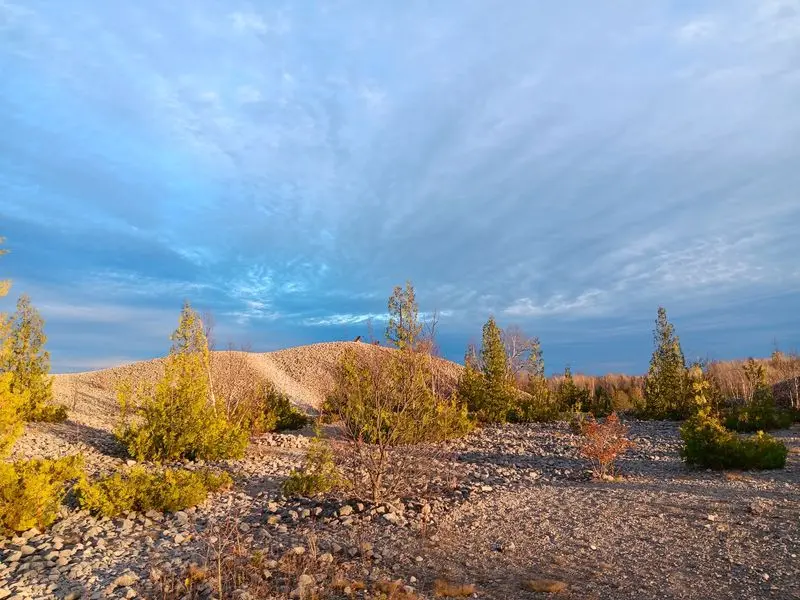
Michigan’s 100th state park deserves a little planning. Rockport State Recreation Area earned that milestone title in 2012.
A Recreation Passport is required for vehicle entry. Add it when you renew your license plate, or buy one before you arrive.
The park covers 4,237 acres across Alpena and Presque Isle counties. It’s day-use only, so plan your lodging somewhere nearby.
Amenities stay basic. You’ll find picnic areas, vault toilets, and parking, so stock up on supplies before the trip.
Bikes are welcome on the multi-use trails. Fat-tire bikes handle the rough quarry terrain much better than skinny tires.
Winter visitors aren’t left out either. Snowshoeing, cross-country skiing, and snowmobiling are all permitted when the snow falls.
History lovers will enjoy one fun connection. Limestone quarried here between 1914 and 1948 was used in construction, including the Mackinac Bridge.
Want more fossil fun after your visit? The Besser Museum for Northeast Michigan in Alpena features exhibits on local geology and fossils.
The Great Lakes Maritime Heritage Center is also nearby. Between the two, your kids might come home talking science for weeks.