
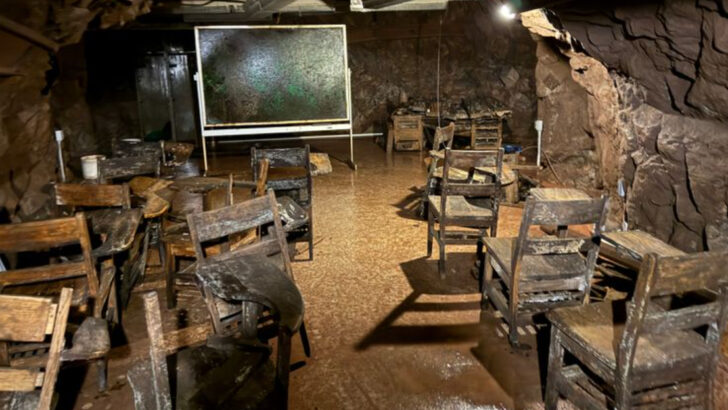
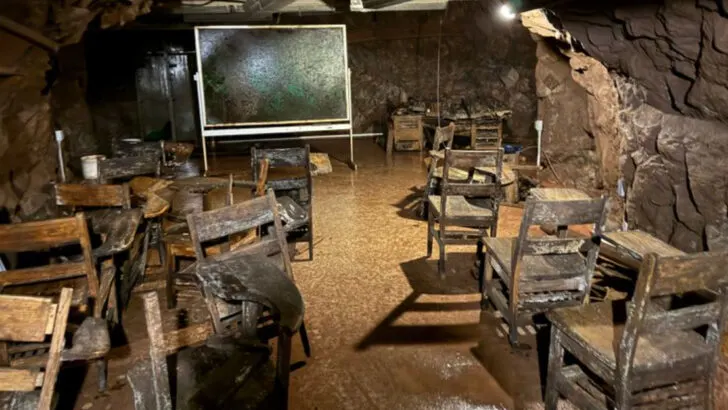
This is not a museum visit. It is a plunge into Michigan’s raw nerve.
At Quincy Mine, the earth opens and invites you straight down, 400 feet below the surface, where history presses in from every side.
Steel cages rattle, lights fade, and suddenly you are standing where miners once chased veins of solid copper through rock.
The walls here are not stories behind glass. They are massive, cold, and real. Copper streaks flash in the stone, damp air clings to your jacket, and the silence carries weight. Every step feels earned, every corner alive with tension and grit.
Above ground, towering ruins frame Lake Superior, but the real magic lingers below.
Quincy Mine does not whisper the past. It lets you feel it, deep underground, exactly where it happened.
The underground tour experience
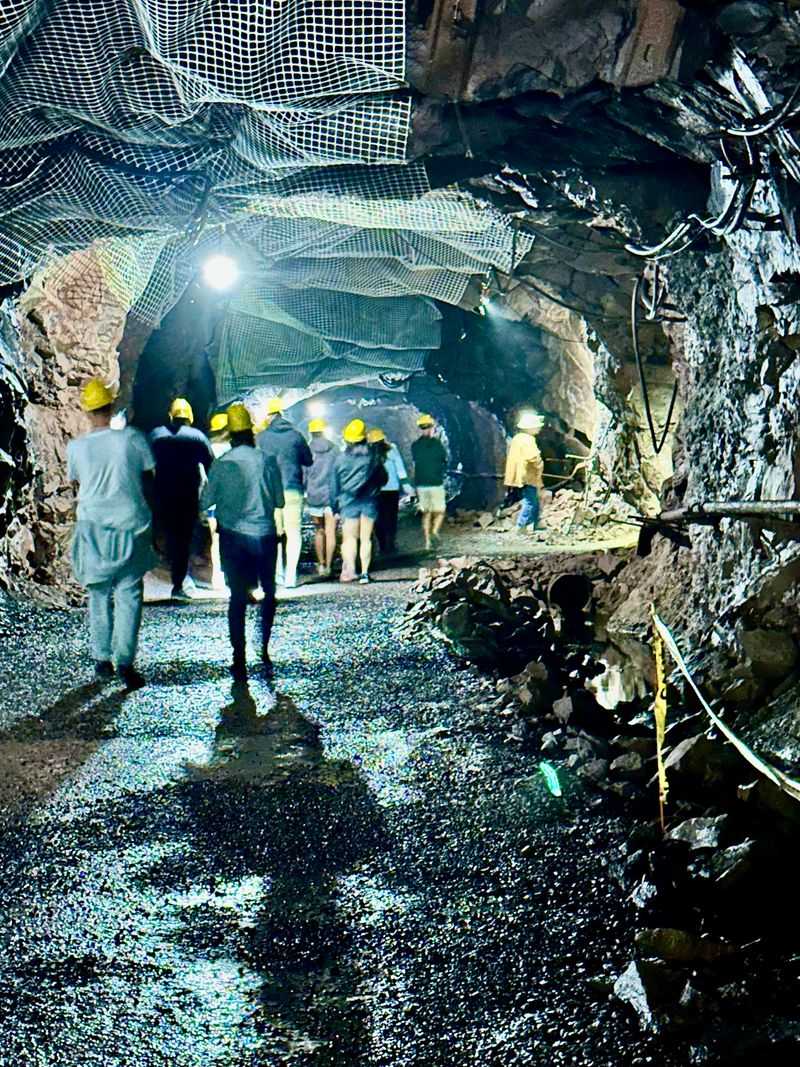
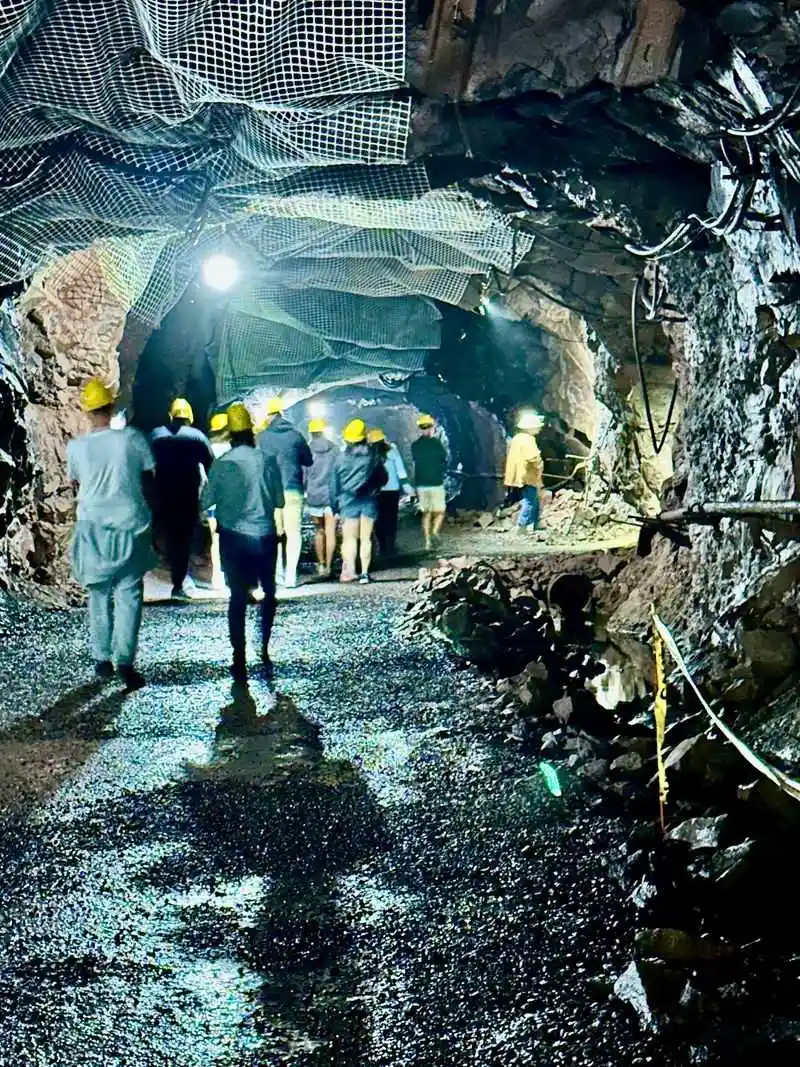
Step through the adit and the air instantly drops to a crisp 43 degrees. Your eyes adjust, and the walls come alive with metallic glints where native copper threads through ancient basalt.
A guide sets the pace, spotlight sweeping across rails, timbers, and drill marks that feel close enough to touch.
You hear the story of a mine that once plunged thousands of feet, even though today you descend roughly 400 feet to safe, flood free levels. That number makes sense when the scale is explained, and you can trace the vein line with your light.
Questions are welcome, and the answers help the pieces click.
Wear sturdy shoes and bring a jacket, because moisture and breeze add to the atmosphere. You will leave with a sharper sense of how labor, geology, and engineering combined underground.
It is not a theme park ride, but a living classroom carved into rock.
The cog tram ride down the hill
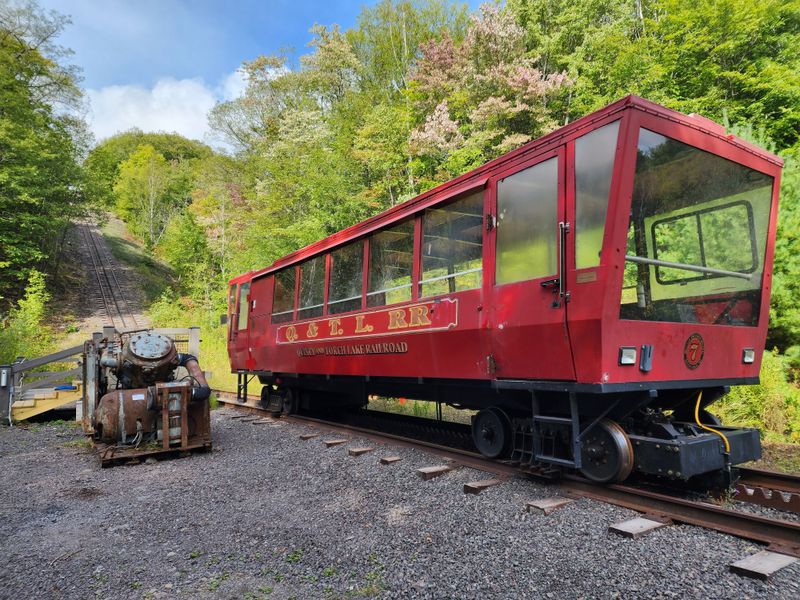
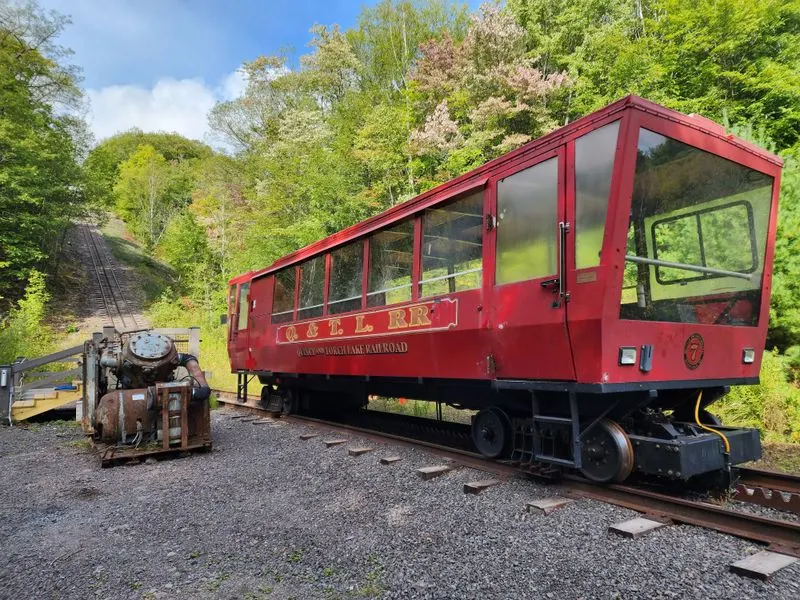
The downhill ride on the cog tram is your gateway to the underground. As the car eases over the crest, Hancock spreads below and the Portage Canal glimmers beyond the trees.
You feel a gentle clack of the rack system working, a satisfying rhythm that builds the anticipation.
Guides point out landmarks and explain why this hillside mattered to copper’s global story. The grade is steep, but the ride is smooth and secure, letting you focus on scenery and context.
Kids love seeing gears and rails up close, and adults appreciate the engineering that tamed this terrain.
At the bottom, the mine portal appears, low and intriguing like a doorway to another century. Snap a quick photo, then step into the cool air that rolls out like natural air conditioning.
The tram turns a simple transfer into a memorable chapter of the tour.
Seeing real native copper in the rock
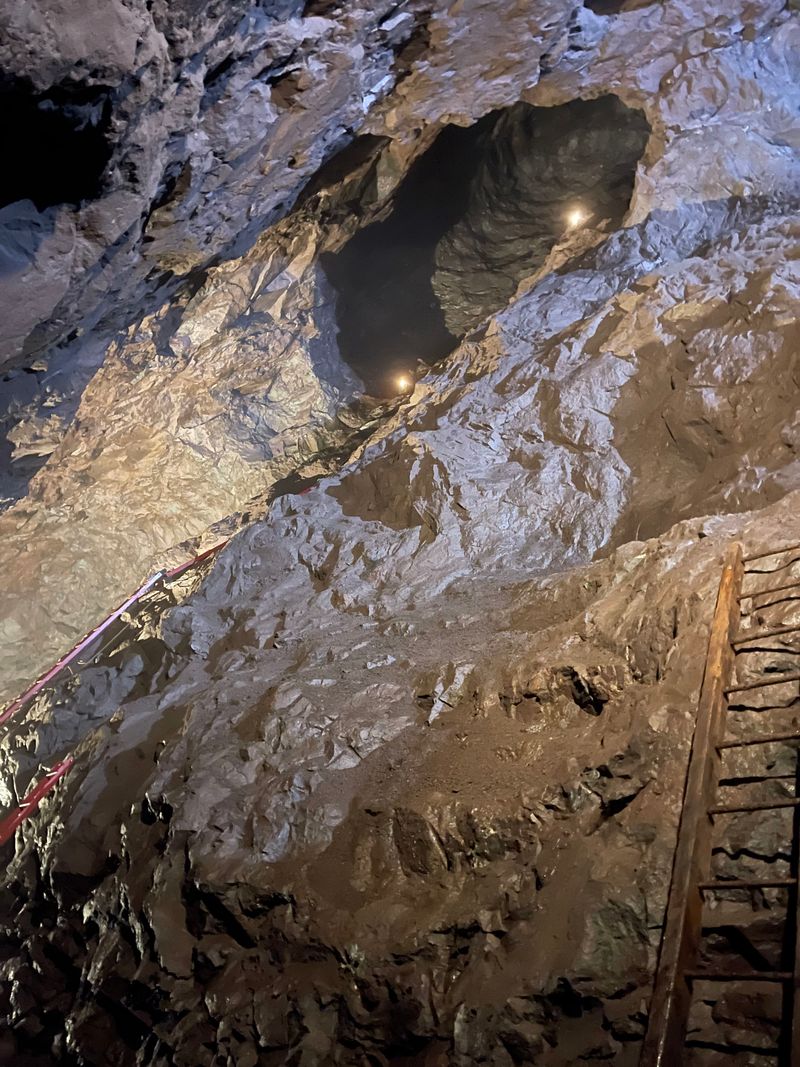
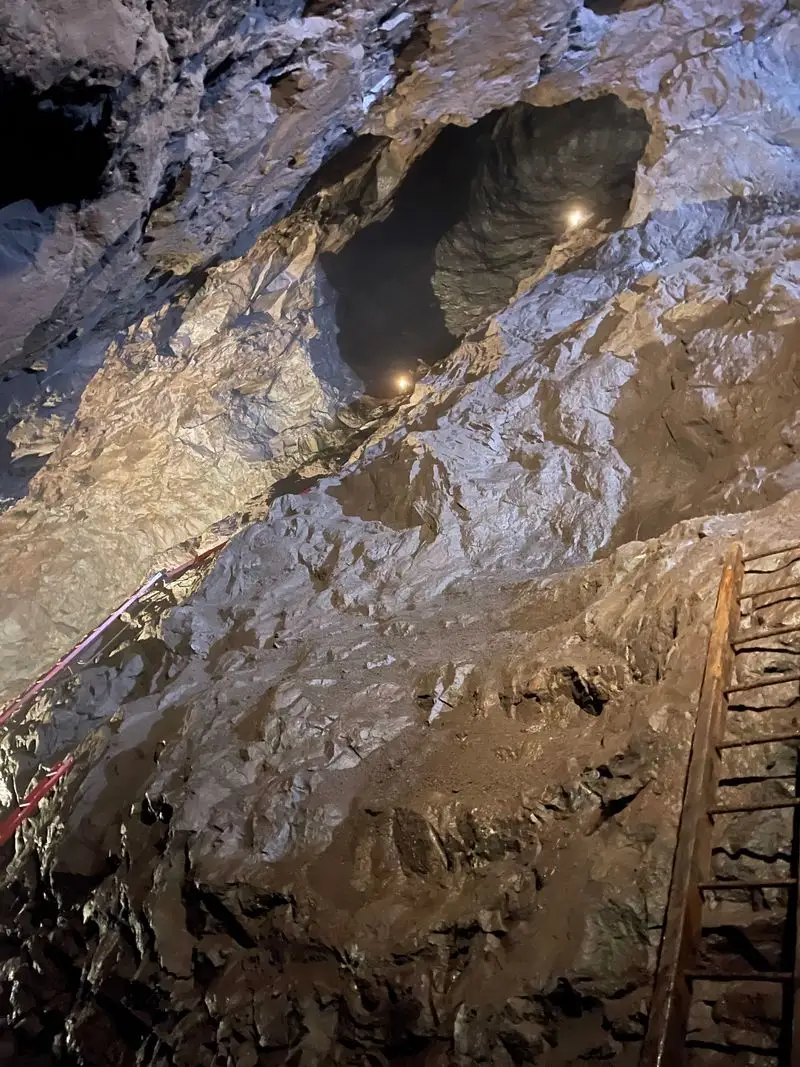
Nothing beats the moment your light catches a ribbon of copper and it gleams warm against dark basalt. This is not a museum case.
It is the real vein, the reason men chased pay rock through the Keweenaw for decades. Your guide explains how hydrothermal fluids left metal behind, and suddenly geology feels tangible.
You will notice colors shift from bright salmon to deep penny tones, depending on oxidation and moisture. The texture looks almost organic in places, beaded and branching like roots.
You can picture drills biting along the contact zones, following the glint toward better grades.
No need to touch to feel connected, though you will want to. Light, angle, and patience reveal more each minute.
When someone whispers, it is because the rock itself is doing the talking, and you are listening to a billion year story.
The massive steam hoist house
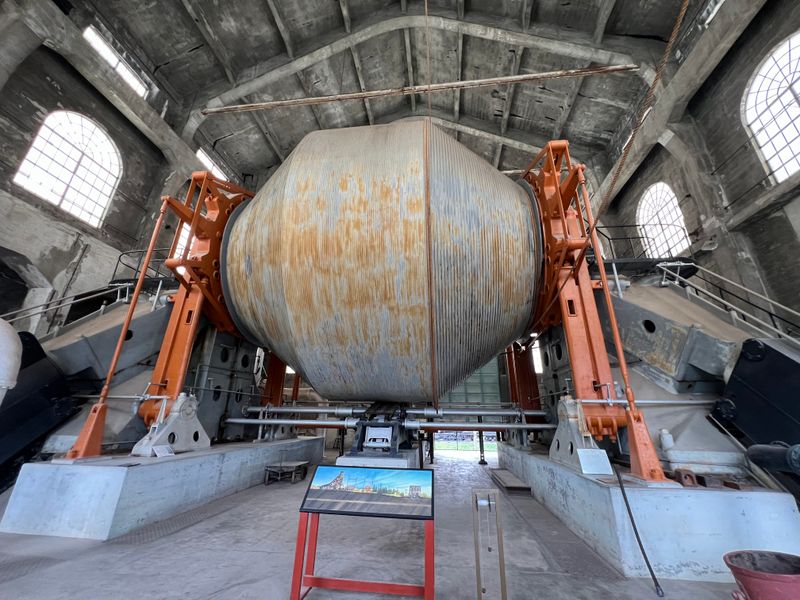
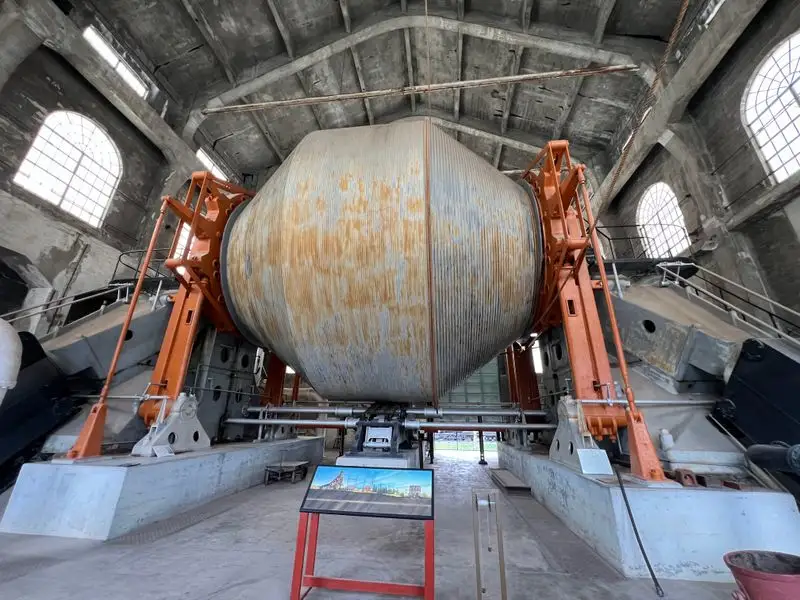
Inside the hoist house, the machinery dwarfs you. The Quincy No. 2 steam hoist is colossal, all drums, pistons, and polished metal, built to lift men and ore from astonishing depths.
Stand near the railing and you feel the ambition that powered a mining empire.
Interpretive panels explain how steam pressure, cables, and braking systems worked in concert. It is industrial art and engineering education in the same breath.
Kids count the rivets while adults trace the cable paths and imagine the roar when everything was in motion.
Guides make it approachable with plain language and quick demos. If you like mechanical history, this room alone is worth the ticket.
You leave appreciating how surface systems made underground work possible, safely and at scale.
Practical tips: hours, tickets, and what to wear
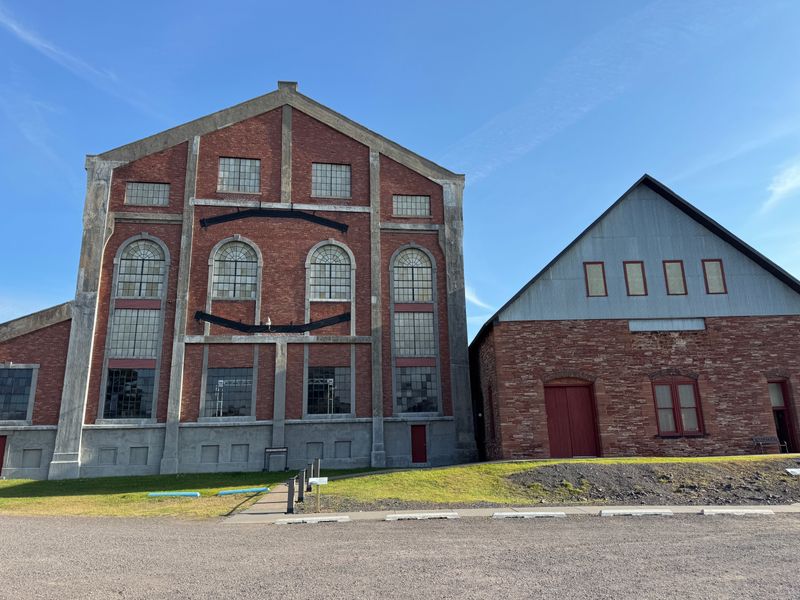
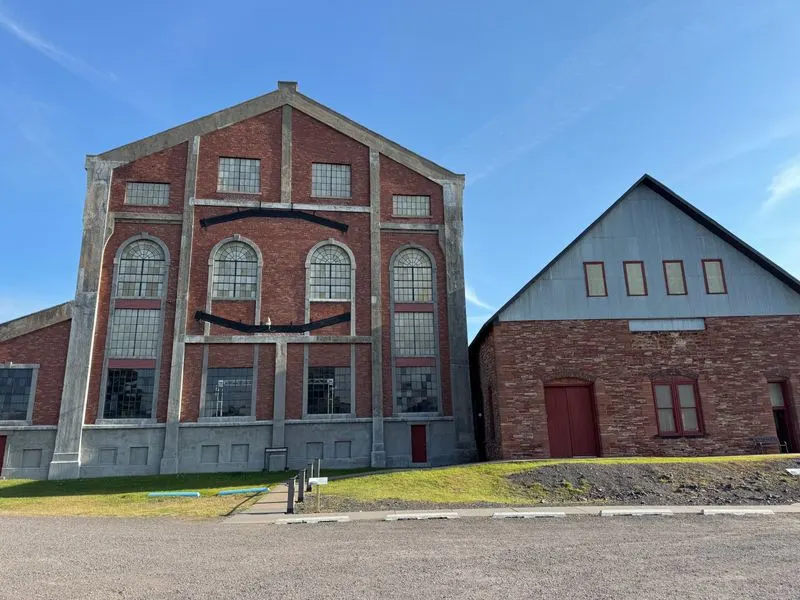
Hours are generally 10 AM to 4 PM, and the mine runs popular guided tours, so book online if you can. Arriving an hour early lets you explore ruins and exhibits before your time underground.
If you miss the gift shop after a late tour, come back the next day and keep the experience going at Quincy Mine, located at 49750 US-41 in Hancock, Michigan.
Wear a jacket, closed-toe shoes, and bring curiosity. It is 43 degrees in the mine with some damp patches, and a light hoodie or fleece keeps you comfortable.
Hard hats are provided, guides set a relaxed pace, and accessibility options change seasonally, so calling ahead is smart if mobility is a concern.
Prices feel fair for the depth of interpretation, and your ticket helps support preservation by a local nonprofit. Even if tours sell out, wandering the grounds still delivers a satisfying taste of Copper Country history.
History that shaped the Keweenaw
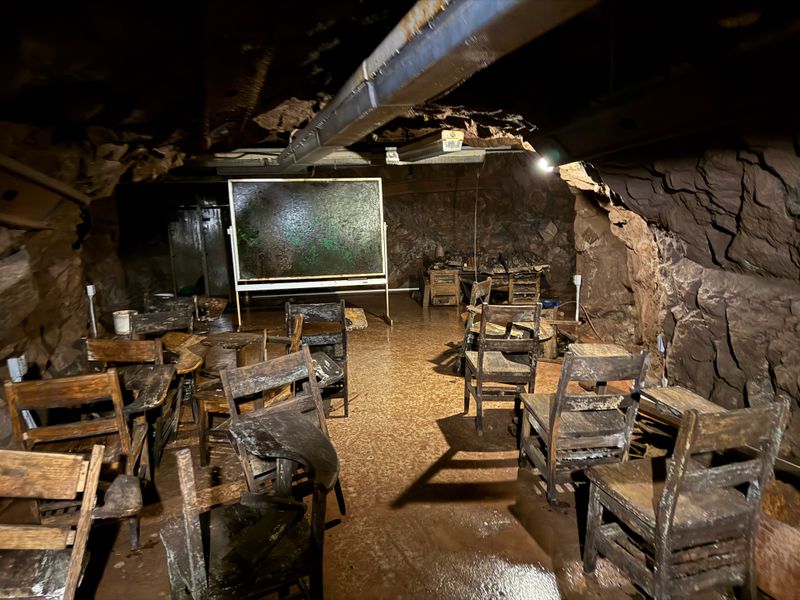
Quincy Mine helped define the Keweenaw’s boom years. Copper from these lodes ran to national industries and global markets, fueling telegraph lines, electrification, and wartime production.
Walking the site turns textbook history into a place you can breathe and photograph.
Guides tie dates to real people, from immigrant miners to engineers designing safer systems. You get candid talk about risks, strikes, and resilience, not just highlight reels.
Artifacts feel less like relics and more like tools that still hum with human stories.
The big picture comes into focus when you step between hoist house, shaft rockhouse, and adit. Each structure explains another chapter in mining economics and community life.
You leave with more than facts. You understand why this hillside mattered far beyond Hancock.
Self guided grounds and ruins
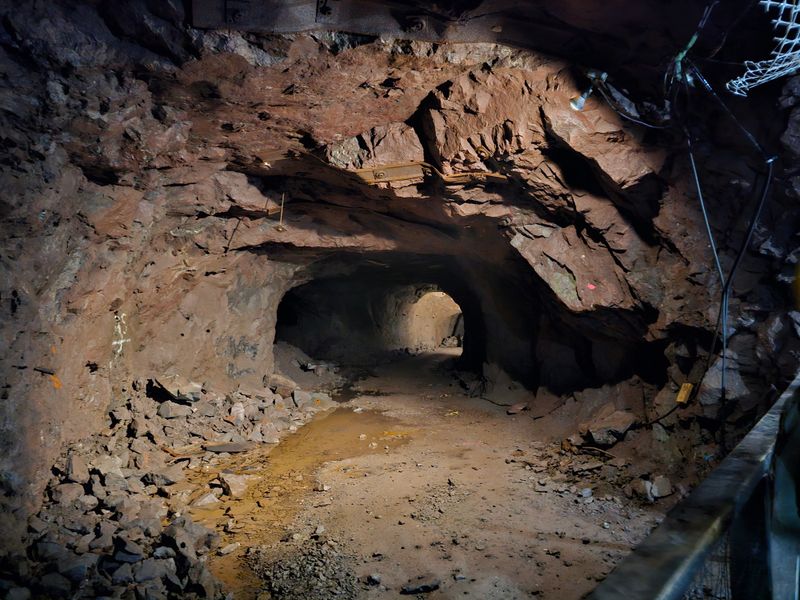
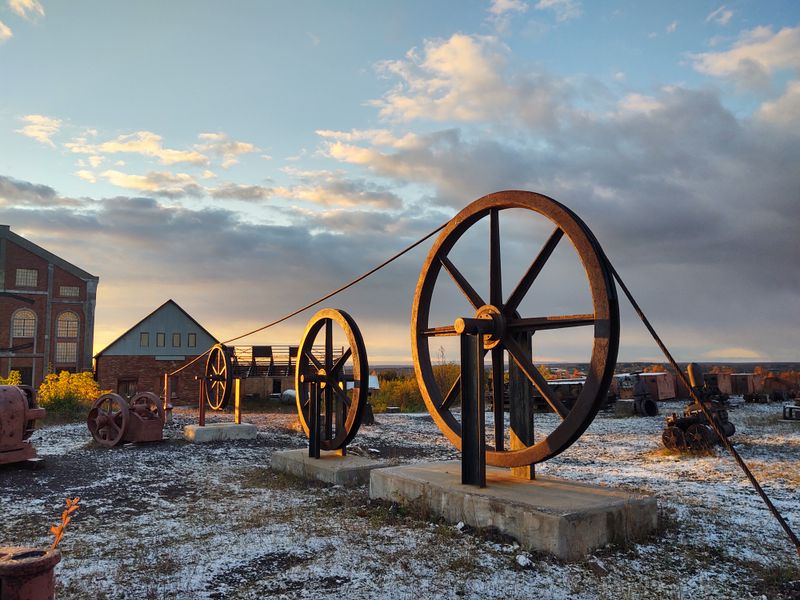
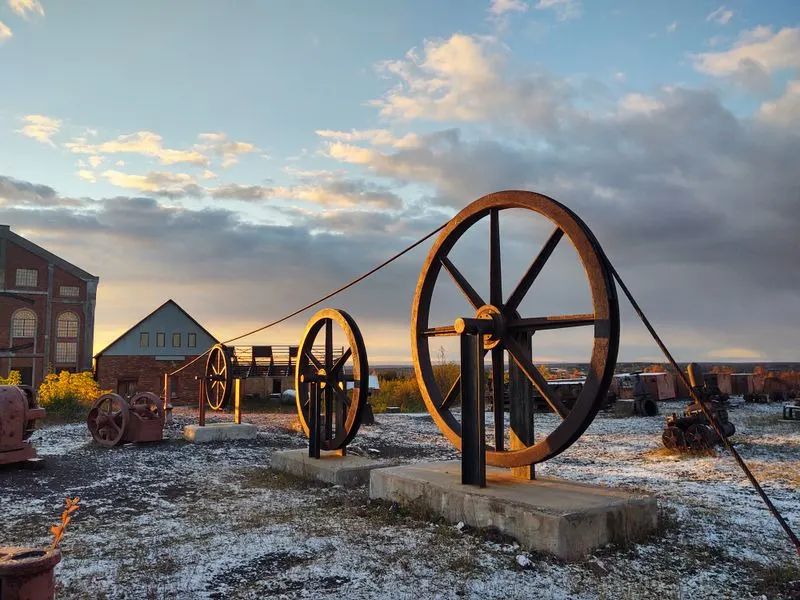
Even without stepping underground, the grounds reward slow wandering. Stone foundations, steel frames, and rail lines sketch the outline of a once vast operation.
Interpretive signs make it easy to match structures to their roles, like rockhouses, boiler rooms, and rail spurs.
It is free to walk, photogenic in any season, and surprisingly peaceful. You can linger at viewpoints over the canal, spot old train cars, and imagine ore moving downhill toward stamp mills.
The scale becomes tangible when you trace distances between buildings with your own steps.
Give yourself at least 30 to 60 minutes before or after a tour. Comfortable shoes help, and kids enjoy the treasure hunt feel of finding artifacts.
It is an open air classroom where curiosity sets the lesson plan, and the setting does the teaching.
Gift shop finds and local copper
The gift shop is genuinely good, not an afterthought. You will find copper jewelry, mineral specimens, books, and kid friendly science kits that keep curiosity burning.
Staff are kind and know the stock, and purchases support preservation work on site.
Prices span souvenir to heirloom, with pieces that feel connected to place. If you are chasing a headlamp or a warm layer, you might even spot practical gear at a fair price.
It is the kind of shop where you pick up a small stone and end up leaving with a story.
Stop before your tour if you have time, or swing back after exploring the grounds. It is an easy way to bring Copper Country home without weighing down your pack.
Think of it as the final chapter where you choose your own epilogue.