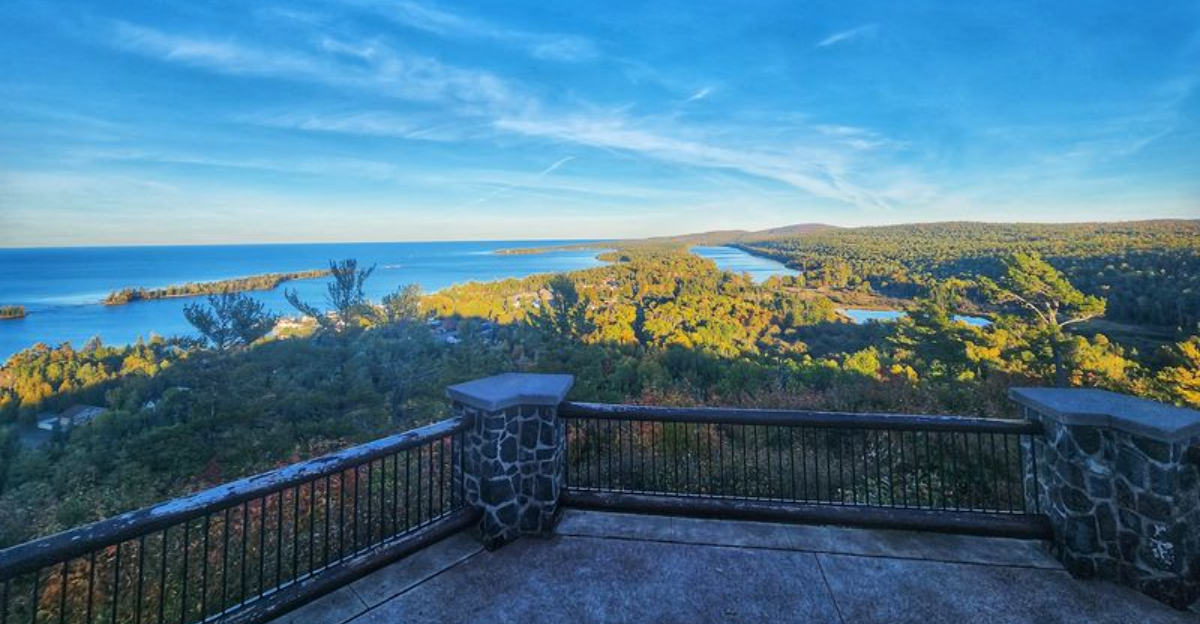
The road keeps climbing, the trees slowly fall away, and then Lake Superior suddenly stretches across the horizon like an inland sea. It feels like the reward at the end of a demanding mountain hike, except you’ve arrived with the windows down and the camera already within reach.
Perched high above Michigan’s Keweenaw Peninsula, Brockway Mountain Drive offers one of the state’s most accessible scenic overlooks without asking visitors to tackle steep trails or rocky switchbacks. The nine-mile route winds to elevations above 1,300 feet, revealing endless forests, sparkling blue water, and distant shorelines that seem to disappear into the sky.
Bald eagles often soar on the updrafts, while overlooks invite you to pause, breathe in the crisp northern air, and take in the remarkable landscape from every angle.
Around every bend, Brockway Mountain Drive reveals another unforgettable view, another quiet pull-off, and another reason this remarkable road has become one of Michigan’s most rewarding scenic escapes.
The Drive That Defies All Expectations
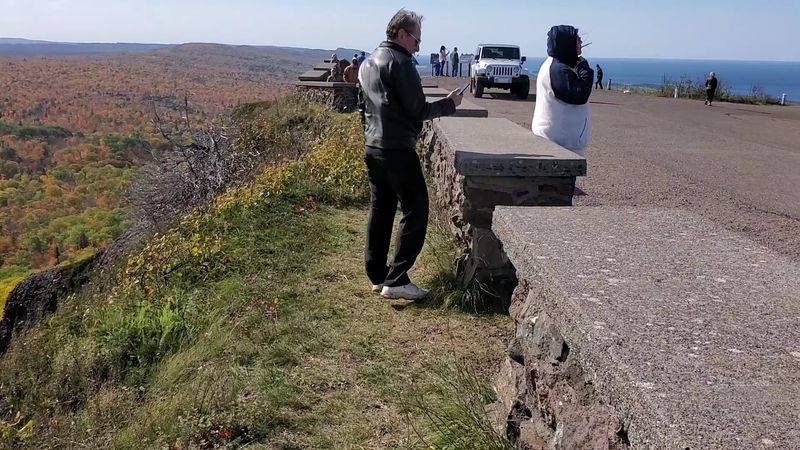
Most mountain peaks demand hours of trudging uphill with a heavy pack. Your calves burn, your lungs protest, and you question every life choice that brought you to this trail.
But some places break all the rules.
Brockway Mountain Drive takes a different approach entirely. This paved road climbs steadily through the Keweenaw Peninsula, letting your car do all the hard work while you soak in views that keep getting better with every curve.
The nine-mile route rises over 1,300 feet, yet your biggest challenge is deciding where to stop for photos.
Engineers built this road in the 1930s, carving a path that follows the mountain’s natural ridgeline. Smart planning means gentle grades instead of hairpin turns.
Your grandmother’s sedan handles it just fine, and that’s precisely the point. Everyone deserves to see what mountains look like from the top, regardless of fitness level or hiking experience.
Lake Superior Spreads Out Like an Ocean
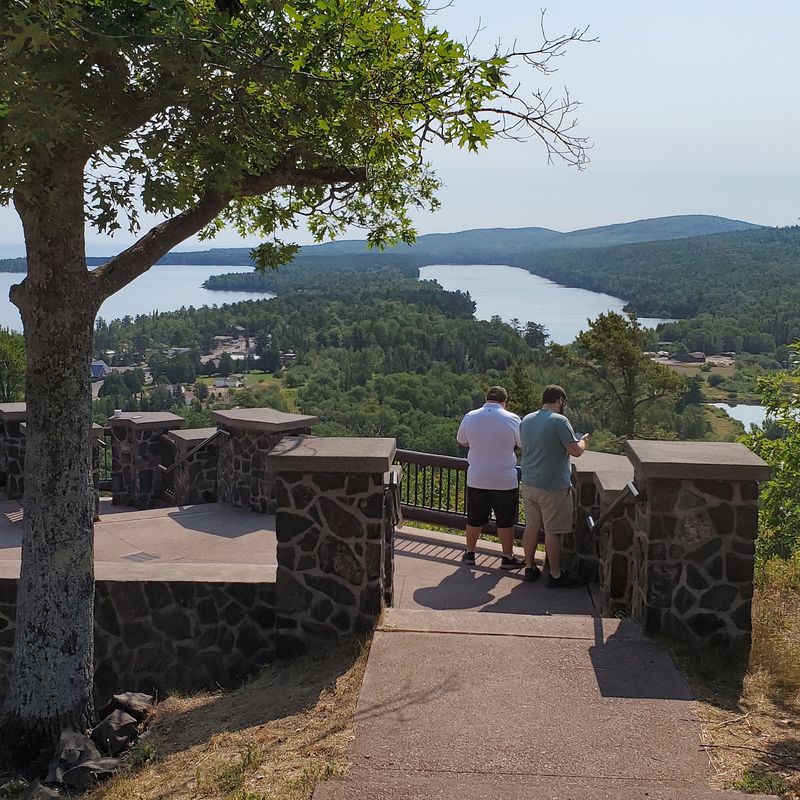
Standing at the summit, you’ll swear you’re looking at an ocean. The water stretches endlessly, catching sunlight in a thousand different shades of blue.
Waves roll toward distant shores you can barely make out through the haze.
Lake Superior dominates the view from Brockway Mountain’s highest lookout points. On clear days, you can spot Isle Royale National Park floating on the horizon, over 50 miles away.
The Keweenaw Peninsula juts into the massive lake below, its rocky shores and hidden coves visible like features on a relief map. Freighters pass by, looking tiny against the water’s vast scale.
Weather changes the lake’s personality by the hour. Morning fog wraps islands in mystery.
Afternoon sun turns the surface into glittering diamonds. Storm clouds create dramatic contrasts between dark water and bright sky.
Each visit reveals something different, making repeat trips worthwhile for photographers and nature lovers alike.
Autumn Transforms the Landscape Into Fire
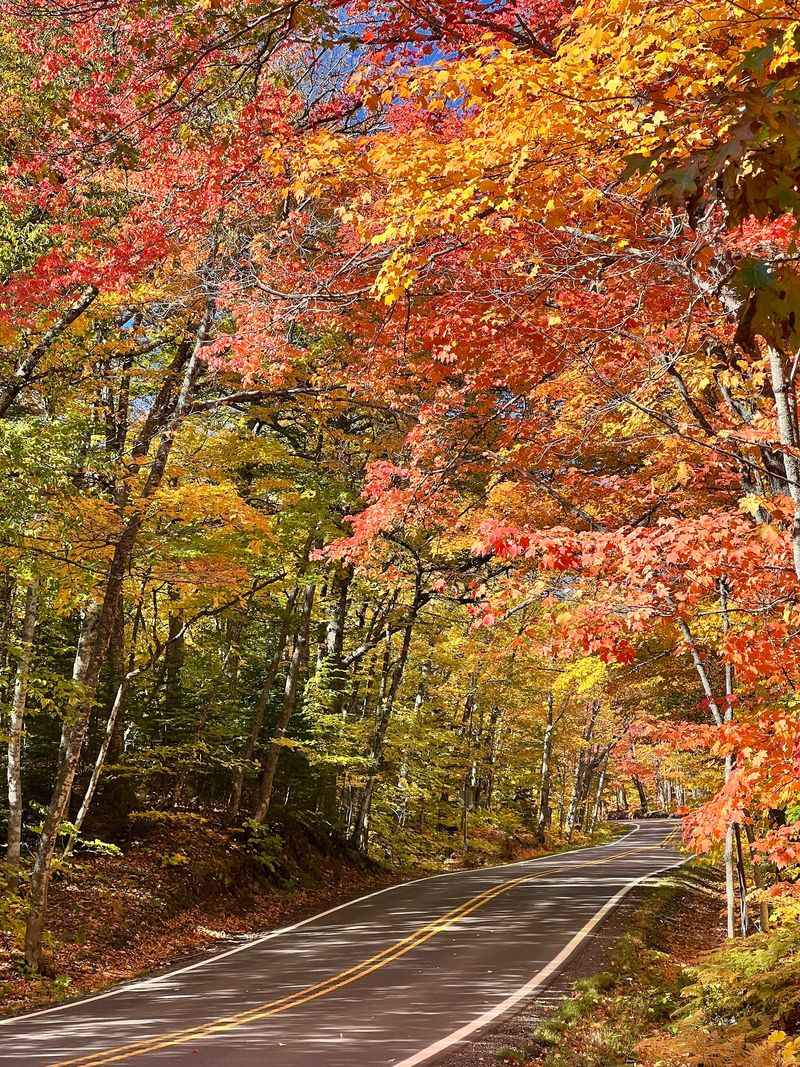
September and October turn the Keweenaw Peninsula into something almost unreal. Colors explode across every hillside, creating a tapestry so vibrant it looks photoshopped.
Sugar maples blaze crimson. Birches glow golden.
Aspens shimmer like coins in the breeze.
Brockway Mountain Drive becomes peak-leaf-peeping territory during fall. The elevated vantage point lets you see entire valleys painted in autumn’s palette, with Lake Superior’s deep blue providing perfect contrast.
Hardwood forests covering the lower slopes catch fire first, while evergreens add dark green punctuation marks throughout the display. The show typically peaks in late September, though elevation differences mean colors change at varying rates.
Timing matters for catching nature’s grand finale. Local ranger stations and visitor centers track color progression, helping travelers plan accordingly.
Weekend traffic increases noticeably when leaves reach their brightest, so weekday mornings offer quieter experiences. Either way, bring extra memory cards because you’ll fill them quickly.
Dawn Breaks Over America’s Largest Lake
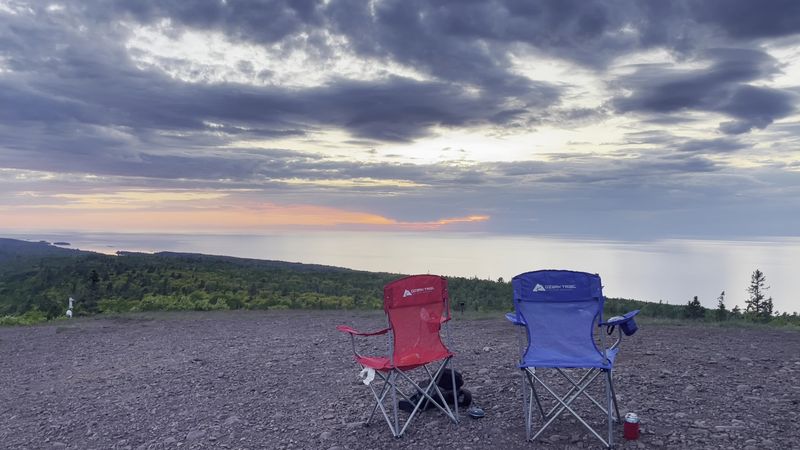
Alarm clocks feel cruel at 5 AM, but some moments justify the early wake-up call. When darkness still holds the landscape and stars fade overhead, you’ll understand why photographers chase sunrise at this particular spot.
The eastern exposure from Brockway Mountain’s summit makes it premiere sunrise territory. Lake Superior catches first light like a mirror, turning gold and pink before the sun actually appears.
Islands emerge from darkness as silhouettes. The sky transitions through impossible colors, from deep purple to orange sherbet.
Within minutes, the entire scene transforms completely.
Fall and spring offer the most dramatic sunrise displays, when crisp air creates sharper contrasts and fewer clouds block the show. Summer brings earlier sunrises, around 5:30 AM, meaning less sleep but warmer temperatures for waiting.
Dress in layers regardless of season. Mountain mornings run cold, even in July.
Pack coffee or hot chocolate in a thermos to sip while nature’s light show unfolds.
Pull Over Anywhere for Another Perfect View
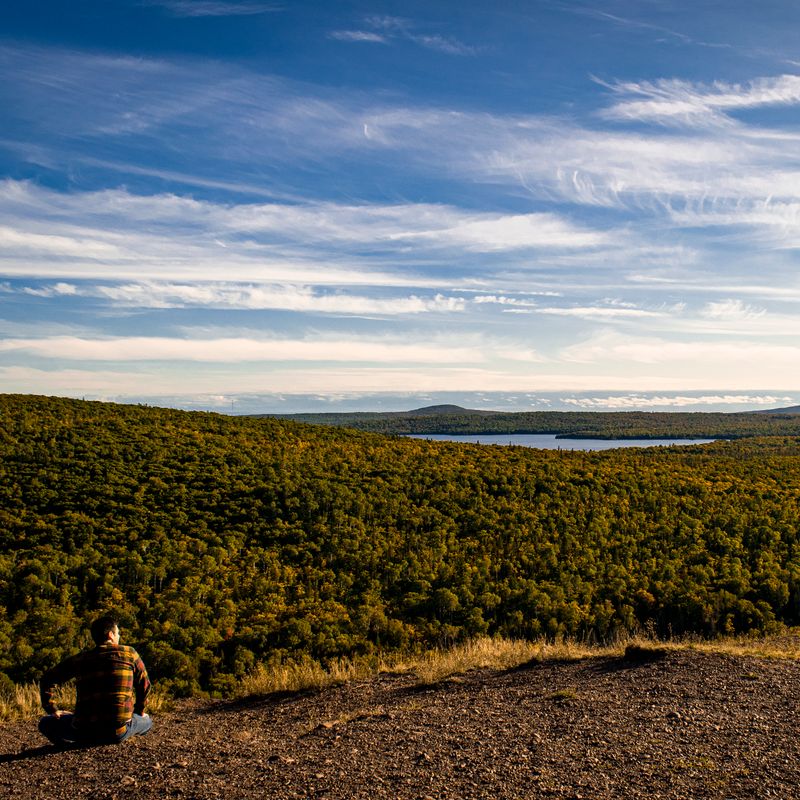
Highway rest stops usually mean vending machines and questionable bathrooms. This road takes a radically different approach to pausing your journey.
Every turnout reveals another postcard-worthy scene.
Multiple scenic overlooks dot Brockway Mountain Drive, each offering unique perspectives. Some face Lake Superior directly, perfect for watching ships pass.
Others look inland over forested valleys and distant ridges. Stone walls mark the safest viewing spots, though informal pulloffs appear wherever the shoulder widens enough.
Rangers maintain the official lookouts, keeping them accessible and safe.
You can easily spend two hours driving the nine-mile route if you stop frequently. Rushing defeats the purpose entirely.
Plan for leisurely exploration, allowing time to simply sit and absorb the surroundings. Bring binoculars for spotting wildlife or distant landmarks.
Sunset visits work beautifully too, though the western-facing overlooks fill up quickly with other admirers around golden hour.
Wild Residents Call These Heights Home
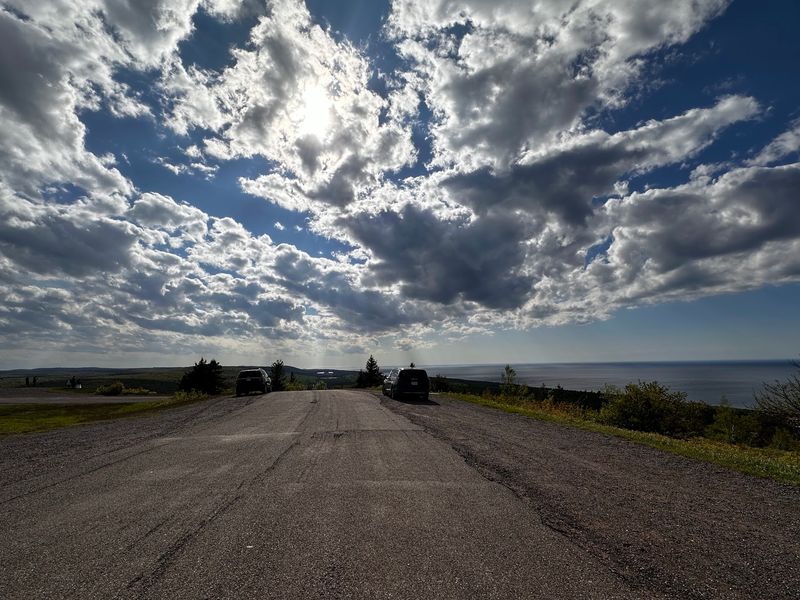
Movement catches your eye at the forest edge. Something russet-colored slips between trees, pauses, then vanishes.
You’ve just joined an exclusive club of visitors who spot Brockway Mountain’s shyer residents.
Wildlife thrives in the Keweenaw Peninsula’s protected forests and rocky outcrops. Red foxes hunt along the roadside during early morning and evening hours.
White-tailed deer browse at forest edges, especially near dawn. Black bears occasionally cross the road, though they typically avoid human activity.
Overhead, hawks ride thermal currents rising from sun-warmed slopes, while ravens croak commentary from treetops.
Bird enthusiasts particularly love this location during migration seasons. Spring brings warblers, thrushes, and other songbirds heading north.
Fall sees raptors following the shoreline south, using Lake Superior as a navigation guide. Pack field guides and patience.
Animals operate on their own schedules, appearing when they choose. Even without sightings, tracks and other signs reveal the vibrant community sharing these heights.
Stone Shelter Crowns the Highest Point
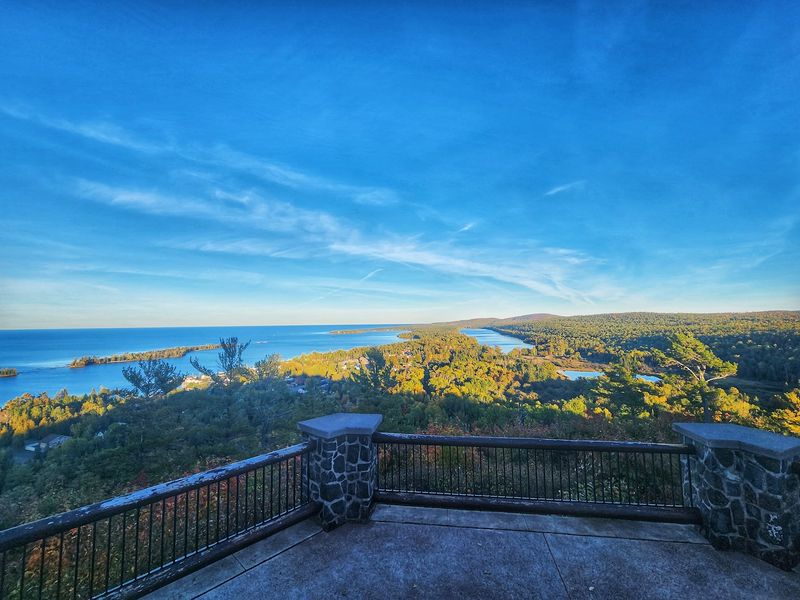
Architecture doesn’t have to be complicated to be memorable. Sometimes, stacked stones and simple design create something that feels perfectly suited to its environment.
That’s exactly what greets you at the summit.
A historic stone shelter marks Brockway Mountain’s highest accessible point, built from local rock by the Civilian Conservation Corps in the 1930s. The structure provides welcome wind protection on blustery days while framing Lake Superior views through its openings.
Weathered stones show their age, adding character rather than detracting from functionality. Interpretive signs inside explain the area’s geology and history.
This shelter represents Depression-era craftsmanship at its finest. Workers hauled materials up the mountain, fitting stones together without modern equipment or technology.
Their handiwork still stands strong decades later, serving thousands of visitors annually. It’s become an iconic photo spot, recognizable in countless travel albums.
Visit during quieter hours for better chances at enjoying the shelter without crowds competing for the same view.
Darkness Reveals a Celestial Show
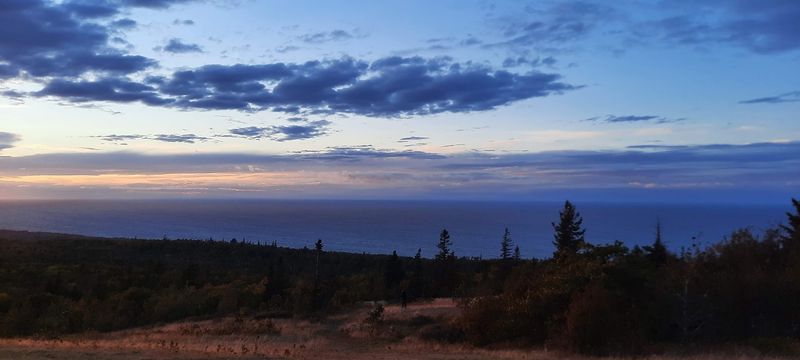
City lights steal something precious without most people noticing. You don’t realize how many stars exist until you escape urban glow and look up from a truly dark location.
Prepare for your jaw to drop.
Brockway Mountain Drive offers exceptional stargazing opportunities thanks to minimal light pollution in Michigan’s remote Upper Peninsula. The Milky Way stretches across the sky like spilled milk on dark summer nights.
Meteor showers put on enhanced displays here, with shooting stars visible every few minutes during peak events. Northern lights sometimes dance on the horizon during solar storm activity, adding green and pink curtains to the nocturnal show.
New moon phases provide the darkest conditions for astronomy enthusiasts. Summer brings warmer temperatures for comfortable evening viewing, though spring and fall skies often appear clearer.
Download stargazing apps to identify constellations and planets. Bring red flashlights to preserve night vision while consulting charts.
Dress warmly, as mountain temperatures drop significantly after sunset.
Historic Mining Town Waits at the Road’s End
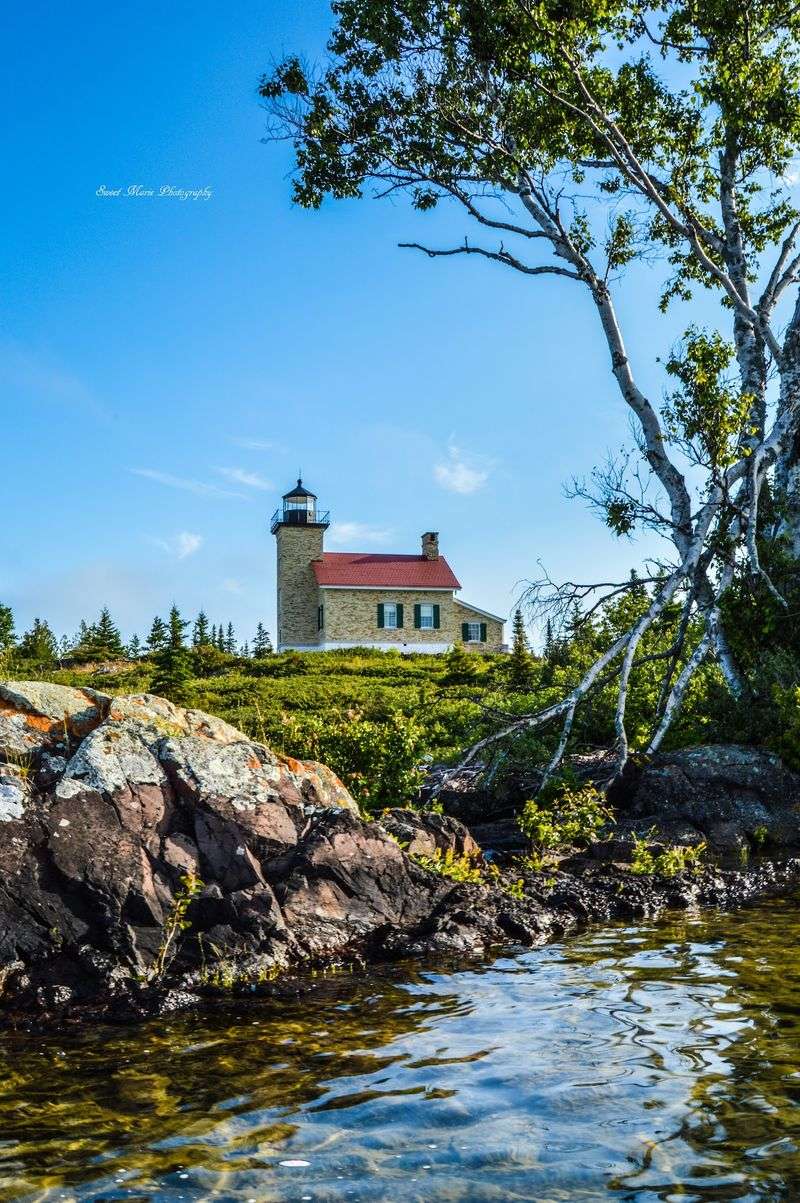
Every great drive needs a worthy destination. This one delivers twice over, offering spectacular scenery along the way and a fascinating lakeside community at journey’s end.
You’ll want to explore both thoroughly.
Copper Harbor sits at the northern terminus of Brockway Mountain Drive, a historic mining town that’s reinvented itself as an outdoor recreation hub. The small community clusters around a protected harbor where boats bob at anchor and kayakers explore rocky shores.
Shops sell locally crafted items and mining memorabilia. Restaurants serve fresh lake fish and hearty comfort food.
Trails radiate into surrounding wilderness, including paths to lighthouses and abandoned copper mines.
Plan to spend several hours in town after completing the drive. Tour Fort Wilkins Historic State Park to learn about frontier military life.
Catch a boat to view lighthouse stations accessible only by water. Browse art galleries showcasing regional artists.
The combination of natural beauty and human history creates a compelling day trip destination that justifies the drive to Michigan’s remote northern tip.
Winter Transforms Everything Into Crystal Magic
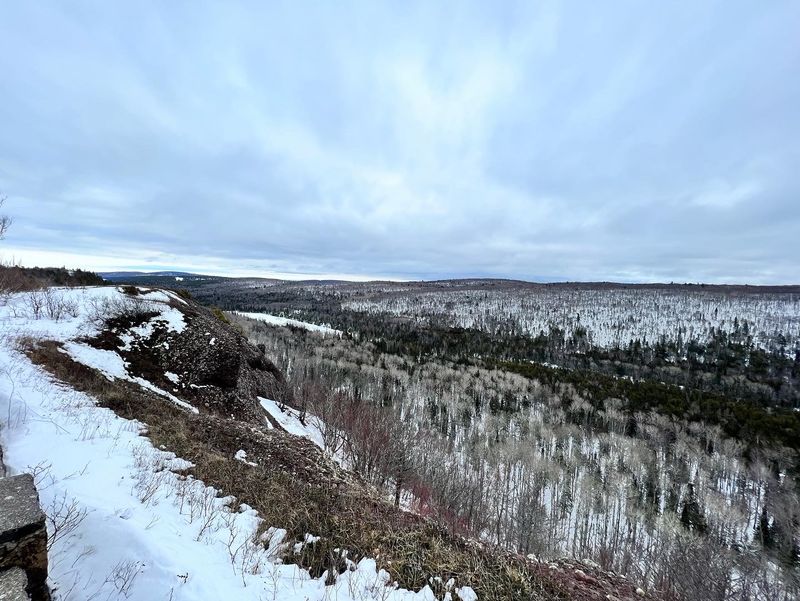
Most people pack this road away mentally when autumn ends. They assume snow closes down the experience.
They’re missing out on something extraordinary that few visitors ever witness.
Winter at Brockway Mountain Drive creates otherworldly beauty, though accessing it requires proper preparation. Snow blankets the landscape, turning forests into frosted wonderlands.
Lake Superior freezes along its edges, creating ice caves and dramatic formations. Trees wear thick coats of rime ice after storms.
The road often closes to vehicles during heavy snow, but snowshoers and cross-country skiers still explore it.
Check conditions before attempting winter visits. The road typically stays open through early winter but closes when snowfall accumulates.
Snowmobilers sometimes use it as part of the region’s extensive trail network. Dress in serious cold-weather gear, as wind chill can reach dangerous levels at elevation.
Those who brave the elements are rewarded with solitude and scenes of pristine, untouched beauty that summer crowds never experience.