
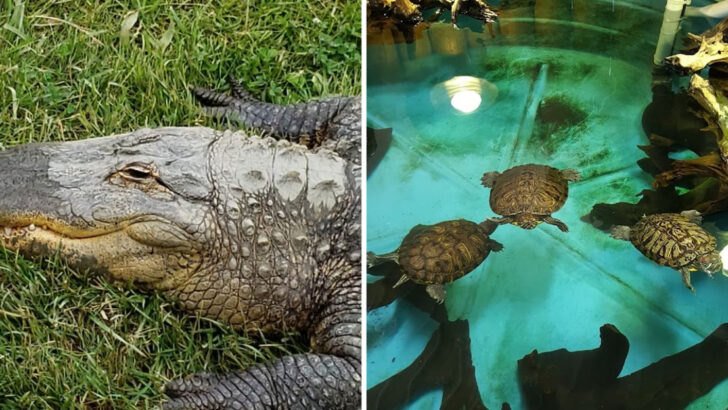
Tucked just outside Ann Arbor, a rescued alligator sparked a movement that grew into a powerhouse for animal welfare and education. Today, The Creature Conservancy pairs heartwarming rescue stories with up close learning that sticks long after you leave.
You will meet animals with real histories, guided by educators who know them by quirks and names. If you want a weekend plan that feels meaningful and memorable, this place delivers.
How Rescues Happen Here
Not every animal arrives with tidy paperwork or a predictable temperament. Intake begins with quarantine, veterinary evaluation, and behavior observation to keep both residents and visitors safe.
You will hear why some animals are non releasable due to imprinting, injury, or legal constraints, and how that shapes their lifelong care plans.
Daily routines balance consistency with enrichment. Keepers scatter browse, hide scents, and set up puzzle feeders to encourage natural behaviors without stress.
Training uses positive reinforcement only, prioritizing husbandry tasks like voluntary crate entry and calm stationing. That is what allows medical care and educational moments to be humane, not forced.
The team also fields difficult calls. Sometimes the kindest answer is referral to a licensed rehabber or a facility with species specific resources.
Transparency matters, so you will see clear signage about each animal’s backstory and limitations. If you ever considered taking in an exotic pet, the candid lessons here might save you heartache and an animal hardship.
Responsible rescue is not flashy. It is process, patience, and promises kept every single day.
From One Alligator To A Sanctuary
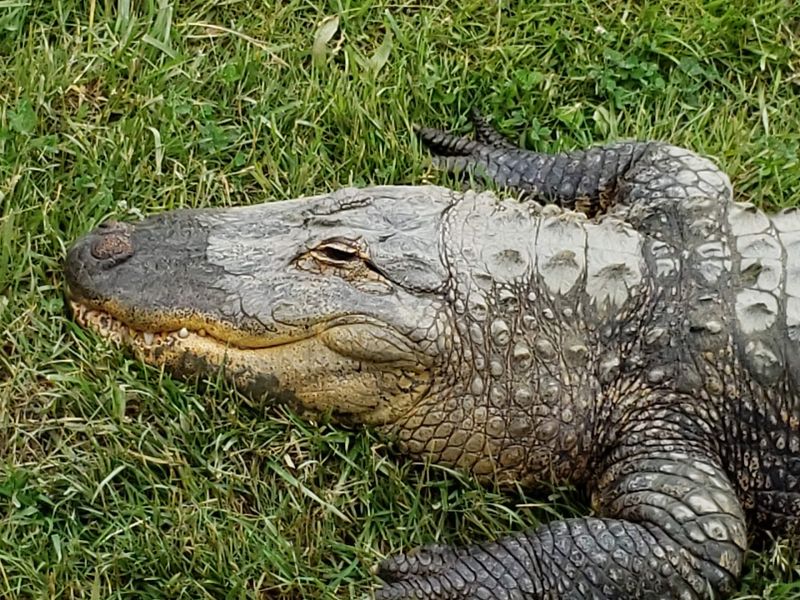
Origins matter when you are deciding who to support. An abandoned alligator in Michigan needed a permanent, expert home, and that single rescue grew into a mission that now spans mammals, birds, and reptiles from complicated backgrounds.
You are not just visiting exhibits here. You are walking through a community that formed around accountability and care.
Storytelling is central. Staff share how each resident arrived, why they needed sanctuary, and what responsible ownership looks like going forward.
That context helps you process the sight of a clouded leopard resting quietly or a sloth overhead, because the focus stays on welfare first. Kids lean in, adults ask sharper questions, and the learning becomes shared.
The location at 4940 Ann Arbor Saline Rd makes it an easy weekend destination with open hours on Saturday and Sunday. Shows rotate monthly, so repeat visits feel fresh.
If you have wondered how one rescue can spark hundreds more, you will find your answer in these walkways, training sessions, and the calm confidence of animals that finally landed somewhere consistent and safe. It started with an alligator.
It continues with community support.
Planning Your Weekend Visit
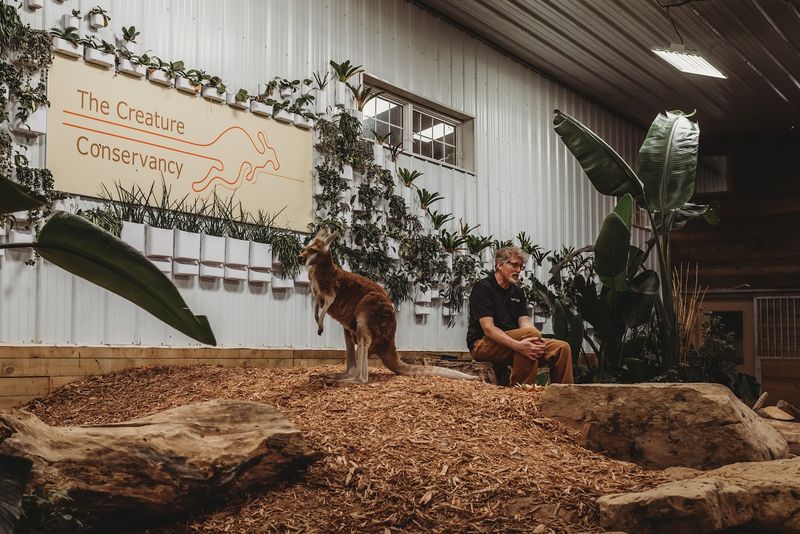
Details can make or break a short outing. The Conservancy is open Saturday and Sunday from noon to 5 pm, with themed programs that punctuate the afternoon.
Arrive near opening to stroll outdoor enclosures first, then time indoor talks for variety and air conditioning. Parking is straightforward and the vibe stays friendly.
Tickets are affordable by design. Adults pay around fifteen dollars, kids a bit less, with day pass re entry that lets you take a snack break and come back for shows.
If you plan to return monthly, memberships quickly pay for themselves and support feed, vet bills, and facility improvements you will actually notice.
Expect hands on moments that respect boundaries. You might meet a sloth with a grape treat or watch a python demonstration from a safe distance, all narrated by keepers who blend science and humor.
Bring questions and curiosity. This is a small footprint space with a big learning payoff, so you can see plenty without marathon walking.
You leave feeling like your visit mattered, because here it actually does.
Education That Sticks
Great programs meet you where you are. Presenters weave biology, conservation, and individual animal history into short sessions that never talk down to kids or bore adults.
You get specific takeaways, like why clouded leopards need complex climbing options and how enrichment translates to measurable welfare.
Technology helps. Overhead cameras zoom in on quieter animals so everyone gets an intimate view without crowding.
Short videos illustrate training techniques and medical care, giving you a peek behind the scenes. That makes the encounter feel respectful, not performative, and reinforces that every behavior shown has a clear purpose.
Monthly themes keep it fresh. Predator month lands differently than reptile month, and returning guests start connecting broader ecological dots.
Educators point to practical actions you can take at home, like choosing pet safe landscaping or avoiding impulse exotic purchases. The tone stays upbeat yet realistic.
You will leave smarter and more empathetic, and your kids might surprise you with facts at dinner. That is exactly the goal.
Animals You Might Meet
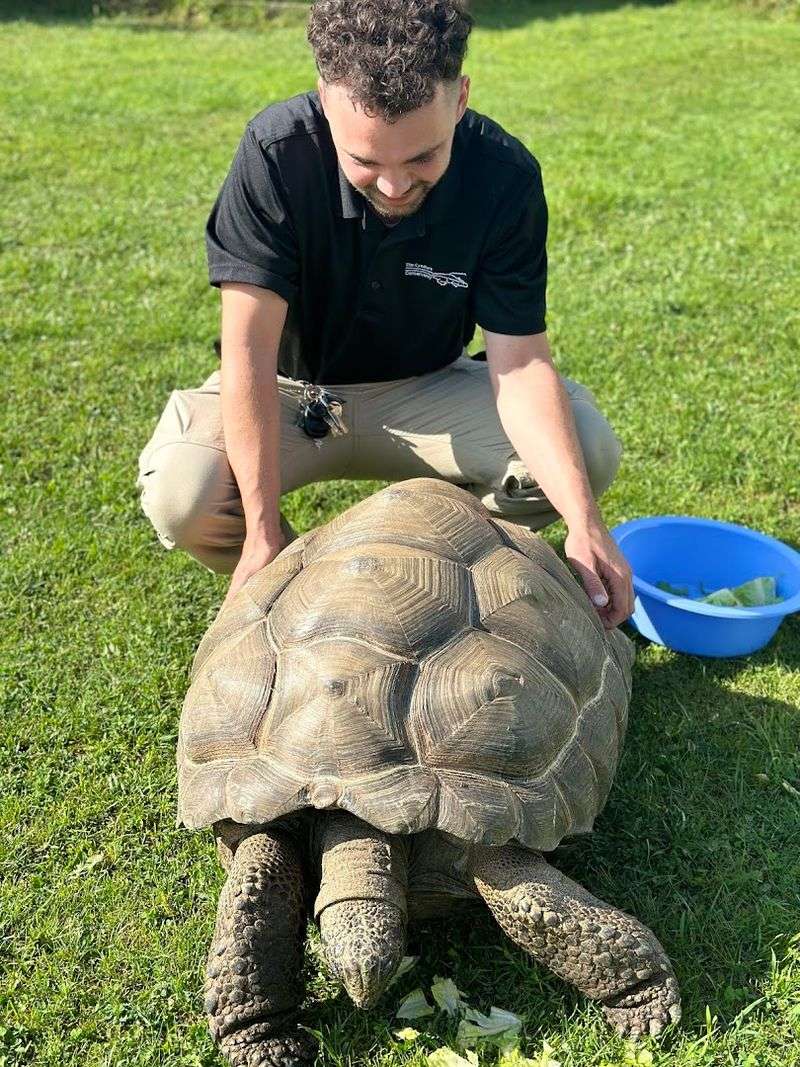
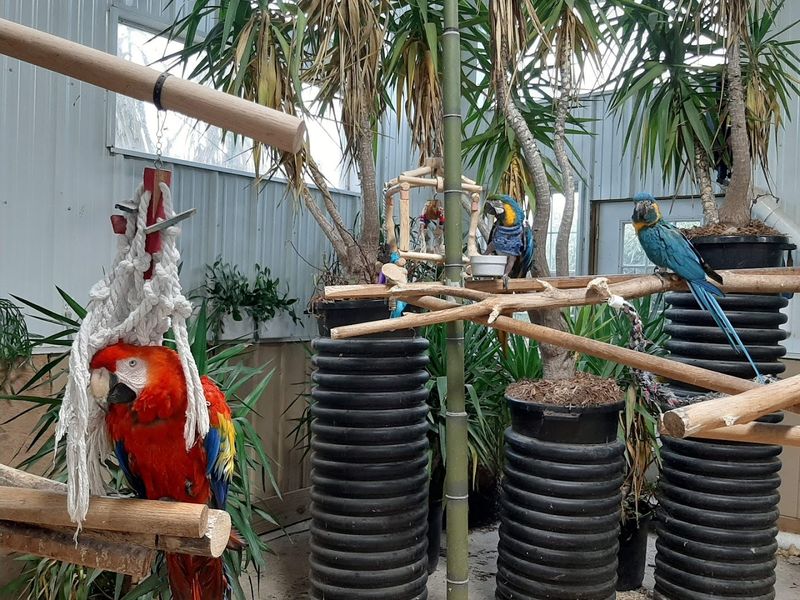
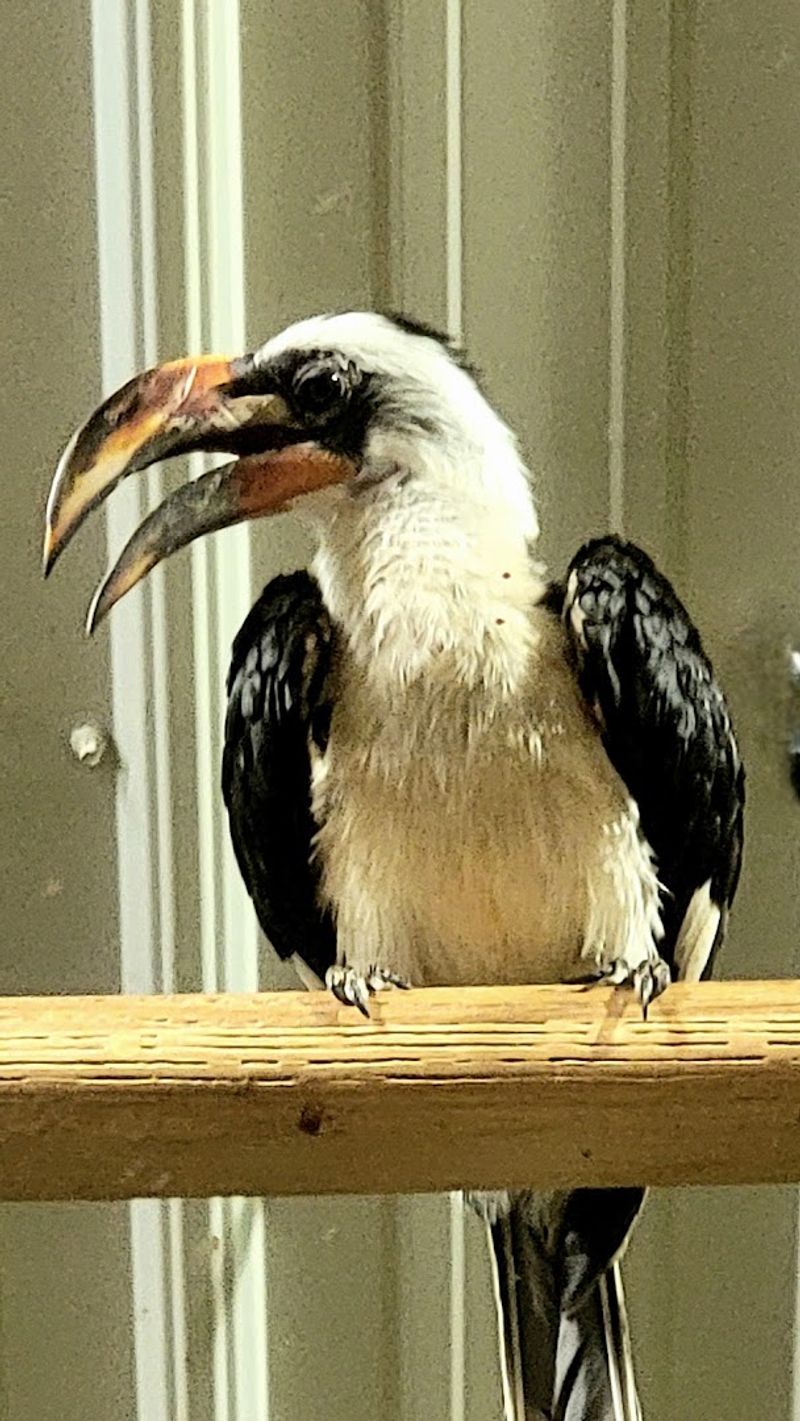
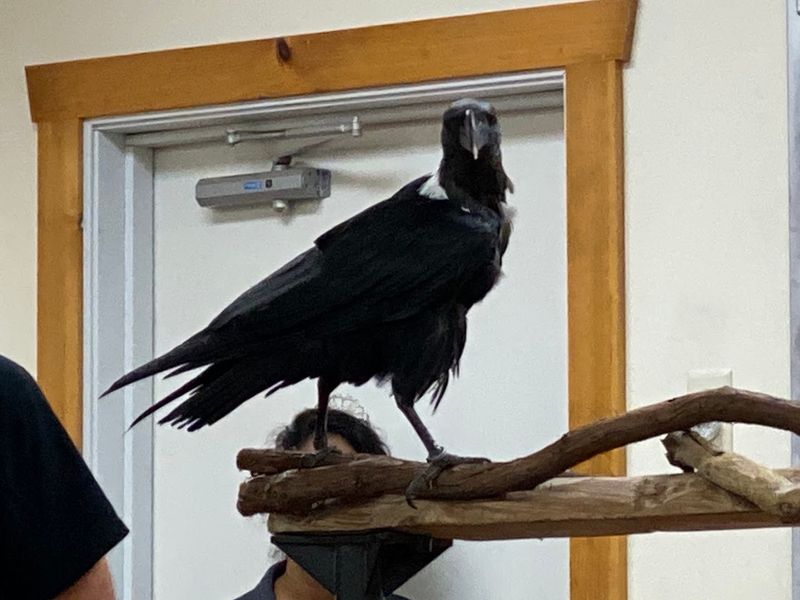
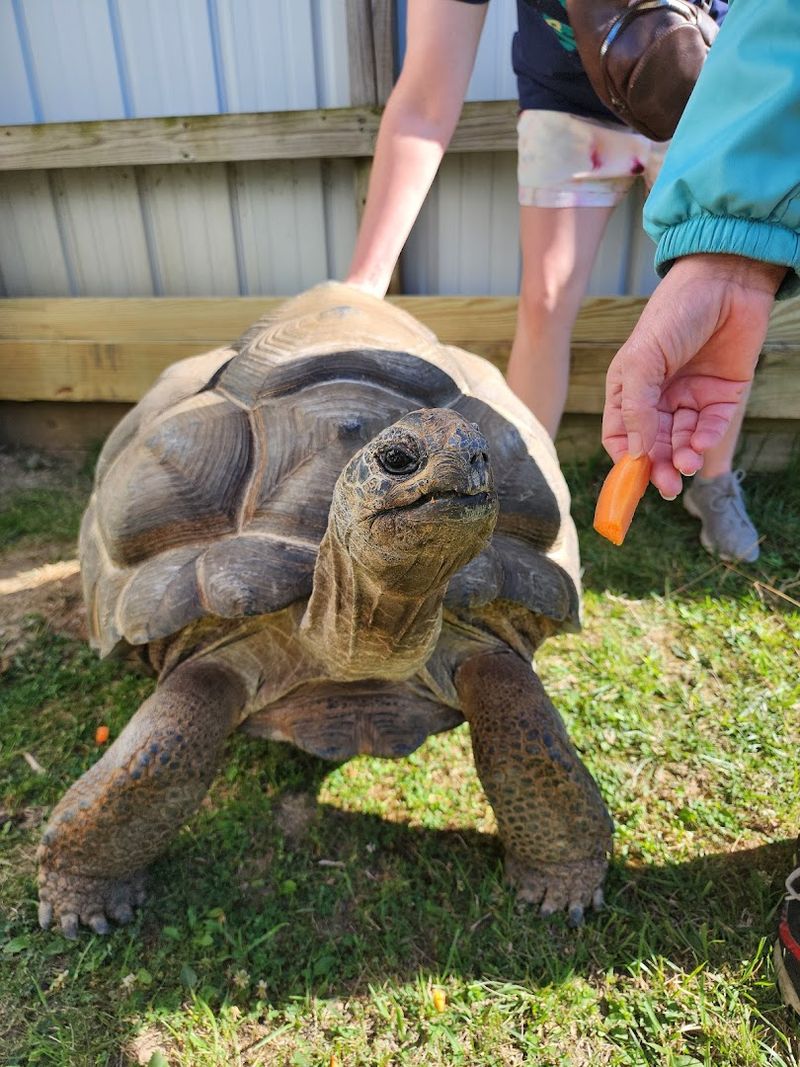
Variety is half the magic. One corner hums with macaws chatting from sturdy perches, while tortoises cruise like living bulldozers and an emu peers back with calm curiosity.
Overhead, sloths navigate beams with that endearing slow certainty, turning the ceiling into a gentle surprise for first timers.
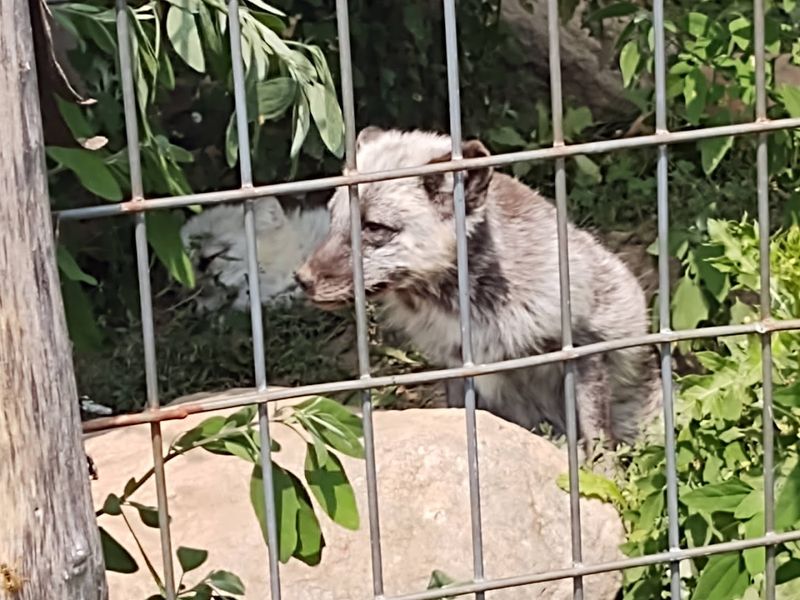
Predators exist here with dignity. A cougar may lounge in the quiet, a clouded leopard might melt into dappled shadow, and a dingo demonstration showcases focus over spectacle.
Staff share favorite treats, quirks, and ways to watch without pressuring animals to perform. You learn to read body language and give space.
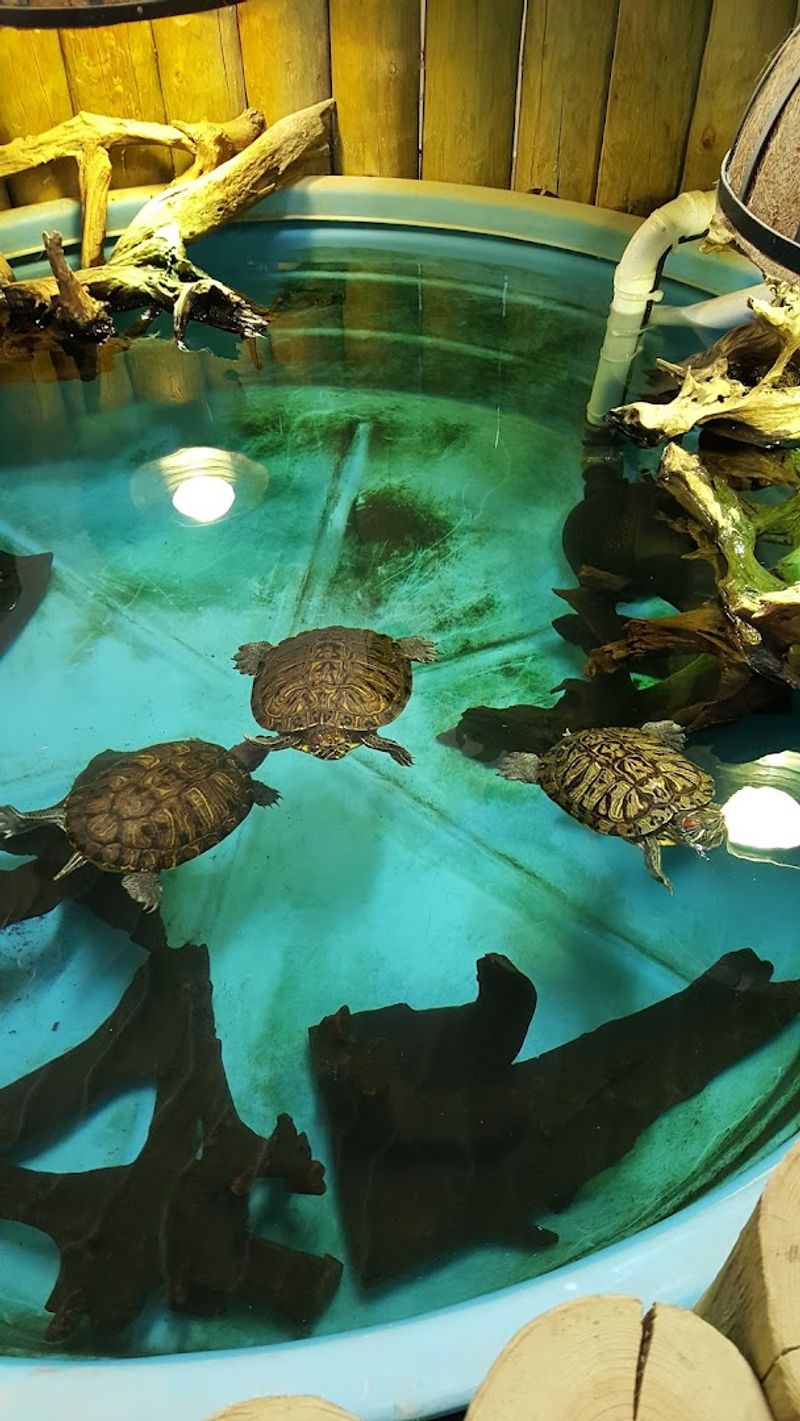
Reptiles anchor the origin story. Yes, you can see that massive rescued alligator, cared for with modern lighting, heat, and filtration that meet current standards.
It is powerful to realize how one misunderstood pet sparked this entire place. You will also meet smaller ambassadors, from tegus to pythons, each chosen thoughtfully for teaching moments.
The lineup changes, but the respect stays constant.
Animal Care And Enrichment
Welfare shows up in details you can spot. Clean substrates, fresh water, proper heat gradients, and shaded rest zones signal that staff are tracking the basics with discipline.
Next come the creative layers. Puzzle feeders slow down mealtimes, hidden scents spark curiosity, and vertical structures let climbers choose their altitude.
Training is purposeful. Animals practice target touches, crate entry, and vet friendly positions using only positive reinforcement.
That turns scary procedures into predictable routines and reduces stress you would otherwise see as pacing or shutdown. Keepers celebrate small wins because those stack into long term health.
You can apply these ideas at home. Even a pet rabbit or gecko benefits from foraging setups and choice oriented habitats.
Staff will happily nerd out about lighting specs, diet variety, and safe materials, translating pro standards into approachable steps. The ethic is simple but demanding.
Meet the animal’s needs first, then design your experience around that. It is the only path that works.
Tours, Shows, And Special Events
Scheduling a tour levels up the experience. Private or small group options give you extra time for questions and closer looks at animal care routines.
Guides weave in individual histories, training demonstrations, and hands on moments that are photo worthy yet grounded in respect.
Weekend shows hit a sweet spot for families. Presentations run short enough for toddlers and still pack solid science for older kids and adults.
Themes rotate, so a predator focused session one month might shift to reptiles the next. Returning guests pick up layers of knowledge without feeling repetitive.
Adult nights add a different flavor. You can linger, swap questions with staff, and enjoy a calmer pace that highlights behavior you might miss in daytime buzz.
If you track calendars, you will catch seasonal features and limited access experiences that sell out quickly. Book early and arrive curious.
You will leave with stories that stick far beyond a selfie.
Memberships And Support
Impact can be practical. Memberships reduce per visit costs and funnel steady funding into feed, medical supplies, and habitat upgrades that you will see on your next trip.
Perks usually include free admission during open hours, discounts on programs, and early access to special events that tend to fill fast.
Small actions matter too. A gift shop purchase or a donation at the front desk helps cover unglamorous essentials like thermostats, bulbs, and disinfectants.
Volunteers amplify everything, tackling tasks from guest guidance to habitat prep. Ask about roles that match your comfort level and schedule.
Transparency builds trust. The team communicates changes, celebrates milestones, and acknowledges tough rescues honestly.
That honesty is why locals recommend the Conservancy to visiting family as an alternative to a long zoo day. If you want your dollars to do double duty, this is a straightforward way to support welfare and walk away smarter.
Consistent help keeps rescues stable and programs sharp.
Addressing Tough Questions
Ethical questions deserve straight answers. Some habitats look smaller than a wild range because captivity is not wilderness, so staff focus on complexity, privacy, and choice to reduce stress.
You will see retreat spaces, visual barriers, and enrichment rotations that give animals control over how and when they are seen.
Concerns about sourcing are valid. Many residents are non releasable due to injury, imprinting, or ownership issues that make return to the wild unsafe or illegal.
The Conservancy documents backstories and updates care plans as animals age. Presentations explain these realities plainly without guilt or sugarcoating.
If something feels off, speak up. Staff welcome hard conversations and can point to current standards, veterinary oversight, and ongoing improvements funded by tickets and donations.
The question is not entertainment versus ethics. The question is how to offer lifelong care with dignity and use each encounter to prevent future harm.
Here, that balance stays front and center.
Making The Most With Kids
Short attention spans are welcome here. Start outside where movement helps kids settle, then head indoors for the first show, snacks, and a craft stop that resets energy.
You can loop back later for a second presentation without meltdowns because the format stays brisk and friendly.
Learning happens in layers. Signs include resident specific tidbits, like baby photos and favorite foods, which spark conversations as you walk.
Staff keepers toss in memorable facts during encounters so your child leaves repeating real science, not just wow moments. That is the kind of memory that sticks.
Pack light but smart. A small water bottle, a camera, and comfy shoes are enough thanks to the compact footprint.
If naptime looms, remember re entry is allowed with day passes. Come back refreshed and catch the last program with fewer crowds.
By dinner, you will have stories plus new questions to chase together.