

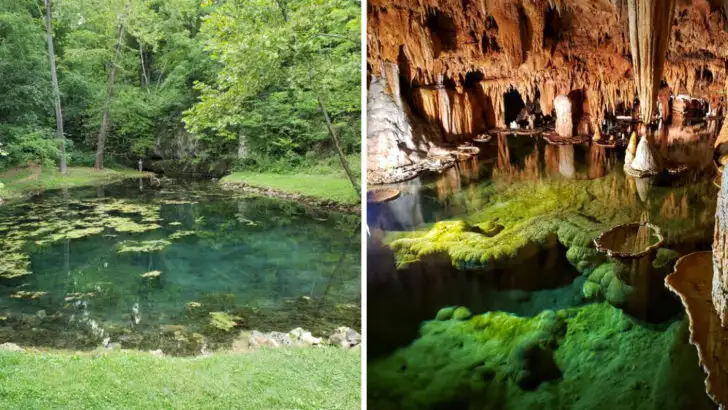
Step into a world where the sky meets the underground.
At Onondaga Cave State Park, Missouri, towering bluffs cradle the shimmering Meramec River above, while below, a hidden labyrinth of limestone caverns dazzles with dripping stalactites and crystal-clear pools.
Walk the trails and feel the wind whisper through the trees as birds dart overhead. Every turn offers a new view of the river, framed by the lush Ozark forest.
Then descend into the cave, where silence reigns and sparkling formations twist like frozen waterfalls. It’s a subterranean wonderland that feels like stepping into another dimension.
Whether you’re chasing breathtaking river vistas or exploring otherworldly caverns, this park delivers a double dose of natural magic at every turn.
Onondaga Cave Tour
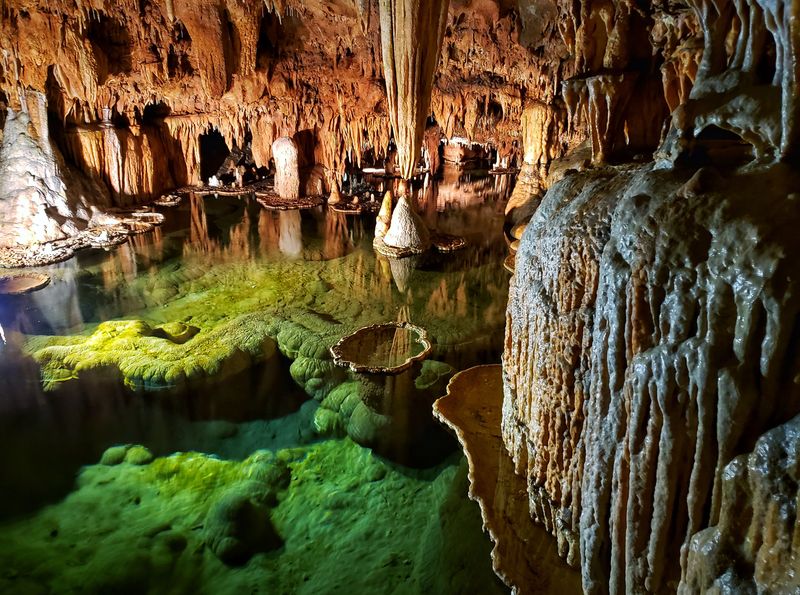
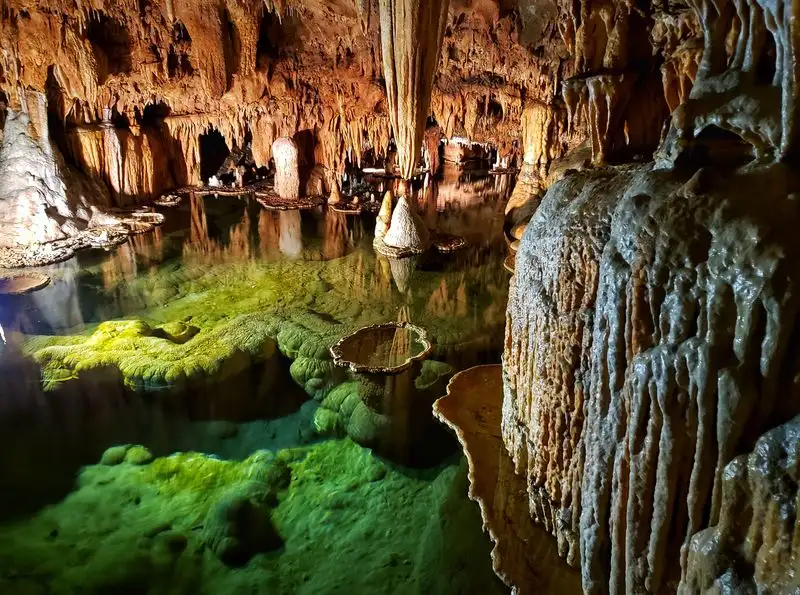
Step into the cool, echoing hush of Onondaga Cave and you will feel the world above slip away. Guides lead you along well lit walkways past towering stalagmites, delicate soda straws, and rippling draperies that look hand sculpted.
Pools mirror the ceiling, doubling the glow and making every step feel magical.
As you wind through 4.6 miles of ancient limestone, stories of geology and time come alive. You will learn how rain, stone, and patience carved this underground cathedral.
The ranger’s beam highlights flowstone terraces and rimstone dams where water gathers like liquid glass.
Comfortable shoes are a must, and a light jacket helps in the steady cave chill. Photography is welcome when it does not slow the group, so be ready for low light shots.
Listen for distant drips, breathe in the mineral scent, and let the subterranean silence reset your pace.
River View Overlook
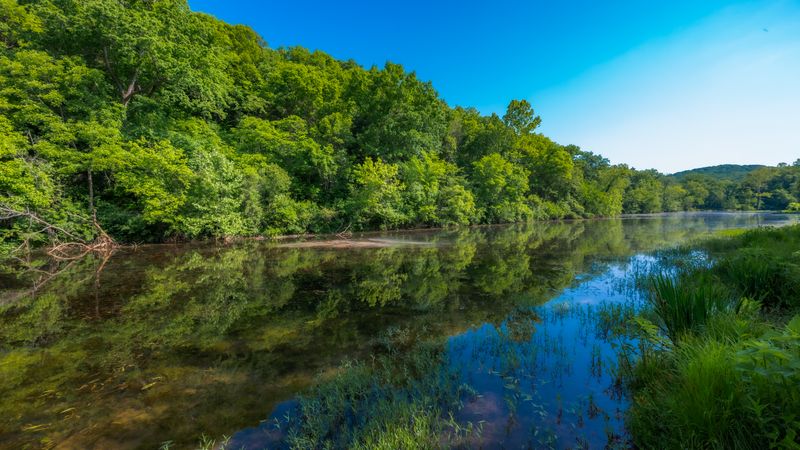

Stand at the overlook and watch the Meramec River ribbon through green Ozark hills. Morning mist lifts like gauze, and you can spot sandbars and slow meanders catching the light.
It is a perfect place to breathe deep, sip water, and let time slow.
The view changes with every season. Spring greens glow electric, summer canopies thicken, and autumn saturates the valley with gold and crimson.
In winter, bare branches sketch the geology, revealing limestone bluffs and the river’s sinewy course.
Bring a lightweight tripod if you love long exposures or panoramas. Early or late light adds texture to the ripples and pulls depth from the ridgelines.
Step back from the rail, let the quiet roll in, and leave with a photo that remembers the hush you felt.
Wildlife Watching
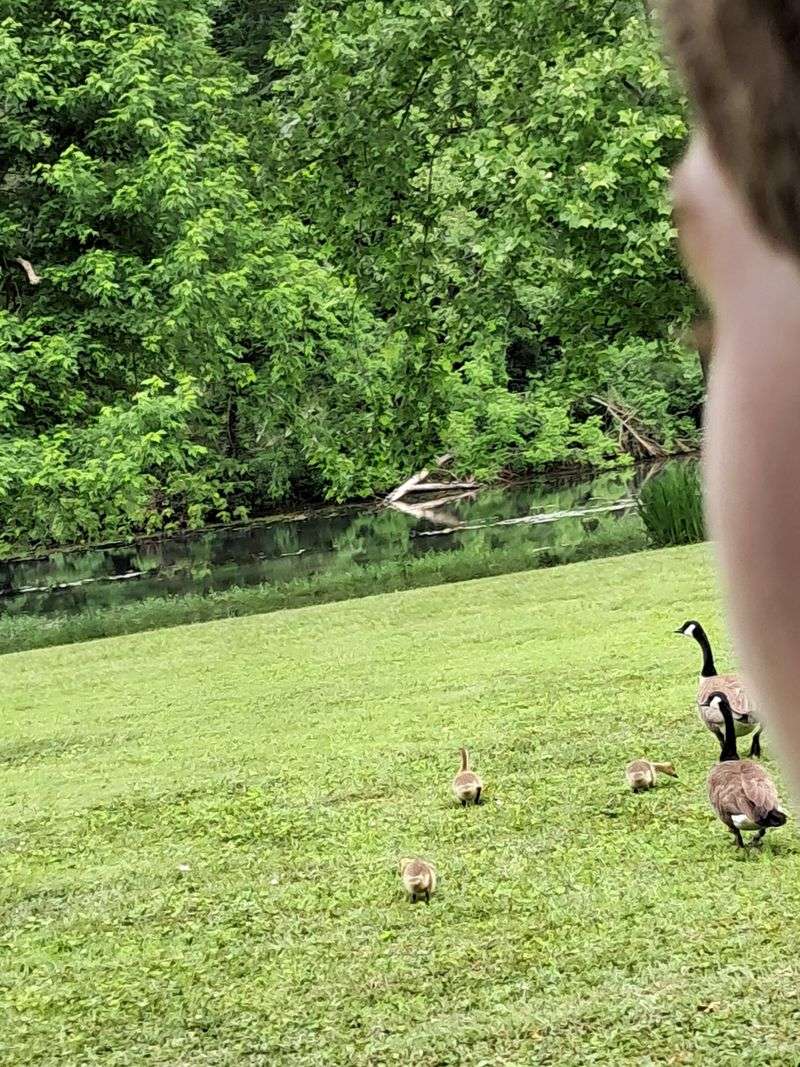
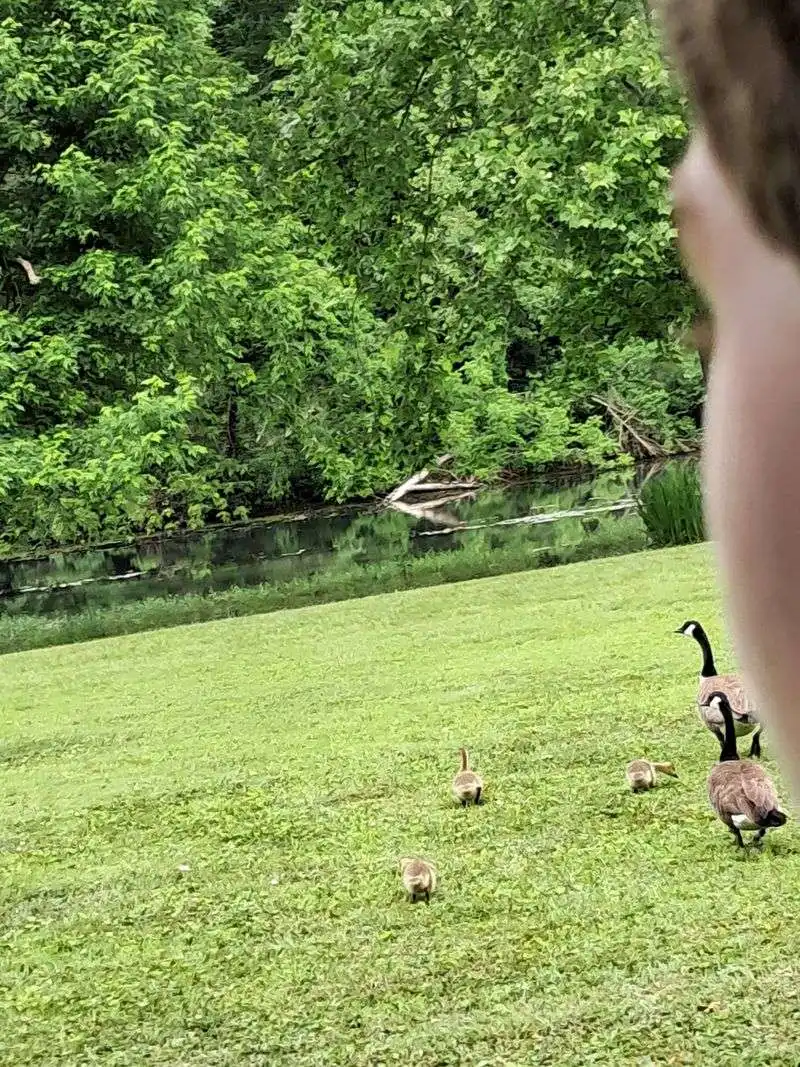
Keep your eyes open along the edges of forest and water, because that is where movement happens. Deer step out at dawn, ears twitching, and sometimes a fox ghosts across a quiet path.
Overhead, red tailed hawks circle while warblers flicker through sycamores and oaks.
Walk softly and you will notice more. Pause near berry thickets for thrushes, scan snags for kingfishers, and check gravel bars for herons and turtles basking.
The park’s blend of river corridor and upland woods creates a living crossroads.
Carry binoculars and a small field guide or birding app. Stay on trails, keep respectful distance, and leave no trace so the next person enjoys the same surprise.
When the forest suddenly goes quiet, listen closer, because that pause often means something wild is near.
Hiking Trails
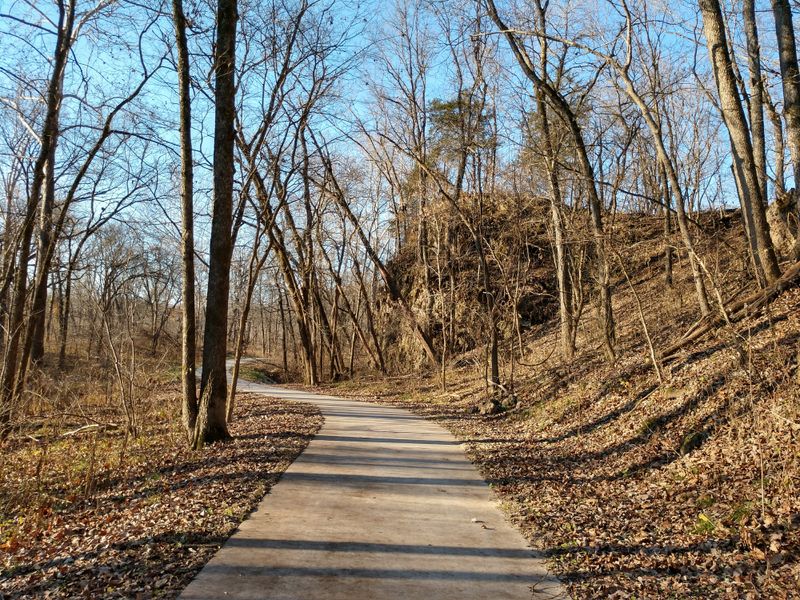

The trails here stitch together bluff tops, riverbanks, and shady hollows, so every mile feels different. Expect soft forest tread, rocky steps near limestone outcrops, and occasional roots that ask for careful footing.
You get serenity in one direction and sweeping views in the other.
Choose an easy loop to warm up or tackle a moderate climb for ridge line panoramas. Wayfinding is straightforward with blazes and junction signs, but a trail map on your phone helps.
After rain, watch for slick rock and puddles on low sections near the river.
Pack water, snacks, and a small first aid kit, then settle into an even pace. You will pass wildflowers in spring, mushrooms after summer storms, and crunchy leaves in fall.
Stop often to listen to wind in the canopy, because that soundtrack makes the hike linger.
Picnic Areas
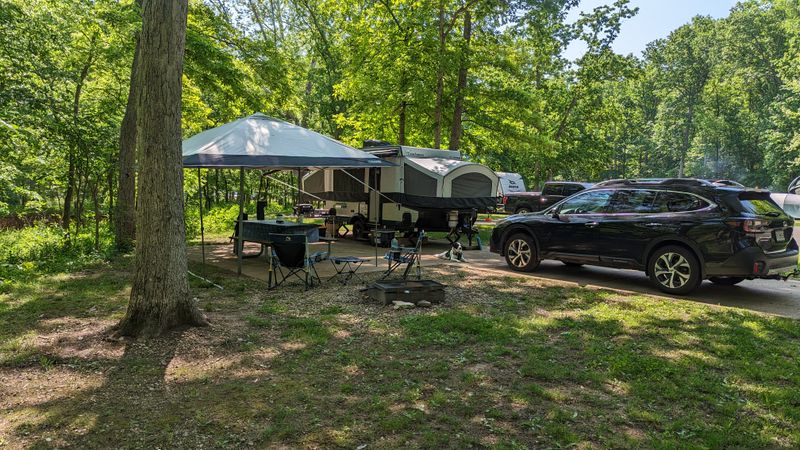
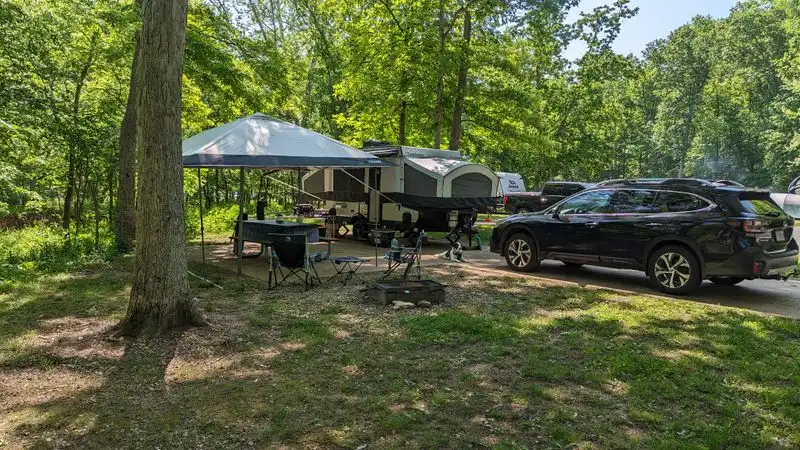
When the trails slow you into hunger, the park’s shaded picnic spots answer perfectly. Tables sit under oaks and sycamores, with grills nearby and river breezes threading the air.
You can hear water faintly and feel the day stretch wider with each bite.
Bring a simple spread, or go full camp chef with foil packets and sizzling veggies. Keep wildlife wild by securing food and packing out every crumb.
Many sites are close to parking, which makes coolers and chairs easy to manage.
After lunch, wander to the water’s edge or lean back and watch clouds build. If you time it right, golden hour warms the leaves and turns the river to silk.
You will leave relaxed, sun kissed, and ready for one more short walk.
Fishing at the Meramec River
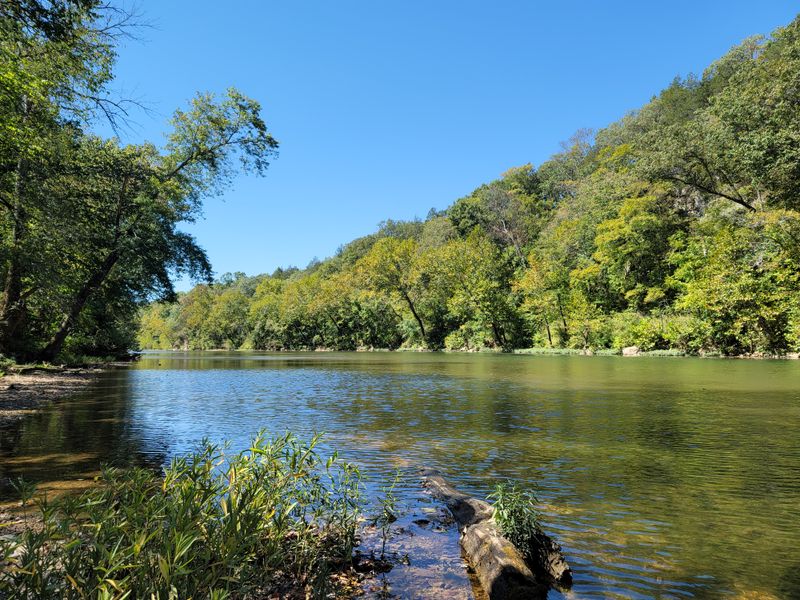

Slide onto a gravel bar at first light and you will feel the Meramec invite a quiet cast. Riffles feed into calm pools where smallmouth bass hold, and eddies shelter catfish and the occasional trout.
The water’s clarity helps you read seams like a map.
Pack a spinning setup or fly rod, plus a small box of jigs, soft plastics, and streamers. Check regulations before you go, and handle fish with wet hands for a gentle release.
Waders help in shoulder seasons, but sandals work for warm days with careful footing.
Fish slow and deliberate, letting lures swing through current tongues. Between casts, watch kingfishers strafe the bank and turtles nose up for air.
Whether you catch a personal best or a peaceful hour, the river rewards patience every time.
Camping
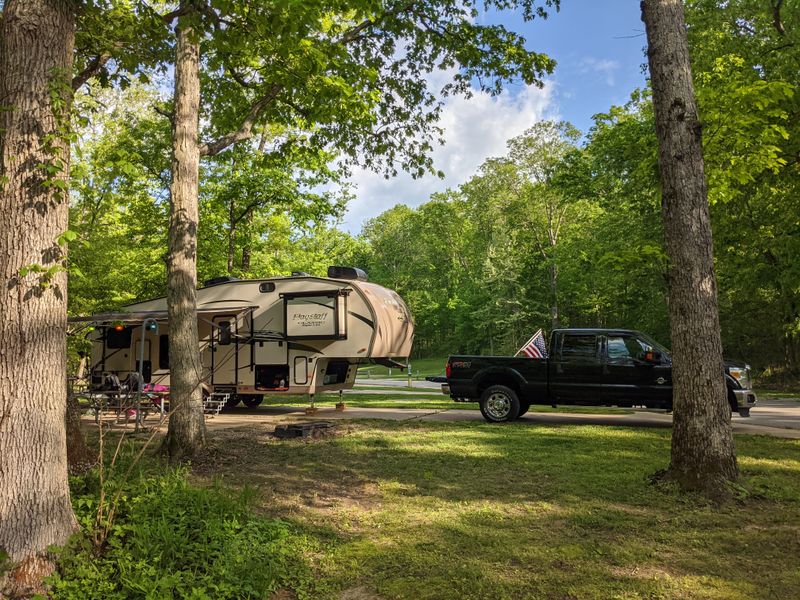
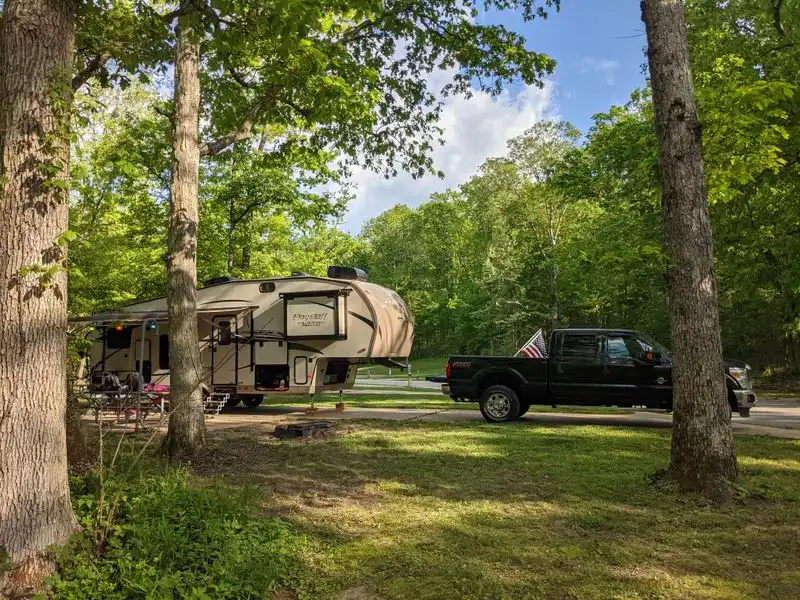
Stay the night and let the Meramec’s hush be your lullaby. The campground offers tent pads and RV sites, with hookups, restrooms, and easy access to trails.
Evening air smells like pine smoke and river stone, and stars sharpen as the lights fade.
Set up before dark, then settle into a camp chair as crickets start their chorus. Cook simple, keep food sealed, and follow fire rules for safe glowing coals.
A headlamp, warm layers, and a mug of something comforting make the scene complete.
Morning arrives soft, with birdsong and a hint of mist drifting through the trees. You can roll straight into a sunrise walk or linger over camp coffee.
Either way, you will feel unhurried, grounded, and glad you stretched the visit.
Nature Programs
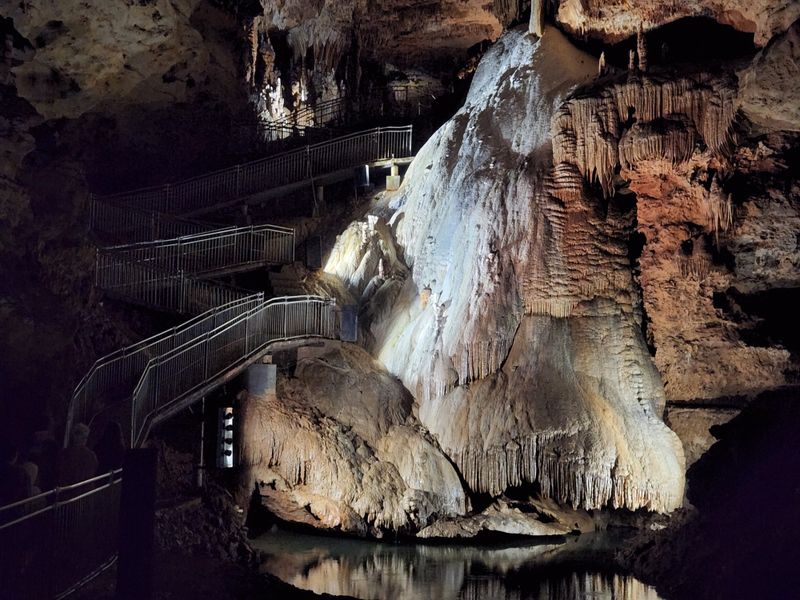
Park rangers turn geology and ecology into stories you can touch. One moment you are holding a limestone sample, the next you are peering at cave critters and learning how water threads through karst.
The programs are hands on, upbeat, and perfect for curious minds of any age.
Topics range from cave formation and hydrology to Ozark wildlife and responsible recreation. Schedules shift seasonally, so check the visitor center board or website before you plan.
You will leave with fun facts that make every formation and trail sign click.
Ask questions, bring kids, and arrive a few minutes early for a front row spot. Guides often share lesser known stops you can explore later on your own.
That extra context turns a good visit into a deeper, more connected experience.
Onondaga Cave State Park Visitor Center
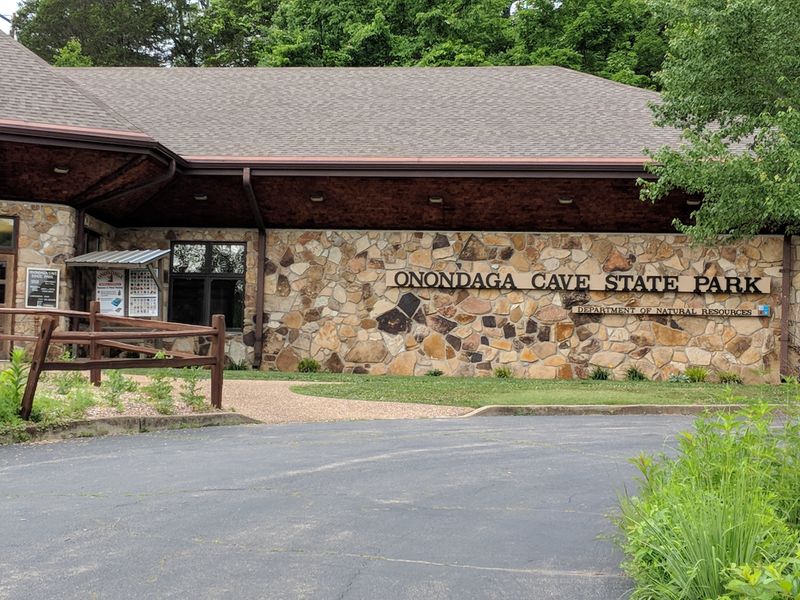
Start at the visitor center to anchor your day with context and a plan. Exhibits lay out the region’s geology, cave history, and local legends, making the underground tour richer.
Friendly staff help with maps, trail advice, and program times so you can time everything smoothly.
Interactive displays explain karst systems, show historic photos, and highlight conservation wins. Kids can spin models, adults can trace the watershed, and everyone learns how fragile cave life is.
You will walk out more mindful about footsteps and flashlights.
Pick up souvenirs, refill water, and double check the weather board before heading out. If conditions shift, staff suggest smart alternates to keep the day balanced.
A quick stop here sets up the best possible rhythm for river views and cave glow.
Photography Spots
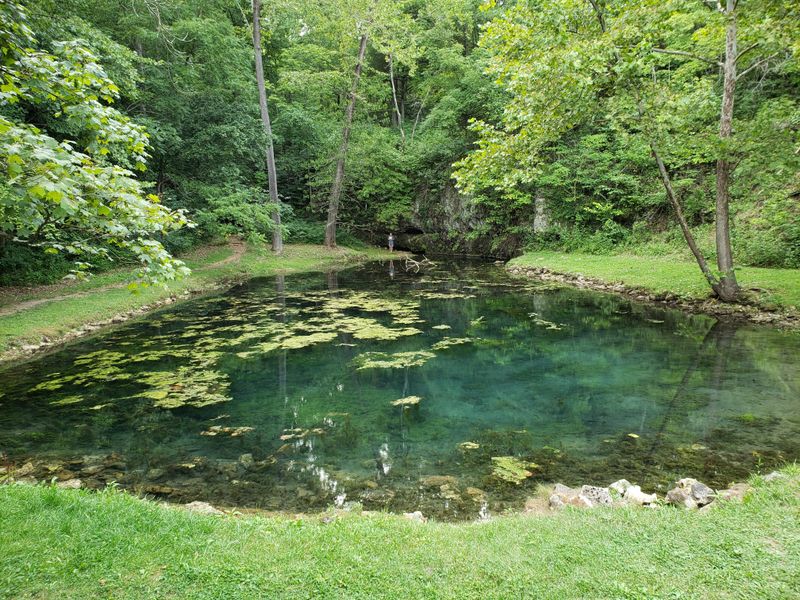
Bring your camera because this park begs to be framed from above and below. In the cave, shoot reflections at low ISO, brace on railings, and respect the group’s flow.
Outside, golden hour turns the Meramec into a mirror and sculpts the bluffs in soft contrast.
Compose with leading lines from boardwalks, river curves, and limestone layers. Macro lenses love spring wildflowers, while a wide lens handles overlooks and cave chambers.
Keep a microfiber cloth handy for mist and carry a small tripod for steady shots.
Scout midday, then return when light sweetens. You will leave with images that tell a full story, from glittering calcite to big sky bends.
Most of all, let the quiet guide your timing, because patience is the best filter here.