

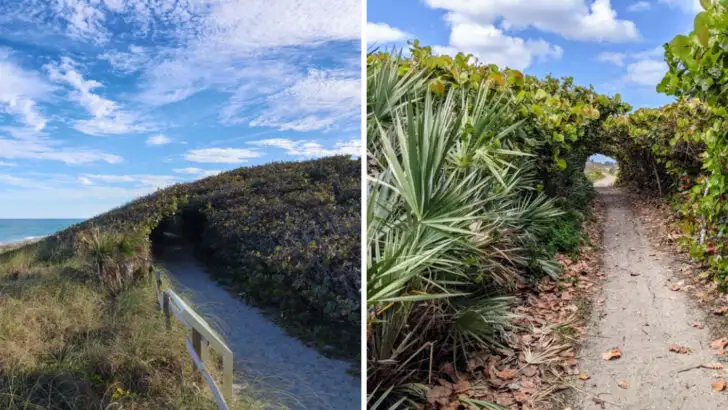
Florida hides a road so strange it feels like a portal, not a trail.
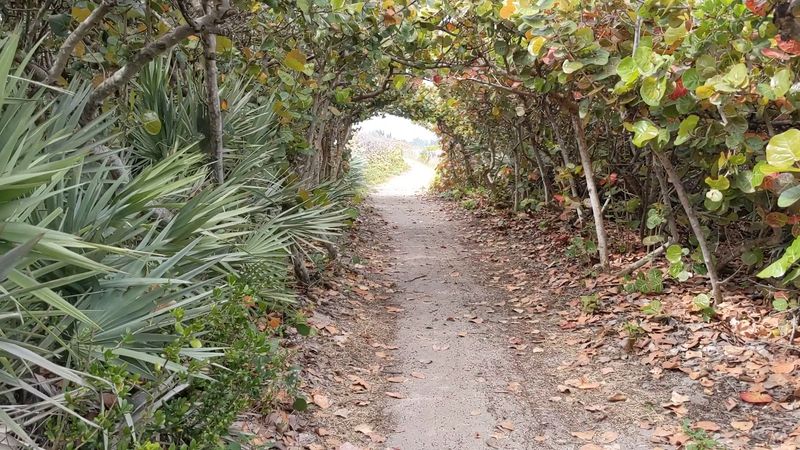
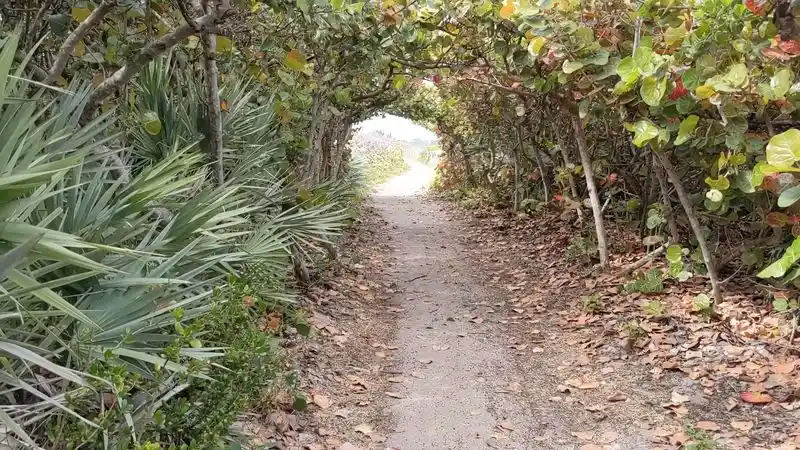
At Blowing Rocks Preserve in Jupiter, trees bend and braid overhead, sealing the sky into green corridors that swallow sound and time. Step forward and the world shifts. Light flickers. Air cools. Your pace slows without asking.
These natural tunnels aren’t staged or polished. They grew wild, shaped by salt wind, shifting sand, and years of quiet persistence. Palms lean in close. Roots twist like they’re guarding secrets. Every turn feels slightly unreal.
Then the ocean crashes back into view. Limestone cliffs hiss and spray as waves explode upward, snapping you out of the spell.
For a moment, you’re not just sightseeing.
You’re inside Florida’s strangest daydream.
Where This Preserve Sits on Florida’s Coast
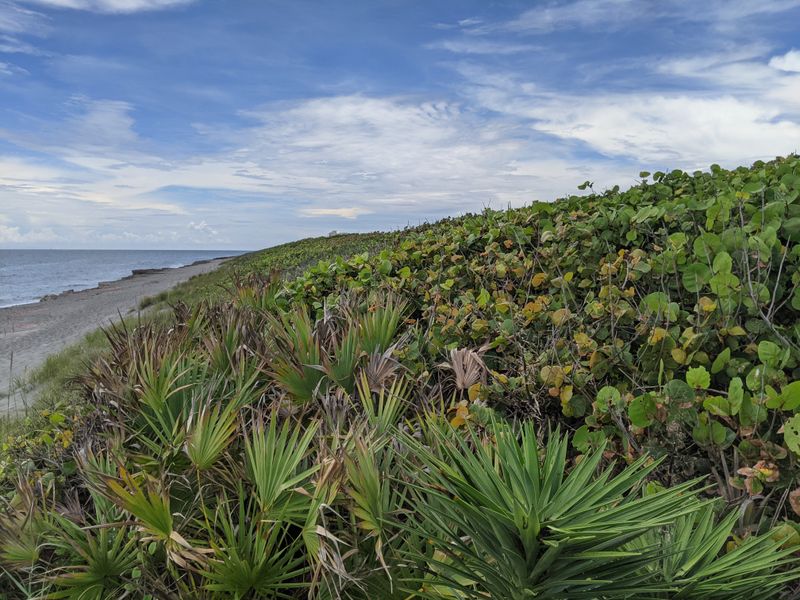
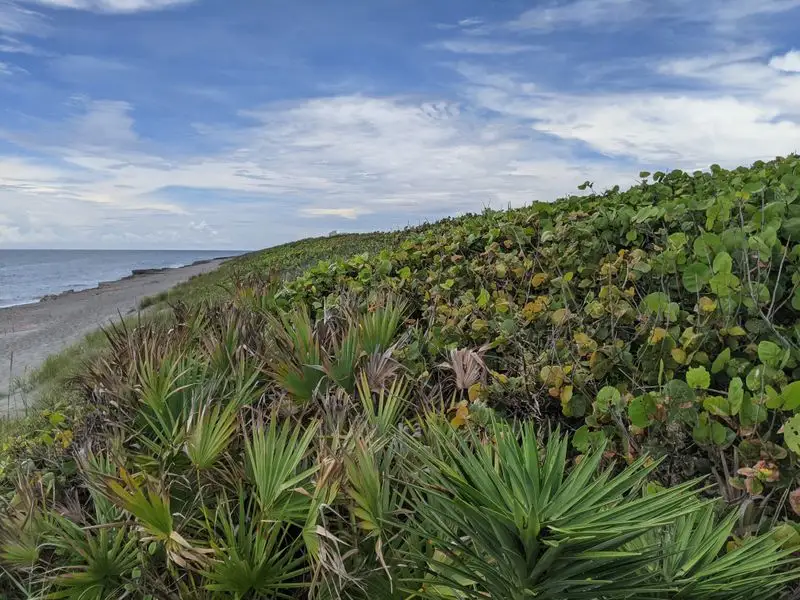
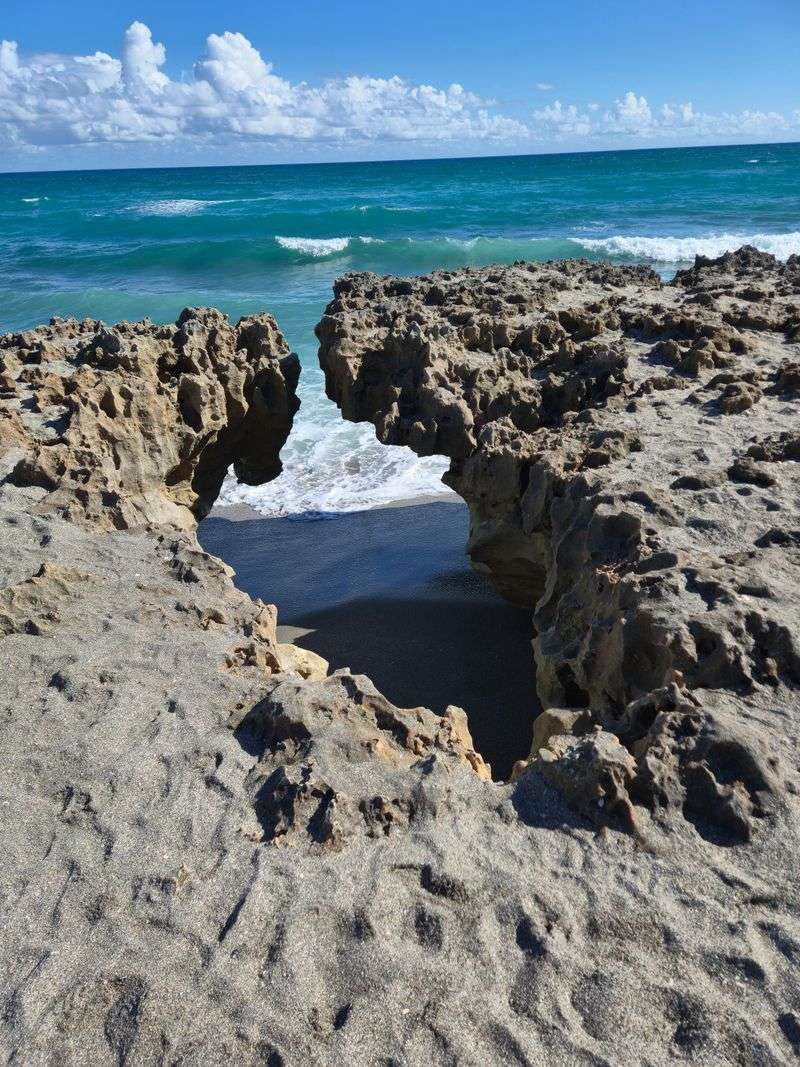
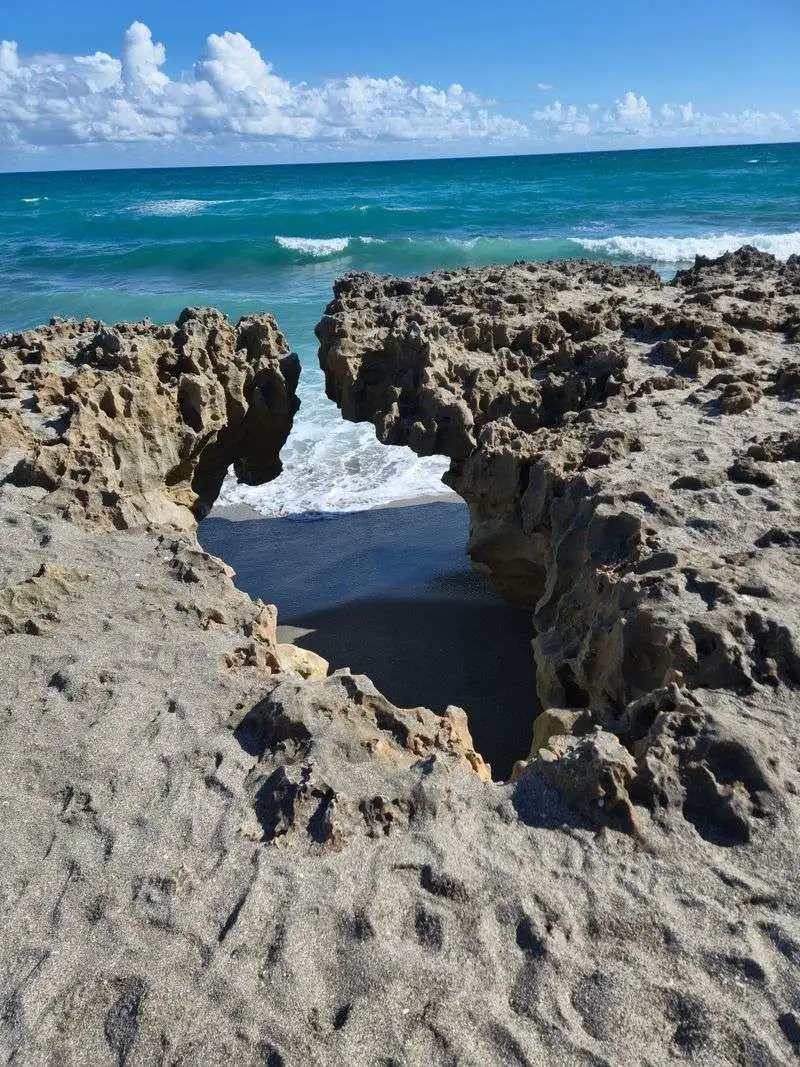
Blowing Rocks Preserve lies on Jupiter Island, a slim barrier sweep that presses against the Atlantic. Unlike much of Florida’s smooth sand, this shoreline is armored with Anastasia limestone, jagged and honeycombed by the sea.
Waves punch through crevices at high tide, sending spray skyward in quick, dramatic plumes you can hear before you see.
Just across the dunes, the habitat flips from roaring surf to tangled green. Trails thread through coastal hammock where sea grape and palm lean together, creating shady lanes that feel surprisingly enclosed.
The ocean is always close, but the air cools and quiets under leaves, guiding you deeper toward the preserve’s heart.
Jupiter’s breezes, salt, and sun shape every inch of this place. You move between two worlds in minutes, from cliffy overlooks to mossy paths.
The contrast makes each step feel intentional, like turning a page in a story written by wind and tide.
The Natural Forces That Shaped the Tree Tunnels
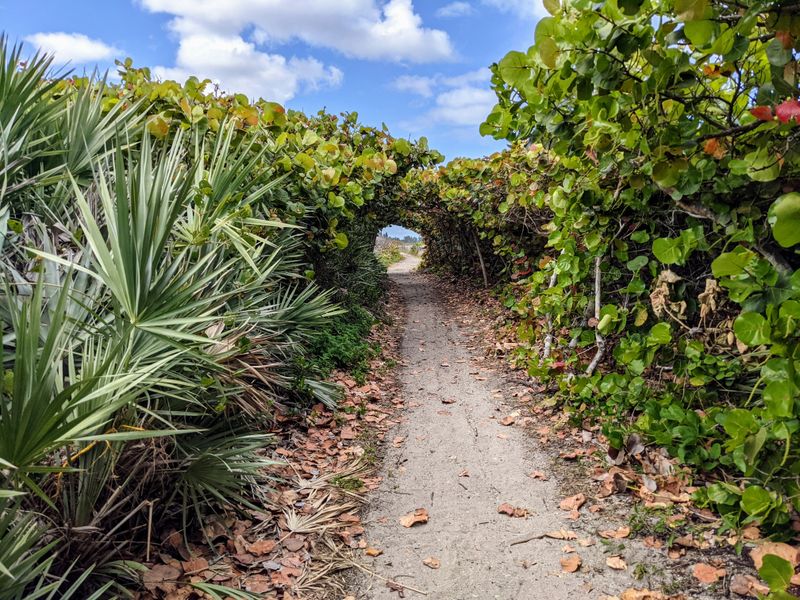
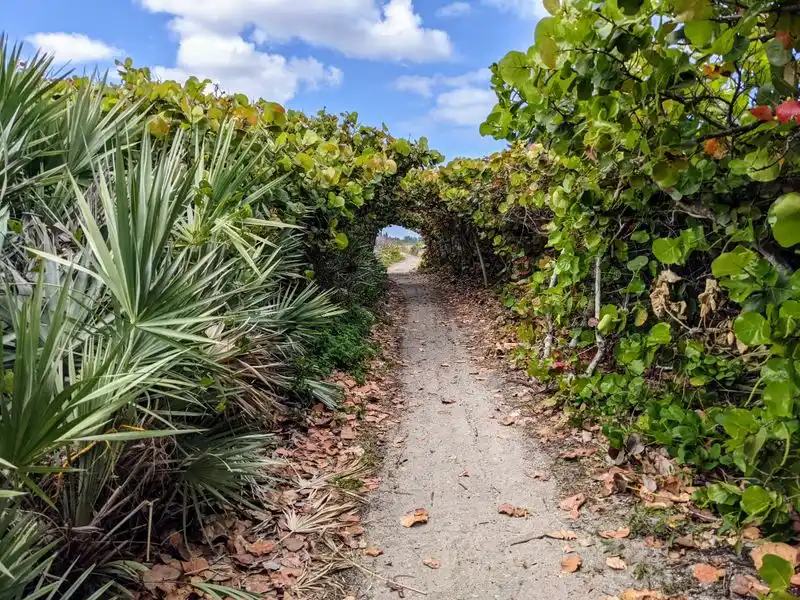
Along this coast, wind behaves like a sculptor with endless patience. Persistent onshore breezes push new growth sideways, encouraging branches to knit into arches over the paths.
Salt spray adds another nudge, singeing tender tips so only the toughest angles survive, and slowly the canopy conforms.
Light and sandy soil keep roots shallow and flexible, allowing trunks to lean without toppling. Storms test the structure, pruning what cannot bend and rewarding what can.
Over years, the survivors interlock, turning separate trees into a shared roof that shades walkers from glare.
Time seals the effect. Each season stacks another layer of leaves, bark, and memory, tightening the tunnels until they feel inevitable.
You are not just seeing growth, but a record of countless windy days, written in wood and leaf.
Walking the Preserve’s Shaded Trails
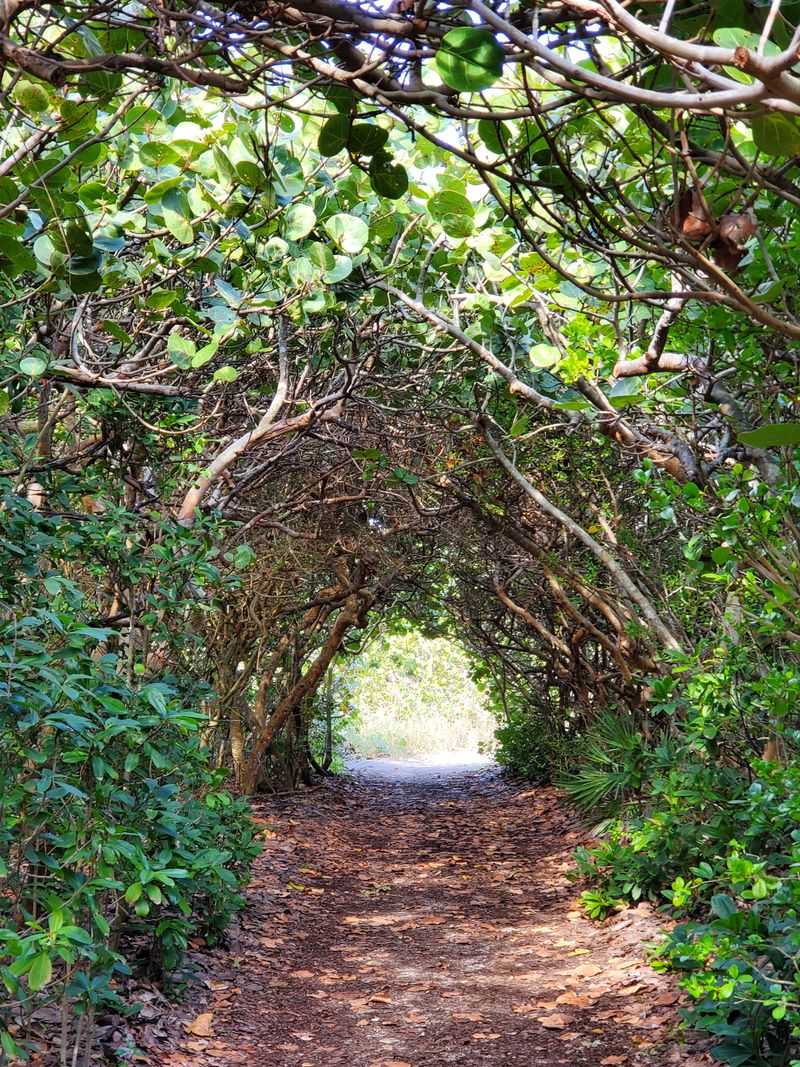
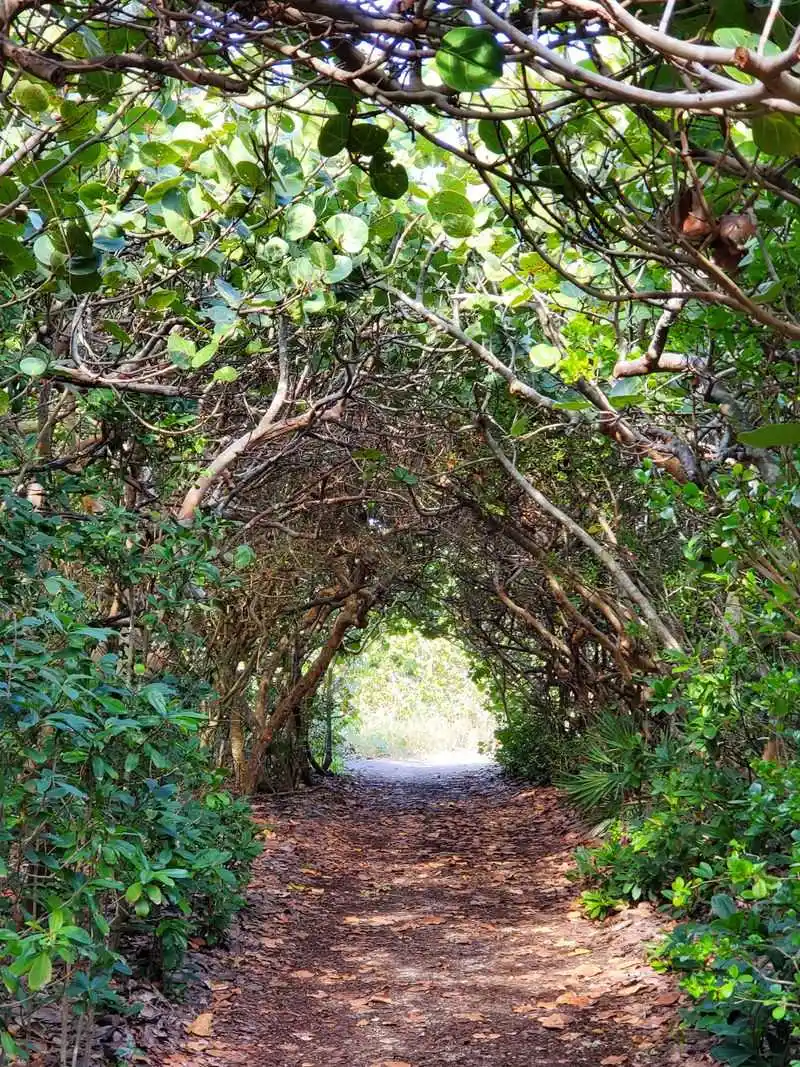
Step onto the sandy path and the light immediately softens. Leaves filter the sun into coins that move with the breeze, so every stride feels newly minted.
Branches meet overhead in slow arcs, and the outside world narrows to rustle, breath, and the crunch of shell grit underfoot.
The trail bends, then tightens, and your eyes adjust to a green dusk. Even on bright days, it feels like walking through a cool pocket stitched into the coast.
At junctions, low signs point the way, but the canopy carries you forward more than any marker.
Occasionally the tunnel opens to a tiny window of sky, a tease of glare and salt. You drift between enclosure and brief flashes of horizon, savoring the rhythm.
By the time the ocean reappears, your senses are sharpened, ready for the crash and shine beyond.
Native Plants That Create the Tunnel Effect
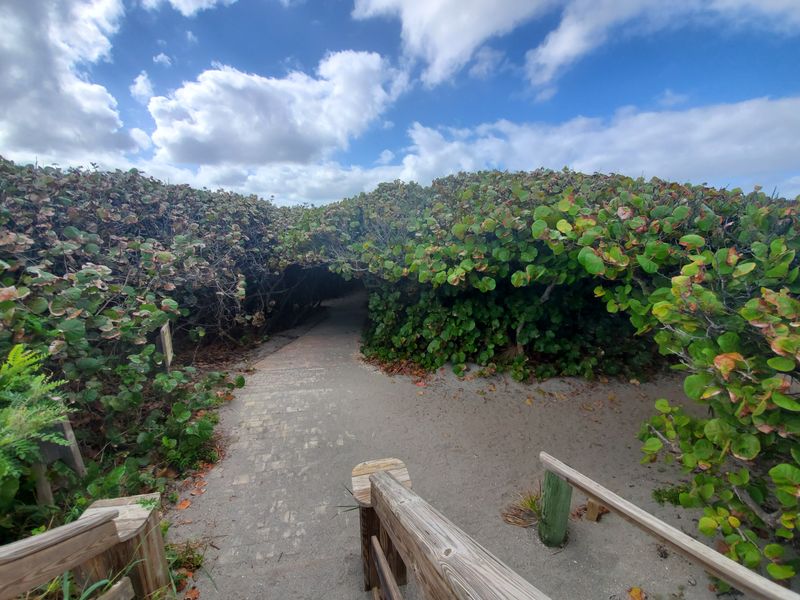
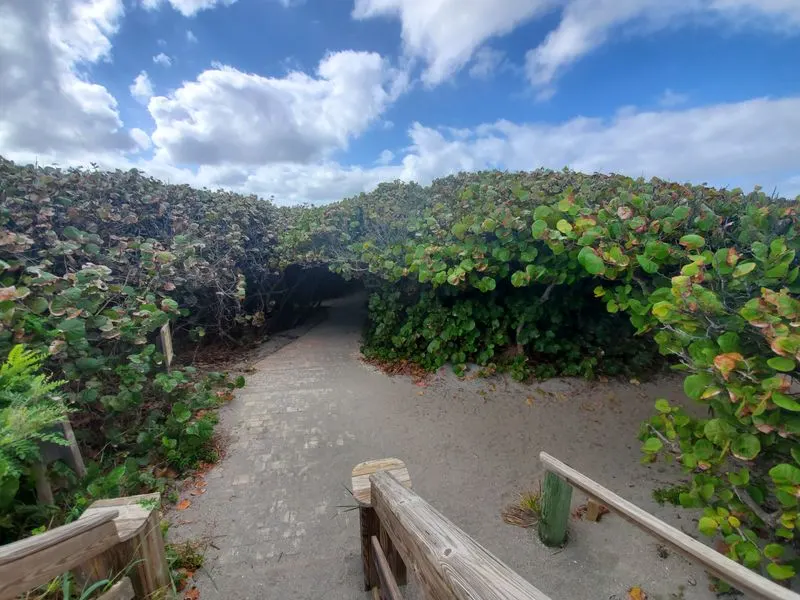
Sea grape leads the architecture here, with round, leathery leaves the size of plates. Its sprawling limbs lean across paths, meeting neighbors like old friends.
Cabbage palms lift feathery fronds into any open gap, rattling softly as they catch the breeze and add height to the tunnel roof.
Marlberry and wild coffee pack the understory, glossy and dense, shaping walls that feel almost built. Where light drops, these shrubs thicken, filtering views into soft green.
Gumbo-limbo, with smooth coppery bark, bends gracefully, its limbs curving like ribs over the walk.
Coastal strangler figs sometimes lace through, adding aerial roots and mystery. Each species plays a role, stacking leaves at different levels until shade feels layered and deep.
Together they create an organic hallway that constantly repairs itself, even after storms try to pry it open.
The Soundscape Inside the Green Corridors
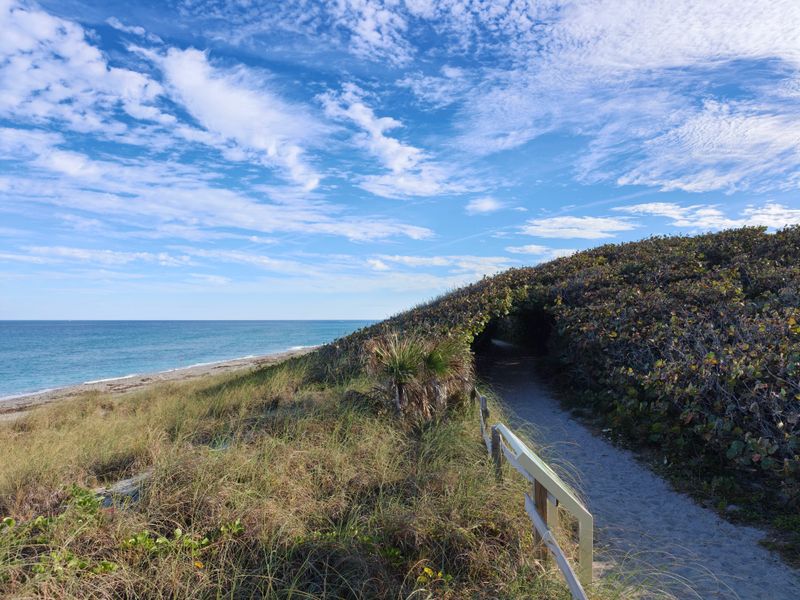
Inside the tunnels, sound behaves differently. Waves arrive muffled, like distant applause behind heavy curtains.
Leaves answer with a dry whisper, and palmetto fronds clack together in brief, percussive beats that fade as quickly as they start.
Footsteps become part of the score, a hush of sand and shell grit keeping time. Now and then a warbler stitches a bright note through the shade.
When the wind drops, there is a pause so complete you notice your own breathing, the quiet pulling you deeper.
Then a gust returns and the canopy sighs, carrying the ocean’s bass line back into the hall. The mix changes with every turn, never quite repeating.
By the end, the preserve has tuned your ears, and simple sounds feel rich and layered.
The Sudden Shift From Forest to Ocean Drama
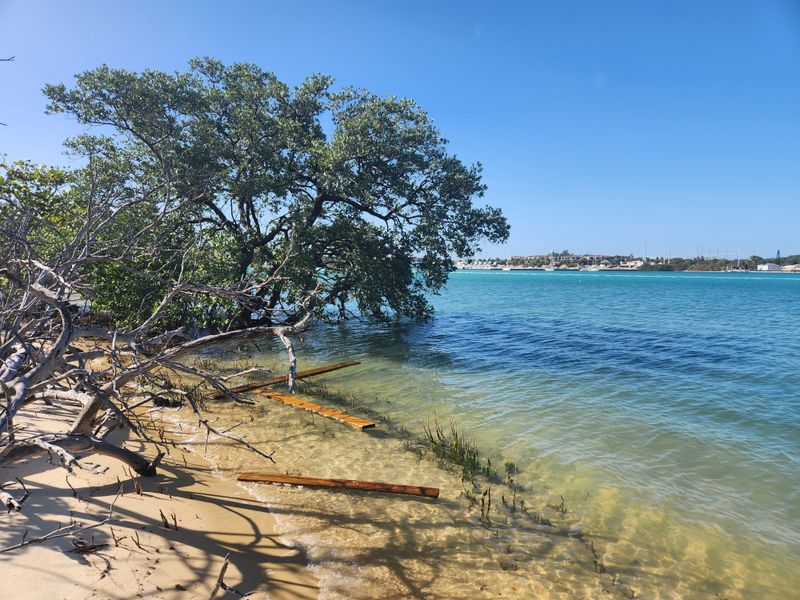
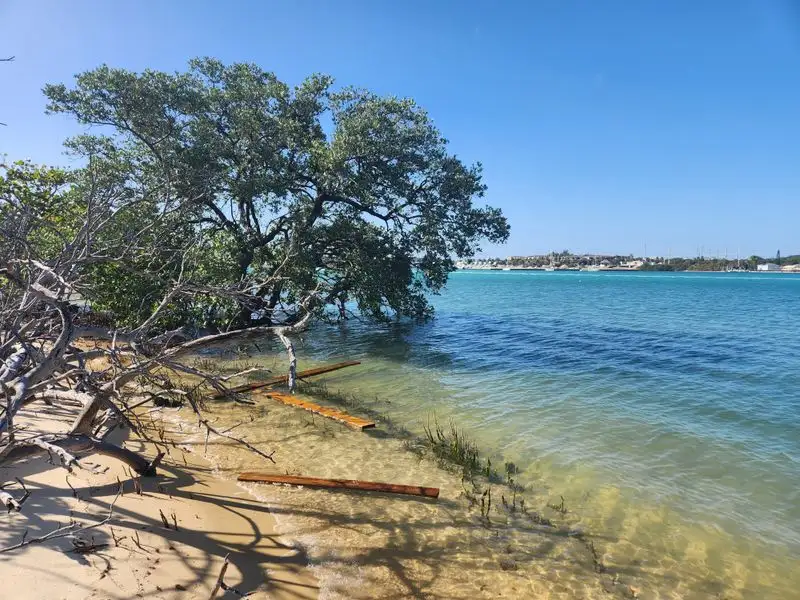
One turn, and the shade rips open to blazing blue. The tunnel spits you onto limestone ledges, all angles and spray, as if you have stepped backstage and found the main act roaring.
Waves explode through rock slots, tossing glittering curtains of water that fall in cold mist.
Your eyes need a moment to catch up. After green dimness, the coastline’s brightness feels electric, every color overclocked by salt and sun.
Footing asks attention, but the spectacle keeps pulling your gaze outward, where whitecaps stampede along the horizon.
It is the contrast that makes the memory stick. Quiet to thunder, filtered light to hard shine, hush to applause.
You carry both worlds in your ears as you stand there, letting the wind write chill bumps across your skin.
Seasonal Changes That Alter the Experience
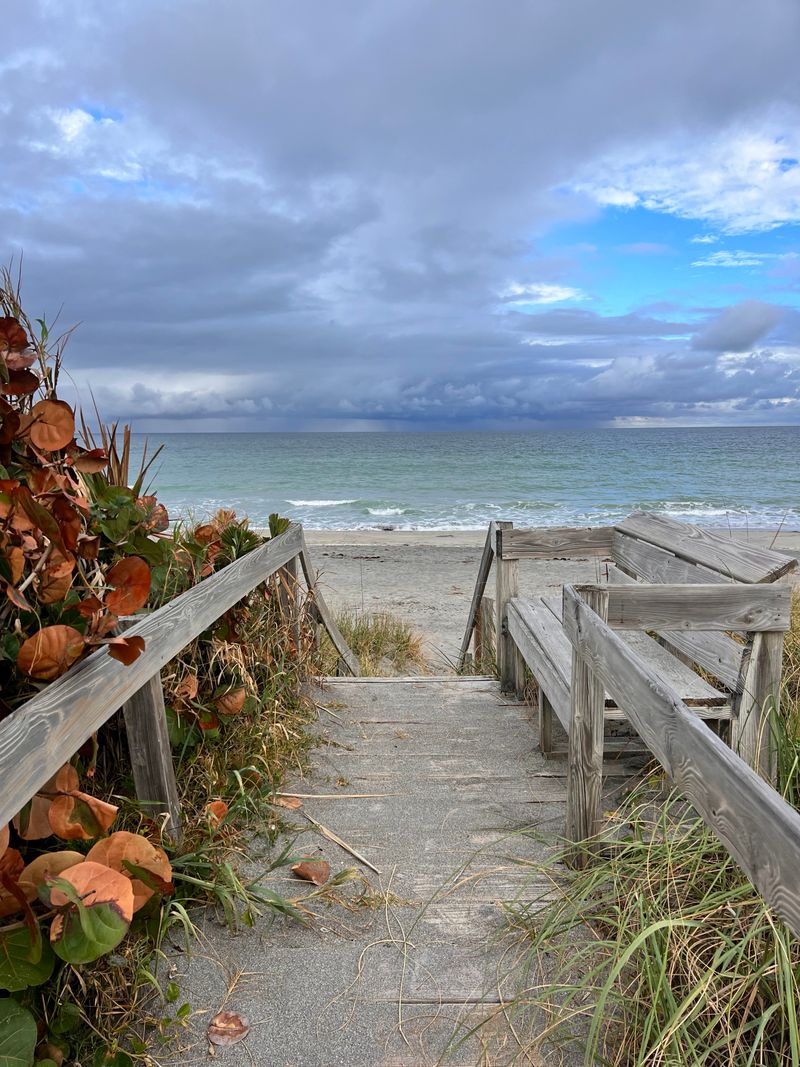
Spring thins the shade just enough for new light to sift through, and butterflies begin scribbling color down the lanes. By summer, the canopy packs tight, turning the tunnels cool and humid while storms drum their afternoon patterns.
Each rain sharpens leaf edges and deepens scents of salt and green.
Fall changes the angle of the sun, laying longer shadows across the path. Migratory birds flick through briefly, adding motion and small surprises at eye level.
The tunnels feel roomier as heat eases and breezes steady.
Winter brings clarity and drama, with lower humidity and surf that sometimes hammers the rocks. On those days, spray leaps higher and sound travels farther, even into the sheltered corridors.
No matter the season, the walk adjusts itself, offering a new mood without losing its spell.
Wildlife Encounters Along the Paths
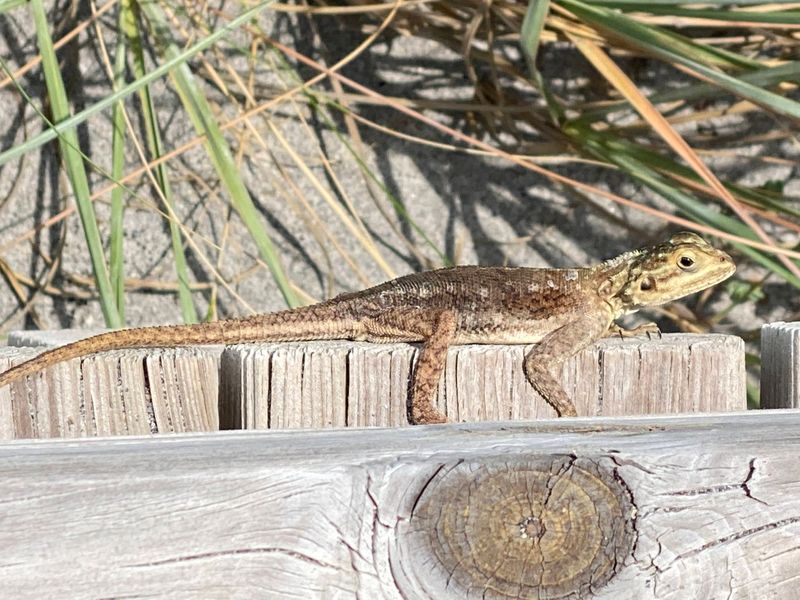
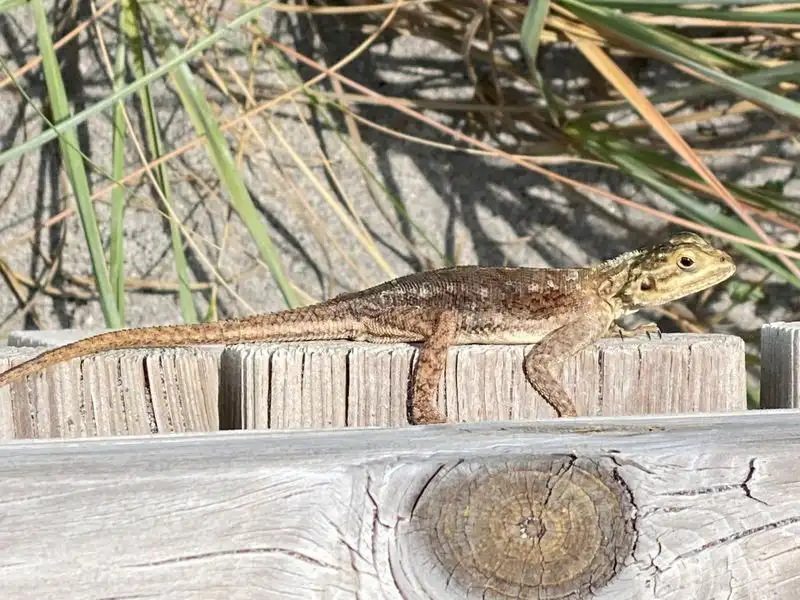
Look closely, and the tunnels are alive with quiet company. Zebra longwings drift like living ribbons, and monarchs pause to taste wild coffee blooms.
Anoles dart along sea grape trunks, switching from bright green to brown as easily as thought.
Near sandy pockets, tortoise burrow mounds hint at hidden neighbors. You might spot shorebirds framed by the tunnel’s mouth, stitching the tide line as if on a moving seam.
Overhead, red-shouldered hawks sometimes sound off, their calls threading the canopy.
Everything here is subtle motion. If you slow down, the scene resolves from still life into a steady parade.
Let your gaze settle, and small miracles show up right on schedule, one leaf twitch at a time.
Best Times of Day for the Most Unreal Atmosphere
Early morning slips silver light through the leaves, and the paths feel freshly invented. Dew beads on sea grape like tiny mirrors, and footprints are few, so every sound seems amplified.
Birds warm up their voices, and the ocean hums low, like a stage being set.
Late afternoon changes the palette to honey and amber. Long shadows stretch the tunnels, deepening the vault overhead and throwing coins of light across the floor.
On the rocks, sunset paints the spray, and the horizon draws a clean line under everything.
Midday has its glare, but bookend hours tilt the experience toward magic. If you can, time your walk to meet the edges of the day.
The preserve rewards that choice with color, contrast, and a hush that feels rare.
Why This Spot Feels Unusually Wild for South Florida
So much of South Florida feels busy, but Blowing Rocks holds the line. The Nature Conservancy stewards this strip with strict protections, keeping boardwalks low, signs subtle, and development at bay.
That restraint lets wind and water stay in charge, and you feel it with every step.
Native plants dominate, and restoration clears invasives so the canopy can mend itself. Trails remain narrow, trading speed for intimacy, which suits the setting perfectly.
Even parking is tucked back, nudging you to arrive as a guest, not a conqueror.
Because the place is allowed to be itself, it reads as wilder than its address suggests. The tunnels, the rocks, the surf all keep their edge.
Walk it, and you will remember that Florida still has rooms where nature speaks first.