

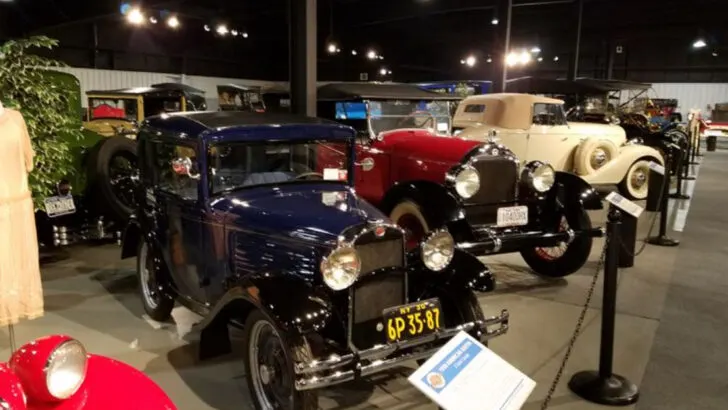
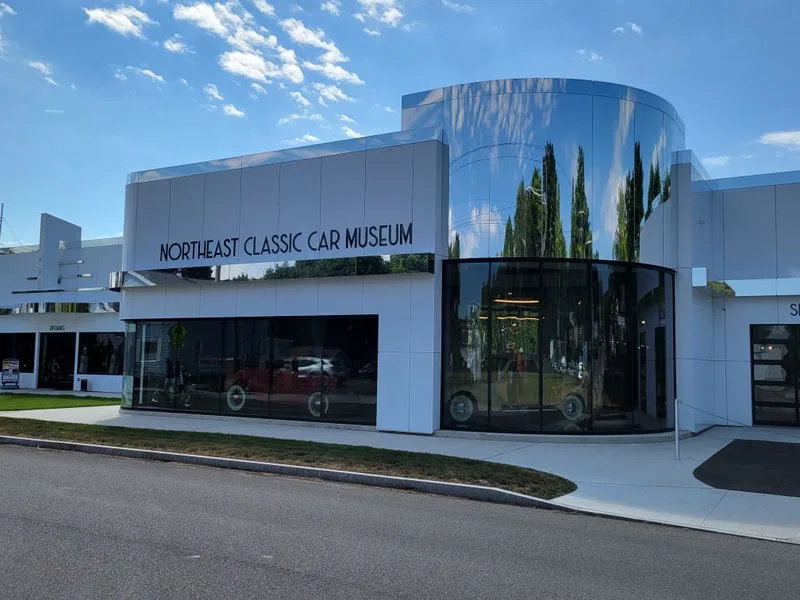
Tucked into Norwich, New York, a five-building treasure quietly thrills anyone who loves the smell of oil and the gleam of chrome.
The Northeast Classic Car Museum has a 4.8-star reputation for a reason, and you feel it the moment the first polished fender reflects back. You will find rare marques, deep storytelling, and approachable docents who make history feel personal.
If you think you have seen every car museum, this one will change your mind.
Essential visitor info: hours, tickets, and planning

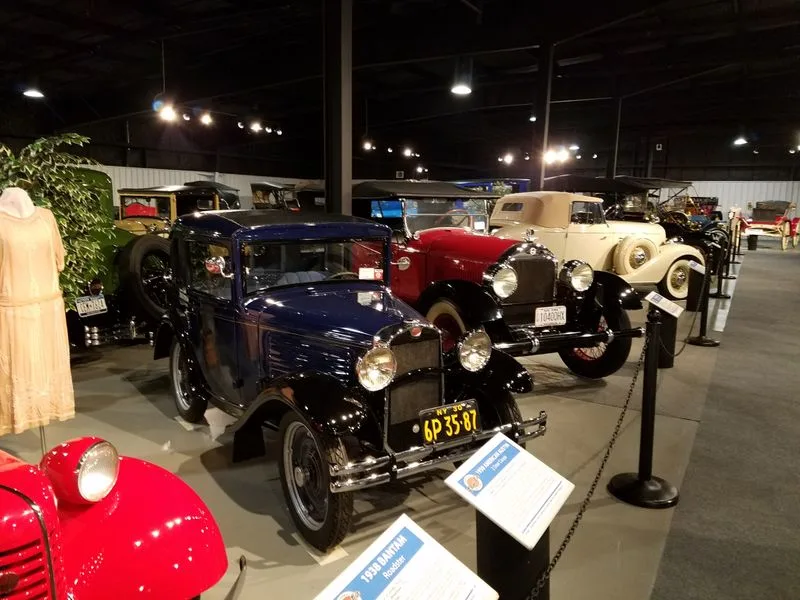
Start your day early because the Northeast Classic Car Museum opens at 9 AM and closes at 4:30 PM daily. That steady schedule makes planning simple, especially if you want enough time to stroll all five buildings. Parking is easy, and you will appreciate the relaxed pace that lets each exhibit breathe.
Buy tickets at the front desk or check the official website for current pricing and any discounts. You can call +1 607-334-2886 for questions, including accessibility or group bookings. If you are road tripping, the address 24 Rexford St, Norwich, NY 13815 is GPS friendly.
Pack a camera, but keep flashes off to protect finishes and displays. Comfortable shoes matter because concrete floors and long galleries add up. Take breaks on benches and do not rush the videos, which add helpful context to unfamiliar marques.
Plan at least two hours, though three lets you savor details like engine tags and original sales literature. Weekdays feel quieter, so you get more docent time. You will leave with a sharper appreciation for American ingenuity and the stories behind the sheet metal.
Five-building layout: how to navigate the collection

The museum unfolds across five buildings, each with its own theme and rhythm. Start in the main hall to orient yourself, then follow the suggested pathway to minimize backtracking. Clear signage helps, but asking a docent unlocks fun side stories you would otherwise miss.
Expect a chronological flow that loosely tracks automotive evolution. Early brass-era machines lead into Art Deco curves and postwar power. Motorcycle displays and engine cutaways punctuate the path, breaking up the rows of gleaming fenders.
Lighting is purposefully soft, so let your eyes adjust to appreciate paint and nickel details. You will spot period-correct props like gas pumps and dealership banners that frame cars in their natural habitats. Exhibits are spaced for photos, but be courteous when folks are reading placards.
Save a final pass for favorite sections because the second look reveals hidden craftsmanship. The route returns you near the gift shop, perfect for grabbing a catalog that maps the collection. With five buildings, pacing yourself ensures you absorb stories rather than sprinting past them.
Early brass-era gems: the dawn of motoring

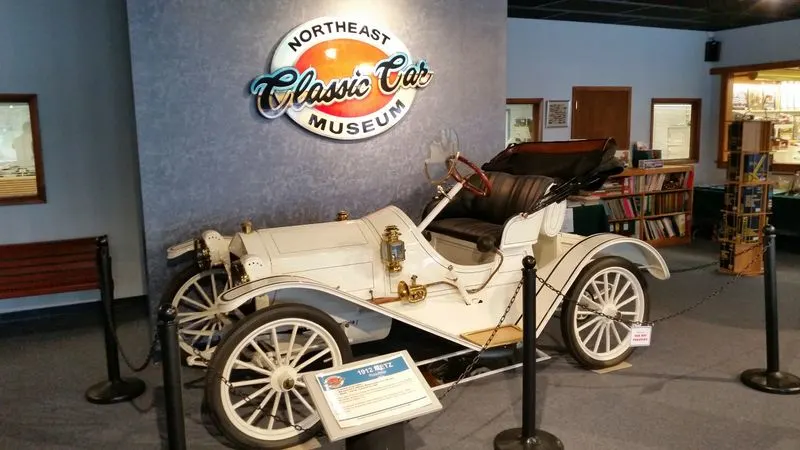
The brass-era gallery immediately resets your expectations. You will meet pioneering machines with wooden wheels, tiller steering, and brass radiators that glow like jewelry. These cars feel closer to carriages than modern sedans, which makes their engineering leap even more striking.
Placards explain how lubrication, ignition, and starting evolved, reminding you why electric starters were revolutionary. Stand by an exposed valve train and imagine hand-mixing fuel or coaxing a magneto to life. It makes today’s push-button convenience feel like wizardry.
Look for coachbuilt bodies designed by artisans who switched from horse-drawn rigs to mechanical frames. The craftsmanship shows in hand-stitched upholstery and layered coach paint. You will appreciate how aesthetics and innovation sometimes marched in lockstep.
Do not miss the period accessories, from acetylene headlamps to coil boxes. Ask a docent to point out safety innovations that predate standardized brakes. Walking out of this section, you carry a new respect for the tinkerers and risk-takers who launched motoring’s first chapter.
Art Deco elegance: streamlining and style

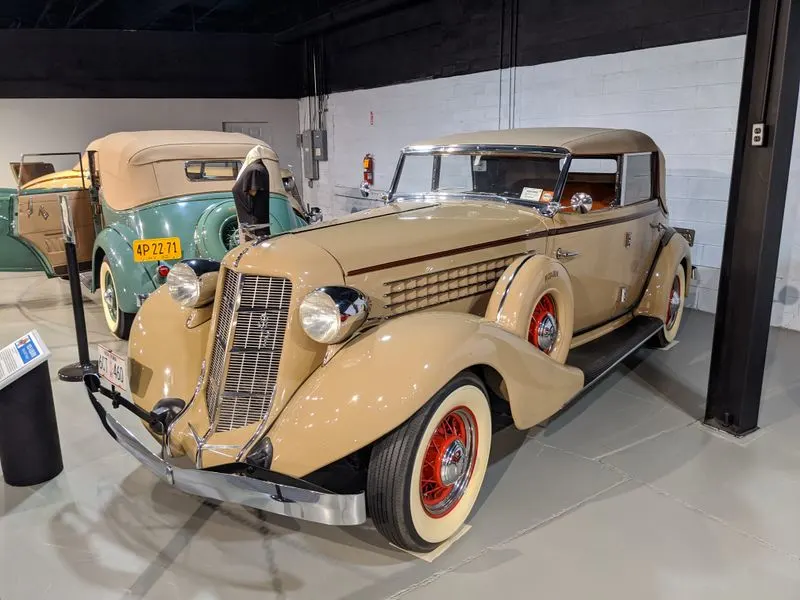
Enter the Art Deco era and your pulse quickens. Streamlined fenders, waterfall grilles, and chrome spears turn motion into sculpture. You will see how designers chased the wind long before wind tunnels were fashionable.
Placards connect the dots between architecture, ocean liners, and automotive form. The museum’s staging with geometric backdrops and period posters amplifies the glamour. You can almost hear big-band music as you admire hood ornaments shaped like birds and arrows.
Look closely at paint depth and trim alignment to understand coachwork standards of the day. You will notice teardrop headlights and skirted wheels that whisper speed at rest. Interiors mix wool broadcloth with artful dashboards that reward lingering eyes.
Ask about the engineering under the beauty, like independent suspensions and early overdrives. Those hidden upgrades made long-distance touring smoother and quieter. You leave convinced that the 1930s did not just build cars, they choreographed them.
Postwar power: fins, chrome, and highway dreams

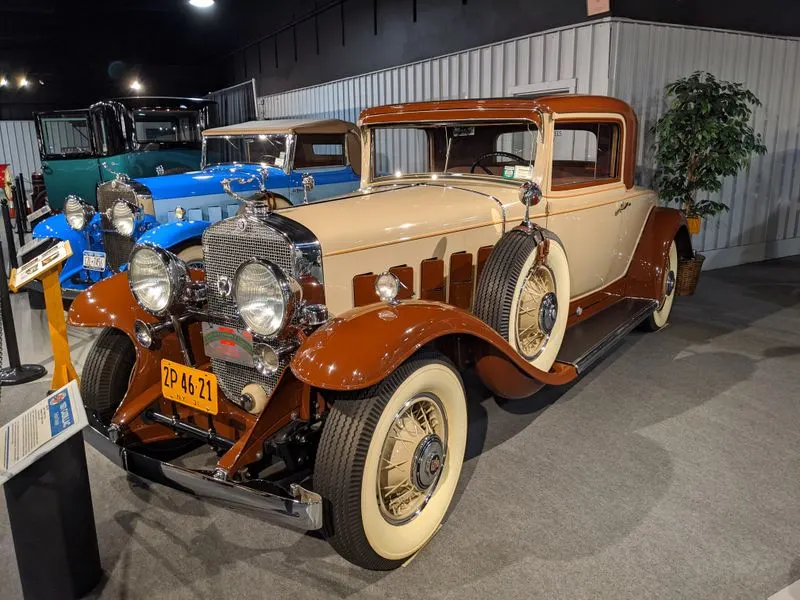
The postwar halls explode with optimism and horsepower. You will find jet-age tailfins, mile-long chrome, and colors bold enough to match interstate ambition. These cars are rolling postcards from an America discovering open roads.
Placards unpack V8 arms races, automatic transmissions, and the rise of suburbia. You will see how styling studios and marketing departments learned to speak desire fluently. Bench seats and wraparound windshields invite family road trips and drive-in nights.
Stand behind a fin and trace its line to the taillight jewel. You will appreciate how designers borrowed cues from rockets and aircraft. Dual exhaust burble seems to echo even in the quiet gallery.
Ask a docent about the balance between beauty and safety before regulations tightened. You will leave understanding why collectors prize originality from hubcaps to dealer badges. The highway dream might be nostalgic, but the craftsmanship remains thrillingly real.
Engines and tech: learning from cutaways and placards

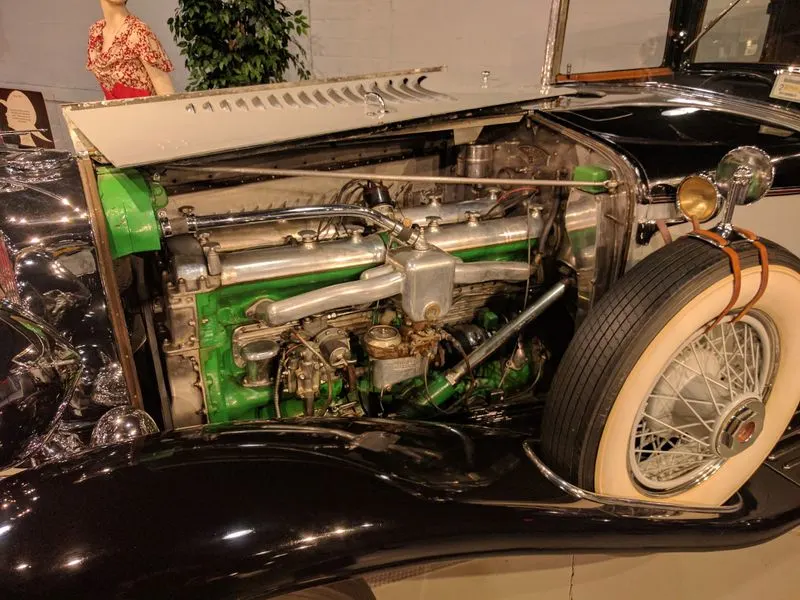
Beyond shiny paint, the museum teaches you how machines breathe and burn. Engine cutaways lay bare pistons, valves, and timing gear in satisfying clarity. You will grasp combustion cycles faster here than in any textbook.
Placards stick to plain language while respecting your curiosity. Diagrams show why overhead valves changed packaging and performance. Carburetors, early fuel injection, and ignition advances each get their moment under the lights.
Stand close to see casting marks and machining patterns. You will notice design compromises that balance power, weight, and cost. The museum’s videos add motion to theory, showing rotating assemblies that demystify torque.
Ask staff for stories behind specific engines and their racing connections. Those anecdotes turn metal into memory and make specs stick. You walk away ready to recognize mechanical lineage under any hood you meet.
Motorcycles and side stories: two-wheeled highlights

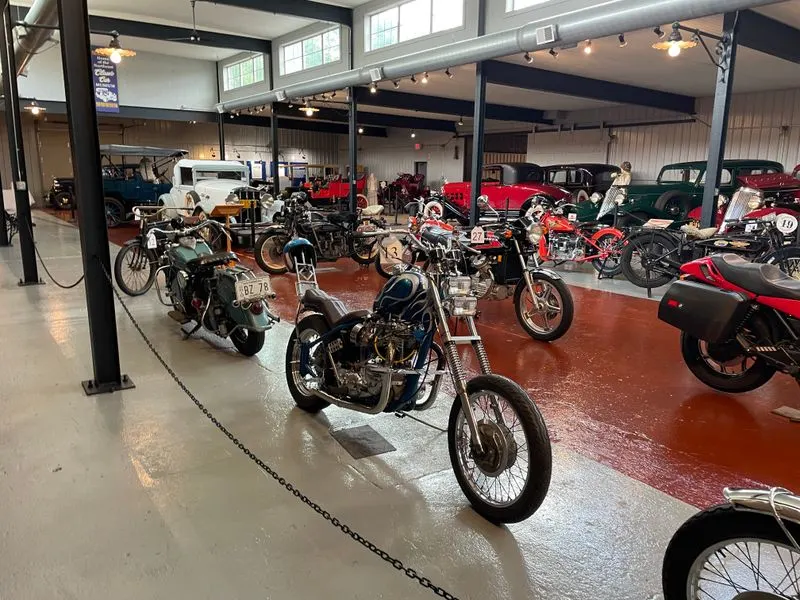
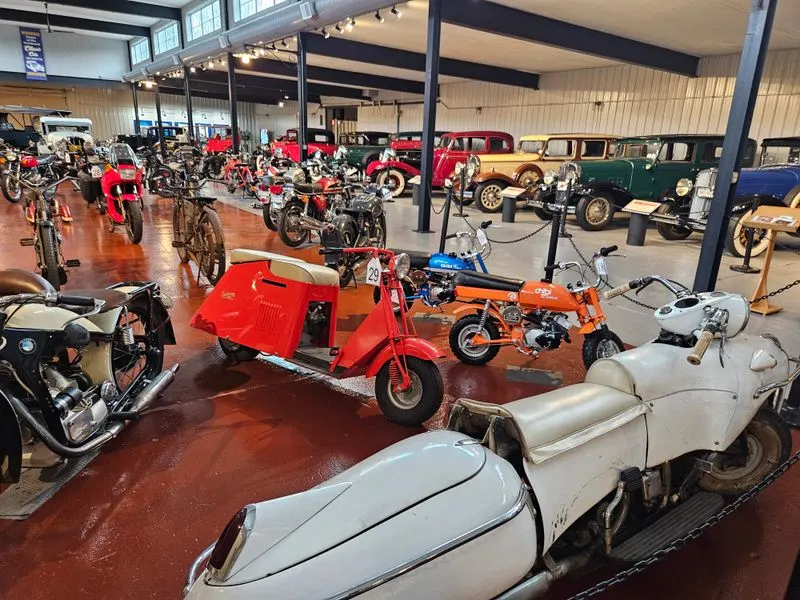
The two-wheeled corner surprises many first-time visitors. You will find early American V-twins beside lightweight commuters that kept postwar cities moving. Their compact size invites you closer to admire tanks, badges, and cable routing.
Placards highlight engineering quirks like springer forks, hand shifters, and oiling systems. You will appreciate how packaging constraints forced clever solutions. In some cases, motorcycles adopted innovations before cars did.
Check out period helmets and leathers that complete the scene. You can almost feel cold morning air and hear that distinctive putter or thump. The museum balances romance with context by noting costs, reliability, and maintenance needs.
Ask a docent to point out bikes with racing pedigrees or unusual provenance. Those side stories add grit and glory to the polished metal. Even if four wheels are your thing, you will leave with newfound respect for two-wheeled bravery.
Docents and storytelling: making history personal

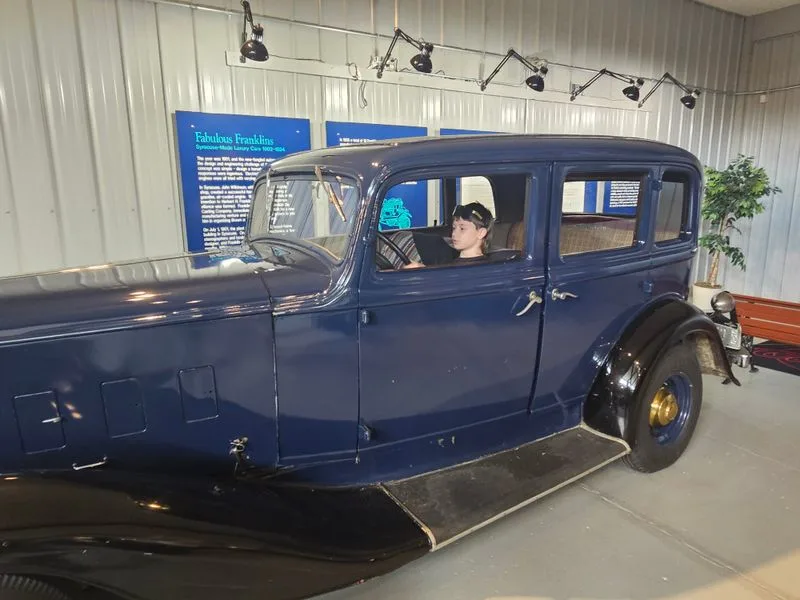
The museum’s secret weapon is its docents. You will meet volunteers who wrench on weekends and love explaining small details that text panels cannot. Their enthusiasm turns static displays into living conversations.
Ask about ownership histories, barn finds, and restoration challenges. You will hear stories that connect cars to families, factories, and long-gone highways. Those personal threads make complex timelines surprisingly memorable.
Docents often point out easy-to-miss features, like period-correct hose clamps or coachbuilder badges. You will learn how to read a dashboard like a time capsule. Moments like these elevate your visit from sightseeing to understanding.
Do not be shy about questions, from paint formulas to sourcing obsolete parts. The team welcomes curiosity and adapts to your pace. You leave feeling like a friend tipped you off to a local legend worth sharing.
Family-friendly touches: accessibility, pacing, and comfort

Bring the whole crew with confidence. Wide aisles, clear signage, and bench seating make the museum comfortable for mixed-age groups. You will appreciate the manageable scale that keeps kids engaged without overwhelm.
Strollers fit easily, and the staff happily offers tips for pacing. Restrooms are convenient, and the route naturally loops back to the entrance. Quick video stations provide bite-size learning breaks that reset attention spans.
Accessibility questions are handled well at the front desk or by phone. You will find smooth floors and logical transitions between buildings. The lighting is gentle enough for sensitive eyes while still flattering paintwork.
Consider building in a snack break and a gift shop stop for small incentives. You will leave with postcards or a model car that extends the fun at home. Family memories pair beautifully with the rumble of history here.
Gift shop and takeaways: souvenirs, catalogs, and support

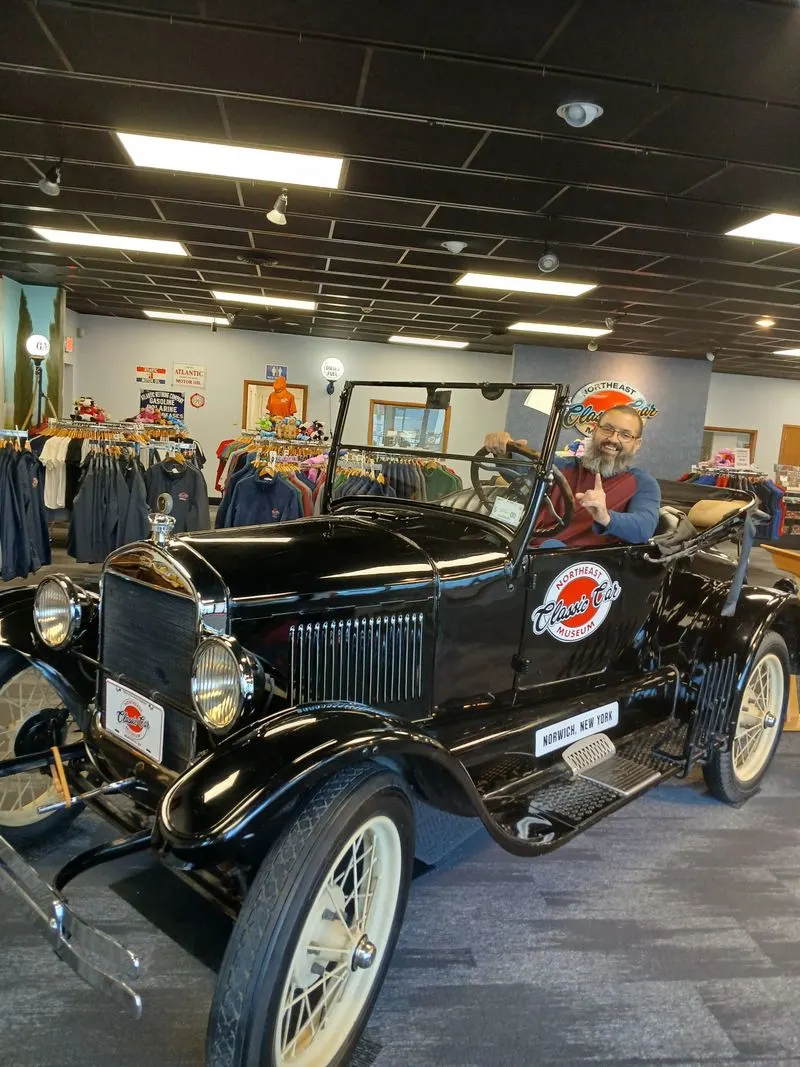
End your visit at the gift shop where the curation shines. You will find catalogs that document the collection, plus die-cast models, patches, and posters. It is a smart way to bring the museum’s stories back to your desk.
Look for titles on marque histories and restoration techniques. You will appreciate how reading deepens details you noticed on the floor. Apparel and mugs make practical souvenirs that spark conversations later.
Purchases support the museum’s mission to preserve and educate. You will feel good knowing your dollars help maintain rare vehicles and exhibits. Ask staff about memberships or donations if you want a longer connection.
Before leaving, jot down favorite cars and any research rabbit holes to chase. You will have fresh search terms and a reinvigorated curiosity about automotive history. The best souvenir might be your newfound eye for craftsmanship.