

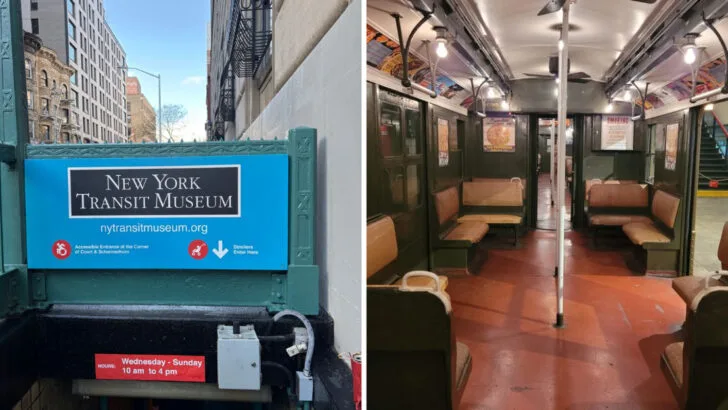
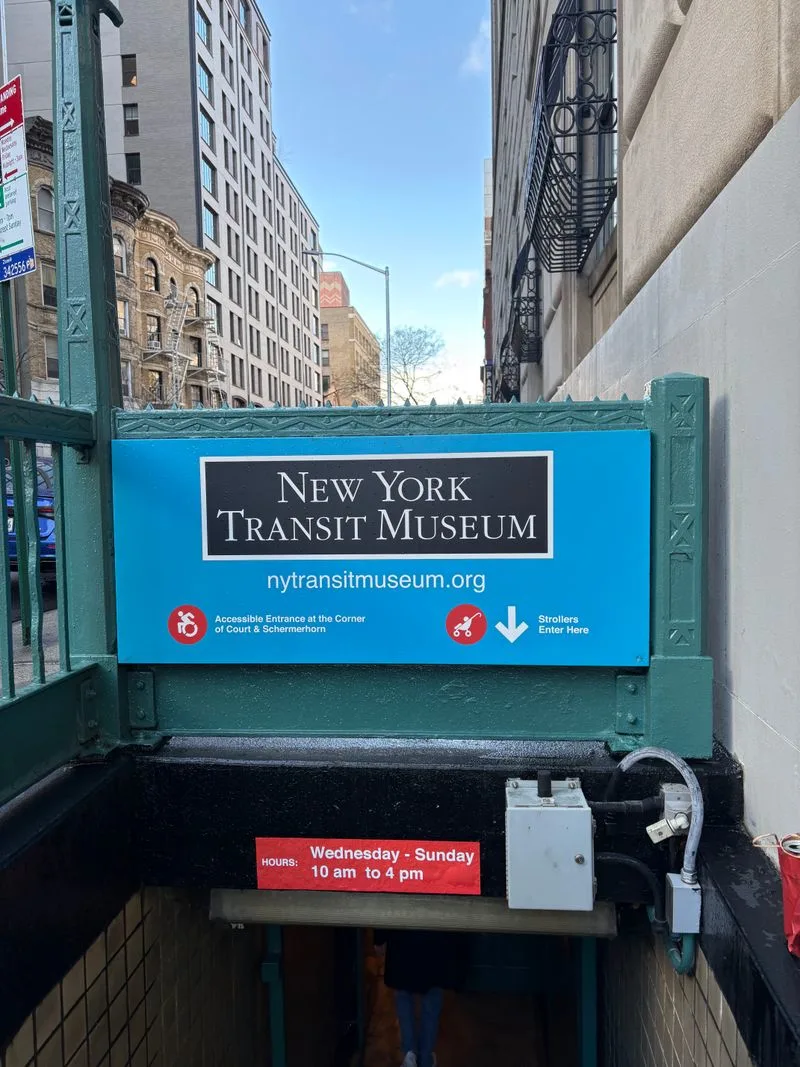
The New York Transit Museum is a treasure trove of transportation history buried beneath the bustling streets of Brooklyn. Tucked away in a decommissioned subway station, this museum offers a unique glimpse into the evolution of one of the world’s most iconic transit systems.
Visitors can step back in time and explore vintage subway cars, historical artifacts, and interactive exhibits that paint a vivid picture of New York’s transit past. It’s a place where history buffs, train enthusiasts, and curious families come together to experience a piece of living history.
Vintage Subway Cars
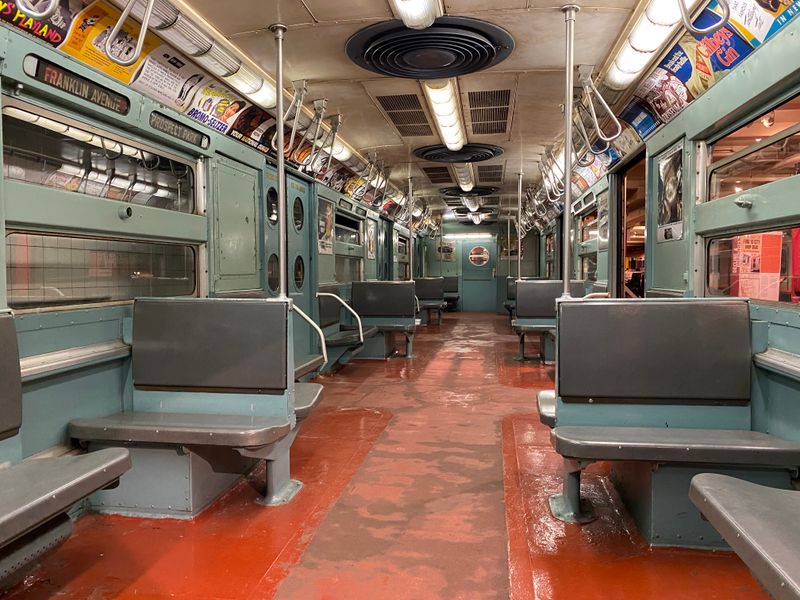
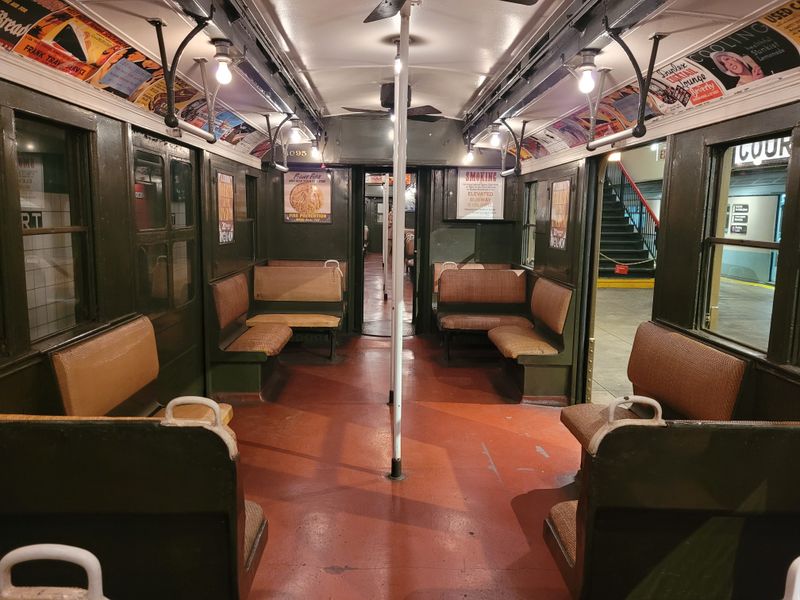
Stepping inside the vintage subway cars at the New York Transit Museum feels like traveling through a time machine. Each car tells a story, with interiors showcasing a variety of designs from different eras, complete with authentic advertisements that capture the spirit of their time.
These subway cars, some dating back to the early 20th century, allow visitors to sit in original seats and imagine the daily hustle of New Yorkers from decades past.
The collection highlights the evolution of subway design, from the wooden interiors of the early 1900s to the sleek metal finishes of the mid-century. This transformation reveals a lot about the city’s growth and the changing needs of its commuters.
It’s a rare opportunity to touch and feel pieces of history that have been meticulously preserved.
For anyone fascinated by transportation or urban history, these cars offer a tangible connection to New York’s storied transit past. Whether you’re a local or a tourist, stepping into these historic subway cars provides a nostalgic and educational experience that’s hard to forget.
Interactive Exhibits

The New York Transit Museum’s interactive exhibits are a lively way to engage with the city’s transit history. These displays invite visitors to dive deep into the technological and cultural shifts that have shaped New York’s subway system.
Interactive stations allow both children and adults to explore everything from turnstile mechanisms to the intricacies of bus and train operations.One can even simulate driving a city bus or pulling the emergency brake of a subway car. These hands-on experiences make learning about public transportation both fun and memorable.
They are designed to engage visitors of all ages, blending education with entertainment in a seamless manner.For families and curious minds, these exhibits offer a chance to not just learn but also feel a part of New York’s transit story. It’s a perfect blend of play and education, making the museum an exciting destination for all who step through its doors.
Historical Artifacts

Among the museum’s treasures are the historical artifacts that document the evolution of New York’s transit system. From antique fare tokens to construction tools used to carve out the city’s famous tunnels, these objects offer a tangible connection to the past.
Each piece is carefully curated to tell a story about the challenges and triumphs of building and maintaining an urban transit network.Visitors can marvel at the detailed subway maps from different decades and explore the history of the MetroCard through its various design iterations. The exhibits also feature the tools of the trade used by engineers and workers, highlighting the labor and ingenuity that went into creating the iconic subway system.These artifacts serve as a reminder of the city’s resilience and innovation.
They paint a vivid picture of how New York’s public transportation system became a lifeline for millions, weaving through the city’s fabric and driving its economic and social progress.
Tilework and Architectural Details Tour
Look up and you will spot mosaics, serifed tile lettering, and arches that whisper old New York. Tracing the curve of a platform feels like reading a poem written in ceramic and grout.
You start noticing craft choices that define the city’s underbelly.
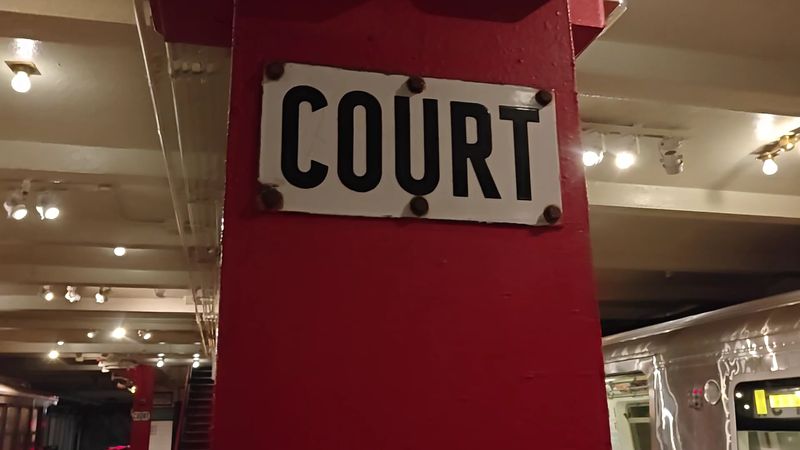
Guided tours highlight station identity markers and long-forgotten design standards you pass every commute. You will leave recognizing cornices, keystones, and color bands like secret codes.
It turns everyday travel into an aesthetic scavenger hunt.
City Sounds Listening Corner
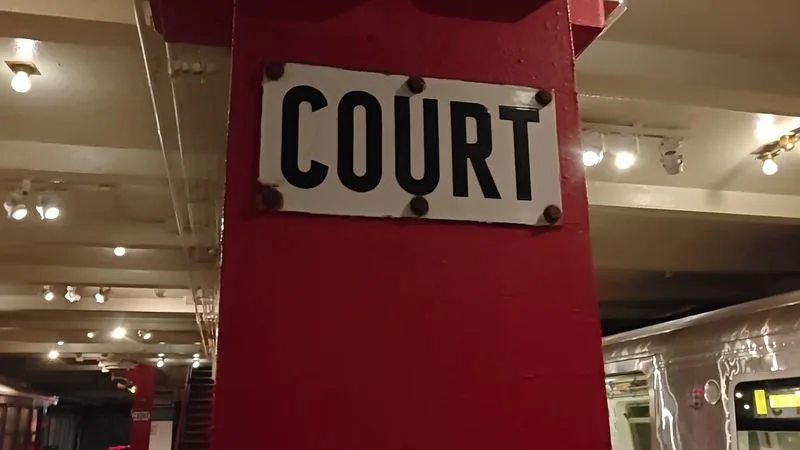
Stand still and the station becomes a symphony of brakes, footsteps, and distant announcements. At a listening corner, curated recordings layer rush-hour crescendos and late-night echoes.
You start identifying rhythms like a percussionist.
Sound maps guide your ear to reverberant tunnels and whispering vaults. You will hear how architecture sculpts noise into texture.
It is a chance to savor what you usually tune out, and it changes how you move through the platforms.
Transit Typography Walkthrough
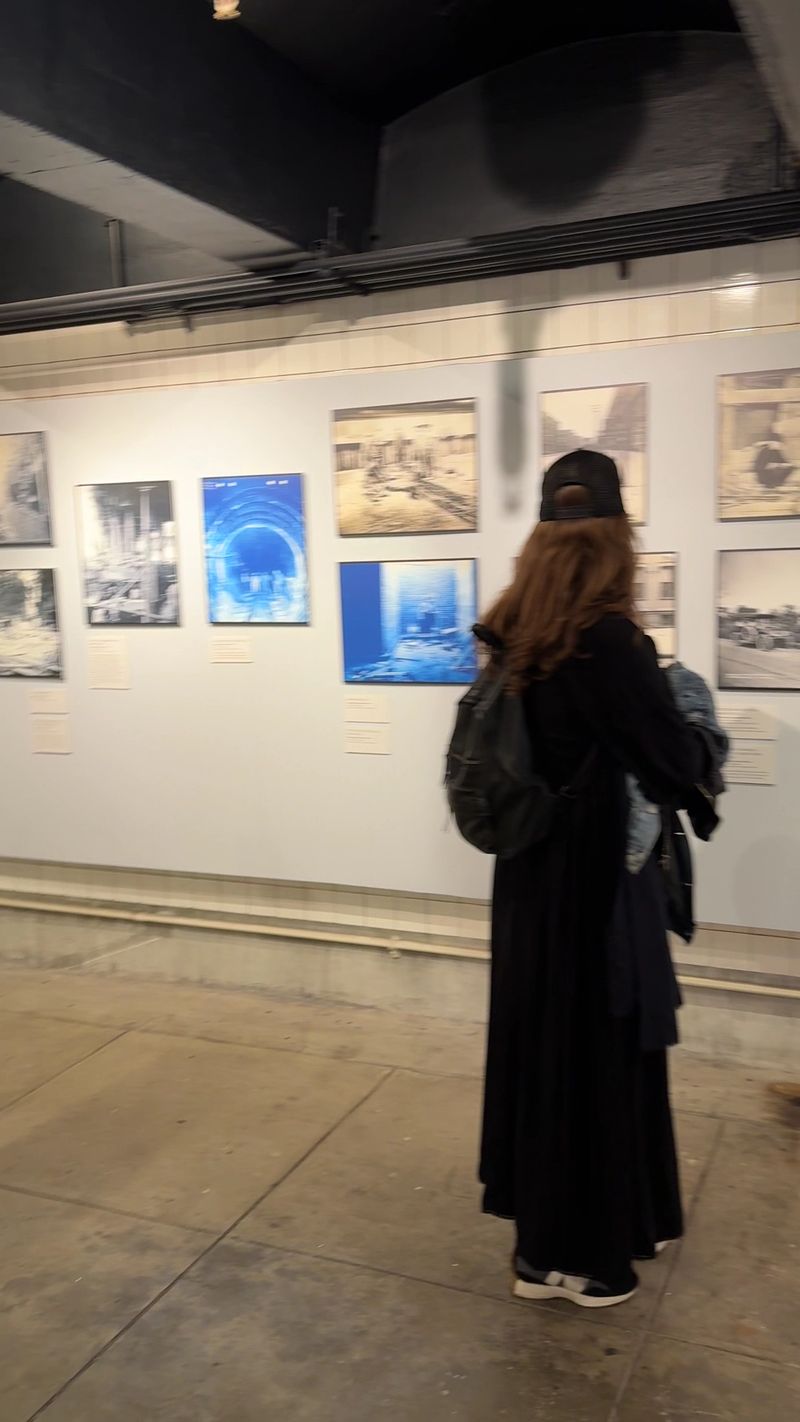
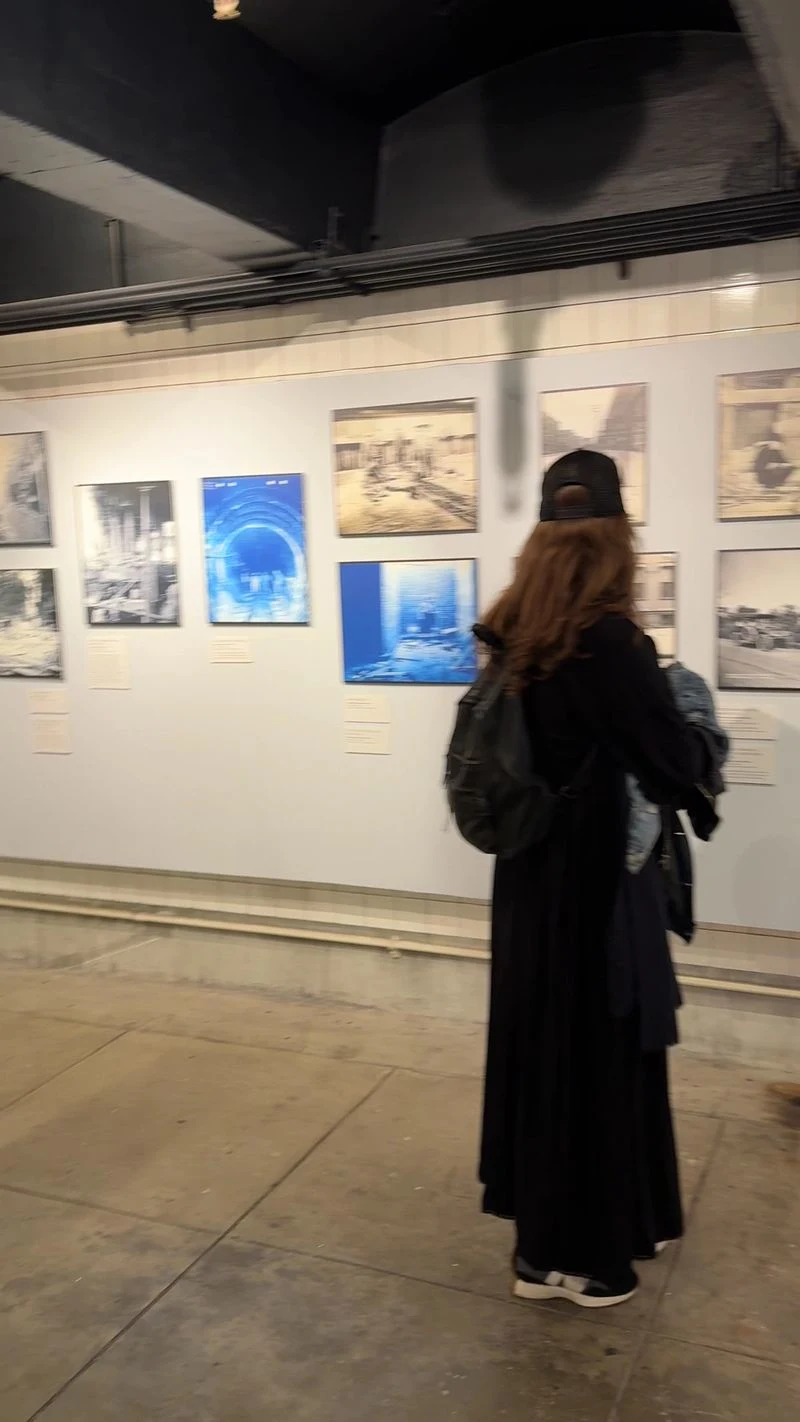
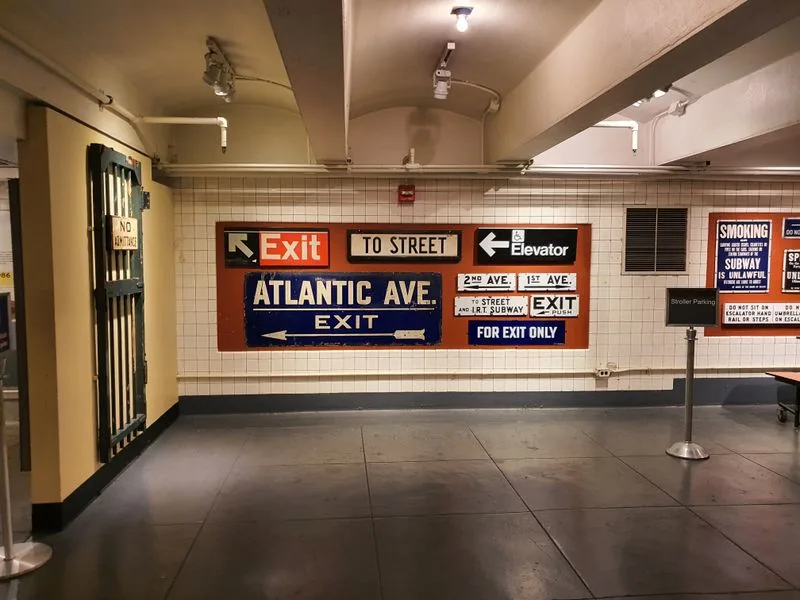
Your eyes land on the lettering that brands the system without you noticing. From enamel signs to vinyl wayfinding, a typographic spine threads the station.
The walkthrough breaks down type families, spacing choices, and legibility in motion.
Comparing historic signage with modern standards shows how clarity keeps crowds flowing. You will test reading angles and color contrast against moving foot traffic.
Suddenly, every arrow and icon feels like quiet choreography guiding your next step.
Public Art On The Platform
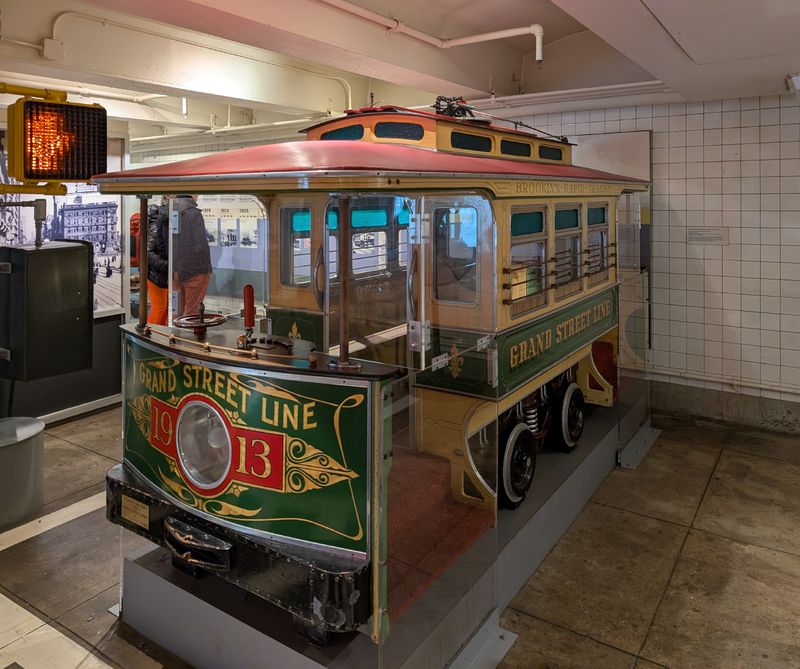
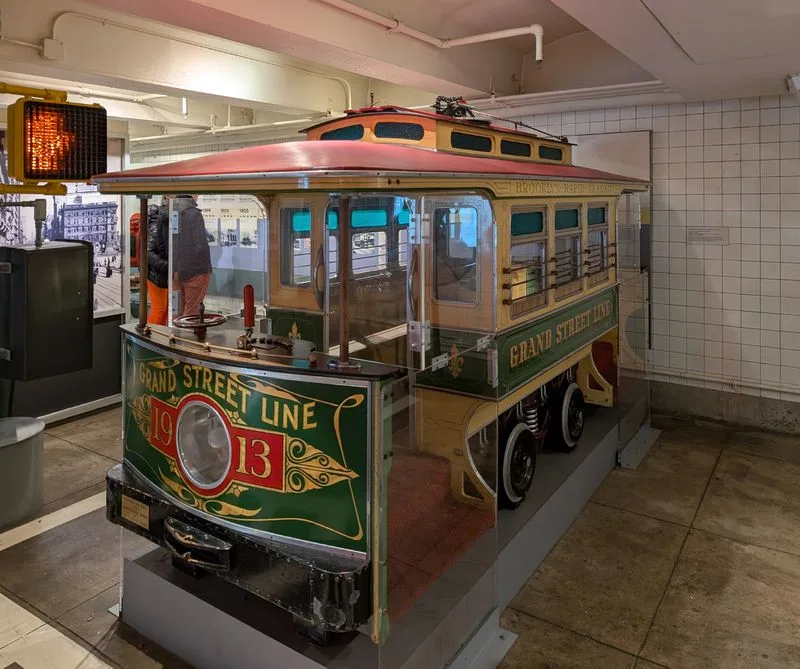
Between trains, the station becomes a gallery where murals, sculpture, and mosaics catch your peripheral vision. This platform tour connects the artworks to their neighborhoods, artists, and materials.
You learn why certain pieces glimmer under fluorescent light.
Docents point out site-specific installations that commuters treat like old friends. You will gather stories to share the next time someone asks what makes the subway special.
Art here is not precious, just present, and gloriously unavoidable.