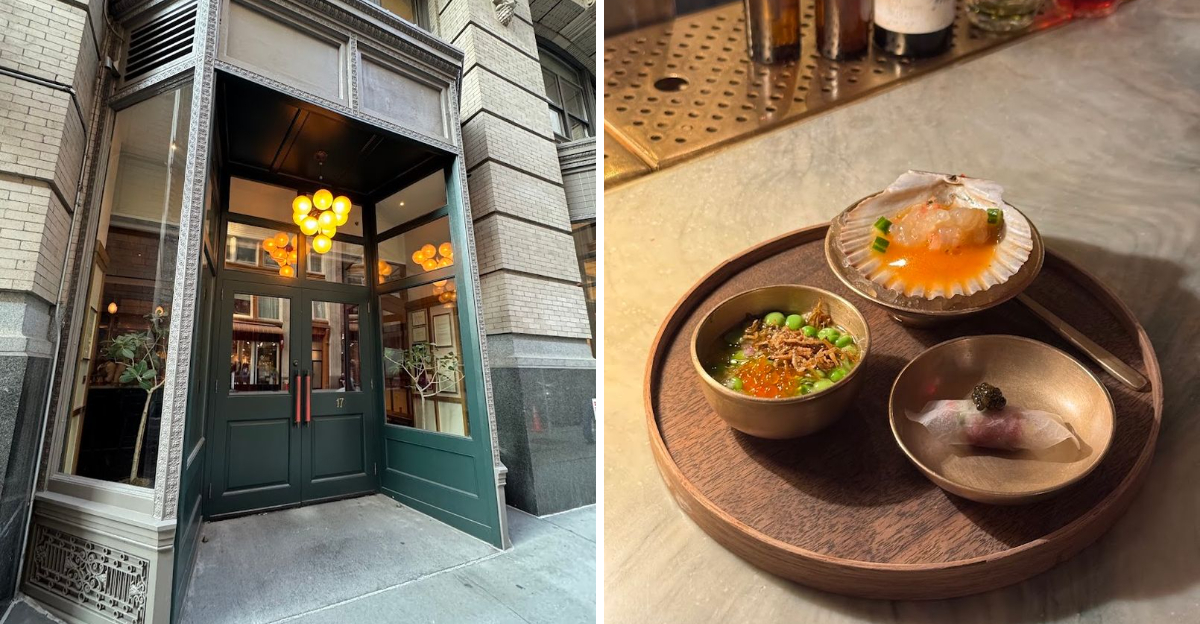
Some New York City dinner dates are good. Oiji Mi is the kind that makes you want to cancel every other plan.
Tucked into Manhattan’s Flatiron neighborhood, this Korean restaurant brings serious date-night drama with a gorgeous dining room, moody lighting, and details that make every corner feel ready for a special occasion.
The food keeps the evening just as memorable.
Oiji Mi takes Korean flavors and gives them a polished, creative spin, turning dinner into a parade of beautiful plates, surprising flavors, and plenty of reasons to linger over one more bite.
Now, the restaurant has another reason to celebrate after earning a spot on OpenTable’s list of New York City’s most beautiful dining spaces.
For couples searching for a dinner that feels romantic, stylish, and far from ordinary, Oiji Mi may be the reservation worth making.
A Flatiron Dining Room That Makes a First Impression
Walking into Oiji Mi feels different from the moment you step through the door. The restaurant sits on West 19th Street in the Flatiron District, one of Manhattan’s most vibrant neighborhoods where old architecture meets modern energy.
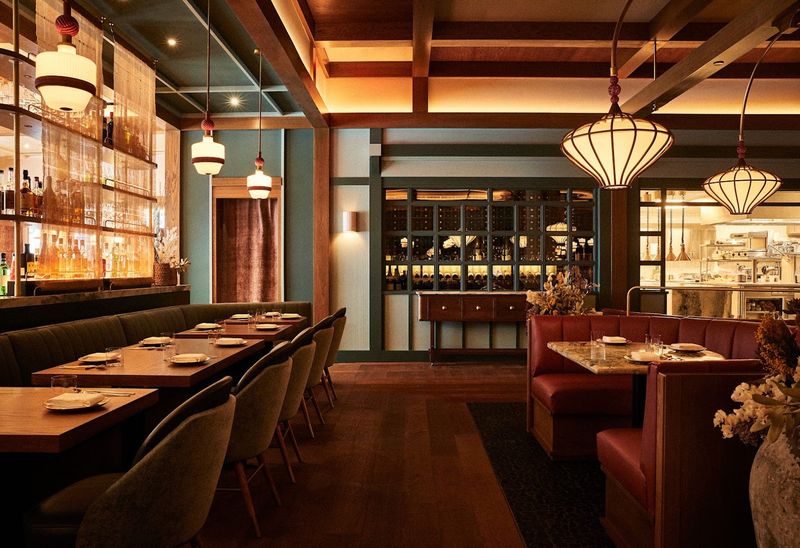
Inside, the space manages to feel both intimate and sophisticated at the same time. The carefully designed dining room creates an atmosphere that immediately signals this won’t be just another weeknight meal.
Every detail, from the lighting to the table arrangement, seems thoughtfully placed to make guests feel like they’ve discovered something special.
Location matters when you’re planning a date, and Oiji Mi delivers on that front too. The Flatiron area offers plenty to do before or after dinner, whether that’s a stroll through nearby Madison Square Park or browsing the interesting shops that line the surrounding streets.
But once you’re inside Oiji Mi, the bustling city outside fades away, replaced by a refined setting that focuses all attention on the evening ahead.
Why Oiji Mi Earned a Spot Among NYC’s Most Beautiful Restaurants
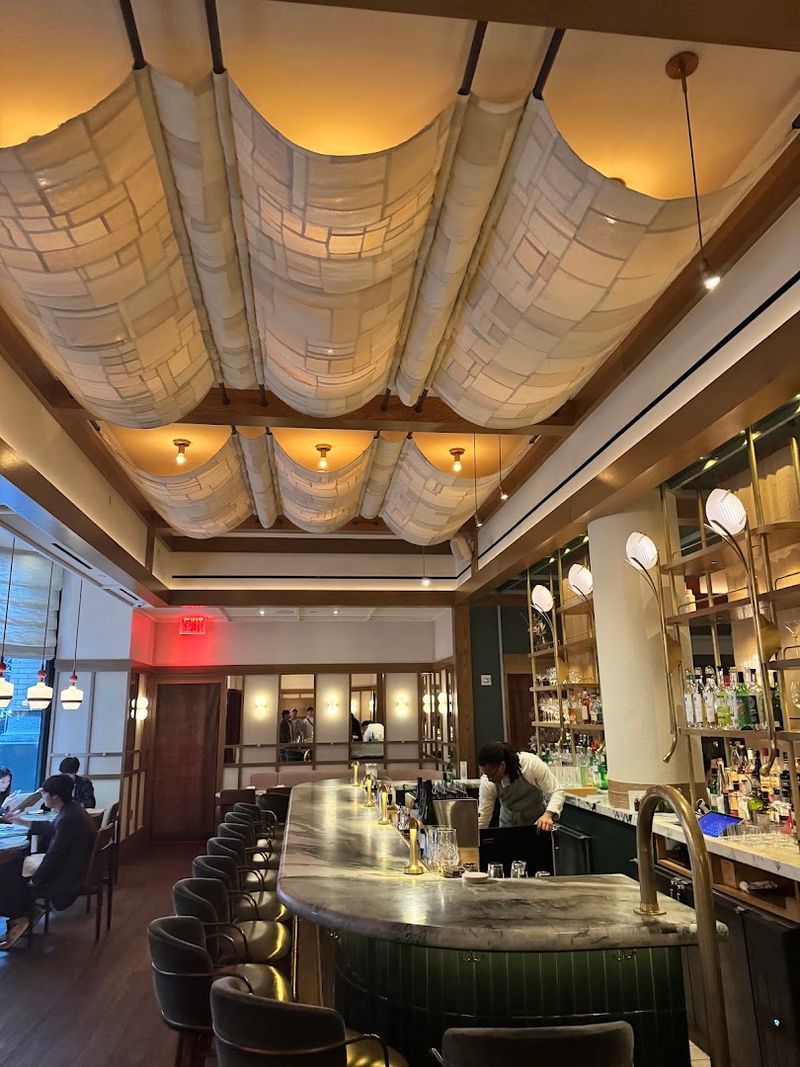
OpenTable’s 2026 list of the most beautiful restaurants in New York City isn’t easy to crack. Thousands of dining spots compete for attention across the five boroughs, yet Oiji Mi secured its place among the chosen few.
That recognition speaks volumes about what the restaurant offers beyond good food.
Beauty in a restaurant means more than attractive walls and fancy furniture. Oiji Mi earned its ranking by creating a complete experience where everything works together.
The design complements the food, the drinks enhance the atmosphere, and the service ties it all into one cohesive package. Nothing feels random or out of place.
For couples searching for date-night destinations, this kind of recognition serves as a reliable guide. OpenTable’s list reflects real diner experiences and feedback, not just professional critics’ opinions.
When thousands of guests consistently describe a restaurant as beautiful, that means something tangible you can expect when you visit.
A Modern Take on Traditional Korean Design
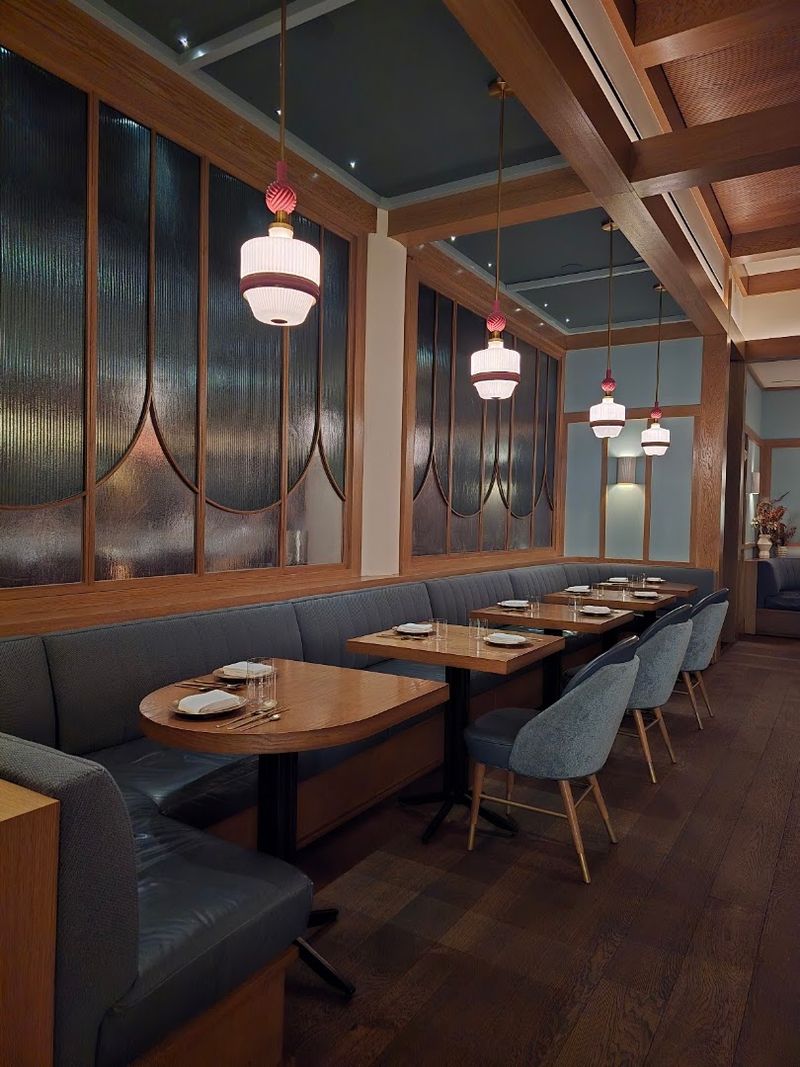
Chef Brian Kim partnered with AvroKO, a design firm known for creating memorable restaurant spaces, to bring Oiji Mi’s dining room to life. The result blends traditional Korean aesthetic principles with a thoroughly contemporary approach.
Look around and you’ll notice lattice-inspired details that reference classic Korean architecture without copying it directly.
Lantern-style lighting casts a warm glow throughout the space, creating shadows and highlights that shift as the evening progresses. Colorful wood accents add visual interest without overwhelming the senses.
The palette feels natural and grounded, letting the food become the star while the room provides an elegant backdrop.
What makes this design particularly effective for date nights is how it balances refinement with comfort. You won’t feel like you’re sitting in a museum where everything’s too precious to touch.
Instead, the atmosphere invites conversation and connection. The Korean design elements give the space cultural authenticity while remaining accessible to guests unfamiliar with Korean dining traditions.
The Meaning Behind the Name Oiji Mi

Restaurant names often get chosen for practical reasons like availability or simplicity. Oiji Mi took a different approach, selecting a name that carries deeper meaning connected to the dining experience itself.
The word “mi” translates to both beauty and flavor in Korean, two concepts the restaurant works hard to unite in every aspect of service.
That dual meaning isn’t accidental. Every plate that leaves the kitchen aims to look beautiful and taste delicious.
The dining room design emphasizes visual appeal while remaining comfortable for extended meals. Even the way staff interact with guests reflects this philosophy of combining aesthetic pleasure with genuine hospitality.
Beyond “mi,” the restaurant embraces “jeong,” a Korean concept that’s difficult to translate directly but relates to warmth, affection, and meaningful human connection. You might notice this in how servers remember returning guests, or how the pacing of courses allows for natural conversation breaks.
These touches turn dinner into more than fuel—it becomes an experience built on genuine care and attention.
A Five-Course Dinner Made for a Special Occasion
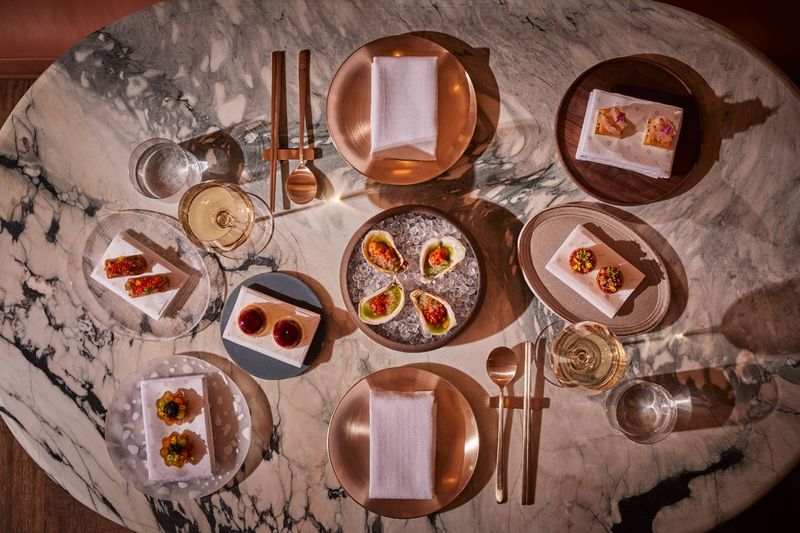
Oiji Mi’s main dining room centers around a five-course prix-fixe menu that transforms dinner into a true event. This isn’t the kind of meal you rush through.
The format encourages diners to settle in, relax, and let the evening unfold at a natural pace that allows for real conversation between courses.
Each course builds on what came before, creating a progression that feels intentional rather than random. Traditional Korean flavors form the foundation, but Chef Kim presents them through a contemporary lens that keeps things interesting.
You’ll recognize certain tastes and techniques if you’re familiar with Korean cuisine, while also encountering unexpected combinations that surprise even experienced diners.
Prix-fixe dining works particularly well for dates because it removes decision-making stress. Nobody needs to worry about ordering too much or too little, or whether their choices will pair well together.
The chef has already planned that journey. Your only job is to enjoy each course as it arrives and focus on your dining companion.
Modern Korean Dishes That Keep the Conversation Going
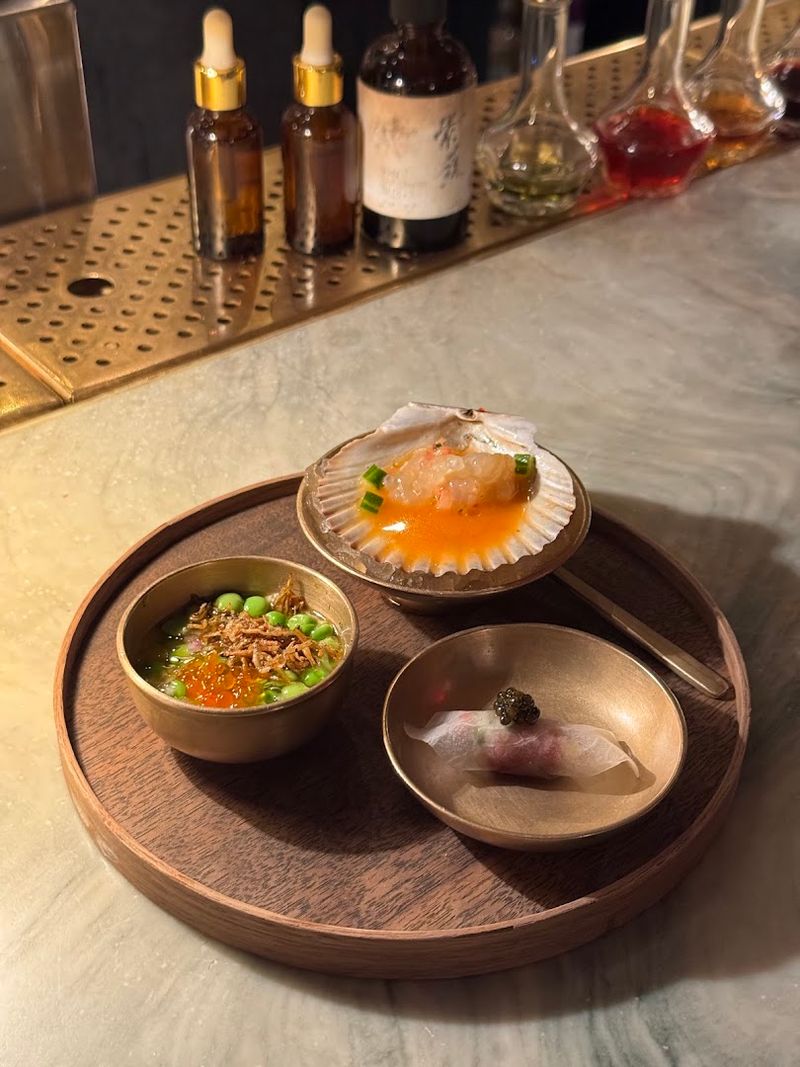
Great date-night food does more than fill you up—it gives you something to talk about. Oiji Mi’s menu delivers on that front with dishes that spark curiosity and discussion.
Striped jack hwe arrives beautifully plated, introducing diners to Korean-style raw fish preparations that differ from Japanese sashimi in subtle but meaningful ways.
The chili lobster ramyun has become something of a signature, earning mentions in food media coverage and social media posts. But equally memorable are the creative desserts, particularly the cheese-stuffed chapssal donuts that reimagine a traditional Korean rice cake in donut form.
These aren’t dishes you’ll find at every Korean restaurant around the corner.
What makes the menu work for romantic dinners is how it balances familiarity with adventure. Nobody leaves feeling confused or overwhelmed by completely foreign flavors.
The cooking stays rooted in recognizable Korean traditions while offering enough surprises to make the meal feel special. Between courses, you’ll actually have interesting observations to share beyond the usual “this is good” comments.
The Famous Chili Lobster Ramyun
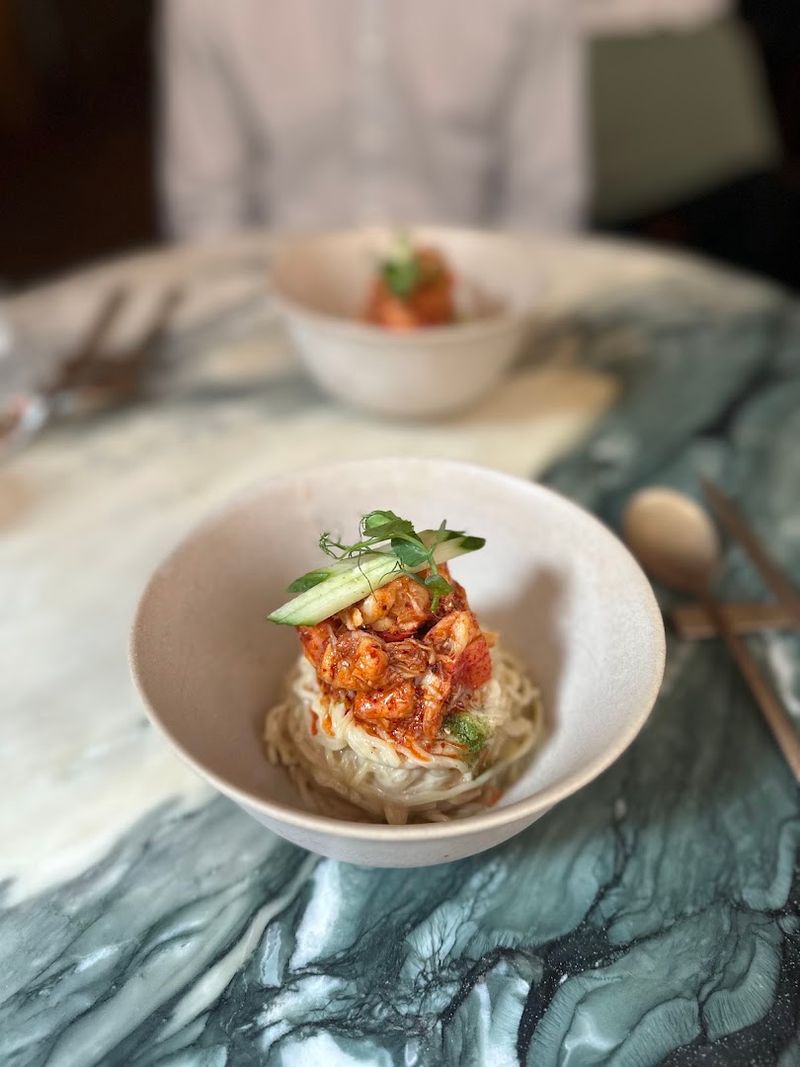
Some dishes become so associated with a restaurant that they practically define it. For Oiji Mi, that dish is the chili lobster ramyun—a creation that sounds unusual on paper but makes perfect sense when you taste it.
Springy chilled noodles form the base, coated in a creamy sesame sauce that’s rich without being heavy.
Poached lobster adds luxury and sweetness that contrasts beautifully with the Korean chili flavors running through the dish. Fresh cucumber provides crunch and a cooling element, while carefully chosen garnishes tie everything together.
The temperature contrast between cold noodles and other components adds another layer of interest that keeps each bite engaging.
This isn’t traditional Korean comfort food, nor is it fusion in the awkward sense where cultures clash rather than complement. Instead, Chef Kim has taken familiar Korean ingredients and techniques, elevated them with premium seafood, and created something that feels both new and rooted in tradition.
First-time visitors often order it based on reputation alone, and it rarely disappoints. For date nights, it’s the kind of standout dish that gives couples a shared memorable moment they’ll reference long after leaving the restaurant.
Cocktails That Match the Drama of the Dining Room
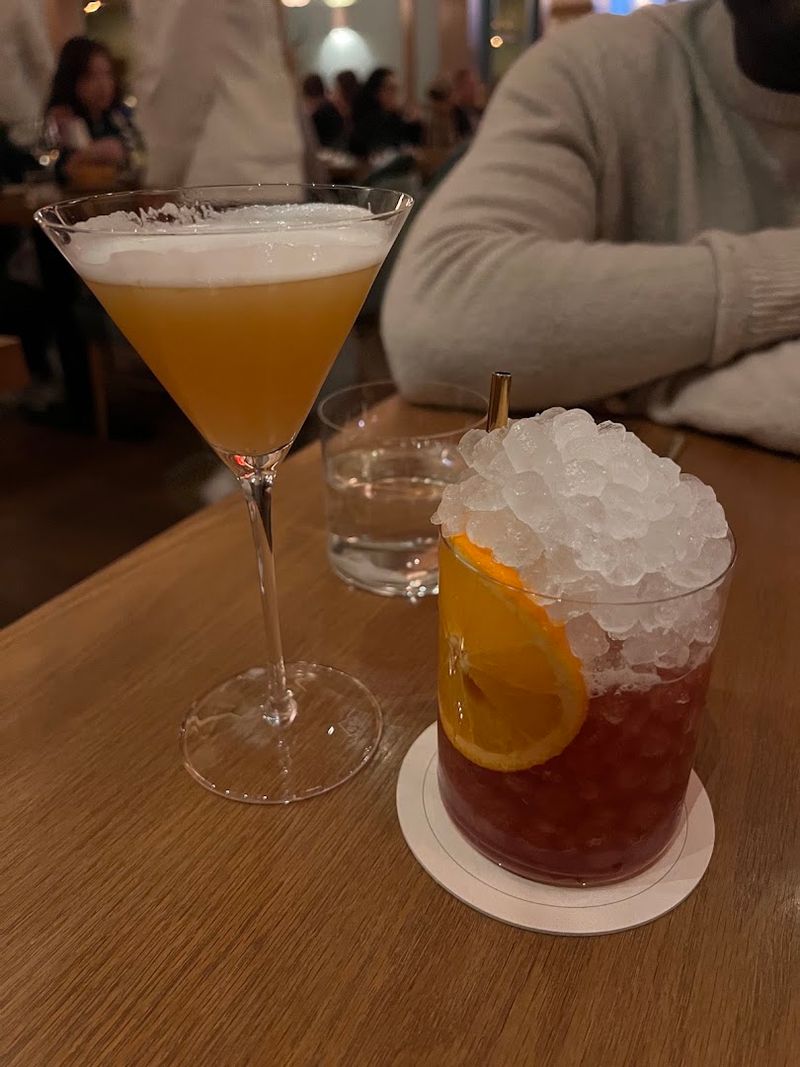
A memorable dinner date needs more than great food. Oiji Mi’s beverage program understands this, offering cocktails that match the creativity found in the kitchen.
The drinks incorporate ingredients many diners might not have encountered before—omija berries, shiso leaves, and various Korean spirits that add cultural authenticity.
These aren’t gimmicky cocktails where unusual ingredients get forced together for novelty’s sake. Each drink shows clear thought about flavor balance and how it might complement certain courses.
Some offer bright, refreshing qualities that cleanse the palate between richer dishes. Others lean into deeper, more complex profiles that stand on their own as conversation pieces.
For couples who enjoy exploring new flavors together, the cocktail menu provides another shared discovery during the evening. Even if you typically stick to wine with dinner, these drinks deserve consideration.
The bartenders clearly put effort into crafting beverages that enhance rather than overshadow the food, creating harmonious pairings that make each element better than it would be alone.
Why Oiji Mi Works So Well for a Dream Dinner Date
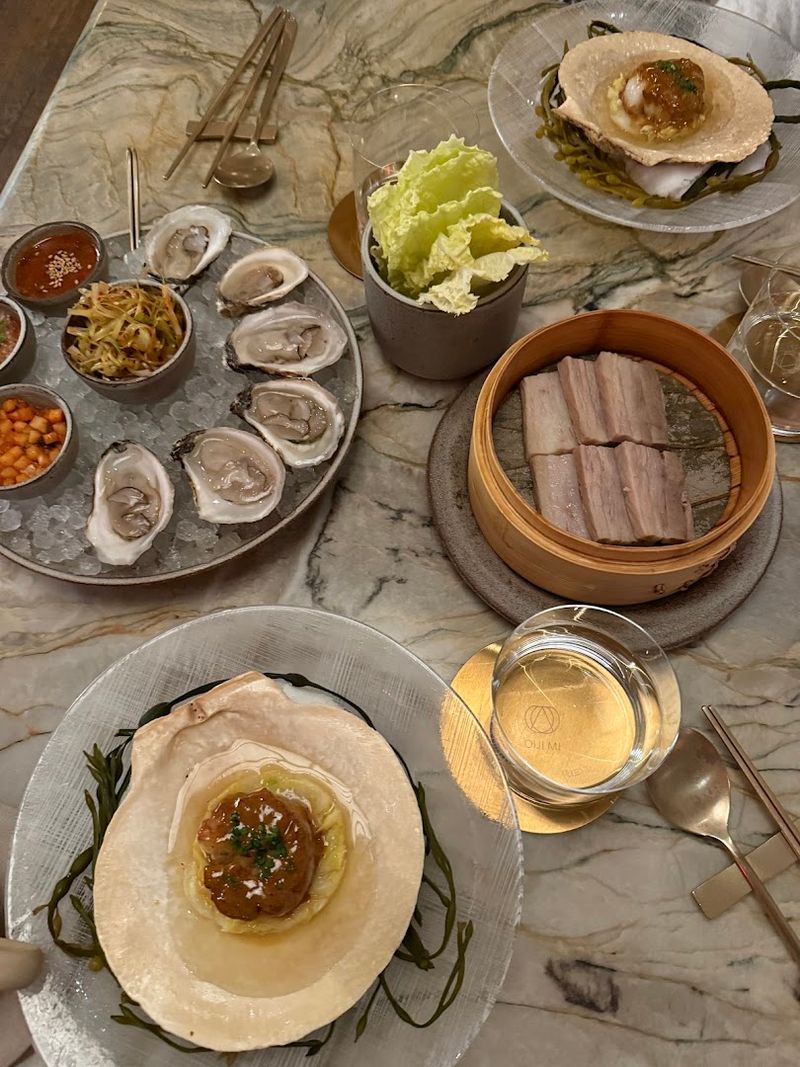
Pull all the pieces together and you understand why Oiji Mi has become a go-to destination for important dates. Beautiful surroundings set the stage, but they’d fall flat without attentive service that anticipates needs without hovering.
The multi-course format creates natural conversation pauses while ensuring nobody sits idle waiting for food.
Distinctive drinks add another memorable element beyond the meal itself. The setting achieves that tricky balance of feeling elegant without becoming stuffy or intimidating.
You can relax and enjoy yourself without worrying about using the wrong fork or violating some unspoken dress code. This approachability matters for first dates where nerves already run high.
The restaurant particularly shines for milestone celebrations—anniversaries, engagements, or birthdays that deserve more than the usual neighborhood spot. When dinner needs to feel like an event rather than just eating out, Oiji Mi delivers.
The $150 per person prix-fixe represents a serious investment, but you’re paying for an experience designed specifically around creating memorable evenings. Everything from the pacing to the plating exists to make your time there feel special and worth celebrating.
Visitor Info: What to Know Before You Go
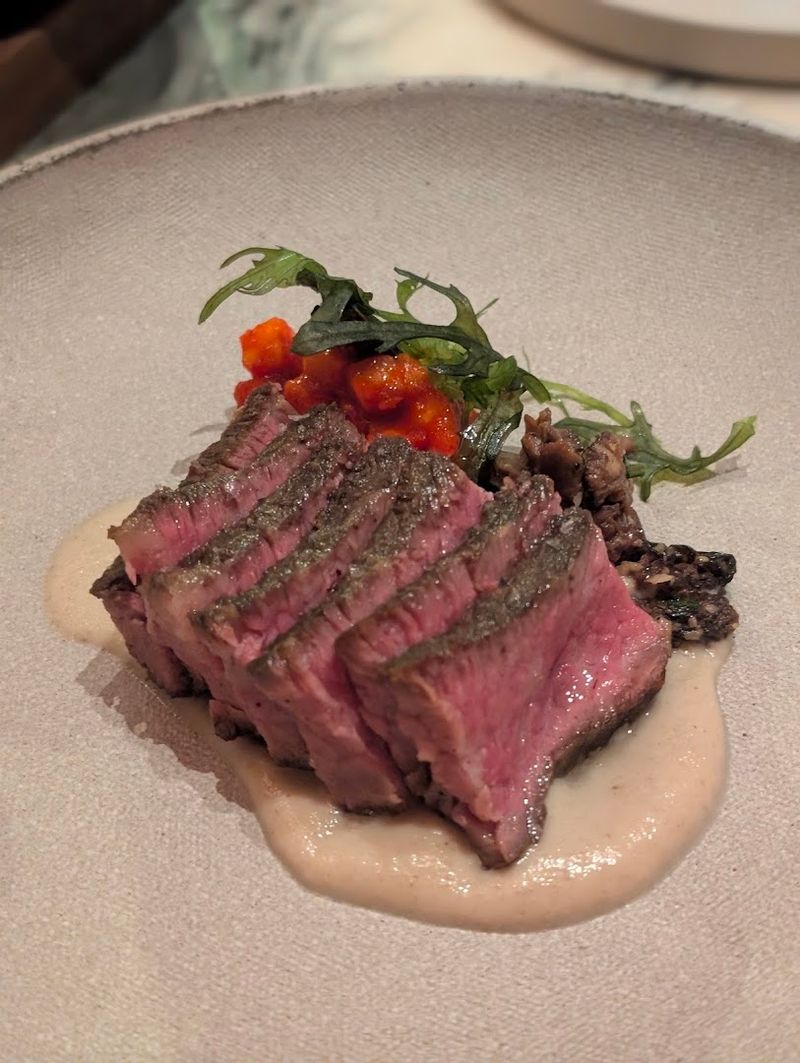
Planning helps ensure your Oiji Mi experience goes smoothly. The restaurant sits at 17 West 19th Street in Manhattan (zip 10011), serving contemporary Korean cuisine through its signature five-course prix-fixe menu priced at $150 per person.
Reservations through oijimi.com come strongly recommended, especially for the main dining room where tables book quickly for weekend evenings.
Operating hours run Sunday through Thursday from 5 to 10 p.m., extending to 11 p.m. on Fridays and Saturdays. You can also dine à la carte in the bar and lounge area if the full prix-fixe feels too committal.
Call (212) 256-1259 with questions. A parking garage on 20th Street between Sixth and Seventh Avenues offers convenient parking, though many guests arrive by taxi or subway.
The restaurant maintains no formal dress code but requests guests dress appropriately for a nice evening out. Allow roughly two hours for the complete dining experience.
Arrive punctually—tables hold for just 15 minutes. Important dietary note: severe restrictions significantly limit menu options.
The kitchen cannot accommodate allium allergies or provide fully vegan, gluten-free, soy-free, or allium-free menus, so guests with these needs should plan accordingly.