

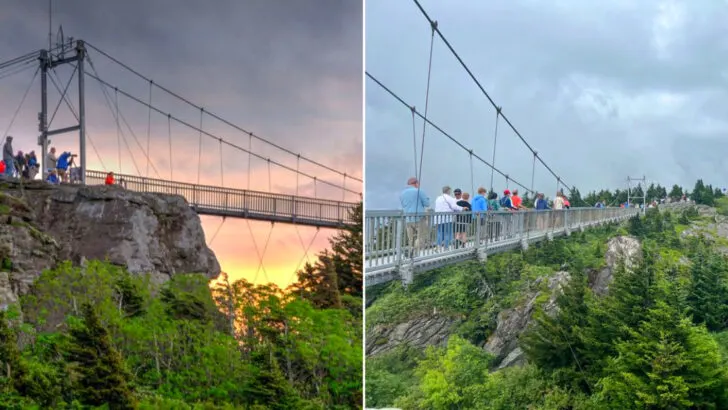
Hold on tight—or don’t. The Mile High Swinging Bridge in North Carolina isn’t for the faint of heart.
Suspended 5,280 feet above sea level, it sways, creaks, and flirts with gravity as the wind whips around you like a living force. Every step feels like stepping into the clouds.
The forested mountains stretch endlessly below, fog curling between peaks, and the crisp air steals your breath long before the height does. It’s a view and a thrill rolled into one precarious ribbon of steel and wood.
The wind here doesn’t whisper—it roars. It nudges the bridge, spins your hair, and makes even the bravest heart skip a beat.
Photographers, hikers, and thrill seekers all find themselves mesmerized, caught between exhilaration and awe. Crossing this bridge is more than a walk—it’s a dance with altitude, air, and courage.
Few places in America combine vertigo and beauty quite like this North Carolina marvel.
Quick Facts And Why It Is Called Mile High
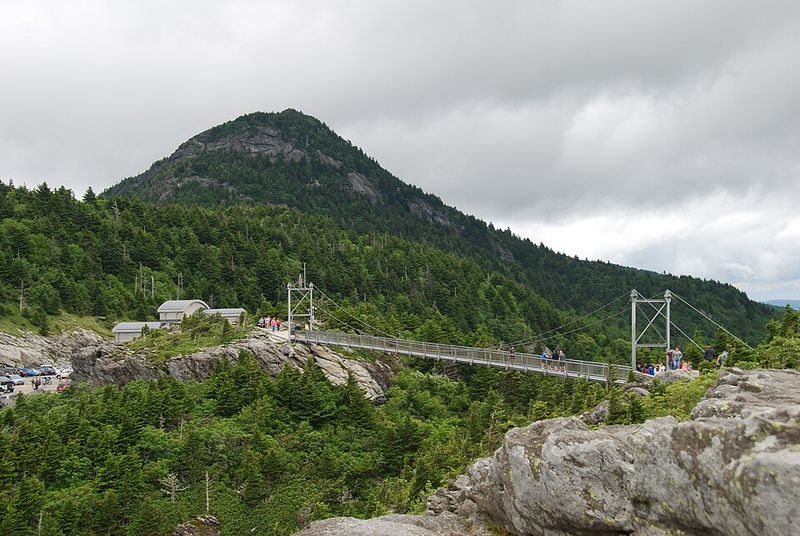
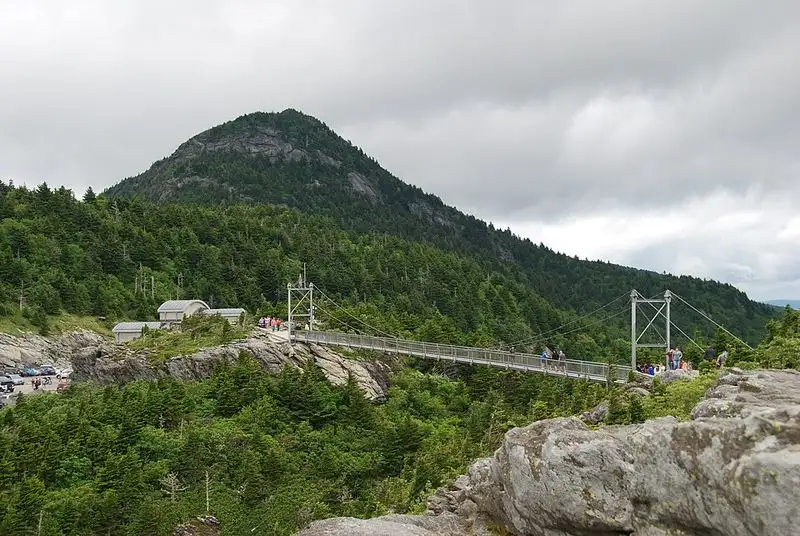
The Mile High Swinging Bridge sits exactly one mile above sea level, perched on Grandfather Mountain in North Carolina. Installed in 1952 and rebuilt in 1999 with steel, it spans an iconic gap between rugged granite peaks.
That mile-high moniker is not a marketing flourish, it is a literal elevation that you feel in your lungs and in the wind on your face. The bridge stretches 228 feet and is pedestrian only, designed to flex slightly so gusts can move through rather than fight against it.
When folks say it swings, they mean a gentle sway that keeps you aware but not unsafe. On clear days, visibility can reach for miles across layered ridgelines, valleys, and the Parkway’s ribbon curling below.
You will access the bridge via Grandfather Mountain’s road system inside the privately managed attraction. Timed entry helps regulate traffic, though seasonal rushes can still test patience.
Facilities near the top make the stop comfortable, with restrooms, a gift shop, and staff who monitor conditions. Expect temperature swings and strong winds well above what you felt in town.
Pack layers, secure hats, and be ready for conditions to change. The altitude is part thrill, part science lesson, and completely worth the butterflies.
Getting There, Tickets, And Hours

Reaching the Mile High Swinging Bridge starts at the Grandfather Mountain entrance on Blowing Rock Highway. You will purchase timed-entry tickets online in advance to avoid sellouts and reduce long gate queues.
Expect a winding drive with viewpoints, audio tour stops, and occasional slowdowns during fall color or special events. Hours typically run 9 AM to 5 PM daily, with last entry earlier, and operations can change due to weather.
Staff close the bridge during extreme wind, ice, or lightning, prioritizing safety over schedules. If clouds settle in, patience can reveal dramatic break-throughs that turn fog into photo magic.
Parking is offered at an upper lot, but it may fill quickly on peak days. Overflow parking down-mountain means a short, steep hike to the top, which many visitors actually enjoy.
There is also an elevator in the Top Shop that helps those avoiding stairs. Budget for admission that supports conservation and education on this privately managed property.
If value matters, plan to enjoy the whole campus, not just the bridge crossing. Arrive early, confirm conditions on the website, and give yourself time for the scenic drive up Grandfather Mountain.
Weather, Wind, And When To Visit
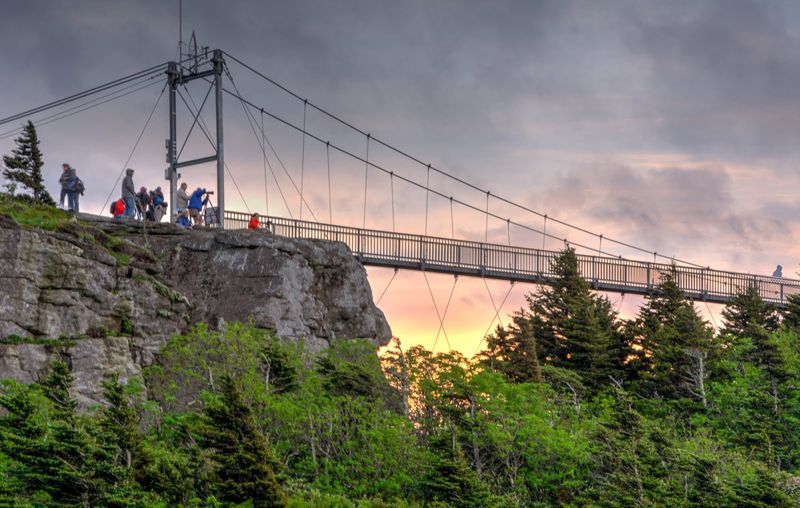
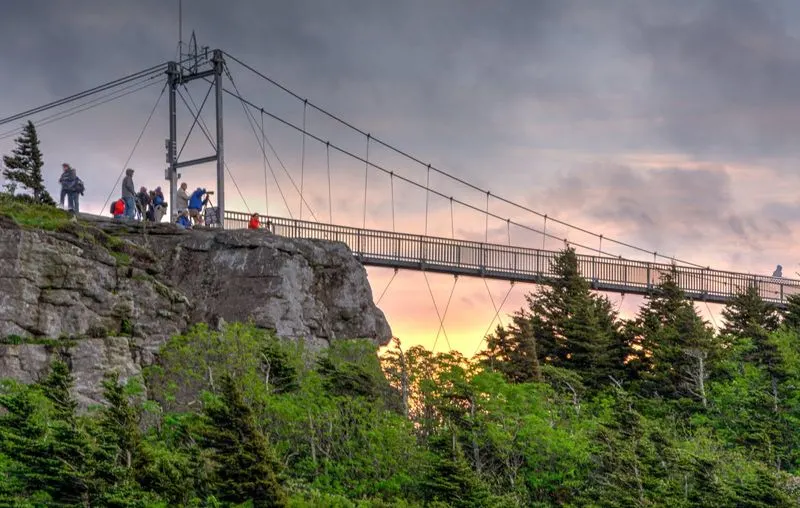
Weather rules everything at the Mile High Swinging Bridge. Wind is part of the draw, with frequent gusts that can exceed comfort thresholds and occasionally shut the bridge.
Summer often brings the clearest skies, while fall delivers that famous color and thicker crowds. Spring can be chilly and blustery, with quick mood swings from sunshine to mist.
Winter brings ice and closures, yet on a bluebird day the rime-coated rocks sparkle like glass. Always check the day’s conditions because forecasts down in town rarely match what the ridgeline serves.
Go early for calmer air and thinner traffic, then watch the light pour across valleys as the sun rises. Midday has brighter visibility but the wind can ramp up, especially after fronts.
Late afternoons can flip to fog, opening and closing views in theatrical bursts. Layer up with windproof outerwear, gloves, and a snug hat.
Secure phones, tripod plates, and sunglasses or risk donations to the mountain breeze. If wind closures happen, explore exhibits and trails until conditions improve, then return for a crossing when staff gives the green light.
Safety Tips For Crossing The Bridge
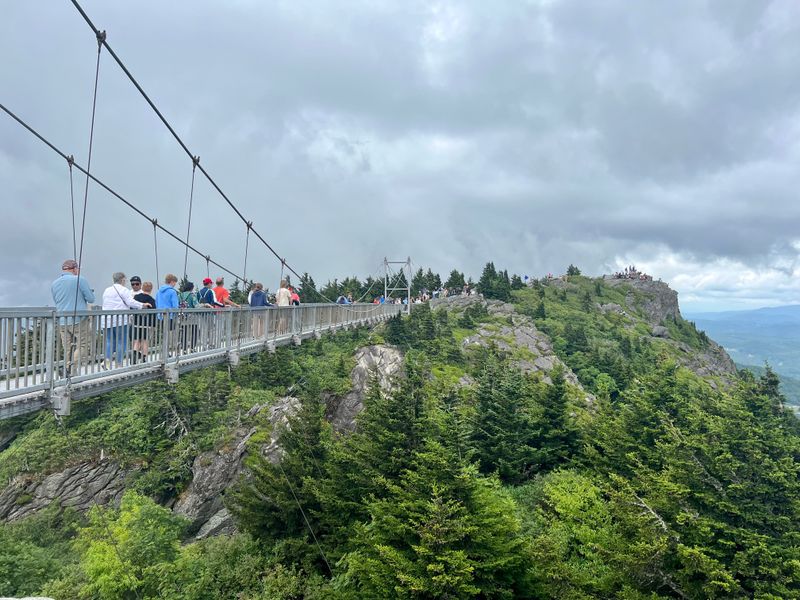
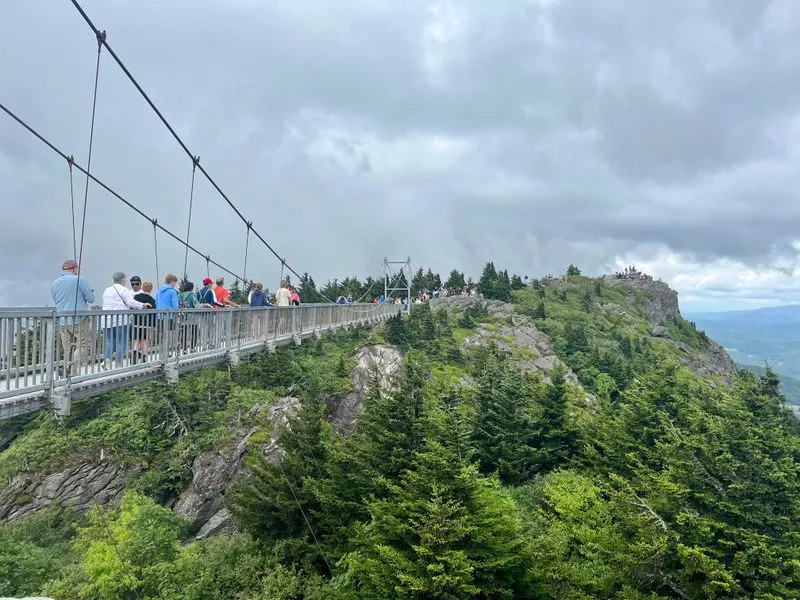
The bridge is sturdy, yet you will feel movement. Keep one hand on the rail during gusts and walk steadily without stopping in the narrow center.
If heights rattle you, breathe, keep eyes toward the far end, and let braver companions go first. Do not bring open umbrellas or loose hats that become sails.
Backpacks should be zipped, water bottles secured, and camera straps tightened. Parents should hold small hands near steps and boulder edges since rocks are uneven and can be slick.
Wear shoes with traction, especially after rain or when frost lingers. In winter, microspikes can help on approaches and adjoining rocks.
Follow staff instructions about closures immediately, because wind and lightning respect no itinerary. Photos are best taken from safe pullouts at each end or on wider rock platforms.
Step aside if framing a shot so others can pass without crowding. Respect the drop, the weather, and other visitors, and you will leave with both great pictures and calm nerves.
What You Will See From The Span
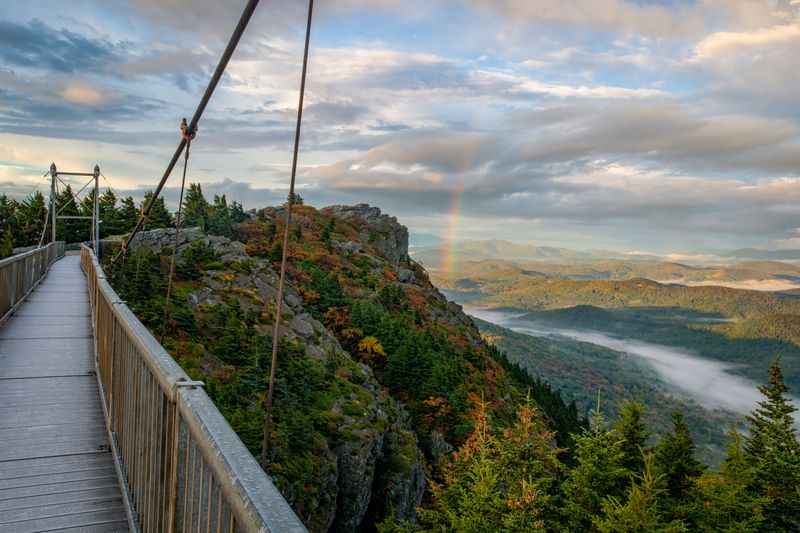
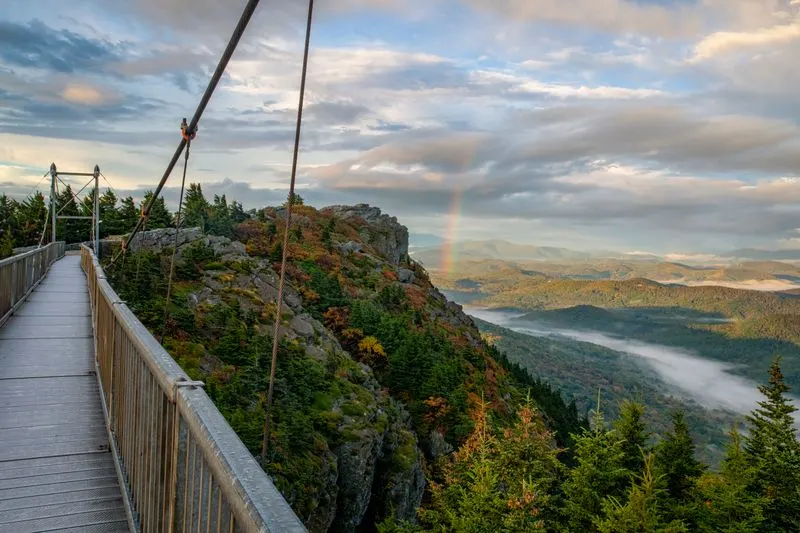
From the bridge, the Blue Ridge unfurls in stacked layers that shift with light and haze. On crystal days, the horizon seems impossible, and you can trace the Parkway rolling across ridgelines.
Valleys patchwork with forests, pastures, and small towns nestling in folds. Look closely at rock textures gleaming with lichens, and you will notice how the mountain shoulders funnel wind into the gap.
Clouds cast moving shadows that paint ridges like a time-lapse movie. In fall, reds and golds cascade from high to low as the season marches downslope.
Winter simplifies everything into monochrome drama, with rime and raptor silhouettes. Spring adds wildflower color, while summer greens surge to the horizon.
Sunrise glows pink on the east; sunset warms the west with honeyed light. Step off each end to scramble carefully on the rocks for a slightly higher vantage.
You will understand why the word sweeping shows up in every review. The view is not just wide, it is alive, always changing with wind, weather, and season.
Accessibility, Elevators, And Who Should Go
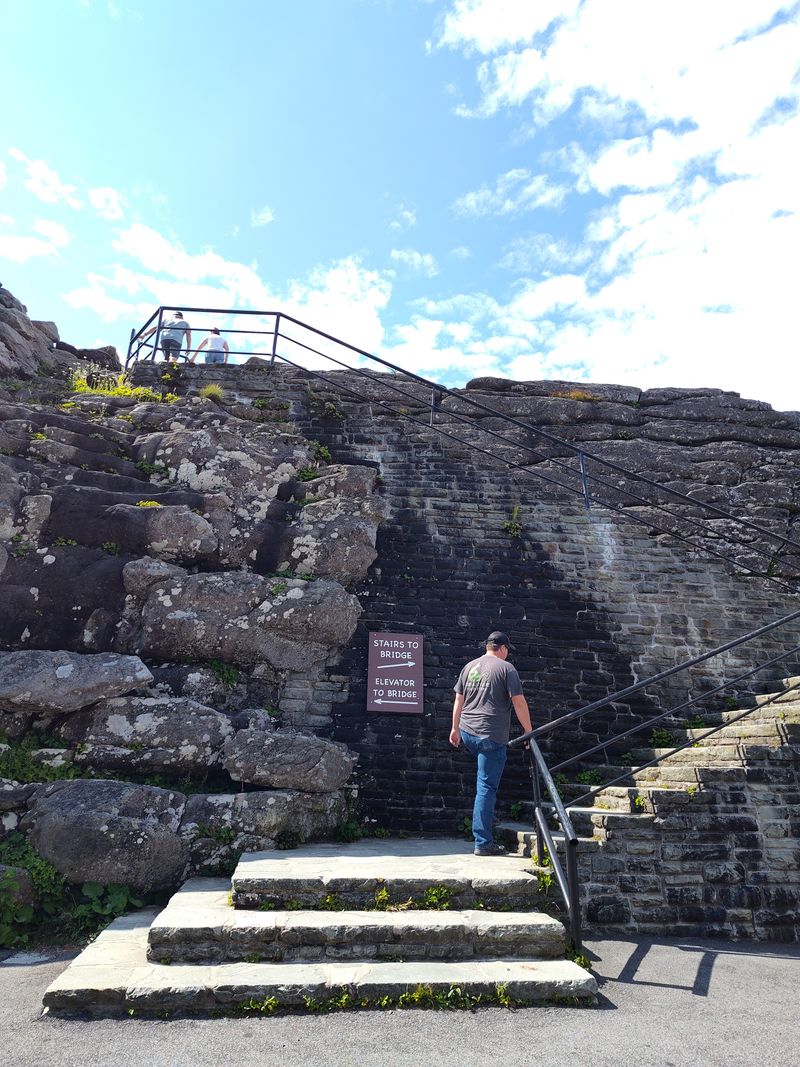
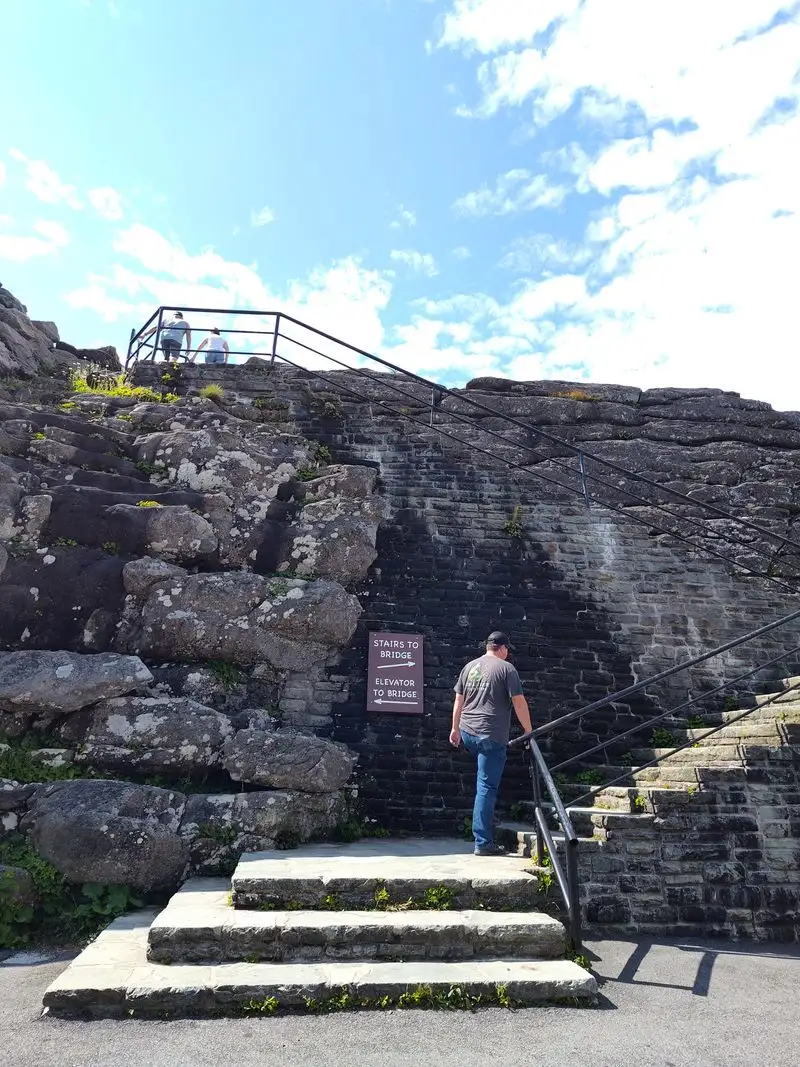
The experience is designed to welcome a wide range of visitors. The Top Shop near the bridge offers elevator access that reduces stair climbing.
Smooth interior spaces and staff support make it easier for those managing mobility challenges. Outdoors, surfaces shift to rock and natural steps, so use caution and consider assistance.
Families often bring strollers up to a point, then park before the rock scrambles. Even pregnant visitors and grandparents routinely enjoy the bridge with measured pacing and handrails.
Those with acrophobia may prefer taking in the view from solid ground near the ends. The bridge is optional, and you still get stunning panoramas without crossing.
If dizziness spikes, pause at the platforms and focus on the horizon rather than the drop. Weather can complicate accessibility quickly, especially ice, heavy wind, and fog.
Check the day’s advisory before committing, and do not hesitate to lean on friendly staff for guidance. With planning and flexibility, the Mile High experience can fit many comfort levels.
Nearby Exhibits, Wildlife Habitats, And Learning
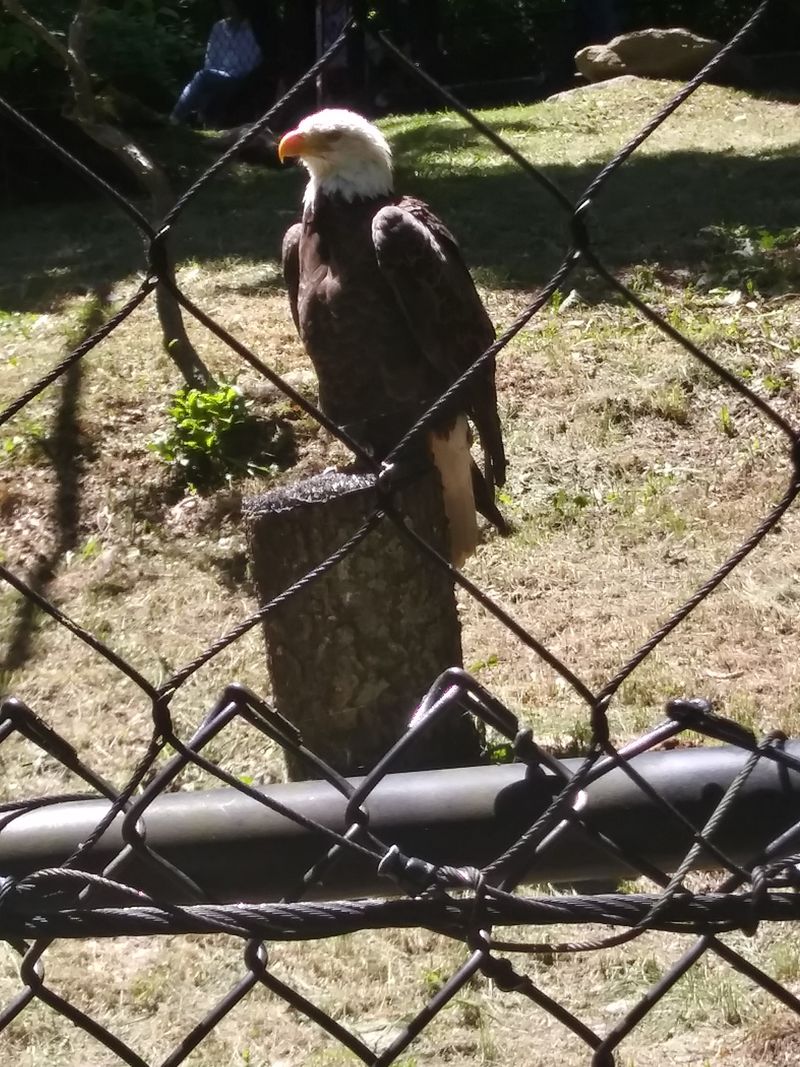
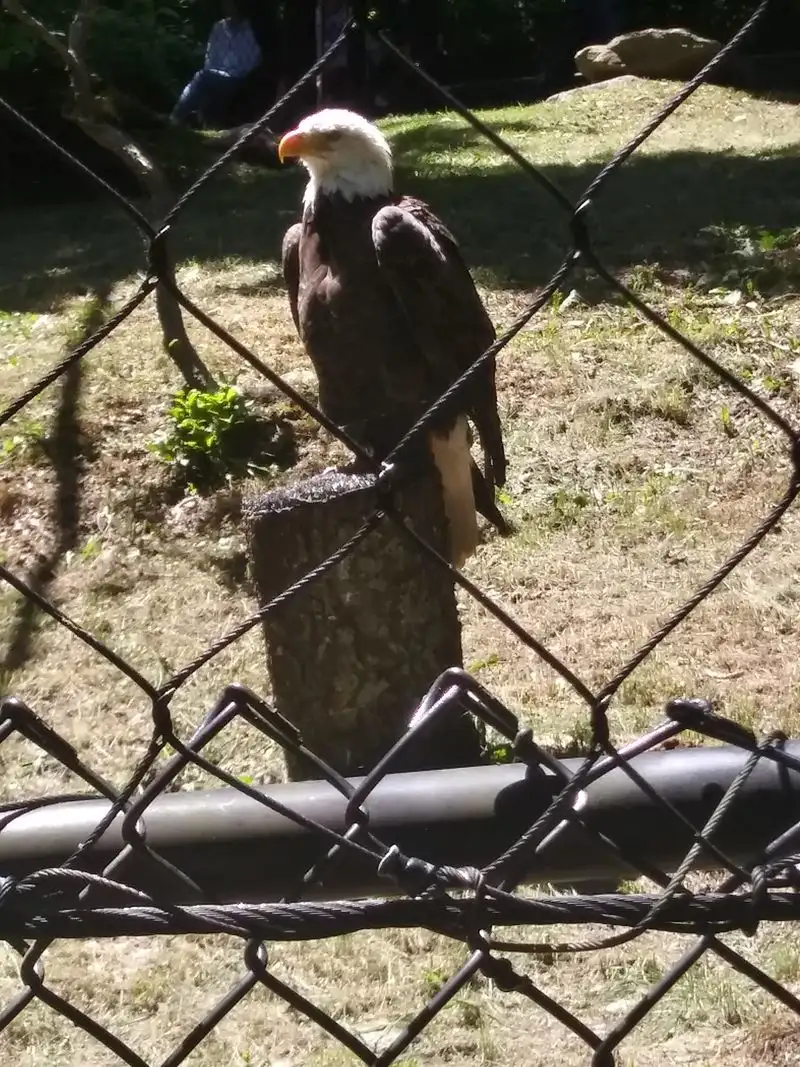
Your ticket includes more than the bridge. The nearby nature center and wildlife habitats introduce you to rehabilitated or resident animals such as otters and elk.
Exhibits dive into geology, weather, and the unique ecology of Grandfather Mountain’s high-elevation environments. Audio guides accompany the drive, sharing stories that make the switchbacks feel like a scenic classroom.
Kids love hands-on displays, while adults appreciate how conservation and access can coexist here. The habitats are thoughtfully designed for animal welfare and visitor learning.
Plan an hour or two to wander these stops so admission feels like full value. If wind closes the bridge, the habitats give you something meaningful to do while conditions reset.
You will walk away understanding why this mountain draws scientists and families alike. Check the day’s schedule for talks or feeding times that add depth to your visit.
The gift shop’s books and maps can extend your learning after you descend. Combine wild views with wildlife insights, and the day becomes richer than a quick photo stop.
Photography And Filming The Wind
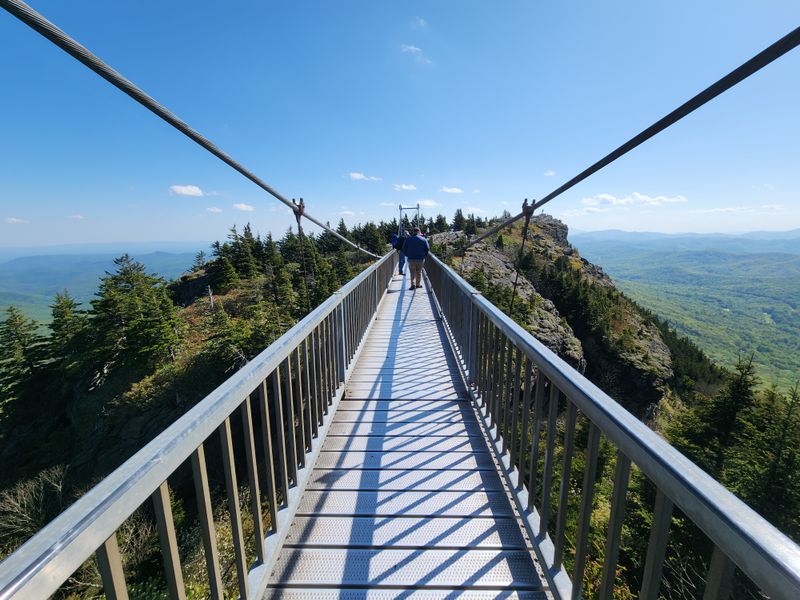
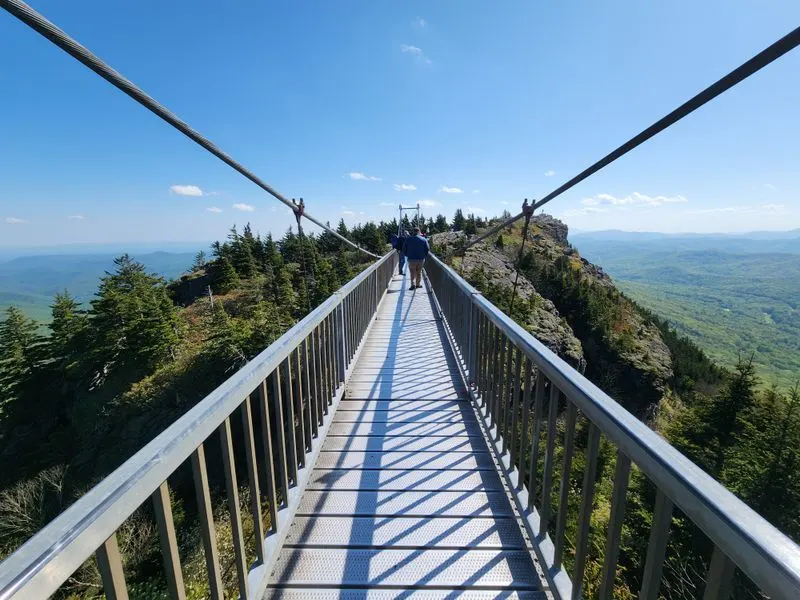
Wind is your creative partner at the Mile High Swinging Bridge. Use a fast shutter to freeze hair, jackets, and fluttering flags, then switch to longer exposures for streaked clouds.
Secure tripods carefully, and keep straps tight so gear does not become airborne. Golden hour bathes ridges with dimension, and side light sculpts the bridge cables beautifully.
Polarizers cut haze on clear days, while a touch of dehaze in post helps distant layers. Bracket exposures to balance bright skies with shadowed rock textures.
For people shots, step to the platforms beyond the narrow span so you are not blocking traffic. Shoot from low angles to stretch the bridge toward the sky, emphasizing height.
Foggy days can deliver cinematic frames when the bridge emerges like a silhouette. Protect batteries from cold and bring a microfiber cloth for mist and rime.
Phones work great too, just use a wrist strap and avoid leaning over rails. With patience and safe positioning, you will capture images that feel like the wind itself.
Seasonal Experiences And Special Events
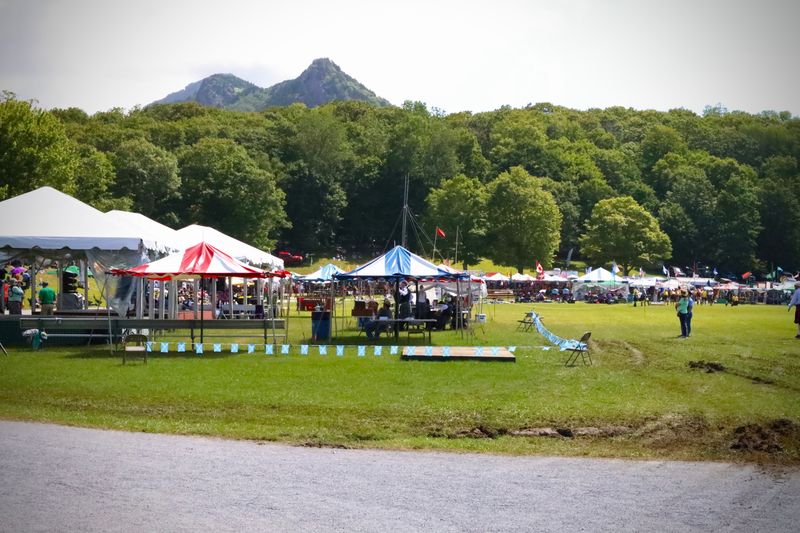
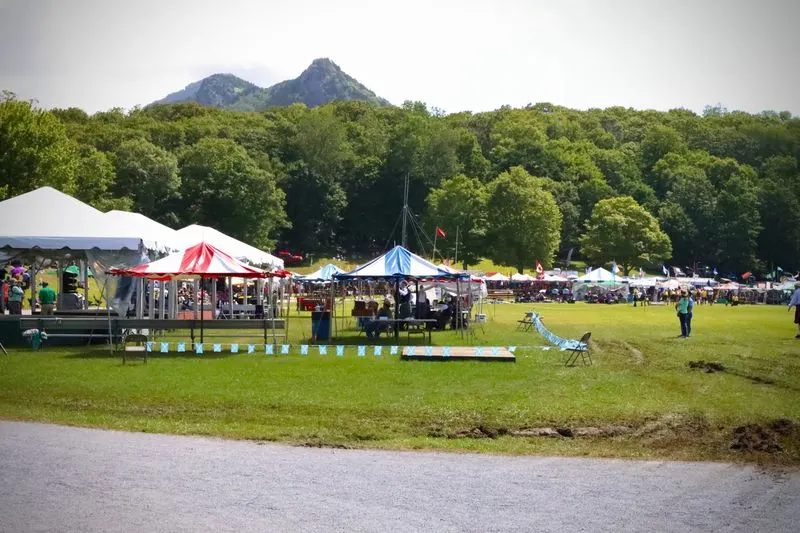
Each season reshapes the bridge experience. Spring brings wildflowers and volatile skies that whip clouds through the gap.
Summer stabilizes weather, offers long daylight, and sometimes coincides with regional festivals that add traffic to the area. Fall is the marquee season, with color waves rolling from summit to foothills.
Expect reservations to disappear quickly and patience to be essential. The air feels extra crisp, the wind sings louder, and every overlook becomes a postcard factory.
Winter visits are for prepared travelers who chase crystalline views after cold fronts. Ice can close the bridge, yet on open days the rime and clarity are unbeatable.
Dress for alpine chill even if town felt mild an hour earlier. Keep an eye on the park calendar and regional happenings that affect crowd levels.
When events swell the High Country, plan earlier entries or weekday visits. Regardless of month, the bridge remains the headliner, with the wind always ready to co-star.
Essential Packing List And Final Tips
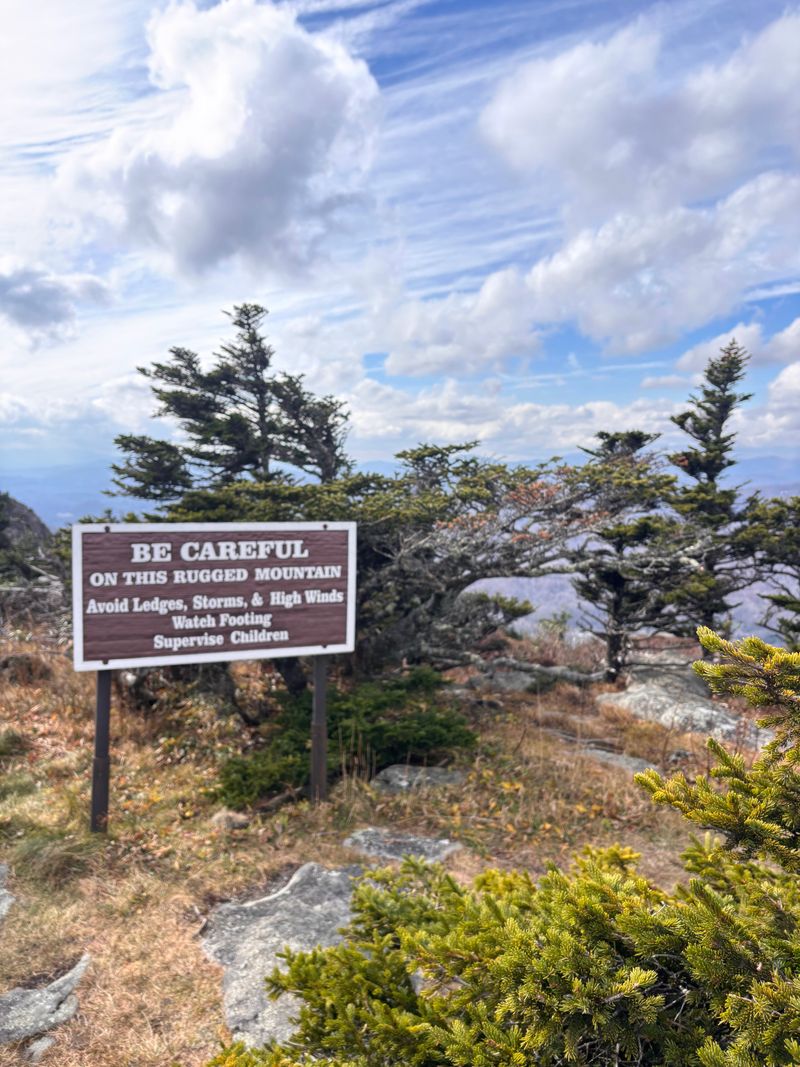
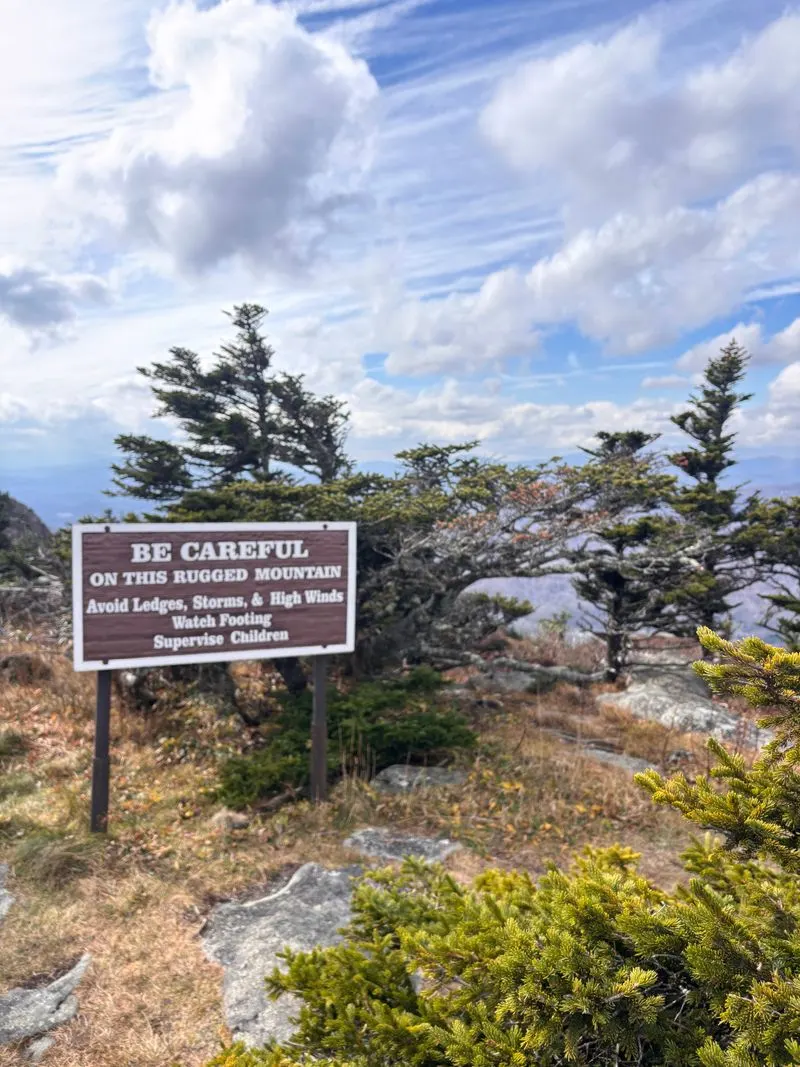
Pack for wind first, then for altitude. A light windproof jacket, snug hat, and gloves keep you comfortable when gusts surge.
Add traction shoes, water, and snacks so you can linger for perfect windows of light. Bring sunglasses with retainers and secure your phone or camera with a strap.
Leave umbrellas in the car and use rain shells during showers instead. Print or download tickets, because cell service can wobble among those granite walls.
Carry a small first aid kit, sunscreen, and a microfiber cloth for lenses. If you run cold, toss in a thin fleece to layer under the shell.
For kids, pack patience, snacks, and a plan to hold hands on rock approaches. Final tip: give yourself time to enjoy more than a crossing.
Explore the exhibits, watch for hawks, and let the wind write the soundtrack. When you drive down with cheeks wind-flushed and camera full, you will understand why the bridge ranks among America’s most exhilarating viewpoints.