Tucked along the banks of the French Broad River in Asheville, North Carolina, the River Arts District is one of the most exciting creative communities in the entire country.
What was once a forgotten stretch of old factories and warehouses has been completely reimagined as a bustling hub where hundreds of working artists live, create, and share their work with the public every single day.
Whether you love painting, sculpture, glassblowing, or just want to explore something truly unique, this district has something for everyone.
Get ready to discover why so many people call the River Arts District one of Asheville’s most unforgettable experiences.
From Industrial Hub to Creative Haven
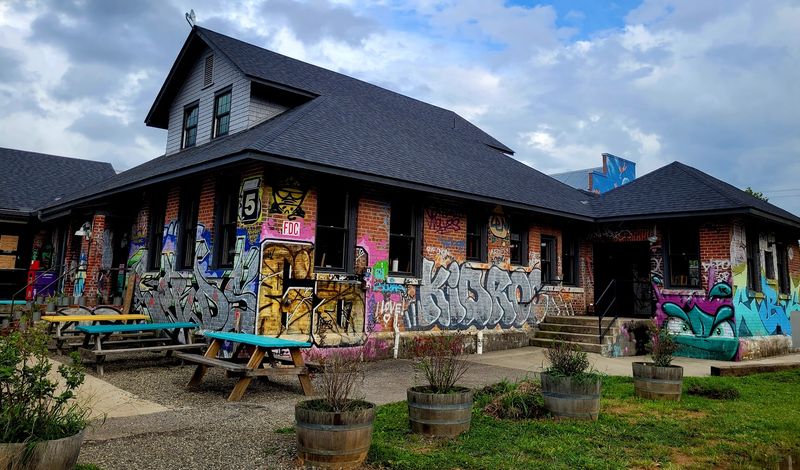
Long before artists moved in, the stretch of land along the French Broad River in Asheville was all about hard work of a different kind. Factories hummed, warehouses stored goods, and workers clocked in and out of buildings that smelled more like machinery than paint.
It was a working-class corridor built for industry, not inspiration.
But when manufacturing slowed down across the region, these buildings sat empty for years. Instead of tearing them down, the community saw potential.
Artists began renting cheap studio space inside the old brick structures, drawn by the high ceilings, wide floors, and raw character that newer buildings simply could not offer.
Over time, a full transformation took shape. The industrial bones of the district were kept intact, giving the area a gritty, authentic feel that makes it unlike any polished art gallery you have ever visited.
Exposed beams, concrete floors, and loading dock doors became the backdrop for creativity. Today, the River Arts District stands as proof that old spaces do not need to be erased — they just need a new purpose.
The result is a neighborhood that honors its past while building something truly remarkable for the future.
Historic Warehouses Reimagined as Studios
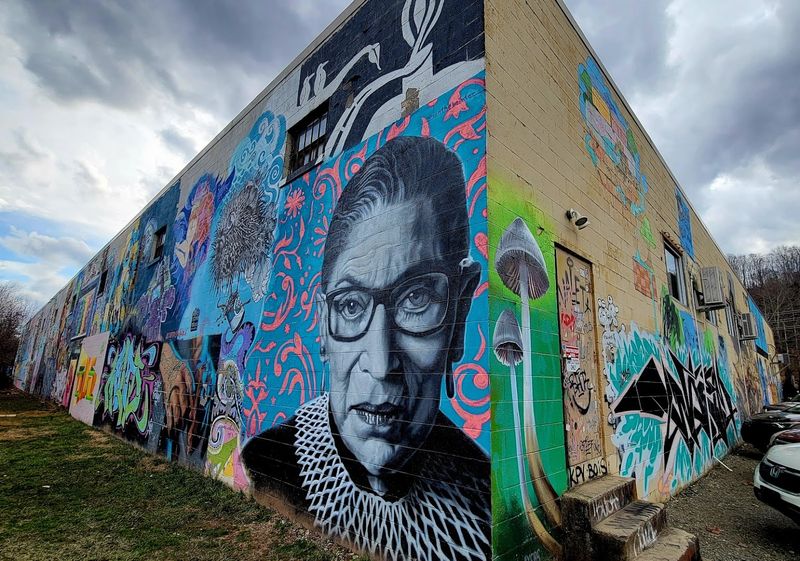
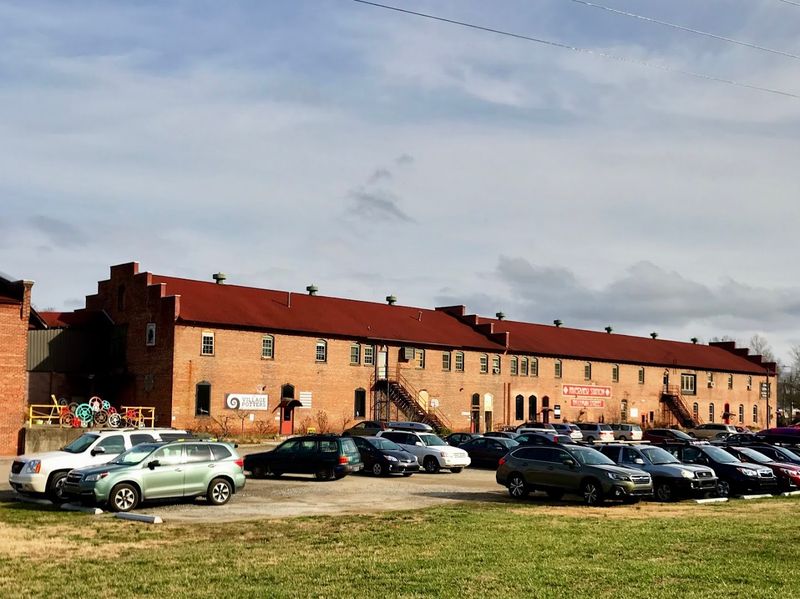
There is something almost magical about walking into a building that was once used to store cotton or machine parts and finding it now filled with color, texture, and creative energy. The old warehouses of the River Arts District have been transformed into working studios, but they have not lost their original soul.
You can still see the original brick walls, worn wooden floors, and massive industrial windows that flood the spaces with natural light.
Artists love these spaces for practical reasons, too. High ceilings make it easy to work on large-scale paintings or hang oversized sculptures.
Wide open floor plans give ceramicists room to set up kilns and potters wheels without feeling cramped. The buildings were built to be tough, and that toughness now serves a completely different kind of work.
Walking through these repurposed spaces feels like stepping into a living history lesson. You get the story of Asheville’s industrial past layered right underneath the vibrant present.
Some studios even display old photographs or artifacts from the building’s original use, creating a conversation between past and present that makes the creative work feel even more meaningful. It is history and art sharing the same walls, and it works beautifully.
A Community of Hundreds of Working Artists
Numbers can tell a powerful story. With more than 700 artists working across dozens of buildings in the River Arts District, Asheville has quietly become one of the largest concentrations of working artists anywhere in the United States.
That is not a small local art scene — that is a full-blown creative ecosystem thriving right in the heart of western North Carolina.
What makes this community especially impressive is the sheer variety of artistic mediums on display. You will find glassblowers shaping molten material into delicate forms right next to metalworkers hammering bold sculptures.
Ceramicists share hallways with textile artists and painters. Jewelry makers work beside printmakers.
Every corner of the district introduces you to a new creative discipline and a new creative personality.
Beyond the art itself, the sense of community among these artists is genuinely moving. Many of them have worked in the district for years, supporting each other through slow seasons, celebrating each other’s breakthroughs, and collaborating on projects that push their individual work further than they could go alone.
Visiting feels less like touring a collection of studios and more like being welcomed into a neighborhood where creativity is the shared language everyone speaks fluently. It is a community worth knowing.
Open-Door Studios Invite Visitors Inside
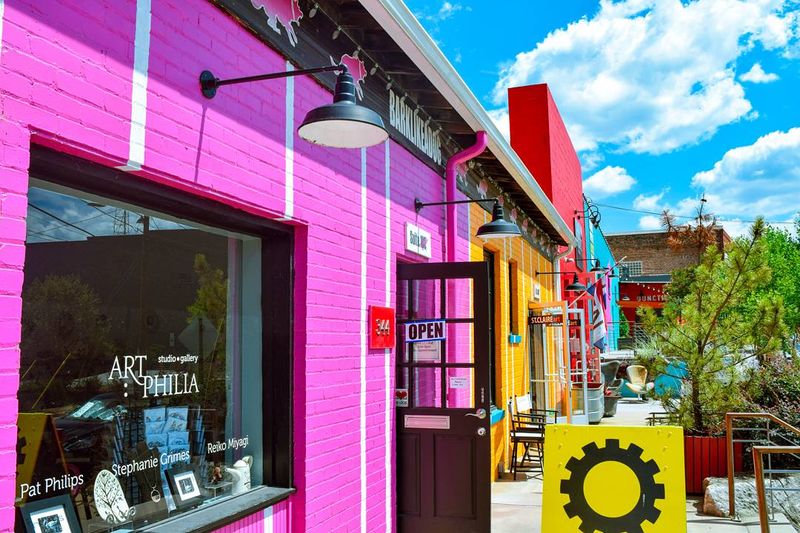
Most art galleries keep a careful distance between the art and the audience. You walk in, you look, maybe you buy, and you leave.
The River Arts District flips that model completely. Here, many studios operate with open-door policies, meaning anyone who walks by is welcome to step inside, look around, and actually talk to the person making the work.
That openness changes everything about the experience. When you can ask a painter why they chose a certain color palette, or watch a ceramicist explain how they center clay on the wheel, art stops being something distant and mysterious.
It becomes a conversation. It becomes a process you can follow and understand, even if you have never picked up a paintbrush in your life.
For families with kids, this setup is especially powerful. Children who might fidget through a traditional gallery visit often light up when they realize they can ask real questions and get real answers from the people doing the creating.
For adult visitors, the access feels like a rare privilege — a behind-the-scenes pass to the actual work of making art. The River Arts District proves that when artists open their doors, everybody wins.
Curiosity is always welcome here.
Hands-On Workshops and Creative Experiences
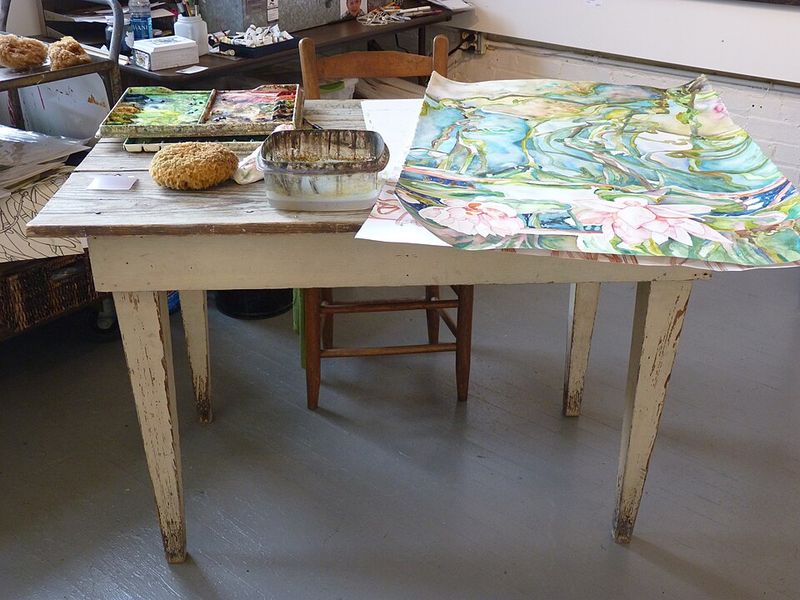
Watching art being made is exciting, but actually making something yourself takes the experience to a whole new level. Many studios in the River Arts District offer hands-on workshops where visitors can roll up their sleeves and try their hand at a new creative skill directly under the guidance of a working artist.
These are not touristy crash courses — they are genuine learning experiences led by people who have spent years mastering their craft.
Workshop options span a wide range of disciplines. You might spend a morning learning basic jewelry-making techniques, shaping metal into a ring or pendant you can take home.
An afternoon could involve sitting at a pottery wheel for the first time, laughing through the learning curve while a patient instructor helps you find your footing. Glassblowing workshops let participants try one of the most dramatic art forms in the district under careful supervision.
These experiences make for unforgettable memories, especially for groups, couples, or families looking for something more interactive than a standard sightseeing stop. Many visitors say a workshop in the River Arts District ended up being the highlight of their entire Asheville trip.
There is something deeply satisfying about leaving a place with a skill you did not have when you arrived — and maybe a handmade souvenir to prove it.
A Walkable Riverfront Arts Corridor
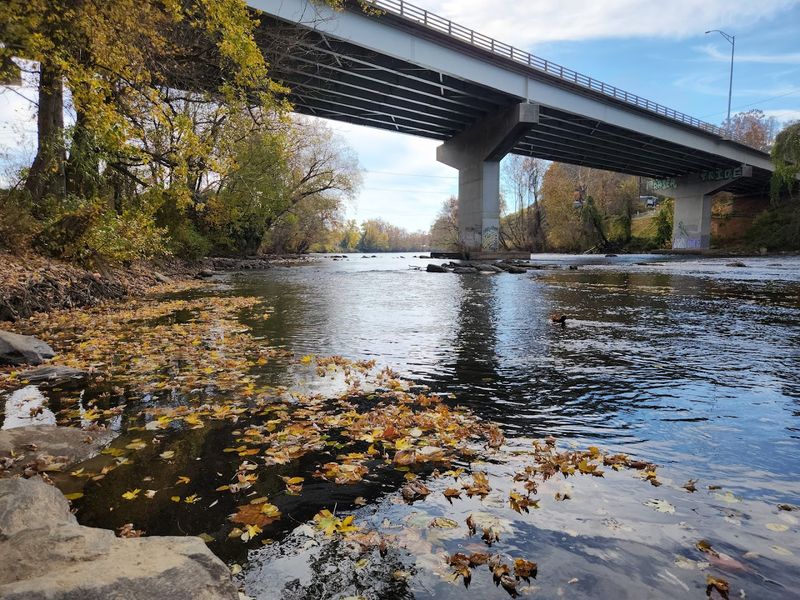
One of the most underrated things about the River Arts District is how easy it is to explore. The whole district stretches along the French Broad River in a compact, connected corridor that is genuinely pleasant to walk.
You do not need a car, a map, or a tour guide — just a comfortable pair of shoes and a willingness to wander wherever your curiosity takes you.
As you stroll, the riverfront setting adds a natural calm to the creative energy buzzing around you. The French Broad River runs alongside the path, offering glimpses of water and greenery between the old brick buildings.
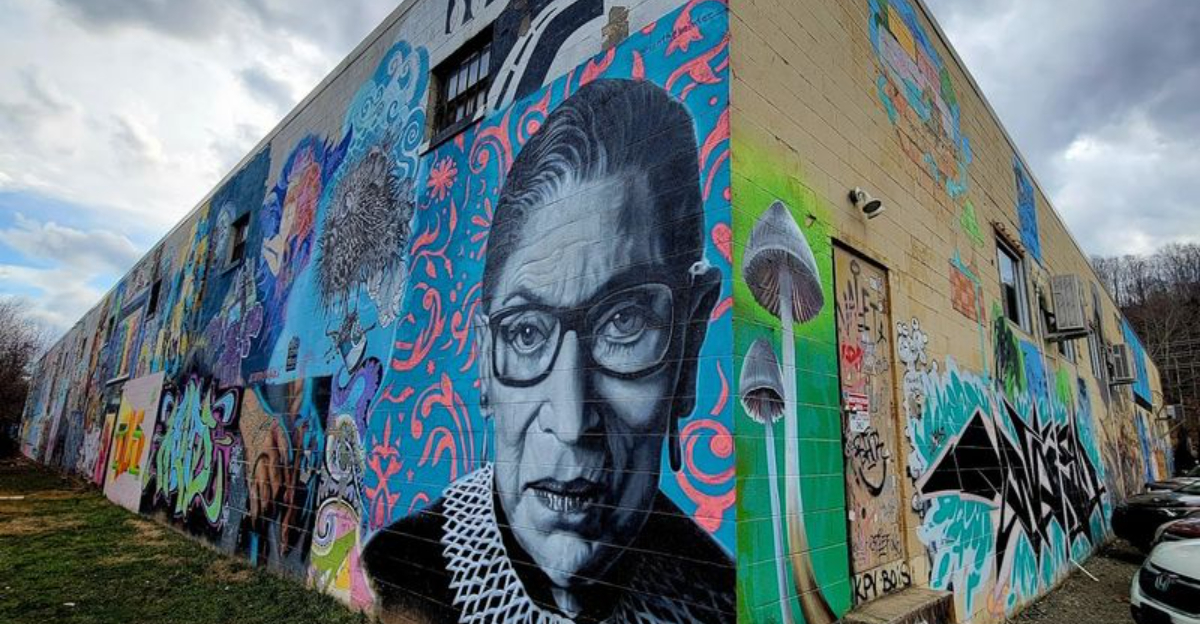
On a sunny day, the combination of flowing water, outdoor murals, and open studio doors creates an atmosphere that feels both laid-back and alive at the same time.
Cafes and local breweries are tucked between the studios, making it easy to grab a coffee or a cold drink and recharge before continuing your exploration. The walkability of the district means you can move at your own pace, doubling back to revisit a studio that caught your eye or lingering longer in spaces where the art genuinely stops you in your tracks.
Few art destinations in the South offer this kind of easygoing, self-guided discovery experience as naturally as this one does.
Events That Turn the District Into a Festival
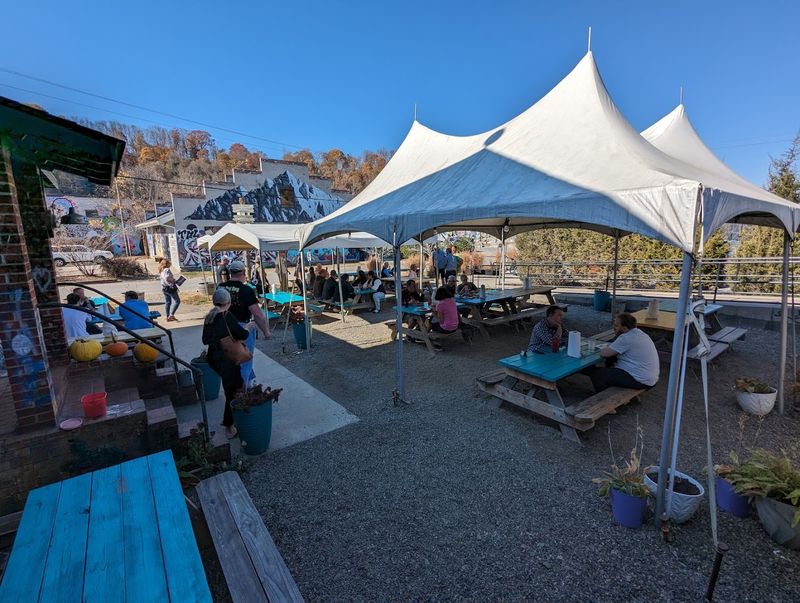
If you think the River Arts District is exciting on a regular Tuesday afternoon, wait until you visit during one of its signature events. A few times a year, the entire district transforms into something that feels closer to a street festival than an art walk.
Studios stay open late, artists set up outdoor displays, live music drifts between buildings, and the energy of the whole neighborhood shifts into something electric.
The Studio Strolls are among the most beloved events on Asheville’s cultural calendar. During these seasonal gatherings, artists across the district open their doors simultaneously, creating a kind of treasure hunt where every turn reveals something new.
You might stumble into a glassblowing demonstration, catch a live painting session, or find a sculptor who has never shown their work publicly before. Every visit is genuinely different.
Regular open studio nights and themed art walks keep the district buzzing throughout the year, not just during peak tourist season. These events draw both visitors and locals, creating a mix of people who share nothing except a love of creativity and a good time.
For anyone planning a trip to Asheville, checking the district’s event calendar before booking could easily turn a good visit into an absolutely unforgettable one. Timing really does matter here.
A Blend of Art, Food, and Local Culture
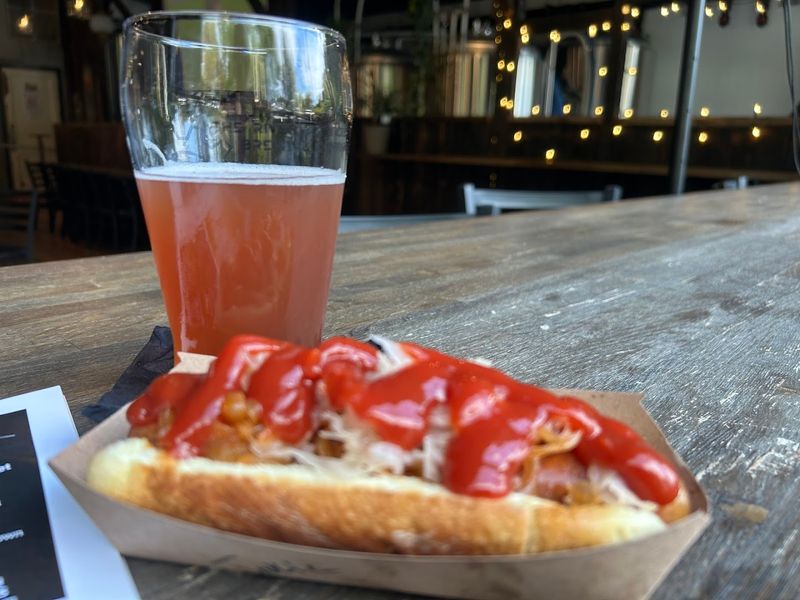
Art feeds the soul, but eventually you also need to feed your stomach — and the River Arts District has that covered too. Scattered between the studios and galleries, you will find local breweries, coffee shops, and casual eateries that have become gathering spots for artists, neighbors, and visitors alike.
The food and drink scene here is not an afterthought; it is woven right into the fabric of the community.
Asheville has a well-deserved reputation as one of the best food cities in the Southeast, and the River Arts District reflects that culinary creativity. Many of the cafes and taprooms in the area support local farmers and producers, so what you eat and drink often tells a story about the broader region.
Grabbing a locally crafted beer while sitting outside a mural-covered brewery feels like a perfectly Asheville thing to do.
The social atmosphere that results from mixing art, food, and community is hard to replicate anywhere else. People linger longer here than they might in a traditional gallery district.
Conversations start between strangers. Artists join visitors for a drink and end up talking about their work for an hour.
The River Arts District is not just a place to see art — it is a place to connect with people who care deeply about where they live and what they create.
A Story of Resilience and Ongoing Revival
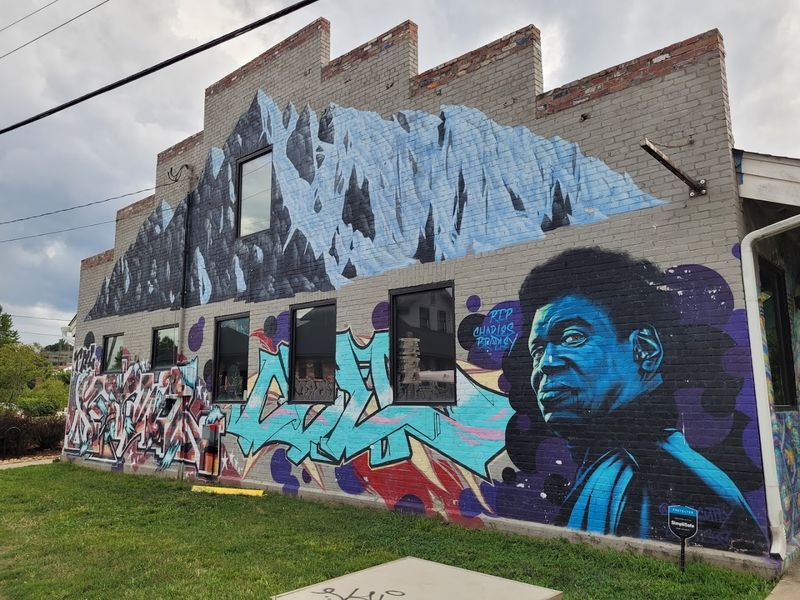
In the fall of 2024, Hurricane Helene brought devastating flooding to Asheville, and the River Arts District took a serious hit. Studios were submerged.
Years of work were damaged or destroyed. For a community built on creativity and resilience, it was a painful blow that tested the spirit of everyone who had made this place their home and livelihood.
But what happened next said everything about who these artists are. Within weeks, the district began the slow, determined process of cleaning up, rebuilding, and reopening.
Artists who lost work started creating again. Community members rallied around studios that needed help.
Visitors came back to show their support, buying art and taking workshops as a way of putting money directly into the hands of people who needed it most.
The River Arts District’s recovery is still ongoing, but the energy of renewal feels palpable when you walk through it today. New murals cover walls that were waterlogged months before.
Reopened studios carry a sense of hard-won pride that makes the art inside feel even more meaningful. This is a community that has faced real hardship and chosen to keep creating anyway.
That kind of stubbornness in the face of loss is its own form of art — and it makes visiting the district feel like an act of solidarity as much as tourism.