Some Friday nights are meant for crispy fish, hushpuppies, and a table full of people who came hungry.
Since 1968, Twin Tops Fish Camp in Gastonia has been serving the kind of fried seafood that turns dinner into a weekly ritual.
For generations, families across Gaston County have made their way here for golden fish, generous plates, and the warm, easygoing spirit that makes a fish camp feel like home.
This is the sort of place where Friday supper carries a little history.
Long before takeout apps and rushed weeknight meals, local families gathered around hearty seafood dinners after a long week of work.
More than 50 years later, Twin Tops is still keeping that tradition alive, one crispy piece of fish and one hungry Friday-night crowd at a time.
A Gastonia Fish Camp That Has Been Serving Since 1968
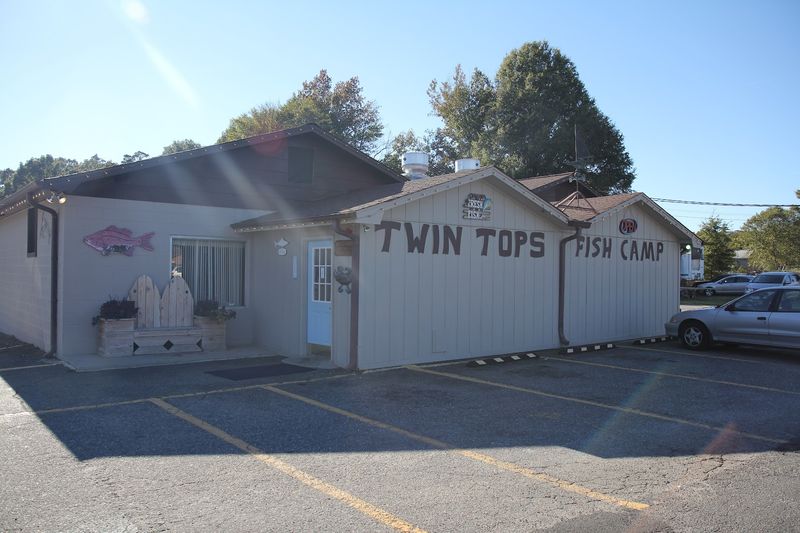
Family recipes and Friday night crowds have defined Twin Tops Fish Camp since opening day back in 1968. More than five decades later, this Gaston County landmark remains a family-owned operation that honors its seafood roots.
Few restaurants survive long enough to become part of local history, but Twin Tops earned that distinction through consistent quality and genuine Southern hospitality.
The restaurant stands as one of the region’s longstanding fish camps, keeping alive a dining tradition that many families have enjoyed across multiple generations. Grandparents who ate here as young adults now bring their own grandchildren for the same crispy fish and warm atmosphere.
That kind of loyalty speaks volumes about what Twin Tops represents.
Being around for over 50 years means the restaurant has witnessed countless changes in Gastonia while maintaining its core identity. Through economic shifts, cultural changes, and evolving food trends, Twin Tops stuck to what it does best.
The longevity proves that authenticity and dedication to tradition still matter to diners seeking a genuine fish-camp experience in North Carolina.
The Friday-Night Fish Supper Tradition
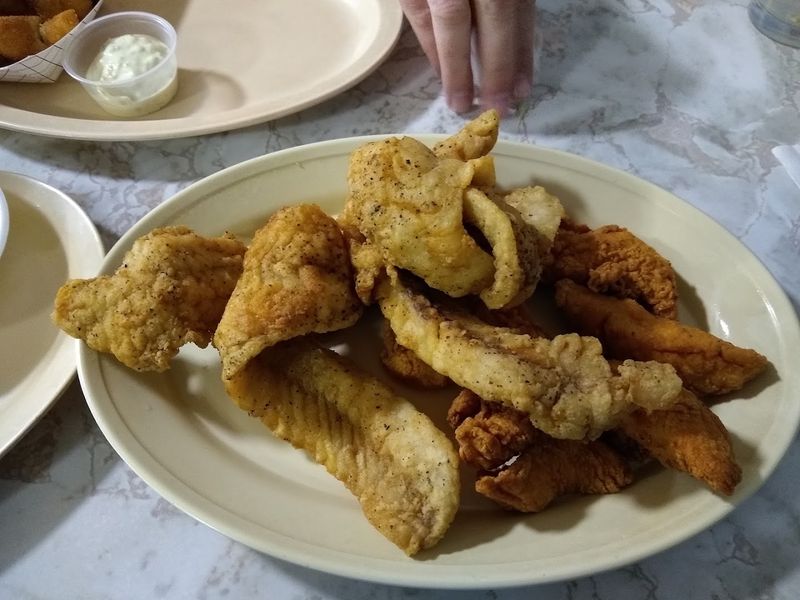
Friday evening at Twin Tops carries special significance that goes back generations in Gaston County. Mill workers finishing their weekly shifts looked forward to gathering with family over heaping platters of fried seafood and ice-cold sweet tea.
That simple weekly ritual became deeply woven into the fabric of local culture, transforming an ordinary weeknight into something families anticipated all week long.
The tradition reflects a time when communities centered around shared meals and conversations at neighborhood restaurants. After five hard days of work, families deserved a night off from cooking and a chance to relax together.
Fish camps like Twin Tops provided the perfect setting for those end-of-week celebrations, offering generous portions and friendly service that made everyone feel welcome.
Today, the Friday fish supper tradition continues bringing neighbors and friends together around Twin Tops tables. New generations discover why their parents and grandparents considered this weekly gathering so important.
The ritual proves that some traditions endure because they fulfill a timeless human need for community, comfort food, and familiar faces in an ever-changing world.
Why Fish Camps Became Such a Big Part of Gaston County
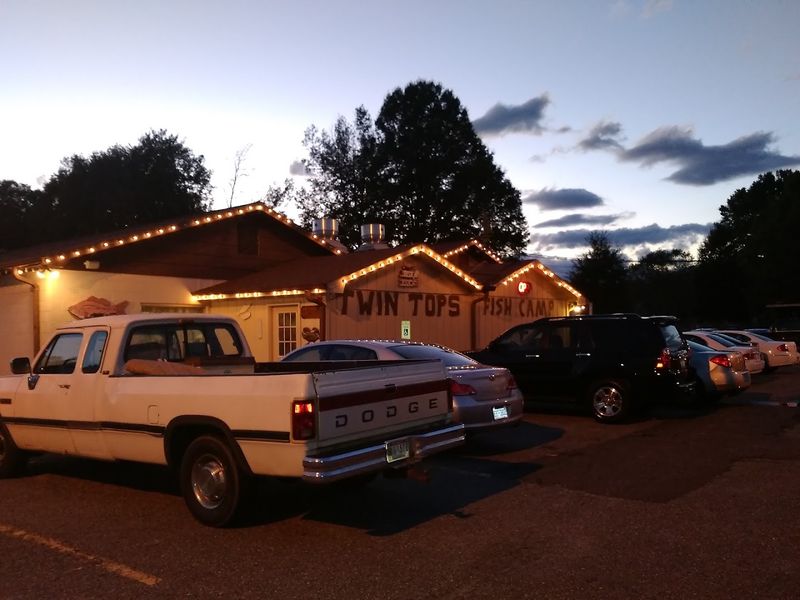
Fish camps didn’t start as restaurants but as informal community gatherings where neighbors fried up the day’s catch. In Gaston County, these casual fish fries naturally evolved into permanent establishments serving fried seafood, hushpuppies, and all the fixings.
The textile mills that dominated the region created communities of hardworking families who valued affordable, filling meals and chances to socialize after long factory shifts.
What began as simple outdoor cookouts gradually transformed into beloved local institutions. Families appreciated the no-frills atmosphere where kids could run around while adults caught up on neighborhood news.
The food itself reflected working-class values: generous portions, straightforward preparation, and prices that wouldn’t strain a mill worker’s paycheck.
This regional fish-camp culture helps explain why eating at Twin Tops feels different from visiting a typical seafood chain restaurant. The experience connects diners to decades of local history and community bonds forged over shared meals.
Understanding this background makes every bite of crispy fish taste like more than just dinner—it becomes participation in an enduring Gaston County tradition that honored honest work and simple pleasures.
The All-You-Can-Eat Seafood Supper Is the Main Event
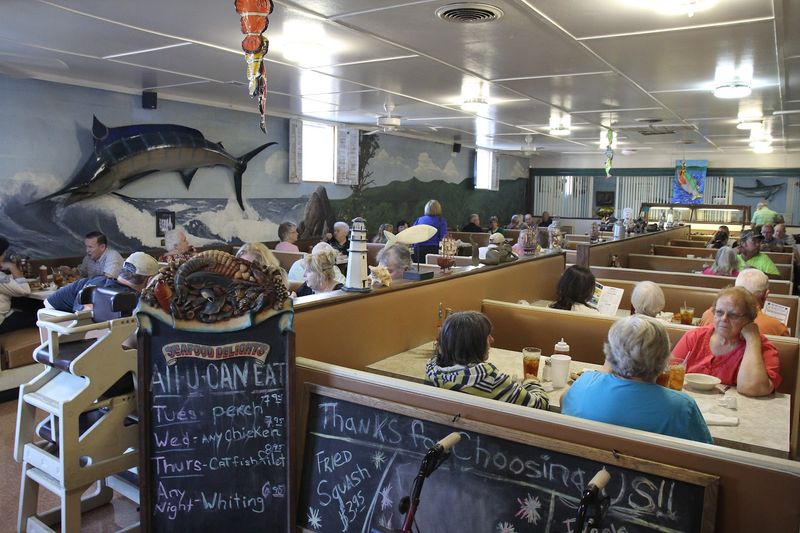
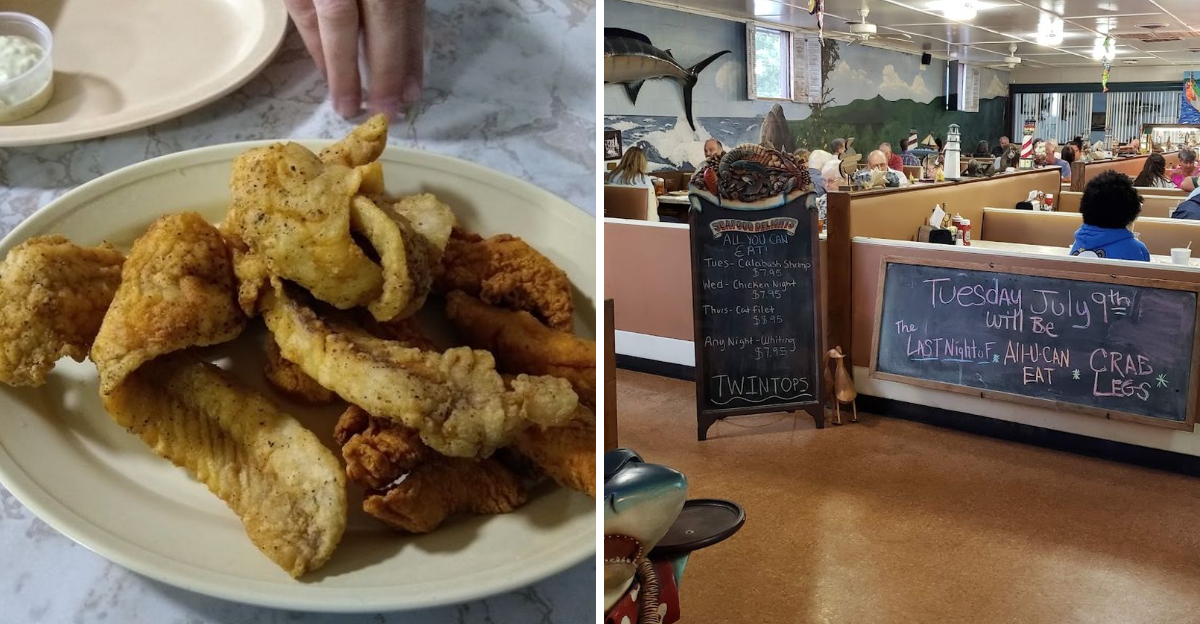
Hungry diners find their match at Twin Tops through the restaurant’s famous all-you-can-eat seafood specials. This generous format perfectly captures the old-fashioned fish-camp philosophy where nobody leaves the table hungry.
Plates keep coming until everyone signals they’ve had their fill, creating an experience that celebrates abundance rather than portion control.
The unlimited seafood approach lets families try multiple menu items without worrying about ordering enough food. Kids can stick with familiar favorites while adventurous eaters sample everything from fried flounder to deviled crab.
This flexibility makes group dining easier and more enjoyable for everyone at the table.
All-you-can-eat dining also encourages the unhurried, social atmosphere that defines traditional fish camps. When there’s no rush to finish and no concern about leaving hungry, conversations flow naturally and meals stretch into relaxed evening gatherings.
The format transforms dinner from a quick transaction into a proper supper event.
For value-conscious families, the all-you-can-eat option delivers serious bang for the buck. Growing teenagers, hardworking adults, and seafood lovers with big appetites all appreciate getting their money’s worth through multiple helpings of expertly fried fish and accompaniments.
Golden Fish, Calabash Shrimp, and Deviled Crab
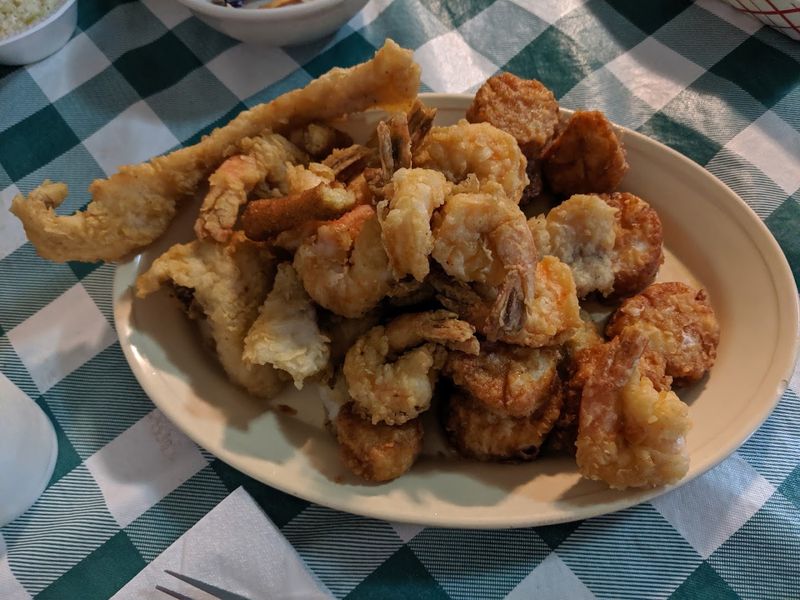
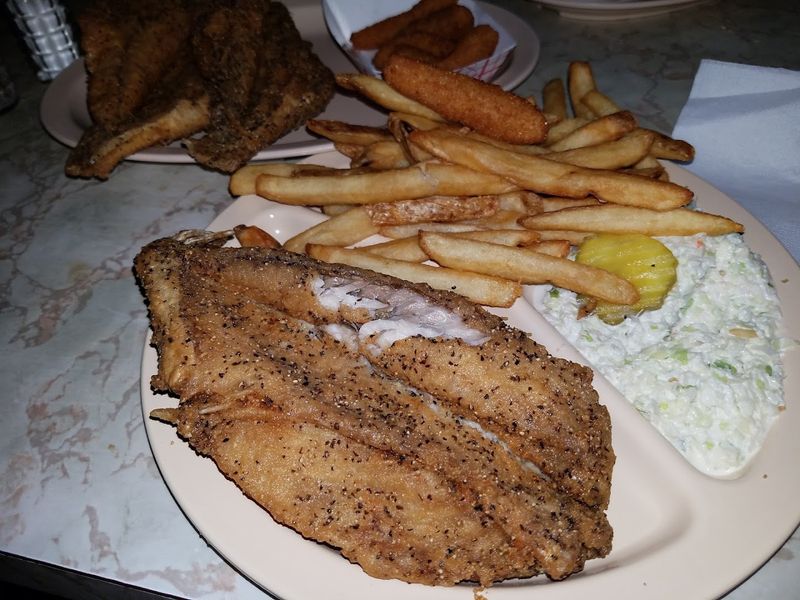
Fried flounder arrives at your table with a perfectly golden crust that crackles with your first bite. The light breading lets the sweet, flaky fish shine through without overwhelming its delicate flavor.
Regulars often consider the flounder their benchmark for judging whether a fish camp knows what it’s doing, and Twin Tops passes that test meal after meal.
Calabash-style shrimp brings the coastal Carolina tradition inland to Gastonia tables. Named after the small fishing village where this preparation style originated, these lightly breaded shrimp fry up crispy on the outside while staying tender inside.
The technique produces shrimp that’s addictive without being heavy or greasy.
Deviled crab rounds out the seafood trinity with its rich, seasoned filling packed into shells or formed into cakes. This Southern specialty combines flaked crabmeat with spices and breadcrumbs, creating something that tastes indulgent but still feels like honest, straightforward cooking.
Some diners build their entire meal around the deviled crab, returning week after week for this particular treat that reminds them why fish-camp cooking has endured for generations throughout the Carolinas.
No Fish-Camp Supper Is Complete Without Hushpuppies
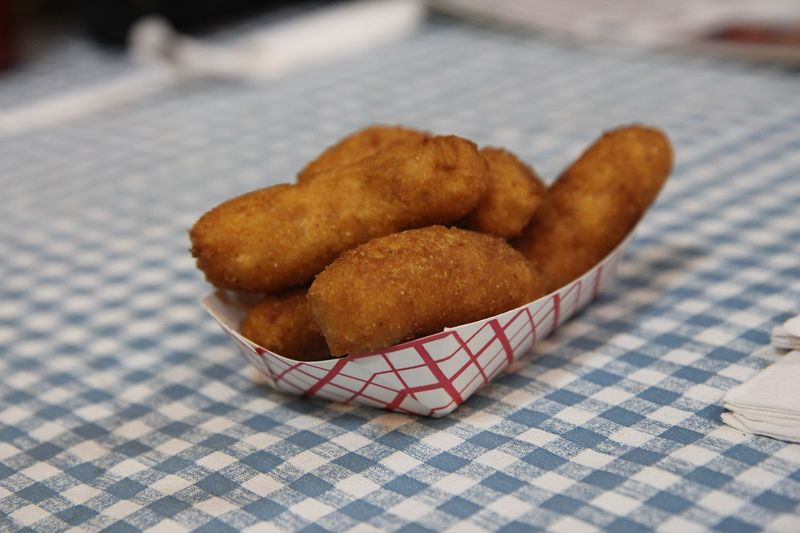
Golden orbs of fried cornmeal batter land on your table alongside the seafood, and suddenly everything feels right in the world. Hushpuppies represent more than just a side dish—they’re an essential component that signals you’re eating authentic fish-camp food.
Their slightly sweet, cornmeal flavor complements fried fish perfectly, and their crispy exterior gives way to soft, almost creamy interiors.
Legend says hushpuppies got their name when cooks tossed fried cornmeal bits to barking dogs, commanding them to hush. Whether that story holds truth or not, these fritters became inseparable from Southern seafood traditions.
Eating fried fish without hushpuppies feels incomplete, like showing up to a barbecue without coleslaw.
At Twin Tops, fresh hushpuppies arrive hot throughout your meal, maintaining the continuous flow that defines good fish-camp service. You’ll find yourself reaching for just one more, then another, understanding why generations of diners consider these humble cornmeal puffs absolutely essential.
They soak up tartar sauce, provide textural contrast to flaky fish, and somehow make every bite taste better. Some regulars half-jokingly admit the hushpuppies bring them back as much as the seafood itself.
The Salad Bar and Classic Sides Make It a Full Family Meal
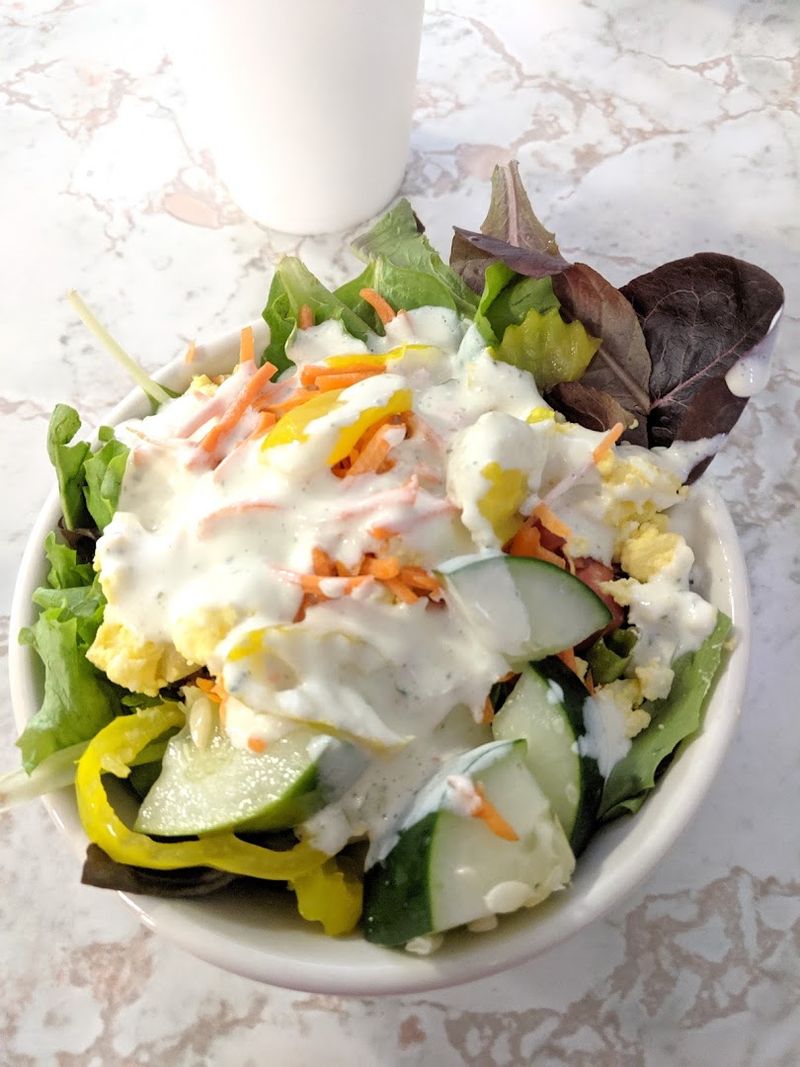
Beyond the fried seafood centerpiece, Twin Tops rounds out meals with a salad bar and traditional Southern sides. Creamy coleslaw cuts through the richness of fried foods with its tangy, refreshing crunch.
French fries or baked potatoes provide familiar comfort for picky eaters or anyone craving something beyond seafood.
The salad bar option addresses modern dining preferences while maintaining the restaurant’s traditional identity. Families with varied tastes appreciate having lighter choices available alongside the hearty fried fare.
Kids who claim they don’t like fish can fill up on sides they recognize, making group dining more manageable for parents.
This combination approach—generous seafood plus ample sides—ensures everyone leaves satisfied regardless of appetite or preferences. Someone recovering from illness might stick mostly to sides and salad while still enjoying the fish-camp atmosphere.
Athletes and teenagers with enormous appetites can load up plates with multiple trips to both seafood and sides.
The variety transforms what could be a simple seafood meal into a proper Southern supper. Multiple side options mean each diner customizes their experience while still participating in the shared tradition.
That flexibility helps explain why families with different generations and tastes keep returning to Twin Tops together.
Where Friends Meet to Eat
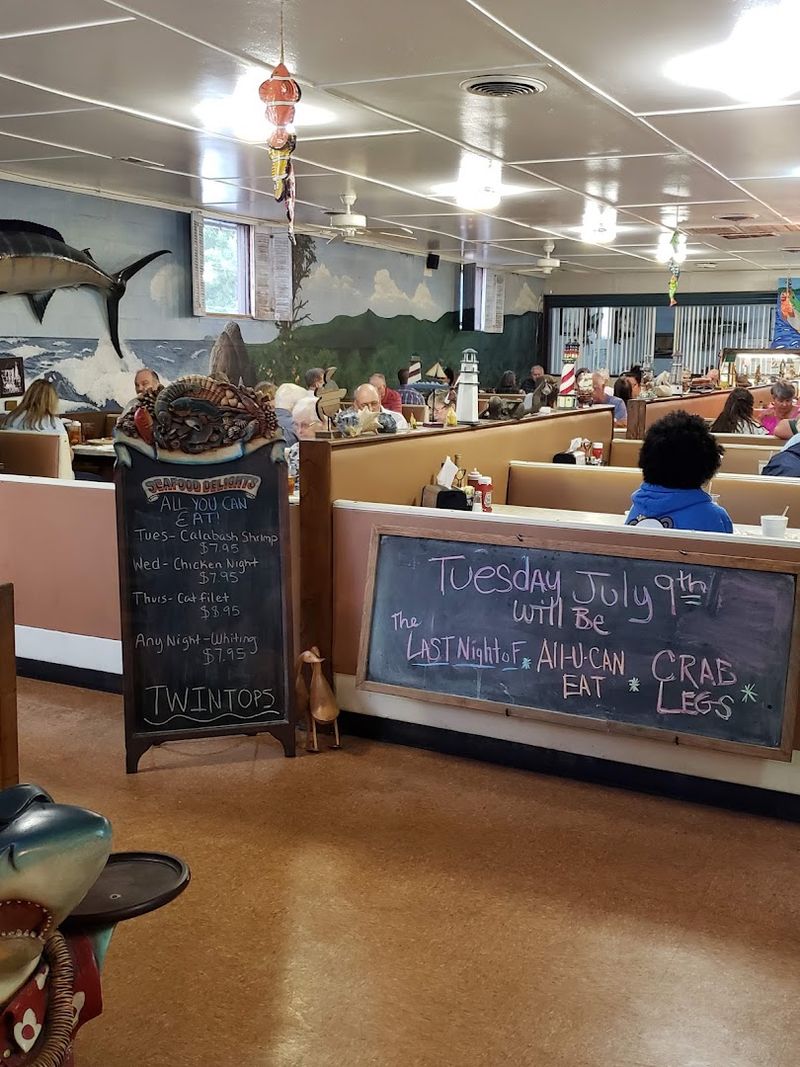
Twin Tops adopted the slogan “Where Friends Meet to Eat” decades ago, and those words capture something essential about fish-camp culture. These establishments functioned as neighborhood gathering spots where the same faces appeared week after week, year after year.
Friendships formed over shared tables, and longtime employees knew customers by name and usual order.
The social dimension matters as much as the food at traditional fish camps. Coworkers celebrated Friday together, church groups scheduled regular meals, and neighbors caught up on local news while passing hushpuppies.
The restaurant provided neutral ground where different parts of the community mixed naturally around a common love of good fried seafood.
That communal spirit persists today even as dining habits have shifted toward takeout and quick service. Regular customers still recognize familiar faces and strike up conversations with strangers at nearby tables.
The shared experience of enjoying Twin Tops seafood creates instant common ground between people who might not otherwise interact.
Understanding this social tradition helps explain why longtime patrons feel genuine attachment to Twin Tops beyond just liking the food. The restaurant represents connection, continuity, and belonging in ways that transcend its menu offerings.
The Tradition Has Survived Even as Dining Habits Have Changed
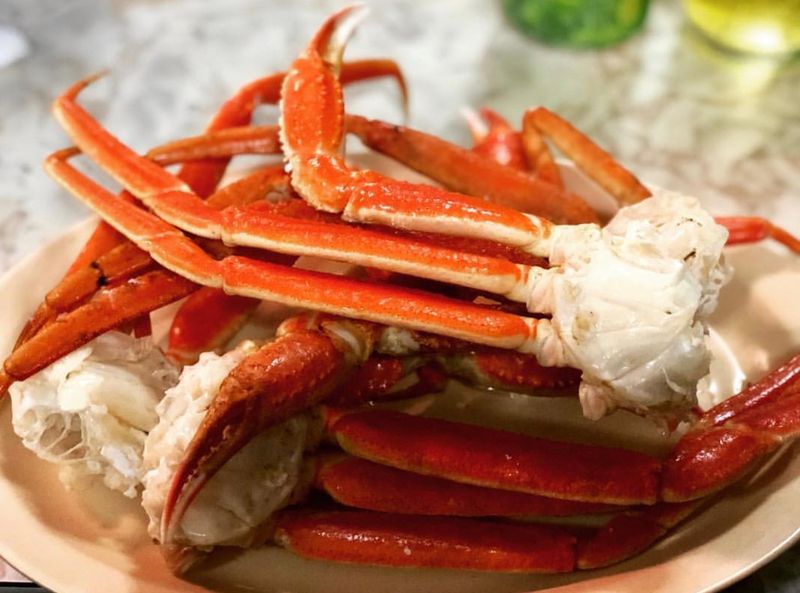
Countless fish camps closed their doors permanently as fast-food chains and casual dining restaurants transformed American eating habits. Twin Tops’ survival since 1968 makes it something rare—a genuine connection to how communities once dined together.
Many factors conspired against traditional fish camps: changing tastes, rising costs, difficulty passing family businesses to new generations, and competition from corporate restaurants with bigger marketing budgets.
What separates survivors like Twin Tops from closed competitors? Family ownership and commitment to maintaining traditional recipes and service styles certainly help.
Refusing to chase every dining trend or constantly reinvent the menu demonstrates confidence in what the restaurant does best.
The community’s loyalty matters equally. Generations of customers voting with their wallets keep places like Twin Tops viable when similar restaurants disappeared.
Those regular Friday night crowds signal that enough people still value traditional fish-camp dining to sustain the business model.
Twin Tops proves that authentic traditions can endure when restaurants stay true to their identity while adapting practical operations to modern realities. Currently operating takeout service shows the restaurant adjusting to circumstances without abandoning its fundamental character.
That balance between tradition and necessary adaptation explains how a fish camp reaches its sixth decade.
Visitor Info and Tips for Visiting Twin Tops Fish Camp
Twin Tops Fish Camp operates at 4574 South New Hope Road, Gastonia, NC 28056, where it has served the community for over five decades. The restaurant currently offers takeout service Thursday from 4–8 p.m., Friday from 4–9 p.m., and Saturday from 3–9 p.m.
Tuesday and Wednesday are temporarily closed, while Sunday and Monday remain closed as usual.
Calling ahead at +1 704-825-2490 before visiting ensures you get current information about hours, menu availability, and ordering procedures. Operations can change based on various factors, so a quick phone call prevents wasted trips and disappointment.
The staff can answer questions about that evening’s seafood offerings and estimated wait times.
Check the restaurant’s website at twintopsfishcamp.com for menu details and any updates to service format or hours. The current takeout-only arrangement reflects temporary adjustments rather than permanent changes to the fish camp’s traditional dine-in experience.
Plan Friday visits knowing that’s the busiest evening, when the fish supper tradition brings the biggest crowds. Arriving slightly earlier or later than peak dinner hours might mean shorter waits.
Bring your appetite and patience, understanding that good traditional cooking takes time and that popularity creates lines during prime hours.