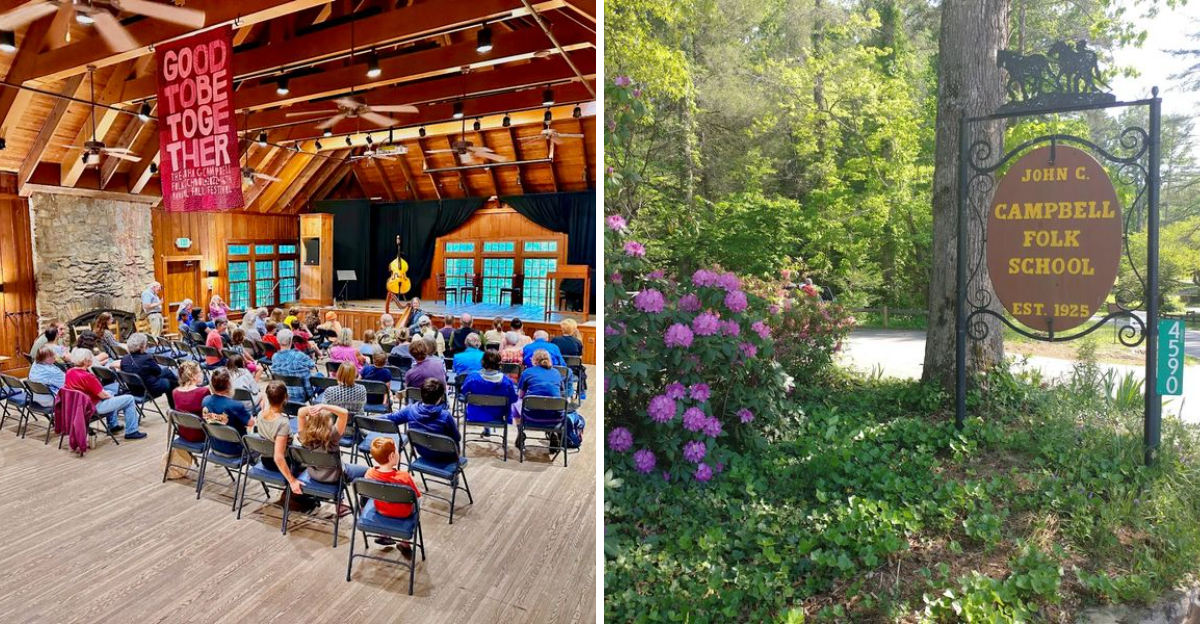
One visit to this mountain campus might completely change the way you think about learning. Hidden in the rolling hills of western North Carolina, the John C.
Campbell Folk School invites people to trade busy schedules for clay, wood shavings, hand tools, and time well spent creating something with their own hands.
Pottery wheels spin from morning until evening, woodworking shops fill with the scent of fresh-cut lumber, and blacksmith hammers echo through the mountain air. Every class offers a chance to learn from skilled craftspeople while picking up traditions that have been passed from one generation to the next.
The magic goes far beyond the workshops.
Shared meals, live music, peaceful walking trails, and friendly conversations turn strangers into friends before the week is over.
It’s the kind of place where visitors arrive for a class and leave already planning their next trip.
A Folk School Unlike Any Other
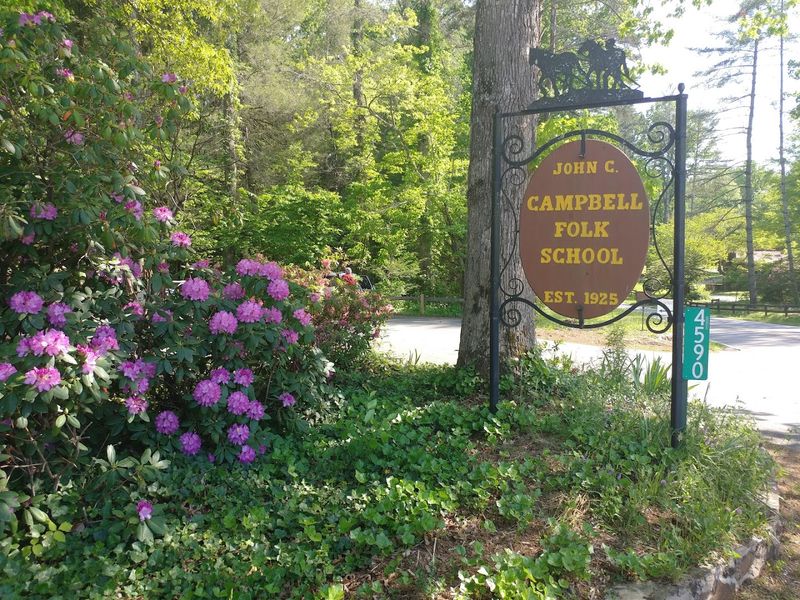
Founded nearly a century ago by John C. Campbell and his wife Olive Dame Campbell, this remarkable school borrowed its philosophy from Danish folk schools they admired during their travels.
The couple wanted to create a place where Appalachian communities could preserve their heritage while learning new skills in a supportive environment. Unlike traditional schools with grades and competition, this institution celebrates the joy of learning for its own sake.
Students arrive as strangers and leave as friends, bonded by shared creative experiences. The welcoming atmosphere helps nervous beginners feel comfortable trying something completely new.
Nobody judges your skill level or compares your work to others.
Adults from across the country book weeks in advance to immerse themselves in this unique educational model. Many return year after year, making the Folk School an annual tradition.
The sense of community created here extends far beyond the classroom, as students often stay in touch long after returning home.
Pottery Classes That Keep Students Coming Back
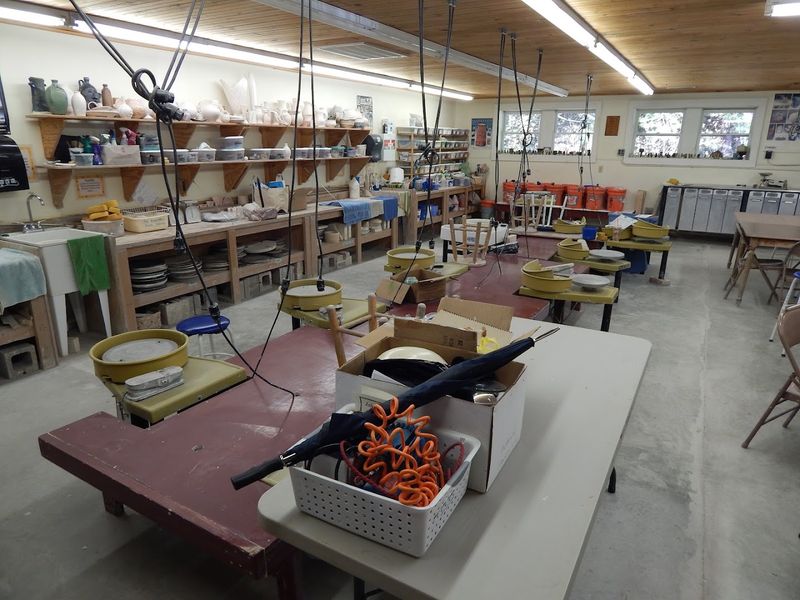
Clay seems to have a magnetic pull at this school. The pottery studios buzz with creative energy as wheels spin and hands shape wet earth into functional art.
Students master techniques ranging from basic pinch pots to advanced glazing methods that produce stunning results.
Raku firing sessions create unforgettable moments when red-hot pottery emerges from kilns and gets plunged into combustible materials. The unpredictable patterns and metallic finishes make each piece unique.
Sculptural work allows artistic expression beyond functional bowls and mugs.
Instructors guide beginners through their first wobbly attempts at centering clay while helping experienced potters refine their skills. The well-equipped studios provide everything needed, from professional wheels to extensive glaze libraries.
Mountain views through studio windows inspire creativity during long work sessions.
Many pottery students become lifelong devotees, booking multiple workshops throughout the year. The combination of expert instruction, excellent facilities, and supportive classmates creates ideal conditions for growth.
Some alumni have even launched pottery businesses after discovering their passion here.
Woodworking in a Historic Mountain Workshop
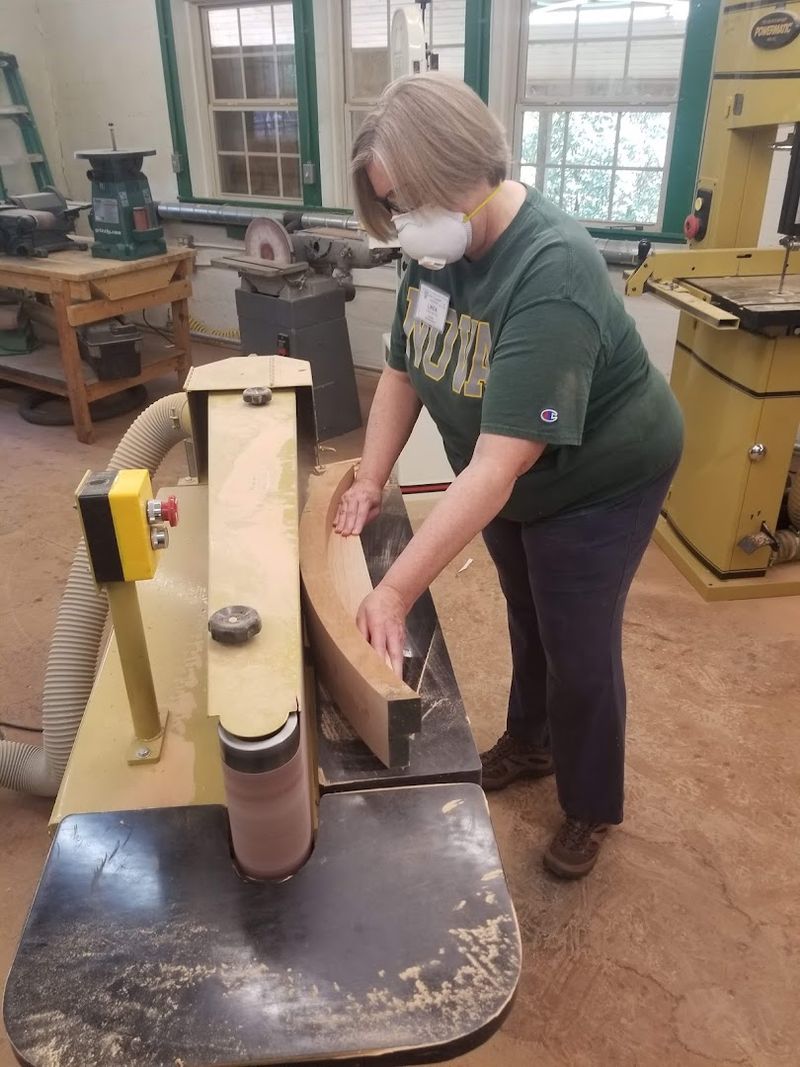
Sawdust perfumes the air in the woodworking studios where students transform rough lumber into heirloom-quality furniture and instruments. Professional-grade equipment lines the walls, but hand tools remain essential for traditional techniques passed down through generations.
The satisfying sound of planes shaving wood fills the space throughout the day.
Windsor chair making requires patience as students steam-bend wood and shape spindles by hand. Shaker box construction teaches precision through elegant simplicity.
Dulcimer building combines woodworking with music, resulting in instruments students can actually play.
Beginners learn proper tool use and safety before attempting complex projects. Experienced woodworkers appreciate access to specialized equipment rarely found in home workshops.
Instructors demonstrate techniques, then circulate to offer individual guidance tailored to each student’s project.
Participants leave with tangible accomplishments they crafted with their own hands. A rocking chair or hand-carved spoon becomes more than an object when you’ve shaped every curve yourself.
These skills stay with students long after they return home to their own workshops.
Appalachian Crafts Passed Down Through Generations
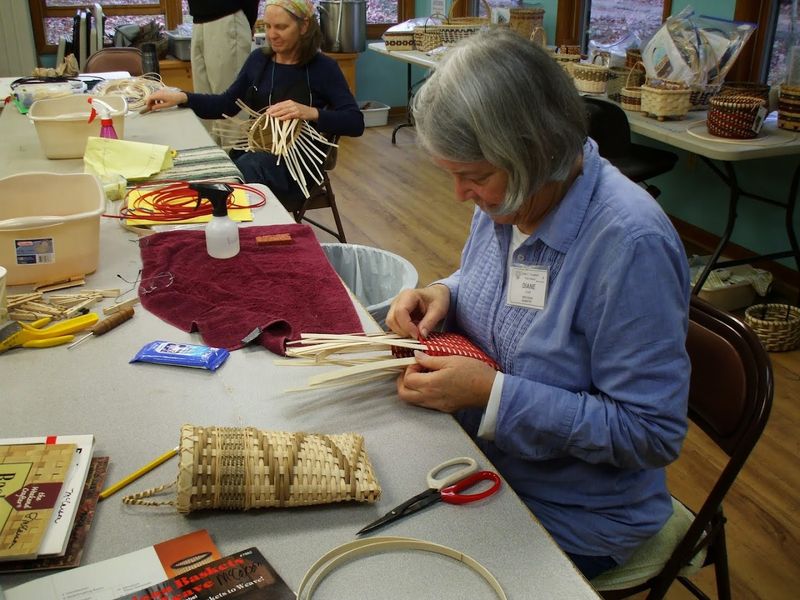
Mountain heritage lives through the hands of skilled artisans who teach crafts their grandparents practiced. Basket weavers coax white oak splits into sturdy, beautiful forms using techniques centuries old.
Blacksmiths hammer glowing iron at the forge, creating both tools and decorative pieces with traditional methods.
Broom making transforms broomcorn into functional household items surprisingly satisfying to create. Spinning wheels hum as students turn raw wool into yarn.
Weavers work at looms, creating patterns passed down through Appalachian families for generations.
Chair caning gives old furniture new life through patient handwork. Quilters piece together fabric while learning traditional patterns with names like Log Cabin and Flying Geese.
Each craft carries stories of mountain people who depended on these skills for daily living.
Master craftspeople share not just techniques but cultural context that makes these traditions meaningful. Students gain appreciation for the ingenuity and artistry of Appalachian ancestors.
Preserving these heritage crafts ensures they won’t disappear as modern life replaces handmade goods with mass production.
More Than 800 Hands-On Classes Every Year
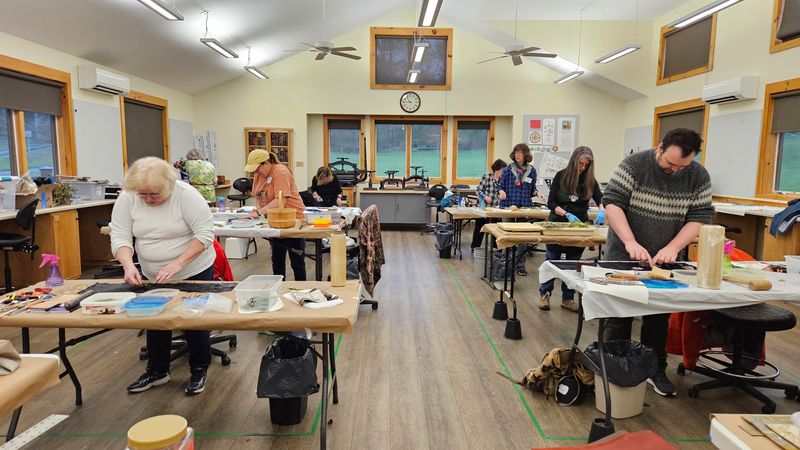
Choosing just one workshop presents a delightful challenge when scanning the thick course catalog. Jewelry making, photography, cooking, gardening, writing, painting, fiber arts, and music all compete for attention.
Weeklong intensive courses allow deep exploration, while weekend workshops offer quick skill-building opportunities.
Culinary classes teach everything from bread baking to fermentation. Photography workshops combine technical skills with artistic vision, often incorporating the stunning campus landscape.
Writing retreats provide dedicated time and expert feedback away from daily distractions.
Dance classes range from clogging to contemporary movement. Gardening workshops cover topics like seed saving and natural dyeing with plants.
Metalworking extends beyond blacksmithing into jewelry, sculpture, and decorative arts.
The variety means something appeals to every interest and skill level. First-timers might start with a weekend introduction before committing to longer courses.
Repeat visitors often branch out, discovering new passions alongside familiar favorites.
Seasonal offerings change throughout the year, keeping the schedule fresh. Spring might emphasize gardening and natural dyes, while fall features harvest cooking and fiber preparation.
This rhythm connects creative work with the natural world.
Living on Campus for the Full Folk School Experience
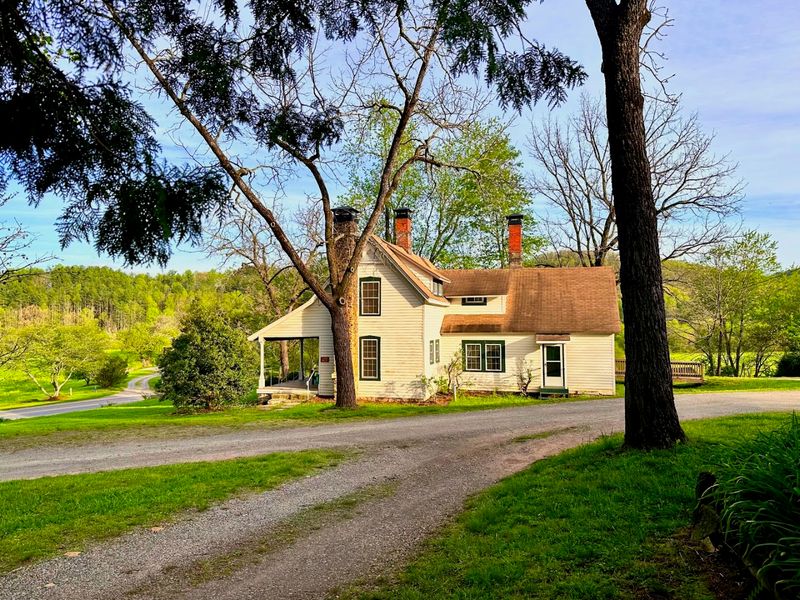
Staying on campus transforms a class into an immersive creative retreat. Simple but comfortable housing puts you steps from studios, dining hall, and walking trails.
Roommates often become fast friends through late-night conversations about projects and life.
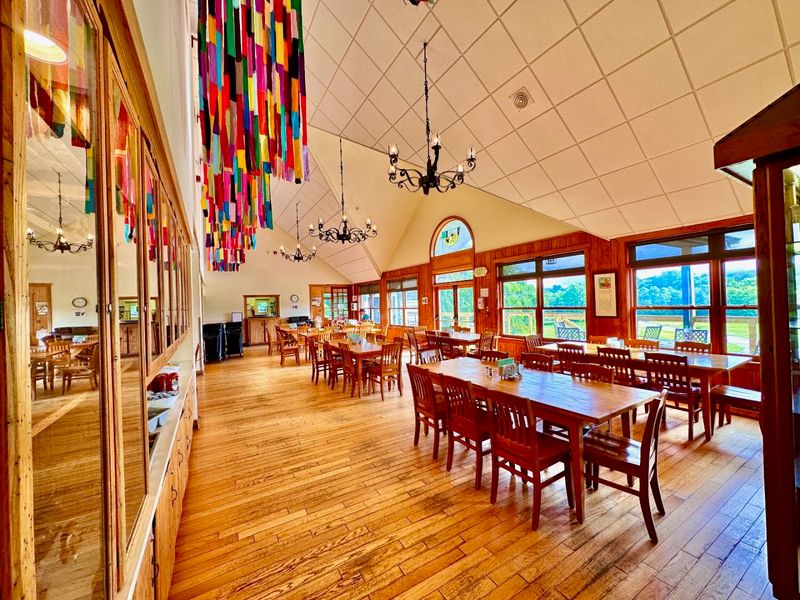
Shared meals create natural opportunities for connection as students from different workshops swap stories and admire each other’s work. The dining hall serves hearty, home-style food that fuels long days of creative effort.
Nobody worries about cooking or cleaning, leaving mental energy for learning.
Morning walks along the creek provide peaceful moments before studio time begins. The schedule flows naturally from breakfast through afternoon classes, with breaks for coffee and conversation.
Evening programs offer optional activities without pressure to participate.
Campus life removes normal distractions, creating space for focus and creativity. Cell phone reception can be spotty, which many students appreciate as enforced digital detox.
The immersive experience explains why participants often describe their time here as transformative rather than just educational.
Everything needed exists within the campus boundaries, yet the mountain setting never feels confining or institutional.
Evening Music, Contra Dancing, and Community Traditions
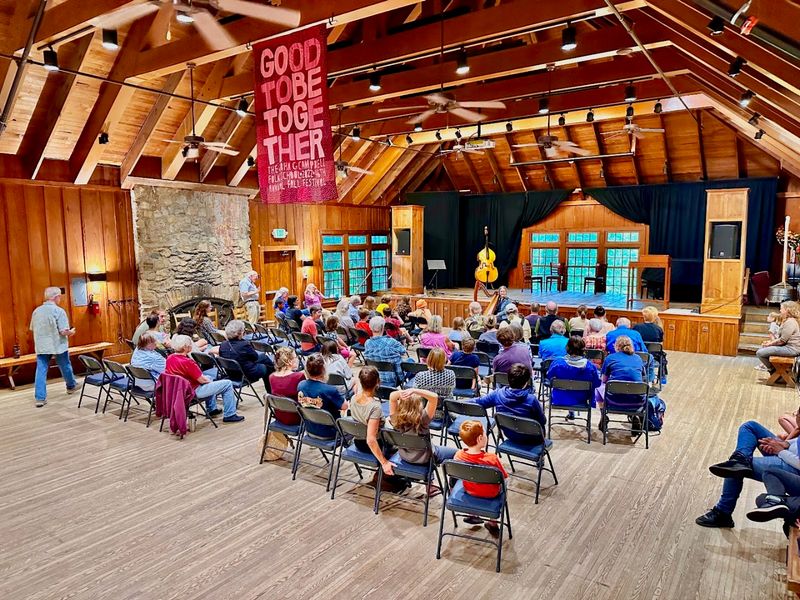
After dinner, the campus comes alive with music drifting from various buildings. Jam sessions welcome players of any skill level to pull up a chair and join in.
Concerts feature both instructors and visiting performers playing traditional and contemporary folk music.
Contra dancing gets everyone moving, regardless of dance experience. A caller explains each step before the music starts, then guides dancers through patterns as they progress down the line.
Beginners find themselves swept along by the rhythm and their more experienced partners.
Weekly community dances pack the Keith House with laughter and stomping feet. The social atmosphere feels wonderfully old-fashioned without being stuffy or exclusive.
Singles, couples, and groups all mix together on the dance floor.
Demonstrations showcase different craft techniques as instructors share their expertise informally. Evening gatherings might include storytelling, poetry readings, or slide shows about craft traditions.
These optional activities extend the sense of community beyond daytime classes.
Nobody feels pressure to attend every event, but most students find themselves drawn to at least some evening offerings. The memories made during these social times often stick as vividly as workshop experiences.
The Beautiful Brasstown Mountain Campus
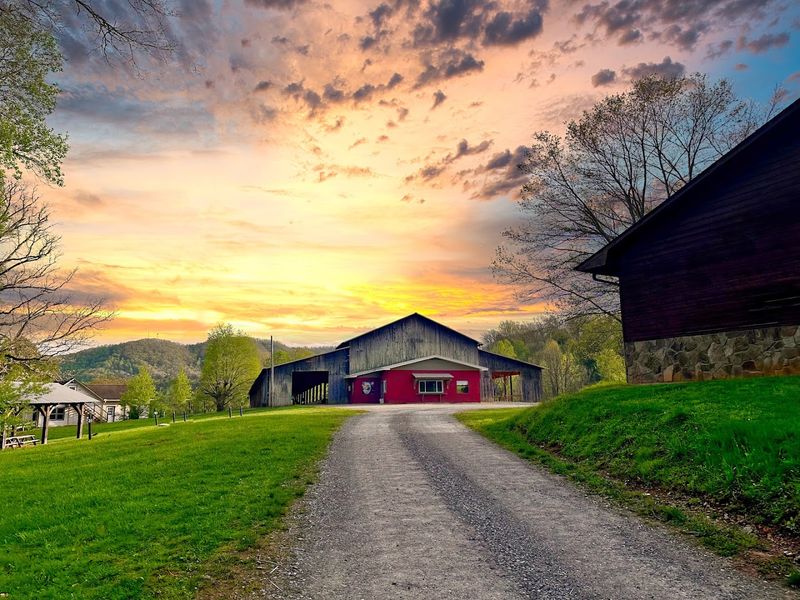
Two hundred seventy acres of mountain beauty surround the campus buildings with inspiration at every turn. Historic stone structures blend seamlessly into the landscape as if they’ve always belonged there.
Gardens showcase plants useful for natural dyeing, cooking, and traditional medicine.
Wooded trails invite exploration during breaks between classes. The meandering creek provides a soundtrack of rushing water and quiet spots for reflection.
Students often sketch, photograph, or simply sit absorbing the peaceful atmosphere.
Each season transforms the campus into a different kind of beautiful. Spring brings wildflowers and fresh green growth.
Summer offers shade under mature trees and chances to work outdoors. Fall explodes with color across the mountainsides.
Winter’s bare trees reveal views hidden during other seasons while wood smoke from studio stoves adds cozy warmth. The natural setting enhances creativity rather than distracting from it.
Many students report that being surrounded by such beauty opens their minds to new possibilities.
Campus buildings maintain their historic character while offering modern amenities. The combination of natural and built environments creates an atmosphere conducive to both learning and reflection.
Seasonal Festivals and Special Events Worth Planning Around
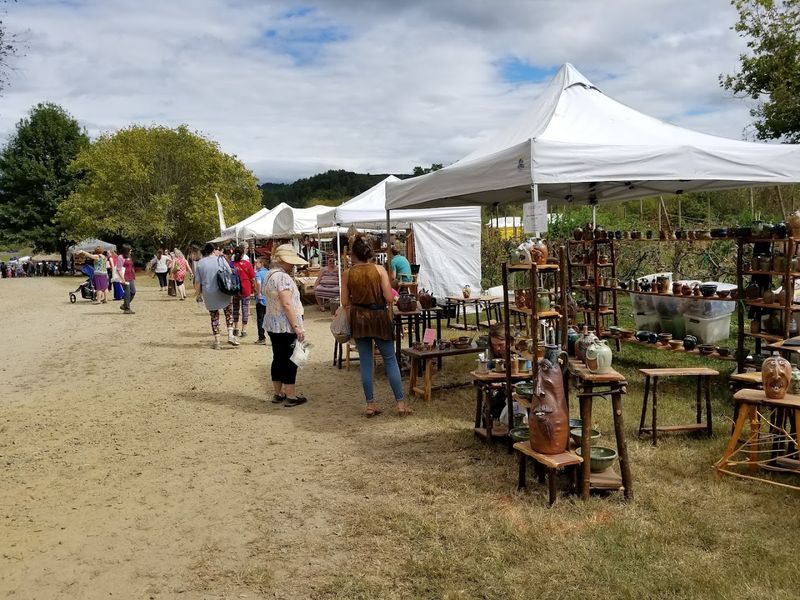
Mark your calendar for the annual Fall Festival, when the campus opens its doors to thousands of visitors celebrating traditional crafts. Artisan demonstrations run continuously as skilled craftspeople share techniques with curious onlookers.
Live music fills the air while vendors sell handmade items from across the region.
Spring and summer bring craft markets featuring student and instructor work. Gallery exhibitions showcase outstanding pieces created during workshops throughout the year.
Special concerts attract both campus residents and community members for memorable musical experiences.
Holiday celebrations incorporate seasonal crafts and traditions into festive gatherings. Blacksmith demonstrations draw crowds fascinated by glowing metal and ringing hammers.
Weaving, pottery, and woodworking studios open for tours, giving visitors glimpses into the creative process.
These events allow people to experience Folk School culture without enrolling in classes. Families enjoy activities designed for all ages, introducing children to traditional crafts.
Many first-time visitors return later as students after discovering the welcoming atmosphere.
Community connections extend beyond enrolled students during these special occasions. Local residents mingle with visitors, strengthening ties between the school and surrounding mountain communities.
Planning Your Visit to John C. Campbell Folk School
Located at One Folk School Road in Brasstown, North Carolina, the campus sits in the far western corner of the state near the Georgia border. Call +1 828-837-2775 for information or visit their website to browse the extensive course catalog and register online.
Plan ahead because popular workshops fill quickly, sometimes months in advance. Weekend courses offer shorter commitments for those testing the waters.
Weeklong sessions provide deeper immersion into chosen crafts.
On-campus housing simplifies logistics and enhances the experience, though some visitors stay at nearby accommodations. Most courses include lodging and meals in the registration fee.
The Craft Shop sells supplies, finished pieces, and perfect gifts to take home.
Campus tours happen regularly for those wanting to explore before committing to a workshop. Transportation requires a car since public transit doesn’t reach this rural area.
The nearest airport sits about two hours away in Asheville.
Pack comfortable clothes suitable for studio work and mountain weather. Bring any special tools or materials listed in course descriptions.
Most importantly, arrive with an open mind ready to learn, create, and connect with fellow craft enthusiasts.