
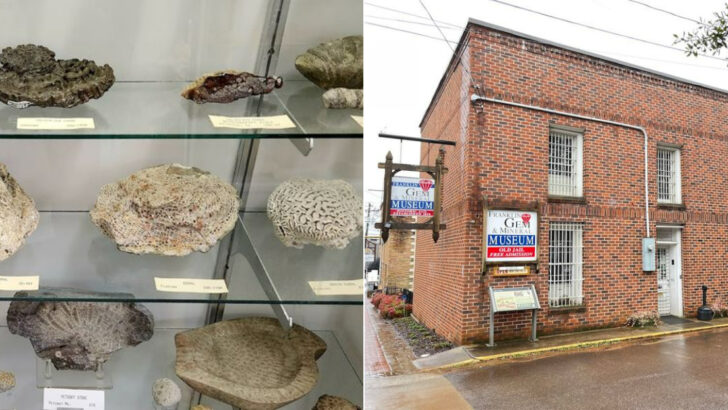
Tucked inside a sturdy brick building that once held criminals in Macon County, the Franklin Gem and Mineral Museum is one of North Carolina’s most surprising hidden treasures. Built in the 1850s as a jail, the building now houses about 6,000 dazzling specimens — from glowing fluorescent minerals to ancient fossils and Native American artifacts.
Located at 25 Phillips St in downtown Franklin, NC, this free museum draws curious visitors from all over who leave with their jaws dropped and their pockets full of souvenir stones.
A Museum With a Past: The Old Macon County Jail
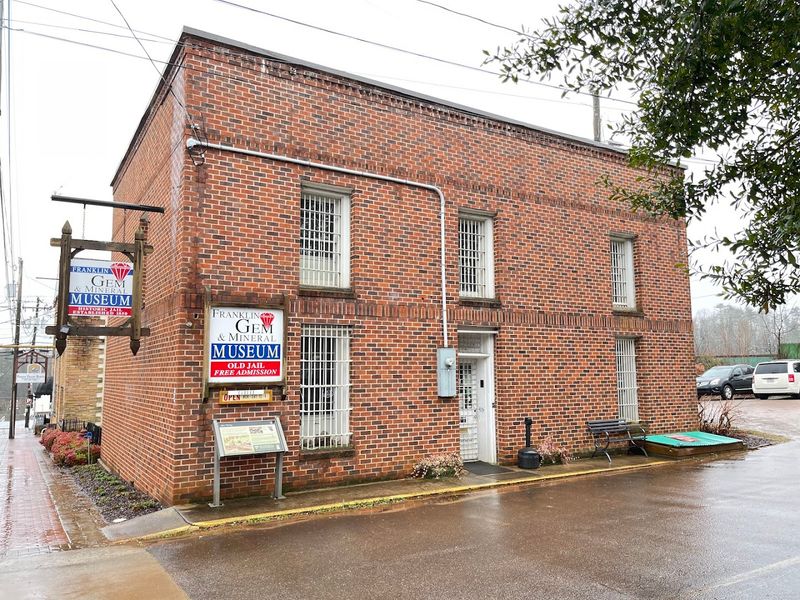
Some buildings carry stories in their walls — and this one has more than most. The Franklin Gem and Mineral Museum is housed inside the former Macon County Jail, a thick-walled brick structure built in 1850 that still has its original iron bars and heavy stone interior intact.
Walking through the front door feels like stepping into two worlds at once: the gritty history of a working county jail and the shimmering world of geological science. That combination is completely unique — no purpose-built museum could replicate the atmosphere this old jail naturally creates.
Upstairs, visitors can even step inside one of the original jail cells, which has been preserved as a historical curiosity. A few reviews mention that the restrooms are actually located in old cells, which adds a quirky, unforgettable layer to the whole experience.
It is the kind of place that sticks with you long after you leave.
Franklin, NC: A Small Town Sitting on a Geological Jackpot
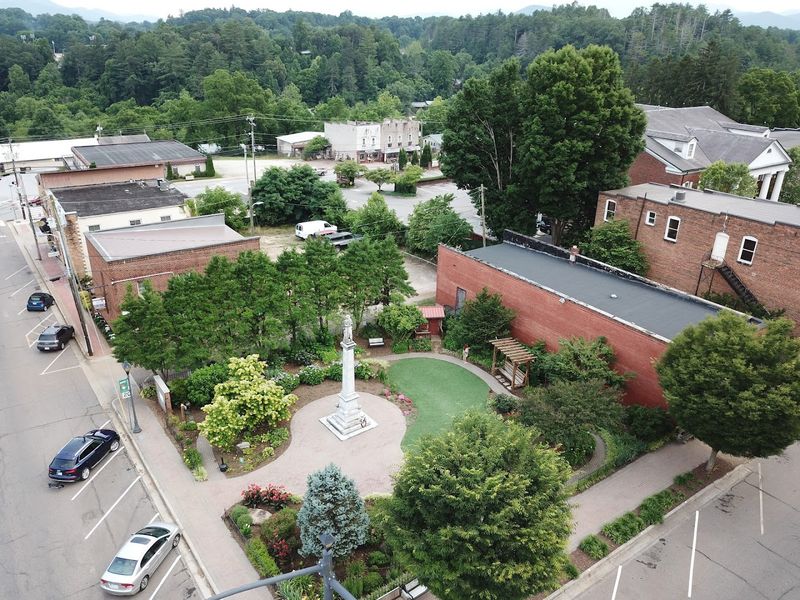
Not every small town can claim to sit on top of one of the most mineral-rich patches of land on the eastern seaboard — but Franklin, NC, absolutely can. Nestled deep in the Blue Ridge Mountains of western North Carolina, Franklin is the kind of place where geology is not just a school subject but a way of life.
The Appalachian Mountains surrounding the town are among the oldest rock formations on the entire planet, which means hundreds of millions of years of mineral activity happened right beneath where locals now park their cars. Rubies, sapphires, garnets, and corundum have all been pulled from the ground in this region.
The Franklin Gem and Mineral Museum serves as the educational heart of this gem-obsessed community, helping visitors understand why the ground here is so extraordinarily generous. Several working mines sit just a short drive from downtown, making Franklin a genuine destination for rock hounds of all ages.
Eight Rooms, Eight Stories: How the Museum Is Laid Out
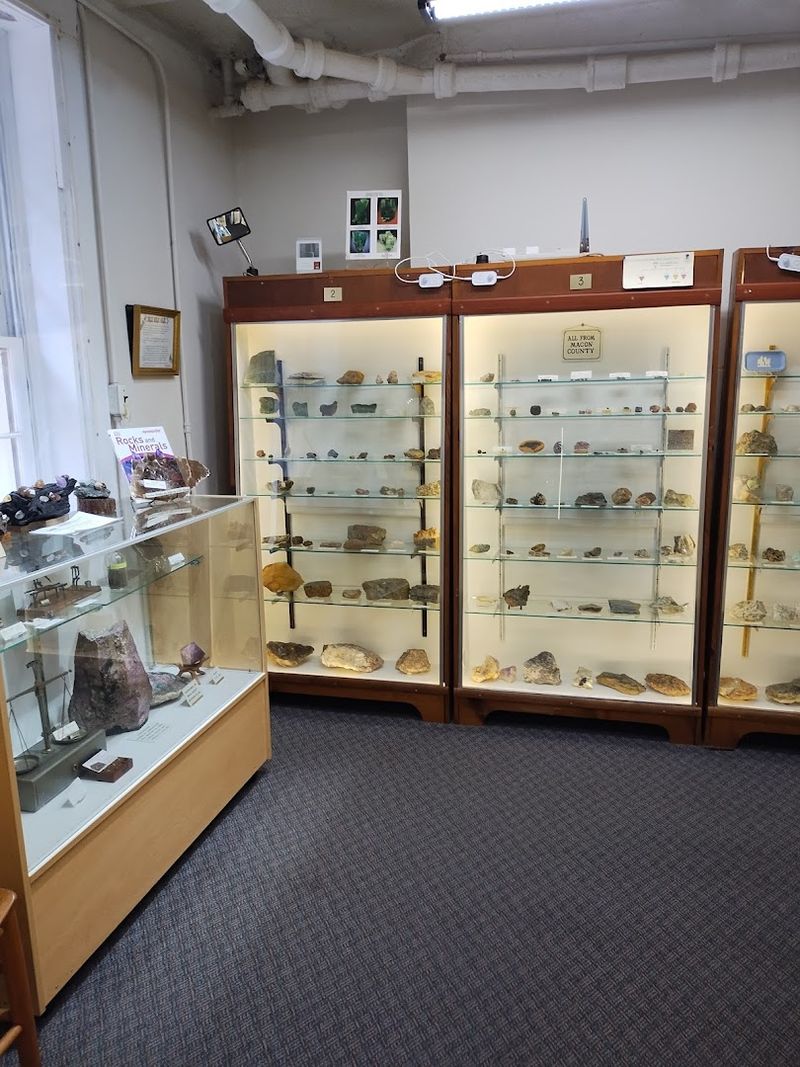
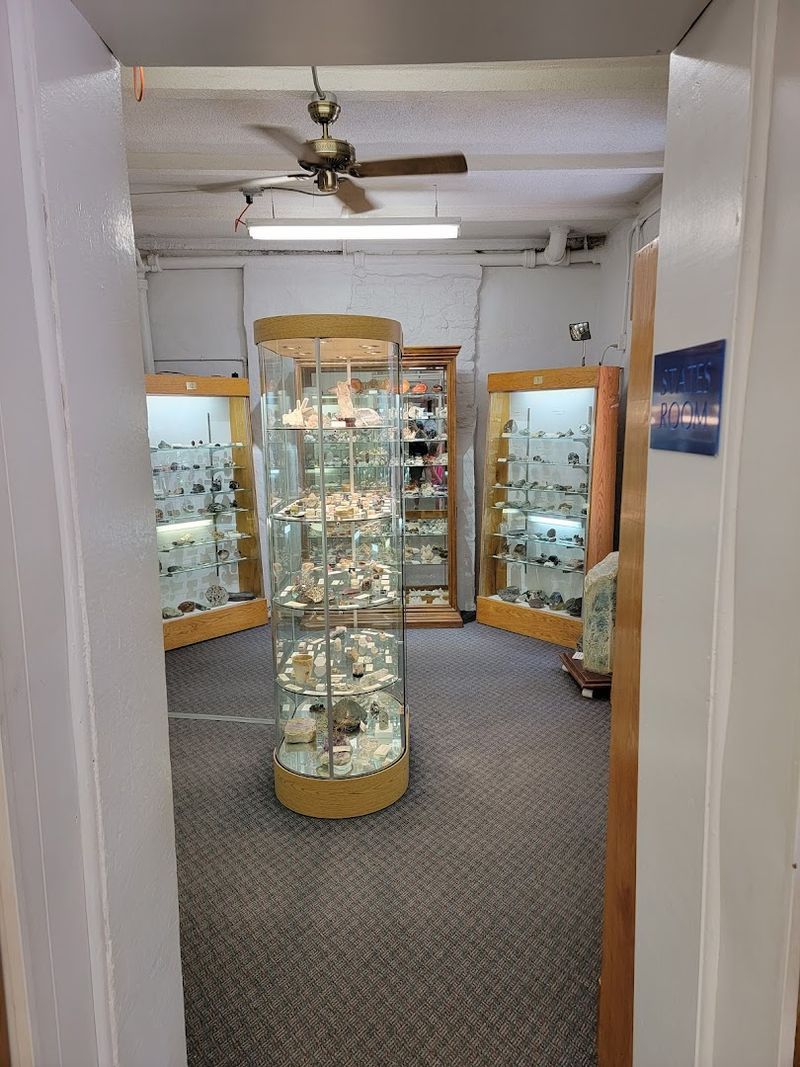
Forget sprawling exhibition halls that leave your feet aching — the Franklin Gem and Mineral Museum keeps everything refreshingly compact. Eight rooms, each dedicated to a different category of gem or mineral, fill what were once the jail cells and common areas of the 1850s building.
Because the rooms were originally cells, each one has a naturally enclosed, intimate feeling that actually works beautifully for displaying specimens. You are not rushing past exhibits; you are lingering in a small space where every shelf and case rewards careful attention.
The layout is especially great for families with young kids or anyone who finds large museums overwhelming. You can move through at your own pace, doubling back to favorite rooms without losing your place.
Volunteers are stationed throughout and genuinely love talking about what is on display — several reviewers specifically mentioned that the staff made the whole experience feel personal and warm rather than like a standard museum visit.
The Fluorescent Room: Where Rocks Glow in the Dark
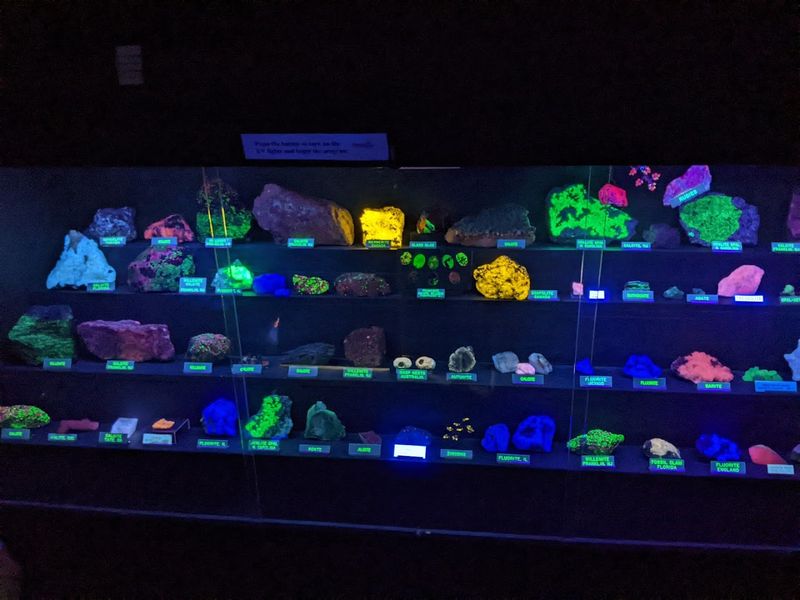
Picture walking into a pitch-dark room and watching plain gray rocks suddenly burst into electric shades of green, orange, and hot pink. That is exactly what happens inside the fluorescent mineral exhibit at the Franklin Gem and Mineral Museum, and it is the room visitors talk about most.
Under ultraviolet light, certain minerals release a glow that seems almost too vivid to be natural. Willemite, a mineral closely associated with the Franklin area, is world-famous among collectors for producing one of the brightest green fluorescent glows of any mineral on earth — and seeing it in person is genuinely breathtaking.
Multiple visitor reviews describe the fluorescence room as the absolute highlight of the trip, with one person calling it “AWESOME” in all caps. Kids especially go wild for it, since the experience feels more like a magic show than a science lesson.
Pro tip: give your eyes a moment to adjust when you first step inside for the full dramatic effect.
What Makes This Region Geologically Unusual
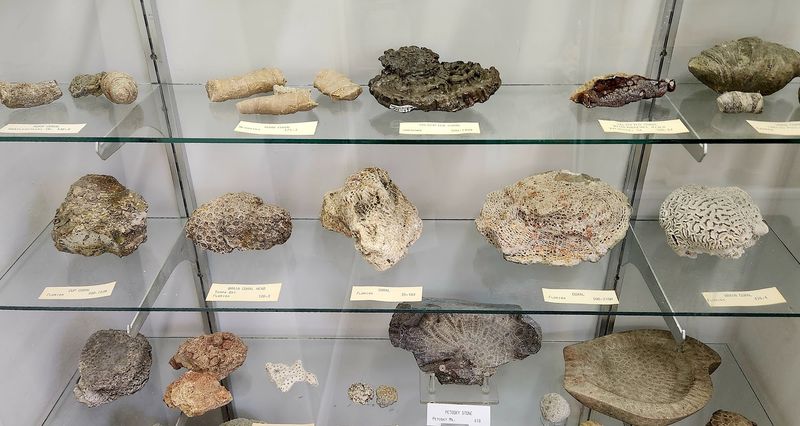
One of the most grounding parts of visiting the Franklin Gem and Mineral Museum is realizing that the spectacular specimens in the cases were not shipped in from some far-off exotic location — many of them came from right outside the building. The museum dedicates serious space to minerals found specifically in and around Macon County.
Corundum, kyanite, and various types of garnet are among the local stars on display. Corundum is the mineral family that includes rubies and sapphires, which means the hills around Franklin are literally growing precious gemstones.
That fact alone tends to make visitors look at the surrounding mountains a little differently.
The Appalachian range is one of the oldest mountain systems on the planet, and that extreme age is the reason such a wild variety of minerals formed here. Geological processes that played out over hundreds of millions of years left behind a landscape that rock collectors consider genuinely extraordinary.
The museum explains all of this in language that is easy to follow.
The Gem Cutting and Lapidary Display
Ever held a rough ruby and wondered how it ends up as a glittering red stone in a ring? The lapidary display at the Franklin Gem and Mineral Museum answers that question in a way that actually makes sense.
Seeing an uncut, dull-looking stone placed right next to its polished, faceted version is one of those genuinely eye-opening museum moments.
Lapidary is the art and craft of cutting, shaping, and polishing gemstones, and it takes real skill to transform raw material into something jewelry-worthy. The display walks visitors through the basic steps, from initial rough shaping to final polishing, using real specimens as examples.
This section is especially useful for visitors who plan to try gem mining at one of the nearby Franklin mines. When you dig up a rough stone at a sluice and wonder if it is worth anything, having seen this display gives you a practical frame of reference.
It connects the hands-on outdoor experience to the science happening underground.
Donations and Community Collections
There is something quietly moving about a museum built almost entirely from the generosity of its community. Much of the Franklin Gem and Mineral Museum’s collection — which numbers around 6,000 items — was donated by local residents, rock collectors, and geology enthusiasts over many decades.
Some specimens arrive with handwritten notes tucked alongside them, describing exactly where and when a piece was found. That personal detail transforms individual rocks from anonymous objects into small chapters of someone’s story.
A garnet found on a family hiking trip in 1974 carries a different kind of weight than one purchased from a supplier.
This community-sourced origin also means the collection reflects genuine local passion rather than institutional purchasing decisions. Visitors often sense this difference without being able to name it — the museum feels lived-in and real rather than sterile.
One reviewer put it perfectly, calling it a place where you can feel the enthusiasm of the people behind every display case.
Minerals From Around the World
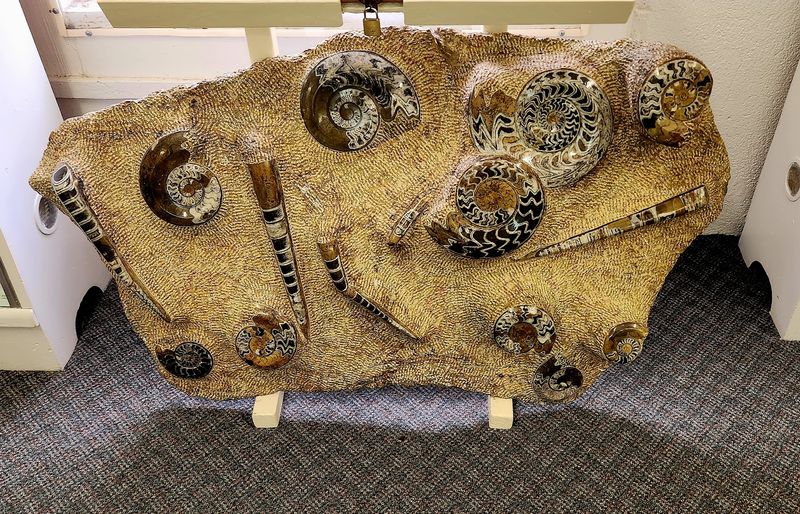
Franklin’s geology is remarkable on its own, but the museum smartly places local specimens in a much bigger context. Alongside the Macon County minerals, visitors will find rocks and crystals sourced from Brazil, Madagascar, Morocco, and dozens of other countries — plus at least one specimen representing every single U.S. state.
That global range does something clever: it makes the local stuff feel less like a regional quirk and more like part of an ongoing planetary story. Earth produces extraordinary minerals all over the place, and Franklin just happens to be one of those especially generous spots.
Seeing a Brazilian amethyst or a Moroccan fossil next to an Appalachian ruby gives visitors a sense of geological scale that is hard to get from just reading about it. The contrast also highlights what makes the local specimens genuinely special rather than simply familiar.
For kids especially, the variety of colors, textures, and shapes from around the world turns the museum into something closer to a treasure hunt than a classroom lesson.
Where Geology Becomes Affordable and Tangible
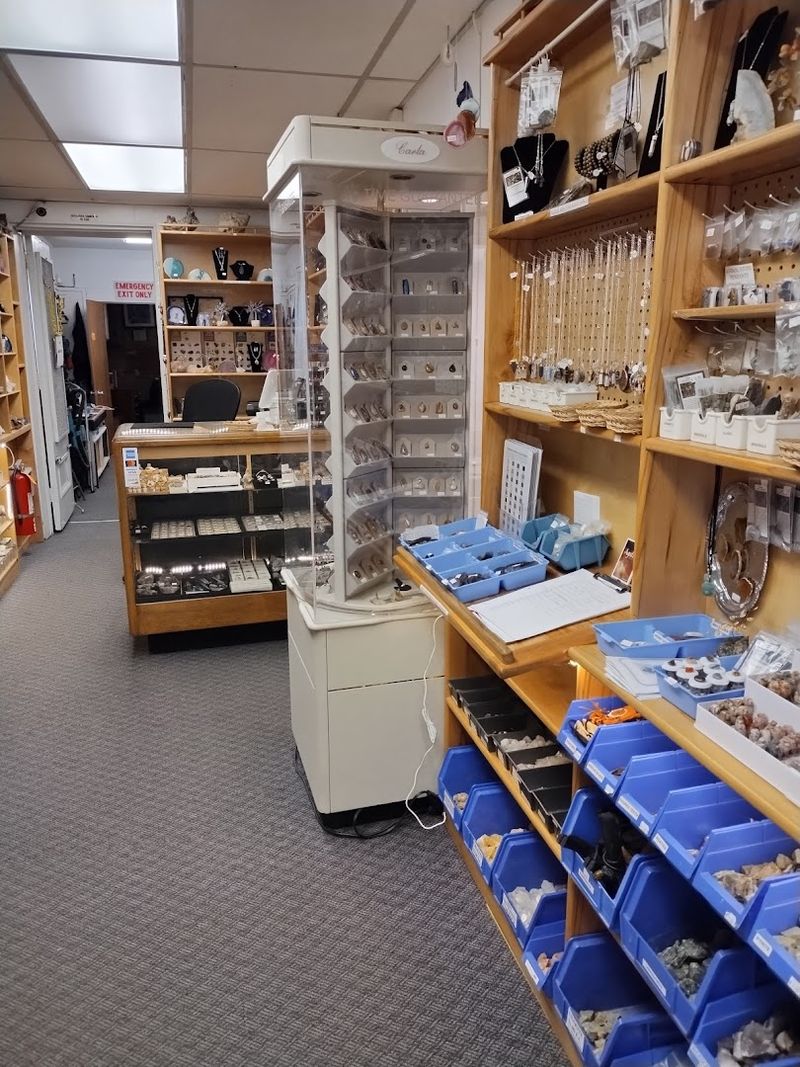
For a lot of visitors — especially younger ones — the gift shop is where the Franklin Gem and Mineral Museum experience goes from interesting to unforgettable. Walking out with an actual piece of the earth in your pocket changes the way the whole visit feels.
Small bags of rough gemstones sell for just a few dollars, making it genuinely accessible for families on a budget. Polished stones, mineral specimens, and geology-themed keepsakes round out the selection, and multiple reviewers noted that prices are reasonable without feeling like a tourist trap markup.
Buying something here also directly supports the museum, which operates on donations and volunteer labor. Several visitors mentioned feeling good about spending money in the shop for exactly that reason.
Whether you walk out with a five-dollar bag of garnets or a carefully chosen polished piece for a collection, the shop gives the museum visit a satisfying, tangible ending that you can display on a shelf at home.
What to Know Before You Go
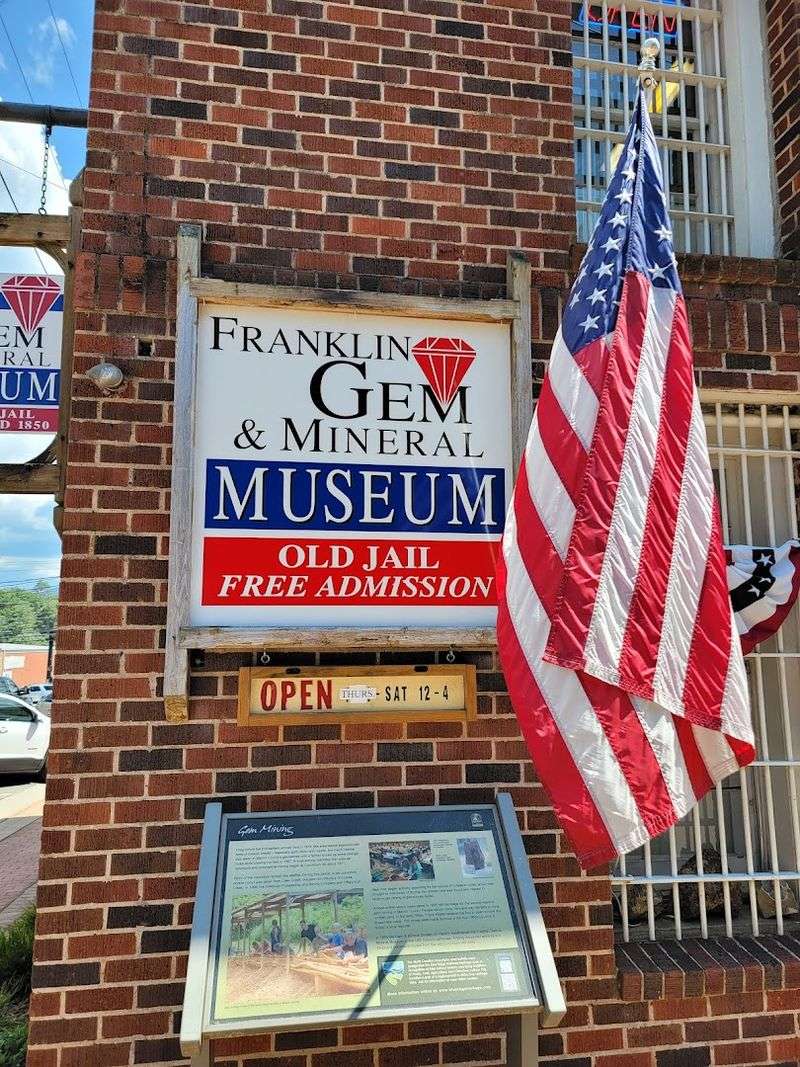
A little planning goes a long way when visiting the Franklin Gem and Mineral Museum. The museum is free to enter — admission costs nothing, though donations are warmly appreciated and genuinely help keep the lights on.
Hours run Wednesday through Saturday, 12 p.m. to 4 p.m., from May through October, with Saturday-only hours during the winter months.
One important heads-up: at least one recent reviewer found the museum unexpectedly closed despite Google listing it as open. Calling ahead at (828) 369-7831 or checking the official website at fgmm.org before making the trip is strongly recommended, especially if you are driving from out of town.
The relaxed, volunteer-run atmosphere means there is no rushing or pressure. Staff members are often serious collectors themselves who genuinely enjoy sharing what they know.
Visitors consistently describe interactions with volunteers as one of the best parts of the trip — knowledgeable, approachable, and enthusiastic in a way that feels completely authentic rather than scripted.
Pairing the Museum With Franklin’s Wider Gem Scene
The Franklin Gem and Mineral Museum is genuinely wonderful on its own, but it becomes something even better when it is the first stop on a full day of gem exploration. Franklin has several working fee-mining operations nearby where visitors pay a modest fee to dig through gravel sluices in search of real rubies, sapphires, and garnets.
Sheffield Mine and Mason Mountain Mine are both just a short drive from downtown, and both welcome families with kids. After spending time in the museum learning what corundum looks like in its rough form, heading out to actually dig for it feels like the most natural next step imaginable.
The museum essentially functions as a prep course for the mines — giving visitors the vocabulary and visual knowledge to recognize what they find. Together, the two experiences cover both the science and the pure hands-on fun of gem country in a way that neither could deliver alone.
Franklin rewards visitors who treat it as a full day rather than a quick stop.